Sleeping Pads
Therm-a-Rest NeoAir XLite vs Nemo Tensor: Which Sleeping Pad Should You Buy?
A close comparison of the Therm-a-Rest NeoAir XLite and the Nemo Tensor, covering price, weight, shell materials, warmth, noise, and comfort.
Introduction
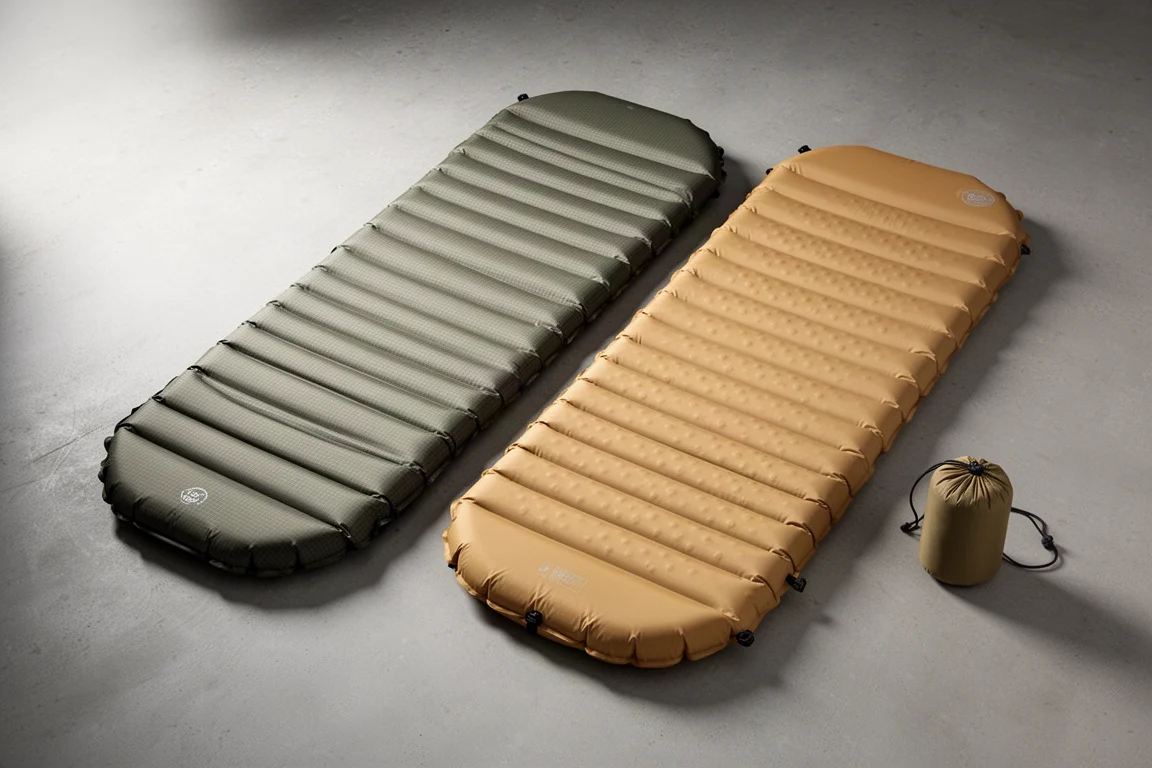
Two inflatable sleeping pads come up again and again for three-season backpacking: the Therm-a-Rest NeoAir XLite and the Nemo Tensor. Both target the same camper, both carry an R-value of 4.2, and both include a pump sack for inflation. The Regular Wide versions sit close on price as well, at $220 for the XLite and $200 for the Tensor.
The decision really comes down to what you value once you are lying on the ground. The XLite is the lighter and tougher of the two, while the Tensor is thicker, quieter, and generally more comfortable.

This comparison walks through weight, shell materials, warmth technology, inflation and deflation, noise, and baffle design, then points to which pad suits which kind of trip.
Key Differences at a Glance
- Price: $220 for the NeoAir XLite in Regular Wide, $200 for the Tensor in Regular Wide.
- Weight: 440 g for the XLite, 540 g for the Tensor.
- Shell: 30-denier ripstop nylon on the XLite, 20-denier polyester on the Tensor.
- Thickness: 2.5 inches for the XLite, 3 inches for the Tensor.
- Warmth: an R-value of 4.2 on both, with the Tensor figure tied to the 2022 version.
- Valves: WingLock on the XLite, LayLow on the Tensor.
- Baffles: horizontal on both, with Space Frame dimples added on the Tensor.
Those numbers set the shape of the decision. The XLite trades a little comfort for weight and durability, while the Tensor trades a little weight for a thicker, softer, quieter sleeping surface. Everything else, from warmth to inflation, is closer than the spec sheets suggest.
Therm-a-Rest NeoAir XLite: The Lighter, Tougher Option
The NeoAir XLite weighs 440 g in the Regular Wide size, a full 100 g less than the Tensor. Its shell is 30-denier ripstop nylon, which is both a thicker fabric and a more durable material than the 20-denier polyester used on the Tensor. In the hand it feels firmer and slightly scratchier, and it is the pad to consider if long-term durability and pack weight matter most to you.
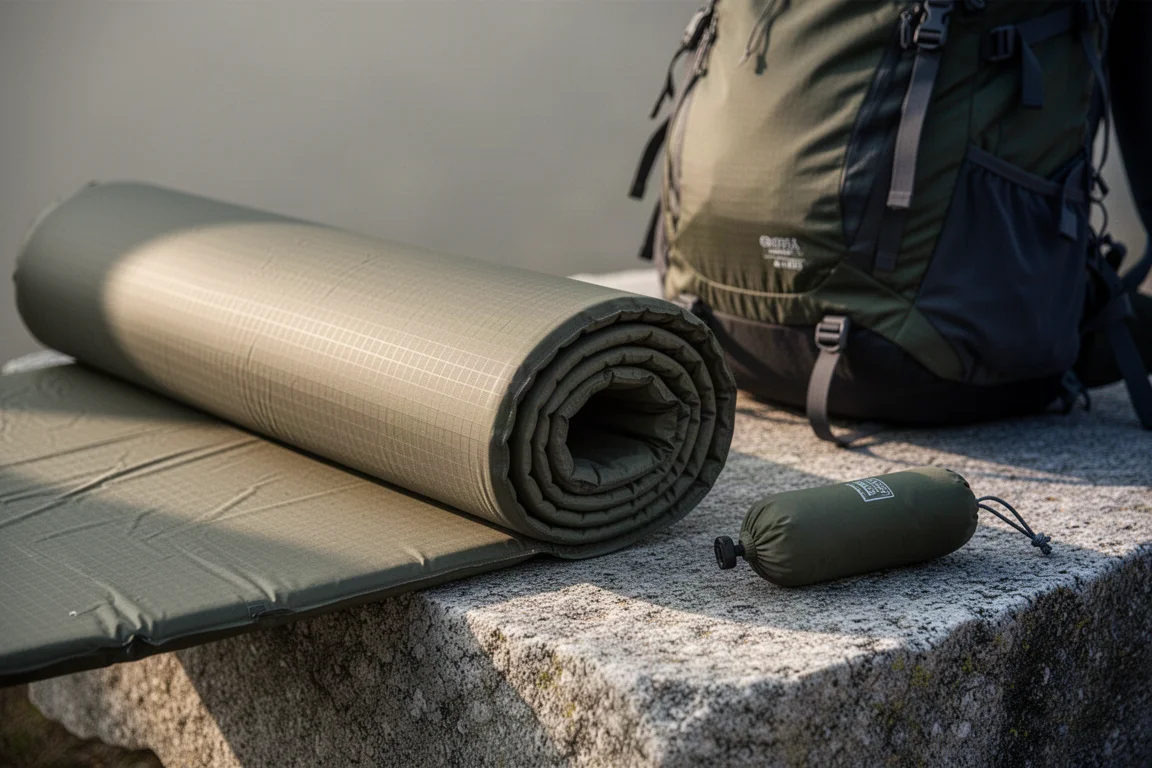
Warmth comes from ThermaCapture, a reflective film suspended inside the pad that bounces body heat back toward the sleeper and reduces heat loss to the ground. A Triangular Core Matrix inside the pad limits how much air moves around, which cuts convective heat loss. The trade-off is deflation: because air cannot move freely through that matrix, the pad takes more effort to empty than the Tensor.
The WingLock valve and the included pump sack work well, though the seal between the pump sack and the valve is not especially tight, so it can pop off when you inflate the pad in a cramped position such as inside a tent.
Nemo Tensor: The More Comfortable Option
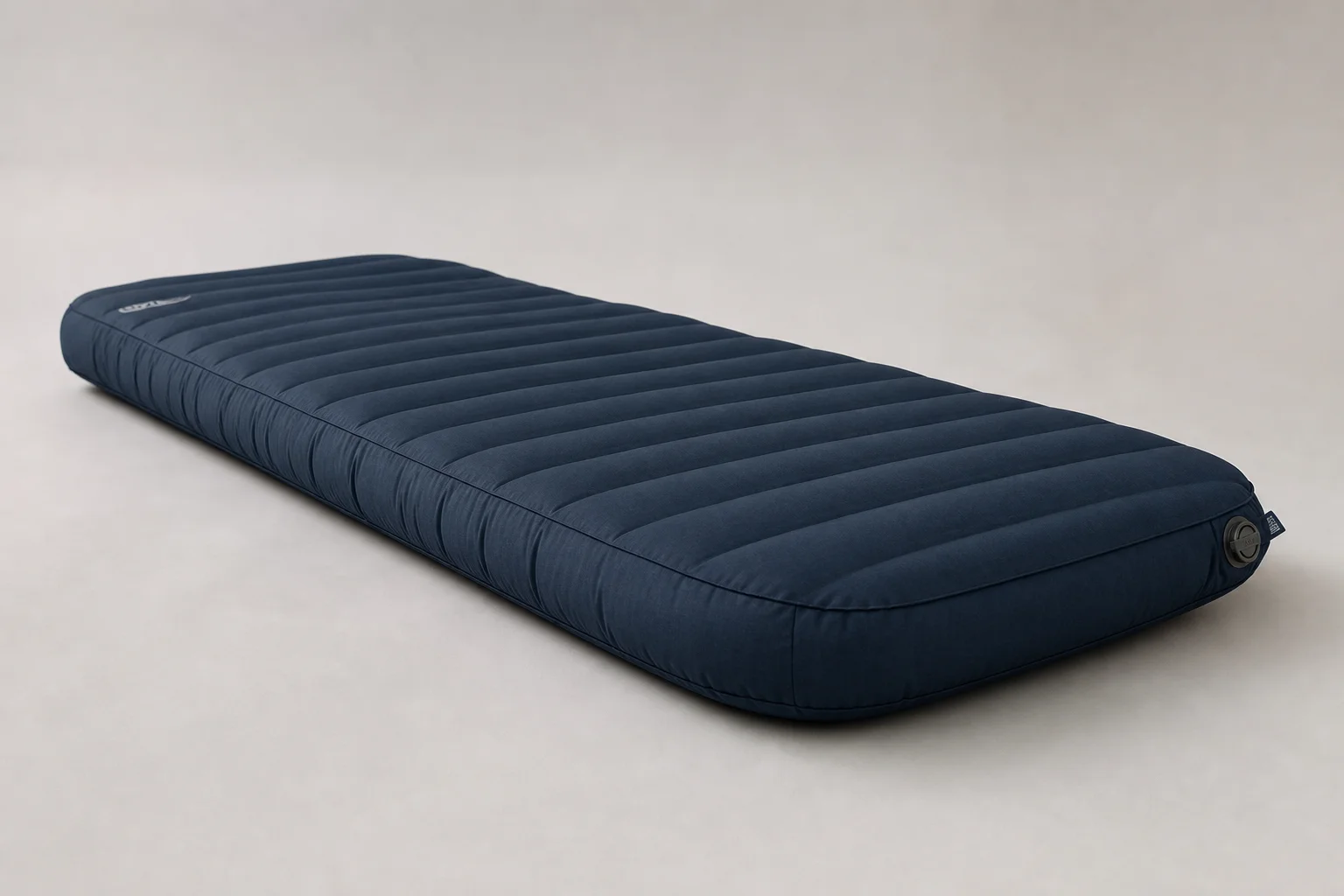
The Tensor is the heavier pad at 540 g in the Regular Wide size and the slightly cheaper one at $200. Its 20-denier polyester shell feels softer and stretchier under hand than the XLite’s nylon, and the pad is built with 100 percent recycled and bluesign approved materials, a genuine point in its favour for campers who factor sustainability into their gear choices.
At 3 inches thick it also offers half an inch more cushioning than the XLite, which matters if you tend to bottom out at the shoulder or hip when you sleep on your side.
Warmth is handled by Thermal Mirror, a reflective film that sends heat back up to the sleeper. In the 2022 version a TPU film also runs through the pad to limit convective heat loss and lift the R-value to 4.2.
The LayLow valve and pump sack inflate the pad quickly. The pump sack seals tightly to the valve, although pulling it away without holding the valve down can drag the one-way valve out and release the air you just added. Deflation is the Tensor’s clear win: once the valve opens, most of the air leaves immediately.
Warmth, Noise, and Comfort in the Real World
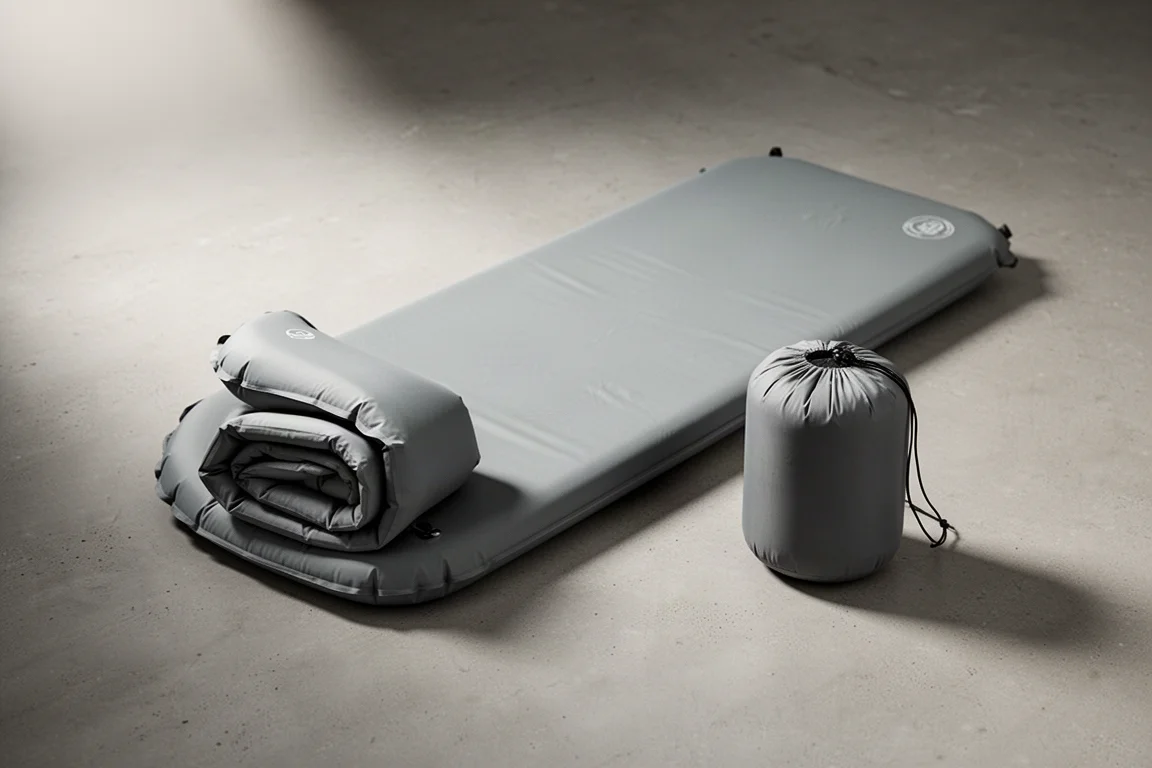
Both pads share an R-value of 4.2, and on the ground they sleep at roughly the same level of warmth. R-value alone does not capture the whole picture, since ground temperature, air temperature, and the sleep system around the pad all shape how warm a night feels, but these two pads perform comparably in that regard.
Noise is where they diverge sharply. The reflective insulation and shell material make the XLite noticeably louder when you shift position, while the Tensor stays much quieter. For anyone sharing a tent, that difference is easy to notice.

Comfort is the Tensor’s strongest argument. Its Space Frame construction creates dimples across the horizontal baffles, connecting the top and bottom surfaces of the pad and relieving pressure points through the night. Side sleepers are the group most likely to feel the benefit: on the XLite an arm can go numb over the course of a night, while the Tensor makes that far less common. The XLite remains a comfortable pad in its own right, but the Tensor is among the most comfortable options available.
Buying Advice: Which Pad Fits Your Trip
Choose the Therm-a-Rest NeoAir XLite if you are counting grams, want the more durable shell, and prefer a firmer sleeping surface. It is the better pad for long-distance trips where every 100 g counts, and the 30-denier ripstop nylon should hold up well over many seasons. Go in expecting more noise when you move and a slower deflation routine.
Choose the Nemo Tensor if comfort is the priority. The extra half inch of thickness, the dimpled Space Frame baffles, and the quieter surface make it the easier pad to sleep on, particularly for side sleepers. It costs $20 less than the XLite, though it gives up 100 g and uses a thinner polyester shell, and anecdotal reports of field failures are more common for the Tensor than for the XLite.
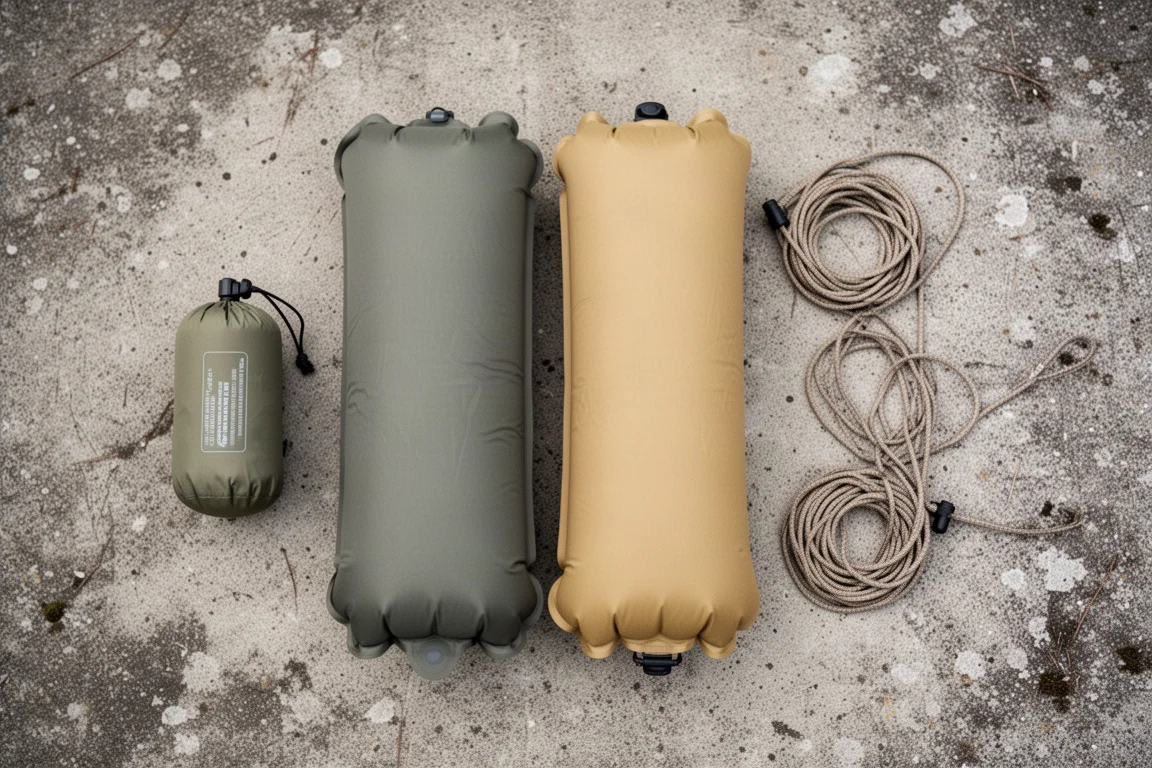
Both pads include a pump sack and inflate quickly, so the practical difference comes down to weight, durability, noise, and how you sleep. If you are torn, decide which of those four you would least like to compromise on and let that lead.
Conclusion
The NeoAir XLite and the Nemo Tensor are close enough that neither is a mistake. The XLite wins on weight and shell durability. The Tensor wins on thickness, comfort, noise, and sustainability, and it costs a little less. Backpackers who count every gram should lean toward the XLite, while anyone who prioritizes a good night’s sleep on the ground should lean toward the Tensor.
Further reading
Related Reviews
Sleeping Pads
Best Backpacking Sleeping Pads 2026: Nine Pads Rated on Price, Comfort, Warmth, and Weight
Nine backpacking sleeping pads compared on price, comfort, warmth, and weight, from a $65 summer pad to a year-round option rated at R-7.3.
Sleeping Pads
Best Backpacking Sleeping Pads: Comfort, Warmth, and Weight Compared
A practical comparison of the Nemo Quasar 3D, Therm-a-Rest NeoAir XTherm Max, and Big Agnes Rapide SL for backpackers choosing between comfort, warmth, and packed weight.
Sleeping Pads
Best Backpacking Sleeping Pads: Ultralight, Winter, Comfort and Budget Picks
A practical roundup of the sleeping pads that stand out for ultralight weight, winter warmth, pressure relief and value, plus three popular pads that fell short.