Sleeping Pads
Therm-a-Rest NeoAir XLite Review: Ultralight, Packable, and Not for Every Sleeper
A practical look at the Therm-a-Rest NeoAir XLite, covering where its low weight and small packed size pay off and why side sleepers may find it uncomfortable.
Introduction
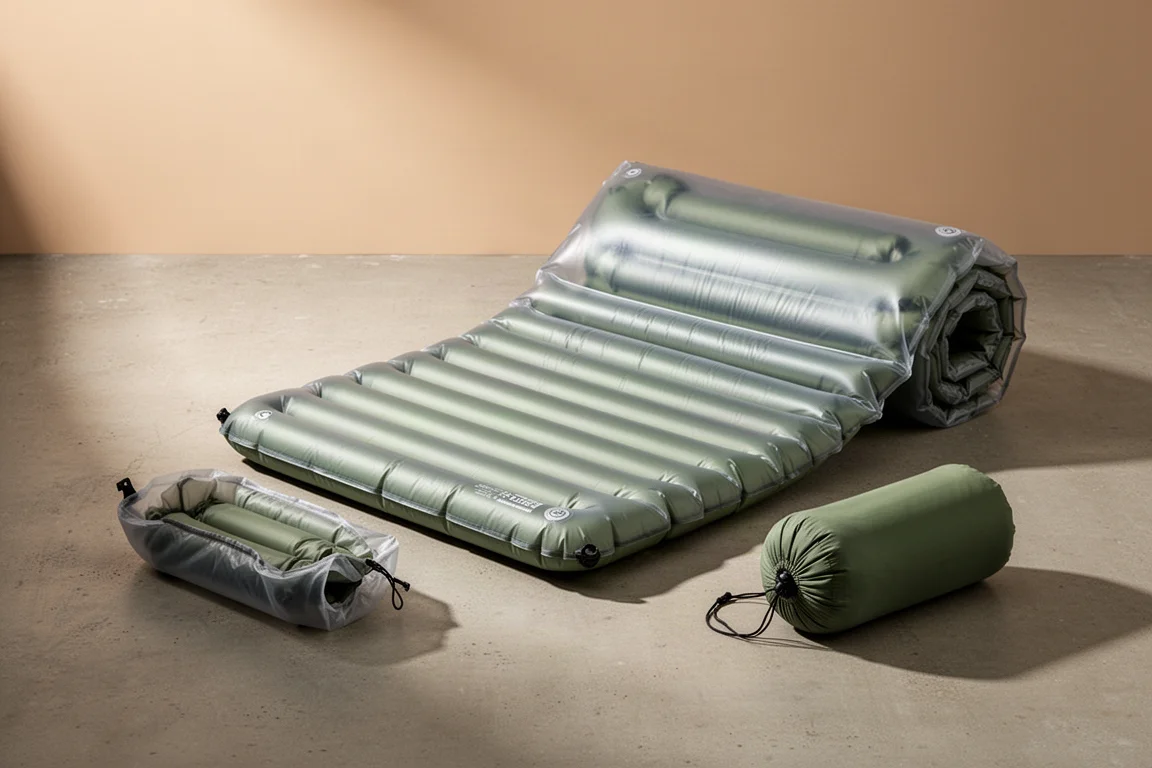
The Therm-a-Rest NeoAir XLite has built its reputation on two things: low weight and a small packed size. For backpackers counting every gram, that combination is genuinely appealing, and it is the main reason this pad keeps showing up in ultralight kit lists.
Comfort is the other half of the story, and it is the half that decides whether a pad is worth carrying. After two nights out in the Uinta mountains, the XLite left a very specific impression: an aching back, arms that had gone numb, and shoulders that felt beaten up by morning. The pad is not a bad product. It is a specialist product, and it is worth understanding exactly what it specialises in before you spend money on it.
This review covers what the XLite does well, where it falls short in real use, and which sleepers should look elsewhere.
Who This Pad Is For
The XLite is aimed squarely at backpackers who put pack weight and pack volume first. It is lightweight, compact and minimal, and it genuinely reduces the load you carry compared with thicker, bulkier pads.
It is also a pad that has historically been offered in a regular length, 20-inch wide mummy shape, which suits narrow sleepers and small frames. A regular wide version is now available, and the extra width does help with the feeling of sliding off the edge that the narrower version produced, with elbows and arms drifting off the mat overnight. What the wider version does not change is the underlying feel of the pad, which is where the comfort questions begin.
If your priority is a light, small pad and you sleep comfortably on your back, this is a reasonable fit. If you are a committed side sleeper who needs support under the hips and shoulders, the case for it becomes much weaker.
What the NeoAir XLite Does Well
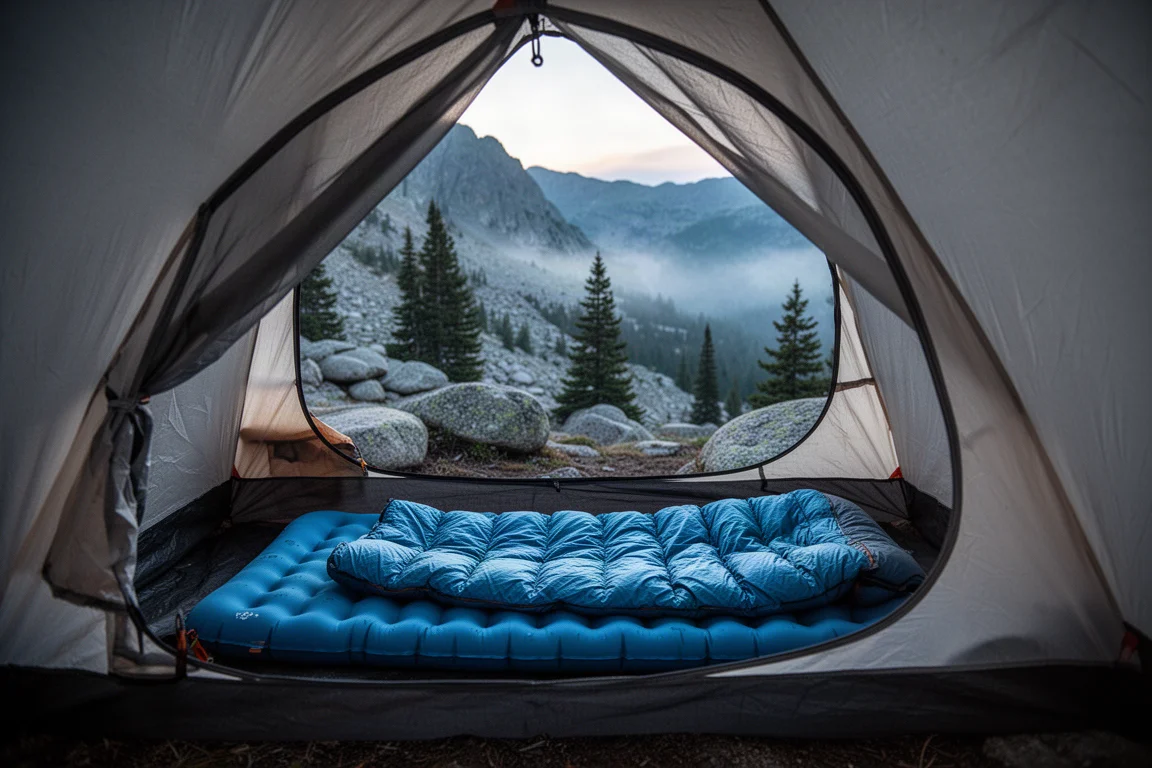
There is a reason this pad has a following. It is light, it packs down to almost nothing, and it disappears into a pack in a way that heavier pads simply cannot. For long-distance hikers, fastpackers and anyone trimming base weight, that is a real and measurable benefit.
The pad is also about two and a half inches thick, which sounds generous on paper and is a meaningful step up from the thinnest closed-cell options. The materials and construction feel purposeful rather than flimsy, and the overall design is clearly built around the idea of doing more with less material.
In short, the XLite delivers exactly what it promises on the weight and packability side of the equation.
Side Sleeping and Back Support: Where It Struggles
The comfort problems trace back to two design details: the pad’s height and its horizontal baffles. At around two and a half inches tall, with baffles that are fairly thin rather than large and bulky, the pad has a narrow window between “comfortable” and “not enough air.”
For a side sleeper, that window is unforgiving. The pad effectively needs to be inflated to maximum capacity, because anything less lets the hips, elbow or shoulder press through and touch the ground. When that happens, you lose the full insulation value of the pad and you lose comfort at the same time.
Inflate it fully, and the opposite problem appears. Lying on your back, the pad feels like a board. It does not have the give and the contouring support you get from quilted-style pads, and for side sleepers the result is pressure that builds up through the night. Shoulders end up tired and oddly unsupported, arms fall asleep, and rolling over simply moves the discomfort to a new spot. That is not the quality of sleep most people are hoping for after a long day of hiking.
If your experience with this pad has been different, that is genuinely useful to know. Sleep is personal, and body type, sleeping position and inflation habits all change the outcome. But for side sleepers who wake up stiff and sore, the pattern here is consistent enough to take seriously.
Inflation and Firmness in Practice
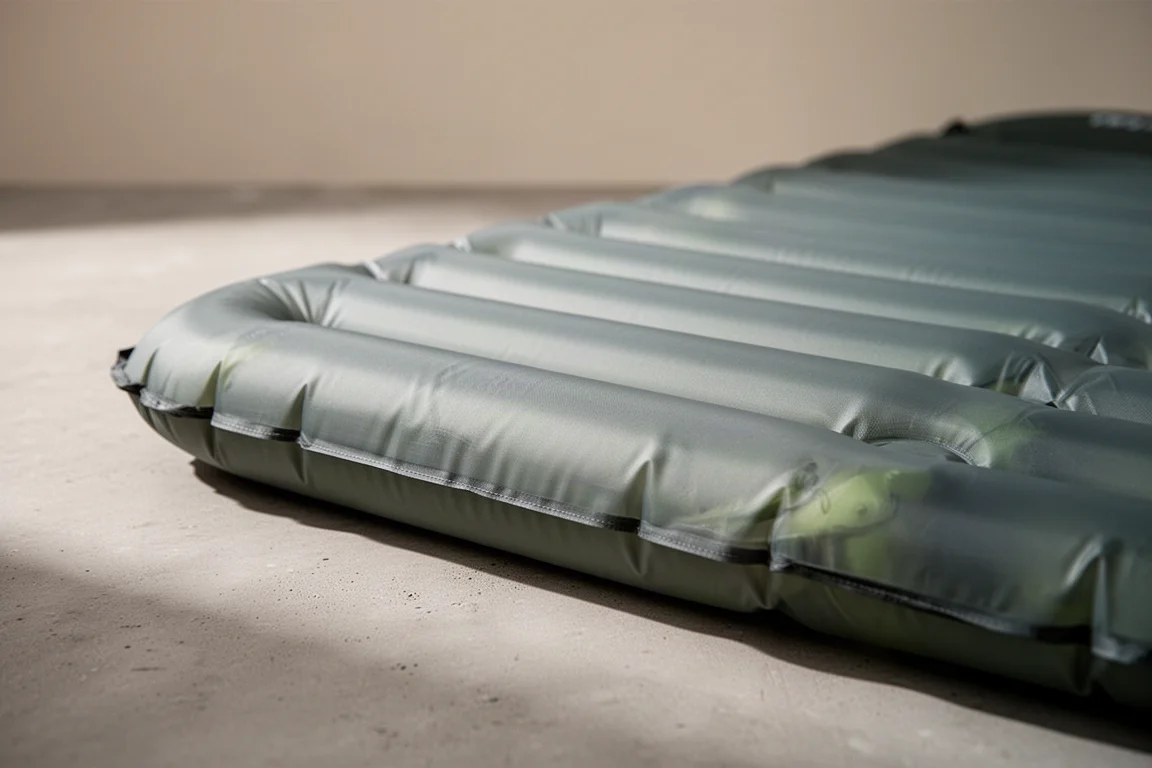
The XLite rewards precision. Getting a good night on it depends on inflating it all the way, and that leaves very little margin for a softer, more forgiving feel. Underinflated, you get ground contact at the hips and shoulders. Fully inflated, you get a firm, taut surface with minimal cushioning.
That is a narrow band of acceptable firmness, and it is worth testing at home before you rely on it for a multi-day trip. Spend a night or two on it on a hard floor and see how your shoulders and lower back feel in the morning. It is a much cheaper way to learn the answer than discovering it at 2 a.m. on the trail.
Weight and Packability Trade-Offs
This is where the XLite justifies its existence. It is light, it is compact, and it takes up very little room in a pack. For hikers covering big distances or carrying food and water over long resupply gaps, that saving is not a marketing number, it is a practical advantage.
The trade-off is that the weight saving is bought with comfort, and that trade only makes sense if you actually sleep well on the pad. A pad that saves a few hundred grams but leaves you sore every morning can cost you more in the long run than it gives back, especially on trips where recovery matters.
The right question is not whether the XLite is light. It clearly is. The right question is whether you personally sleep well on a firm, thin-baffled surface.
Things to Consider Before Buying
Before committing to the XLite, work through a few practical points:
- Sleeping position. Back sleepers generally adapt to a firm, taut surface more easily than side sleepers, who need cushioning under the hips and shoulders.
- Inflation habits. This pad performs best fully inflated, so be honest about whether you will actually top it up every night.
- Support expectations. Quilted-style pad designs provide a different kind of support that many side sleepers find more comfortable.
- Width. The regular wide version reduces the feeling of falling off the edge compared with the narrower mummy shape, but it does not change how the pad feels under pressure.
- Test time. One or two nights on a hard floor at home will tell you more than any specification sheet.
Buying Advice
The NeoAir XLite is a well-executed ultralight pad, and for the right sleeper it is a straightforward recommendation. If you sleep on your back, keep your base weight low, and value a small packed size above all else, it does its job well.
If you are a side sleeper who has woken up with a sore back and numb arms on other thin pads, approach it with caution. The pad needs full inflation to keep your hips and shoulders off the ground, and once fully inflated it feels firm rather than plush. That combination works for some people and not for others, and there is no specification that will tell you which group you fall into.
Buy it if low weight and pack volume are your top priorities and you know you sleep well on a firm surface. Look at thicker, quilted-style options if support and cushioning matter more to you than the gram count.

Whatever you choose, treat the pad as a sleep system component rather than a spec sheet entry. The best pad is the one that lets you wake up rested enough to enjoy the next day on the trail.
Conclusion
The Therm-a-Rest NeoAir XLite earns its reputation as a light, compact, genuinely minimal sleeping pad. It reduces pack weight, it disappears into a pack, and it is built for backpackers who count grams.
It is also a pad with a clear limitation. Its two and a half inch height and thin horizontal baffles mean it needs to be fully inflated to keep a side sleeper’s hips and shoulders off the ground, and at full inflation it feels board-like rather than supportive. For back sleepers and weight-focused hikers, that is a fair compromise. For side sleepers who want cushioning and support, it is a compromise that may not be worth making.
Product link
View more details for Therm-a-Rest NeoAir XLite
This product is mentioned in the review. Check the specifications, options, and compatibility before buying.
View more details for Therm-a-Rest NeoAir XLiteFurther reading
Related Reviews
Sleeping Pads
Best Backpacking Sleeping Pads 2026: Nine Pads Rated on Price, Comfort, Warmth, and Weight
Nine backpacking sleeping pads compared on price, comfort, warmth, and weight, from a $65 summer pad to a year-round option rated at R-7.3.
Sleeping Pads
Best Backpacking Sleeping Pads: Comfort, Warmth, and Weight Compared
A practical comparison of the Nemo Quasar 3D, Therm-a-Rest NeoAir XTherm Max, and Big Agnes Rapide SL for backpackers choosing between comfort, warmth, and packed weight.
Sleeping Pads
Best Backpacking Sleeping Pads: Ultralight, Winter, Comfort and Budget Picks
A practical roundup of the sleeping pads that stand out for ultralight weight, winter warmth, pressure relief and value, plus three popular pads that fell short.