Sleeping Pads
Therm-a-Rest NeoAir XLite NXT Review: Thicker, Warmer, and Much Quieter
The NeoAir XLite NXT keeps the XLite's standout warmth-to-weight ratio while addressing comfort and noise. Here is what changed and who should buy it.
Introduction
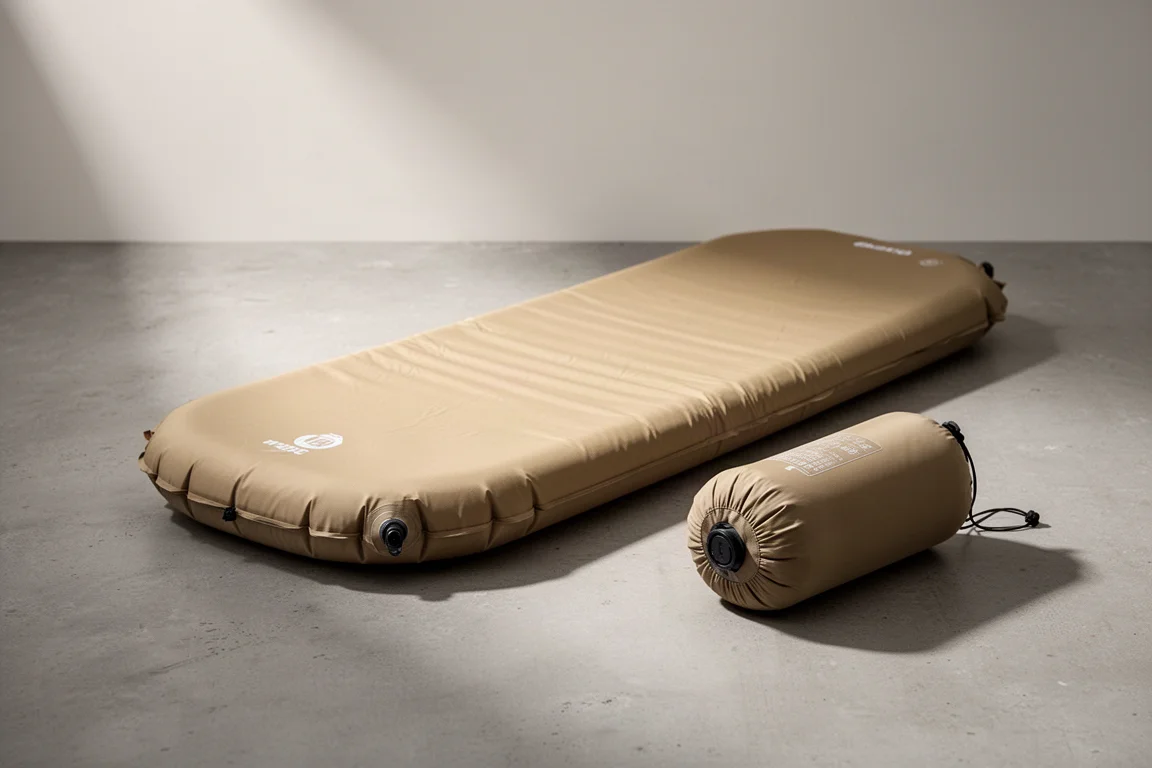
The Therm-a-Rest NeoAir XLite has been a reference point for ultralight backpackers for years, and the XLite NXT is the updated version of that pad. It keeps the formula that made the original popular, a very high warmth-to-weight ratio in a packable package, and takes aim at the two criticisms that have followed the XLite the longest: comfort and noise.
This is not a redesign. It is a targeted revision. The pad is thicker, slightly warmer, and noticeably quieter in use, and it is a little heavier as a result. For anyone deciding between the original XLite and the NXT, or wondering whether the upgrade is worth it, the trade-offs are worth understanding before buying.

Most of the changes sit under the surface of the pad rather than in its overall silhouette. The baffle layout, the shell fabric, and the valve are carried over, which means the character of the XLite is preserved. What has changed is how much cushioning the pad provides and how much noise it makes when you move on it.
Who This Pad Is For
The XLite NXT is aimed at backpackers and bikepackers who count grams and still want a pad that can handle cold nights. Its warmth-to-weight ratio remains the headline feature, and the higher R-value makes it a more capable three-season option for cold sleepers.
Side sleepers are the group most likely to notice the improvement. Thicker padding reduces the chance of a shoulder or hip bottoming out, which was a common complaint with the previous 2.5-inch version. Anyone who likes to fine-tune firmness by letting a little air out of the pad also gets more material to work with.
It is less suited to campers who prioritize outright plushness. The XLite has never been the most comfortable pad on the market, and the NXT does not change that positioning.
Comfort and Thickness
The most tangible change is thickness. Therm-a-Rest increased the pad from 2.5 inches to 3 inches, which gives side sleepers more cushioning under the shoulder and hip and adds a little more room to adjust firmness without feeling the ground underneath.
The extra thickness is a genuine improvement, though it is not dramatic. Anyone who was already comfortable on the 2.5-inch version will not find the NXT transformed, but anyone who found the old pad borderline will notice the difference.
The pad is also available in a wider range of shapes and sizes. The 25-inch wide rectangular pad in a regular length is a particularly practical option: it provides more usable space at the head and foot ends than a mummy shape, which helps when you move around during the night.
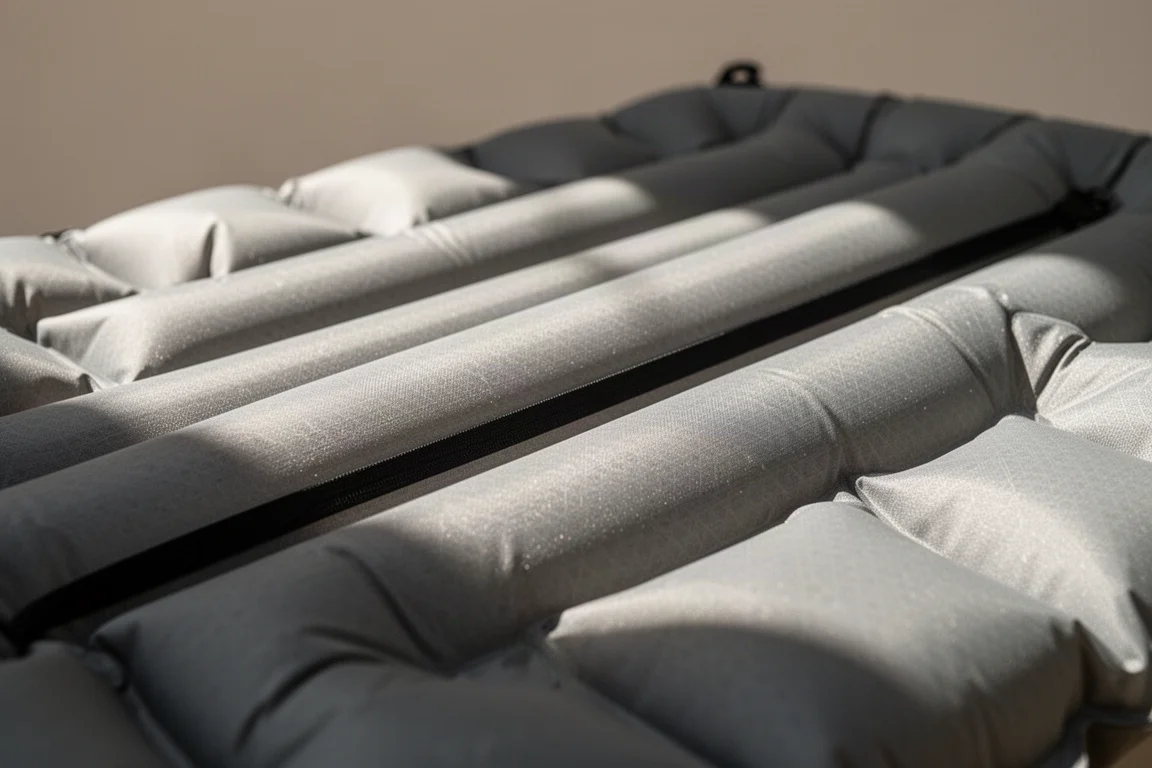
One thing that has not changed is the baffling. The pad still uses horizontal baffles, which many sleepers find less comfortable than the vertical baffles used on some competitor pads or the dimpled baffle designs found on others. If horizontal baffles were a deal breaker before, the NXT does not resolve that.
Warmth and R-Value
The XLite NXT carries an R-value of 4.5, up from 4.2 on the previous version. That is a modest but meaningful bump for a pad in this weight class, and it strengthens the case for using it in colder conditions.
The increase comes from refining the two insulation technologies inside the pad. A reflective film, marketed as ThermaCapture, reduces radiative heat loss, while triangular air cells known as the Triangular Core Matrix reduce convective heat loss. On the NXT, the reflective film is incorporated into the Triangular Core Matrix structure, and that combination is what produces the higher R-value.
In real-world use, the XLite line has tended to outperform other pads with similar ratings, and the NXT continues that pattern. The pad feels warmer than its rating alone might suggest, which is part of why it remains a favorite for cold-weather trips.
Noise Reduction
Noise was the XLite’s most notorious flaw. The original pad crinkled loudly with every movement, to the point that it could keep a tent partner awake. Therm-a-Rest claims the NXT reduces that noise by 80 percent and is roughly six times quieter.
That claim holds up in practice. Compared side by side, the NXT is significantly quieter than the original, and much of the improvement comes from the refined reflective film inside the pad. A large share of the noise people noticed on the old version came from the underside of the pad rubbing against the ground, and that rustling is largely gone on the NXT.

The result is a pad you can shift on without broadcasting every movement across a campsite. For anyone who has avoided the XLite because of the crinkle, this is the change that matters most.
Shell, Valve, and Weight
The shell material is unchanged: a 30-denier ripstop nylon that has proven durable in use. It is a sensible choice for a pad that will be stuffed into packs, dragged across tent floors, and used on rough ground.
The WingLock valve is also carried over. It handles inflation and deflation well and works particularly nicely with a pump sack, though it is a design that some users have never warmed to.
The trade-off for the comfort and noise improvements is weight. The regular mummy version of the XLite NXT weighs 12.5 ounces, half an ounce more than the 12 ounces of the previous version. That is a small penalty in absolute terms, but it matters to anyone counting ounces closely.
Things to Consider Before Buying
Weigh the improvements against your priorities. If you already own the original XLite and sleep fine on it, the NXT is an incremental upgrade rather than a necessary one. The half-ounce weight increase is a real cost, and the R-value gain is modest.
If noise has been your main frustration, or if you are a side sleeper who found the old pad too thin, the NXT addresses both directly and is a much easier recommendation.
Also consider the baffle design. Horizontal baffles remain, and sleepers who prefer vertical or dimpled baffles will still be better served elsewhere.
Buying Advice
For first-time buyers, the XLite NXT is a strong choice for ultralight backpacking where warmth, packability, and low weight matter more than maximum cushioning. The 25-inch wide rectangular version is the most versatile shape for most sleepers, and the extra room at the head and foot ends is worth the small weight penalty for many people.
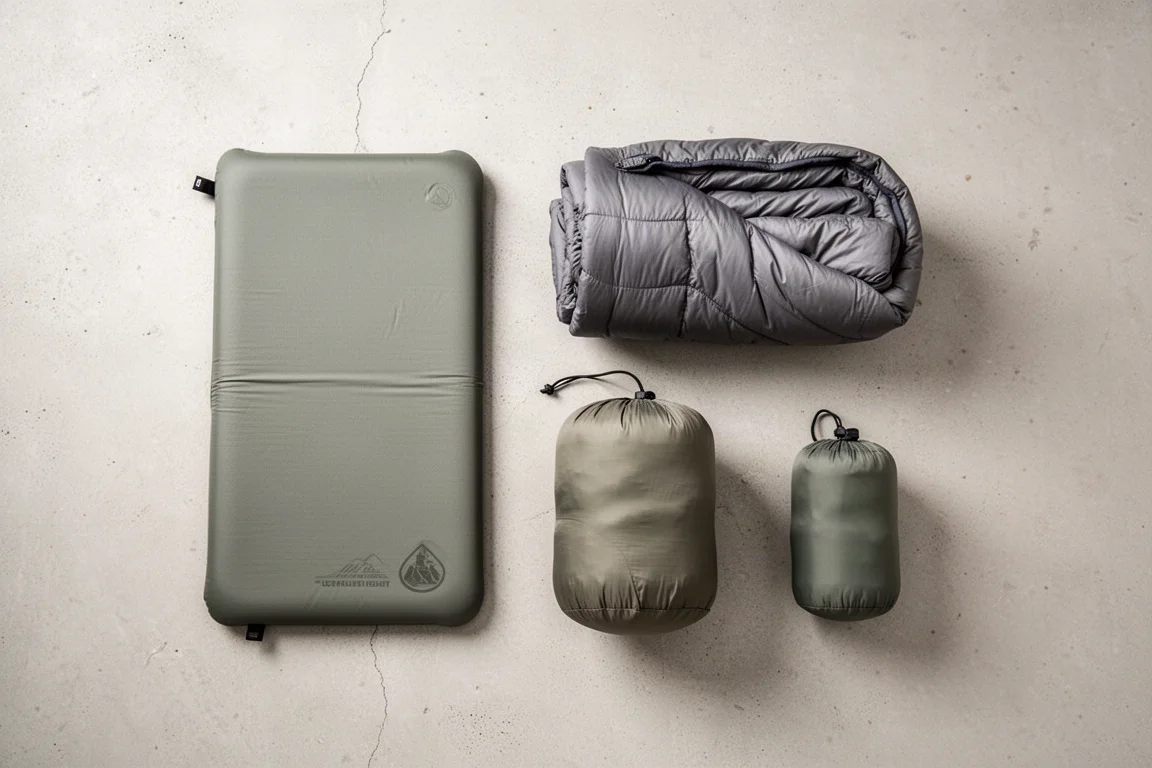
For existing XLite owners, upgrade if noise or comfort has genuinely bothered you. If neither has, the original pad remains a capable piece of kit, and the NXT is best viewed as a refinement rather than a replacement you need to rush into.
Pair the pad with a pump sack to make inflation easier and to keep moisture out of the interior, and match it with a sleeping bag or quilt rated for the conditions you actually camp in.
Conclusion
The NeoAir XLite NXT does what a good revision should: it keeps what worked and fixes what did not. Thicker padding helps side sleepers, the higher R-value adds warmth, and the noise reduction is substantial enough to change how the pad feels in a shared tent. The half-ounce weight gain and the unchanged horizontal baffles are the compromises to accept. For most backpackers, the NXT is the version of the XLite worth buying.
Product link
View more details for Therm-a-Rest NeoAir XLite NXT
This product is mentioned in the review. Check the specifications, options, and compatibility before buying.
View more details for Therm-a-Rest NeoAir XLite NXTFurther reading
Related Reviews
Sleeping Pads
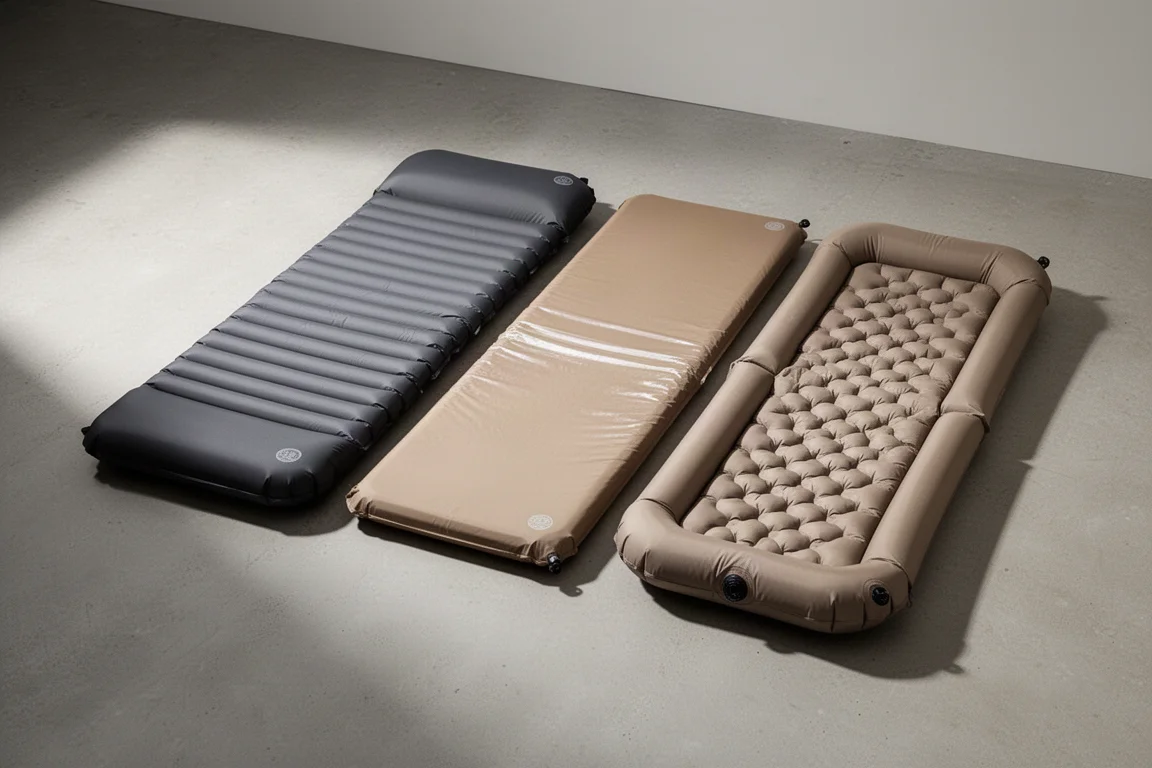
Best Backpacking Sleeping Pads 2026: Nine Pads Rated on Price, Comfort, Warmth, and Weight
Nine backpacking sleeping pads compared on price, comfort, warmth, and weight, from a $65 summer pad to a year-round option rated at R-7.3.
Sleeping Pads
Best Backpacking Sleeping Pads: Comfort, Warmth, and Weight Compared
A practical comparison of the Nemo Quasar 3D, Therm-a-Rest NeoAir XTherm Max, and Big Agnes Rapide SL for backpackers choosing between comfort, warmth, and packed weight.
Sleeping Pads
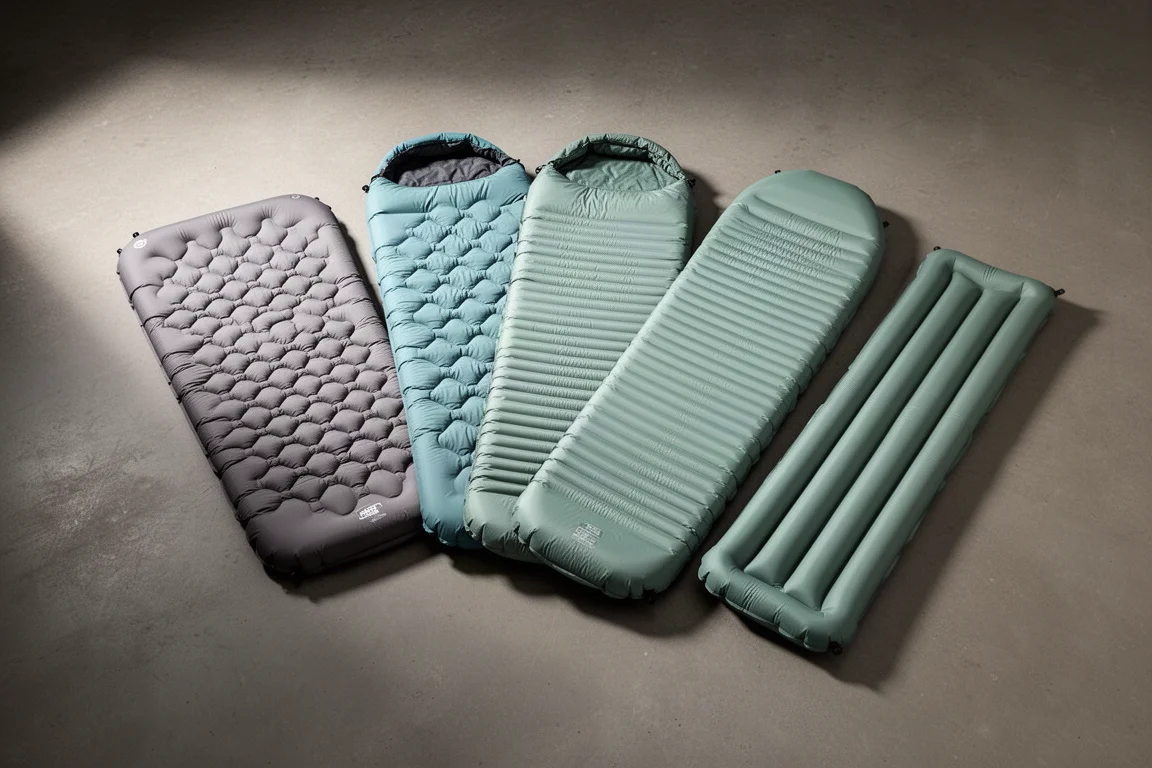
Best Backpacking Sleeping Pads: Ultralight, Winter, Comfort and Budget Picks
A practical roundup of the sleeping pads that stand out for ultralight weight, winter warmth, pressure relief and value, plus three popular pads that fell short.