Sleeping Pads
Therm-a-Rest NeoAir X-Lite Review: A Sleeping Pad Built for Long-Distance Comfort
A practical look at the Therm-a-Rest NeoAir X-Lite, an inflatable backpacking pad with years of long-distance use behind it, plus the trade-offs worth weighing before you buy.
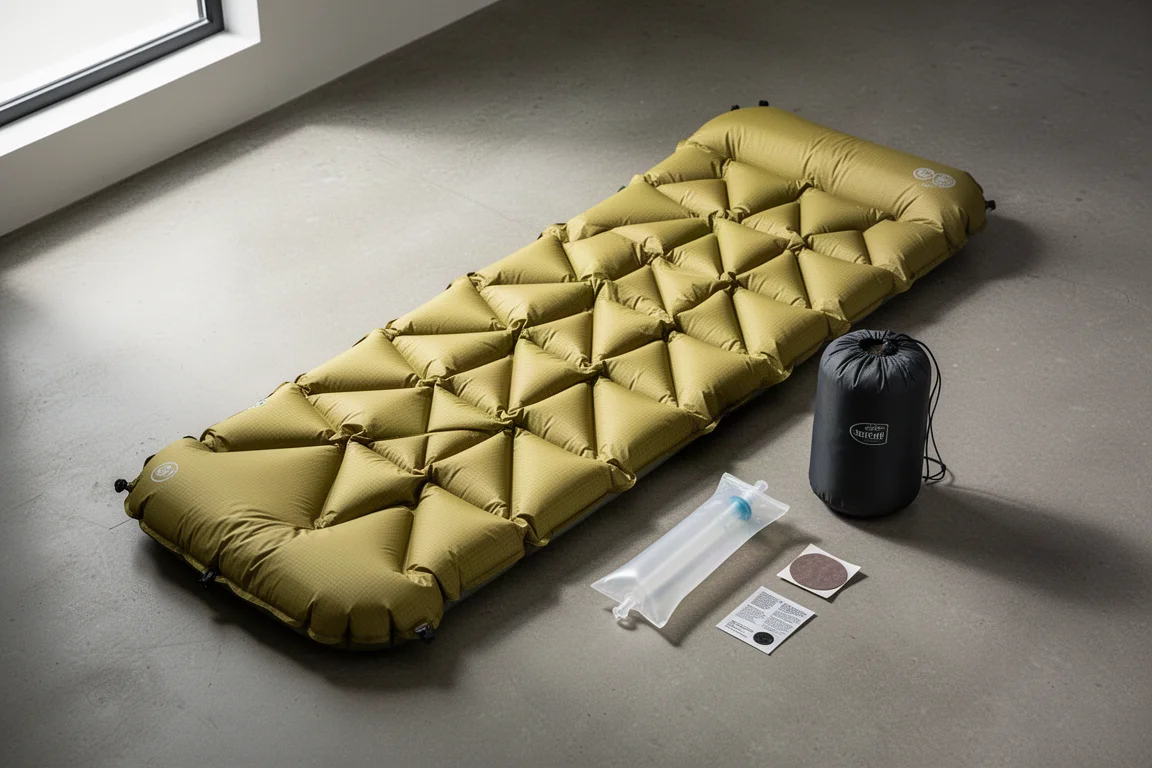
Introduction
A sleeping pad is easy to dismiss until you have spent several nights on the ground. A weekend camping trip can be survived on almost anything. A long-distance hike is a different problem, because the quality of your sleep at night decides how many miles you can cover the next day.
Backpackers generally choose between two pad designs. Closed cell foam pads are close to indestructible, inexpensive, and handy as a sit pad or a lunch break cushion, but they are bulky and far less comfortable to sleep on. Inflatable pads pack down small, add real cushioning, and usually ship with a patch kit for field repair.
The Therm-a-Rest NeoAir X-Lite belongs to the second group. It has stayed in a long-distance backpacking kit for six to seven years, and it replaced a closed cell foam pad that had become too uncomfortable to sleep on. That kind of longevity is worth paying attention to.
Who This Product Is For
The strongest case for this pad is a sleeper who moves around at night. Side sleepers and stomach sleepers put pressure on hips and shoulders, and a thin foam pad does very little to soften the ground underneath. An inflatable pad with more depth gives those pressure points somewhere to go.
It also suits backpackers who care about pack volume. Foam pads usually end up strapped to the outside of a pack because they take up too much room inside, while an inflatable pad rolls down into a stuff sack and disappears into the main compartment.

Anyone who has finished a hike with aching hips and a short temper will recognise the value here. Better rest at night translates directly into better mileage the next day, and over a long trail that is not a small thing.
Main Strengths
Comfort is the headline. Compared with a closed cell foam pad, an inflatable design of this type provides noticeably more cushioning, and the difference becomes obvious after the first few nights.
Packability is the second strength. The pad compresses into a small package, which matters when every litre of pack space is contested.
Field repairability is the third. Inflatable pads generally include a patch kit, and two NeoAir X-Lite pads have been repaired in the field after punctures. Both patches held for the rest of a long-distance hike, which is the outcome that actually matters when a gear shop is a long way behind you.
Warmth, R-Value, and Temperature Ratings
A sleeping pad does two jobs: it cushions you and it insulates you from the ground. The insulation side is measured by R-value, which describes how well the pad resists heat loss. Higher numbers mean a warmer pad.
For three-season backpacking, an R-value of at least 2 is the usual recommendation. For winter trips, the guidance rises to around 5. If your trip falls outside the standard season, either earlier or later in the year, a warmer pad is the safer choice.
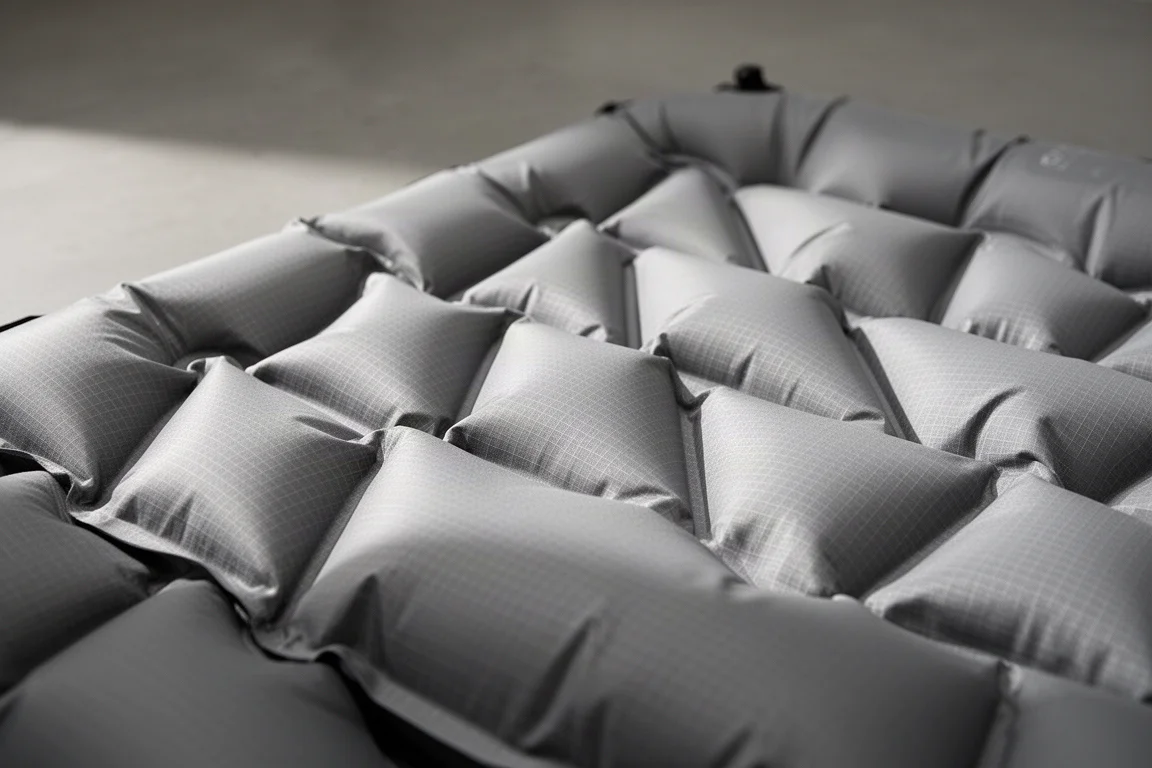
Temperature ratings deserve the same care on the sleeping bag or quilt side. A rating is often closer to a survival limit than a comfort limit, so a bag rated to a given number may keep you alive at that temperature without keeping you warm. Cold sleepers generally do better by choosing a rating below the temperatures they expect to meet.
Things to Consider Before Buying
Noise is the most common complaint about inflatable pads. They tend to crinkle and rustle when you shift position, and some models are louder than others. If you share a tent with a light sleeper, this is worth thinking about in advance.
Setup care matters too. An inflatable pad needs a clear patch of ground, free of thorns, sharp brush, or anything else that can puncture the fabric. That is a different kind of attention than a foam pad requires, where the risk is a root or a rock jabbing into your back all night.
Weight and cost do not always move together. Cheaper inflatable pads are often heavier than a closed cell foam pad, while the lighter and more compact options sit at the higher end of the market. Inflatable pads can be found for under $50, and higher-end versions run past $200.
Length is another decision point. A full-length pad is the safer first choice, while a shorter pad that runs from head to knees, with a pack placed under the legs, saves weight once you know what you can do without.
Comfort, Thickness, and Sleeping Position
Pad thickness is the variable that decides whether a side sleeper is comfortable. On a thin pad, hips can still press through to the ground. A thicker pad gives more clearance between the sleeper and the hard surface, which is exactly what sore hips need.
Sleeping position should drive the decision more than any other factor. Back sleepers who never roll onto a side can often manage on a thin closed cell foam pad. Side sleepers and stomach sleepers usually cannot, and that is the group an inflatable pad like this one is built for.

Choosing a shorter pad is a legitimate weight-saving move, though it is a step better taken after some experience. On a first long hike, a full-length pad removes one more thing to worry about.
Durability, Care, and Field Repair
Inflatable pads are more fragile than foam by nature, but the practical risk is lower than it first appears. Most inflatable pads ship with a patch kit, and a repair takes only a few minutes at camp. Two NeoAir X-Lite pads have been patched on trail, and both repairs held for the remainder of a long-distance hike.
The habits that prevent punctures are simple. Clear the ground before you lay the pad out, keep it away from thorny brush, and store it away from sharp objects in your pack. Treat the pad as a piece of equipment rather than an afterthought and it will usually last.
Buying Advice
Start with the temperatures you actually expect. Match the pad’s R-value to the season: at least 2 for three-season trips, around 5 for winter conditions, and a warmer pad if your dates fall outside the usual window.
Then weigh the three practical variables: weight, packed size, and length. A shorter pad saves ounces, a thicker pad adds comfort, and a lighter pad usually costs more. Decide which of those you are least willing to give up.

For backpackers who sleep on their side, who move around during the night, and who have already tried a foam pad and found it wanting, the NeoAir X-Lite is a well-proven answer. Its strongest argument is not a single specification but the fact that it has stayed in a long-distance kit for years, including after two field repairs.
Conclusion
Sleep is the part of a backpacking kit that is easiest to underrate and hardest to work around. A pad that keeps you comfortable from the first night to the last pays for itself in miles walked and mornings that do not start sore.
The Therm-a-Rest NeoAir X-Lite makes sense for anyone who has outgrown a foam pad, sleeps on their side, or simply wants an inflatable pad with a long record of real use behind it. Check the R-value against your season, decide how much length you actually need, and accept the small amount of extra care that any inflatable pad asks for. Do that, and it is a straightforward choice to feel confident about.
Product link
View more details for Therm-a-Rest NeoAir X-Lite
This product is mentioned in the review. Check the specifications, options, and compatibility before buying.
View more details for Therm-a-Rest NeoAir X-LiteFurther reading
Related Reviews
Sleeping Pads
Best Backpacking Sleeping Pads 2026: Nine Pads Rated on Price, Comfort, Warmth, and Weight
Nine backpacking sleeping pads compared on price, comfort, warmth, and weight, from a $65 summer pad to a year-round option rated at R-7.3.
Sleeping Pads
Best Backpacking Sleeping Pads: Comfort, Warmth, and Weight Compared
A practical comparison of the Nemo Quasar 3D, Therm-a-Rest NeoAir XTherm Max, and Big Agnes Rapide SL for backpackers choosing between comfort, warmth, and packed weight.
Sleeping Pads
Best Backpacking Sleeping Pads: Ultralight, Winter, Comfort and Budget Picks
A practical roundup of the sleeping pads that stand out for ultralight weight, winter warmth, pressure relief and value, plus three popular pads that fell short.