Sleeping Bags
Therm-a-Rest Hyperion 20 vs Sierra Designs Nitro 20: Two Premium Down Sleeping Bags Compared
A practical comparison of two premium 20 degree down sleeping bags, covering weight, fabric feel, interior space, and the design details that matter on the trail.
Introduction
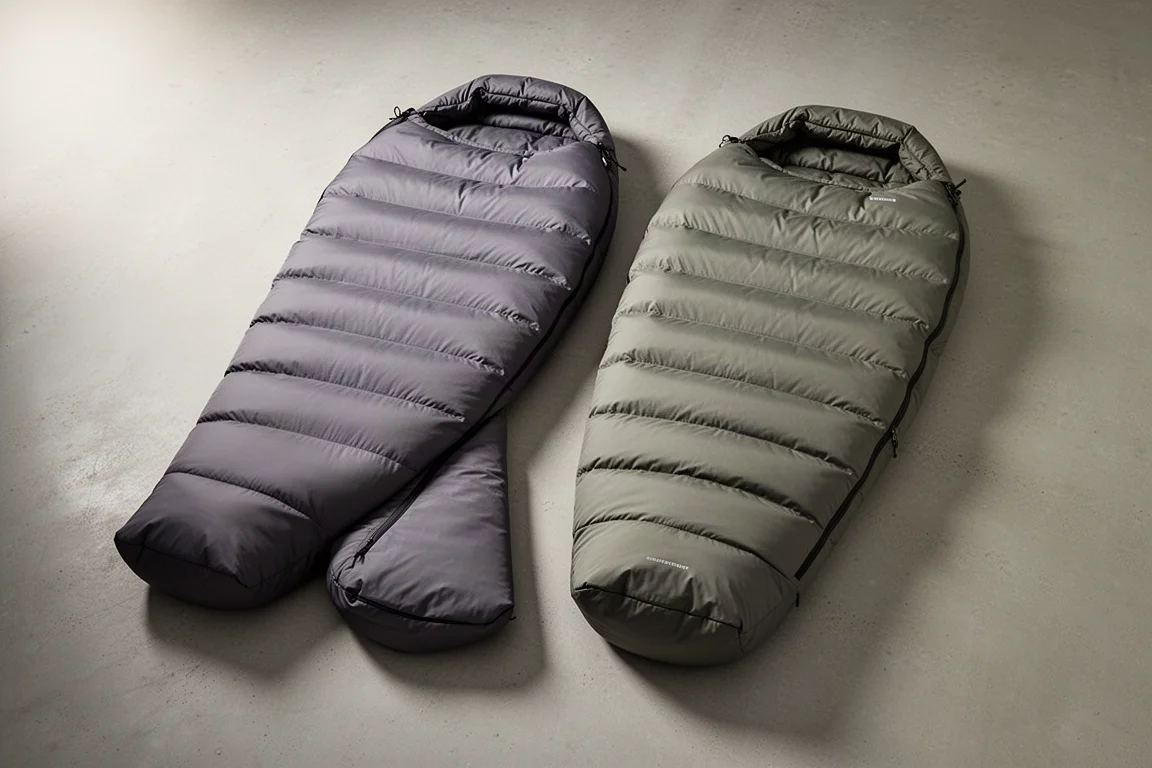
Two premium down sleeping bags, both rated for 20 degree conditions, both built with responsibly sourced down, and both priced as a serious investment. The Therm-a-Rest Hyperion 20 and the Sierra Designs Nitro 20 look similar on a spec sheet, yet they are shaped by different priorities. One chases low weight and a soft hand feel. The other favors interior room and easy temperature control.
This comparison starts with what the two bags share, then looks at each one on its own terms, and finishes with practical guidance on which bag suits which kind of trip.

Neither bag is a compromise on materials or construction, so the decision comes down to how you sleep, how much weight you are willing to carry, and how you use your sleeping pad.
Shared Foundations: Down Fill, Fabrics, and Certifications
Both bags use down certified to the Responsible Down Standard, which means the fill is ethically sourced, and both use durable water repellent treatments that are free of PFC chemicals. Those shared details reflect manufacturing approaches that aim at more sustainable production and a quality finished product.
The differences begin with fill power and fabric denier. The Nitro uses 800 fill down inside a 15 denier nylon shell and lining. The Hyperion steps up to 900 fill down with a 10 denier fabric. Higher fill power and a thinner fabric both reduce weight, and that is the main reason the two bags land in different weight classes despite carrying the same temperature rating.
Sierra Designs Nitro 20: Space to Move and a Vented Foot Box
The Nitro is a zippered mummy style bag, tapered from the head end down to the foot end, but with noticeably more room to move than a tightly cut mummy. Baffles are narrower than on many comparable bags, roughly five inches rather than the six or seven inches seen elsewhere, which keeps the down better distributed across the shell.
At the head end there is a half length zipper and a large draft tube. The tube has enough rigidity from its stitching that zipper snags are uncommon, and a sewn in draft collar lets you tuck your shoulders around it and close off the warm air your body has trapped. The hood is well sized and does not feel claustrophobic when cinched around the face.
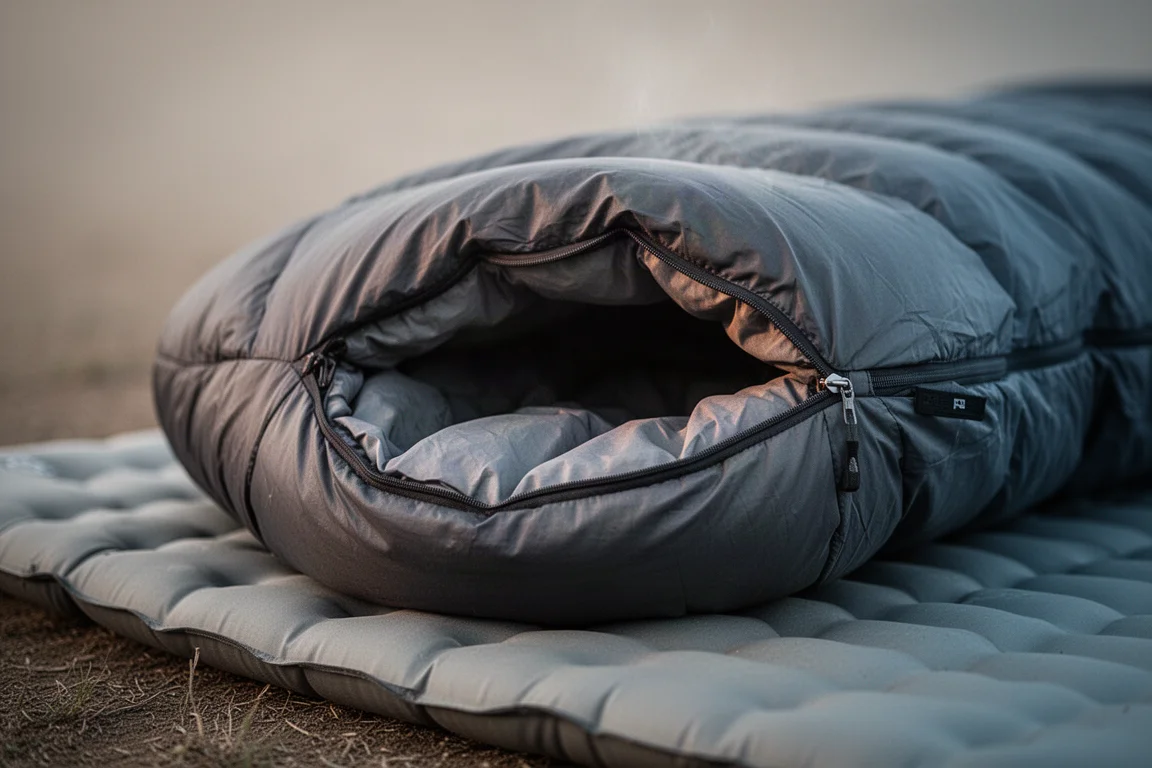
The feature that stands out most is the opening in the foot box. It lets you lift your knees, slide your feet out, and vent the bag to regulate temperature instead of being sealed inside it. That opening adds a little weight in fabric and down, but it is a genuinely useful design. Sierra Designs also sews attachment loops into the bottom of the bag, so shock cord and toggles can be added to create simple pad straps that keep the bag from shifting.
The 15 denier nylon inside and out is not the softest fabric available and it is crinklier than the Hyperion, though it remains comfortable in use. Total weight is just under two pounds, or one pound fifteen ounces for the regular size.
Therm-a-Rest Hyperion 20: Ultralight Fabric and Zoned Insulation
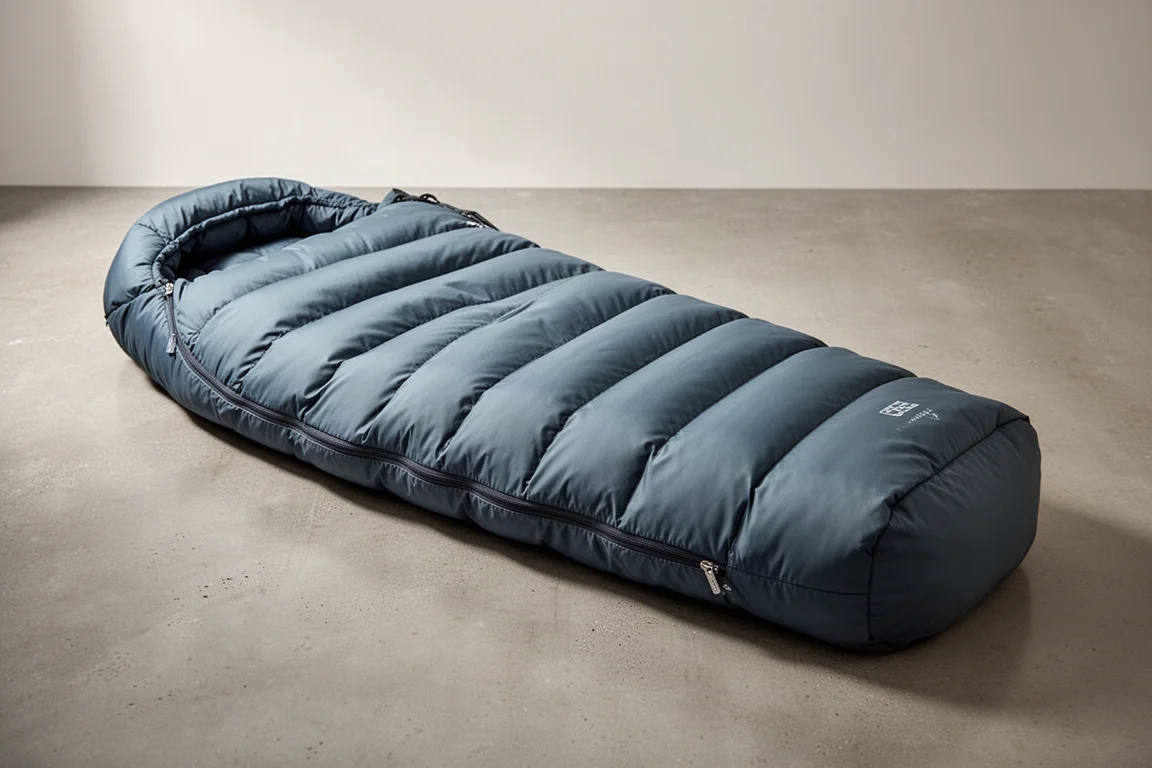
The Hyperion is defined first by its fabric. The 10 denier nylon feels very soft against the skin and makes the bag pleasant to sleep in, a clear step up in hand feel over the Nitro.
Its shape is more aggressively tapered from the hips down to the foot end. That saves weight, but it also reduces the space available to move inside the bag. There is a benefit to the tighter cut: with less empty volume, there is less dead air to warm up before the insulation starts working for you.
Baffles are wider than on the Nitro, which allows the down to shift more freely, though that is a minor consideration in practice. More significant is how the fill is distributed. Seventy percent of the down sits on top of the bag and thirty percent underneath, on the assumption that you are using an insulated pad suited to the conditions. Down beneath a sleeper compresses under body weight and stops insulating as effectively, so the bag concentrates its fill where it stays lofted. The hood is more ergonomically shaped and cinches down well, and the foot box is generous enough that your feet can sit straight rather than angled to the side.
There is a half length zipper and a draft tube, but the tube uses a grosgrain ribbon and does not deliver the same snag free experience as the Nitro. Shoulder width is narrower than the Nitro as well. The bag includes Synergy Link pad straps, which wrap around a sleeping pad to hold the bag in place and can be removed when you do not need them.
Weight is the headline. The 20 degree version comes in at one pound four ounces, and the 32 degree version lands at roughly one pound.
Shape, Baffles, and Interior Space
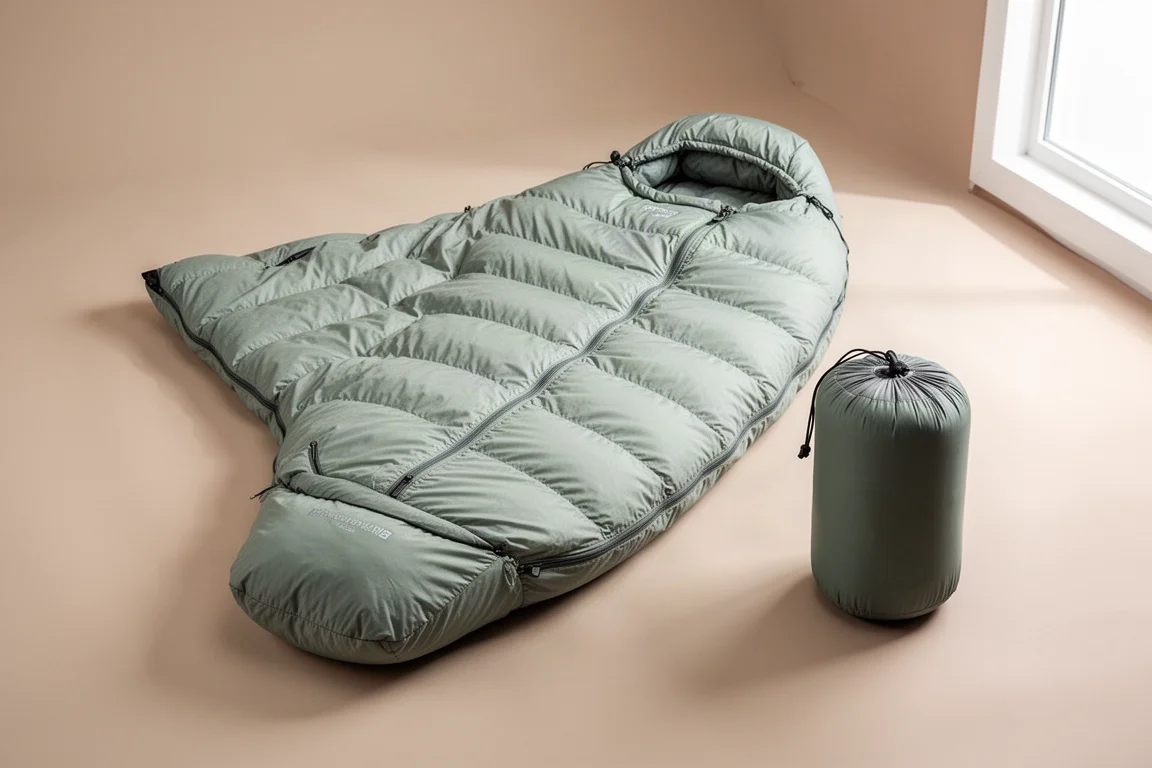
Shape is where the two bags diverge most in daily use. The Nitro feels roomier through the torso and shoulders, which suits sleepers who move around during the night or who dislike the feeling of being wrapped tightly. The Hyperion trades that room for a trimmer profile that warms up faster and carries lighter.
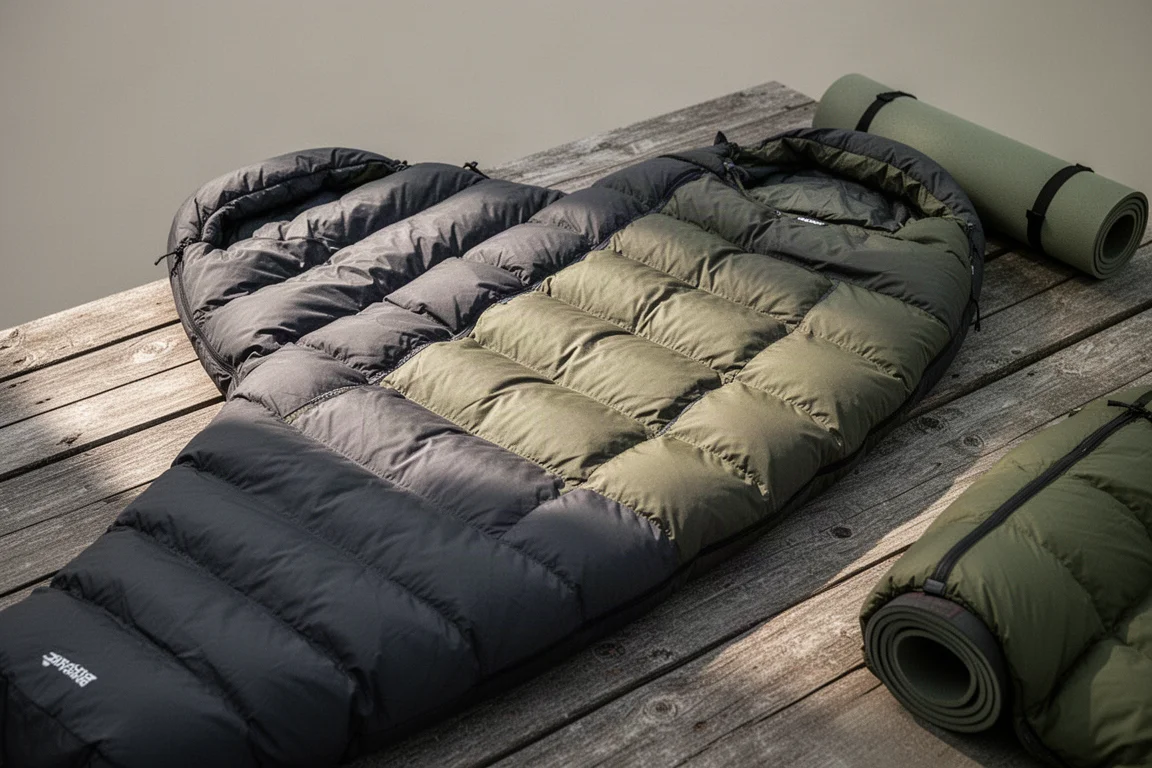
Baffle width follows the same philosophy. Narrower baffles on the Nitro hold the down in place across the shell, while wider baffles on the Hyperion allow the fill to move. Hood shape and shoulder width differ in the same direction, with the Nitro offering more shoulder room and the Hyperion offering a hood that follows the head more closely.
Weight, Loft, and Warmth Strategy
Weight is the clearest separator between the two. At one pound four ounces, the Hyperion 20 is substantially lighter than the Nitro 20 at one pound fifteen ounces. The gap comes from three things: higher fill power down, thinner fabric, and a more tapered cut.
The warmth strategy differs as well. The Hyperion concentrates most of its down on top and expects an insulated pad to handle the underside, which rewards pairing the bag with a pad rated for the conditions. The Nitro uses a more conventional wrap of down and adds a draft collar plus the vented foot box, giving you more ways to fine tune temperature without leaving the bag.
Buying Advice: Matching the Bag to Your Trip
If your priority is keeping pack weight down on long days and you already carry an insulated pad sized for the conditions, the Hyperion is the natural choice. Its 900 fill down, 10 denier fabric, and one pound four ounce weight suit trips where every ounce counts, and the soft fabric makes it comfortable to sleep in. Go in accepting the narrower shoulders, the trimmer cut, and a draft tube that can occasionally catch the zipper. Expect to pay close to the top of the range here, at nearly $400.
If you value room to move, a draft collar you can tuck around your shoulders, and the ability to vent your feet without opening the bag, the Nitro is the better fit. It weighs more and costs less, at just over $300, and its 800 fill down with 15 denier fabric remains entirely capable for three season use. The vented foot box alone makes it a strong option for anyone who sleeps warm or camps across a wide range of temperatures.
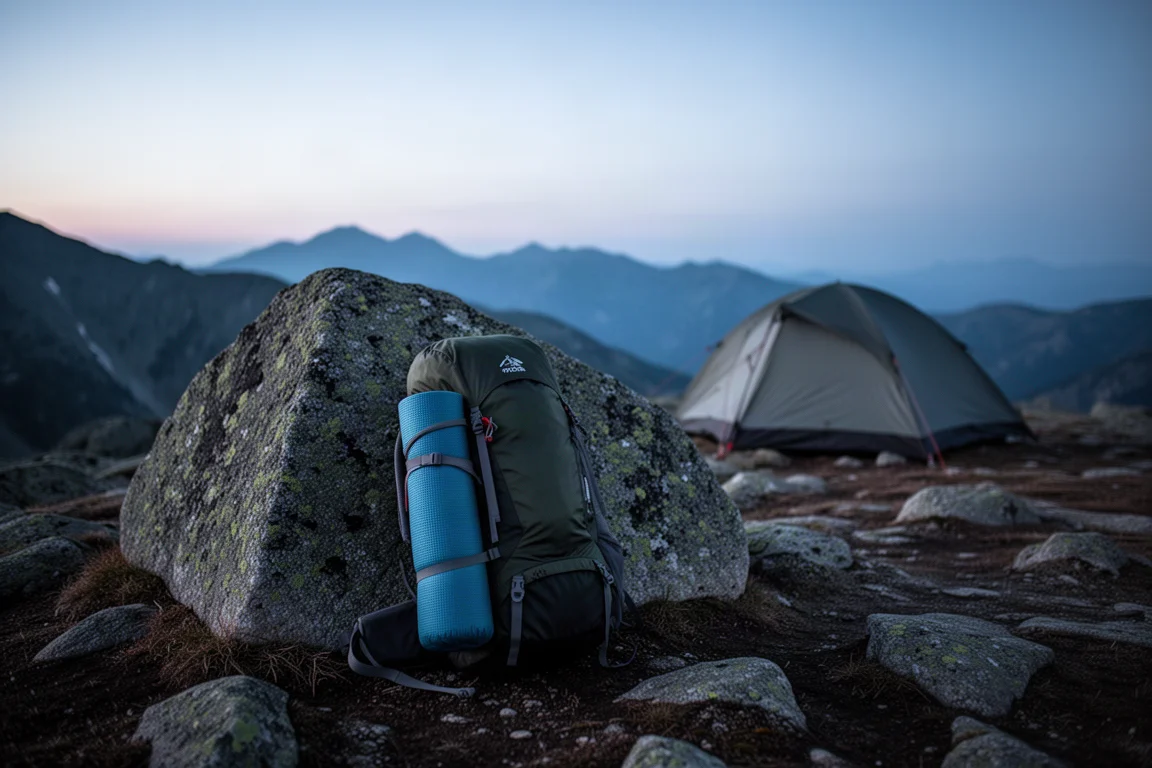
Whichever bag you choose, match it to a pad with real insulation value. The Hyperion in particular is designed around that pairing, and both bags will perform best when the pad underneath is doing its share of the work.
Conclusion
These are two premium down sleeping bags with responsible down certification, PFC free water repellent treatments, and design decisions that reflect genuinely different intentions. The Hyperion is the ultralight option with the softer fabric and the zoned fill. The Nitro is the roomier option with the vented foot box, the effective draft collar, and the lower price. Both are worth considering, and the right answer depends on whether you are counting ounces or counting comfort.
Further reading
Related Reviews
Sleeping Bags
Best Down Sleeping Bags Under $300: Four Backpacking Options Worth a Look
Four down sleeping bags that stay under $300, compared on fill power, baffle design, hood comfort, and packed size.
Sleeping Bags
Best Sleeping Bags and Sleep Systems: Five Premium Down Picks Compared
Five premium down sleeping bags and sleep systems compared on warmth, weight, construction, and value.
Sleeping Bags
Big Agnes Lost Ranger UL 3-in-1 Sleeping Bag System Review: One Bag, Three Setups
A practical look at the Big Agnes Lost Ranger UL 3-in-1 Sleeping Bag System, covering how the three configurations work, where it shines, and the details worth weighing before buying.