Sleeping Pads
Therm-a-Rest Base Camp Review: A Self-Inflating Pad With a Military Twin
A practical look at the Therm-a-Rest Base Camp self-inflating sleeping pad, how it compares with its near-identical military counterpart, and which version suits which camper.
Introduction
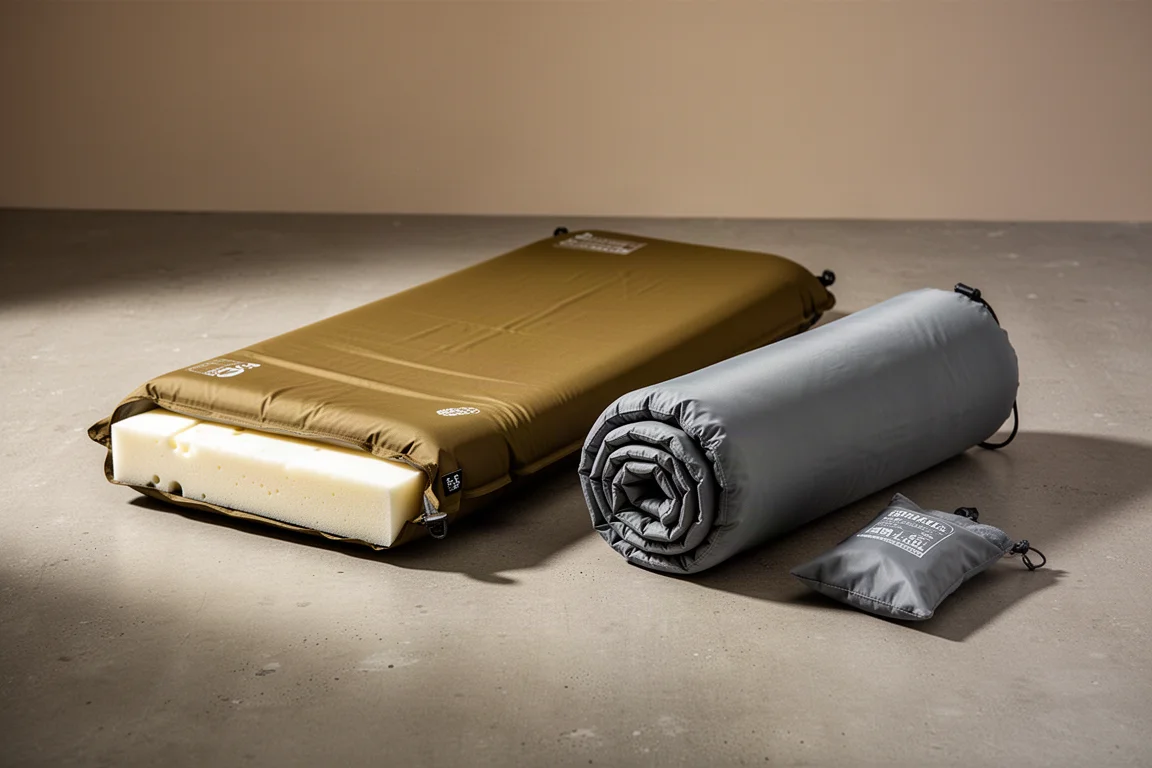
Therm-a-Rest has been building self-inflating sleeping pads for decades, and the Base Camp sits at the simple, durable end of that range. An open-cell polyurethane foam core is wrapped in a polyester shell, and the pad inflates itself once the valve is opened. There is no pump, no battery, and nothing extra to pack.
What makes the Base Camp especially interesting is that a military version of the same design exists. It is built to a military specification, uses a nylon shell, and typically costs far less than the civilian pad. For campers who care more about value than an extra half inch of foam, that comparison can change the whole buying decision.
This review looks at the civilian Base Camp, how it differs from the military counterpart, and which version makes more sense depending on how and where you camp.
Who This Pad Is For
The Base Camp suits campers who want a pad that is quiet, dependable, and easy to live with. Unroll it, open the valve, and the foam pulls air in on its own. That simplicity is the main appeal.
It is a natural fit for car camping, basecamp trips, scout outings, and guest beds at home, where a pad is used often but carried only short distances. The regular size is 2 inches thick, which provides enough cushioning for both back and side sleeping on grass, tent floors, and wooden platforms.
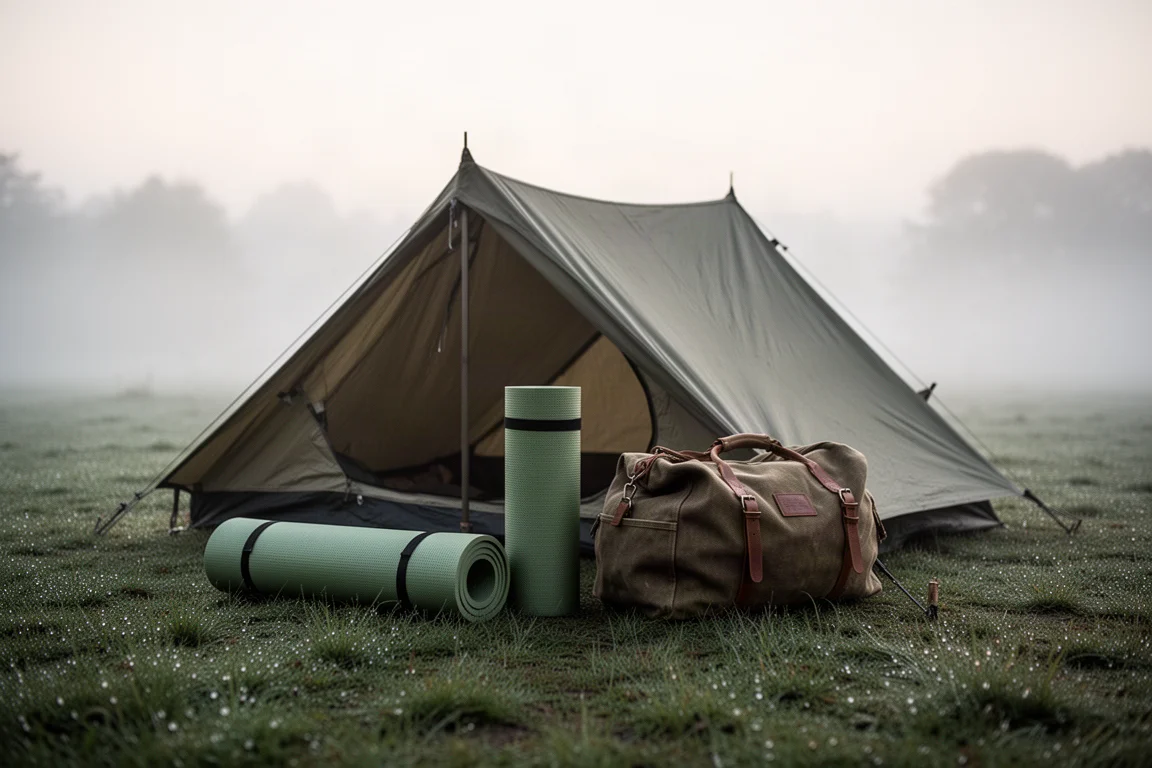
Buyers who want a lighter pad with a tougher shell should also consider the military version. It keeps the same self-inflating design and the same valve while trimming weight and switching to nylon. The trade-off is a lower insulation rating, which matters most in cold conditions.
Main Strengths
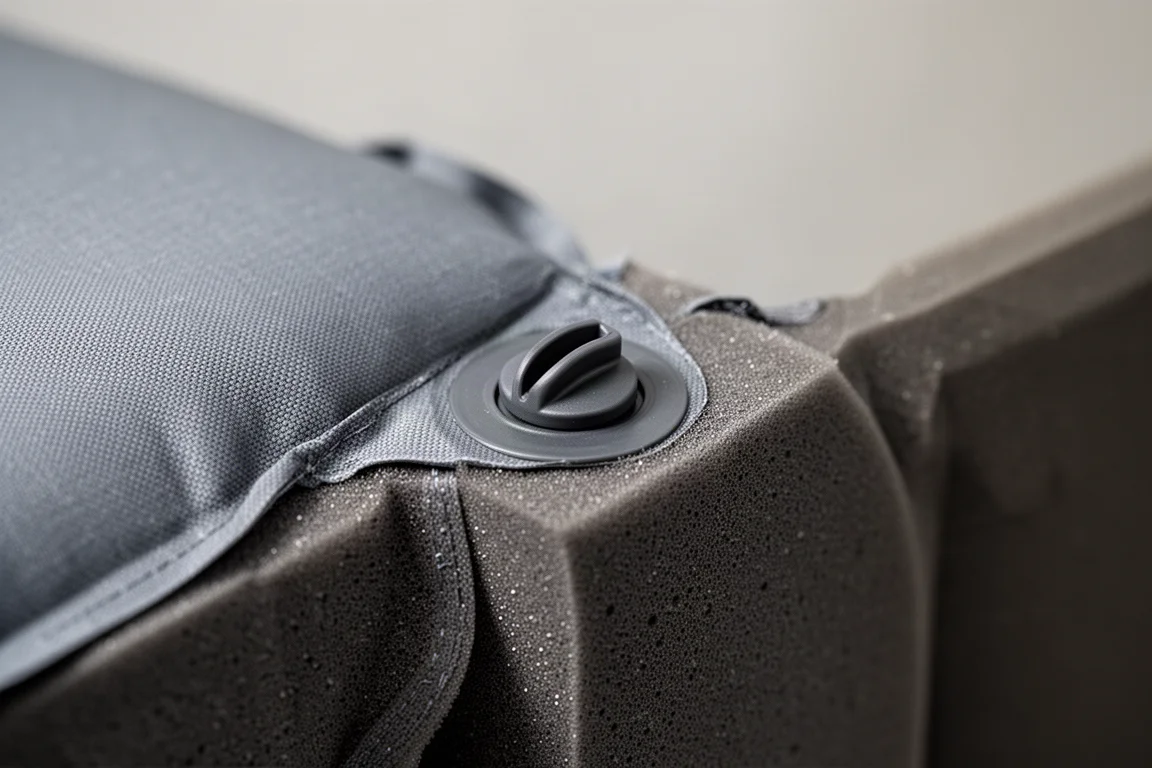
The core of the Base Camp is straightforward: polyurethane foam inside a polyester shell, with a valve that lets the pad self-inflate and then holds the air in.
- R-value of 6, a solid rating for three-season camping
- 2 inches of foam cushioning in the regular size
- Three sizes available: regular, large, and extra large
- 2.5 lb for the regular size
- Rolls down to roughly 20 inches long and 5.5 inches wide
- Same valve and self-inflating layout used across the range
In use, the pad feels very much like other Therm-a-Rest self-inflating models. Lying on your back is comfortable, and side sleeping works just as well. It is firmer than a 3-inch inflatable air mattress, but the foam gives it a stable, supportive feel rather than a bouncy one.
Things to Consider Before Buying
- Weight: 2.5 lb for the regular size is heavier than many modern air pads, so it is best suited to short carries.
- Firmness: 2 inches of foam feels firmer than a 3-inch air mattress. Some sleepers prefer that, others do not.
- Price: the regular size lists at $115.
- Sizing: the civilian pad comes in regular, large, and extra large, so confirm the length you need before ordering.
- Insulation: R-value 6 is generous for three-season use, while the military version drops to 3.
Most campers will not notice a dramatic difference between an R-value of 6 and an R-value of 3 in everyday conditions, especially when the pad is paired with a warm sleeping bag and a solid sleep system. The gap shows up mainly in colder weather.
The Military Version Compared
The military version of this pad is where the value story gets interesting. It is built to a military specification, which pushed the design toward strength and durability.
- Shell material: nylon instead of polyester. Nylon is stronger and lighter.
- Thickness: 1.5 inches, against 2 inches on the civilian pad.
- Weight: 1.8 lb, against 2.5 lb.
- R-value: 3, against 6.
- Sizes: one size only, measuring 72 inches long and 20 inches wide.
- Valve and inflation: identical to the civilian pad.
- Packed size: both roll to about 20 inches long and 5.5 inches wide.
- Included: a repair kit.
- Colors: gray is the most common, green also turns up, and a coyote brown version exists but is rare.
The military pad typically sells for around $60 new, against $115 for the regular Base Camp. Used military surplus pads can go for under $10, though condition varies widely and needs checking.
Warmth, Weight, and Packed Size
On paper, the military version gives up some insulation and half an inch of foam. In practice, the comfort gap is smaller than those numbers suggest, because both pads share the same foam core, the same valve, and the same self-inflating behavior.
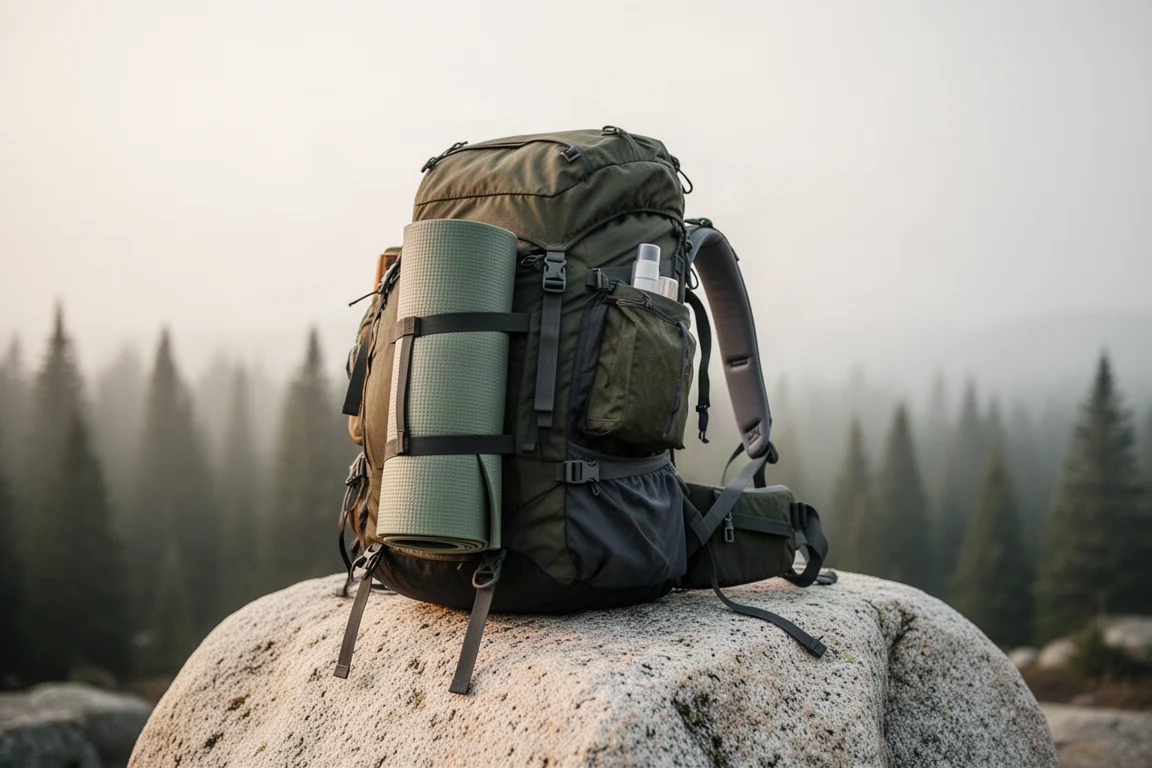
Where the differences do show up is in cold weather and in the pack. The lighter nylon pad is easier to carry and rolls to the same footprint. The thicker polyester pad holds more warmth beneath the sleeper, which is the main reason to choose it for shoulder-season trips.
Care and Storage Tips
Self-inflating pads are normally stored rolled, and a pad that has been compressed for years can take a little coaxing before it reaches full loft. Opening the valve and helping the foam along in the corners speeds the process up.
A repair kit is included with the military version, which is useful because self-inflating pads can be patched if a puncture happens. If you buy a used surplus pad, check it carefully: look for holes, confirm that it holds air, and ask questions about its condition before committing. Plan on handling small repairs yourself unless the seller can confirm the pad is sound.
Buying Advice
Between the two, the military version is the easier recommendation for most campers. It is lighter, uses a stronger shell, and costs roughly half as much as the civilian pad when bought new. For anyone who wants the Base Camp experience at a lower price, it delivers nearly the same thing.
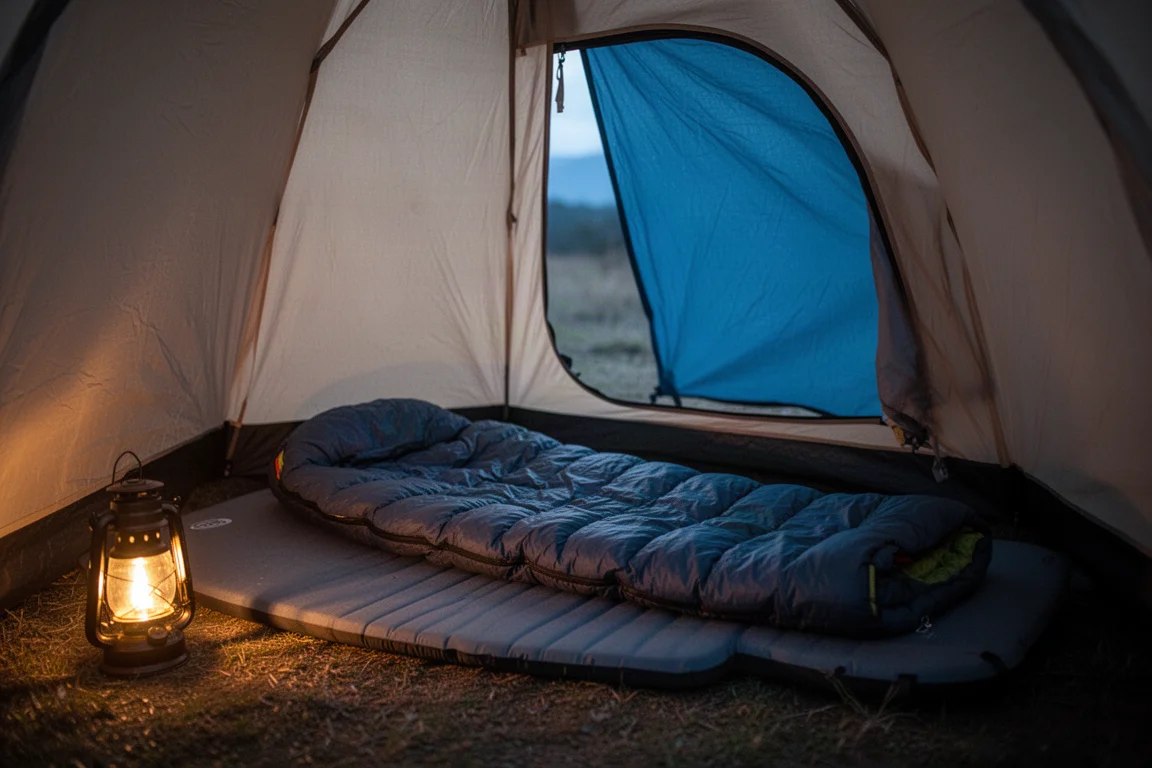
The civilian Base Camp still makes sense if you want the extra half inch of foam, the higher R-value of 6, or a choice of sizes. Campers who sleep cold, or who head out into the shoulder seasons, will get more out of the thicker pad. Buyers who mostly camp in mild weather and want to save money and weight will be well served by the military version.
Conclusion
The Base Camp remains a dependable self-inflating pad, and the existence of a near-identical military version makes the decision more interesting than usual. Both share the same valve, the same foam core, and the same rolled dimensions. The civilian pad adds thickness, insulation, and size options. The military pad adds a nylon shell, lower weight, and a much lower price.
Check the weight, the thickness, and the R-value against the conditions you actually camp in, then pick the version that matches. Either way, you end up with a simple pad that inflates itself and holds up to regular use.
Product link
View more details for Therm-a-Rest Base Camp
This product is mentioned in the review. Check the specifications, options, and compatibility before buying.
View more details for Therm-a-Rest Base CampFurther reading
Related Reviews
Sleeping Pads
Best Backpacking Sleeping Pads 2026: Nine Pads Rated on Price, Comfort, Warmth, and Weight
Nine backpacking sleeping pads compared on price, comfort, warmth, and weight, from a $65 summer pad to a year-round option rated at R-7.3.
Sleeping Pads
Best Backpacking Sleeping Pads: Comfort, Warmth, and Weight Compared
A practical comparison of the Nemo Quasar 3D, Therm-a-Rest NeoAir XTherm Max, and Big Agnes Rapide SL for backpackers choosing between comfort, warmth, and packed weight.
Sleeping Pads
Best Backpacking Sleeping Pads: Ultralight, Winter, Comfort and Budget Picks
A practical roundup of the sleeping pads that stand out for ultralight weight, winter warmth, pressure relief and value, plus three popular pads that fell short.