Camping Tents
The North Face Wawona 6 Review: A Summer Family Tent That Handles Bad Weather
A measured look at The North Face Wawona 6, covering setup, base area, vestibule space, rain and wind protection, materials, and the trade-offs worth knowing before you buy.
Introduction
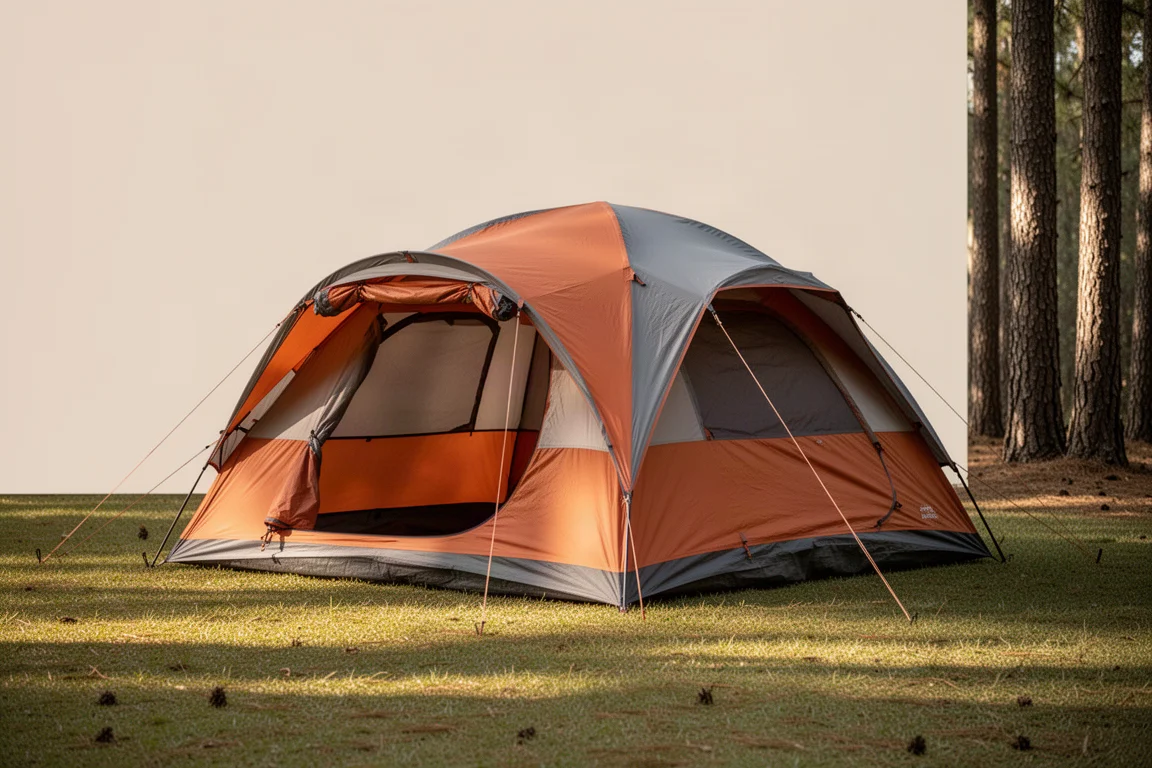
The North Face Wawona 6 is a six-person family camping tent with a dome shape and one important exception: the front wall is completely vertical, because an extra pole pushes the tent fabric upward and outward. The result is more standing room and more livable space near the front of the tent than a conventional dome typically offers.
Out of the box, the tent arrives as a set. There is the tent body, an orange rainfly, the poles in their own carry bag, and stakes, guylines, and instructions in a smaller bag, all packed inside a larger orange carry bag. The tent is built around five DAC aluminum poles and is designed to be pitched by one person.
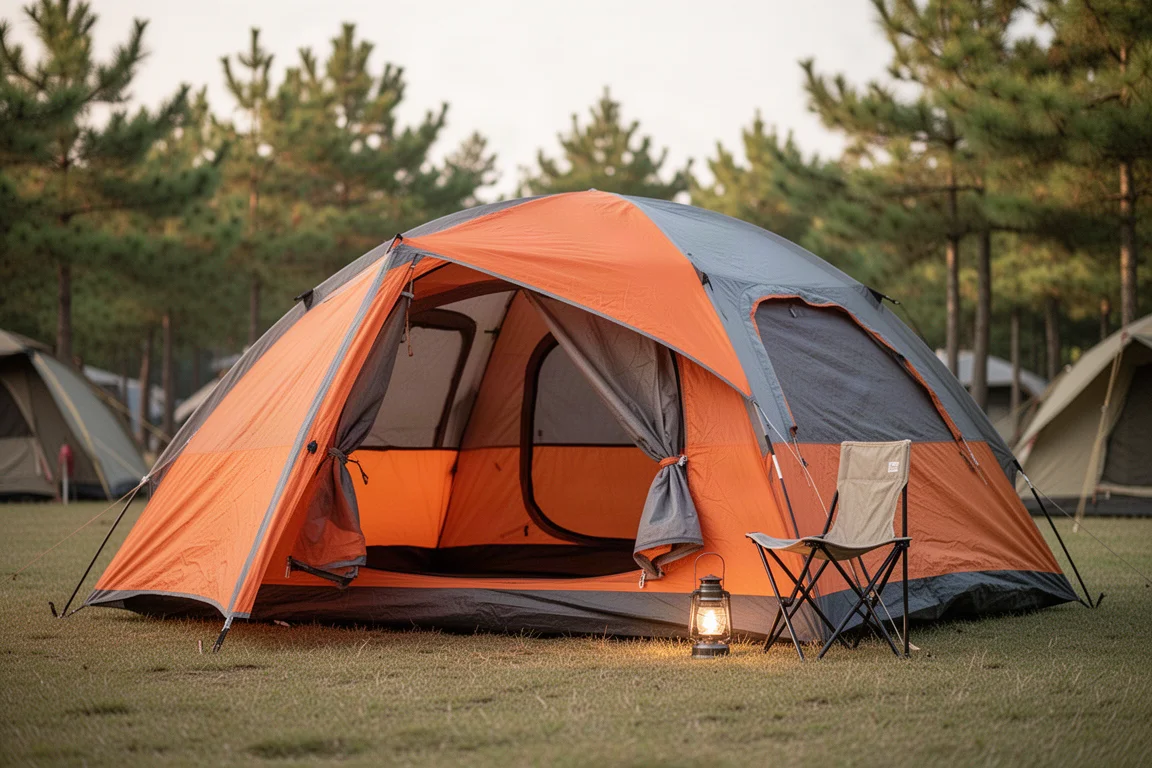
That solo pitch is realistic. Setting up the entire tent, including staking and guying it out, took about 20 minutes. Packing away was faster still, at around 14 minutes, helped by a top-loading carry bag with a wide opening that makes it easy to get everything back in.
This review covers measured base area, vestibule space, setup behaviour, materials, and how the tent handled rain, wind, and hot weather.
Who the Wawona 6 Is For
The Wawona 6 is marketed as a six-person tent, and six regular sleeping pads will physically fit inside. In practice that means sleeping shoulder to shoulder, with pads pressed against each other and almost no leftover floor space, so a maximum of three to four adults is the more comfortable recommendation.
The tent suits summer family camping where weather can turn. Its ventilation is generous, its rain protection is the standout strength, and its vestibule is large enough to serve as a usable outdoor room. The same generous mesh that makes it excellent in warm weather works against it in colder conditions, so it is best thought of as a summer tent that copes well with summer storms.
Main Strengths: Rain and Wind Protection
Rain protection is the most convincing part of this tent. In roughly an hour of light rain, there was not a single leak inside, and a window vent could be left open without water getting in.
The heavier test was more revealing. After about three hours of very heavy rain, the ground around the tent flooded to ankle depth, the entire floor of the tent was submerged, and one corner sat in roughly two inches of water. Inside, there was not a single drop. The corner seam that had been underwater showed no leakage at all, and pressing gently on it produced no dampness. The rest of the seams, the flooring, and the surrounding fabric stayed dry too.
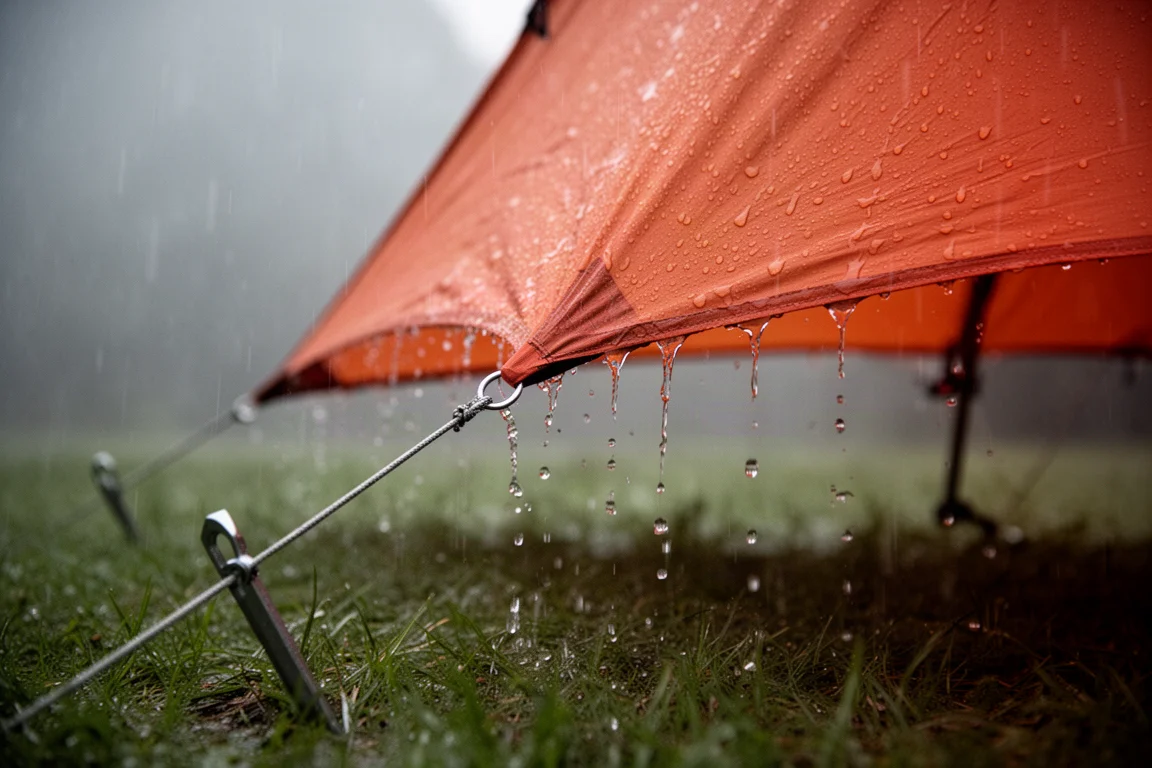
The breaking point came after three afternoons of heavy rain. The wall holding the back door became slightly damp on the inside, though it never dripped, and every other wall stayed completely dry. The likely reason is coverage: the side walls have guy-out points at the window vents that pull the rainfly further from the body, while the back wall has no guy-out point and the rainfly sits much closer to the tent, so it takes more water.
Seam taping is a genuine highlight. No seam sealing is required, the rainfly seams are taped, and the seams not covered by the rainfly are taped as well. Wind behaviour is equally solid. In winds of about 10 to 15 miles per hour with the tent almost fully guyed out, it held firm, helped by the dome shape and by a guy line layout that allows five lines per length plus one at the vestibule, for 11 in total. An older Wawona 6 that had been through winds near 50 miles per hour ended up with noticeably bent poles but nothing broken, and it could still be pitched and used.
Interior Space, Base Area, and Vestibule
Measured on this tent, the base area came in at about 116 inches long and 94 inches wide, roughly 76 square feet. That is a few inches short of the marketed 120 by 96 inches, or about 80 square feet, so the actual floor is around 5 percent smaller than advertised.
Two near-queen mattresses will fit, but the fit is very snug, with both touching the sides and only a few inches of space between them, which suggests true queen-size beds would not fit. One queen mattress is the sensible maximum, with room to add a twin or a single pad alongside it. Peak height is about 77 inches, which is enough to stand fully upright under the centre, but this is a dome, so the peak is only at the middle. Two small steps away and the ceiling meets your head, and the inward-slanting walls limit how freely you can move around.
The vertical front wall is the exception. Because the extra pole extends the fabric upward and pulls it outward, you can stand completely upright against that wall and walk right up to it, which is what creates the extra livable space at the front of the tent.
The vestibule is one of the largest you will find on a family tent. Measured, the longest length is about 99 inches, the shortest length at the top about 56 inches, and the longest width about 84 inches, for a total vestibule base area of roughly 51 square feet, about 14 percent larger than marketed. Height runs from about 74 inches near the inner tent down to about 65 inches at the far end, which is still tall enough to stand upright throughout. Two large camping chairs fit easily with plenty of space left over for a table, and they can be rearranged for different layouts. Two vestibule doors add cross ventilation, and with both inner doors open as well, the tent turns into an effective wind tunnel even with the rainfly on.
Setup, Materials, and Portability
Setup is mostly friendly, with a few quirks. Every pole is fully colour-coded, as are the pole sleeves, pole clips, webbing, and rainfly grommets, which removes most guesswork. The compromises show up in the details: the orange pole sleeves are a little long and snagged one to three times each, and one corner only was extremely tight, requiring that corner plus the two next to it to be un-staked and a fair amount of force to seat the pole in the grommet. The rainfly has plenty of fabric and pole clips that catch on the tent body or the poles, so it often takes two or three attempts to get it up.
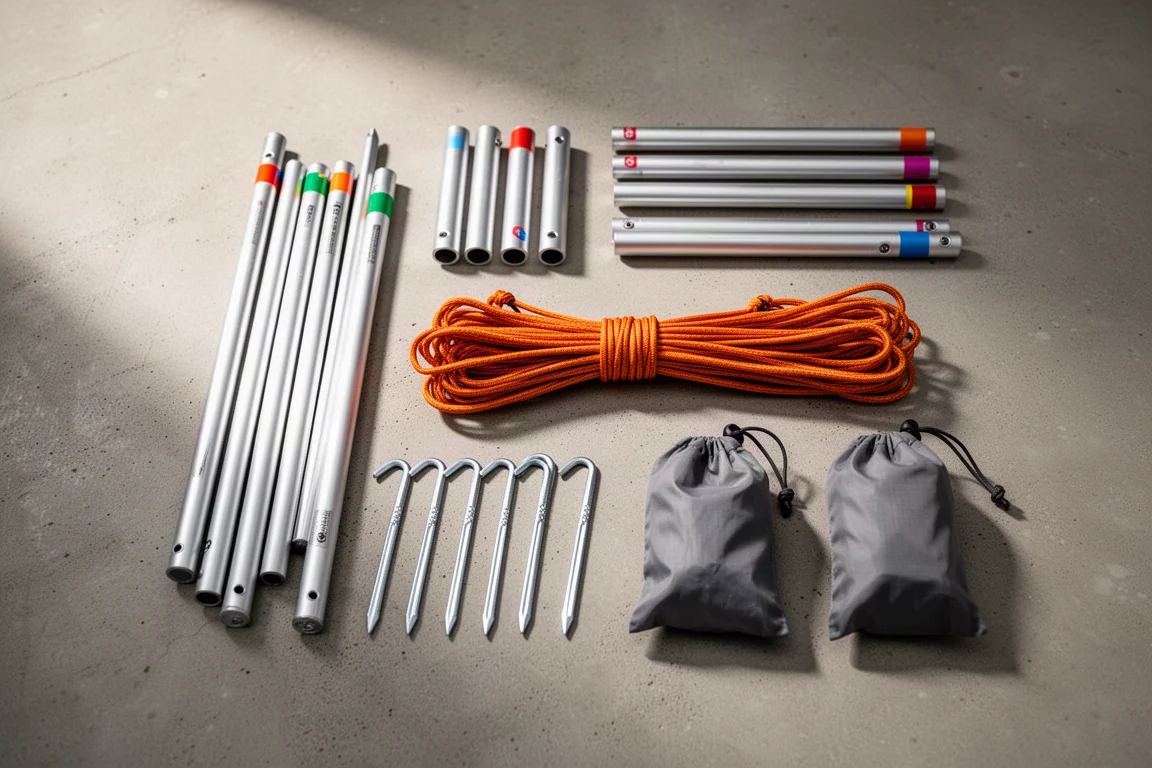
The tent is well made. The floor is 150-denier polyester with a 1,200 millimetre hydrostatic head rating, while the tent body and rainfly use 75-denier polyester with the same waterproof rating. Poles are top of the line DAC aluminum, which stayed straight through weeks of rain and wind and snapped together and stayed together easily. Zippers are SBS throughout and were consistently snag free, the mesh holes are very fine, and the seams are double stitched, consistent, and properly reinforced at the corners where stake loops and pole grommets attach, with no loose threads found.
Packed size measures about 26 by 16 by 10 inches, and everything weighs about 19.5 pounds. The bag has a hand strap at the top, a smaller strap at the side, and a plastic flap over the contents, though a slightly larger top strap would make it easier to sling over a shoulder.
Things to Consider Before Buying
The base area is small for a six-person tent, which is the main compromise. Six people is a technicality rather than a recommendation.
The two side windows can only be opened from outside the tent. Each has one zip and one Velcro strip per side, two toggles at the top for tying the fabric open, and a guy-out loop at the bottom for ventilation, but if rain starts while they are open, someone has to go outside to close them. The rear window can be opened from inside, though the process is fiddly: the window must be unzipped, then the outer fabric, then the inner fabric tied up before the window is zipped again, and storage pockets partly block the view. When open, the side windows measure about 69 by 16 inches and the rear window about 42 by 37 inches.
The rear door is small at 42 by 37 inches and only about 48 inches from the ground to the top, so you have to duck. Keeping it open also requires unzipping and tying the inner window fabric first, since the door and window share the same two toggles, and the door and window zippers are all the same orange colour, which makes it easy to grab the wrong one. The front door is the opposite experience: large at roughly 60 by 58 inches, about 70 inches tall, snag free, one-handed, and quick to open and close, with mesh over roughly three quarters of it.
Supplied hardware falls short of a full pitch. The tent comes with six pre-attached guylines plus two loose ones, which leaves it about three short of covering the window and two vents, and about nine stakes short of staking and guying out the entire tent completely. The rainfly also overlaps the window mesh by only about 4 to 5 inches, which is worth knowing in horizontal rain, although the two smaller vents angle downward and stayed dry inside even during heavy rain.
Finally, there are nine pockets and eight loops, including a loop at the very top and three in the vestibule, and the pockets are covered by the rear door fabric or the rainfly so water cannot reach the seams. What you will not find are extras such as gear lofts, room dividers, or e-ports.
Buying Advice
For summer camping, the Wawona 6 is one of the strongest all-rounders available, and it is at its best when the forecast is uncertain. It vents well on hot days, and taking the rainfly off leaves a mesh roof that is ideal for stargazing, with the front door mesh providing most of the airflow.
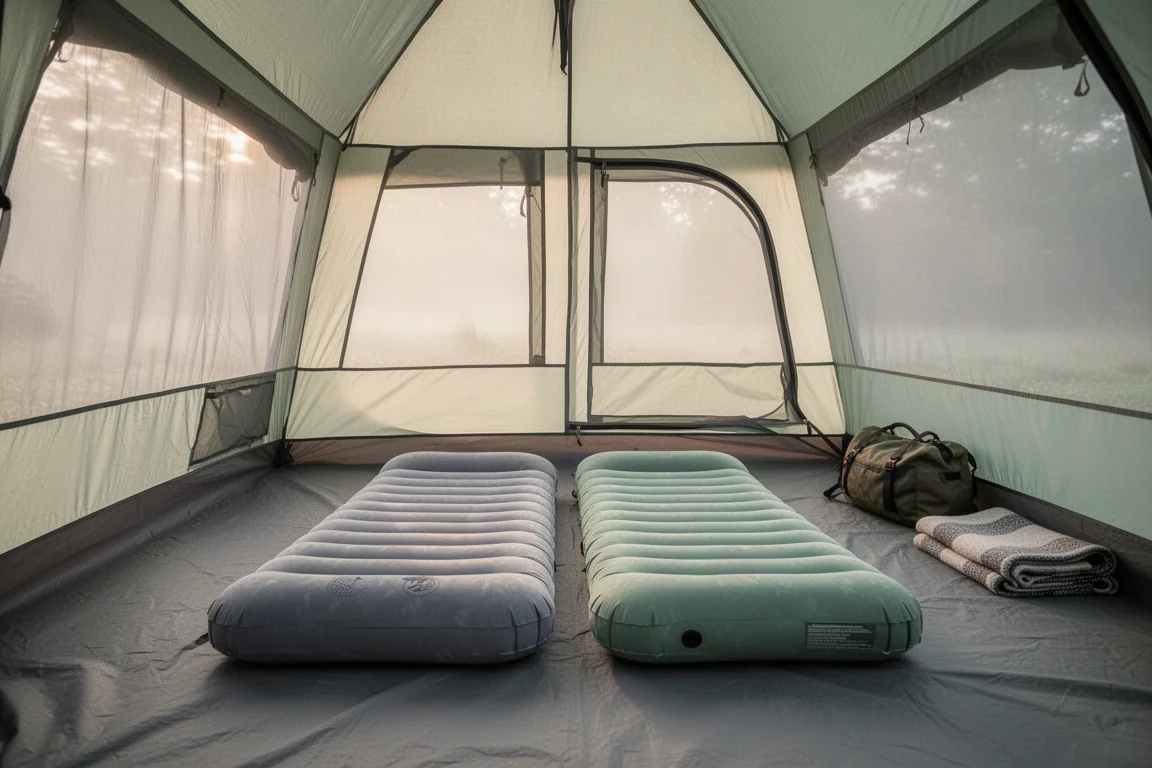
The practical setup is one queen mattress as the maximum, with a twin or a single pad beside it if you want to spread out. Because the tight corner can be stubborn on a first pitch, breaking the tent in at home in a yard or a garden before a trip removes most of the frustration. If you want a summer family tent that stands up to serious rain and moderate wind, and you can live with a snug floor plan and a few setup quirks, this is an easy tent to recommend.
Conclusion
The North Face Wawona 6 earns its place on rain protection, wind stability, a genuinely usable vestibule, and high quality materials with fully taped seams. Its limits are equally clear: a base area that is small for six people, side windows that must be closed from outside, and a first-time setup corner that takes patience. Plan for three to four adults, treat it as a summer tent, and it delivers where it matters most.
Product link
View more details for The North Face Wawona 6
This product is mentioned in the review. Check the specifications, options, and compatibility before buying.
View more details for The North Face Wawona 6Further reading
Related Reviews
Camping Tents
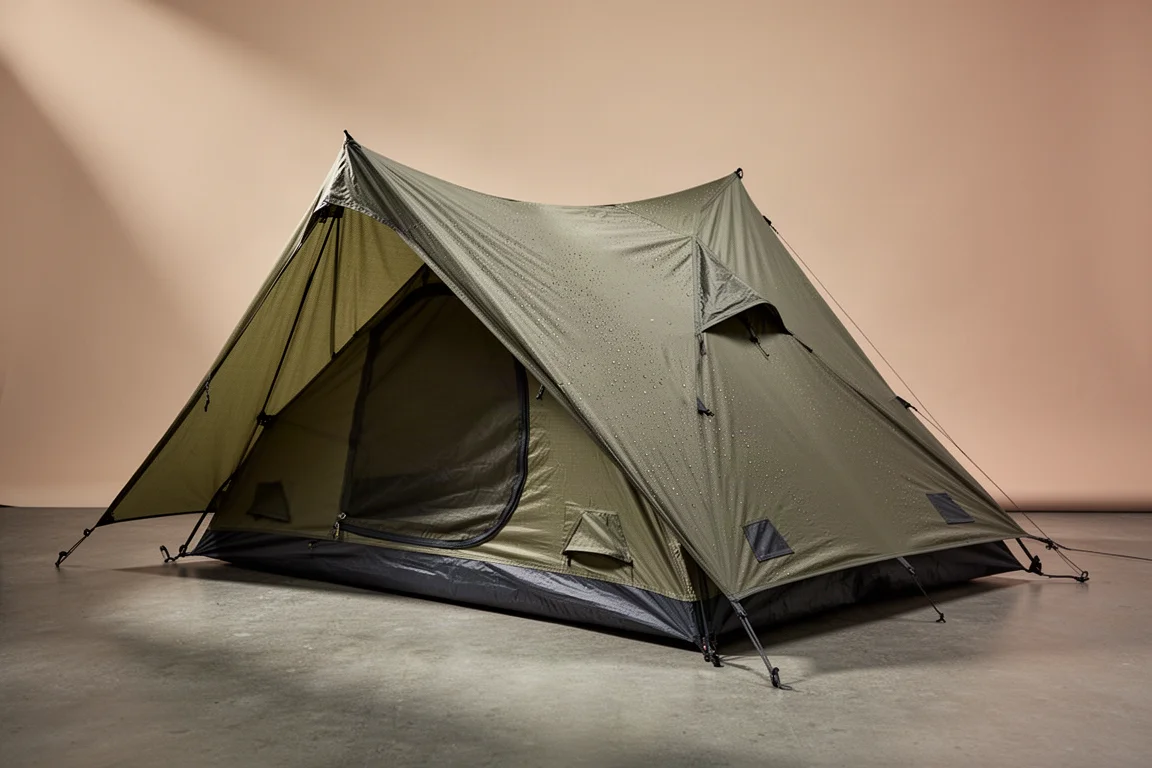
3F UL Gear Taiji Two-Person Tent Review: Field Waterproofing Results and Buying Advice
The Taiji pairs an attached fly with a removable inner, but sustained rain exposed untaped vent seams that need sealing before this shelter can be trusted.
Camping Tents
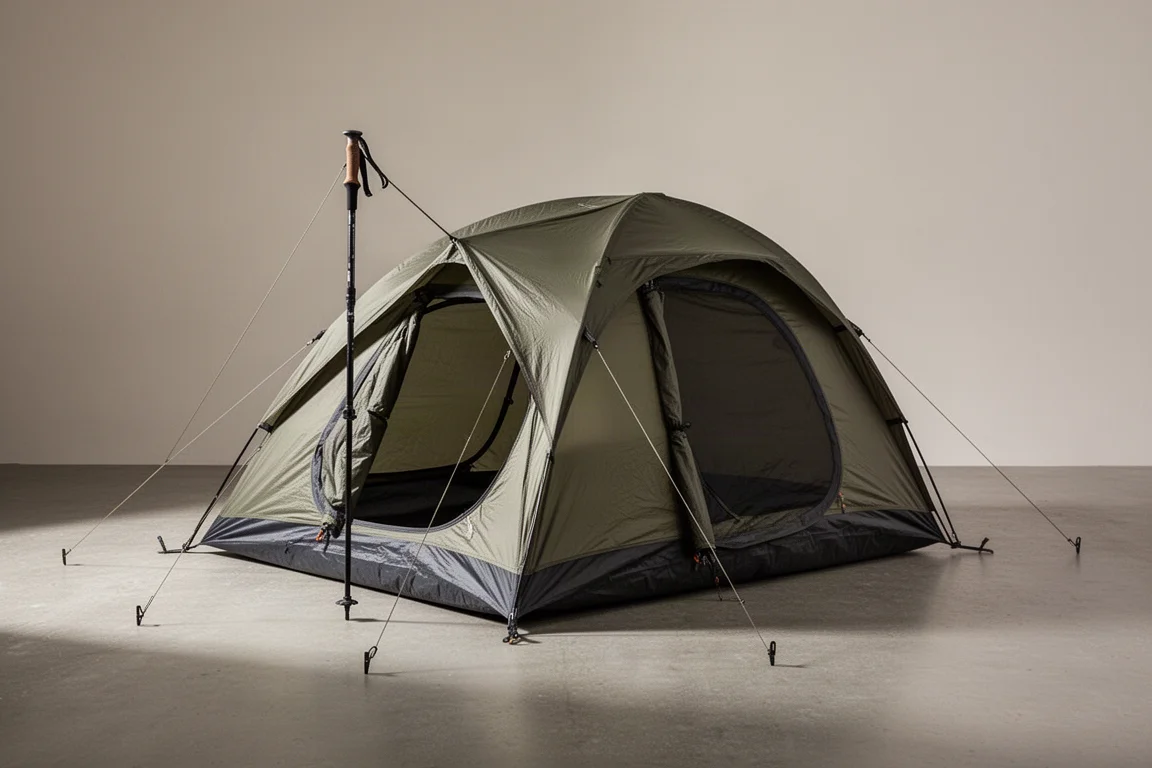
3FUL Gear Lanshan 2 Pro 4-Season Review: A Sub-$200 Single-Wall Trekking Pole Tent
An early look at the 3FUL Gear Lanshan 2 Pro 4-Season, covering its straightforward pitch, generous interior space, and the condensation and seam-sealing questions that come with any single-wall shelter.
Camping Tents
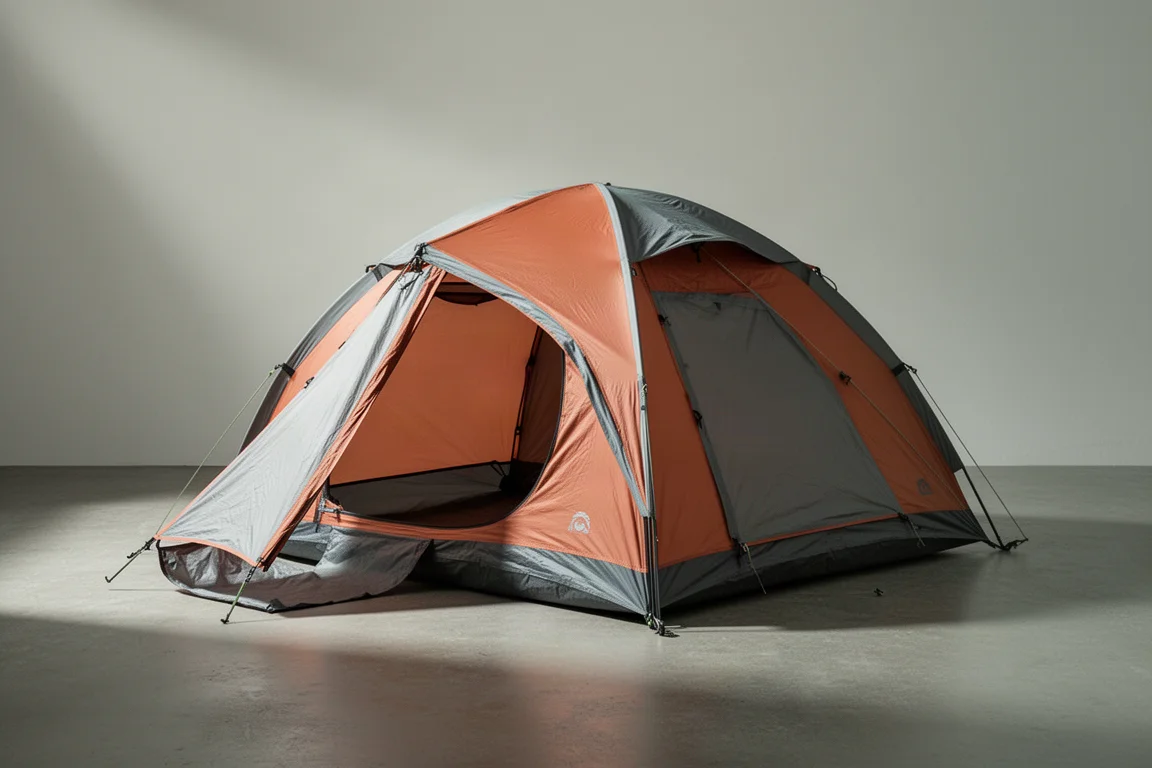
Alps Mountaineering Lynx 1-Person Tent Review: Big Value in a Small Budget Tent
A close look at the Alps Mountaineering Lynx 1-Person Tent, covering real interior dimensions, materials, setup time, ventilation limits, and who should buy it.