Sleeping Bags
The North Face One Bag Review: One Sleeping Bag, Three Temperature Ratings
A three-in-one sleeping bag system that covers mild nights, shoulder season trips, and below-freezing camps, with one clear trade-off to weigh first.
Introduction
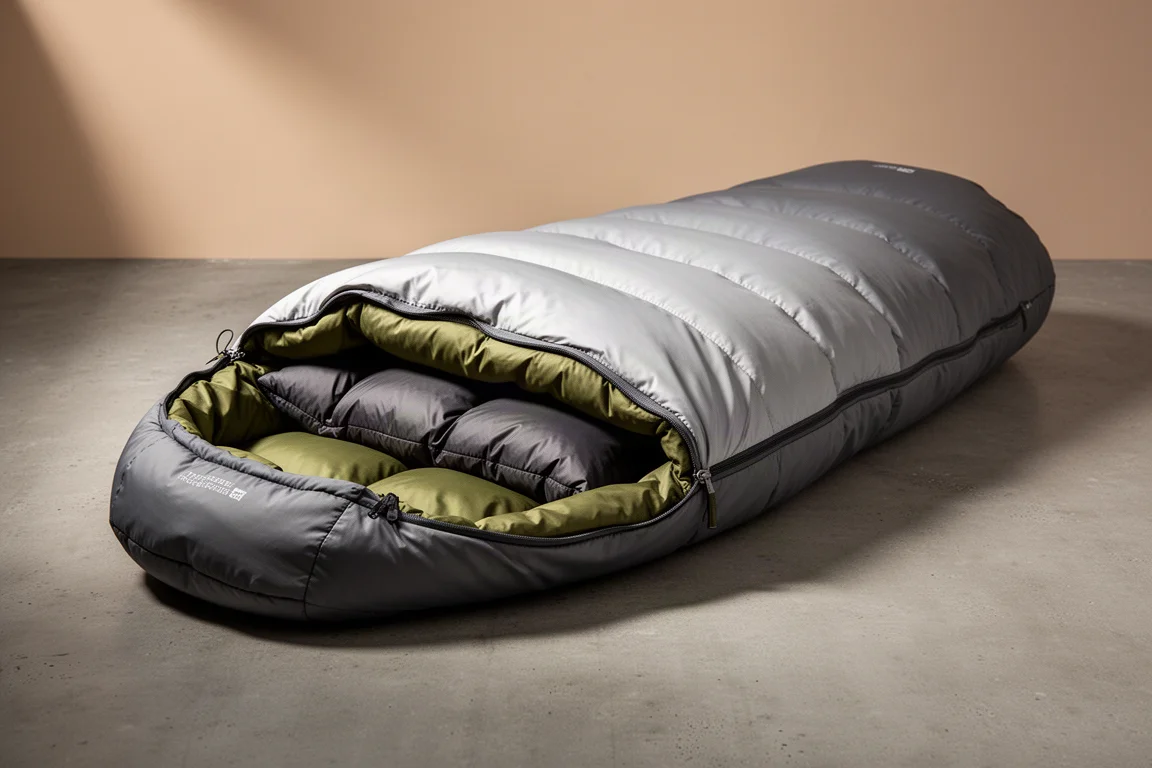
The North Face One Bag is a single sleeping bag that can be set up three different ways. Depending on how its layers are combined, it covers advertised temperature ratings of 40°F, 20°F, and 5°F. In practice, that means one purchase can carry a camper through mild summer nights, cooler shoulder season trips, and camps that dip below freezing.
The design relies on a layering system rather than three separate bags. A base layer uses minimal synthetic insulation in the areas where it matters least, on the reasoning that a sleeping pad, not the bag, is what keeps your back warm. On top of that base, a light synthetic top handles mild conditions, an 800 fill down top handles colder ones, and both tops together push the system into its coldest configuration.
That approach is what makes the bag interesting. It is not simply a warm bag or a light bag. It is a modular sleep system built to replace two or three purchases, and the trade-offs that come with that idea are worth understanding before you commit.
Who this product is for
This bag makes the most sense for backpackers and campers who go out in varying conditions and do not want to own three separate sleeping bags. If your trips range from mild summer weekends to late fall nights that flirt with freezing, a modular system removes the guesswork of choosing which bag to pack.
It also suits anyone who simply prefers sleeping bags over quilts. The One Bag is described as roomy and not clammy, which matters on longer nights when a bag that feels restrictive or damp can ruin sleep. Because the layers can be swapped rather than the whole bag replaced, it rewards campers who want to learn one piece of gear well instead of juggling several.
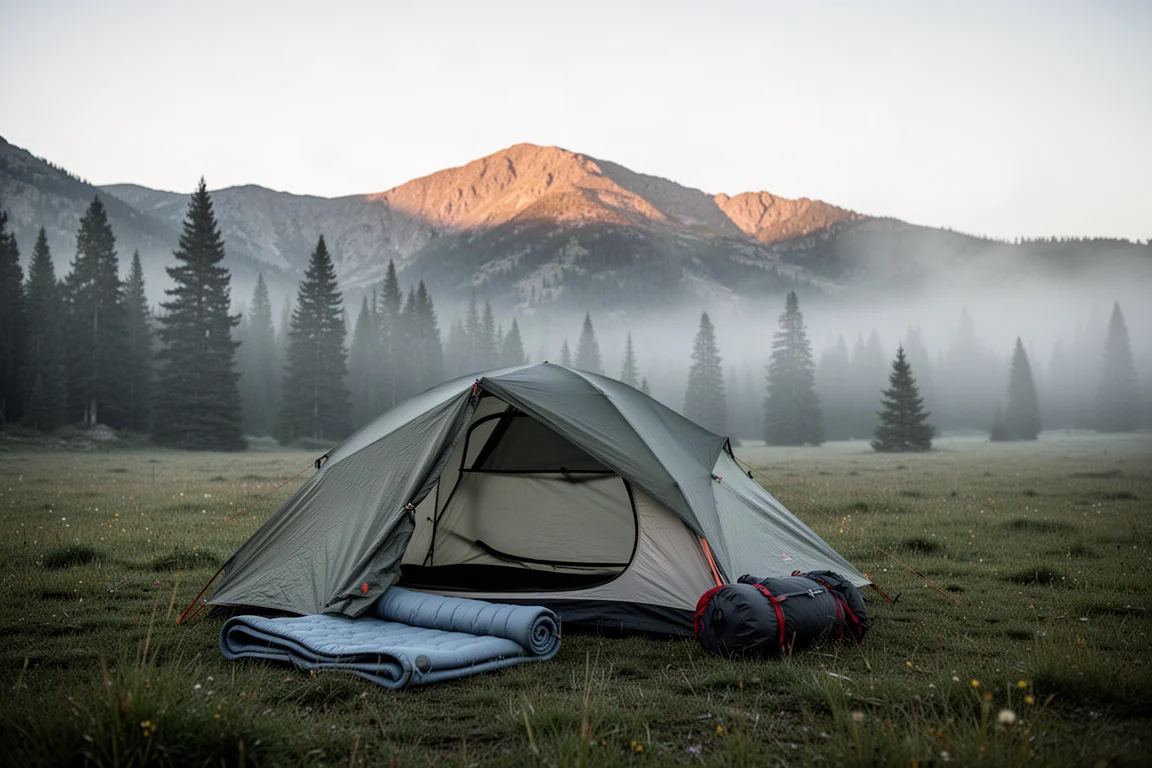
It is a less obvious fit for anyone counting grams. The versatility is real, but it comes with a weight penalty that a dedicated single-temperature bag or a quilt will usually avoid. Riders and hikers who treat every ounce as a cost should think carefully about whether the flexibility is worth carrying.
Main strengths
Three Configurations in One Bag
The core strength is the layering system itself. The base layer carries minimal synthetic insulation where your sleeping pad is already doing the work. Add the light synthetic top and you have the advertised 40°F configuration for mild nights. Swap that top for the 800 fill down layer and you get the advertised 20°F configuration. Use both tops together and the bag is rated down to an advertised 5°F.
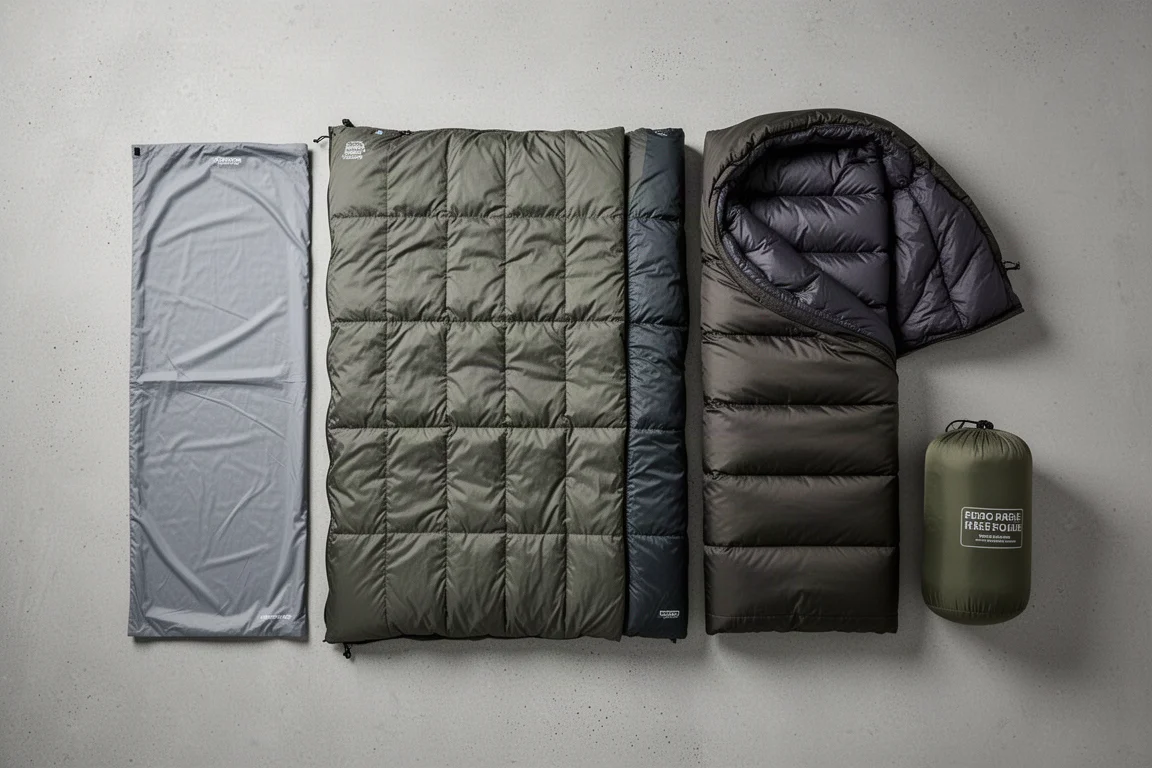
In other words, one bag covers three temperature bands that would normally require three separate purchases. For a camper whose trips shift with the seasons, that removes both the cost and the storage burden of a growing bag collection.
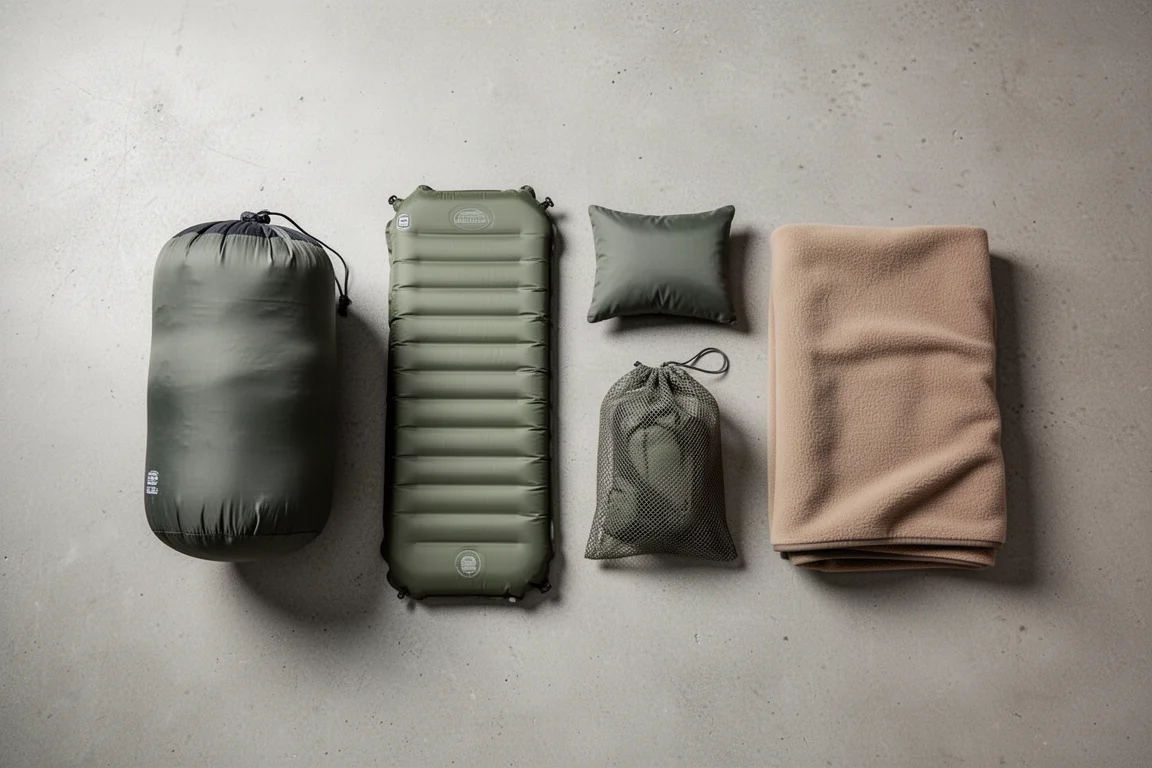
Pillow, Blanket, and Storage Sack
The system extends past sleeping. The compression sack has a fleece lining and is designed to be turned inside out and stuffed with spare clothing to become a pillow. Stuff sack pillows are a familiar compromise, but the fleece lining makes this one considerably more comfortable, to the point that it can hold its own against an inflatable pillow.
The down layer can also be zipped off and used on its own as a warm blanket or shawl around camp. Snaps let you clip it around your neck, which is far more practical than walking around in a full sleeping bag that drags on the ground. A mesh storage sack is included as well, which matters because sleeping bags should be stored uncompressed rather than left in a compression sack between trips.
ISO Ratings and Real-World Warmth
The advertised numbers are rounded, and the certified ISO figures sit slightly differently. Because the bag has three configurations, it carries nine ISO ratings. The comfort ratings are 52°F, 27°F, and 21°F. The limit ratings are 45°F, 16°F, and 8°F. The lower limit ratings, the point where a night becomes genuinely miserable, are 23°F, -17°F, and -28°F.
The advertised rating for each configuration falls between its comfort and limit figures, which is a deliberate way of targeting the average sleeper rather than the warmest or coldest one. ISO testing assumes a full head-to-toe base layer and a sleeping pad with an R value of 4.8, so real-world results depend heavily on what you wear and what you sleep on.
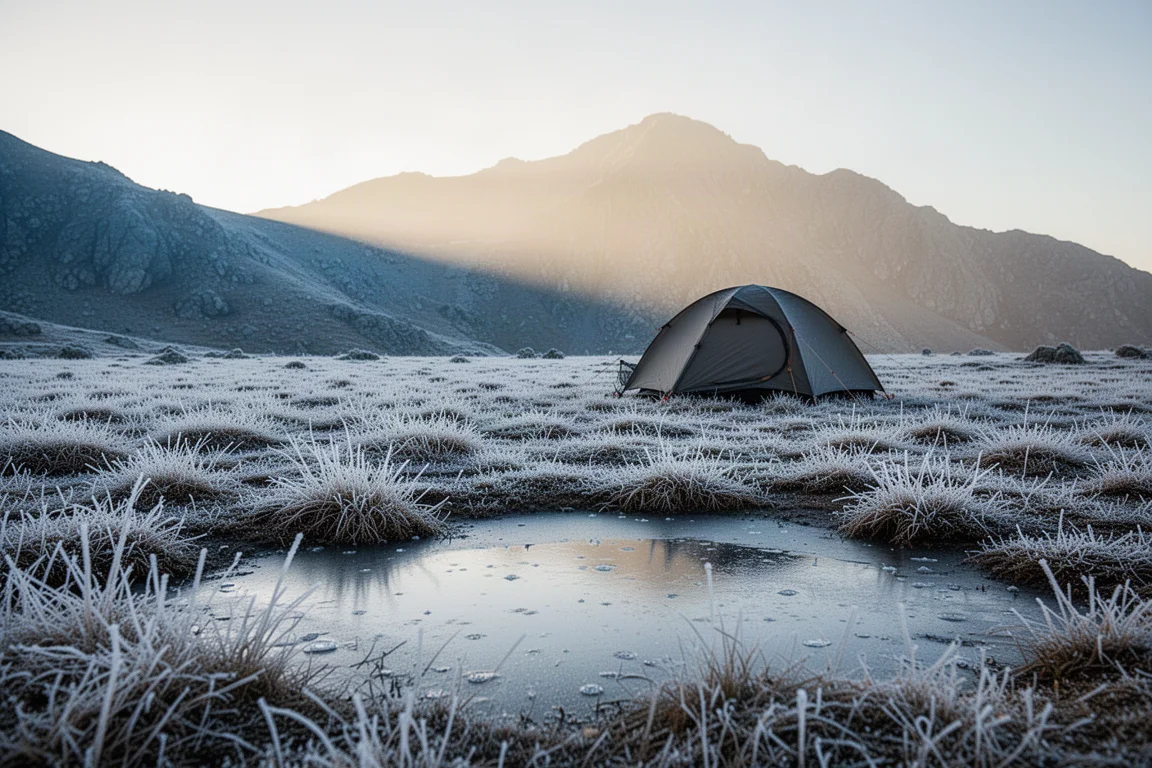
Field experience backs up the middle ratings. In the 20°F configuration, sleeping near freezing temperatures in a t-shirt and underwear was plenty warm, sometimes even hot. In the 40°F configuration, sleeping down to roughly 48°F was comfortable without being cold. Given a slightly lower pad R value and lighter clothing than the test standard, the advertised 40°F and 20°F ratings look broadly accurate. The 5°F figure is more optimistic than the ISO limit of 8°F, and a realistic expectation for the coldest setup is closer to 10°F, which is still a genuinely warm bag for below-freezing camps.
Things to Consider Before Buying
Weight is the clear weak point. In its lightest 40°F configuration the bag weighs just over 2 lb. The 20°F configuration runs a little more than 2.5 lb, and the 5°F configuration is over 3.5 lb. The compression stuff sack adds another 6 oz on top of that.
Part of the reason is structural. The bag uses two zippers that run all the way around both sides, roughly four times the zipper count of a typical sleeping bag, and all that hardware adds up. The choice to use synthetic insulation in the back and top layers also costs weight, since synthetic is heavier than down for the same amount of warmth. Using down in every layer would likely have trimmed the weight, but it would probably have pushed the price up as well.
Quilts are the other comparison worth making. A good 20°F quilt handles near-freezing nights and can be draped or opened up for warmer weather, and two quilts in different ratings can be layered much like this bag. The advantage is weight. The disadvantage is cost, since two high-quality quilts are unlikely to come in under $300 combined, which is roughly where this bag sits.
Buying Advice
If you prefer sleeping bags, camp in a range of conditions, and do not mind carrying a few extra ounces, the value here is hard to argue with. Three configurations for under $300 works out to less than $100 per temperature band, and the build quality, roominess, and comfort are all consistent with a much more expensive single bag.
The decision really comes down to priorities. Choose this bag if versatility and cost per configuration matter more than packed weight, and if you want one piece of gear that adapts as the seasons change. Choose a quilt or a dedicated single-temperature bag instead if you are optimizing for weight above all else, or if you already know the narrow temperature range you camp in. Either way, check the comfort rating rather than the advertised number, and match the configuration to the pad and clothing you actually use.
Conclusion
The North Face One Bag delivers on its central promise. It genuinely functions as a 40°F, 20°F, and 5°F bag through a simple layering system, it doubles as a pillow and a camp blanket, and it ships with a storage sack that protects the insulation between trips. For campers who would otherwise buy multiple bags, the price makes a strong case for itself.
The one area where it falls short is weight, and that is a direct consequence of the design that makes everything else possible. If you can accept a heavier pack in exchange for year-round flexibility, this is an easy bag to recommend. If every ounce counts, the same money spent on a quilt or a lighter dedicated bag will serve you better.
Product link
View more details for The North Face One Bag
This product is mentioned in the review. Check the specifications, options, and compatibility before buying.
View more details for The North Face One BagFurther reading
Related Reviews
Sleeping Bags
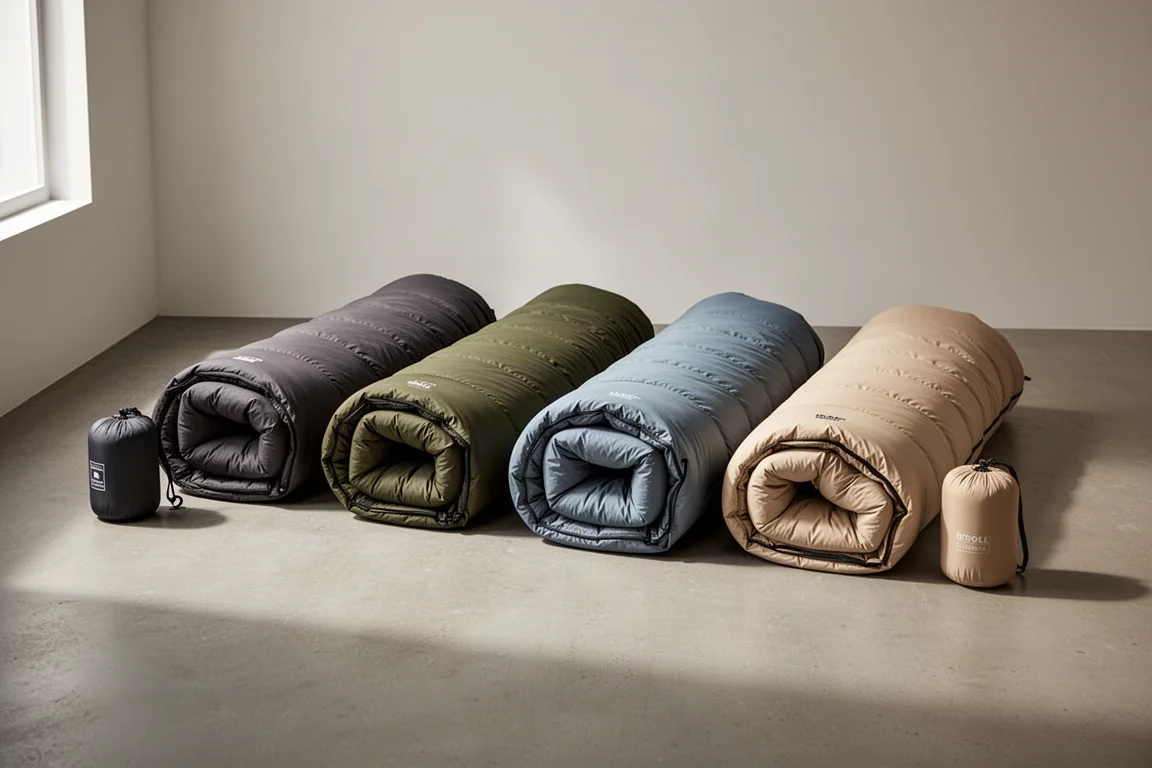
Best Down Sleeping Bags Under $300: Four Backpacking Options Worth a Look
Four down sleeping bags that stay under $300, compared on fill power, baffle design, hood comfort, and packed size.
Sleeping Bags
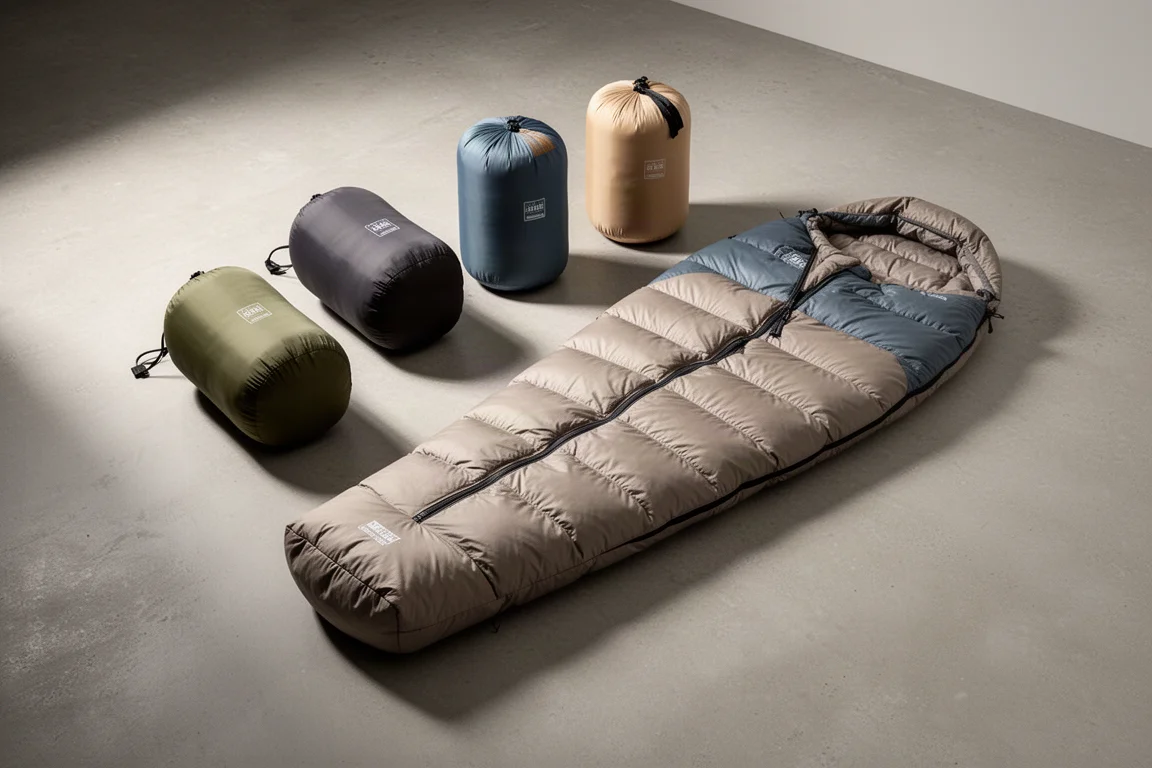
Best Sleeping Bags and Sleep Systems: Five Premium Down Picks Compared
Five premium down sleeping bags and sleep systems compared on warmth, weight, construction, and value.
Sleeping Bags
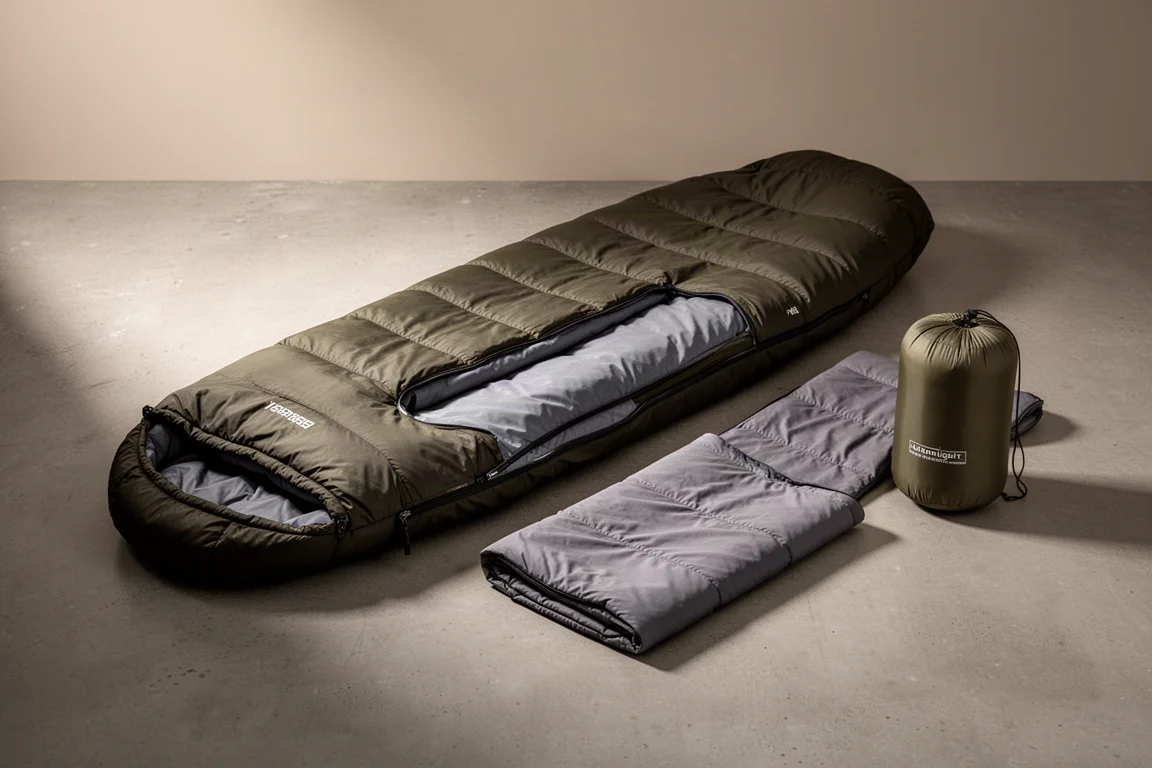
Big Agnes Lost Ranger UL 3-in-1 Sleeping Bag System Review: One Bag, Three Setups
A practical look at the Big Agnes Lost Ranger UL 3-in-1 Sleeping Bag System, covering how the three configurations work, where it shines, and the details worth weighing before buying.