Aviation
Thatcher CX-4 Review: An Affordable Single-Seat Experimental Aircraft
The Thatcher CX-4 offers around 110-120 mph cruising on auto fuel, all-metal construction, and second-hand prices that make flying accessible.
Introduction
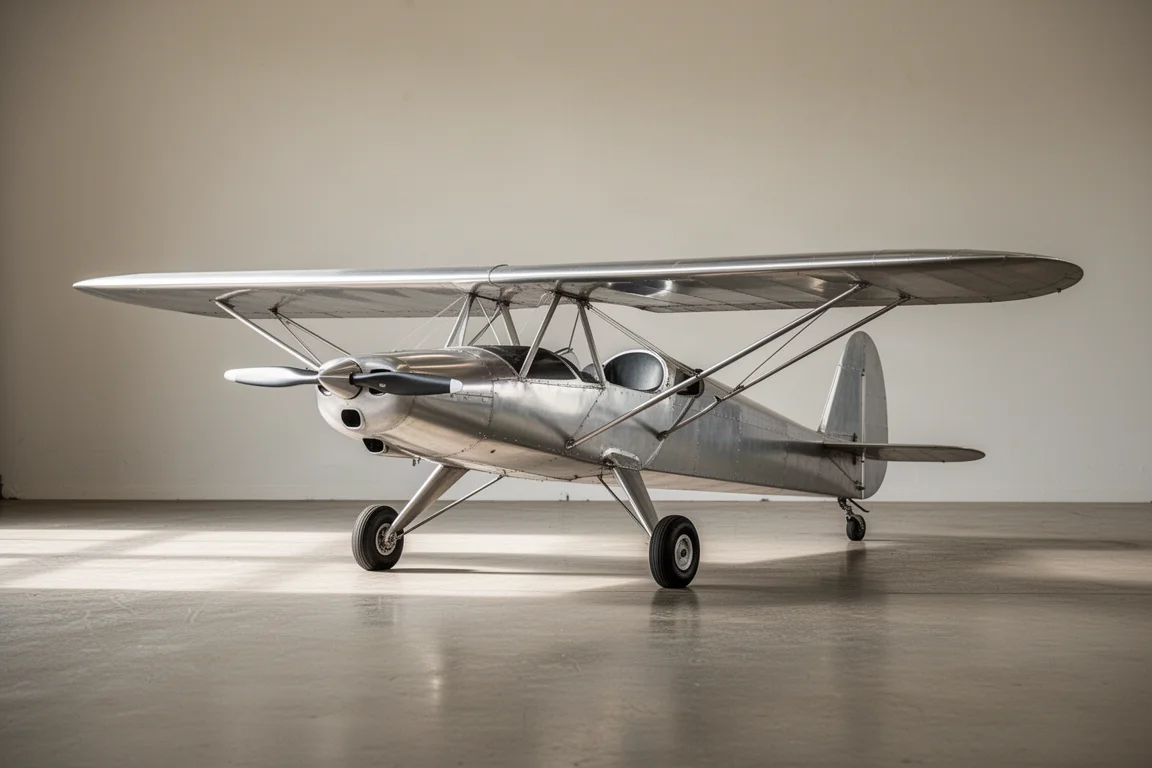
If you love airplanes but would rather not carry a passenger, the Thatcher CX-4 makes a compelling case. This single-seat, all-metal experimental aircraft can be built or bought for around $25,000 or often less, and it delivers honest, economical performance powered by a Volkswagen-based engine. In this review, we take a close look at one example purchased second-hand for under $25,000, covering what it is like to own, buy, and fly.
Who the Thatcher CX-4 Is For
The CX-4 suits pilots who want simple, affordable flying without the cost of a two-seat aircraft. It is all metal, which appeals to builders and buyers who prefer traditional construction over fabric or composite, and the wing setup gives it friendly manners in the air.
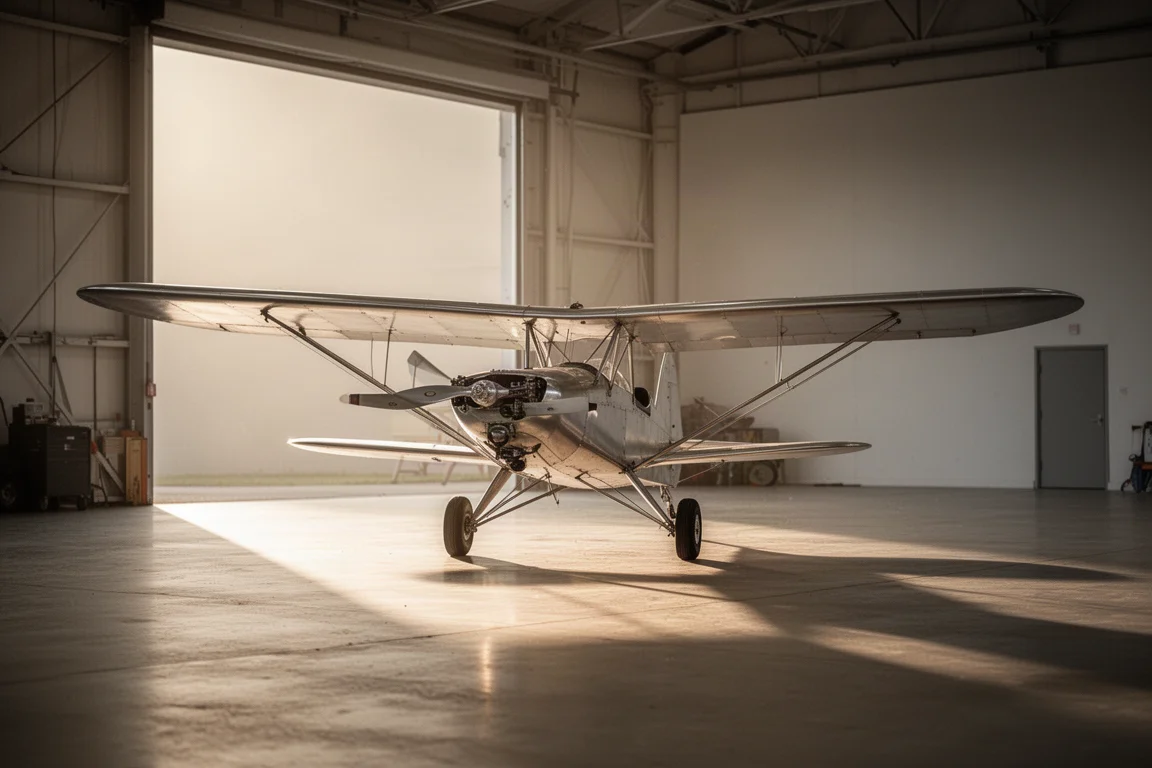
For a first-time experimental owner, though, there is an important caveat: because the owner is not the builder, they cannot perform their own condition inspections. The aircraft must have an annual condition inspection performed by an A&P mechanic, though it does not require an IA. Owners can make modifications, but those changes must be inspected and signed off by a mechanic and recorded in the logs.
Engine and Performance
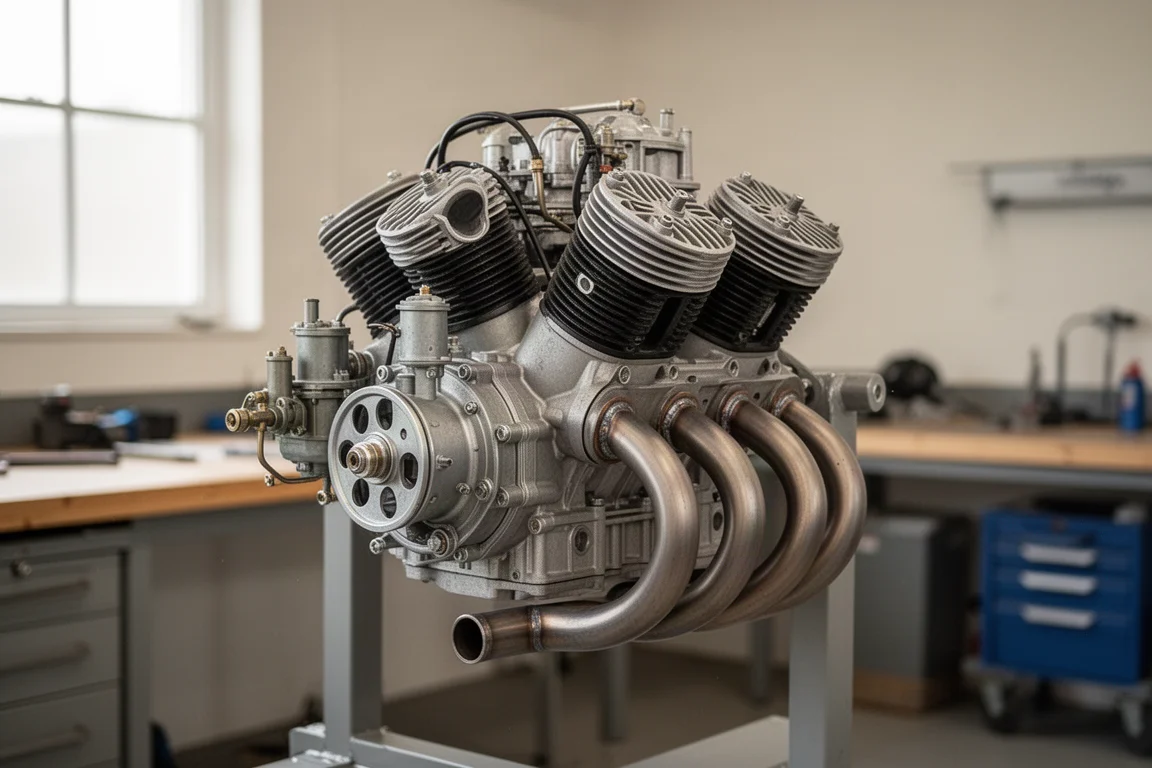
This example is powered by a Revmaster 2100 D, a Volkswagen-based engine producing somewhere around 70 to 75 horsepower. It sips automotive fuel at roughly 3 to 3.5 gallons per hour while pulling the aircraft through the air between 110 and 120 mph.
The 10.5-gallon tank provides real utility. On a 30-minute flight, the owner reports landing with about half a tank or just under, which means plenty of reserve for local flying without refueling every stop.
Flying and Handling
The CX-4 is a taildragger, and it is forgiving on the ground. You can either roll the mains and level before departing or go with a three-point departure. Takeoff happens around 60 mph indicated, and you want to look for 80 mph to climb. With a climb prop fitted, the aircraft sustains an estimated 1,500 to 2,000 feet per minute, holding airspeed well even in a steep climb.
The stall comes somewhere between 40 and 45 mph, giving a comfortable margin. There are no flaps, so energy management matters on landing: the aircraft sits low to the ground and, much like a Mooney, it will float toward the end of the runway if you carry too much speed.
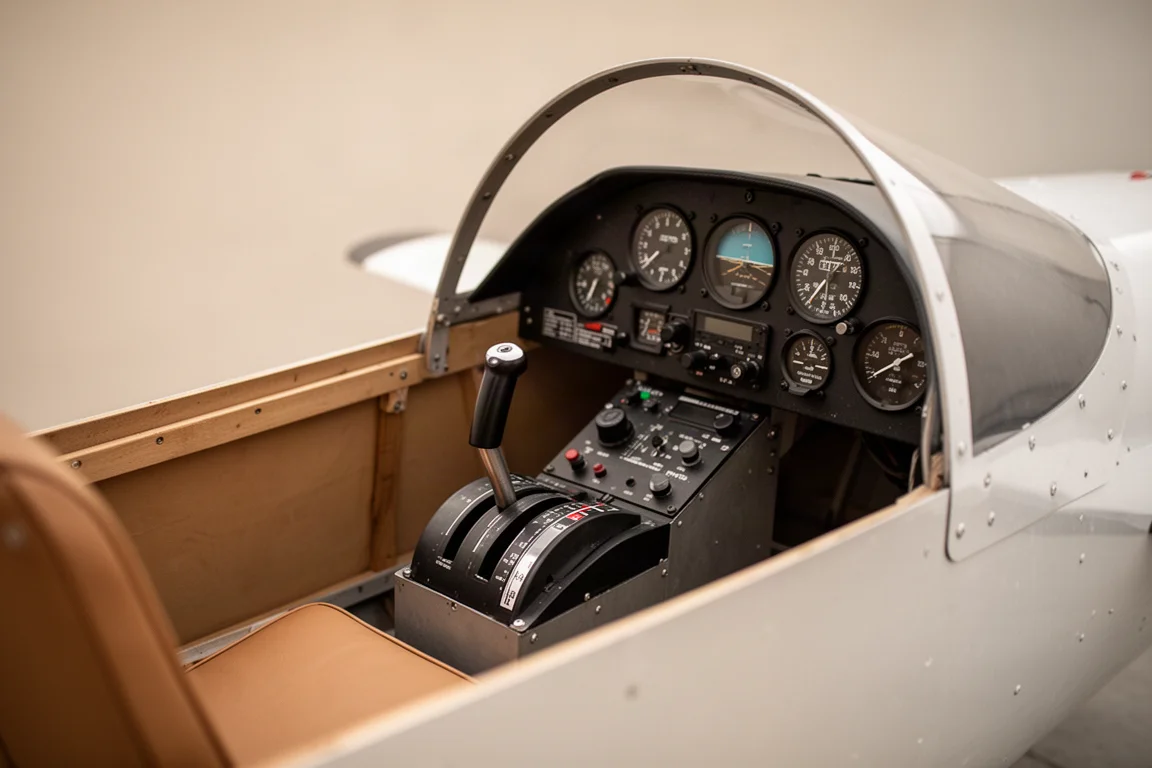
Cruise is typically around 110 to 120 mph depending on the wind. The owner keeps it at 2,900 RPM while cruising, a bit below the advised 3,100, and it is not a machine meant for going somewhere fast, which is exactly the point. One operational quirk: idle needs to be set carefully, in the high 800s to low 900s RPM range, because pulling the mixture too far back can let the engine shut down after landing rather than on short final.
Things to Consider Before Buying
Buying a second- or third-hand example, as in this case, requires discipline. This aircraft had not finished its 40-hour phase one flying when purchased, so the new owner transported it on a custom trailer with the wings off, had it inspected by a third party and a mechanic, and reassembled it at home with an A&P sign-off before its first flight. Getting a designated airworthiness representative inspection for the initial flight area cost around $650, and a mechanical inspection typically runs $500 to $700.
Insurance is another hurdle. Insurers may refuse coverage on a single-seat aircraft until the pilot has 40 hours of flight time in it, meaning the first 40 hours fly uninsured. Well-maintained examples typically sell in the $15,000 to $20,000 range depending on condition and hours.
Buying Advice
The Thatcher CX-4 rewards careful buyers. Have someone else go through the aircraft with you, especially if it is your first experimental, and never skip a full inspection of the engine, fuselage, and wings before flying. The low running costs, cheap inspections compared with standard-category aircraft, and modest purchase prices make ownership unusually accessible.
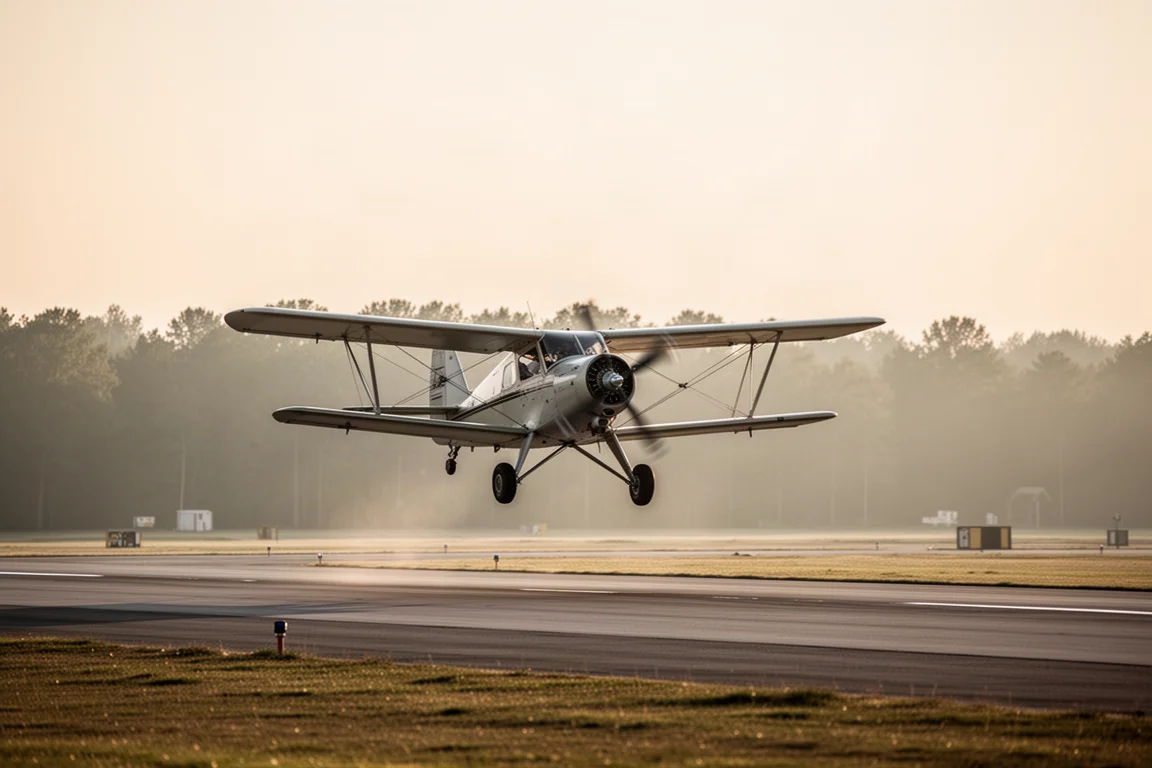
If your goal is economical local flying and you are comfortable with a single seat and a taildragger, the CX-4 is hard to beat at this price point.
Conclusion
The Thatcher CX-4 does what it promises: simple, all-metal, Volkswagen-powered flying at 110 to 120 mph on roughly 3.5 gallons per hour, with second-hand prices between $15,000 and $25,000. Buy carefully, inspect thoroughly, and it is an aircraft that may pleasantly surprise you in everything you expect of it.
Product link
View more details for Thatcher CX-4
This product is mentioned in the review. Check the specifications, options, and compatibility before buying.
View more details for Thatcher CX-4Further reading
Related Reviews
Aviation
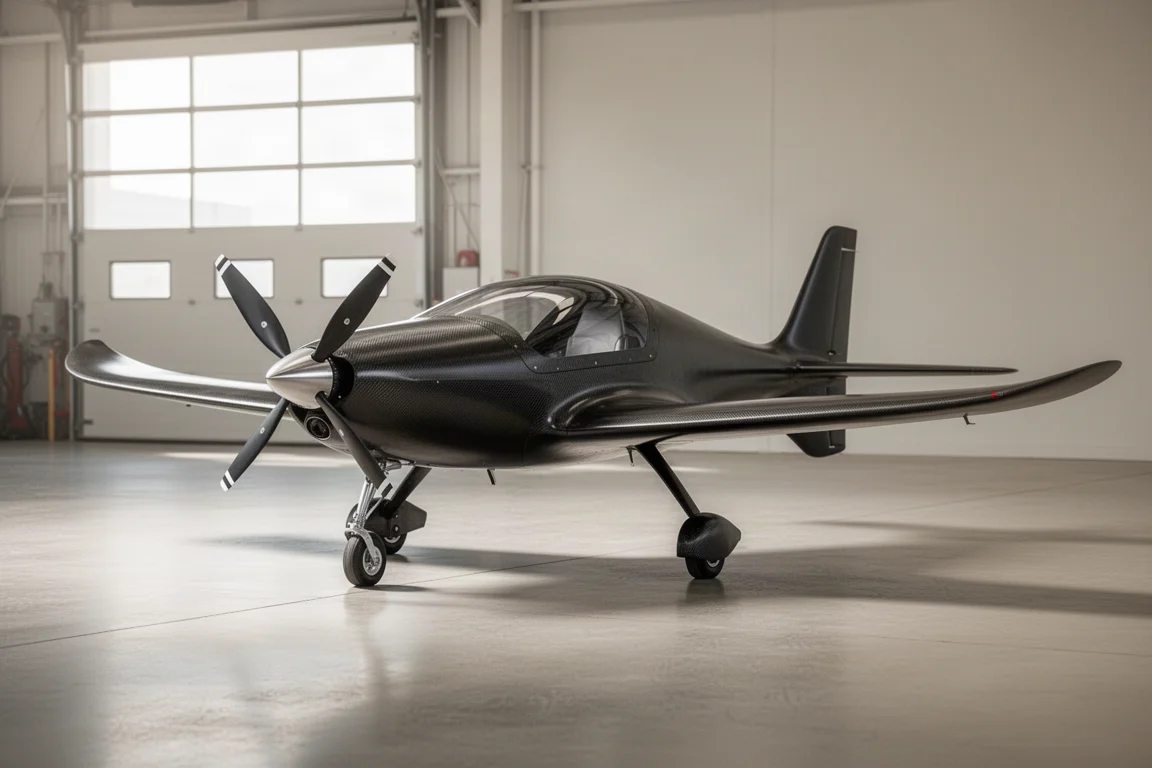
Aero Technics ACH 212 Solo Review: A Carbon Fiber Solo Kit Aircraft You Can Build Fast
A nearly 30-year-old Czech design still offered only as a kit: 90% carbon fiber, quick-release wings, a 350 to 400 hour build, and performance that surprises.
Aviation
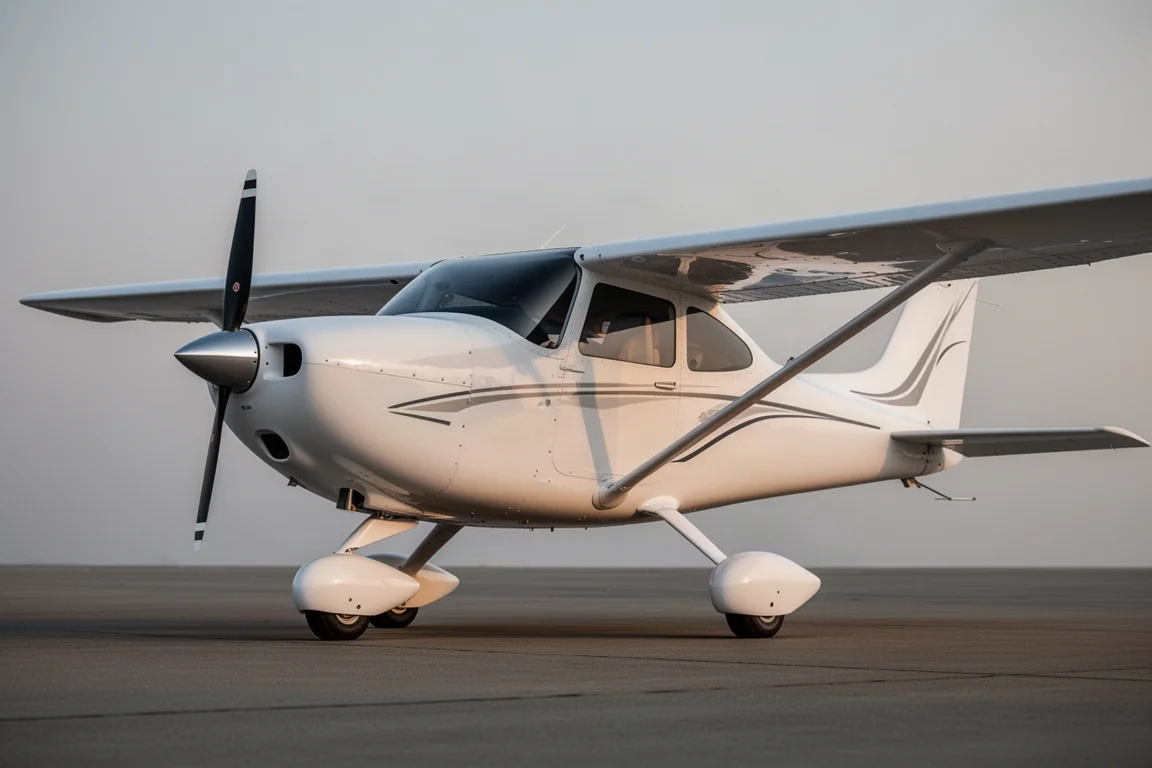
Aeropilot: The 80% Scale Cessna-Style Light Sport Aircraft Winning Over Flight Schools
A full-carbon, two-seat light sport aircraft modeled after the Cessna 182, with a larger cabin, big climb performance, and fuel burn that flight schools love.
Aviation
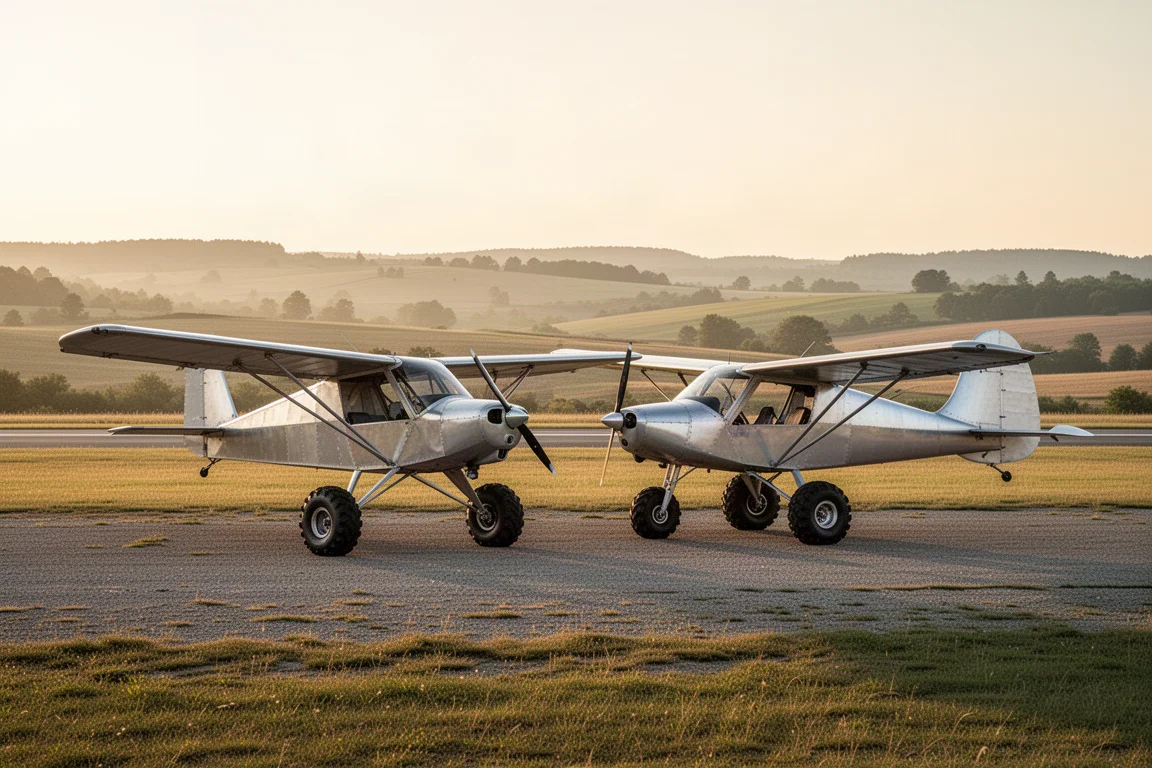
Aeropro A22 and A32: Two Light Sport Aircraft Worth a Close Look
A side-by-side look at the Aeropro A22 and A32, covering performance, pricing, customization, and what buyers should know before ordering.