Aviation
Aero Technics ACH 212 Solo Review: A Carbon Fiber Solo Kit Aircraft You Can Build Fast
A nearly 30-year-old Czech design still offered only as a kit: 90% carbon fiber, quick-release wings, a 350 to 400 hour build, and performance that surprises.
Introduction
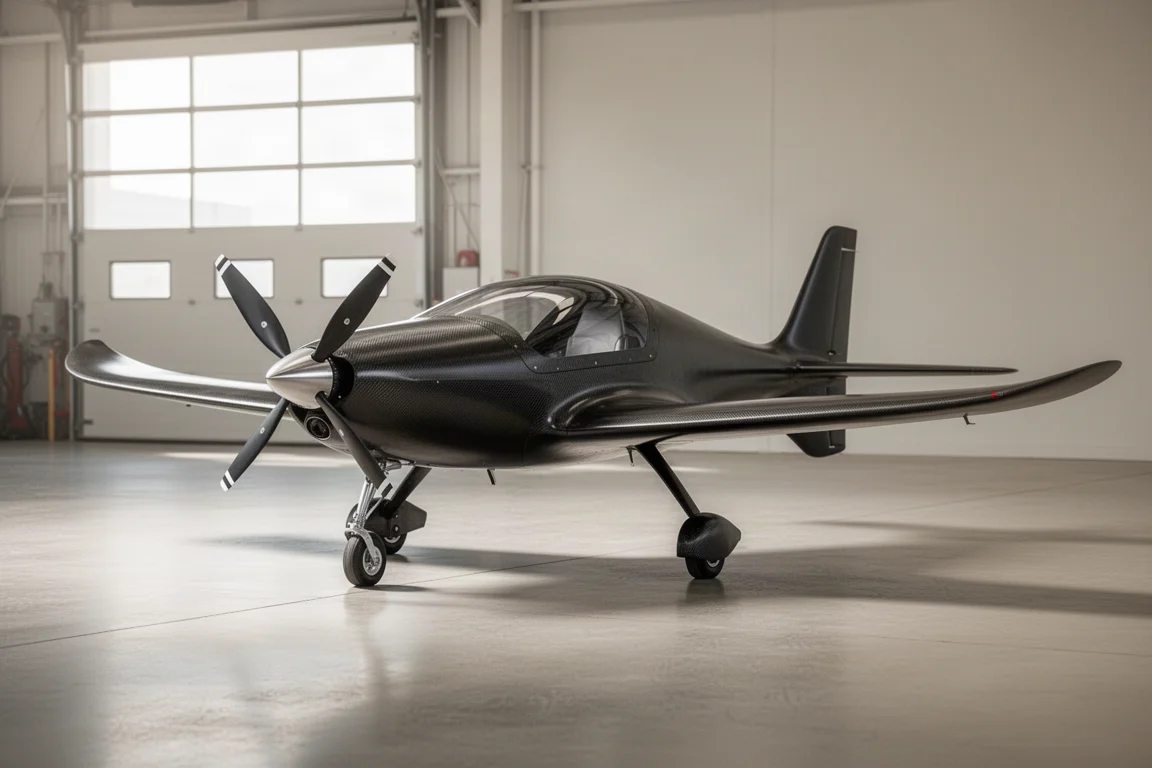
Aviation never stops moving forward somewhere, and some of the most interesting designs are the ones few people know about. The Aero Technics ACH 212 Solo is exactly that kind of aircraft: a single-seat kit plane imported from the Czech Republic, built around a design that is nearly 30 years old and still offered only as an experimental amateur-built kit.
Because the manufacturer cannot provide transitional training for it, this aircraft is very much a build-it-and-fly-it proposition. That makes it a niche purchase, but for the right builder-pilot it is a genuinely compelling one. Here is what makes it stand out, and what you should know before committing.
What the ACH 212 Solo Is
The ACH 212 Solo is the original model from the Aero Technics family, and its wing design is the foundation for the flight characteristics the later designs are known for. Unlike its SLSA siblings, this one is only available as a kit, because the manufacturer offers no way to do transitional training on it. The upside for builders is that as an experimental amateur-built aircraft, it can be tuned well beyond light sport speed limits, with figures around 135 to 140 knots mentioned for a properly tuned build. This example is deliberately pitched down to stay within the 120-knot light sport envelope.
Construction is roughly 90% carbon fiber with about 10% wood, including a spruce spar in the wings and vertical tail. That spruce carries over from the original decades-old design: it gives the wing enough flex in rough air to deliver a comfortable ride while remaining fully aerobatic-capable at plus 6 and minus 4 load factors if built that way.
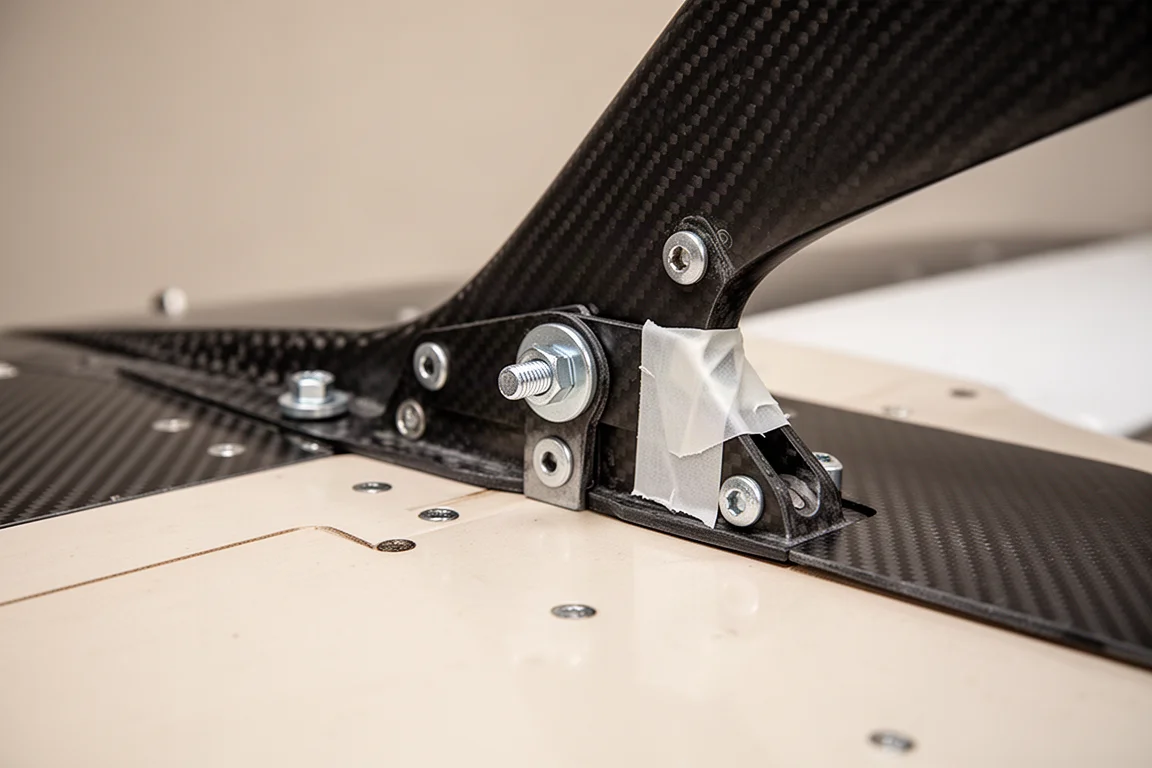
One of the most distinctive features is the removable wing system, shared across the Aero Technics range. Both wings can be taken off in about 10 minutes by two people, using indexing locking mechanisms, a main carriage bolt with two collars into the spar, and quick disconnects for fuel lines, pitot-static lines, electrics, and even pushrods. That opens the door to trailer transport to the airport, which is exactly how the original designer and his father used it: trailering to airshows, flying everywhere.
Build Time and What You Actually Get
The claimed build time is only about 350 to 400 hours, which puts this firmly in the extreme quick-build kit category. The airframe arrives essentially out of the molds: wings are roughly 60% done with the spruce spar already inlaid, and most of the work is fit and finish, drilling, sanding, attachment points, final sand and paint, plus the firewall-forward package and full avionics installation.
You receive a set of CAD drawings showing the overall design along with a step-by-step builder manual with pictures. Since the aircraft is imported from the Czech Republic, the manual is translated from Czech, and an English-native builder log is being worked on to make future builds cleaner and more concise. Compared to kit lines with a steeper skill requirement, this is closer to an advanced assembly exercise than raw composite fabrication.
Inside the Cockpit
Access is from the rear, and the flying experience is best described as wearing the aircraft, in the way a single-seat racer is worn rather than sat in. Even a 6-foot pilot has workable room with headset and harness, with adjustable pedals and seat. This particular build was designed around its builder’s own height and size.
An optional ballistic parachute system can be installed in the aft baggage area, but it must be laid into the carbon fiber at the factory during the mold process, so it cannot be retrofitted later.
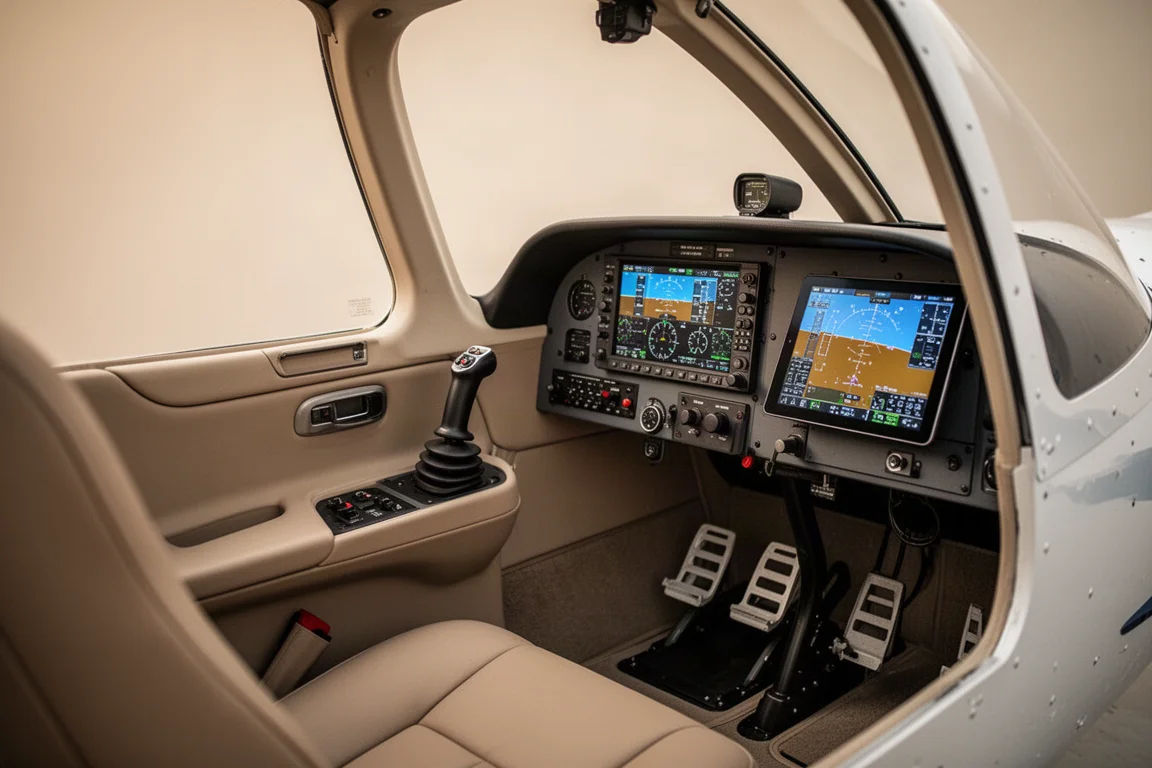
The panel runs an iPad-based solid-state glass system developed in partnership with Falcon, chosen for its stability. Everything is arranged for fingertip reach: with a hand on the throttle, trim is under the thumb and flaps can be worked with the palm, so no hand ever leaves the throttle. The result is a very fighter-pilot-style cockpit, minus the HUD, although a small holographic unit was actually purchased for it and simply never installed.
Performance: Climb, Stall, and Endurance
The numbers are where this aircraft surprises people. With the Rotax 912 ULS producing 100 horsepower and the prop pitched for climb to stay within light sport speed limits, this example climbs at roughly 2,400 feet per minute and lifts off in about 120 feet. On long runways the climb-out is dramatic enough that other pilots have keyed up on the radio asking where it went, only to be told it is already turning downwind at pattern altitude.
At the other end of the envelope, it stalls at 28 knots dirty and 38 knots clean. Fuel capacity is 18 gallons in two tanks, good for around four hours of flight, though the utilitarian, fighter-style seating means most pilots will want to land after about two hours anyway. The three-blade propeller measures around 64 inches, and there is ample clearance for wheel landings.
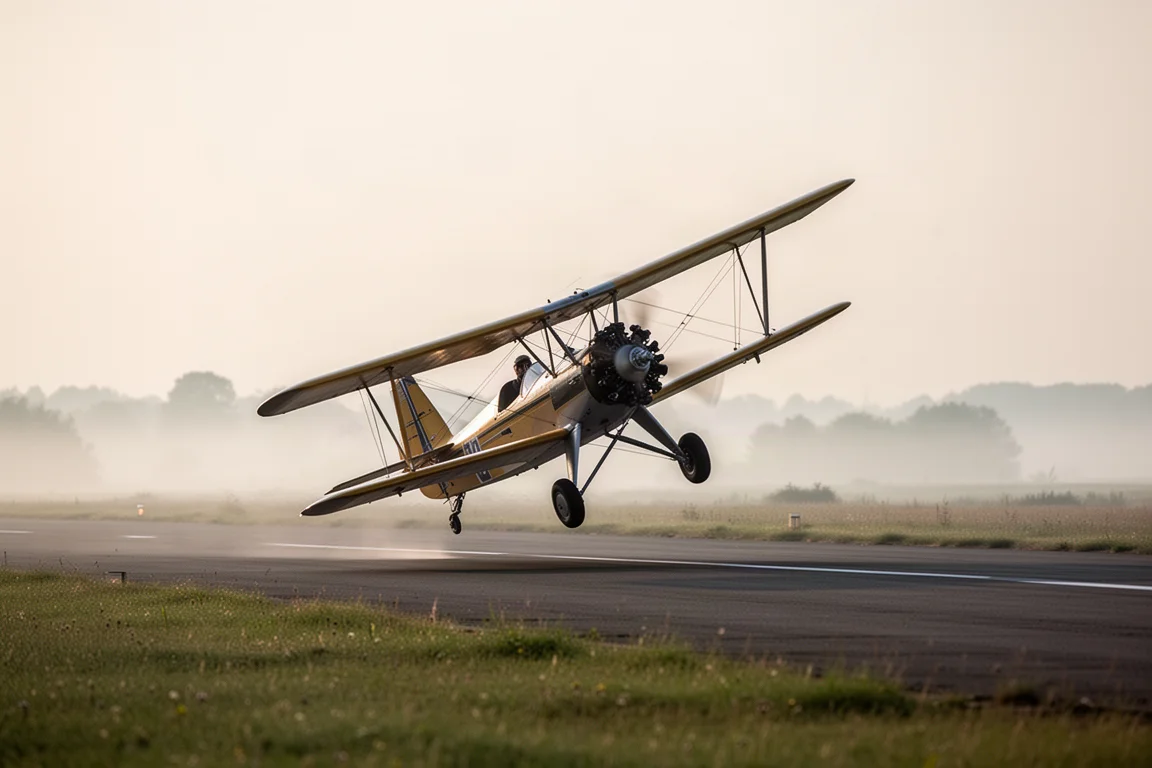
A custom ACH muffler for the Rotax gives the aircraft a distinctive growl you can hear from a long way out, and this example also carries a smoke system and custom vinyl wrap with a bespoke interior.
Handling and the Tailwheel Learning Curve
This is a light, short-coupled tailwheel aircraft with a free-castering tailwheel, and it is extremely responsive on the ground, light enough on the tail to spin donuts with the throttle alone. The builder’s advice for transitioning pilots is pointed: do not start in something docile. Something with short coupling and a lively ground attitude, like an RV-4 or a Decathlon, is a better primer, because happy feet are a requirement.
The landing recipe is simple: get it slow. Cross the numbers around 40 to 45 knots, or 38 on a calm day, then pull the stick fully back the moment the wheels touch to lock the tailwheel down. Crosswinds are the biggest consideration in any light taildragger; about 12 knots is a sensible upper limit for pilots with moderate time, and even experienced hands here have landed it in 16 to 17 knots without recommending it.

Pricing and Buying Advice
Ordering runs through RT Aviation, whose site lists all order details and who can be reached by email for sales inquiries. A raw kit with no engine, tires, interior, or avionics runs roughly $45,000 to $50,000. A kit delivered with everything needed for a barebones VFR-only aircraft, including the engine, comes to around $110,000.
The low build time is the main economic advantage: with 350 to 400 hours of mostly assembly-level work, this is one of the more accessible paths into a modern carbon fiber aircraft, especially for builders who want to fly sooner rather than spending years on raw composite work.
Conclusion
The Aero Technics ACH 212 Solo is not for everyone, and that is by design. There is no factory transitional training, it is a single-seater you wear rather than ride in, and the tailwheel demands respect. But if you are an experienced pilot who wants a fast-building, quick-removing-wings, aerobatic-capable carbon fiber aircraft with startling climb performance and a fighter-style cockpit, it is one of the most interesting kit aircraft you can bring home today.
Product link
View more details for Aero Technics ACH 212 Solo
This product is mentioned in the review. Check the specifications, options, and compatibility before buying.
View more details for Aero Technics ACH 212 SoloFurther reading
Related Reviews
Aviation
Aeropilot: The 80% Scale Cessna-Style Light Sport Aircraft Winning Over Flight Schools
A full-carbon, two-seat light sport aircraft modeled after the Cessna 182, with a larger cabin, big climb performance, and fuel burn that flight schools love.
Aviation
Aeropro A22 and A32: Two Light Sport Aircraft Worth a Close Look
A side-by-side look at the Aeropro A22 and A32, covering performance, pricing, customization, and what buyers should know before ordering.
Aviation
Badland Ultralight Kit and Thump Air 420cc: A Practical Backyard Aircraft Combo
A true 247-pound ultralight kit that hits the advertised weight, plus a new four-stroke engine option built for torque and lighter fuel burn.