Aviation
Aeropilot: The 80% Scale Cessna-Style Light Sport Aircraft Winning Over Flight Schools
A full-carbon, two-seat light sport aircraft modeled after the Cessna 182, with a larger cabin, big climb performance, and fuel burn that flight schools love.
Introduction
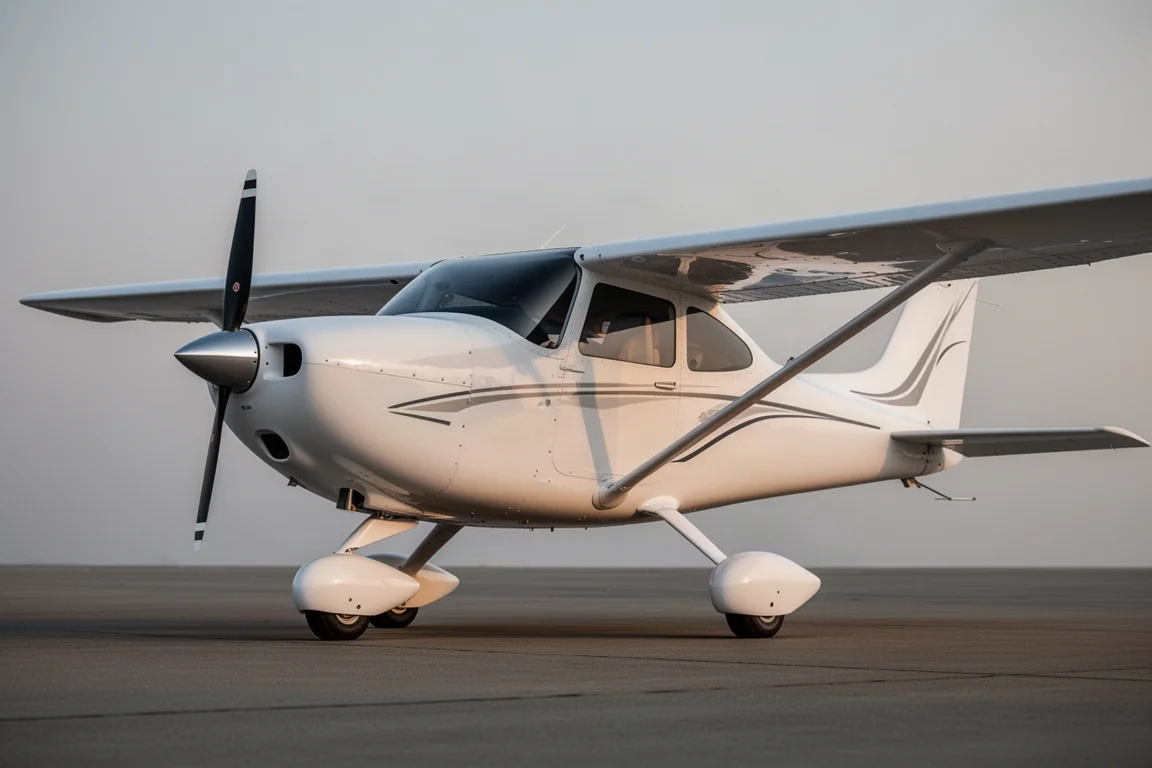
Some light sport aircraft try to reinvent the trainer. The Aeropilot takes the opposite approach: it looks familiar on purpose. At first glance you could mistake it for a Cessna 172, but it is actually an 80% scale-down of the Cessna 182, built entirely from carbon fiber and positioned as one of the most capable and economical two-seat trainers available today.
What the Aeropilot Is
The Aeropilot is a two-seat, high-wing light sport aircraft distributed in the United States by RT Aviation, based in a small Mississippi town. The brand has roughly 20 of these aircraft flying in the US, and the distributor relationship began after the team bought one, fell in love with the product, and flew to the Czech Republic to meet the manufacturer. That visit convinced them to become the official US dealer.
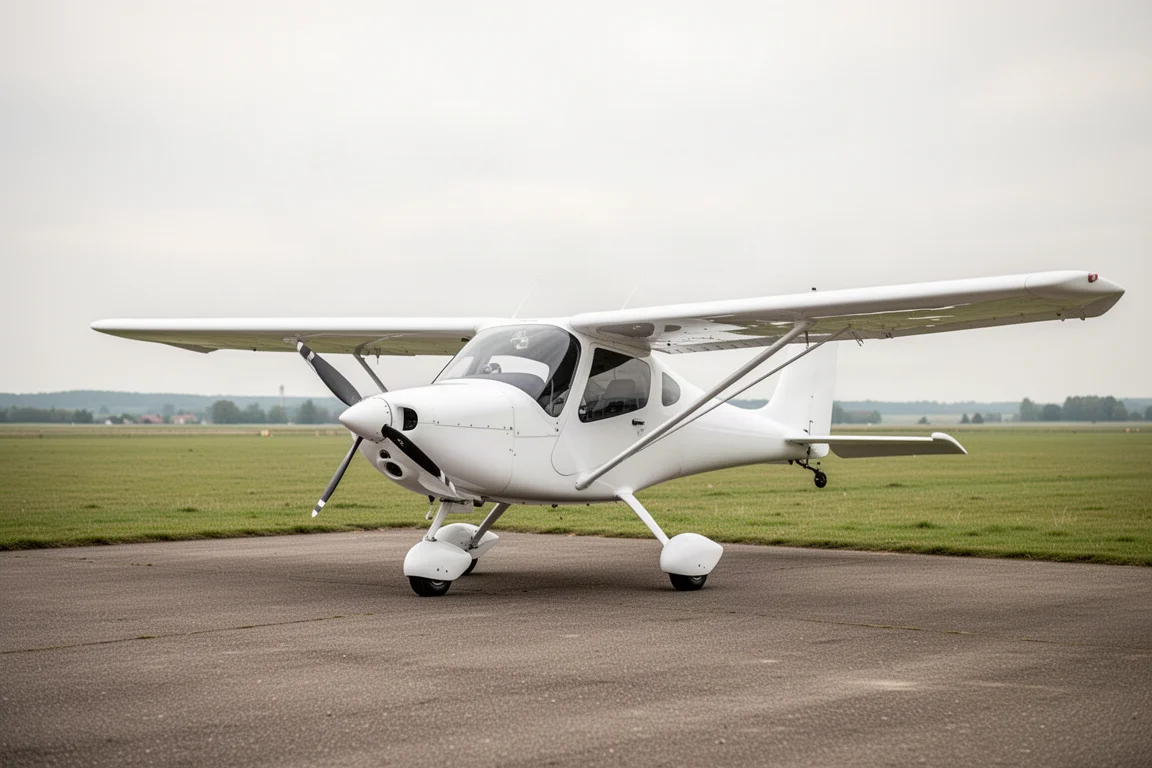
The designers deliberately targeted the familiar Cessna trainer vibe, but with a larger cabin than a real 182 by a few inches. Despite being a two-seater, it is engineered to feel like the aircraft most pilots learned in, just newer, lighter, and far cheaper to run.
Performance and Handling
Climb performance is a genuine highlight. Where a traditional 150 or 172 trainer might manage around 500 feet per minute, the Aeropilot climbs at roughly 1,500 feet per minute. Cruise speed lands in the 115 to 120 knot range depending on propeller pitch, and it does all of this while burning just 3.5 to 4 gallons per hour. For a flight school, that fuel economy alone can effectively pay for the aircraft compared to operating a legacy 172.
It is described as extremely docile and forgiving in the air, which is exactly what you want in a trainer. It also handles well from well-maintained grass fields, and the strong climb rate gives you real margin out of tricky strips.
Engine and Fuel System
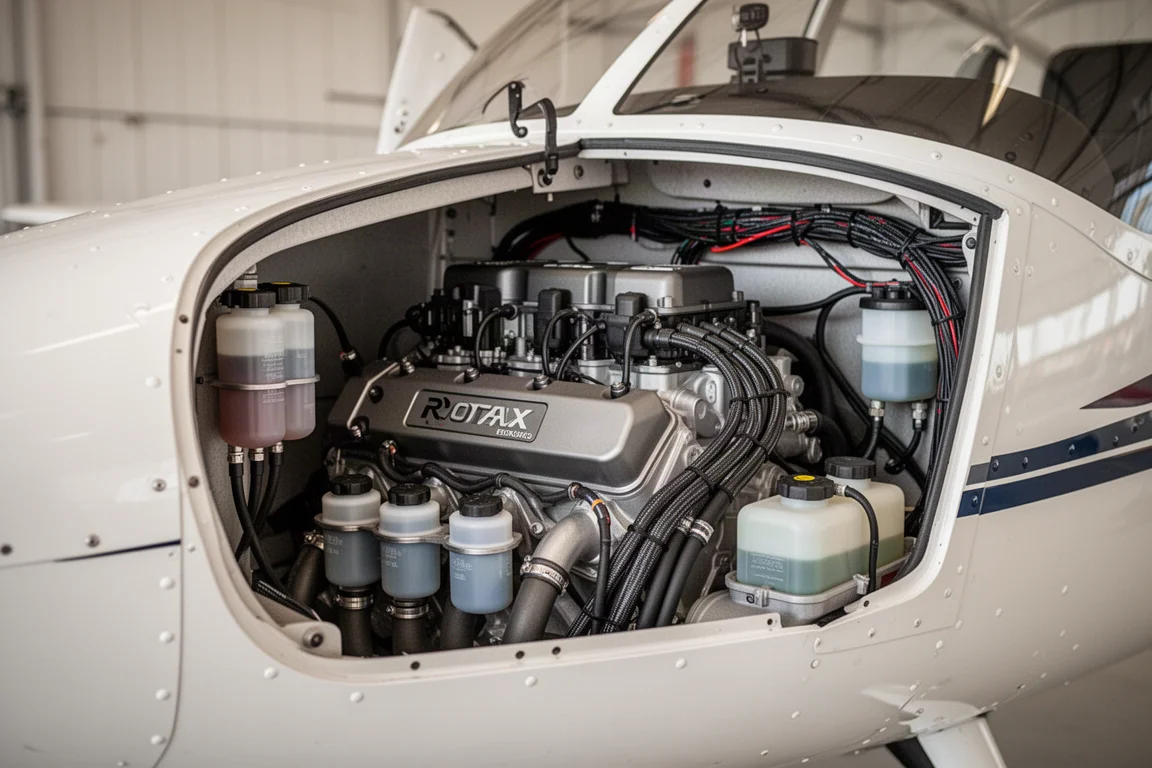
The aircraft we looked at carries a brand-new Rotax 912 ULS Sport engine, though the manufacturer also offers the ULS base model, the Rotax 914, and is authorized for the Rotax 916. Every imported aircraft goes through rigorous flight testing in the Czech Republic before shipping to the US, arriving with 5 to 7 hours already on the engine. Engine options run from the Rotax 912 through 914, 915, and 916.
The fuel system is well thought out for a high-wing aircraft running 4 to 45 PSI of fuel pressure. Instead of simple gravity feed, a header tank below the rear luggage deck holds three gallons at all times, fed by the wing tanks and maintained by a float-sensor-driven boost pump. The pumps can also be switched on manually if the sensor ever fails, a nice built-in redundancy.
Construction and Durability
This is a 100% full carbon fiber aircraft from tip to tail, including the airframe structure. The only exception is the spring gear, which is fiberglass honeycomb weave with two hollow channels on the sides for a combination of enormous flex and rigidity. Useful load is about 590 to 600 pounds, with roughly 60 to 70 pounds of standard luggage capacity depending on options.
Durability has been tested out to 8,000 hours of airframe life. Hangering is still recommended to maximize lifespan, but the airframe is proving itself in harsh environments: one flight school operates these in Phoenix, Arizona, about as tough a sun-and-heat climate as composite aircraft face, and the fleet is holding up extremely well.
Cabin, Comfort, and Access
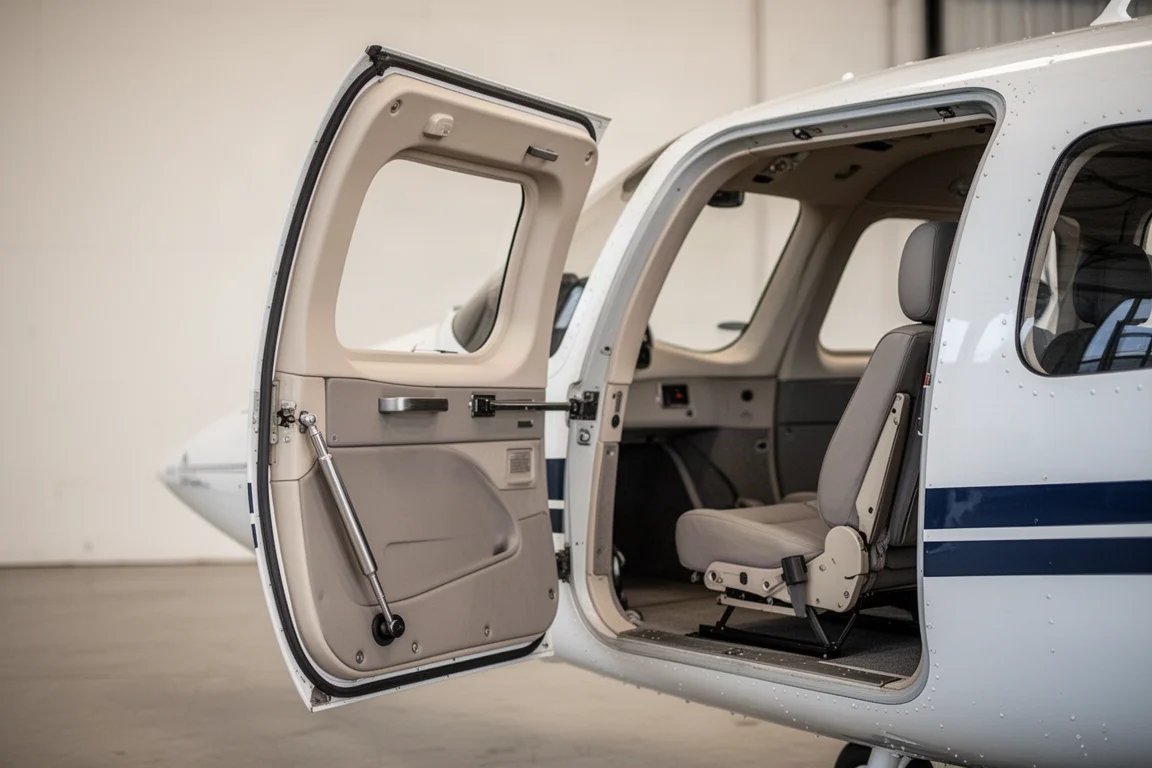
The doors open a full 90 degrees with a damper to keep them from flopping in the wind, so ingress and egress are genuinely easy. The seats are fully adjustable fore and aft, so you do not need to slide them nearly as far as in a Cessna, and there is plenty of headroom even with a seat fully back.
Configuration options run the full spectrum. You can order a utilitarian floatplane spec with plastic everything that you can simply spray out with a hose, or go all the way to a leather interior with leather door panels and leather headliner. Reclining folding seats are a newer option that makes loading luggage much simpler.
Pricing and Customization
A 30% deposit gets you a production slot, with lead times of roughly 11 to 13 months depending on where you land in the queue. Base VFR models start around $170,000 to $175,000, top-end VFR builds reach around $200,000, IFR training configurations run roughly $230,000 to $240,000, and floatplane versions range from about $260,000 VFR to $275,000 IFR.
Avionics are equally flexible, from basic glass cockpits up to Garmin fits with two- or three-axis autopilots for a Technically Advanced Aircraft rating. Beringer brakes are available as an upgrade, and the aircraft can be speced for IFR training use, though as a factory LSA it is not licensed for actual IFR flight. An amphibious float version with retractable gear is also offered, and development continues on options tied to the MOSAIC rule.
Who Should Consider It
Flight schools are the obvious fit: RT Aviation itself operates a small fleet in its own school and has sold units to two others, with parts readily available and operating costs dramatically lower than legacy trainers. Recreational pilots benefit too, with 8.5 to 9 hours of endurance and real comfort for long cross-country flights. If you live on a grass strip or want an amphibious aircraft for water operations, the customization path makes it a strong candidate there as well.
Conclusion
The Aeropilot succeeds because it does not fight what pilots already know. It keeps the familiar high-wing trainer formula, wraps it in full carbon fiber construction, and backs it with modern Rotax engine options, impressive climb performance, and running costs that make a flight school’s math work. If you want a two-seat LSA that feels like home but flies and economizes like a modern aircraft, this one deserves a spot on your shortlist.
Product link
View more details for Aeropilot Light Sport Aircraft
This product is mentioned in the review. Check the specifications, options, and compatibility before buying.
View more details for Aeropilot Light Sport AircraftFurther reading
Related Reviews
Aviation
Aero Technics ACH 212 Solo Review: A Carbon Fiber Solo Kit Aircraft You Can Build Fast
A nearly 30-year-old Czech design still offered only as a kit: 90% carbon fiber, quick-release wings, a 350 to 400 hour build, and performance that surprises.
Aviation
Aeropro A22 and A32: Two Light Sport Aircraft Worth a Close Look
A side-by-side look at the Aeropro A22 and A32, covering performance, pricing, customization, and what buyers should know before ordering.
Aviation
Badland Ultralight Kit and Thump Air 420cc: A Practical Backyard Aircraft Combo
A true 247-pound ultralight kit that hits the advertised weight, plus a new four-stroke engine option built for torque and lighter fuel burn.