Aviation
Aeropro A22 and A32: Two Light Sport Aircraft Worth a Close Look
A side-by-side look at the Aeropro A22 and A32, covering performance, pricing, customization, and what buyers should know before ordering.
Introduction
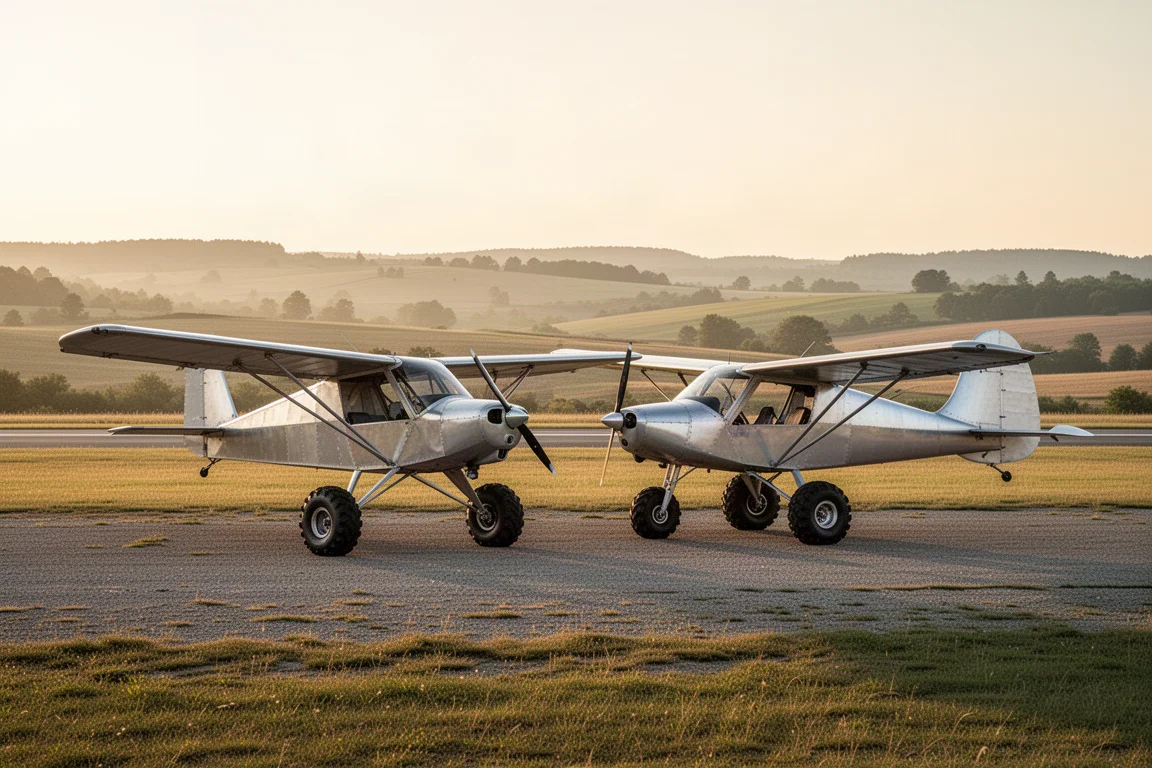
The Aeropro A22 and A32 have been reaching the United States since the late 1990s, and their popularity has grown steadily over the past decade. Today the models are imported as SLSA or can be flown experimentally, with assembly and delivery handled stateside. Both are built to order with custom panels and a wide range of options, which makes understanding the differences between them an important first step before buying.
A Shared Foundation, Two Distinct Personalities
At first glance these aircraft look similar, but the differences run deep. They share essentially the same wing, and both stall at around 30 mph with flaps down, so the low-speed end is nearly identical. From there, the A32 pulls ahead: it cruises at 130 mph where the A22 cruises at 100 mph. The gain comes from streamlining rather than power, since both use the same Rotax 912 family. The A32 gets a completely different fuselage, tail group, and cowling.
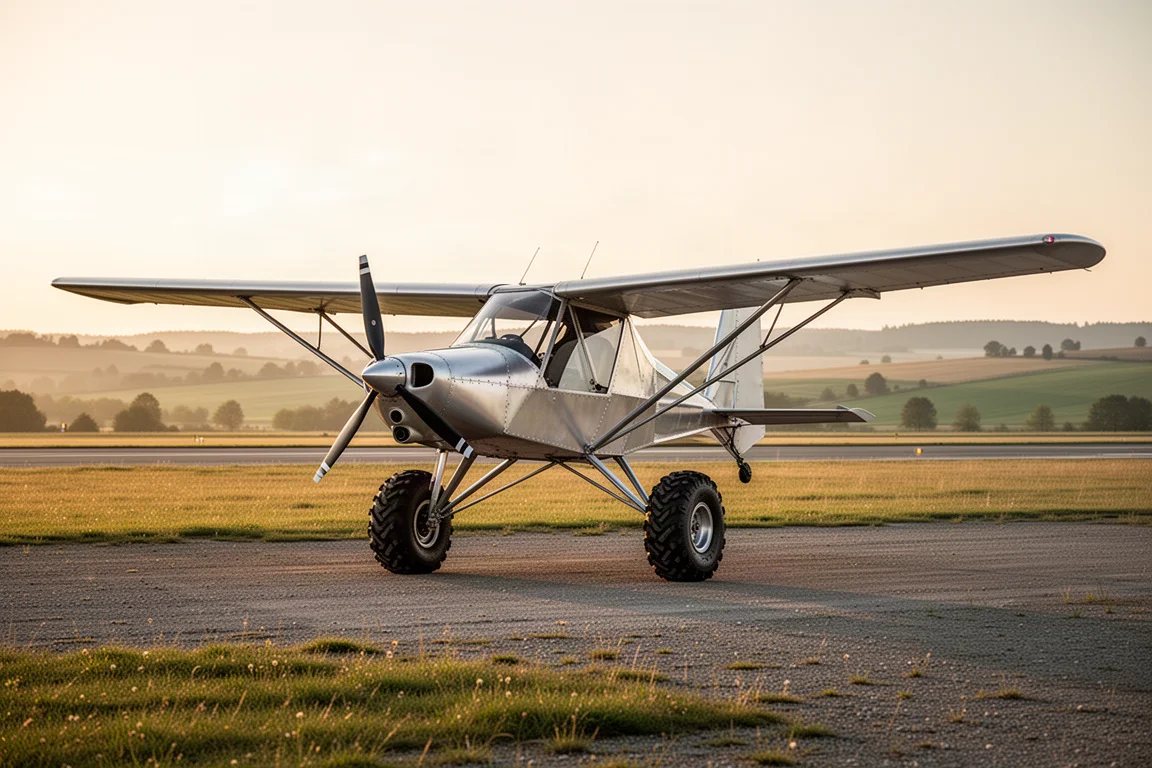
Both are typically powered by the Rotax 912 ULS or 912 iS, with nearly everybody ordering the 100 hp version. There is no plan to add the 915, as it would take the aircraft out of the light sport category.
Aeropro A22
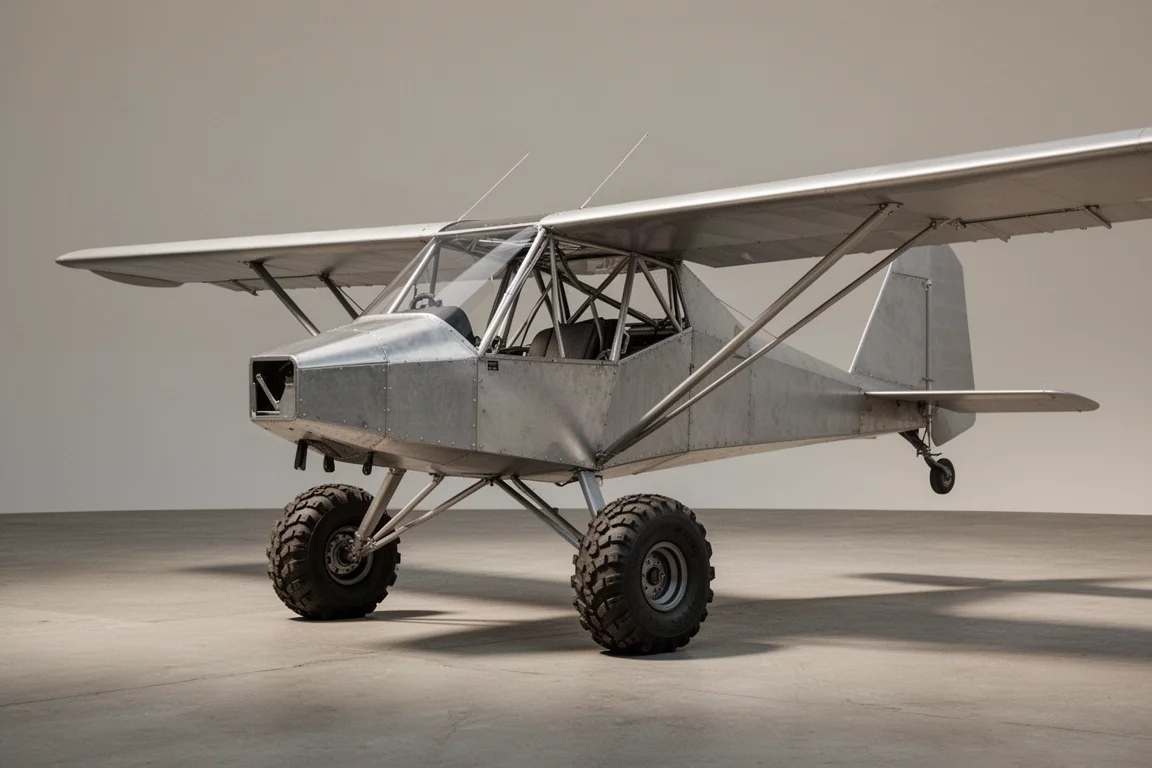
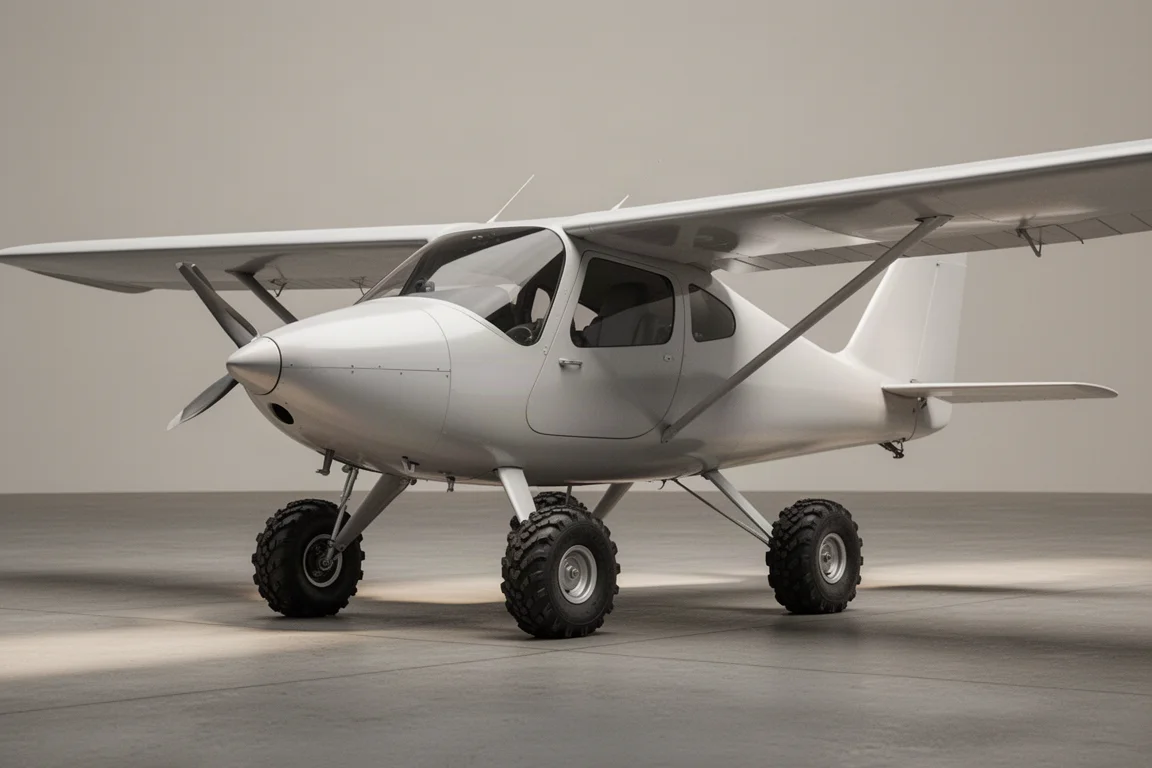
The A22 is the slower, boxier sibling, but it offers some clever practical touches. The windscreen includes structural tubing, and the aileron push rods sit where the cargo area would otherwise be, so cargo is accessed by folding the seats forward. One standout option is a third door for baggage, rated at 66 lb with a hard floor. That door originally appeared on a handicap-accessible variant designed so a wheelchair could be loaded inside, and the controls can be configured either way.
Approach speeds are friendly: with a stall near 30 mph, the A22 can be flown at around 35 mph on approach, landing in roughly 300 ft from the mark to a complete stop with numbers pegged around that figure. Climb speeds sit around 50 mph. Cruising true airspeed is 100 to 105 mph, and with wheel pants and a light spec it can reach 110 mph. Fully equipped with the Dynon package, large tires, and autopilot, a typical example has an empty weight of 738 lb with just under 600 lb useful load, and 30 gallons of fuel.
Aeropro A32
The A32 trades a little width for speed and refinement. The cabin is actually 2 inches narrower, though most people would never notice. The tail cone is rounded and more streamlined, the doors have better headroom and different latches, and there are no structural tubes in the windscreen. Ailerons are cable controlled, and the full-flying stabilator makes the aircraft very responsive and nearly trim-free: once speed is set, trim is rarely touched. The A22, by comparison, needs a bit more elevator trim with flaps in.
Performance is a clear step up. The A32 cruises easily at 130 mph on the injected engine, burning 4.9 gallons per hour at 130 and 2.9 at 100. Vne is 140 mph versus 130 on the A22. Both share a large rudder that handles crosswinds well and slips nicely for off-field approaches over obstacles.
Cockpit and Cabin: Room to Spare
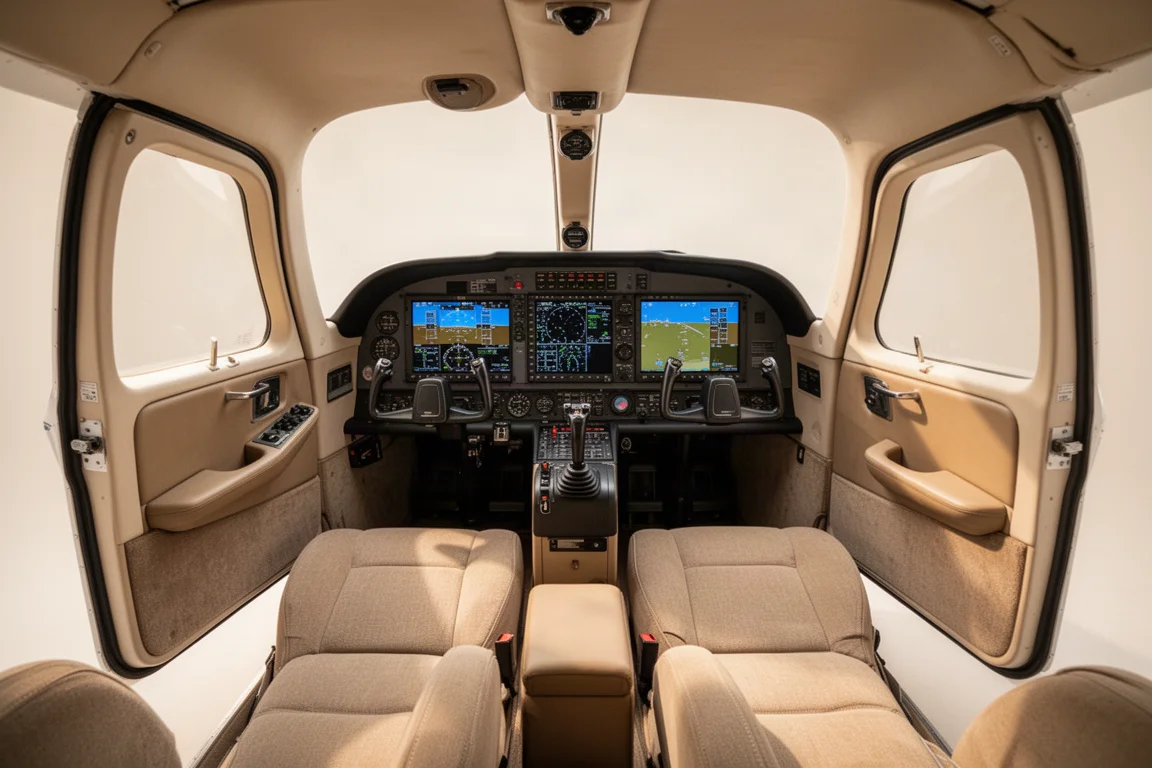
Both models have large doors that give excellent visibility and easy access, simply back in, sit down, and pull your feet in. Legroom is ample; a 6 ft 7 in student flies comfortably in an A22. The A32 places the throttle on the dash, which feels natural and comfortable, while the A22 has it next to the seat. Both offer dual throttles in stick configuration, and yoke setups get dual yolks with a single center throttle.
Dynon is the most popular panel option by far and is considered the best value, costing considerably less than Garmin and offering more customization. Garmin panels and steam gauges are available too; buyers wanting a seamless IFR package often lean Garmin, though a Garmin navigator can run with Dynon as well.
Construction and Flight Character
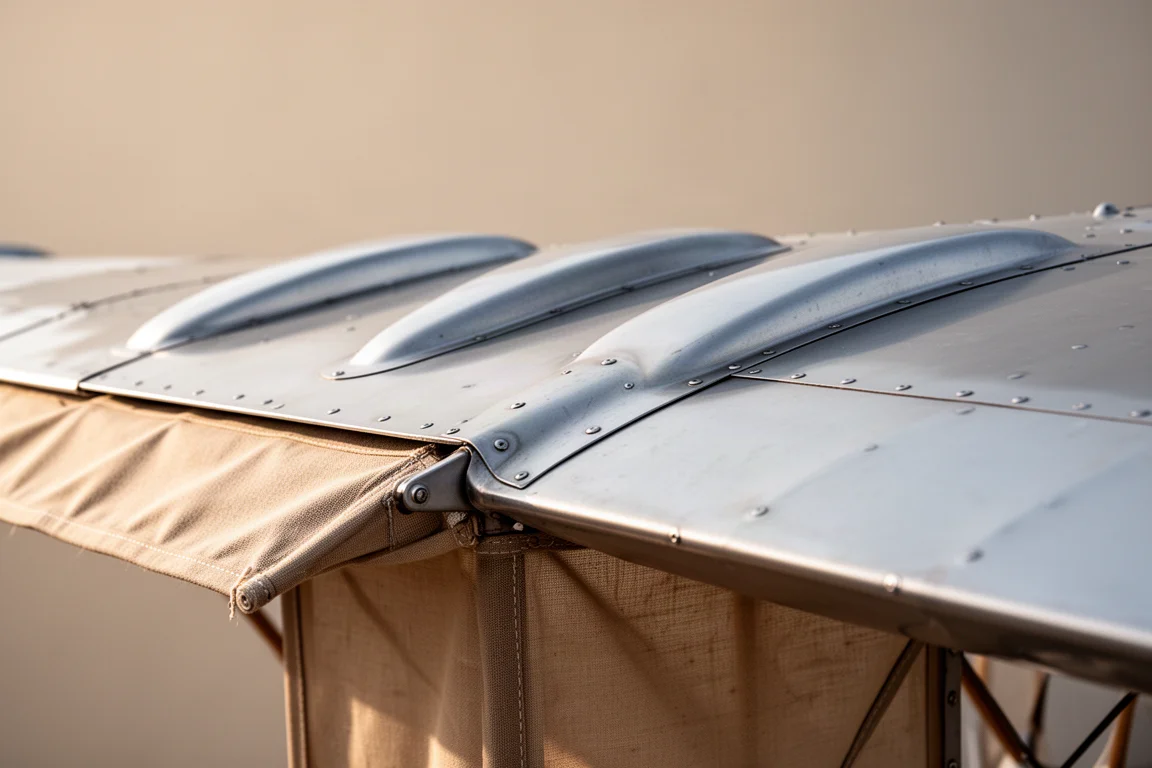
The airframe is primarily metal with no structural composite, though fabric covers the control surfaces, the underside of the wing, and parts of the tail group. Buyers should also note the humps on the wing: those are the extended fuel tanks themselves, not covers. Spec 24 gallons and the wing is flat; 30 gallons brings the humps.
Both aircraft can be pre-rigged for a parachute, which can be ordered installed or added later at the cost of some weight. Control sticks can be straight, Y-shaped, or yokes, and mudguards protecting the fuselage from rocks and mud pair naturally with the popular large tundra tires. Smaller tires with wheel pants recover a bit of speed for operations on improved surfaces, but this is really a popular backcountry airplane.
Pricing and Ordering
Pricing moves with the euro exchange rate, which has swung from around 1.15 to roughly one to one, a difference of about $15,000. Right now, an A22 specced with the Dynon package runs around $125,000 to $130,000, while an A32 equipped the way most buyers spec it, with Dynon, ADS-B transponder, and autopilot, typically lands near $145,000. Stripped-down models are essentially never sold, so quotes for those are handled individually.
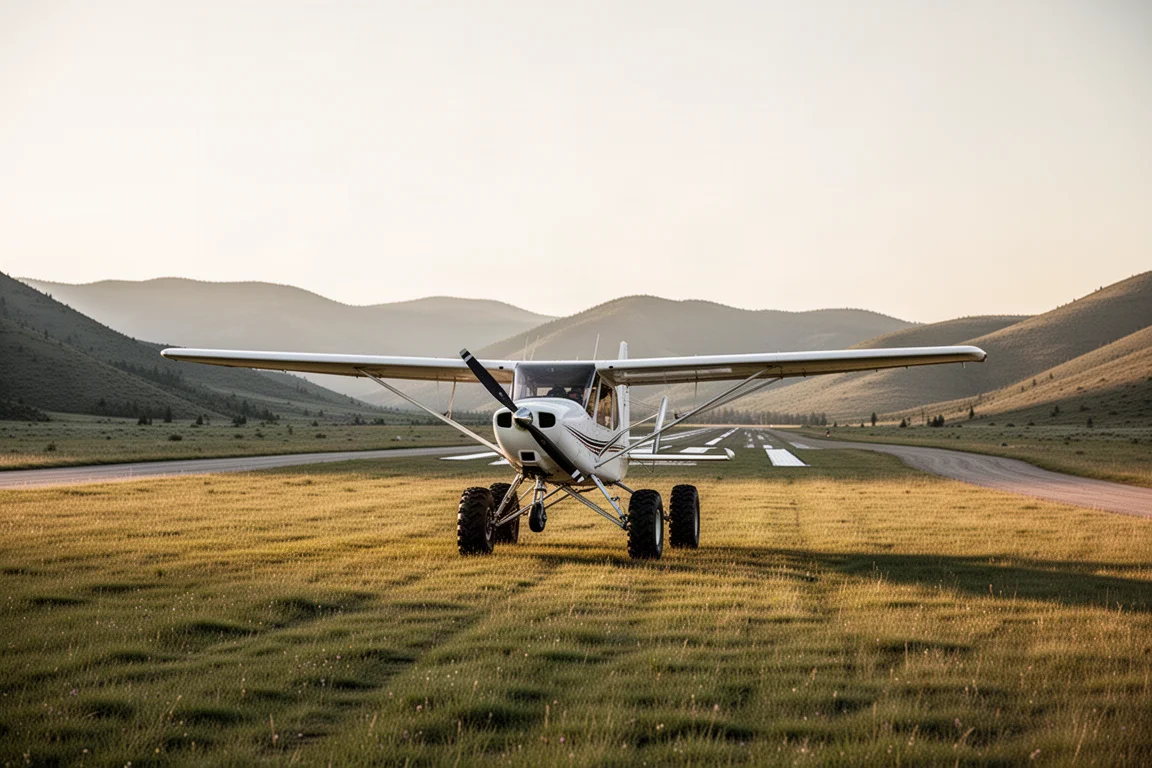
Aircraft are produced in Ukraine. Despite the ongoing war, availability has not been a problem: the factory paused for about six weeks, then caught up and is producing faster than ever, helped by a softer European market. The only supply bottleneck is American-made components on back order. Lead times remain reasonable, and the favorable exchange rate makes the current moment attractive for buyers.
Conclusion
Choose the A22 if slower cruising, outstanding short-field manners, and clever cargo options like the third door matter most. Choose the A32 if you want 130 mph cruise, a sleeker fuselage, and a nearly trim-free flying stabilator. Both are highly customizable, well suited to backcountry flying, and currently benefit from favorable exchange rates. For anyone shopping the light sport segment, these two deserve a spot at the top of the list.
Further reading
Related Reviews
Aviation
Aero Technics ACH 212 Solo Review: A Carbon Fiber Solo Kit Aircraft You Can Build Fast
A nearly 30-year-old Czech design still offered only as a kit: 90% carbon fiber, quick-release wings, a 350 to 400 hour build, and performance that surprises.
Aviation
Aeropilot: The 80% Scale Cessna-Style Light Sport Aircraft Winning Over Flight Schools
A full-carbon, two-seat light sport aircraft modeled after the Cessna 182, with a larger cabin, big climb performance, and fuel burn that flight schools love.
Aviation
Badland Ultralight Kit and Thump Air 420cc: A Practical Backyard Aircraft Combo
A true 247-pound ultralight kit that hits the advertised weight, plus a new four-stroke engine option built for torque and lighter fuel burn.