Camping Tents
Teton Sports Quick Tent Comparison: Vista 2-Person vs Outfitter Single-Person
A practical look at how the Teton Sports Vista 2-Person Quick Tent and the single-person Outfitter Quick Tent differ in space, headroom, ventilation, setup time, and packed size.
Introduction
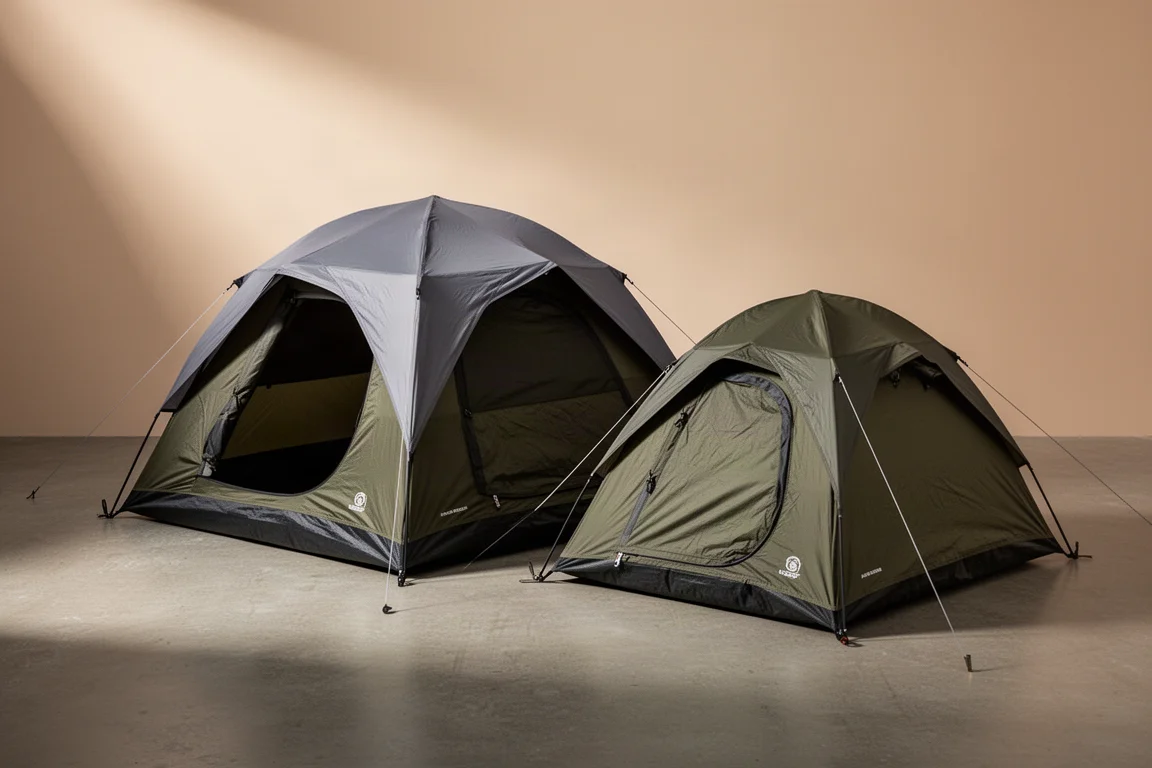
Quick-pitch tents trade packing finesse for speed, and the Teton Sports Quick Tent line leans hard into that trade. Two models sit at the centre of the range: the Vista 2-Person Quick Tent and the single-person Outfitter Quick Tent. They share the same pitching logic and much of the same hardware, but they differ in the things that actually shape a trip: floor area, headroom, ventilation, packed size, and the number of seconds spent setting up and breaking camp.
This comparison walks through those differences so you can judge whether the extra space of the two-person model is worth carrying.
Teton Sports Vista 2-Person Quick Tent: Room to Spread Out
The two-person Vista Quick Tent is the more livable of the pair. Its floor measures roughly 83 inches long and 62 inches wide, so it is about 3 inches longer and around 72 percent wider than the single-person version. That width fits not only two standard sleeping pads but a full-size double mat: an Exped MegaMat Duo 10 slots in with room left over for gear, and an Alps Mountaineering Vertex Airbed, close to queen size, still leaves a few spare inches.
Peak height inside is about 40 inches. With a 6-inch-thick airbed inflated, there is still enough clearance to sit up comfortably and a few inches of headroom left above.
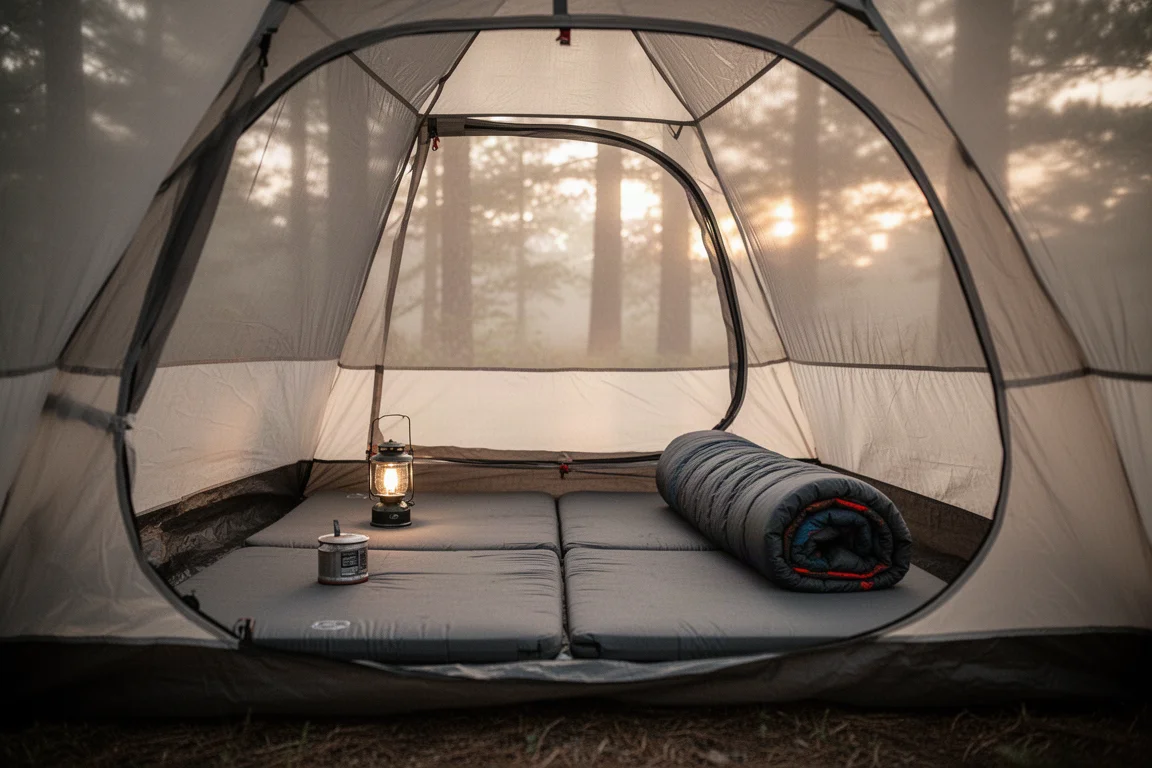
Two doors and two vestibules, one on each side, add to the sense of space. Each door measures roughly 52 by 32 inches, and the vestibules reach about 15 inches at their widest. Because the doors sit opposite each other, the tent cross-ventilates well once the rainfly comes off, and roughly two-thirds of the body is mesh.
The two-person model also includes bathtub flooring, a rainfly vent, and interior storage pockets.
Teton Sports Outfitter Quick Tent: The Lighter Single-Person Alternative
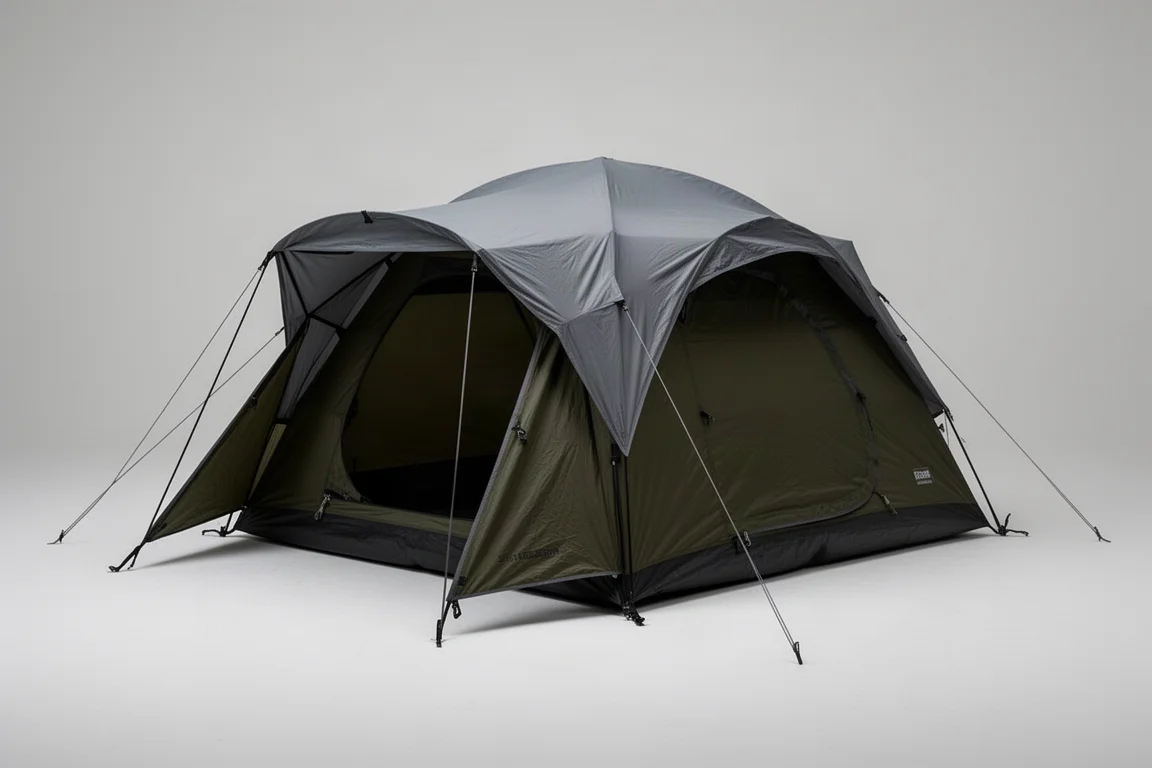
The single-person tent is the leaner option. It measures about 80 inches long and 36 inches wide, with a peak height of roughly 33 inches, about seven inches lower than the two-person model. Without a mattress inside, that leaves only two to three inches of clearance above a seated camper. A slim pad such as a Sea to Summit mat, around 1.5 inches thick, fits with plenty of room left for gear, but thicker mattresses are best avoided.
It has a single door measuring about 44 by 26 inches and a single vestibule that reaches roughly 12 inches at its widest. With one door and one vestibule, there is no cross-ventilation path.
This is the model that was previously sold under the Outfitter Quick Tent name. It omits the bathtub flooring, the rainfly vent, and the interior storage pockets found on the Vista version, although in most other respects the two tents are built the same way.
Setup and Pack-Up Times: What the Extra Space Costs
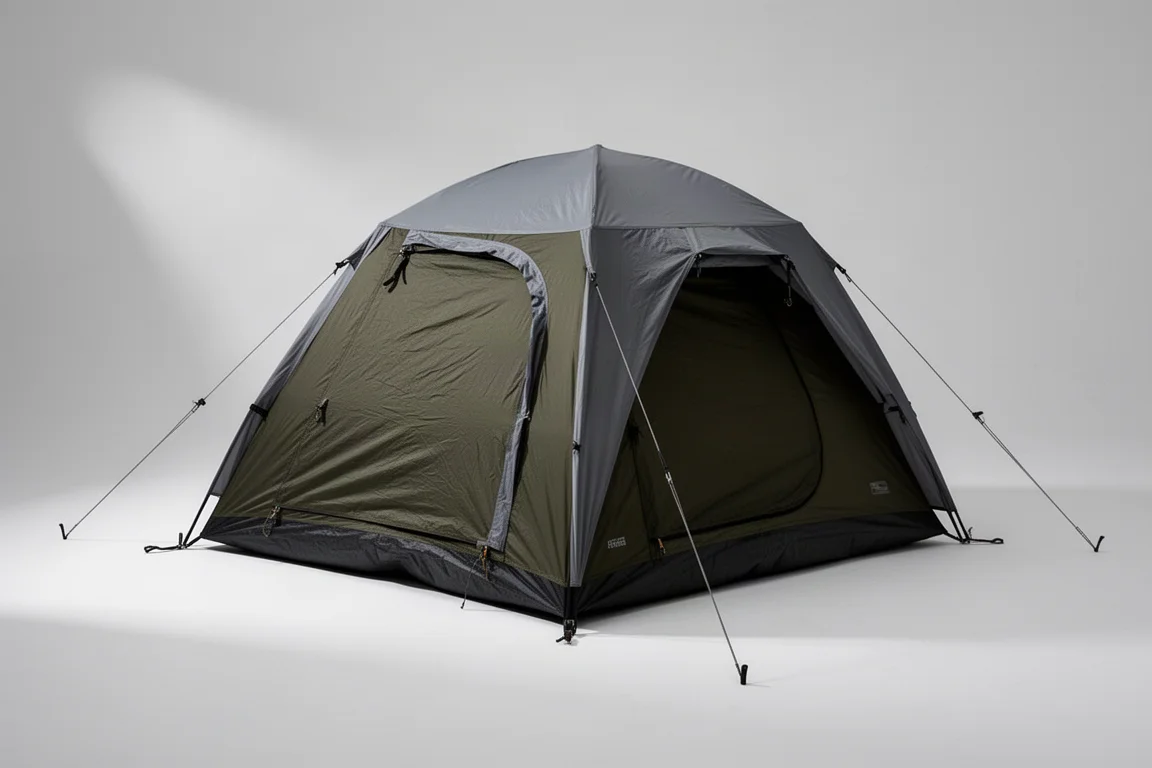
Pitching is quick on both. The two-person Vista Quick Tent goes from carry bag to fully staked, fly-covered, and guyed-out in about three and a half minutes. The single-person tent takes around 2 minutes 45 seconds, so the difference is roughly 45 seconds.
Most of that gap comes from the larger tent’s bigger rainfly and its second vestibule, which add around 30 seconds, plus about 15 seconds more to pop the body up. The two-person frame is noticeably stiffer and needs a firmer push to lock into shape.
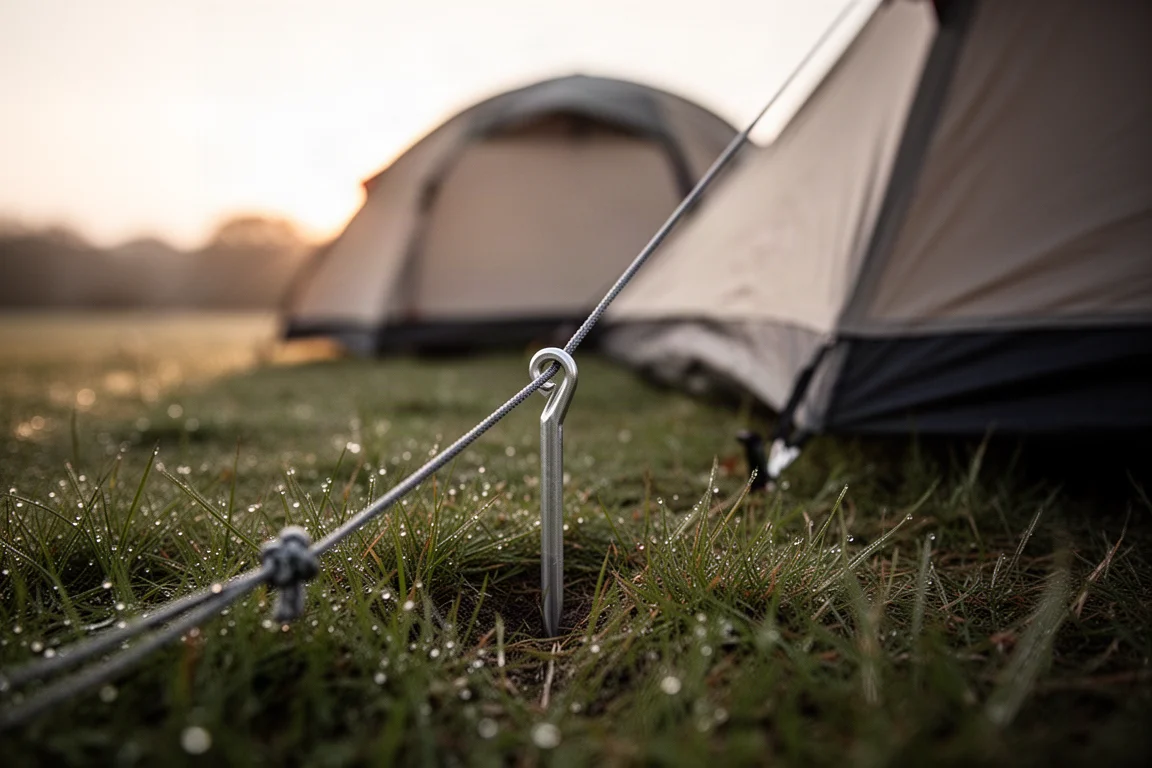
Packing up follows the same pattern: about 3 minutes for the two-person model against two and a half minutes for the single-person version. The extra 30 seconds is down to a tighter carry bag, which is also why the larger tent stows more compactly than its floor area might suggest.
Interior Space, Headroom, and Mattress Fit
The numbers matter most when weather keeps you inside. The two-person tent packs only about 20 percent longer than the single-person model, yet it delivers a much larger base area, three extra inches of length, seven extra inches of peak height, and enough floor width to take a near-queen mattress with space to spare.
The single-person tent remains workable for one camper with a thin pad and minimal gear. Its lower ceiling is the main constraint: sitting up is fine, but there is little margin once a thicker mattress is added.
Doors, Vestibules, and Ventilation
Two opposing doors and two vestibules make the Vista 2-Person Quick Tent the more comfortable tent in warm or humid conditions. Air moves straight through the mesh body, and each vestibule gives you a covered spot for boots and a pack.
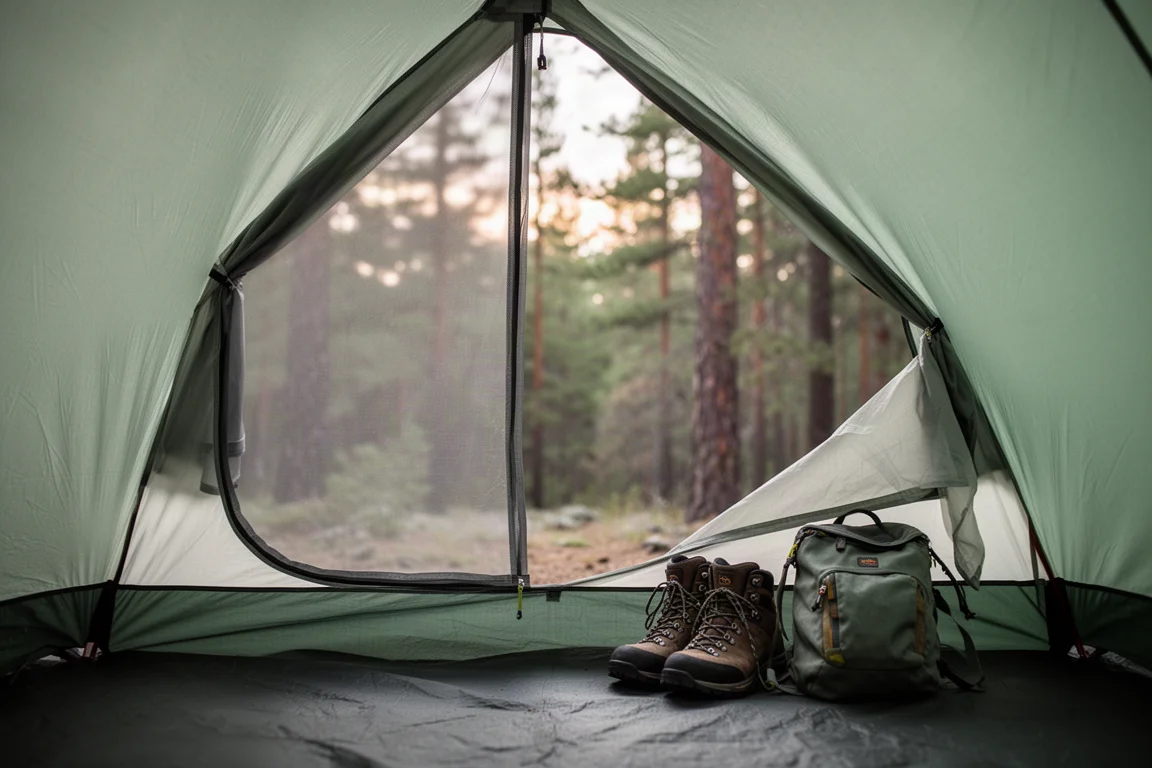
The single-person tent’s one door and one vestibule are perfectly usable for solo trips, but airflow is one-directional and covered storage is limited to a single side.
Packed Size and Weight: How Portable Each Tent Is
The two-person Vista Quick Tent packs to about 33 by 8 by 8 inches and weighs roughly 6.6 pounds with the carry bag. The single-person tent packs to about 28 by 9 by 5 inches and weighs around 4.6 pounds.
That makes the larger tent under 20 percent longer when packed, though about 40 percent heavier. For short walks from a car or a canoe, the difference is minor; on longer carries, the weight gap is the part you will notice.
Buying Advice: Choosing Between the Two Teton Sports Quick Tents
Choose the Vista 2-Person Quick Tent if you want space to move, room for a large mattress, and genuine cross-ventilation. It costs about $30 more than the single-person version and asks for roughly 45 extra seconds at setup and 30 at pack-up, which is a modest price for a much more livable interior.
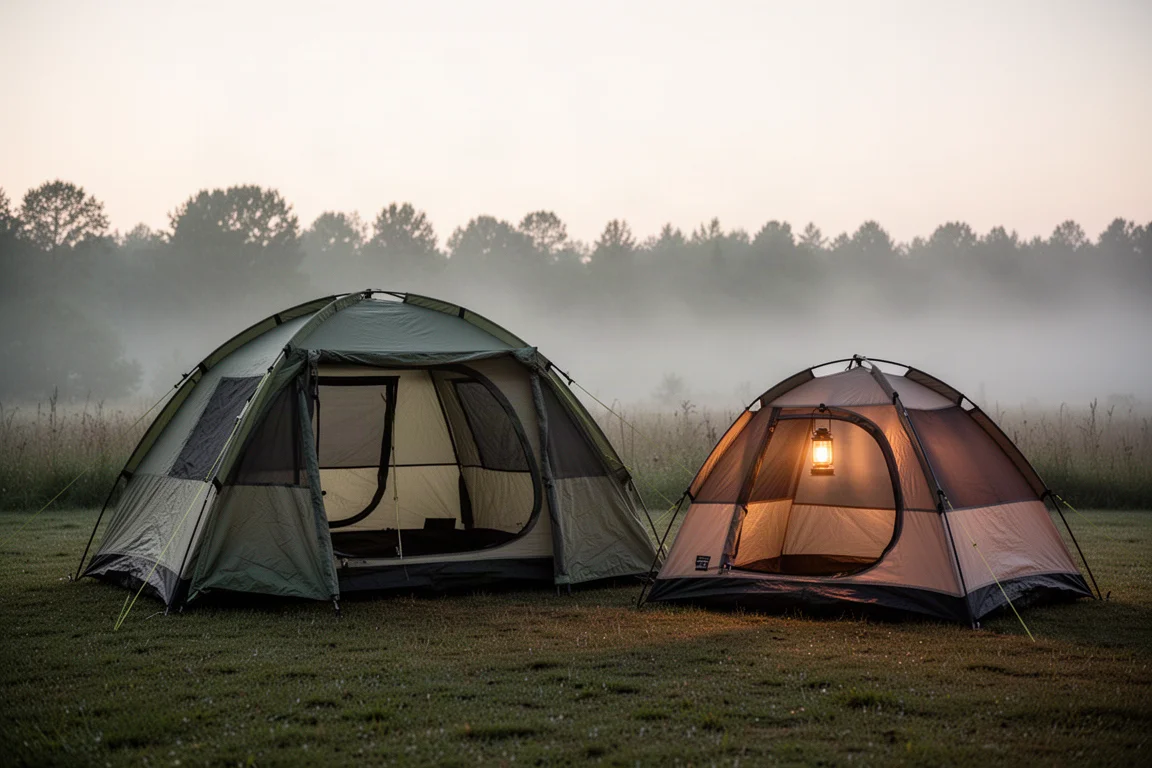
Choose the single-person Outfitter Quick Tent if low weight and a compact pack matter more than headroom, and if a slim sleeping pad is all you plan to use. It is the fastest of the two to pitch and to pack away.
Both tents come with the tent inside a carry bag, stakes in a separate stake bag, and pre-attached guylines, and both have held up through a couple of years of regular use.
Conclusion
The two-person Vista Quick Tent is the stronger all-round pick: more floor area, seven inches more headroom, a second door and vestibule, cross-ventilation, and bathtub flooring, all for a modest weight and time penalty. The single-person Outfitter Quick Tent remains a sensible choice for solo campers who pack light and want the fastest possible pitch.
Further reading
Related Reviews
Camping Tents
3F UL Gear Taiji Two-Person Tent Review: Field Waterproofing Results and Buying Advice
The Taiji pairs an attached fly with a removable inner, but sustained rain exposed untaped vent seams that need sealing before this shelter can be trusted.
Camping Tents
3FUL Gear Lanshan 2 Pro 4-Season Review: A Sub-$200 Single-Wall Trekking Pole Tent
An early look at the 3FUL Gear Lanshan 2 Pro 4-Season, covering its straightforward pitch, generous interior space, and the condensation and seam-sealing questions that come with any single-wall shelter.
Camping Tents
Alps Mountaineering Lynx 1-Person Tent Review: Big Value in a Small Budget Tent
A close look at the Alps Mountaineering Lynx 1-Person Tent, covering real interior dimensions, materials, setup time, ventilation limits, and who should buy it.