Camping Tents
Teton Sports Quick Tent Rain Test: 1-Person vs 2-Person Compared
A rain test comparison of the Teton Sports 1-Person and 2-Person Quick Tents, covering seam taping, rainfly coverage, floor construction, and how each one holds up in sustained heavy rain.
Introduction
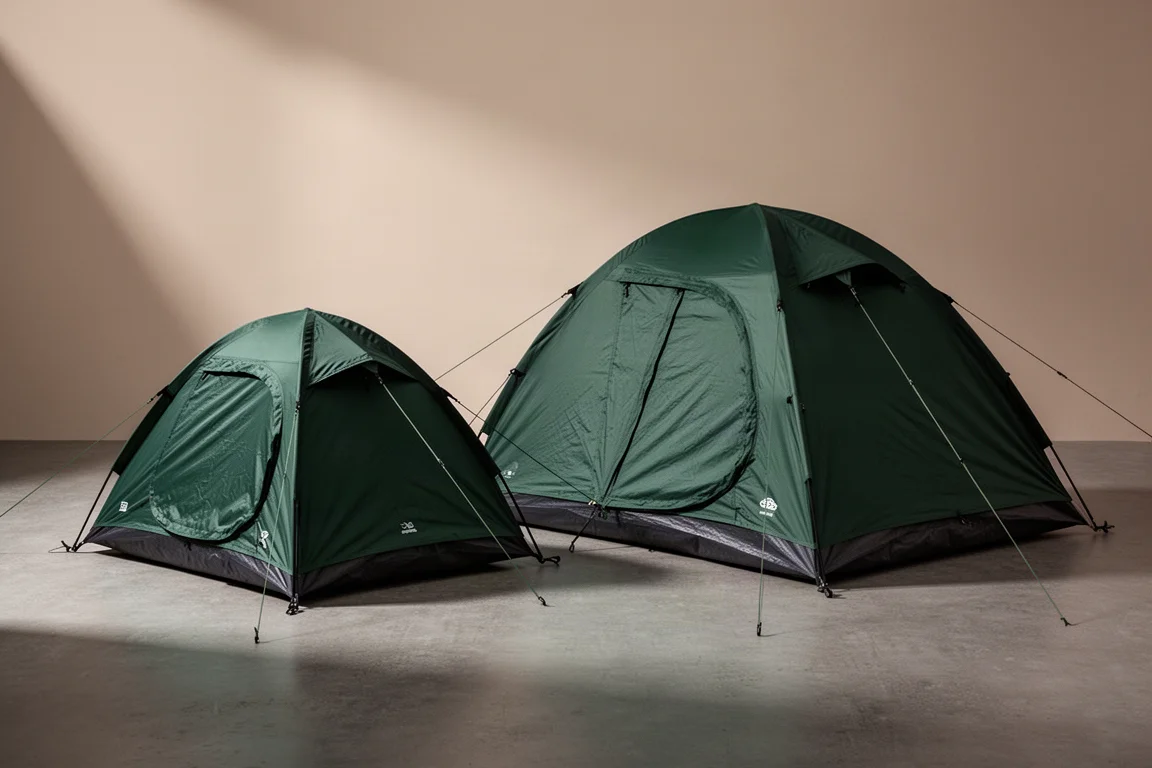
Quick-pitch tents trade setup speed for simplicity, and the question that matters most is whether that simplicity costs you when the weather turns. The Teton Sports Quick Tent line is built around a fast-pitching design, so the real test is how the rainfly, the seams, and the floor behave under sustained rain.
Both the 1-person and the 2-person version were put through a controlled heavy rain simulation using a hose and a stopwatch, with check-ins at roughly the 30 and 43 minute marks and a final inspection at one hour. What follows is what held up, what did not, and what is worth doing before your first wet night out.

How These Quick Tents Handle Rain
A handful of construction details decide how a tent behaves in rain, and they are worth checking on any quick-pitch model before you buy.
Seam taping comes first. On these tents, the seams under the rainfly are taped, while the seams on the tent body itself are not, on the basis that the rainfly covers them. That is a reasonable design decision, but it means the rainfly has to keep doing its job for the whole storm.
Rainfly geometry is the second factor. A fly that provides near-full coverage and curves downward sheds water instead of letting it pool on top. Neither tent showed pooling at the top of the fly.
The floor is the third. A thin floor keeps weight and packed size down, but it is also the part most likely to let water through over a long, wet night, so a ground sheet is cheap insurance.
Finally, ventilation. A rainfly vent reduces condensation, but it is also a potential entry point for wind-driven rain, so how the vent is built matters.
Teton Sports 1-Person Quick Tent: Rain Test Results
The 1-person Quick Tent ran under a hose simulating heavy rain for a full hour. The seam connecting the tent body to the flooring is taped, and every seam on the underside of the rainfly is taped as well. The remaining body seams, including the yellow fabric to mesh seam and the vertical seams, are untaped but sit underneath the rainfly.
The rainfly gives almost full coverage and curves downward, so water runs off rather than collecting at the top. There was no pooling.
At the 30 minute check, the interior was completely dry. Around the 43 minute mark, a patch of water began seeping through the rainfly, and the underside of the fly was very slightly damp. By the one hour mark, several spots on the rainfly were damp.
The important part is what happened inside. The interior stayed completely dry. No water reached the mesh or the yellow tent fabric, including the section of yellow fabric that sits outside the rainfly coverage. The floor looked damp but was not wet to the touch, although it is thin enough that a ground sheet is a sensible addition.
This model does not have a bathtub floor, and it does not include a rainfly vent.
Teton Sports 2-Person Quick Tent: Rain Test Results
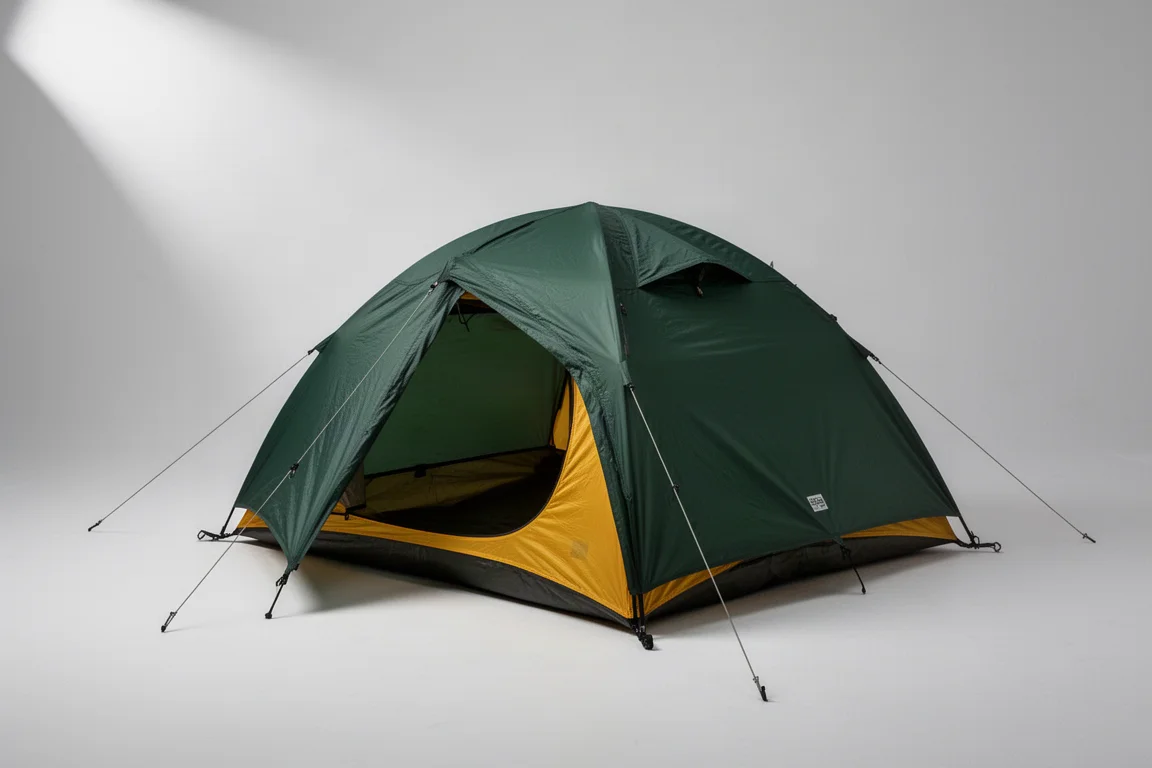
The 2-person version shares most of the same behavior, with a few construction differences. It has a bathtub floor that extends up to almost five inches, which adds protection at the base, but the seam joining that bathtub flooring to the tent body is not taped. It also includes a built-in rainfly vent that can be propped open with a kickstand and secured with a Velcro attachment.
Under the same one hour of simulated heavy rain, the vent did not let water onto the mesh, which is the outcome you want from a vent that is meant to stay usable in bad weather. After the hour was up, a few drops of water had worked in through the untaped seam between the bathtub floor and the tent body. The rest of the results matched the 1-person tent.
That seam is the one thing worth addressing before a wet trip. Sealing it should bring this tent to the same fully dry result as the smaller model.
Key Differences Between the Two Quick Tents
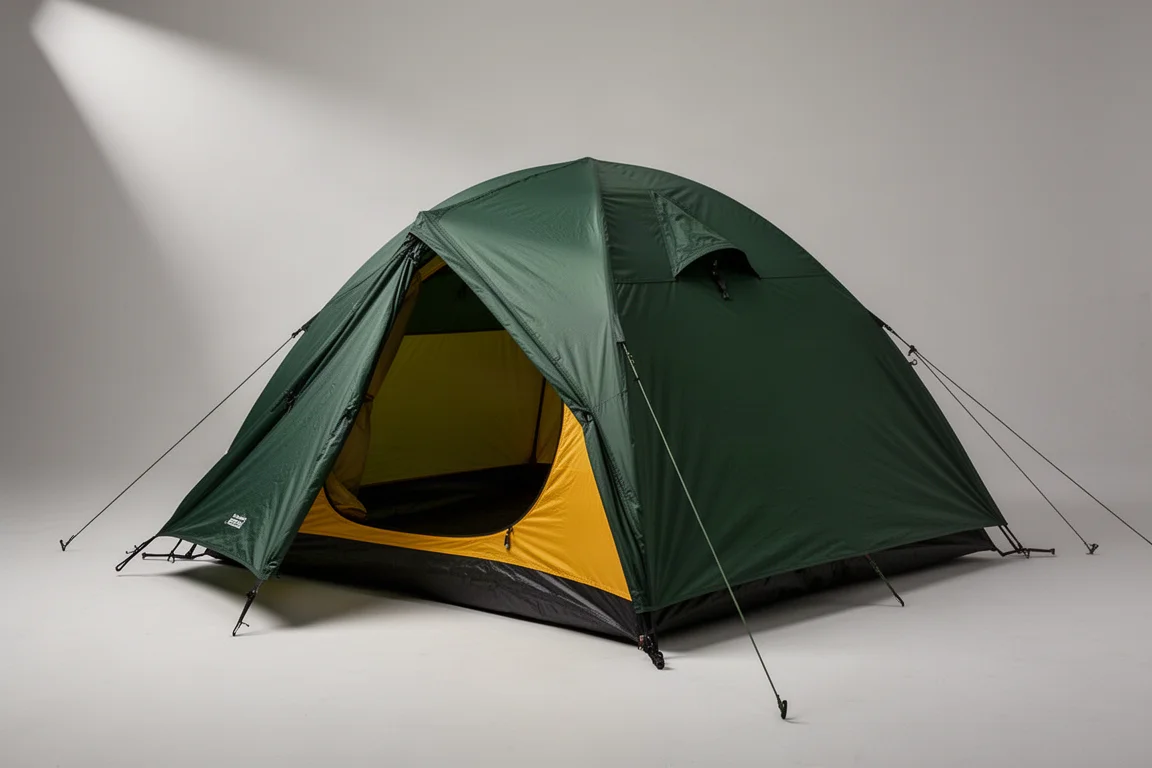
The clearest difference is the floor. The 2-person tent uses a bathtub floor that rises almost five inches up the walls, while the 1-person tent does not have a bathtub feature at all. The 2-person also leaves the floor-to-body seam untaped, whereas the 1-person tent arrives with that seam already taped.
Ventilation is the other split. The 2-person tent has a rainfly vent with a kickstand and Velcro hold-open, and it kept rain off the mesh during the test. The 1-person tent has no rainfly vent, which keeps the design simpler but leaves condensation management entirely to the mesh body.
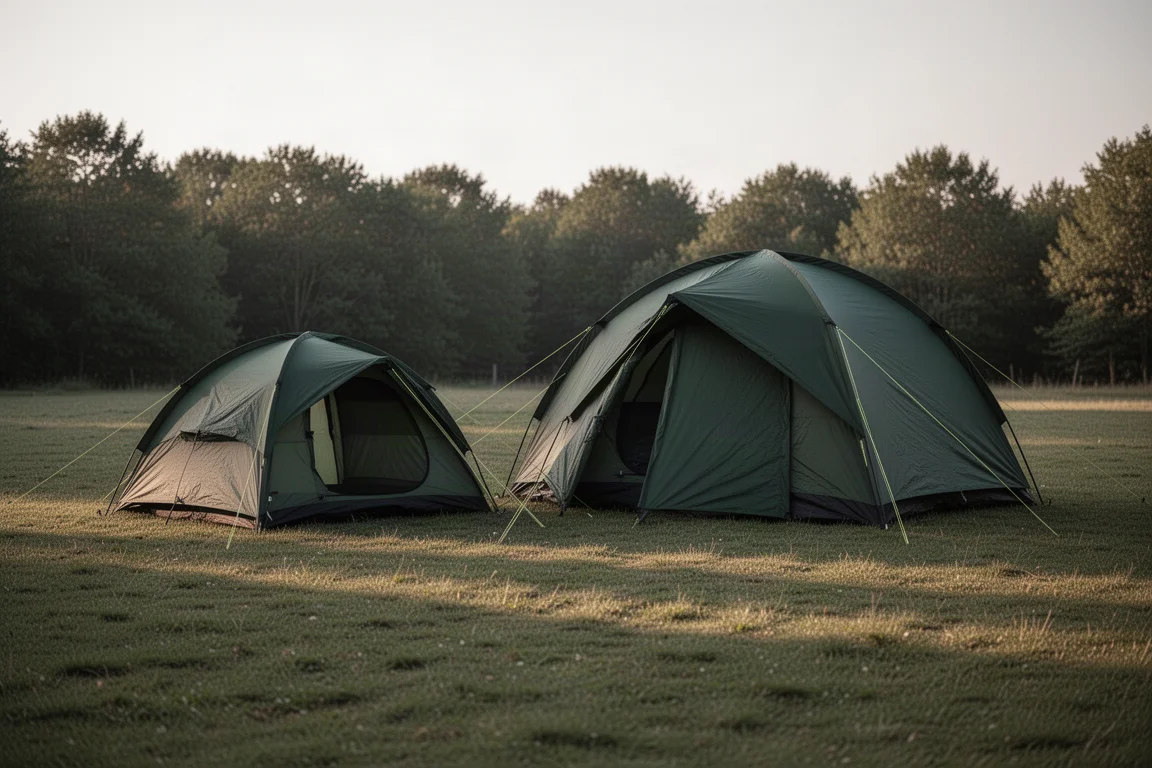
One more thing to know before you buy: the line has been sold under more than one name. It started as the Outfitter Quick Tent and was later rebranded to the Vista Quick Tent, so the same design may appear under either label depending on when and where you buy.
Who Each Tent Suits Best
The 1-person Quick Tent fits solo trips where you want the simplest possible weather protection. Its taped floor-to-body seam means it needs no preparation out of the box, and it came through an hour of heavy rain with a dry interior.
The 2-person Quick Tent fits two people, or a solo camper who wants more room. Its bathtub floor adds genuine value on wet ground, and the vent helps with airflow, but plan on sealing the untaped floor seam first if you expect serious rain.
Both are light-rain tents at heart. The 1-person tent came through a few hours of light rain with no leaks at all, and that is the condition these tents are best suited to. Treating one hour, or two at the very most, of non-stop heavy rain as the outer limit is realistic: at the one hour mark the rainfly was already damp, and the thin floor felt like the next thing to give.
Buying Advice
If your trips are mostly fair weather with the occasional shower, either tent will do the job, and the 1-person version is the more turnkey of the two because its floor seam is already taped. Add a ground sheet either way, since the floor material is thin and protects both the tent and your sleep.
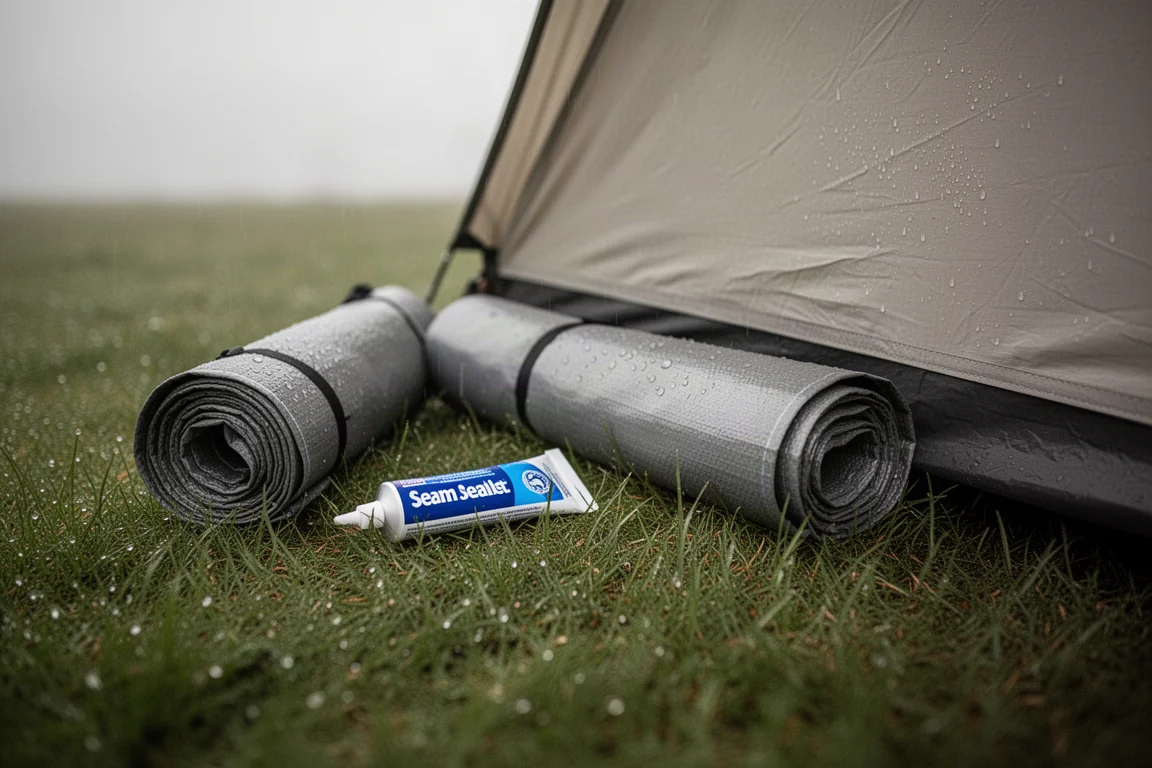
If you camp in sustained rain, budget for seam sealer and treat the 2-person tent’s floor-to-body seam before your first trip. Do the same on any other untaped seams you can reach. With that done, both tents should stay dry through the kind of weather they were designed for.
For two people, the 2-person model’s bathtub floor and vent make it the more capable choice. For one, the smaller tent’s simplicity and taped seam are hard to argue with.
Conclusion
The Quick Tent line is genuinely water resistant for a fast-pitching design. An hour of heavy rain left the 1-person tent completely dry inside, and the 2-person tent came through with only a few drops from a single untaped seam. Seal that seam, use a ground sheet, and keep your expectations matched to light to moderate rain, and these tents are a sensible choice.
Further reading
Related Reviews
Camping Tents
3F UL Gear Taiji Two-Person Tent Review: Field Waterproofing Results and Buying Advice
The Taiji pairs an attached fly with a removable inner, but sustained rain exposed untaped vent seams that need sealing before this shelter can be trusted.
Camping Tents
3FUL Gear Lanshan 2 Pro 4-Season Review: A Sub-$200 Single-Wall Trekking Pole Tent
An early look at the 3FUL Gear Lanshan 2 Pro 4-Season, covering its straightforward pitch, generous interior space, and the condensation and seam-sealing questions that come with any single-wall shelter.
Camping Tents
Alps Mountaineering Lynx 1-Person Tent Review: Big Value in a Small Budget Tent
A close look at the Alps Mountaineering Lynx 1-Person Tent, covering real interior dimensions, materials, setup time, ventilation limits, and who should buy it.