Camping Tents
Teton Sports Mountain Ultra Tent Review: Airflow First for Warm-Weather Camping
A close look at the Teton Sports Mountain Ultra, a three-season tent built around a full mesh body, a waterproof bathtub floor, and a fly designed to let air move underneath.
Introduction
Warm-weather camping succeeds or fails on airflow. A three-season tent covers late spring, summer and early fall, with the warmer months carrying most of the weight, and that single priority shapes everything worth checking before you buy.
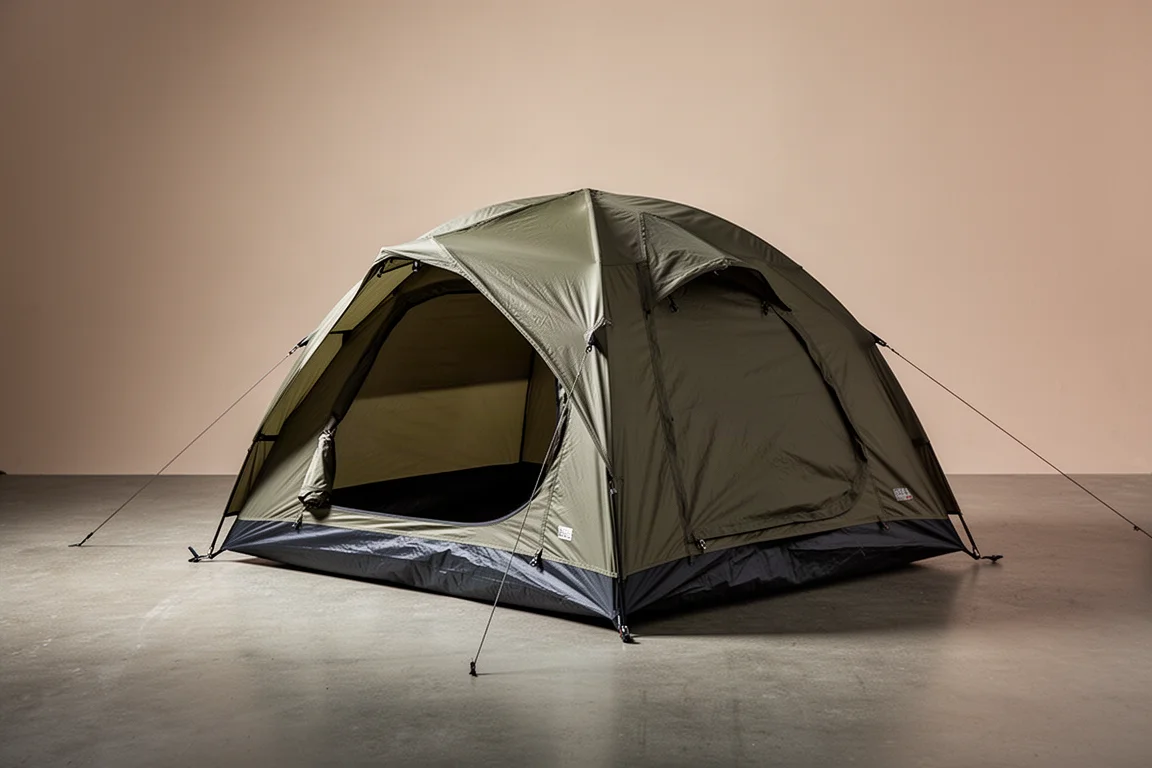
The Teton Sports Mountain Ultra is a useful reference point because its design decisions are easy to read at a glance. The body is mesh rather than fabric, the floor is a waterproof bathtub construction, and the fly is shaped so that air can still move underneath it. Those three choices explain most of how comfortable the tent feels on a humid night.
This review looks at what the Mountain Ultra does well, where its limits sit, and which details are worth verifying on any warm-weather tent before money changes hands.
Who the Teton Sports Mountain Ultra Tent Is For
This tent suits campers who plan to sleep out through the hot, sticky stretch of the season and want the shelter to get out of the way rather than fight the weather. If your trips land between late spring and early fall, and your main complaint about past tents was waking up overheated, the Mountain Ultra is aimed squarely at that problem.
It also makes sense for first-time campers who want a design that is forgiving. A body that breathes is far easier to live with than one that traps heat, and the ventilation logic here is simple enough to understand without any prior tent experience.
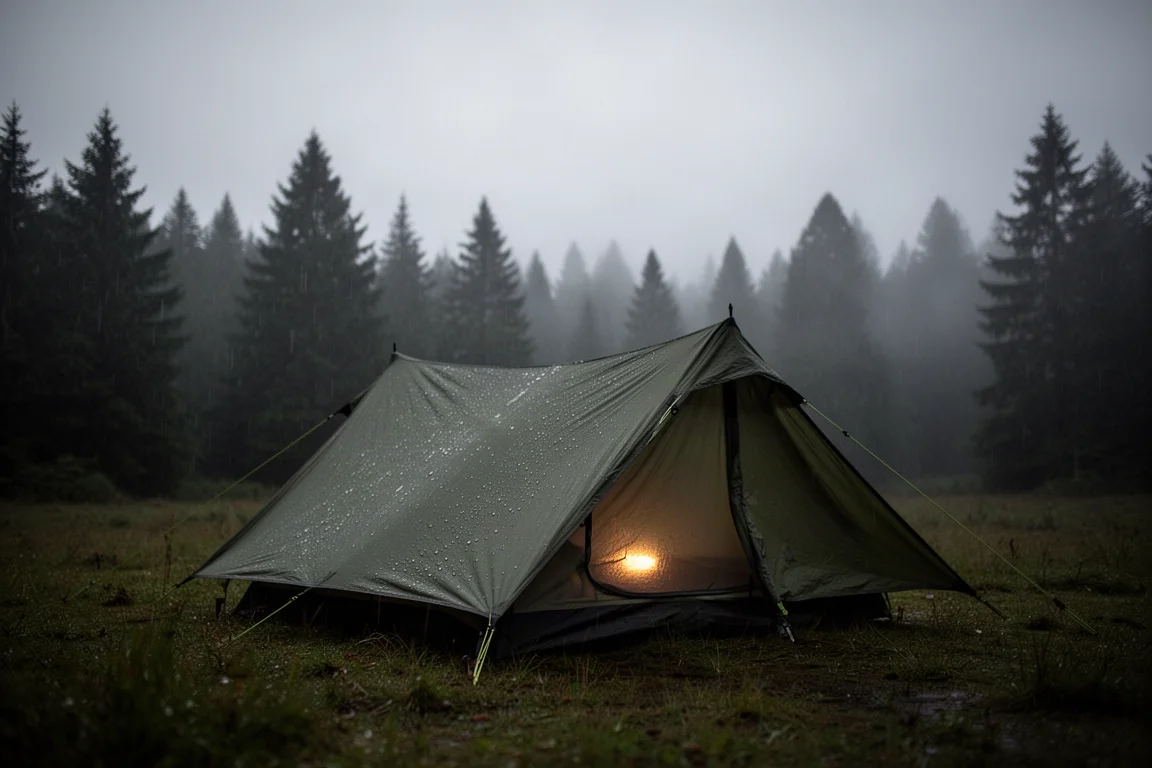
It is less suited to anyone chasing a four-season shelter or expecting a tent that performs the same way in cold, wind-driven conditions. The Mountain Ultra is a warm-weather tool, and judging it by any other standard misses the point.
Main Strengths: Mesh Body and Bathtub Floor
The first thing that stands out is how much mesh the body carries. The bathtub floor handles waterproofing, then connects directly to the mesh, and from there the walls are mesh rather than fabric. There is effectively no solid fabric panel wrapping the sleeping area.
That matters because mesh does two jobs at once. It lets cooler outside air move in, and it lets built-up heat escape. A breeze that reaches the tent passes through the wall instead of stopping at it, which is the difference between a comfortable night and a restless one.
Why a Full Mesh Body Matters in Warm Weather
Think about where a tent actually traps heat. Fabric panels hold warmth in and block moving air, and that effect is worst right where your body is most sensitive, around the head and around the feet. When those zones are covered in fabric, warmth radiates back at you all night.
A mesh body removes that problem. Air passes through the wall along the full length of the sleeping area, so the breeze you feel outside is the breeze you feel inside. On a humid summer night, that continuous exchange is the single most valuable feature a tent can offer.
Fly Design and Airflow
The rain fly deserves as much attention as the body, because a fly can undo good ventilation if it is shaped badly. On the Mountain Ultra, roughly five inches of separation remain between the ground and the lowest point of the fly, and that gap is what allows air to travel underneath the fly and into the mesh body above.
Doors and side panels add a second path for air. The door stakes out and pulls away from the body, and the side of the fly can be staked out the same way, so the fly fabric no longer lies directly against the mesh. Both sides can be opened up in this fashion, which means airflow is not limited to one wall.
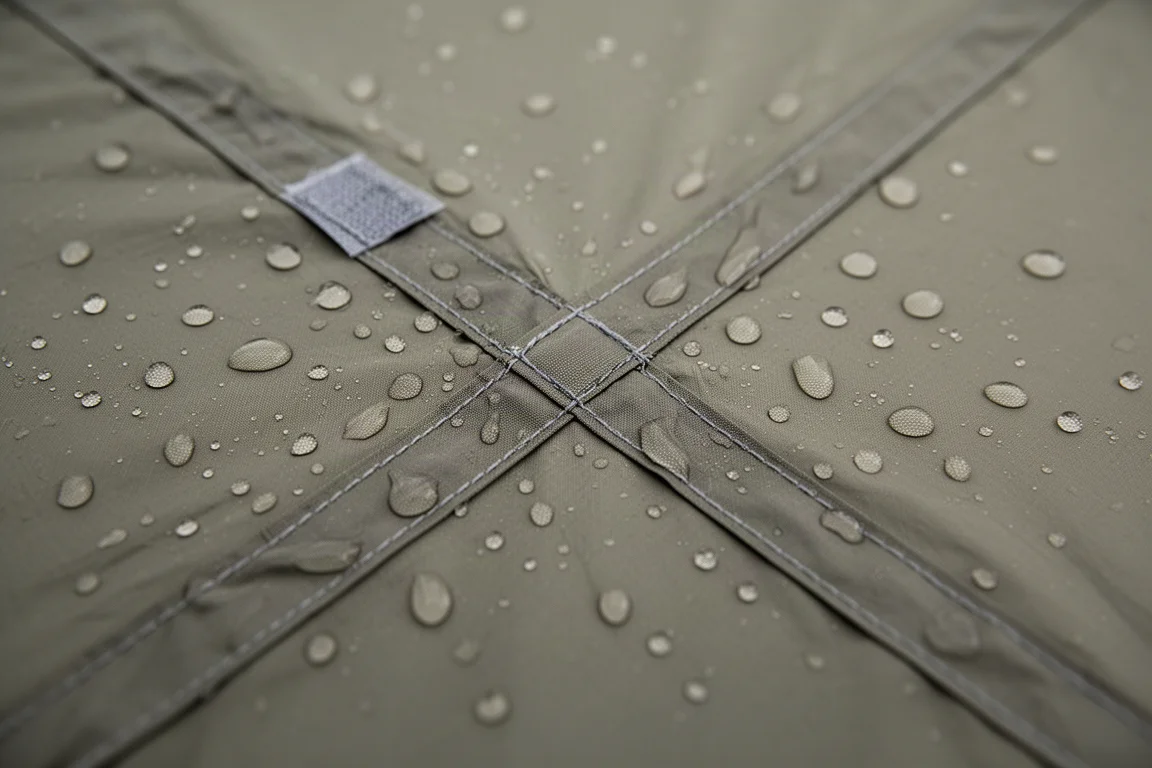
A fly that reaches all the way to the ground closes off that route entirely. With no gap at the hem and no ability to pull the sides away, air has nowhere to enter, and the tent becomes noticeably hotter and more humid inside. When you are evaluating any warm-weather tent, check the fly hem height and confirm that the side panels can be staked out and held clear of the body.
Vents and Ventilation Priorities
Vents fall into a different category. They are a nice feature to have rather than a deciding factor, and they tend to be the most problematic part of a fly. A vent needs careful placement and careful construction, because the extra stitching and seams create points where water can find a way in, even on well-made tents.
The practical conclusion is that you should never rely on a vent to keep you cool. If conditions turn, the vent has to be closed, and whatever airflow it provided disappears with it. The dependable sources of ventilation are the ones that stay open in good weather: air moving in underneath the fly, through the doors, and along the staked-out sides.
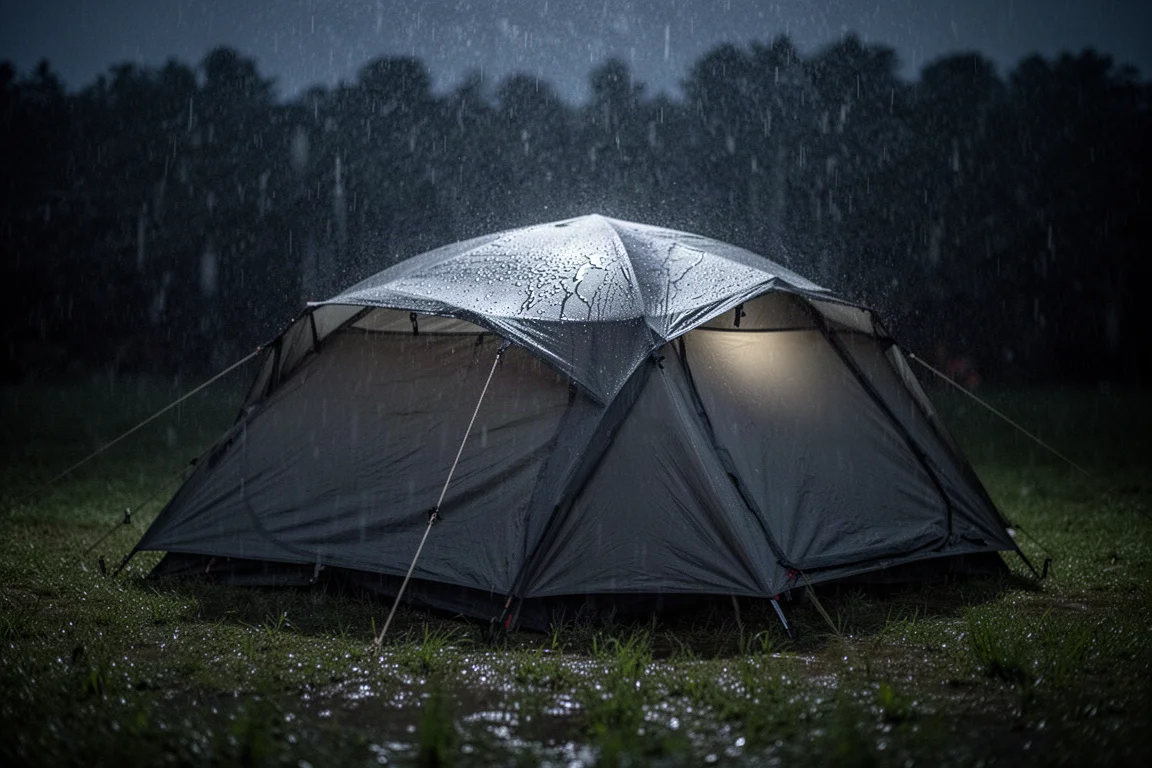
That is why the Mountain Ultra’s approach holds up. Its comfort comes from large, open, low-resistance paths for air rather than from a small vent that has to be managed through the night.
Things to Consider Before Buying
Not every tent described as three-season is built for warm weather. Fabric-heavy bodies are cheaper to manufacture than mesh, and that commercial incentive explains why some shelters carry solid panels and still get marketed as excellent for summer ventilation. Price is no guarantee either, since expensive tents can also arrive wrapped in fabric.
The reliable move is to judge the design yourself instead of trusting the description. Ask how much of the body is mesh. Look at where the fabric panels sit, if there are any, and whether they fall around your head, your feet, the door or the sides. Check whether the fly hem lifts clear of the ground and whether the side panels can be pulled away and staked. Those questions tell you more about a warm-weather night than any claim on a product page.
For the Mountain Ultra specifically, the mesh body, bathtub floor and high-cut fly all point in the same direction, and that consistency is the strongest signal that the design was intended for summer use.
Buying Advice
If your camping season runs from late spring into early fall, prioritise airflow over almost everything else. The Teton Sports Mountain Ultra answers that brief with a mesh-dominant body, a waterproof floor and a fly that keeps an air gap at ground level and opens up on both sides.
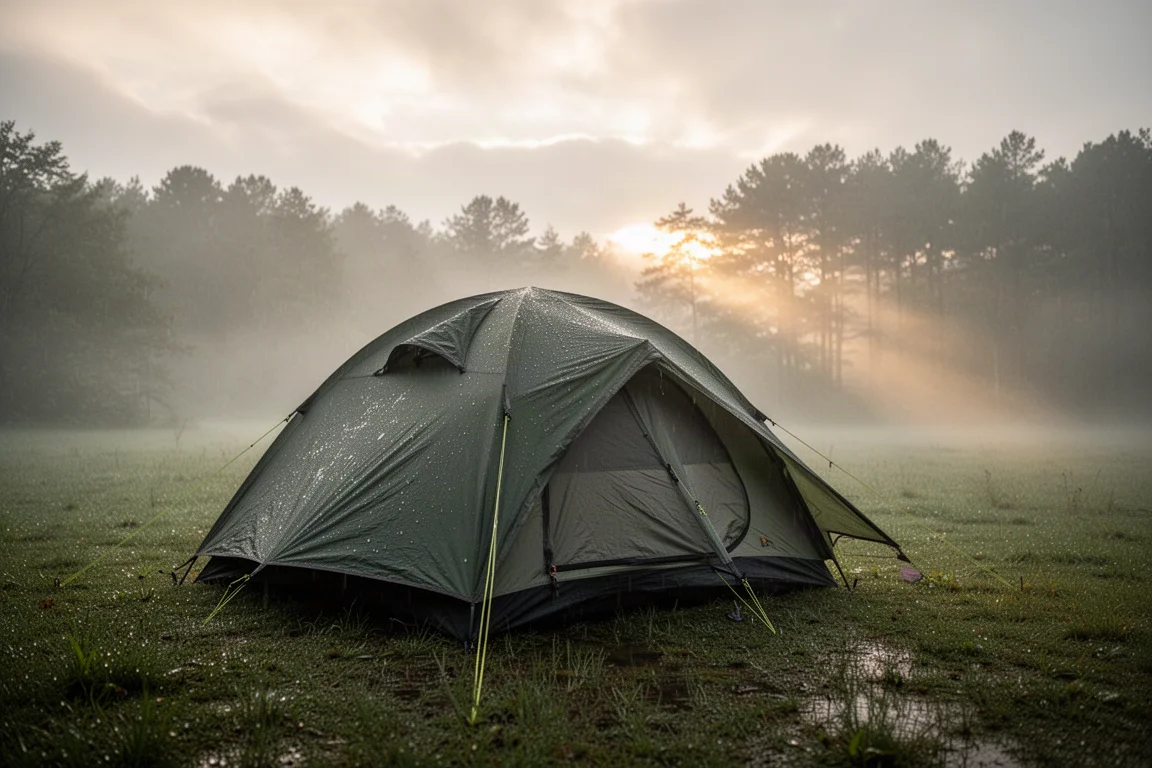
Before ordering, think about how you actually camp. A tent like this rewards a pitch where the guy lines are set properly and the side panels are staked wide, so give yourself the few extra minutes at the campsite to open it up rather than leaving the fly pinned tight against the body. If your trips lean toward cold-weather or exposed, wind-driven conditions, look at a shelter built for those seasons instead, because a warm-weather design is a poor match for them.
Conclusion
The Teton Sports Mountain Ultra makes the warm-weather case clearly: mesh where it counts, a waterproof bathtub floor, and a fly shaped to let air move underneath and around the body. None of those features are decorative. Together they decide whether you sleep well on a hot, humid night or lie awake inside a shelter that holds the heat in.
Read the design, not the marketing, and the right tent for your season becomes much easier to identify.
Product link
View more details for Teton Sports Mountain Ultra Tent
This product is mentioned in the review. Check the specifications, options, and compatibility before buying.
View more details for Teton Sports Mountain Ultra TentFurther reading
Related Reviews
Camping Tents
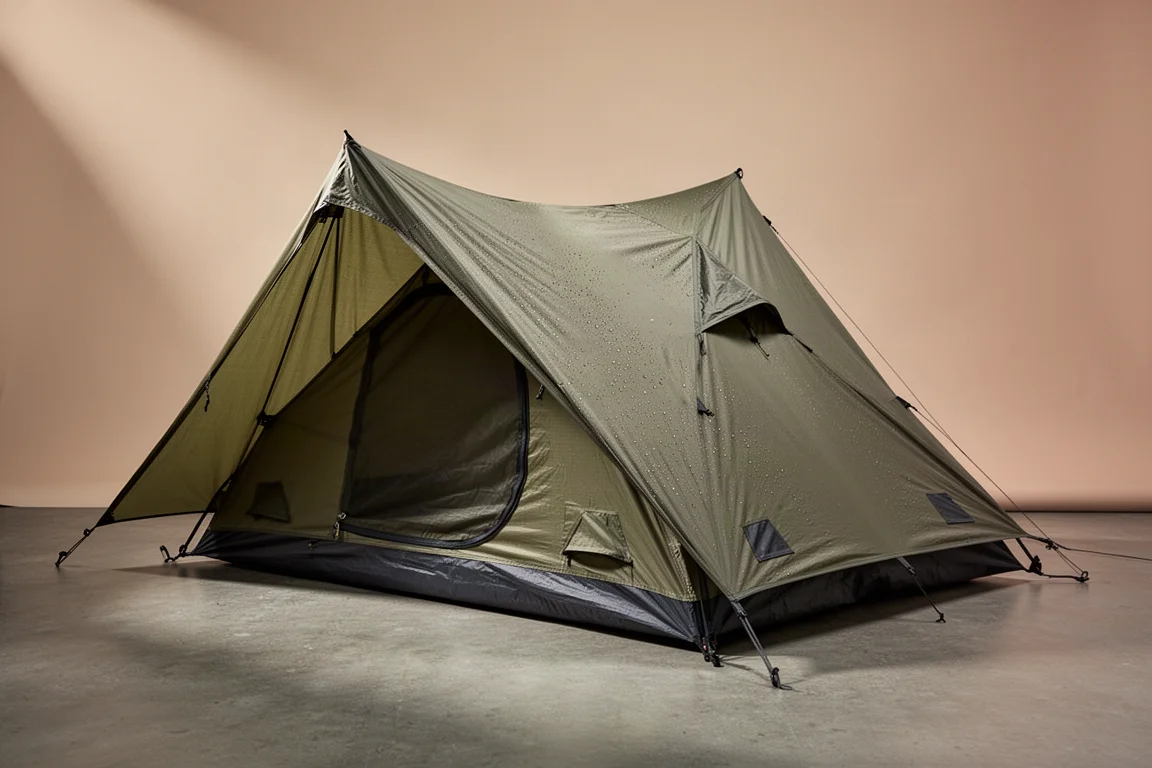
3F UL Gear Taiji Two-Person Tent Review: Field Waterproofing Results and Buying Advice
The Taiji pairs an attached fly with a removable inner, but sustained rain exposed untaped vent seams that need sealing before this shelter can be trusted.
Camping Tents
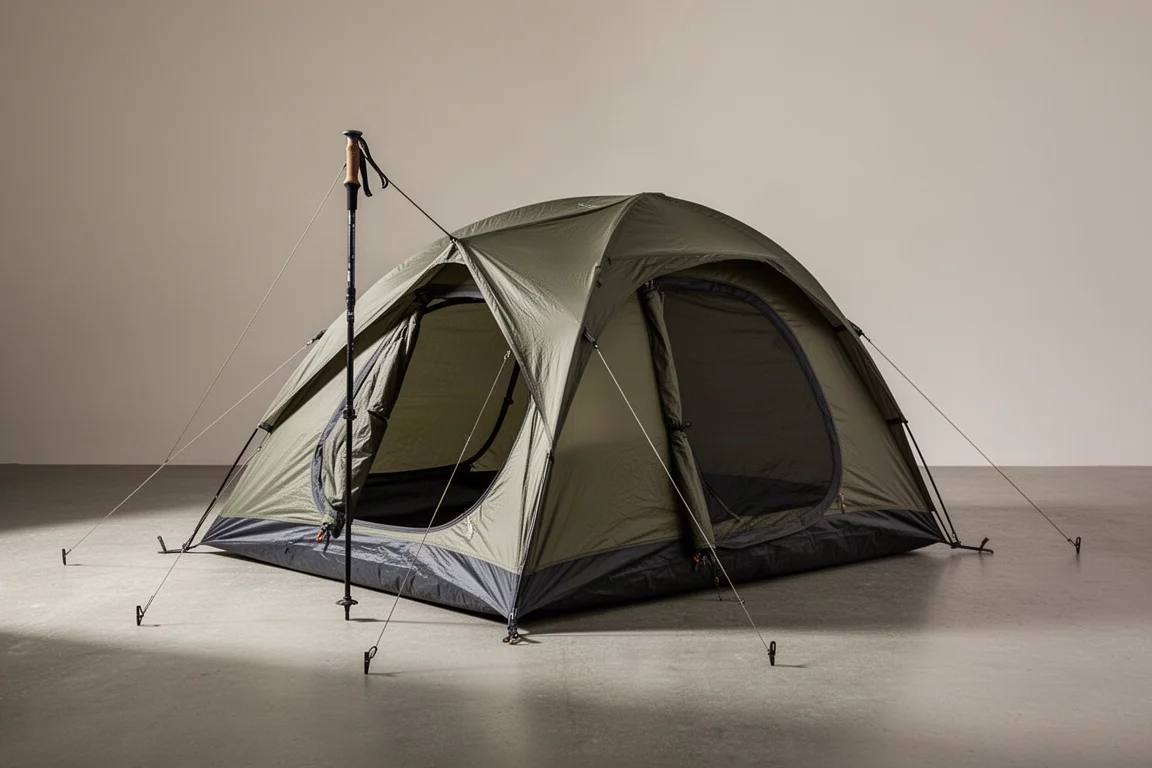
3FUL Gear Lanshan 2 Pro 4-Season Review: A Sub-$200 Single-Wall Trekking Pole Tent
An early look at the 3FUL Gear Lanshan 2 Pro 4-Season, covering its straightforward pitch, generous interior space, and the condensation and seam-sealing questions that come with any single-wall shelter.
Camping Tents
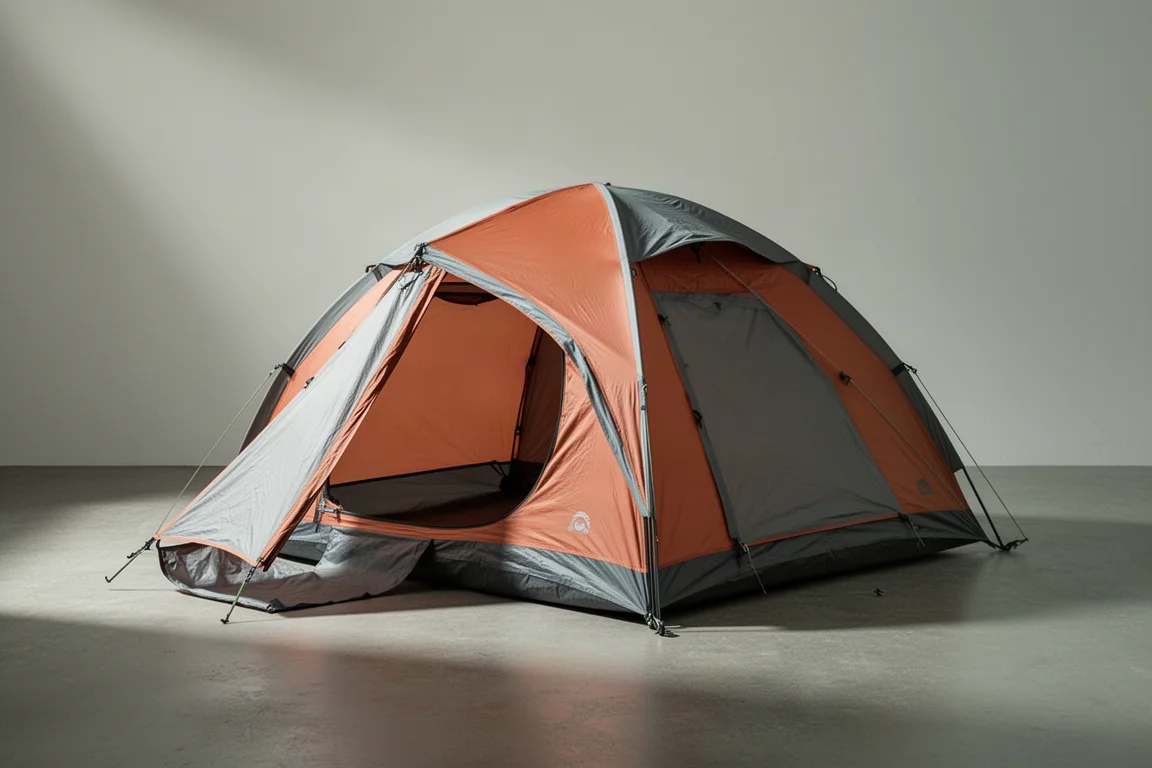
Alps Mountaineering Lynx 1-Person Tent Review: Big Value in a Small Budget Tent
A close look at the Alps Mountaineering Lynx 1-Person Tent, covering real interior dimensions, materials, setup time, ventilation limits, and who should buy it.