Camping Tents
Teton Sports Mountain Ultra 1-Person vs 2-Person Tent: Which Budget Backpacking Tent to Choose
A practical comparison of the Teton Sports Mountain Ultra 1-Person and 2-Person tents, covering pole setup, interior space, ventilation, packed size, weight, and price.
Introduction
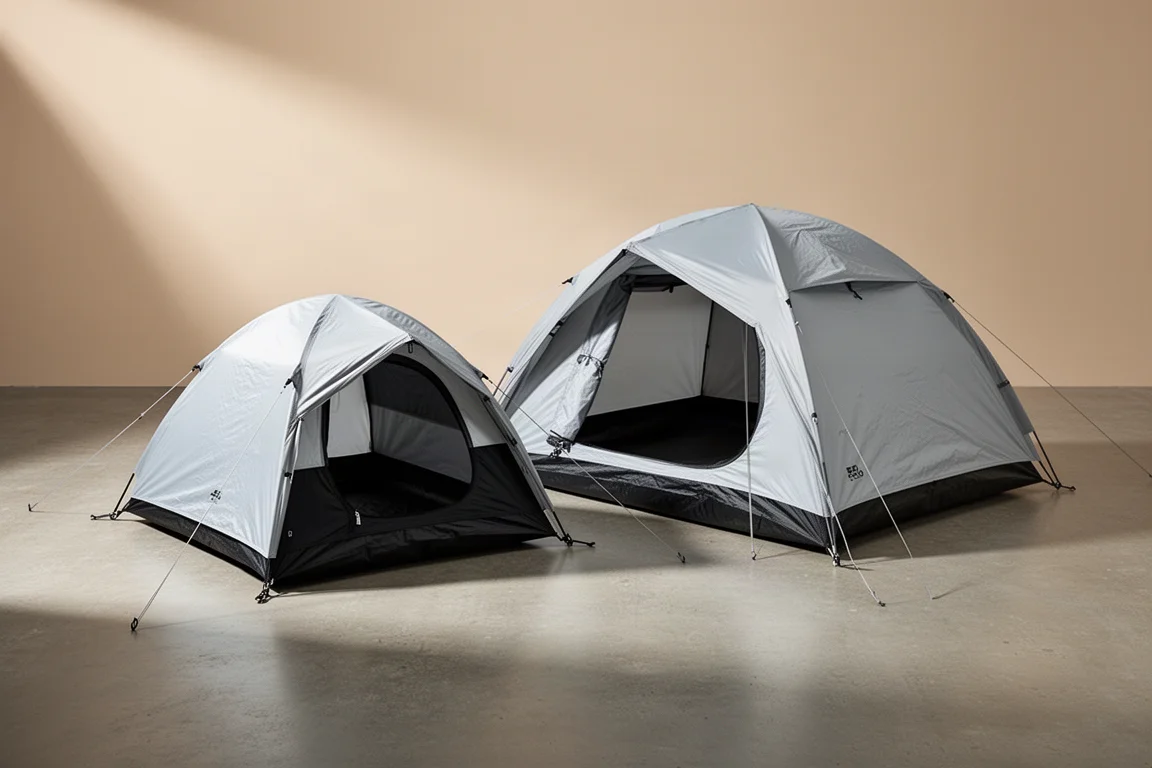
The Teton Sports Mountain Ultra line covers solo and two-person camping with two tents that share a lot of design language but very different levels of interior space. The 1-Person version is built around a single assembled pole, while the 2-Person version uses a three-pole frame, and that difference ripples through everything else: doors, vestibules, rainfly vents, packed size, weight, and price.
Both are positioned as budget tents, and both deliver on that promise. This comparison walks through pole setup, interior dimensions, storage, weather behaviour, packed size, and weight for each, so you can pick the one that matches how you actually camp.
What Sets These Two Mountain Ultra Tents Apart
Both tents arrive with the same core kit: a gray carry bag, two compression straps, a black tent body, a gray rainfly, poles in their own carry case, and stakes plus guy lines in a separate carry case.
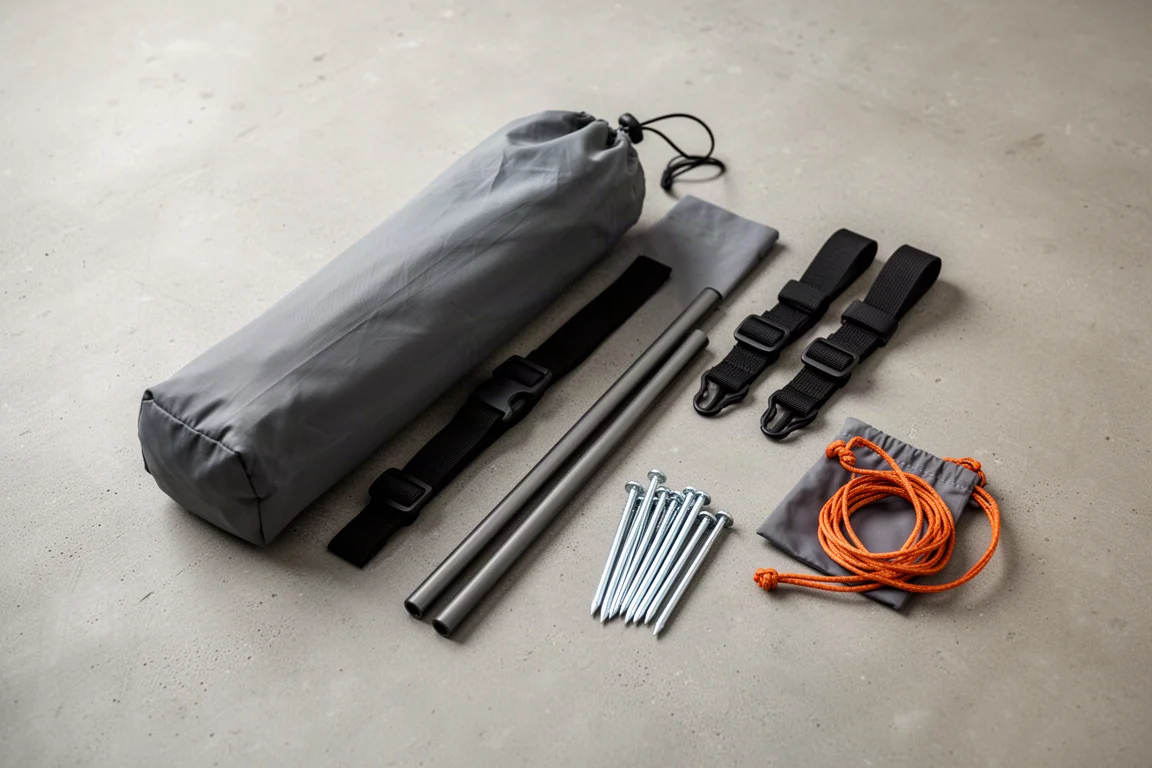
From there, the two tents diverge quickly. The 1-Person uses one orange pole that you assemble and seat into the four grommets in the tent body, then a short top pole that rotates on the spot and connects to the two grommets at the peak. The 2-Person uses three poles: two orange poles secured diagonally across the tent into the four grommets, plus one gray pole that sits above them and connects to the two grommets at the top.
The differences continue through the rest of the build: two guy lines on the 1-Person against four on the 2-Person, two rainfly Velcro strips against four, one door against two, one vestibule against two, and two rainfly vents against four. Weight, packed size, and price follow the same pattern.
Teton Sports Mountain Ultra 1-Person Tent
Pole Setup and Pitching in the 1-Person Tent
Setup is straightforward: assemble the orange pole, connect it to the four grommets in the tent body, attach the pole clips, then rotate the short top pole into place on the two peak grommets. In practice, that worked out to about four and a half minutes from start to finish.
Interior Space and Storage in the 1-Person Tent
The floor measures 81 by 32 inches with a peak height of about 38.5 inches, which is enough for extra wide single sleeping pads. Storage is limited to one small pocket near the door and a pre-attached gear loft that cannot be removed. There is no lantern loop, so a lantern has to sit in the gear loft.
Doors and Vestibules in the 1-Person Tent
With the rainfly in place, there is a single vestibule with a longest width of about 25 inches, and one door behind it. The door fabric ties up with two latches near the top of the tent rather than tucking into a pocket, and the zipper runs straight and then up, opening a little more than halfway.
Teton Sports Mountain Ultra 2-Person Tent
Pole Setup and Pitching in the 2-Person Tent
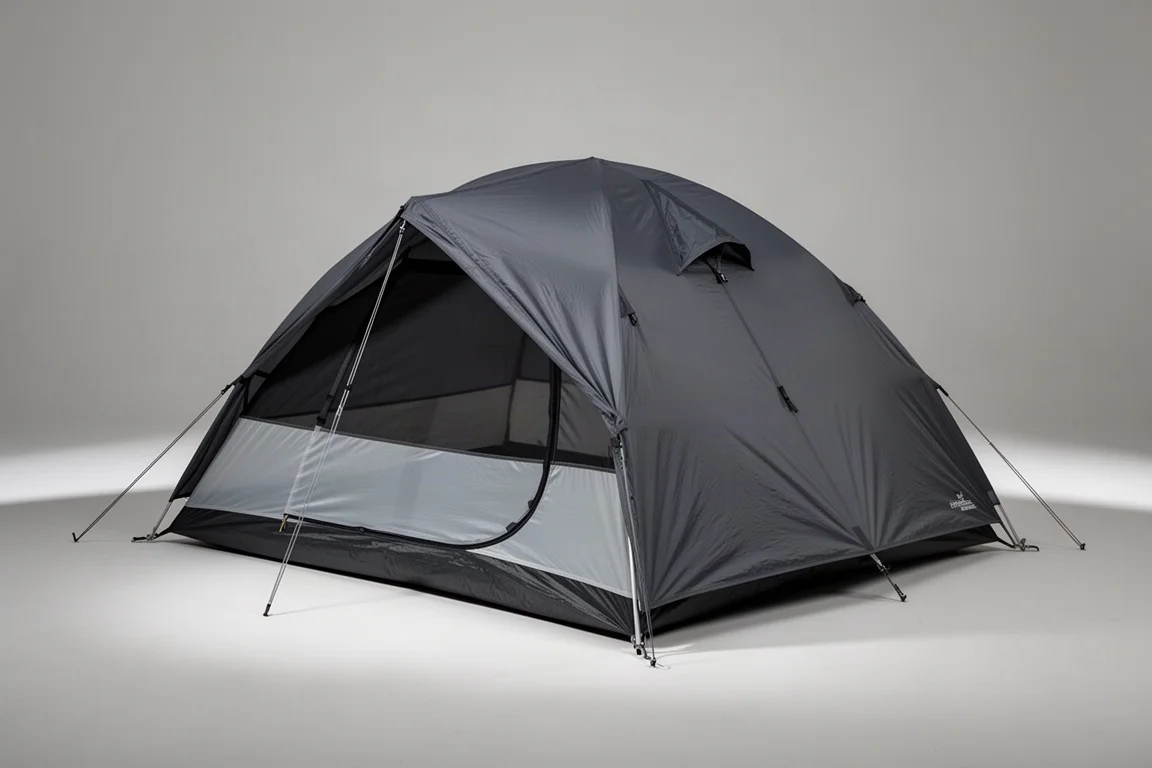
Three poles take a little longer to handle. The two orange poles cross diagonally and seat into the four grommets in the tent body, and the gray pole goes above them, connecting to the two grommets at the top. Setup took about six and a half minutes.
Interior Space, Doors, and Storage in the 2-Person Tent
The floor is 81 by 61 inches, so the length matches the 1-Person while the width is slightly less than double. Peak height is about 44 inches, roughly five and a half inches taller. That space takes two regular pads or an entire queen bed, and mattresses up to six inches thick still felt comfortable.
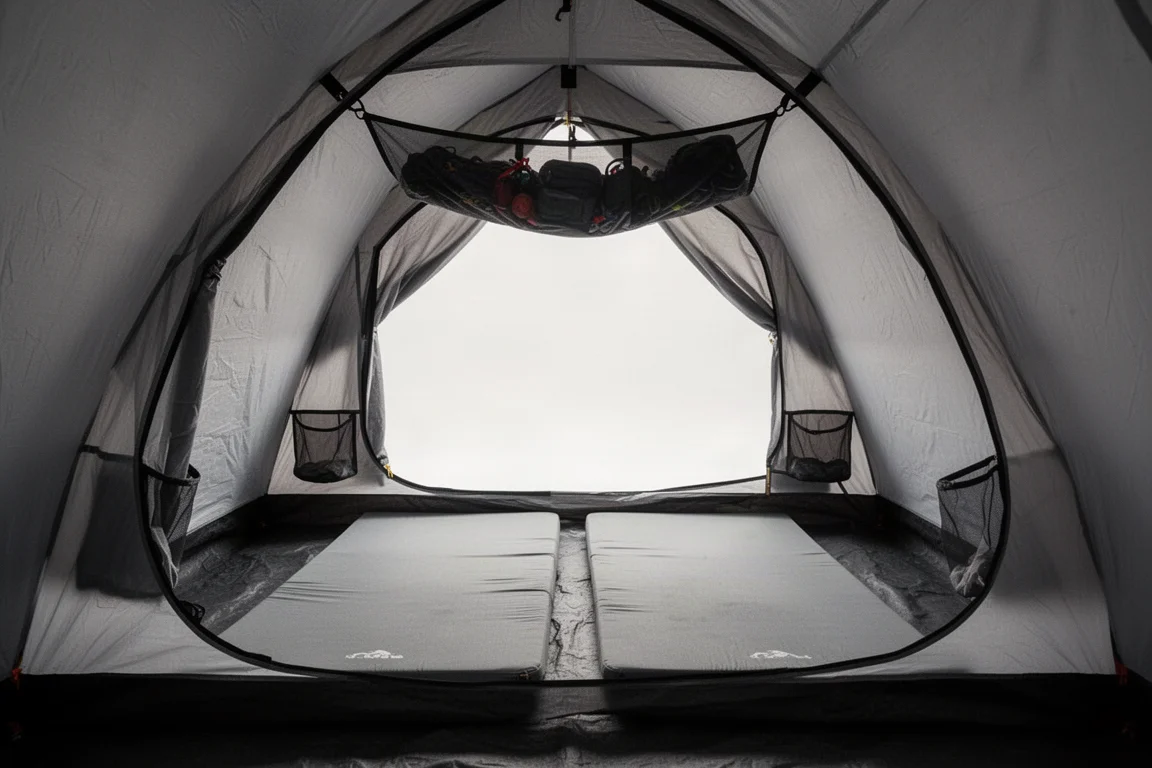
Storage and access are better resolved here. There is one pocket beside each door, a lantern loop at the very top of the tent, and four more loops around it for the supplied gear loft, which can be installed or removed as you prefer. Each door has its own door pocket for stuffing the fabric, replacing the latches used on the smaller tent. The rainfly forms two vestibules, identical on both sides, each with the same roughly 25-inch longest width as the single vestibule on the 1-Person. Behind them are two doors of about the same size as the 1-Person door. Those doors unzip almost all the way, and while the zipper does not snag at the bend, it does need two hands to work around it. Forcing it with one hand eventually left visible wear on the door stitching.
Setup, Takedown, and Handling Compared
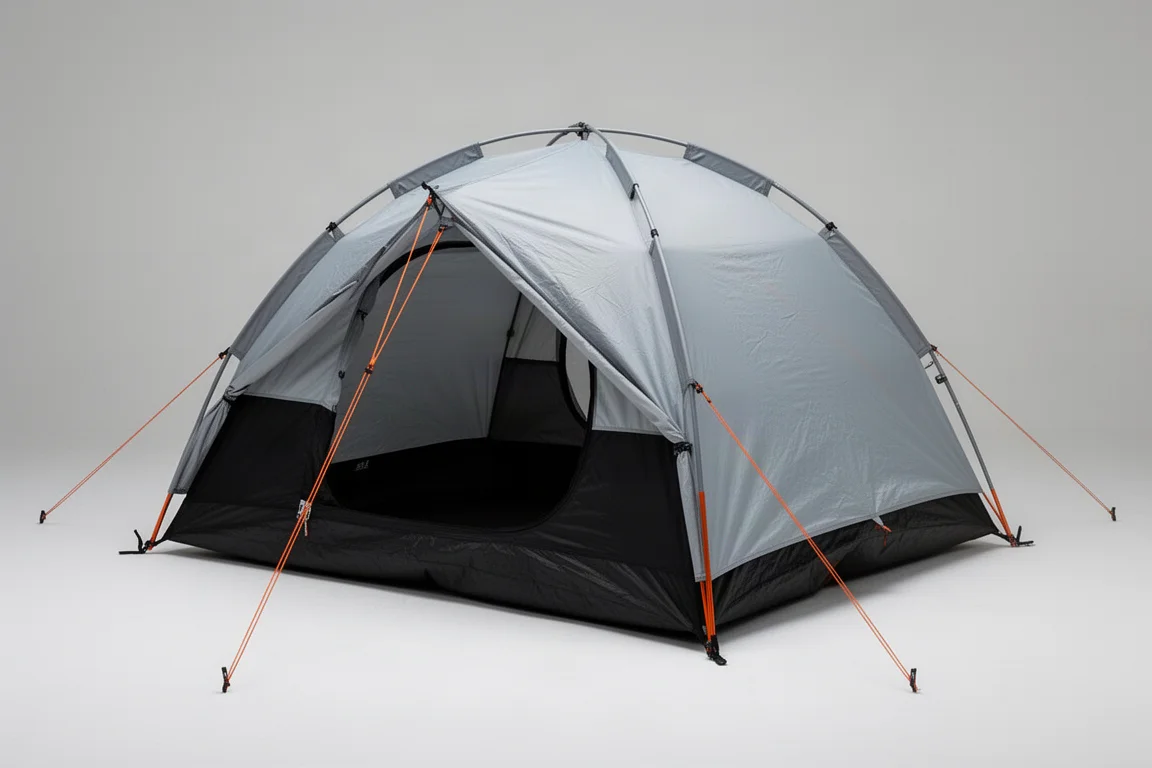
Setup ran about 4.5 minutes on the 1-Person and about 6.5 minutes on the 2-Person. Takedown and packing reverse the process and took roughly 5.5 minutes for the 1-Person against 6.5 to 7 minutes for the 2-Person. The larger tent also has twice the guy lines and twice the rainfly Velcro strips to manage, which adds a little time at both ends of a trip. Neither tent is difficult to pitch; the gap is a couple of minutes either way.
Rainy Day Ventilation Compared
The 1-Person rainfly has two vents. One sits in the vestibule, and the second is at the back of the tent and angled downwards, which meant it could stay open through heavy rain without letting water inside. The rainfly can also be pulled away from the tent body at the back for extra airflow, but not at the widths, so cross ventilation is limited.
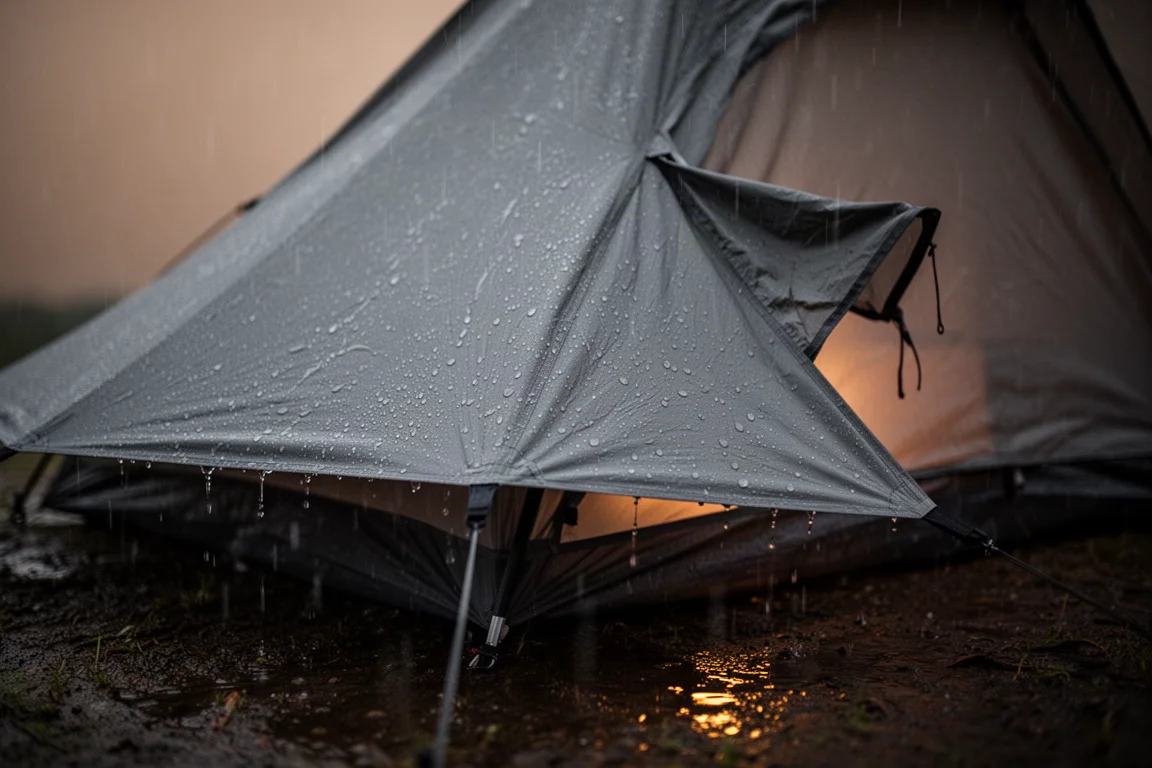
The 2-Person has four built-in rainfly vents. The two in the vestibules match the 1-Person design, but the other two sit at the very top of the tent and are not angled downwards, so during heavy rain they had to be closed to keep water out. The trade-off is worth knowing: the rainfly can be pulled away from the tent body at both widths, which adds two more vents, and combined with the vestibules that gives all-around ventilation.
Packed Size, Weight, and Value Compared
The 1-Person packs to 22 by 7 by 6 inches and weighs about 4.2 pounds for everything. The 2-Person packs to 23.5 by 8 by 6 inches and weighs about 6.4 pounds, so it is roughly 50 percent heavier and about 20 percent bigger in packed volume, with a packed length that is only 7 percent longer. The 2-Person costs about $30 more than the 1-Person. Both are strong value for the price and rank among the best budget tents in this class.
Buying Advice: Which Mountain Ultra Tent Suits You
The 2-Person is the more flexible choice for most campers. It adds five and a half inches of headroom, fits more pads or a full queen bed, accepts mattresses up to six inches thick, and gives you a second door and a second vestibule. Cross ventilation through the doors and the ability to pull the rainfly away all around the tent make it noticeably more comfortable in warm or humid conditions. It packs only about 20 percent bigger than the solo model for roughly $30 more. Two things to remember: close the two top rainfly vents when heavy rain and wind are expected, and use two hands to work the zipper around its bend.
The 1-Person makes sense if you usually camp alone and want the lighter, cheaper, faster option. It pitches about two minutes quicker, packs down smaller, weighs about two pounds less, and costs less. The main caveat is length. At 81 inches the floor is short for taller campers, so anyone around 5 feet 10 inches to 6 feet and above may be better served by the 2-Person, where it is possible to sleep a little diagonally.
Conclusion
Both Mountain Ultra tents are well worth considering for budget camping, and the right pick comes down to space and weight. Choose the 1-Person for solo trips where every pound and every minute counts, and the 2-Person when you want more room, a second door, and all-around ventilation for about $30 more and a modest increase in packed size.
Further reading
Related Reviews
Camping Tents
3F UL Gear Taiji Two-Person Tent Review: Field Waterproofing Results and Buying Advice
The Taiji pairs an attached fly with a removable inner, but sustained rain exposed untaped vent seams that need sealing before this shelter can be trusted.
Camping Tents
3FUL Gear Lanshan 2 Pro 4-Season Review: A Sub-$200 Single-Wall Trekking Pole Tent
An early look at the 3FUL Gear Lanshan 2 Pro 4-Season, covering its straightforward pitch, generous interior space, and the condensation and seam-sealing questions that come with any single-wall shelter.
Camping Tents
Alps Mountaineering Lynx 1-Person Tent Review: Big Value in a Small Budget Tent
A close look at the Alps Mountaineering Lynx 1-Person Tent, covering real interior dimensions, materials, setup time, ventilation limits, and who should buy it.