Camping Tents
Teton Sports 1-Person Vista Quick Tent Review: Fast Setup, Serious Space
A practical look at the Teton Sports 1-Person Vista Quick Tent, covering setup times, interior space, ventilation, rain performance, and who it suits best.
Introduction
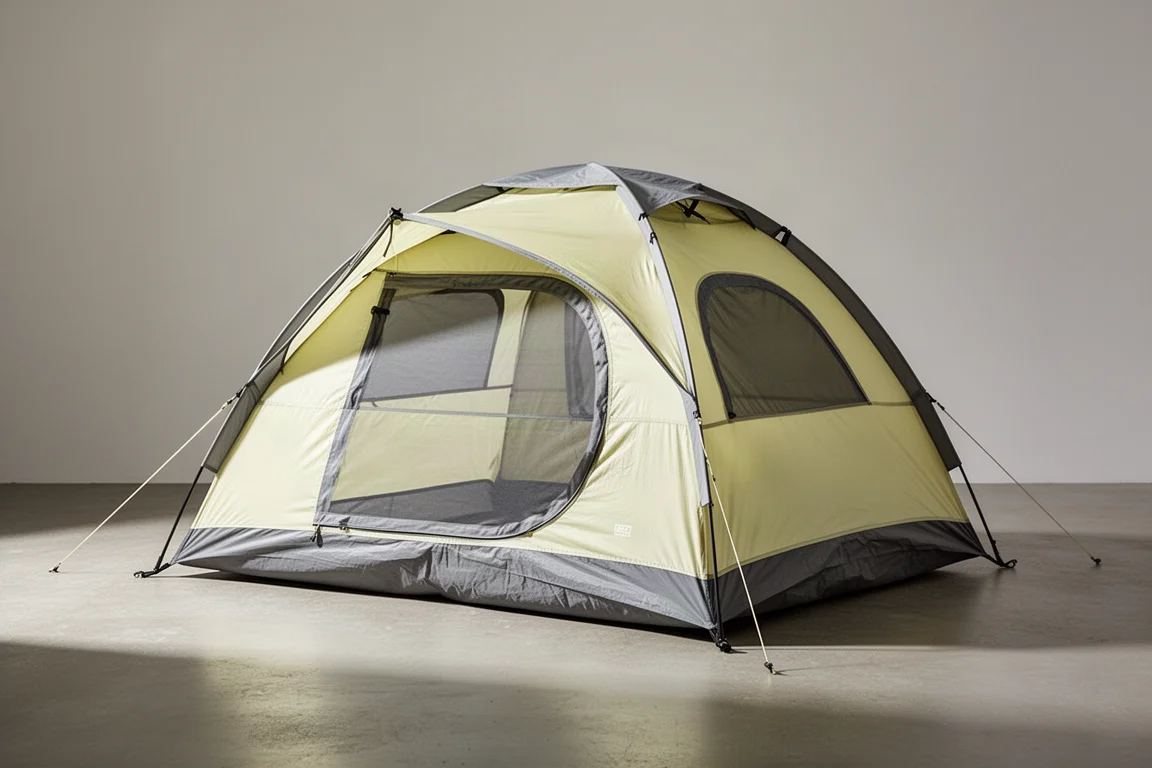
The Teton Sports 1-Person Vista Quick Tent is a solo shelter built around a folding pole frame and a center locking hub. It pitches in under three minutes once you know the sequence, and it carries a budget price alongside a lifetime warranty. The interesting part is not the speed alone, it is how much usable room and weather protection has been packed into a one-person footprint.
Who This Tent Is For
This tent suits solo campers who want a fast, low-effort pitch and enough floor space to spread out. The base measures about 80 inches long and 36 inches wide, with roughly 20 square feet of interior space and another 3.3 square feet in the vestibule. A standard 20 inch sleeping pad leaves plenty of room for a pack and other gear, and the width is generous enough that a second person would be a tight fit at best.
The 33 inch peak height is the main sizing consideration. A camper of average height can sit upright at the peak, though taller users will find their head brushing the roof. The walls slope away from that single high point in a dome shape, so usable headroom drops quickly as you move away from the center.
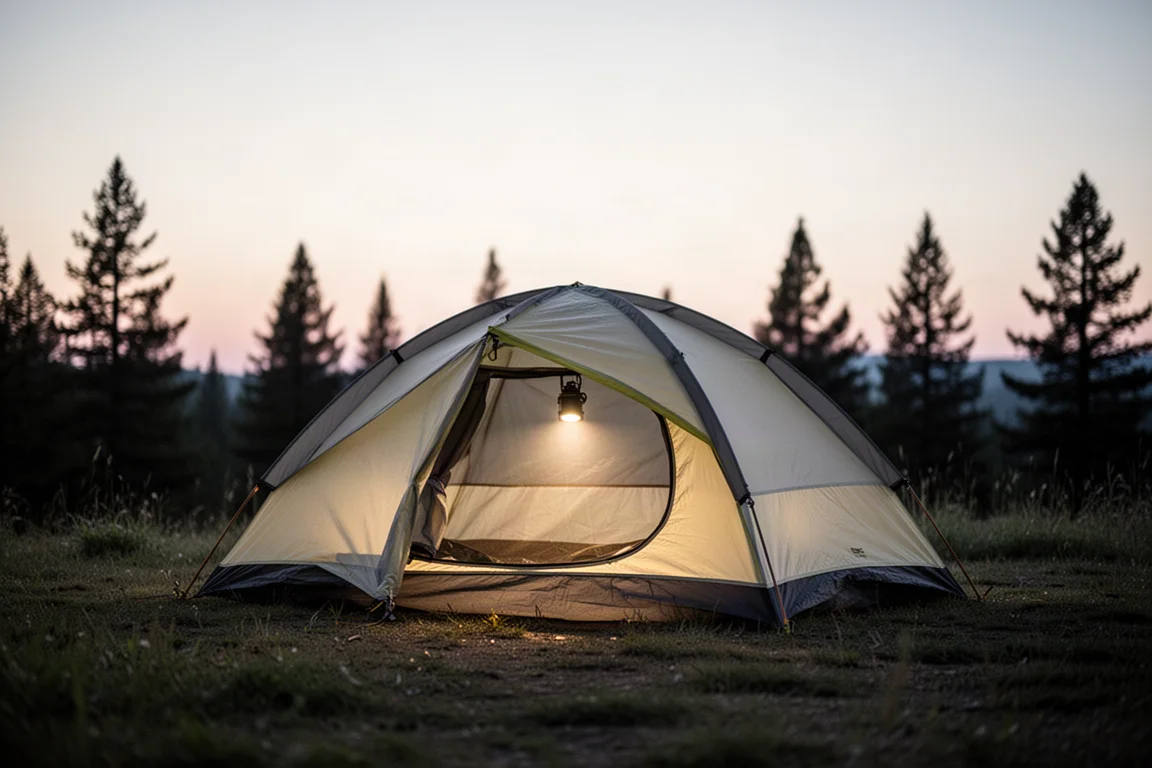
For anyone who camps alone, wants quick shelter at the end of a long day, or uses a tent mostly as a place to sleep and store gear, the sizing works well. The vestibule adds about 12 inches of depth at its widest point, enough for footwear and a few small items.
Setup and Pack-Up
Setup starts by unfolding the body, locking the two longer poles, then lifting the center hub and pressing down on it to pop the tent open. That first stage takes around 45 seconds. Staking the four corners, attaching the rainfly with four buckles, zipping the vestibule, and running the four pre-attached guylines adds roughly two minutes, for a total of about two minutes and forty-five seconds.
Take down runs in the opposite order. Removing the stakes and the rainfly, then folding the poles down, takes about a minute and a half. Rolling the tent into the rainfly and sliding everything back into the carry bag takes about another minute, so the full pack-up lands near two and a half minutes. It is worth noting that this is not a tent that springs open the moment you pull it from the bag. It is quick, but it is still a deliberate process.
Main Strengths
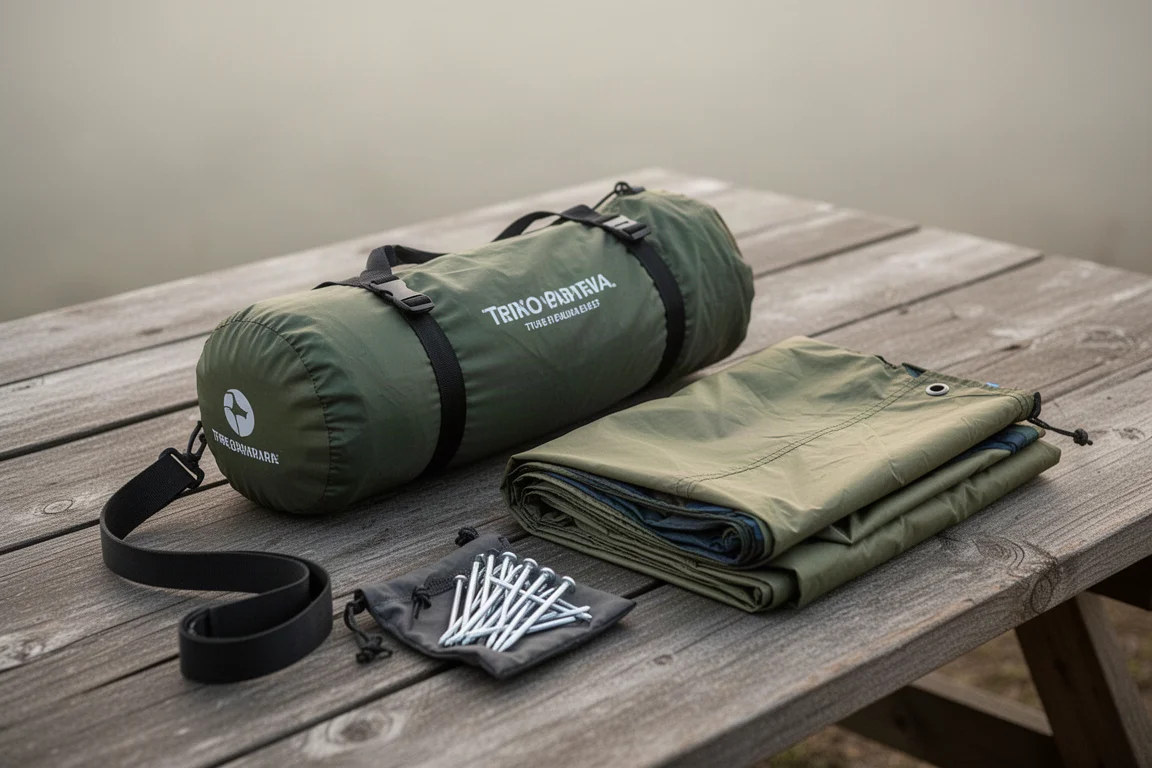
Build quality stands out for the price. The tent body uses 75D Taffeta fabric, the stitching is consistent with most seams double stitched, and there were no loose threads anywhere on the tent. The zippers are unbranded but glide smoothly, and the poles are noticeably thicker than those on many other pop-up tents. The carry bag is sturdy, handles tension well, and has a shoulder strap for carrying.
Seam sealing is limited to the rainfly seams and the seam joining the tent body to the floor, which happen to be the two most important ones. That is a large part of why the interior stayed dry in testing.
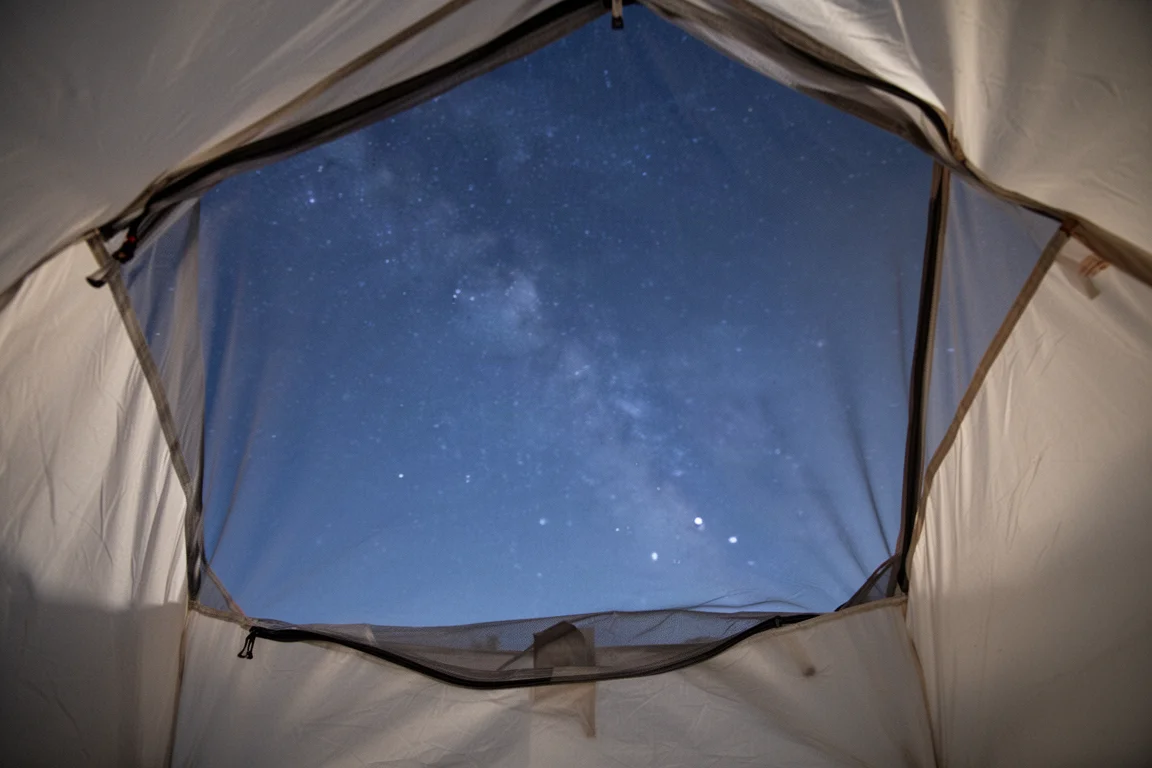
Versatility is the other big strength. The rainfly is fully removable, so on hot, dry nights about two thirds of the tent becomes mesh, which delivers strong airflow and open views of the sky. If rain is possible, the front of the rainfly can be clipped back to the sides to keep a large mesh panel exposed while the roof stays covered. The vestibule can be staked on either side and left fully open, partly open, or closed. Many pop-up tents ship with a permanently attached rainfly and far less mesh, so this flexibility is unusual.
The single door measures about 44 inches long and 26 inches wide, with two zippers that open from the inside or the outside, and it drops almost all the way to the ground for easier entry and exit. Two straps at the top can be tied into a loop for hanging a lantern.
Weather Performance
With the rainfly on, the tent handled an hour of simulated heavy rain with a completely dry interior. The rainfly curves downward rather than holding a flat top, so water runs off instead of pooling. The rainfly also stops about two inches above the ground, which leaves a gap for airflow without letting rain in.
The one caveat is that the underside of the rainfly became slightly damp in a few spots toward the end of that hour, and a patch of water began seeping through at around the 43 minute mark. The mesh and the yellow tent fabric underneath stayed dry, and so did the floor. An overnight condensation test with the rainfly on, the vestibule zipped, and the mesh door closed also ended with everything dry.
Wind protection was not measured directly, but the tent held firm when guyed out and shaken. The side with the two longer poles flexes a little more, while the side with the shorter poles feels noticeably sturdier, and the low peak height helps it sit out of the wind.
Things to Consider Before Buying
The floor is thin. It stayed dry through an hour of heavy rain, but it feels like the first part of the tent that would give trouble, so a ground sheet is a sensible addition. For the same reason, an hour of heavy rain is probably the practical limit for the stock setup unless you add your own waterproofing treatment.
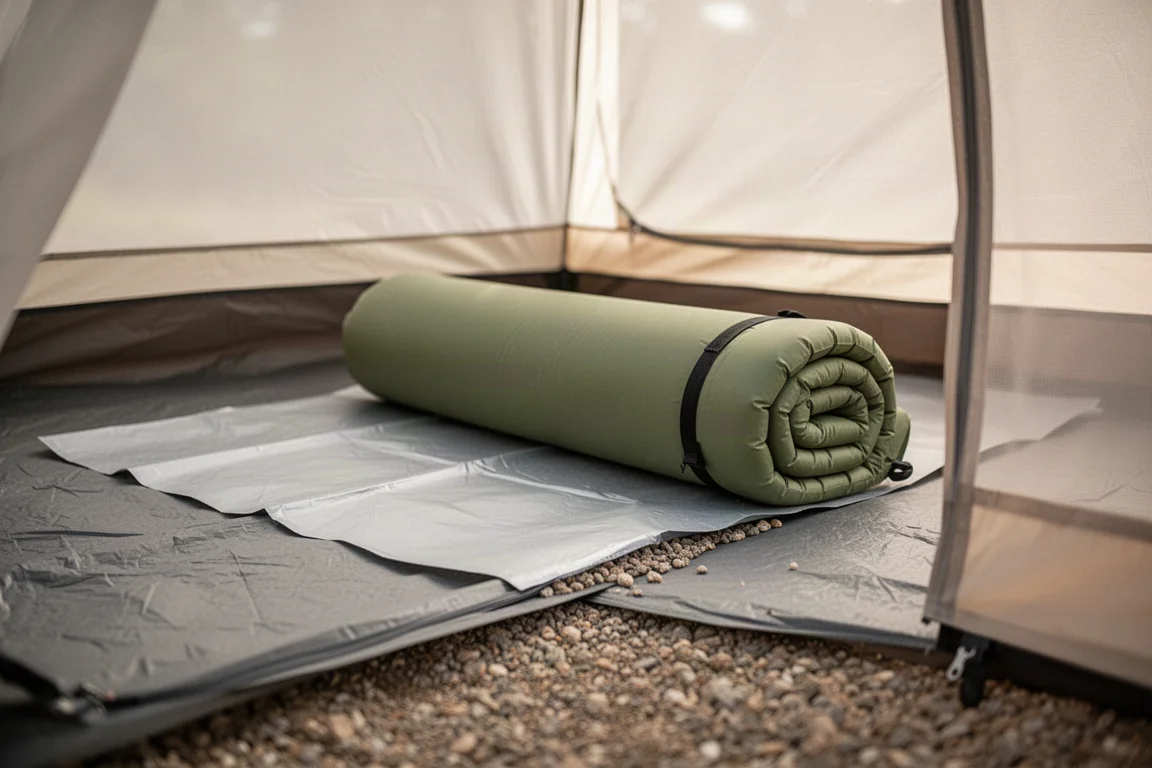
Headroom is the other compromise. At 33 inches, the peak is low enough that thick camping mattresses will not fit comfortably. There are no dedicated vents, and ventilation drops when the rainfly is fully in place, though the two inch gap at the bottom helps. Inside, storage is minimal: the older version of this tent has no pockets, only the lantern loop at the top, and the tie-back latches for the door are loose enough that they tend to unravel. Newer Vista versions are reported to include a gear loft.
Finally, pack size is not tiny. At 28 by 9 by 5 inches, the packed tent is a little larger than some traditional two-person tents. Weight is about 4.6 pounds for the tent and carry bag, or roughly 5 pounds with the eight stakes and compression strap included.
Buying Advice
At under $100 with a lifetime warranty, this tent is easy to recommend to solo campers who value quick setup and a roomy interior. Plan on adding a ground sheet, and if you expect sustained heavy rain, treat the rainfly with a waterproofing product. The included eight stakes cover the four corners and the vestibule, and the four guylines come pre-attached.
If you mostly camp in hot, dry conditions, the removable rainfly and the large mesh area make this an unusually pleasant tent to sleep in. If you need standing or near-standing headroom, or you want to use a thick inflatable mattress, a taller shelter will serve you better.
Conclusion
The Teton Sports 1-Person Vista Quick Tent delivers a fast pitch, a genuinely spacious solo interior, and dependable rain protection at a budget price. Its compromises, a thin floor, modest peak height, and limited ventilation once the rainfly is on, are the trade-offs of its light, compact design. For solo trips where speed and value matter most, it is a strong choice.
Product link
View more details for Teton Sports 1-Person Vista Quick Tent
This product is mentioned in the review. Check the specifications, options, and compatibility before buying.
View more details for Teton Sports 1-Person Vista Quick TentFurther reading
Related Reviews
Camping Tents
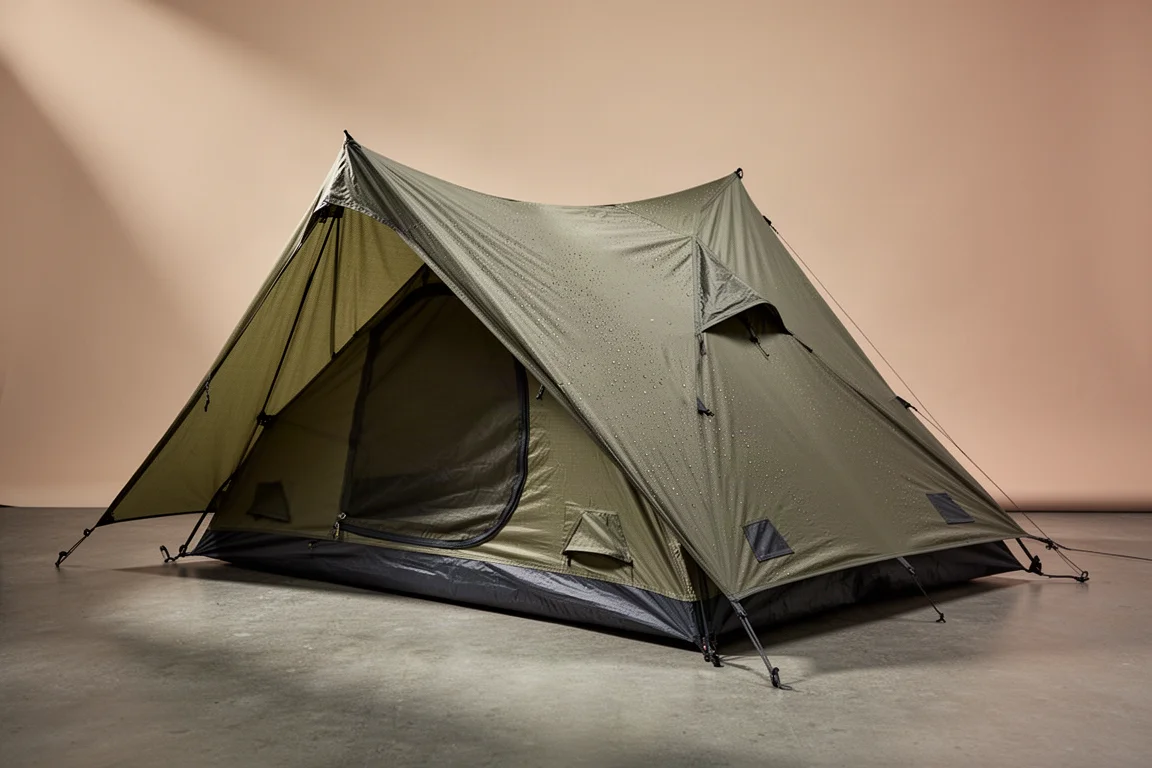
3F UL Gear Taiji Two-Person Tent Review: Field Waterproofing Results and Buying Advice
The Taiji pairs an attached fly with a removable inner, but sustained rain exposed untaped vent seams that need sealing before this shelter can be trusted.
Camping Tents
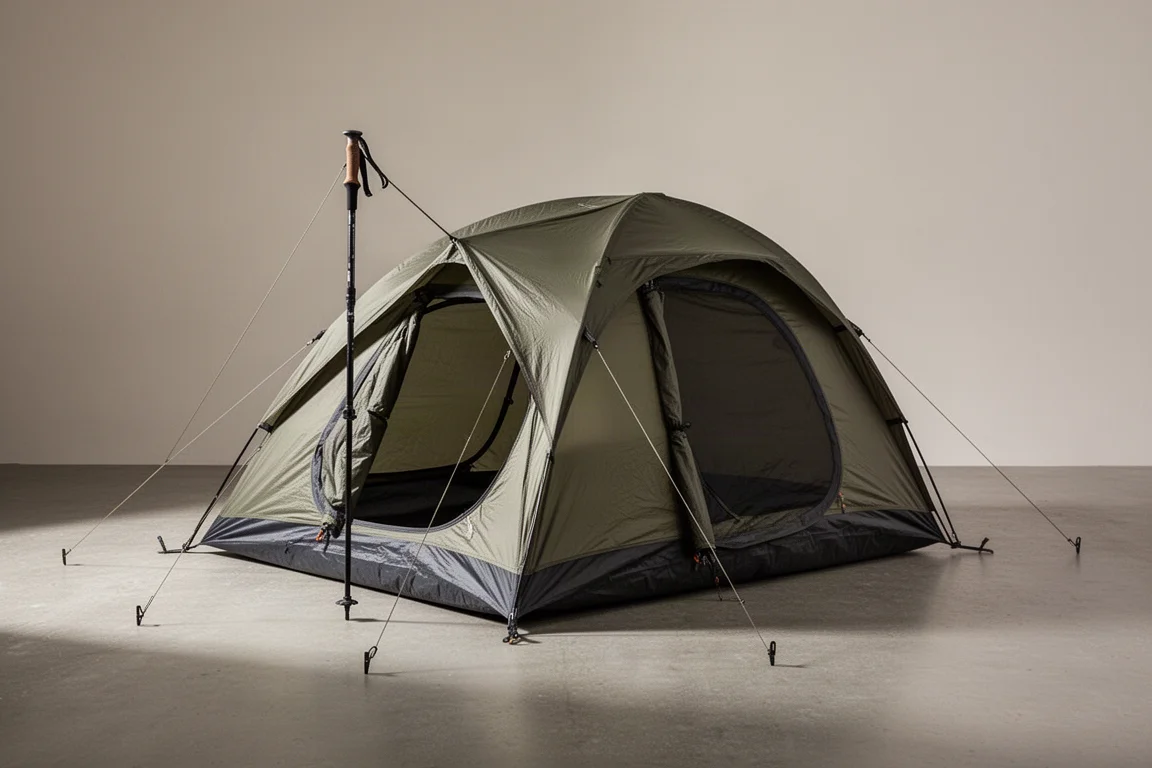
3FUL Gear Lanshan 2 Pro 4-Season Review: A Sub-$200 Single-Wall Trekking Pole Tent
An early look at the 3FUL Gear Lanshan 2 Pro 4-Season, covering its straightforward pitch, generous interior space, and the condensation and seam-sealing questions that come with any single-wall shelter.
Camping Tents
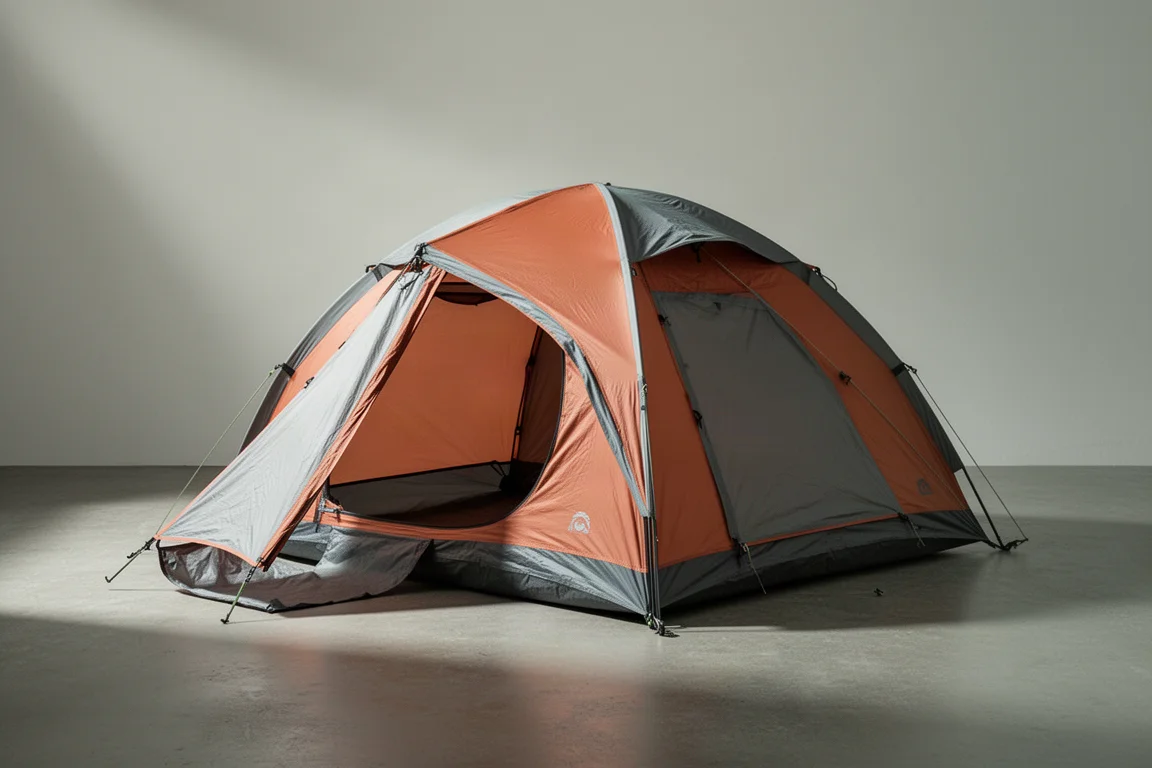
Alps Mountaineering Lynx 1-Person Tent Review: Big Value in a Small Budget Tent
A close look at the Alps Mountaineering Lynx 1-Person Tent, covering real interior dimensions, materials, setup time, ventilation limits, and who should buy it.