Backpacking Gear
Teton Gear Reviewed: Budget Sleeping Bags and Tents Worth Comparing
Two Teton backpacking items and four alternatives at similar prices, with the measurements that matter before you buy.
Introduction
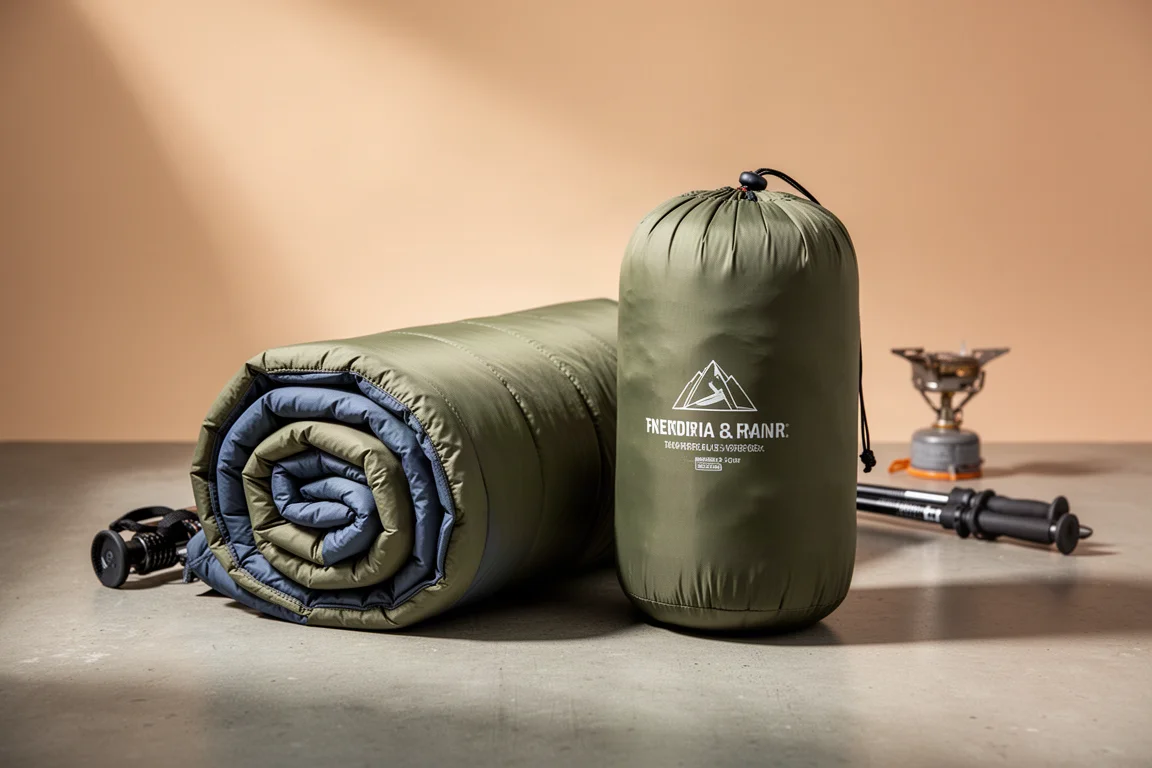
Backpacking gear is one of the few categories where a low price normally comes with a catch, which makes the Teton range a useful test case. A complete loadout from the brand, covering two tents, two backpacks, a sleeping pad, a sleeping bag, and a pillow, came in at under $800 in total. With most other brands, the same list of gear would run into the thousands. That is genuinely appealing for first-time backpackers, and it is the main reason this brand keeps coming up for anyone shopping on a budget. The question is whether the savings survive contact with a trail, and in a couple of important places they do not. This guide covers two Teton items worth understanding before you buy, plus four alternatives that sit at similar prices.
How This Gear Was Assessed
Every item discussed here was bought at retail and used in the field, so the notes below describe behaviour rather than marketing claims. Two measurements do most of the work. The first is published testing. A sleeping bag temperature rating is only meaningful when it comes with ISO or EN certification, and without that certification loft becomes the next best indicator. Down has been used as insulation for long enough that the amount needed for a given rating is well established, which makes a simple loft measurement a reliable sanity check.
The second is weight. For a backpacking shelter, around 2 lb per person is a sensible ceiling, and most brands offer at least one four-pound two-person tent. Sleeping pads and packs follow the same logic. The grams add up quickly, and a bargain that costs two extra pounds on the back rarely feels like a bargain by the end of a long climb.
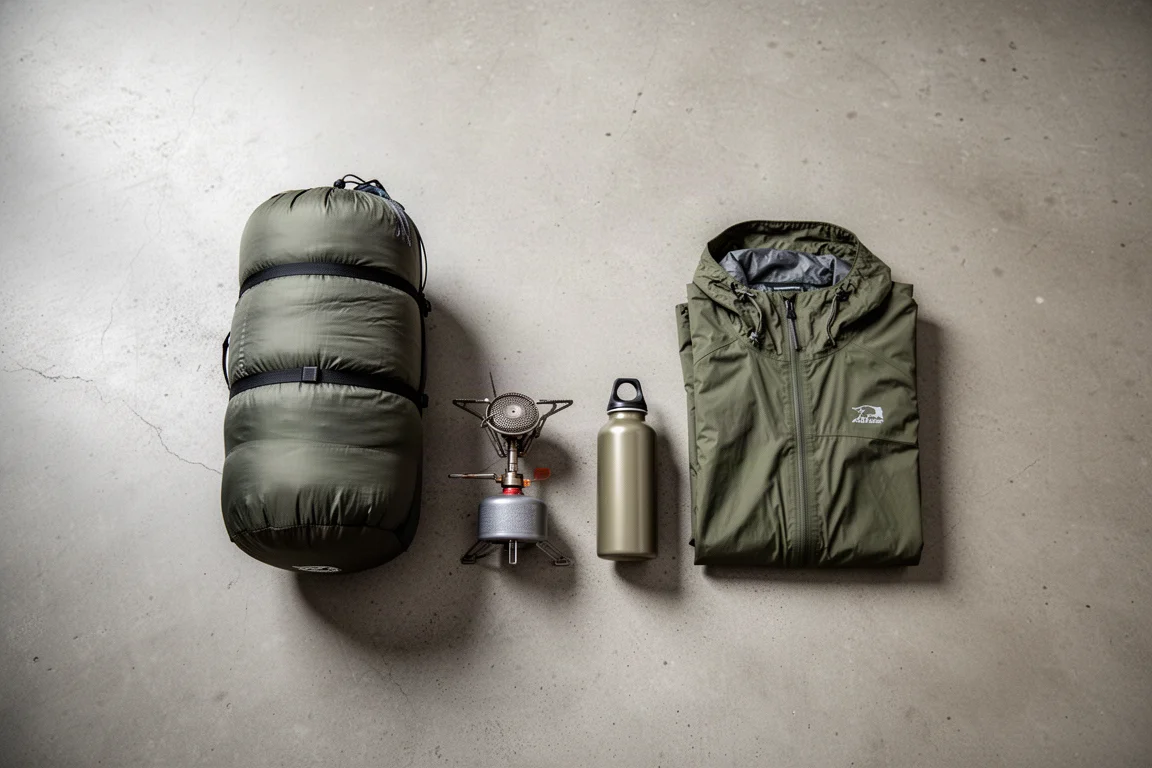
Where a claim could not be checked against published information, the physical construction was examined instead. That approach matters here, because the brand’s pricing depends on buyers who have no reference point for how heavy a backpacking tent should be or how much loft a 20-degree bag should carry.
Teton Altos 20° Down Sleeping Bag
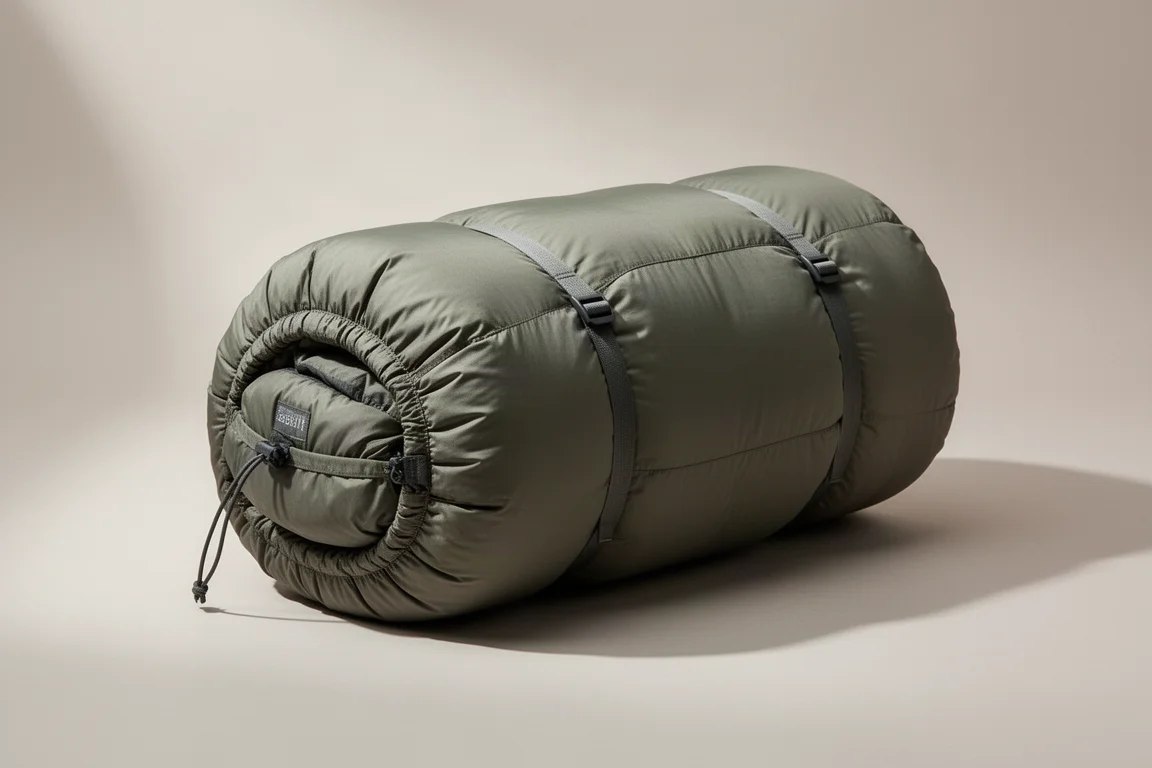
The Altos is the only down-filled sleeping bag in the brand’s lineup and, at $173, the most expensive item in the loadout. Down is the right choice on paper, because it delivers warmth for its weight. The Altos, however, does not loft the way a 20-degree down bag should. Measured loft lands at roughly 1.25 inches, while a 20-degree down bag is generally expected to carry about 2 inches of insulation. Judged on loft alone, the bag behaves closer to a 50-degree bag than to the rating printed on it.
The documentation is the bigger problem. There is no published fill power, no fill weight, and no separation between comfort and survival ratings, and no ISO or EN certification is listed. Without those figures, there is no reliable way to compare this bag with anything else at the same price. Two alternatives sit in the same bracket: the Kelty Cosmic 20 down costs about the same, and the Featherstone Moondance 25 costs roughly $10 more.
Teton Mountain Ultra 2-Person Tent
At $120, the Mountain Ultra is the brand’s only backpacking tent, and it is clearly built to last. The fly reaches all the way to the ground, there is a mesh hammock in the ceiling for stashing small items, and both the floor and the fly use 150-denier polyester, the same class of fabric found in luggage, seat covers, and boat covers. That makes the tent extremely tough, and the brand supports its products with a lifetime warranty.
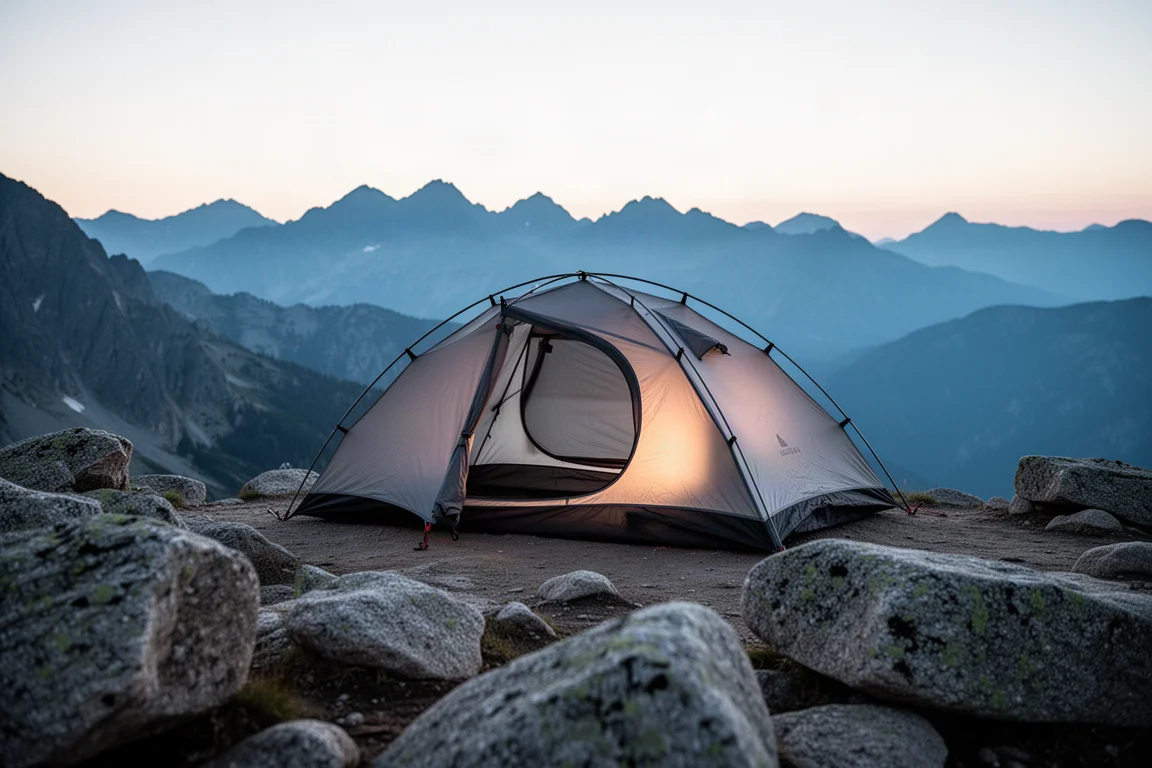
The cost of that durability shows up in weight and packed volume. The Mountain Ultra weighs 6.1 lb, well above the 2 lb per person that backpackers usually aim for, and the thick fabric makes it bulky in a pack while leaving limited space inside. A sleeping pad only just fits from head to toe, so anyone taller than about 5 ft 7 in will find the interior cramped. For car camping the weight is irrelevant and the toughness is an asset. For backpacking, a four-pound two-person tent from another brand is usually the better trade.
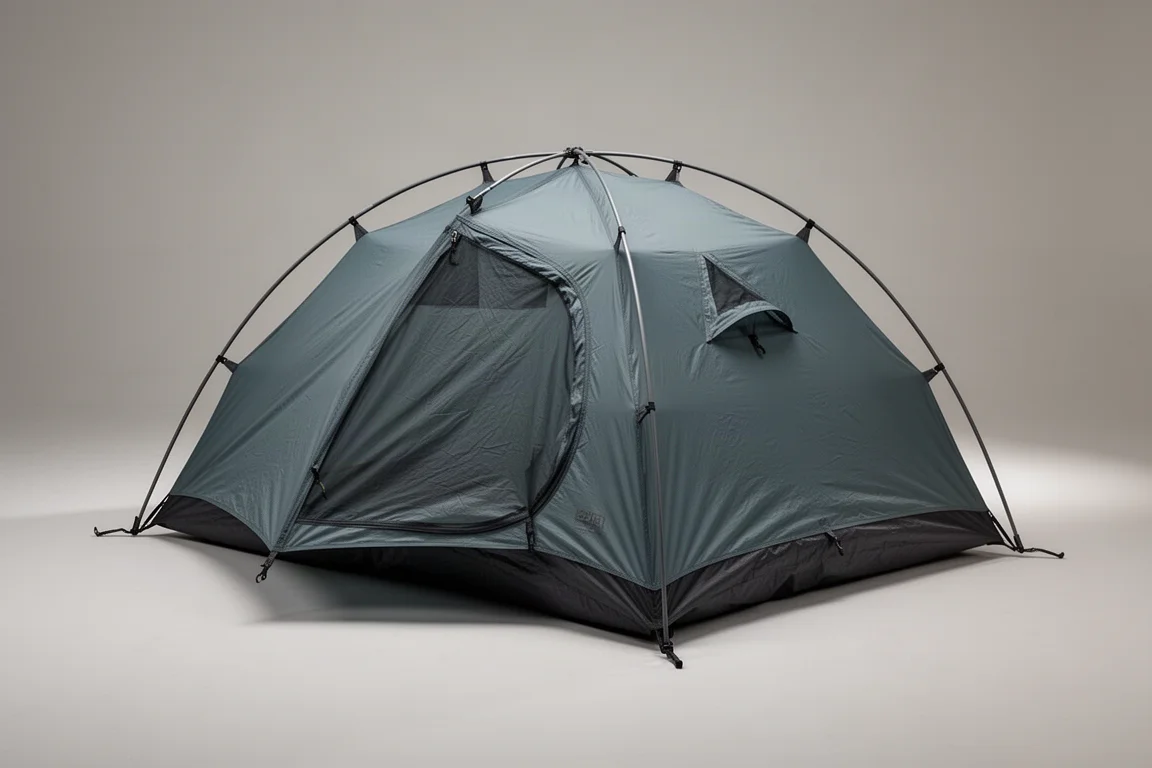
Kelty Cosmic 20 Down Sleeping Bag
The Cosmic 20 is the closest like-for-like alternative to the Altos, and it sells for about the same price. For a buyer who wants a down bag on a fixed budget, it is the first comparison to make: same insulation type, same nominal 20-degree target, and no premium over the Teton bag. If the plan is to spend around $173 on a down sleeping bag, this is the option to check before committing.
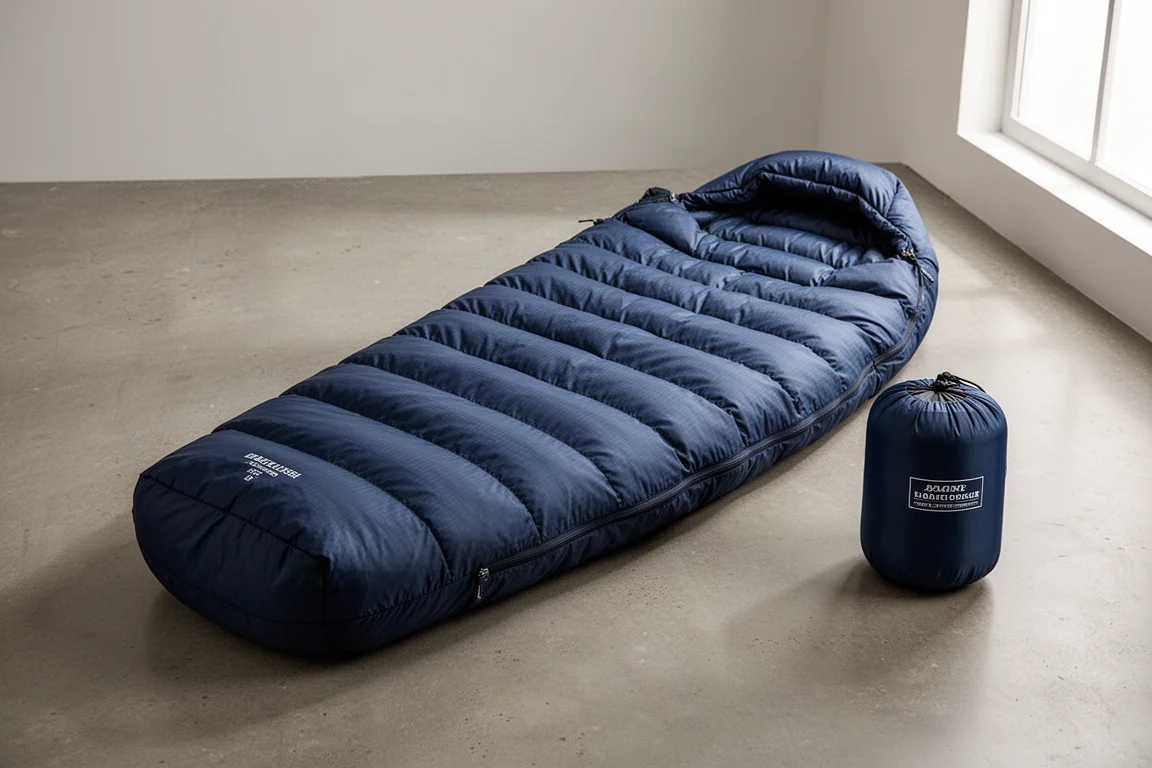
Featherstone Moondance 25 Sleeping Bag
For roughly $10 more than the Altos, the Moondance 25 offers another down option in the same budget bracket. The extra spend is small next to the price of the bag itself, and it moves the purchase away from a sleeping bag whose measured loft does not support its rating.
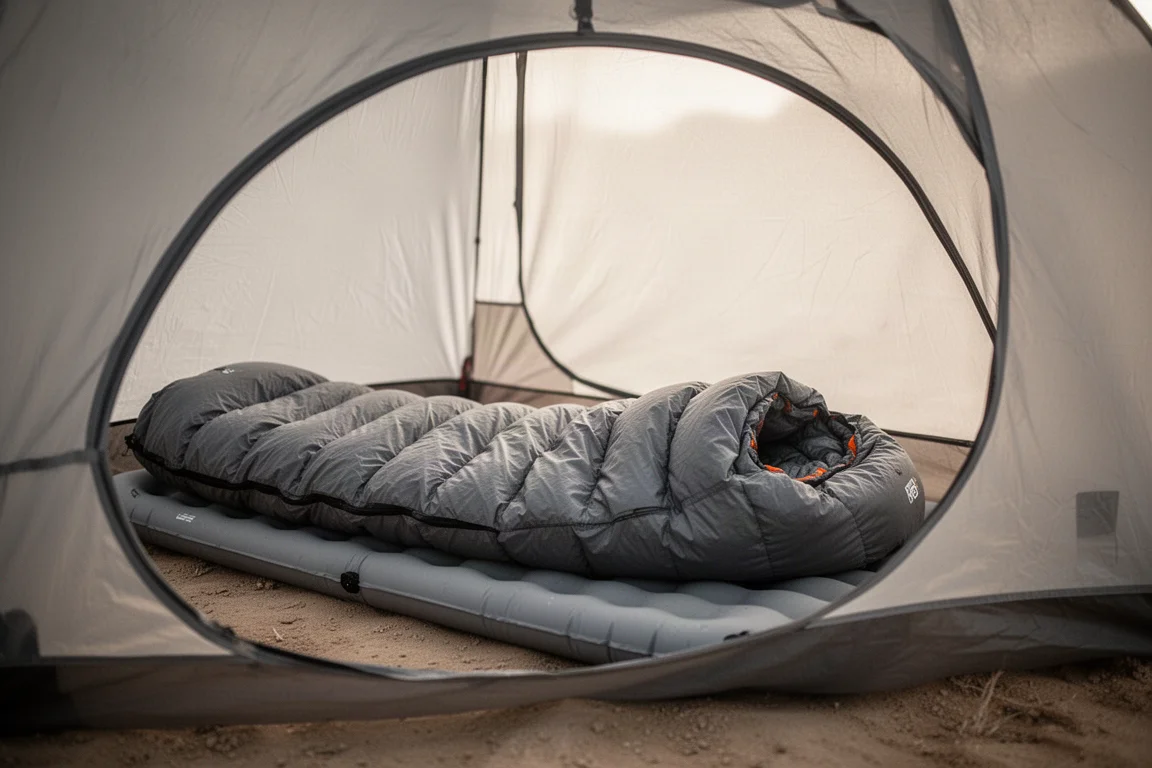
Buyers who have already decided to spend $173 on a down bag are unlikely to be deterred by a ten-dollar difference, which is what makes the Moondance 25 one of the two down bags worth comparing at this price.
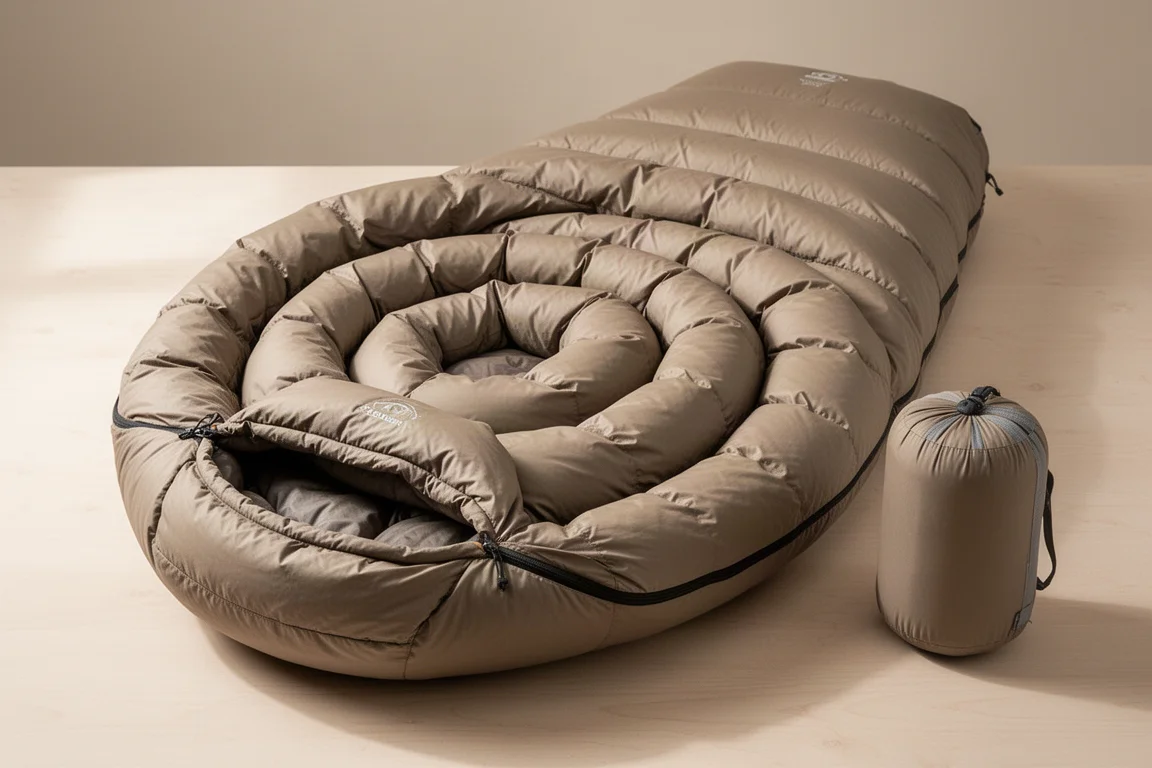
Featherstone Granite 2-Person Tent
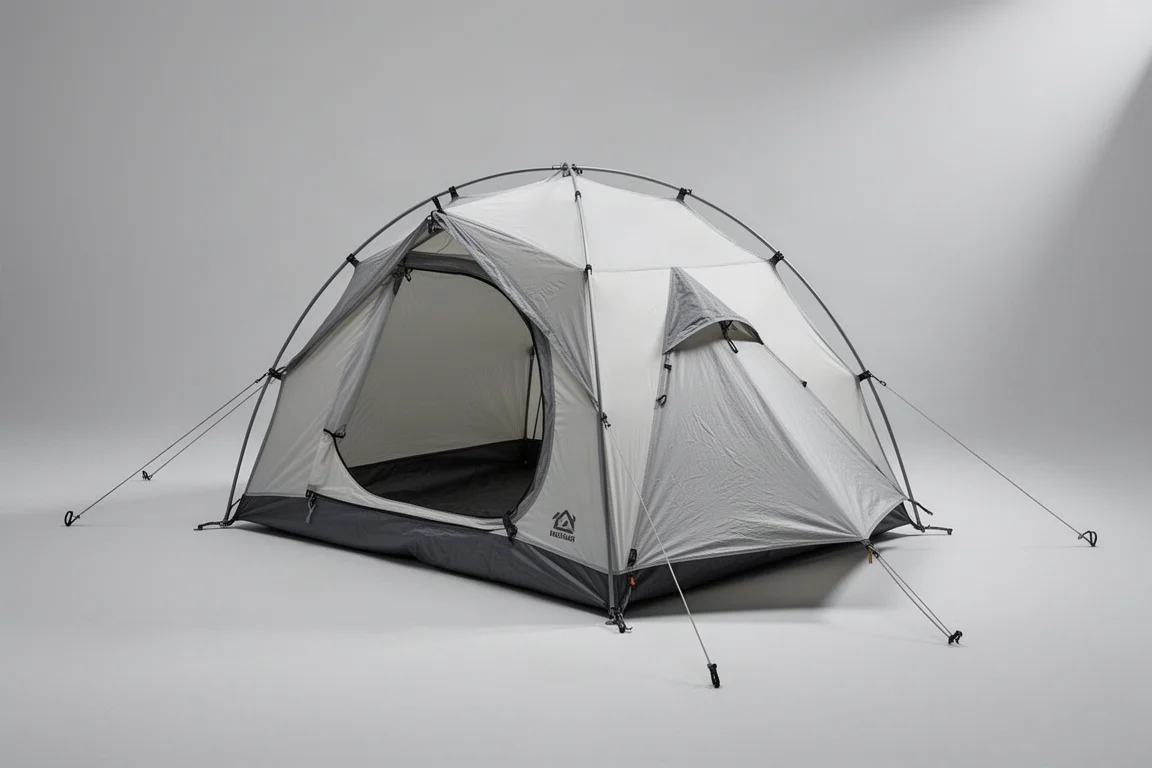
The Granite 2 is one of two two-person tents that make sense at around the same price as the Mountain Ultra. For backpackers who would otherwise carry a 6 lb shelter, the appeal is straightforward: a comparable outlay without committing to the same weight and bulk in the pack. It is a sensible starting point for anyone comparing budget two-person tents who wants the shelter to be reasonable on the back and not only on the receipt.
Naturehike Cloud Up 2 Tent
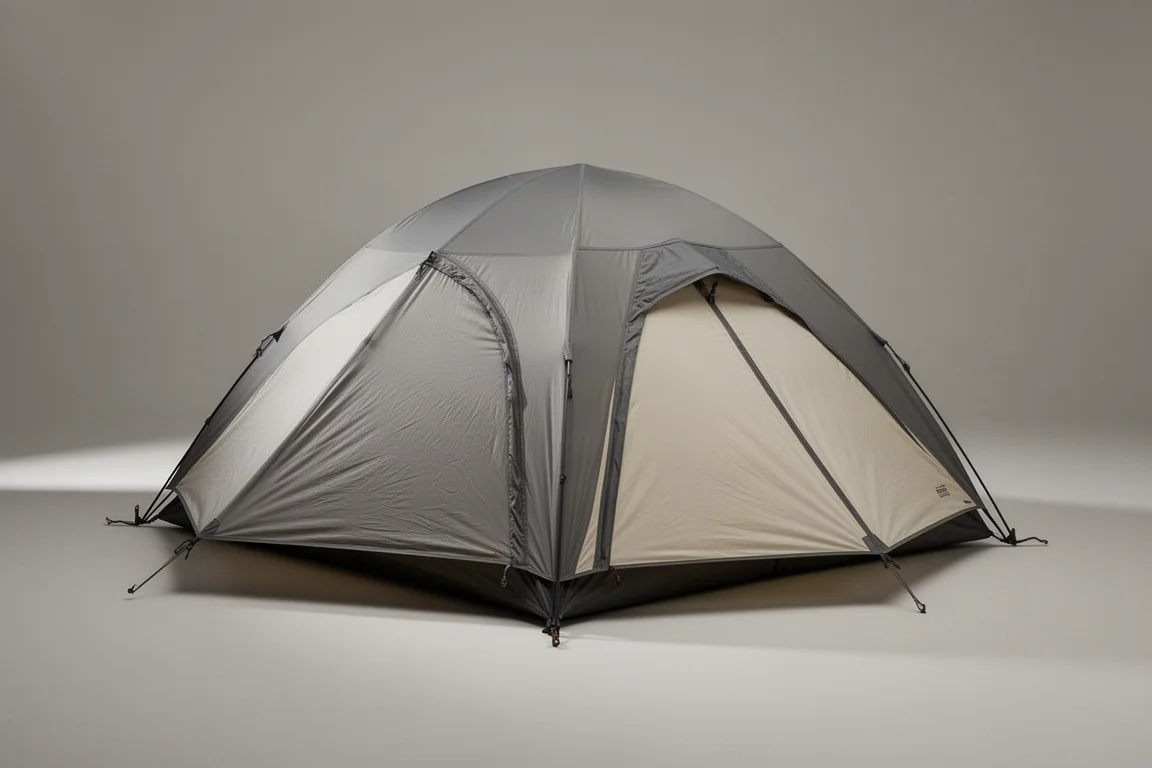
The Cloud Up 2 is the other same-price alternative, and it is the one with the strongest evidence behind it: it was among the best performers in wind testing, which suggests a low price does not have to mean an unstable pitch. That is exactly the balance the Mountain Ultra struggles to strike at 6.1 lb, and it shows that a tent can be affordable, durable, and still reasonable to carry.
Overall Buying Advice
Teton gear is inexpensive in the honest sense of the word, and for car camping it does the job. The $120 tent is tough, the packs are well padded and come with their own rain covers, and the brand’s lifetime warranty adds real reassurance. The same weight-first pattern runs through the rest of the kit, including the sleeping pads and backpacks, and pairing the Teton bag and tent with one of the heavier packs pushes the big three close to 16 lb before a stove, water, a first aid kit, a filter, rain gear, and a jacket are added.
For backpacking rather than car camping, the alternatives are the safer way to spend the same money. Budget around $173 for a down sleeping bag and choose between the Kelty Cosmic 20 and the Featherstone Moondance 25 rather than the Altos. Budget around $120 for a two-person tent and choose between the Featherstone Granite 2 and the Naturehike Cloud Up 2 rather than the Mountain Ultra. At these prices the decision comes down to published temperature ratings and packed weight, and both are things you can check before you buy rather than discover on a cold night.
Conclusion
Cheap does not have to mean bad, but it does mean checking the details a brand is least likely to publish. On the evidence here, the two Teton items in this guide are the ones to approach with caution: a down bag whose loft points to a much warmer rating than advertised, and a durable tent that is simply too heavy for the trail. The four alternatives at similar prices cover the same needs with fewer compromises, which means a first backpacking kit does not have to cost thousands to be worth carrying.
Further reading
Related Reviews

Backpacking Gear
Building a 10 lb Base Weight: An Ultralight Backpacking Gear List
A practical walkthrough of the ultralight pieces behind a 10 lb base weight, from a 765 g pack and a roomy one-person tent to a full camp chair and a dependable water filter.

Backpacking Gear
A 15-Pound Lightweight Backpacking Gear List for Solo Trips
A beginner-friendly 15-pound backpacking setup built from easy-to-find gear, with notes on what each piece does, how it packs, and where to spend your attention.
Backpacking Gear
8 Ultralight Backpacking Gear Upgrades Worth Carrying
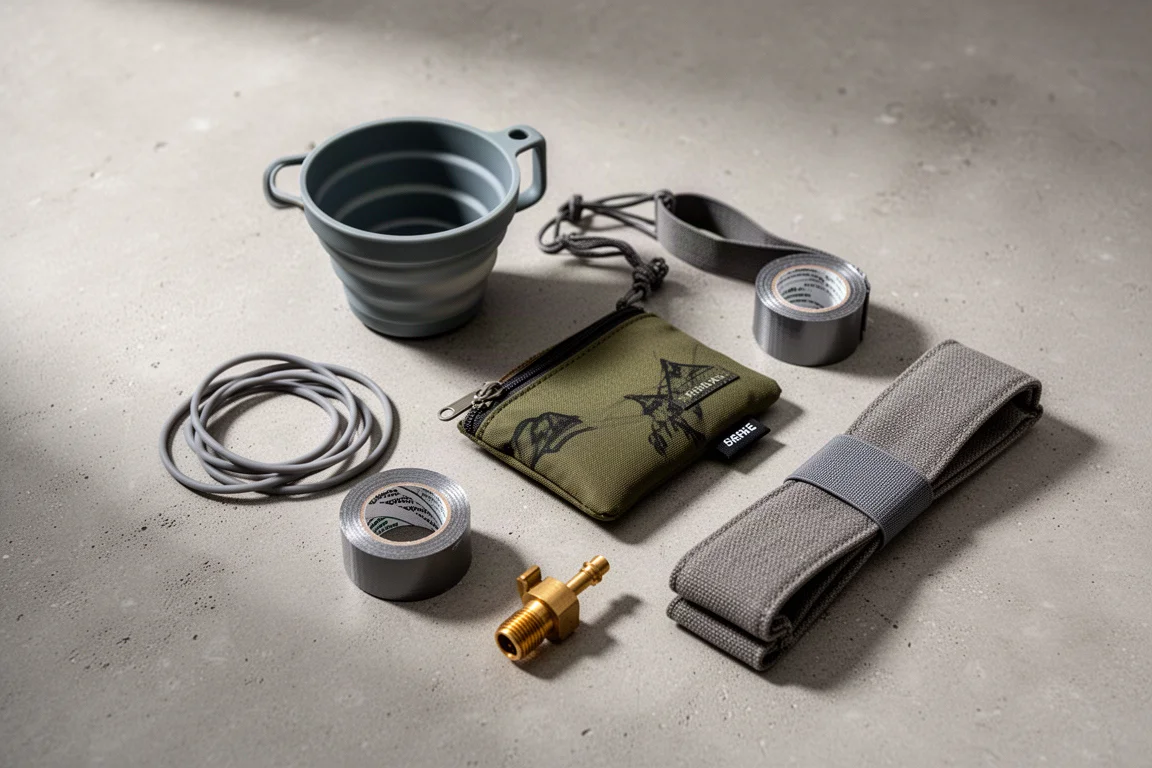
Eight small, affordable backpacking upgrades that solve real trail annoyances, from a pillow that stays put to a fuel valve that rescues leftover canister gas.