Ski Resorts
Terry Peak Review: South Dakota's Surprisingly Modern Ski Resort
A full look at Terry Peak, the tallest ski area between Colorado and New York, covering terrain, lifts, snow, facilities, and whether it earns a stop on a road trip west.
Introduction
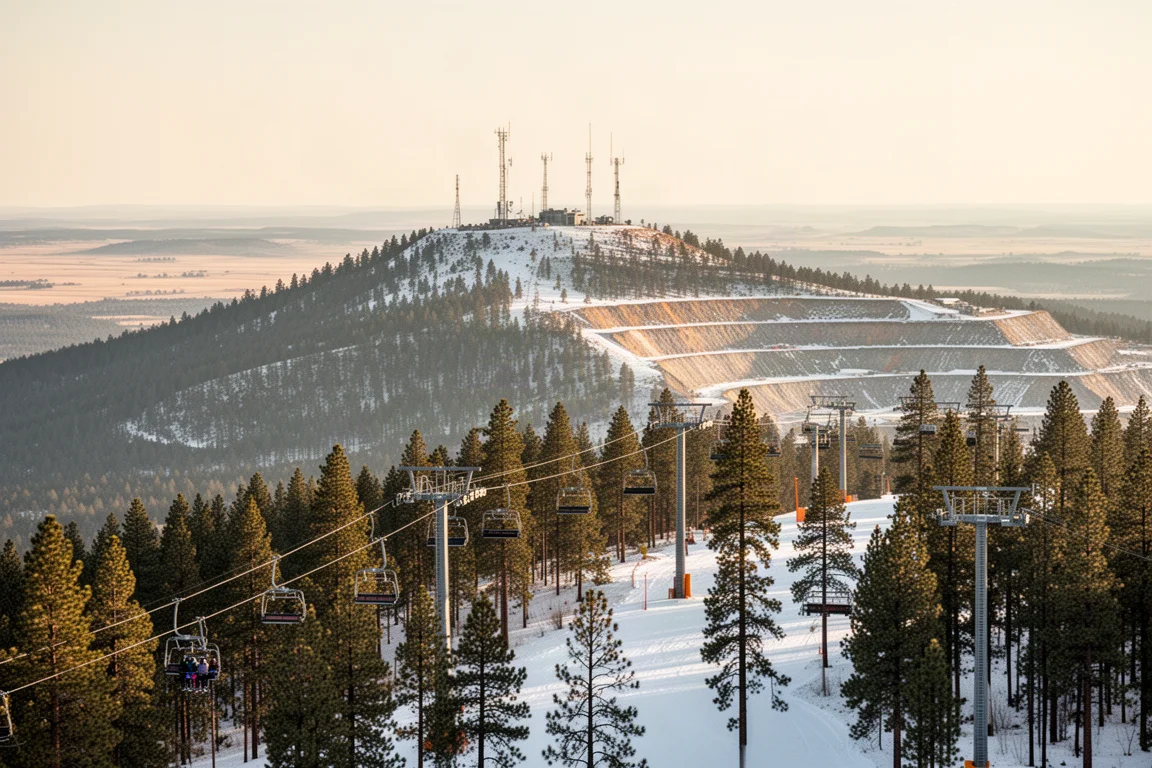
When people picture South Dakota, they picture Mount Rushmore and a lot of grass. What they usually do not picture is skiing. Yet Terry Peak sits in the northern Black Hills as one of the most modern ski areas in what is technically still the Midwest, on one of the most distinctive resort footprints anywhere in the United States. This review covers the overall mountain experience and how Terry Peak stacks up in our ten-category ranking system, and whether it deserves a stop on a road trip toward Colorado.
Who This Resort Is For
Terry Peak is best suited to three kinds of visitors: intermediates looking for a genuinely mountainous ski day in a region of glorified hills, road trippers driving from the Midwest to the Rockies who want a worthwhile stop along the way, and anyone chasing a bit of Old West flavor in their ski vacation. It is also the only public ski area for a few hours in every direction, so many western South Dakota residents learn to ski here.
The Mountain Experience
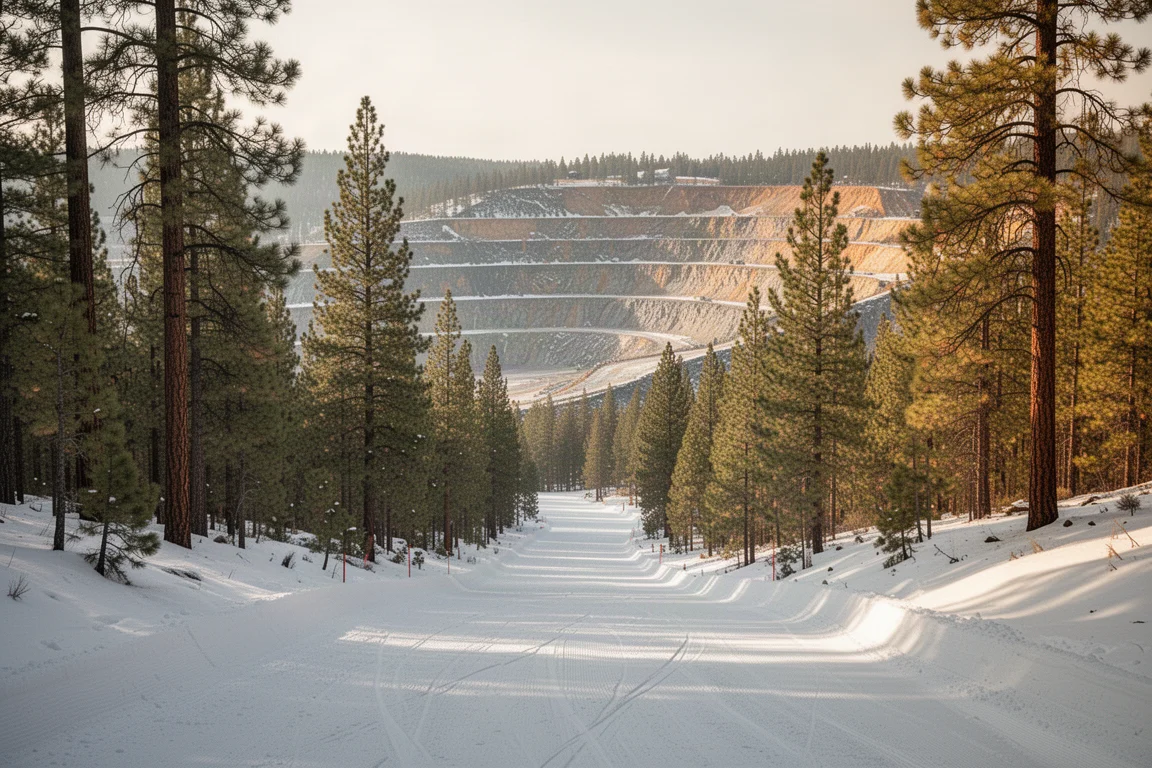
The first thing most visitors notice is the mining influence. The nearby town of Lead, which is not pronounced like the mineral it is spelled after, was home to the Homestake Mine, once the most profitable gold mine in US history. Active open pit operations nearly surround the ski area today. Some parts of the mountain are marked off limits for good reason: straying past the signs could mean a mine shaft or a drop into a railroad cut, and some of these hazards sit next to beginner runs. Staying alert matters everywhere on the mountain.
Terry Peak’s vertical drop is just over 1,000 feet, which sounds modest until you learn it is the tallest ski area between Colorado and New York. The base elevation of 5,900 feet is higher than the summits of every North American ski mountain east of it. While technically a Midwestern ski area by location, it has much more in common with neighboring Wyoming resorts: lighter snow, perennially windy weather, and genuine mountain views.
Terrain Breakdown
The layout is unorthodox. The main lodge sits at mid-mountain, and the longer lifts start below it. The upside is that if a line builds at any of the main lifts near the lodge, you can simply ski down to another chair. The cat track connecting these lifts can get quite flat in places, and nearly all the lifts converge just below the true summit, which is topped by substantial communication towers. The Corcoran pod, the most isolated skiing area, only runs on weekends. One caveat on the runs themselves: apart from trails bordering the mines, neighboring slopes feel relatively similar, with only gradual change across the cone of the mountain.
Lift infrastructure is where Terry Peak genuinely stands out, especially given its isolation. Three high-speed quads serve the mountain, with a fixed-grip triple and a carpet lift holding down the bunny slopes. The main quads provide quick access to the full vertical and typically have short lines. Crowds are rarely a problem across most of the resort, though the beginner area can see queues, since people travel long distances to learn here. The nearby Surprise Quad also serves a few beginner runs as an alternative to the Stewart Triple, though those runs are a significant step up in difficulty.
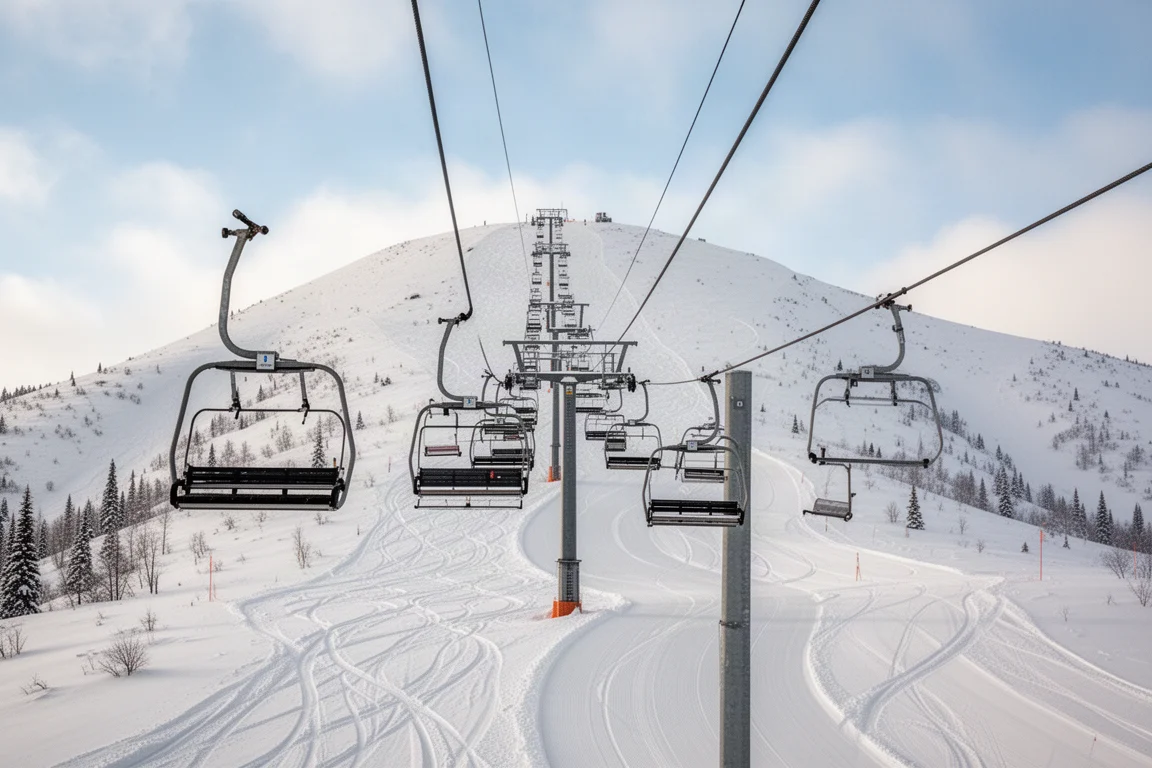
For beginners, the picture is mixed. The resort has a handful of true beginner slopes, mostly clustered around the base lodge, with wide gently sloped terrain that is great for learning but gets old quickly. Other beginner runs cannot be skied without a short section of intermediate terrain, and even the main-mountain green runs funnel to lifts whose easiest routes down start with intermediate pitches.
Intermediates fare much better. Blue-rated runs exist in every pod, mostly as wide groomers, with a few ungroomed slopes and some spots to duck into the trees. Advanced skiers get a varied set of runs, from wide steep groomers to narrow moguls and tight trees, most found off the Corcoran Express lift which spans the entire vertical. They are not the longest runs in the country, but they are the longest between the Rockies and the Appalachians. Expert terrain is limited in quantity but strong in quality: the Avalanche and Blizzard runs and surrounding trees offer steep pitches through narrow tree-defined trails, passing unique mining features including a railroad cut and fenced-off mine shafts. Caution is warranted, as some features are not fully fenced. The single terrain park, with typical rails, boxes, and jumps, is serviceable but not worth a dedicated trip.
Snow, Weather, and Conditions
Terry Peak averages around 100 inches of snowfall annually, above many Midwest ski areas to the east, though it does not match nearby Wyoming. Snowmaking covers more than half the terrain and received an upgrade for the 2025-2026 season. The high elevation and predominantly north-facing slopes contribute to excellent snow retention, but strong winds are common. They can blow snow off wider runs while also creating powder stashes, and the resort is susceptible to wind holds, especially since all main lifts top out at the summit. On a particularly gusty day, much of the resort can close. Off-peak slopes can also be variable in opening.
Facilities and On-Mountain Experience
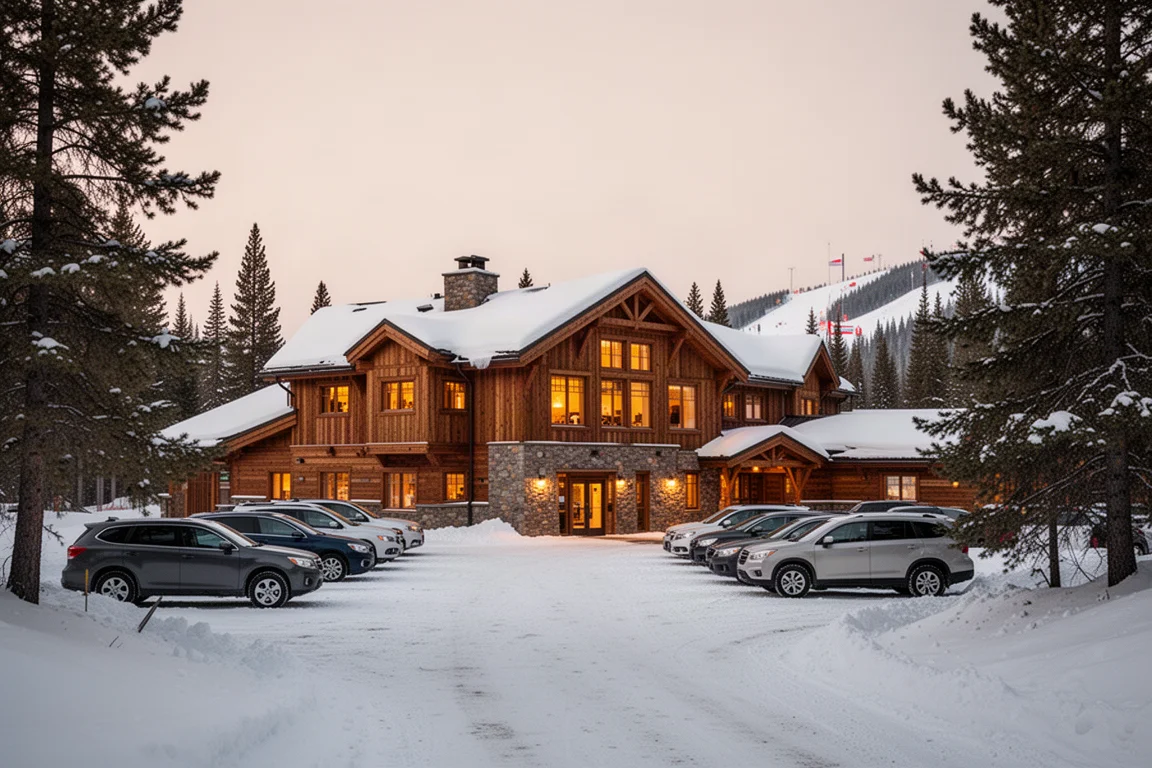
The on-mountain facilities are bare bones but charming, in classic Midwestern fashion. There are two lodges, one at each base area. Stewart Lodge offers the typical experience expected of a mid-sized regional mountain, with rentals, food service, and a bar. Nevada Gulch Lodge, at the base of the Corcoran lift, is a down-to-earth and affordable bar that doubles as a second base area with additional parking and ticket sales.
Food prices are among the most affordable at any ski area in the country, with quality on par with other resorts, making dining a genuine standout. Navigation is a breeze thanks to an intuitive layout, direct lifts, and well-placed signage. A handful of runs, including the BenHur Glades, Avalanche, and Blizzard, require side-stepping or brief hiking, but these are the most expert-oriented areas so most visitors will not notice.
The views are some of the most unique on the continent. Open pit mines fill the foreground, but beyond them the Black Hills open onto the Great Plains stretching for miles to the north and east, and to the south the rocky peaks around Mount Rushmore are visible, though not the presidential faces themselves, which face the wrong way. Bear Butte, a significant cultural site for the Lakota and Cheyenne nations, stands out on the edge of the plains.
Getting There and Where to Stay
Terry Peak is more remote than most resorts of its size, located in the northern Black Hills about an hour from Rapid City, South Dakota. The nearby towns of Lead and Deadwood are lively historic mining towns: Lead has the Homestake Mine, and Deadwood hosts many casinos and bars. The road up is fine for two-wheel drive in normal conditions, though steeper sections may require four-wheel drive after a recent storm.
Parking is available at both base areas and is ample and free no matter when you visit. Ski-in and ski-out lodging exists but tends to be pricey, and there is a small hotel just across the parking lot from Stewart Lodge. For travelers looking to save money or enjoy nightlife, Deadwood is often the better choice, with casino hotel deals that can make a Terry Peak trip surprisingly affordable. The après scene leans toward gambling halls and Old West saloons rather than traditional ski bars, and Deadwood also offers live music venues with performances nearly every night.
Day tickets are quite reasonable, with adult tickets topping out at just $71 for the 2024-2025 season. Terry Peak is also a two-day partner on the Indy Pass, making it a great stop for anyone driving from the Midwest to the Rockies with that pass.
How Terry Peak Scores
Across our ten ranking categories, Terry Peak lands a 5 for snow, a 5 for resiliency, a 3 for size (450 claimed acres with about 375 skiable by our measurements), a 4 for terrain diversity, a 5 for challenge, an 8 for lifts, an 8 for crowd flow, a 4 for facilities, an 8 for navigation, and a 4 for mountain aesthetic. That adds up to an overall score of 53, placing it second in the broader Midwest region. It also notably outscores Ski Cooper in Colorado and comes close to that state’s Monarch Mountain.
Things to Consider Before Going
The combination of fast lifts and limited crowds is hard to find elsewhere in the Midwest, let alone North America, and the footprint is simple to navigate. On the other hand, the strong vertical drop is somewhat offset by rather vanilla slopes, and compared to destinations in the Rockies or even the East, the skiing itself will not be especially flavorful. Wind holds are a real risk, and the beginner offering has gaps.
Conclusion
Terry Peak is really a mix of West and Midwest skiing in one resort: snowmaking and smaller size reminiscent of Minnesota and Wisconsin, with high elevation, mountain views, and high-speed lifts closer to Colorado’s Front Range. For a state not known for skiing at all, it is a solid choice that will not let open-minded visitors down, whether as a bucket-list stop on a plains road trip, a taste of Old West ski culture, or simply the chance to say you skied in South Dakota.
Product link
View more details for Terry Peak Ski Area
This product is mentioned in the review. Check the specifications, options, and compatibility before buying.
View more details for Terry Peak Ski AreaFurther reading
Related Reviews

Ski Resorts
Alyeska Resort Review: Alaska's Largest Ski Resort, Worth the Journey?
A deep look at Alyeska Resort: heavy snowfall, expert terrain, an Icon Pass connection, and the trade-offs of a near-sea-level mountain in the Last Frontier.

Ski Resorts
Bear Valley Ski Resort Review: Northern California's Quiet Sierra Alternative to Tahoe
A lesser-known Sierra resort with over 1,300 skiable acres, surprisingly strong expert terrain, and crowd levels Tahoe can only dream of. Here is what to know before you go.

Ski Resorts
Colorado Ski Resorts Ranked: The Best Destination Mountains for Overall Experience
A ranked guide to Colorado's destination ski resorts, covering terrain, snow, logistics, crowds, and cost so you can pick the right mountain for your trip.