Tents
Terra Nova Starlight 1 Review: A Lightweight Three-Season Tent for Solo Adventures
A close look at the Terra Nova Starlight 1, a 1.12 kg one-person tunnel tent built for backpacking, hiking, and bikepacking, including its strengths, its tight interior, and who should buy it.
Introduction
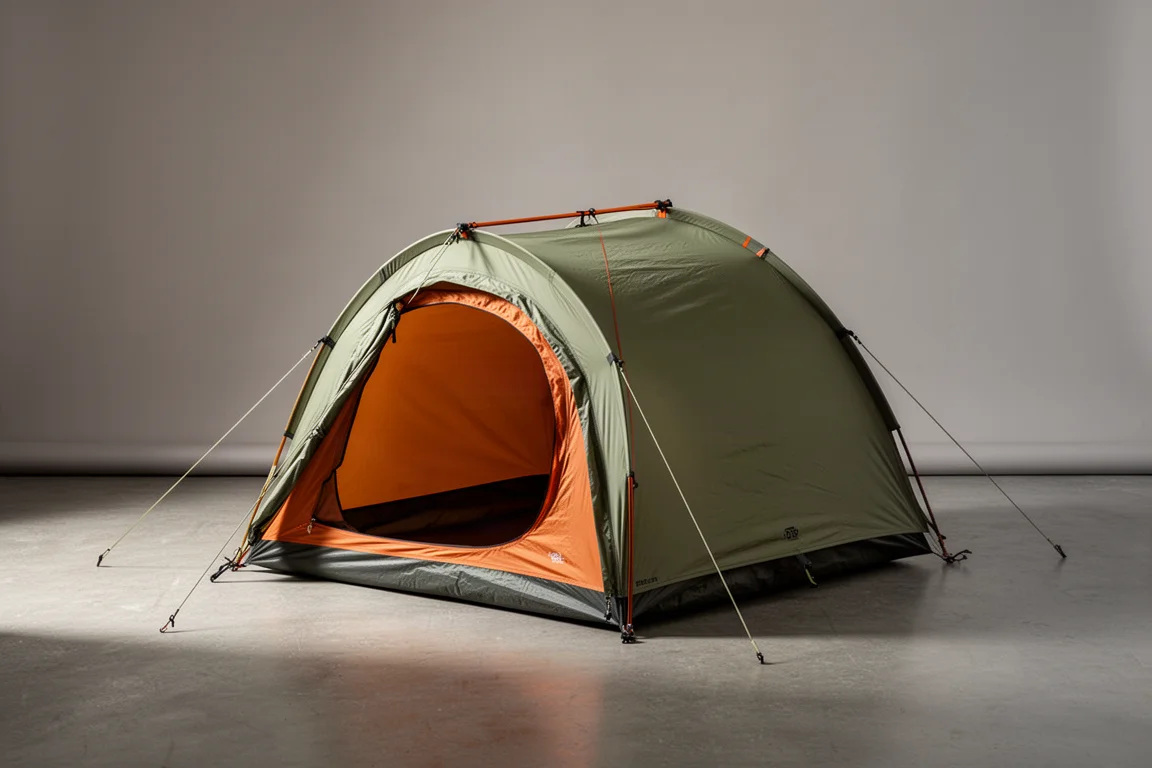
The Terra Nova Starlight 1 is a one-person, three-season tunnel tent built for lightweight backpacking, hiking, and bikepacking. It packs down small enough to slide into a pannier or strap onto a rack, tips the scales at 1.12 kg, and uses a low-profile two-pole design that holds its shape well in exposed, windy ground.
Three-season, in practice, means spring through autumn. That is the window this tent was designed around, and it is the window in which most solo trips actually happen. This review covers what the Starlight 1 does well, where it feels tight, and who is likely to get the most out of it.
Who the Terra Nova Starlight 1 Is For
This is a solo tent, and it is honest about that. The tunnel layout, the low profile, and the compact packed size all point to the same user: one person moving fast and light, whether on foot, by bike, or on a mixed route.
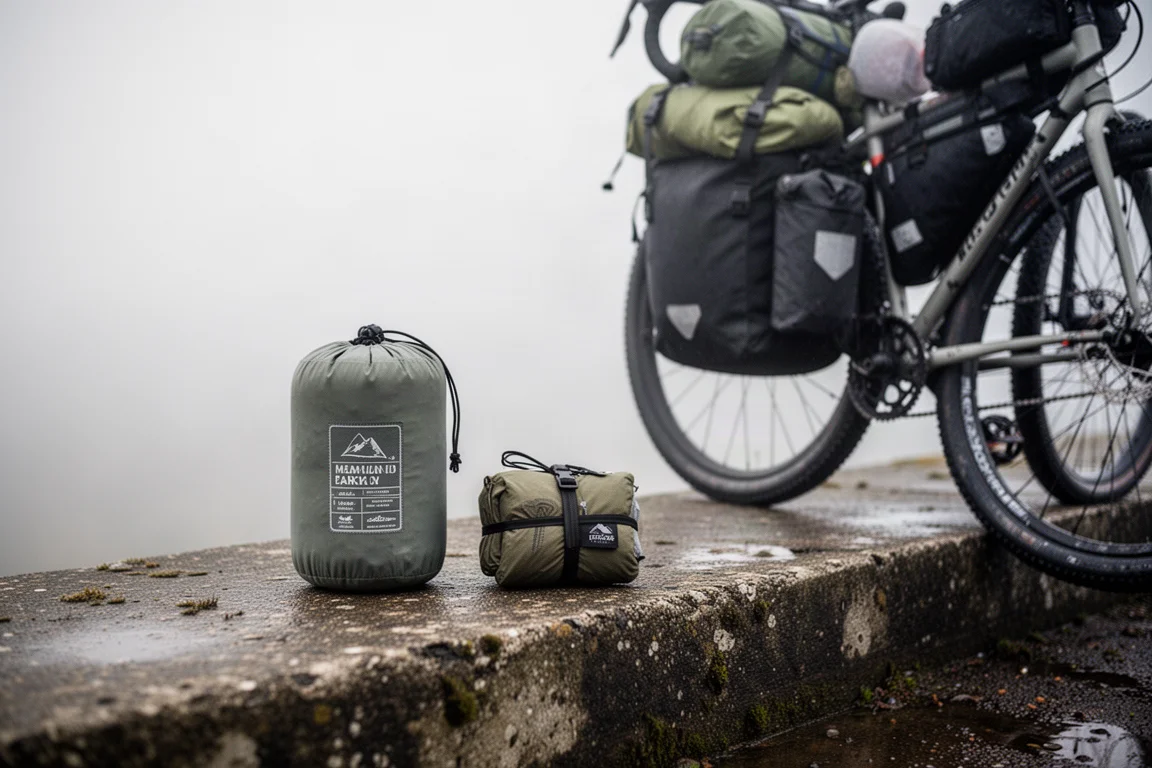
The packed bundle measures roughly 30 cm in length and is narrow enough to disappear into a pannier. That is the reason the Starlight 1 is marketed primarily as a bikepacking tent, and it is a genuinely useful quality if your kit list has to fit around a frame rather than a rucksack.
Terra Nova positions this model for medium-length expeditions, which in real terms means micro adventures of three to five days. It can be pitched with the fly alone or with the inner and outer together, so you can adjust the setup depending on how much weight you want to carry and how much time you want to spend pitching.
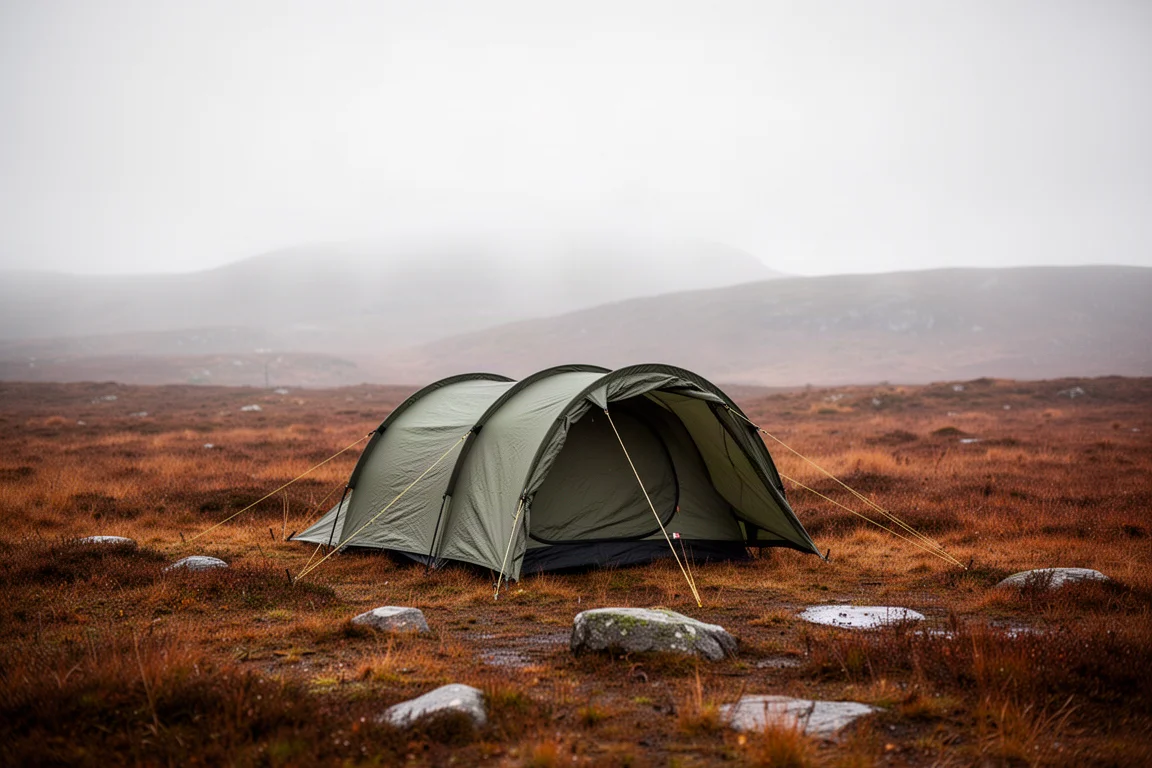
The low tunnel profile also suits anyone who camps in open, exposed places where a taller dome would catch more wind. If you want a tent that blends into a moorland or hillside rather than announcing itself, the muted fly and the low silhouette do that job well.
Main Strengths
The headline strength is the packed size and weight. At 1.12 kg, the Starlight 1 is competitive for a freestanding-alternative solo shelter, and swapping out the supplied pegs for lighter options can bring the total closer to a kilogram.
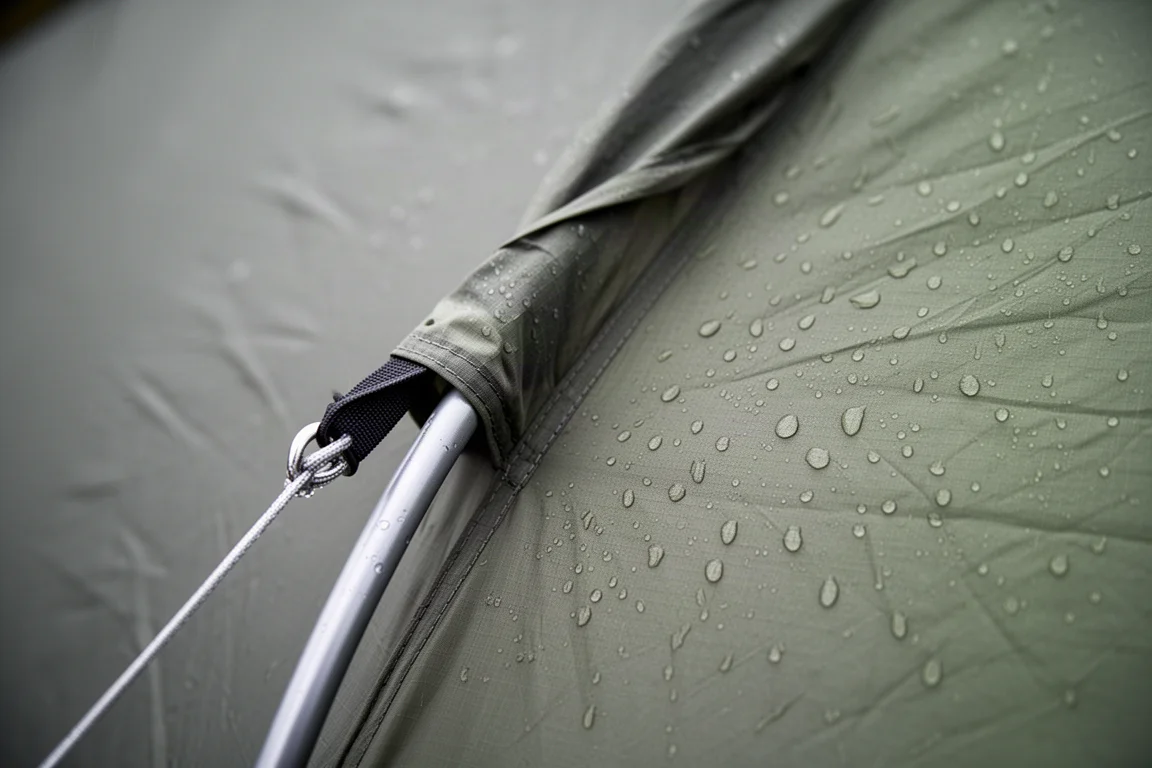
The poles are 8.64 mm reflex poles, which means they are designed with a degree of give so they flex under load rather than snapping. They are also pre-curved, which helps with long-term durability, and they come with a branded repair sleeve in case something does go wrong on a trip.
The guy lines are Dyneema reflective fabric. They are very thin and very strong, and they use classic crocodile clip tensioners, which are quick to adjust with cold hands. A rear guy line pulls out to create a ventilation point at the top of the tent, and two elastic pegging points on the side help maintain an airflow gap between the inner and the outer.
Setup is straightforward. Colour-coded pole sleeves match the blue and red poles, and the whole thing goes up by inserting two poles and pegging out. The tent is not freestanding, so it does need pegging, but the process itself is quick and simple after a long day.
Terra Nova manufactures in the UK where possible, and the brand offers a repair service through its warehouse, which is worth knowing if you expect to keep the tent for several seasons rather than one.
Fabrics, Poles, and Weather Protection
The fly sheet uses a water block ripstop nylon with a hydrostatic head of 3,000 mm. The ripstop weave is there to resist snagging on rock, brambles, and bushes, which matters on a tent that is pitched low to the ground.
The groundsheet is the part that takes the real punishment, so it uses a tighter ripstop weave and a higher hydrostatic head of 7,000 mm. For context, four-season tents often run groundsheets in the 10,000 to 12,000 mm range, so this is a three-season figure rather than an expedition-grade one. It is still a sensible number for spring-to-autumn use, and the bathtub design extends the floor fabric up the sides rather than stopping at the base, which helps if you end up pitched on saturated ground.
The inner is a breathable mesh in a warm orange tone, with fabric on the lower portion rather than mesh throughout. That is a deliberate three-season compromise: enough ventilation for milder conditions without the full mesh build you would expect from a summer shelter.
Living Space and Interior Details
The interior is compact, and the honest answer is that height is the limiting factor rather than length. Sitting up at the highest point, the roof is in contact with the top of the head, so this is a slouchy, lie-down-and-sleep space rather than somewhere to sit upright for hours.
Lengthwise it is more generous. A regular-size inflatable sleeping mat fits with room to spare, and in an emergency you could squeeze two mats in, though it would not be comfortable. There are two sizeable pockets, one on each side, and a small hook at one end that can be used for a short washing line.
The inner can feel floppy even when the outer is pitched as taut as possible. The elastic toggles that attach the inner to the outer can be double wrapped, which tightens things up noticeably, and pulling the two pegging points at either side of the porch front adds tension and a little more headroom.
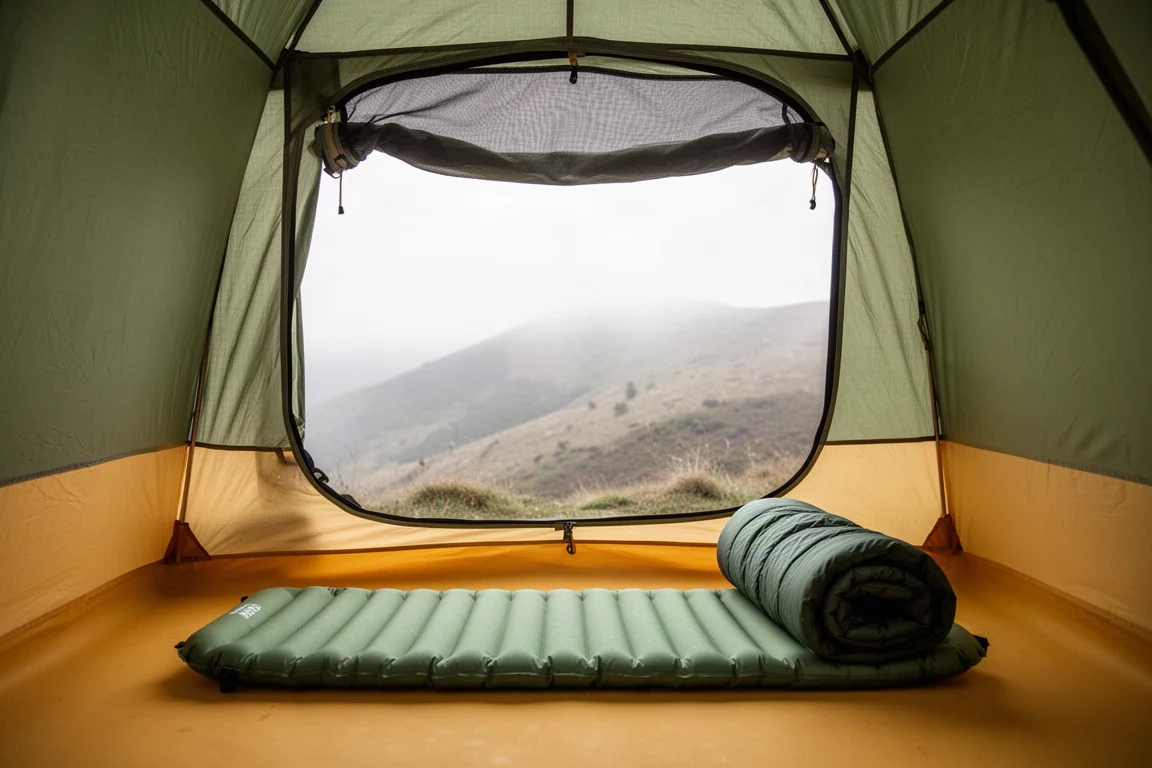
The front porch is the working area of the tent. It has a large door that unzips fully and rolls back, secured by two toggles, plus a rain sleeve over the top so you can open the door for a view without exposing the interior directly to driving rain. A 48 litre rucksack fits in the porch, but it fills most of the available space. There is enough room left for boots and a stove, and that is about it. For cooking and looking out over a view, it works. For lounging, it does not.
Things to Consider Before Buying
The first consideration is size. This is a one-person tent in the strict sense, and in wet weather you will not want to touch the sides of the inner. If you are tall, or you want to sit up comfortably, or you carry a lot of kit, the Starlight 1 will feel too tight.
The second is the floppy inner. It is a characteristic of the design rather than a fault, and the double-wrapped elastic toggles help, but anyone used to a drum-tight inner will notice the difference.
The third is the price. It retails at around £530, which puts it at the top end of the market. That is the reality of a lightweight, UK-made tent with these fabrics and poles, but it is a significant outlay for a solo shelter.
Finally, the pegs. The tent ships with alloy pegs that look like traditional tent pegs. They are reasonably light and they are made specifically for Terra Nova products, but they are easy to swap for V-shaped pegs if you find those easier to handle and drive into hard ground.
Buying Advice
If the Starlight 1 matches your use case, it is a capable and well-made shelter. The key is being honest about that use case: solo trips of a few days, spring through autumn, where packed size and low weight matter more than interior volume.
Before buying new, it is worth shopping around. Terra Nova runs sales fairly often, and buying secondhand through outdoor gear exchange communities is both cheaper and a more environmentally conscious route. There is a large international secondhand market for this kind of kit, so posting a wanted ad is a reasonable first step.
It is also worth thinking about longevity. The poles are designed with flex and a pre-bend to reduce the chance of failure, spare parts and a repair sleeve are included, and the brand will repair gear sent to its warehouse. That combination makes the higher upfront cost easier to justify over several seasons of use.
If your trips are longer than a handful of days, or you know you want space to spread out and sit up, look at something roomier. The Starlight 1 earns its place on weight and pack size, not on living space.
Conclusion
The Terra Nova Starlight 1 is a focused piece of kit. It is light at 1.12 kg, packs down to roughly 30 cm, pitches quickly with two colour-coded poles, and uses sensible three-season fabrics with a 3,000 mm fly and a 7,000 mm groundsheet. The low tunnel profile handles wind well and the Dyneema guy lines with crocodile clips are easy to tension in poor conditions.
The trade-offs are clear and consistent with the design: a tight interior, limited headroom, a porch that fits a pack and boots but not much more, and a retail price around £530. For a solo traveller on short spring-to-autumn trips who values a small pack size above interior comfort, it is a well-considered option. For anyone who wants room to move, it will feel cramped.
Match it to the right trips and it will serve you well for years.
Product link
View more details for Terra Nova Starlight 1
This product is mentioned in the review. Check the specifications, options, and compatibility before buying.
View more details for Terra Nova Starlight 1Further reading
Related Reviews
Tents
Black Dog Instant Setup 5 to 8 Person Tent Review: Fast Pitch, Serious Weather Problems
A quick-pitching Black Dog tent that goes up in seconds, but wet-weather testing revealed seam leaks, an overstated capacity claim, and awkward doors.
Tents
Lightfighter Dragoon Review: An Eight-Person Four-Season Military Shelter
The Lightfighter Dragoon is a 57-pound, eight-person expedition tent built for extreme weather. Here is what its materials, size, and setup demands mean for real buyers.
Tents
Lone Rider Motorcycle Tent Review: A Big Shelter That Stays Dry
A double-wall motorcycle tent with two large awnings, two entry points, and enough interior height to stand up, plus the pack size trade-off to weigh first.