Camping and Backpacking
Camping and Backpacking Gear Wishlist: Six Upgrades Worth Considering
Six camping and backpacking items worth planning for, from two inflatable sleeping pads and a four-season tent to a 510 g camp chair and two pairs of trail shoes.
Introduction
Planning a season of camping and backpacking usually starts with the trips and ends with the kit list. This list started the other way around, with a handful of items that would make every night out more comfortable without turning a pack into a burden.
The six products below cover the four areas where comfort is most often compromised: sleep, shelter, somewhere to sit, and what you wear on your feet. Some are direct alternatives to each other, and a few are simply the next step up from gear that has already done its job.
What These Six Picks Have in Common
Each item here was chosen against the same three filters: pack size, weight, and the conditions it is built for. A sleeping pad that will not fit inside a pack, a tent that cannot handle wind, or a chair that is too heavy to carry are all things that stay at home, and gear that stays at home is not worth owning.
Comfort is the other thread running through the list. Three of the six items exist purely to make camp more civilised, while the footwear is about being able to keep walking comfortably mile after mile.
Weight still matters, and every product here is a compromise in one direction or another. The pads trade warmth against bulk, the tent trades a little weight for four-season strength, and the trail shoes trade long-term durability against a soft, comfortable ride.
Best Sleeping Pad Option: Nemo Tensor
The Nemo Tensor is an inflatable pad built around what the brand calls Space Frame baffles, a construction intended to distribute body weight more evenly and reduce the pressure points that make a night on the ground feel long. It is roughly three inches thick, which puts it firmly in the comfortable category, and it carries a lifetime warranty.
The one caveat is temperature. This pad is rated down to around 0°C, so it suits three-season use rather than winter camping. For anyone sleeping out from spring through autumn, that ceiling is rarely a problem.
Warmer Alternative: Sea to Summit Comfort Plus
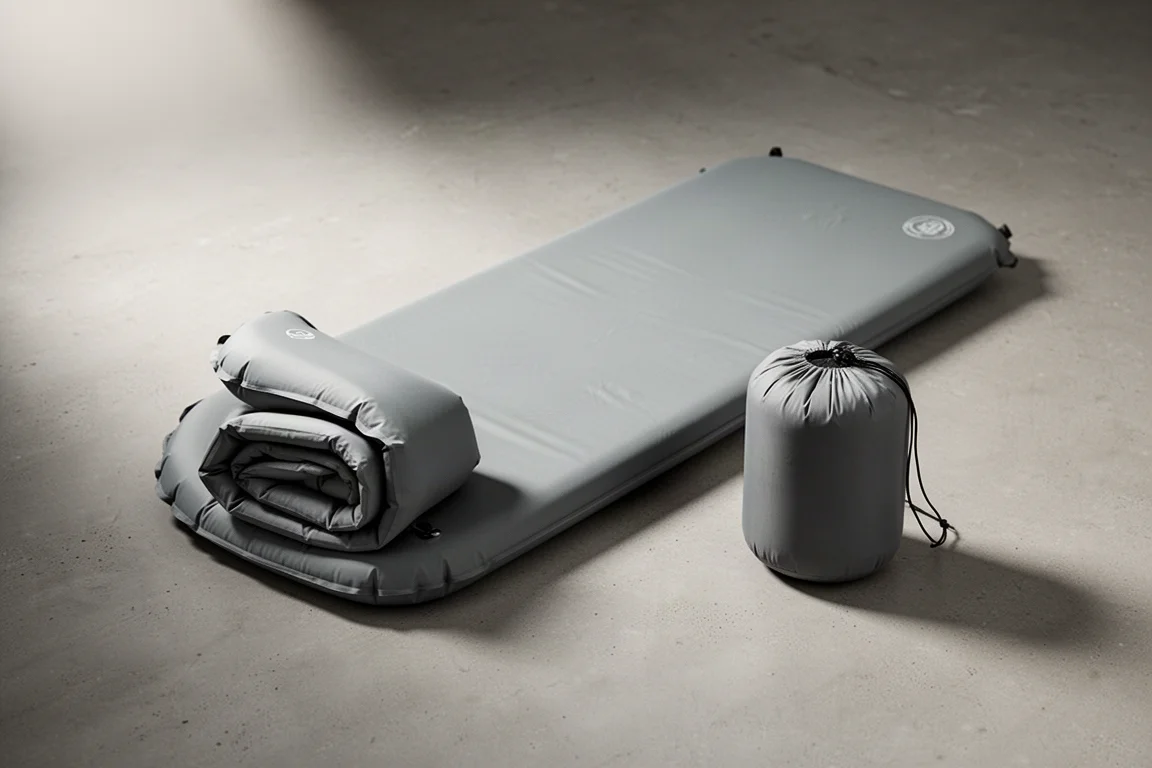
The Sea to Summit Comfort Plus takes a different approach. It is an insulated pad built with Air Sprung Cells, which also spread weight evenly across the surface, and it carries an R value of 4. That rating means it keeps you warmer than the Nemo Tensor and extends the usable season into colder nights.
The trade-off is bulk and weight. The Comfort Plus comes in at around 715 g and packs larger, so it takes up more room in a pack. For anyone who prioritises a warm, comfortable night over a minimal load, that is a reasonable price to pay.
Best Tent: Tarptent Scarp 1
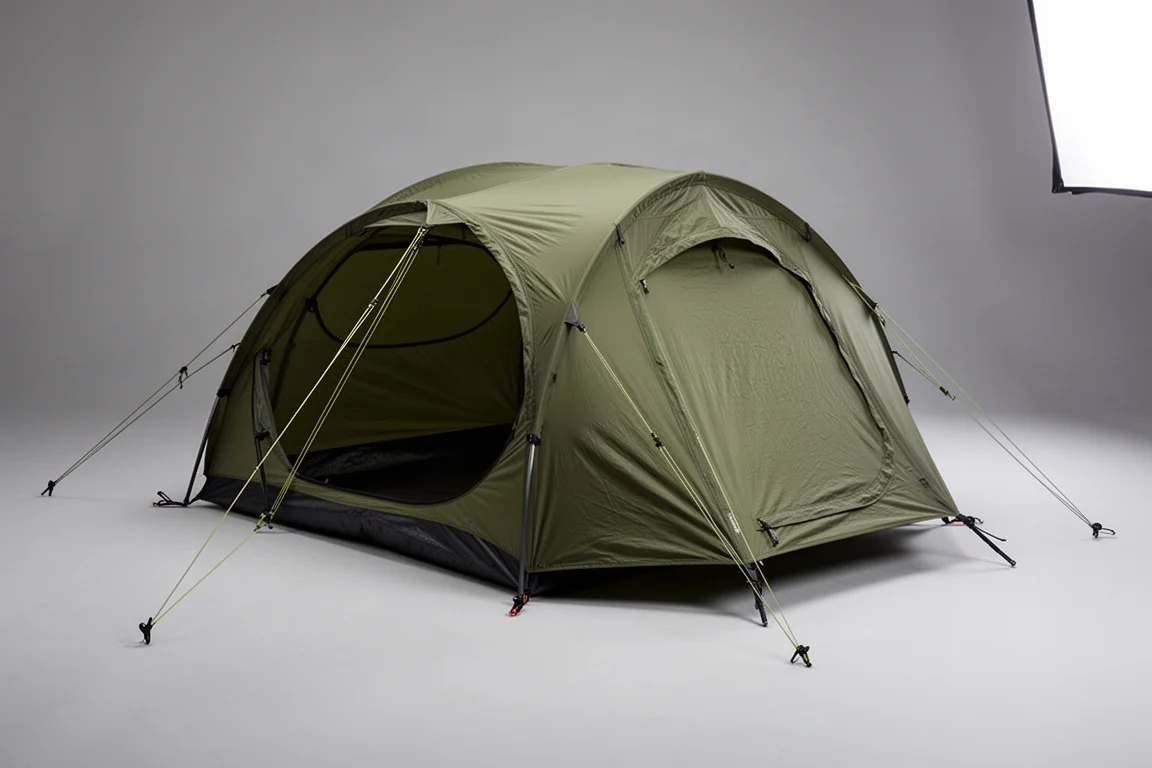
The Tarptent Scarp 1 is a one-person, four-season tent designed for strength. Ventilation options are generous, which matters on still, damp nights when condensation builds quickly, and the solid inner version is particularly well suited to wet and changeable conditions.
Optional crossbows can be added to stiffen the structure further, making it a genuinely capable shelter when the wind picks up. It weighs just over 2 kg, and despite the single-person designation there is enough internal space for two people to sleep close together if needed.
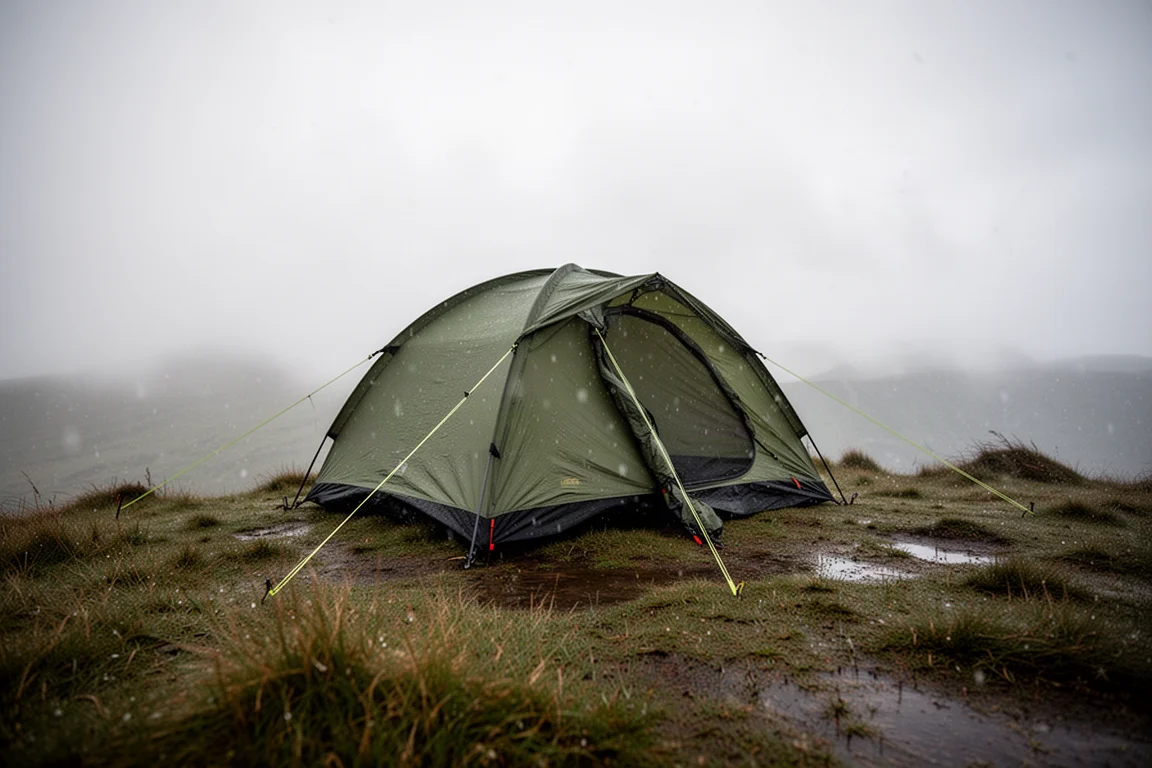
That combination of a strong frame, good airflow, and a solid inner is what makes this tent interesting for anyone who camps in exposed places rather than sheltered campsites.
Best Camp Chair: Helinox Chair Zero
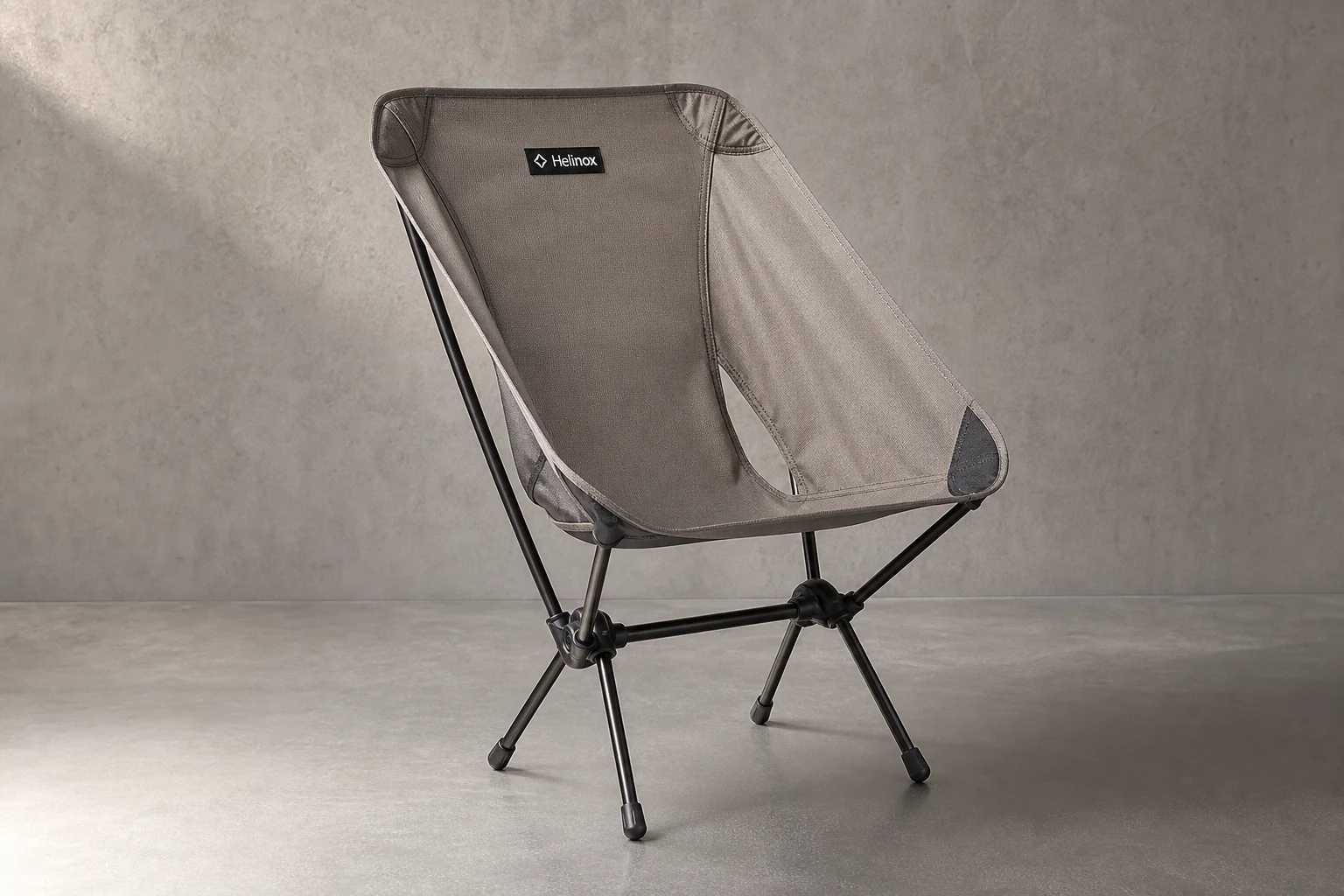
Camp comfort is where the Helinox Chair Zero earns its place. It packs down to roughly the size of a water bottle and weighs 510 g, so it disappears into a pack in a way that bulkier chairs never do. Setup is quick and straightforward.
The frame is rated to a weight capacity of 120 kg. Compared with larger camp chairs it is a more minimal seat, but the difference in packed size is the reason it gets carried at all.
Best Trail Shoe: Salomon Speedcross 5
For long walking days, a lighter shoe makes a real difference. The Salomon Speedcross 5 is a trail shoe that feels comfortable from the first wear, without the breaking-in period that stiff boots demand. That matters on a long-distance charity walk, where brand new footwear and unprepared feet are a painful combination.
This shoe suits mixed terrain and long days on the move, and it is a sensible option for anyone who has already found Salomon footwear comfortable.
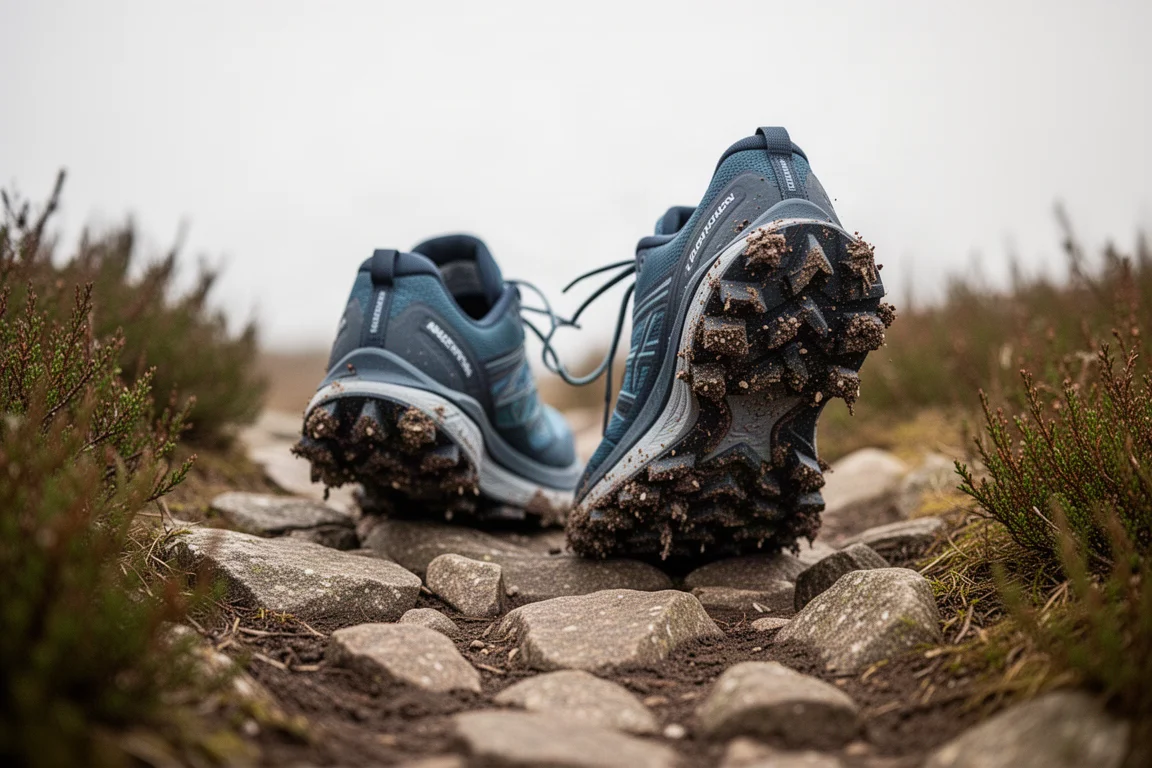
Trail shoes of this type do wear down with heavy mileage, so they are best treated as a consumable part of a walking kit rather than a decade-long investment.
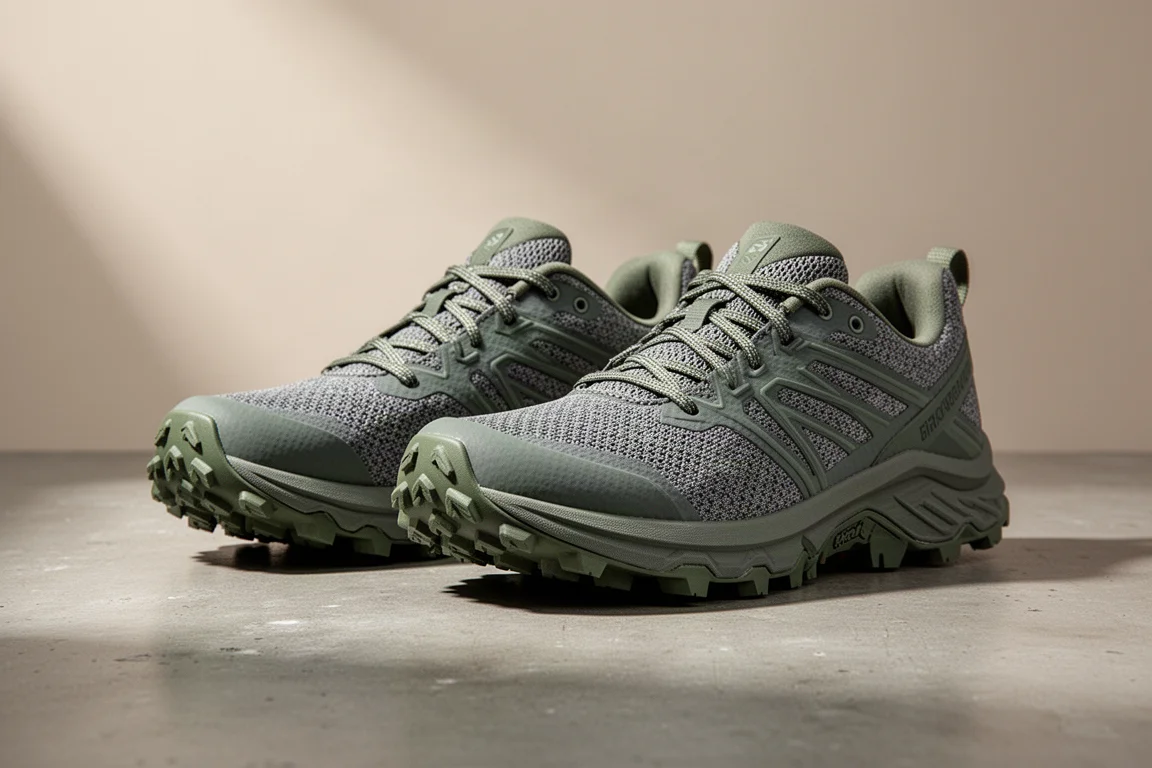
Grippier Alternative: Salomon XA Pro 3D
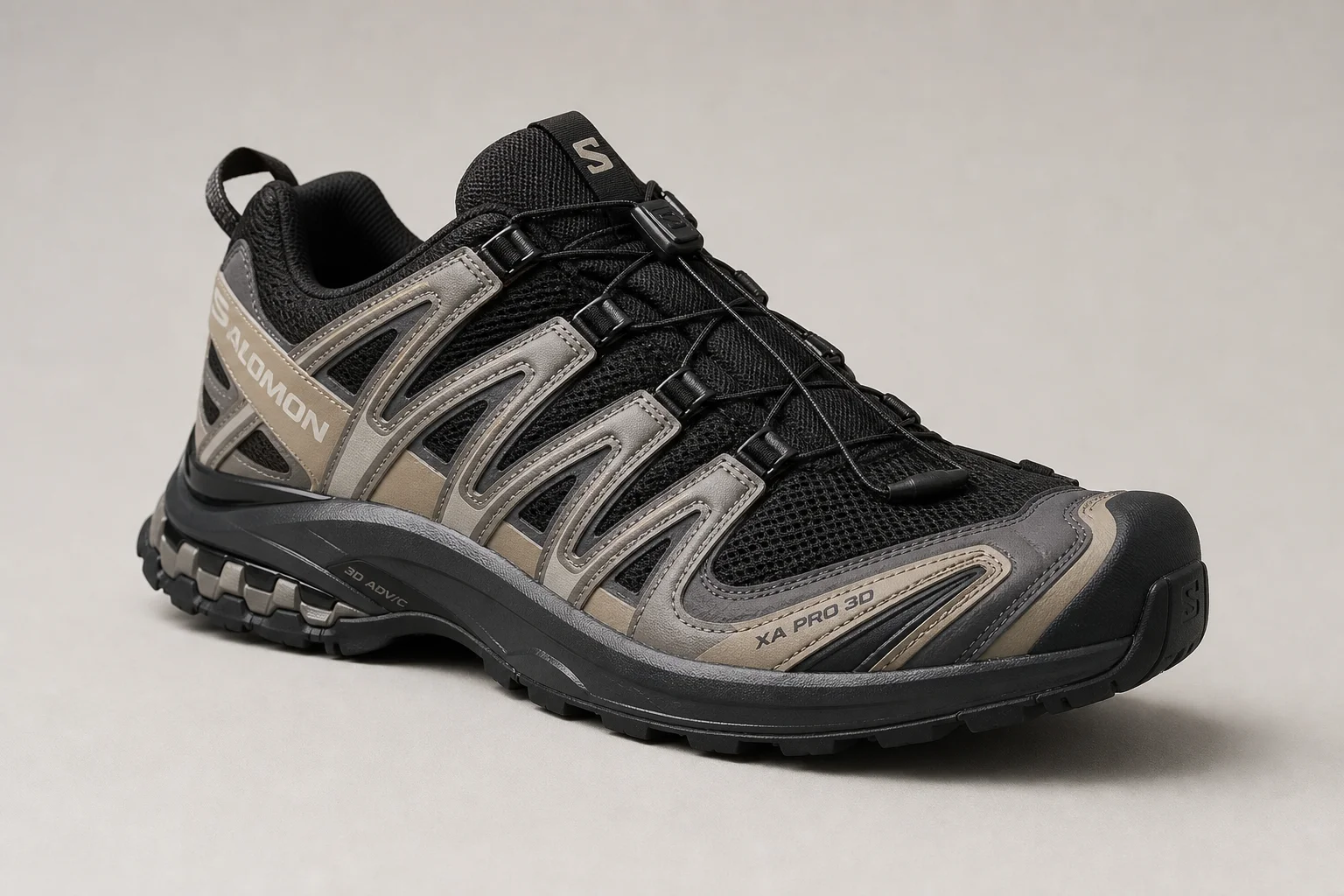
The Salomon XA Pro 3D is the second trail shoe option here. It uses a Gore-Tex construction, weighs around 370 g, and has an outsole that looks well suited to grip on loose and uneven ground.
A waterproof build like this is most at home in wet and cooler conditions, where keeping feet dry matters more than maximum ventilation.
Buying Advice: Matching Gear to Your Trips
The right choice depends far more on where and when you camp than on which product is technically best. Start with the coldest night you expect to sleep through. If that is around freezing, the Nemo Tensor is comfortable and packs small. If you expect frost or simply want a longer season, the R value of 4 on the Sea to Summit Comfort Plus is the safer pick, and carrying around 715 g is a fair trade.
Shelter is the next decision. A four-season tent like the Tarptent Scarp 1 makes sense if you camp on exposed ground or in changeable weather, and the optional crossbows are worth considering if wind is a regular feature of your trips. Weight and pack size then decide the rest: the Helinox Chair Zero only earns its place if you will actually carry it, and at 510 g with a water-bottle-sized pack size, it is far more likely to come along than a heavier chair.
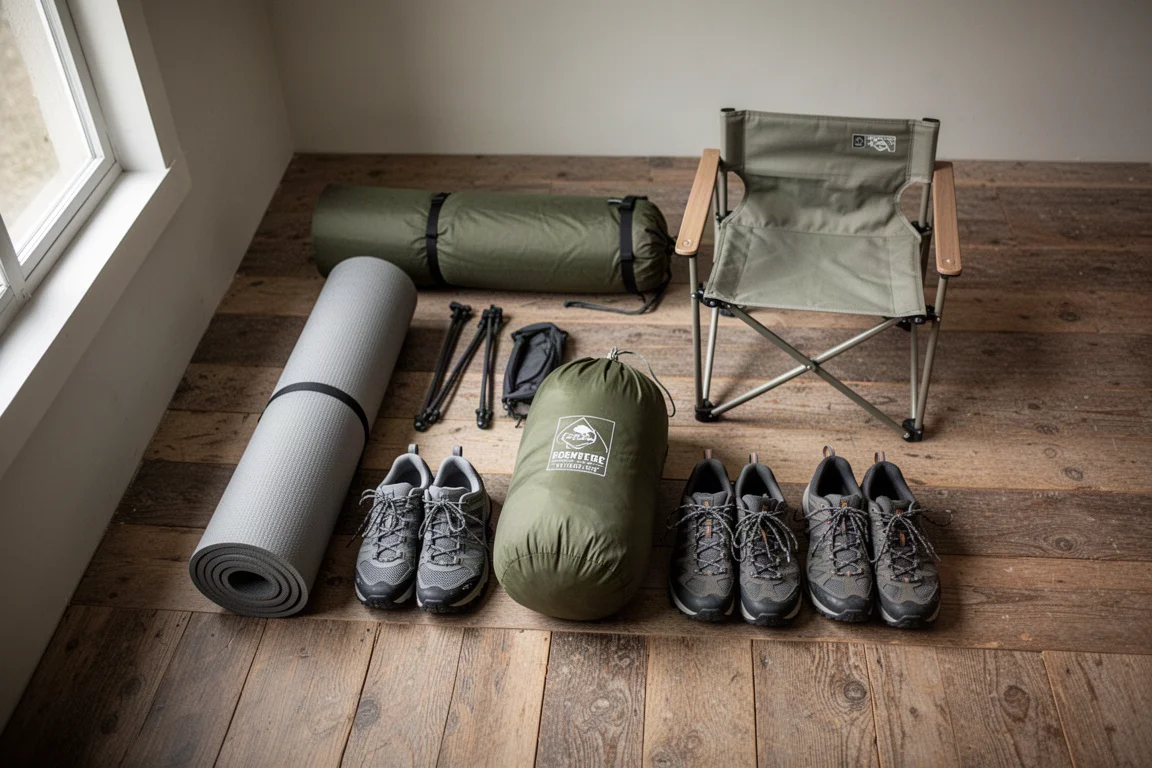
Footwear comes down to terrain and weather. A lighter trail shoe such as the Salomon Speedcross 5 is comfortable for long days on mixed paths, while the Gore-Tex Salomon XA Pro 3D is the better match for wet, cooler conditions. Trying both on before a long walk is the simplest way to avoid the blisters that ruin an otherwise good day out.
Conclusion
None of these six items is essential, but each one removes a specific irritation: a cold, uncomfortable night, a tent that struggles in wind, nowhere to sit at camp, or feet that hurt halfway through a long walk. Longer trips across the UK and further afield also become far more realistic when the gear is light enough and small enough to travel well.
Buy for the conditions you actually camp in, accept the weight or bulk trade-offs that come with extra comfort, and the gear will earn its place in the pack.
Further reading
Related Reviews
Camping and Backpacking
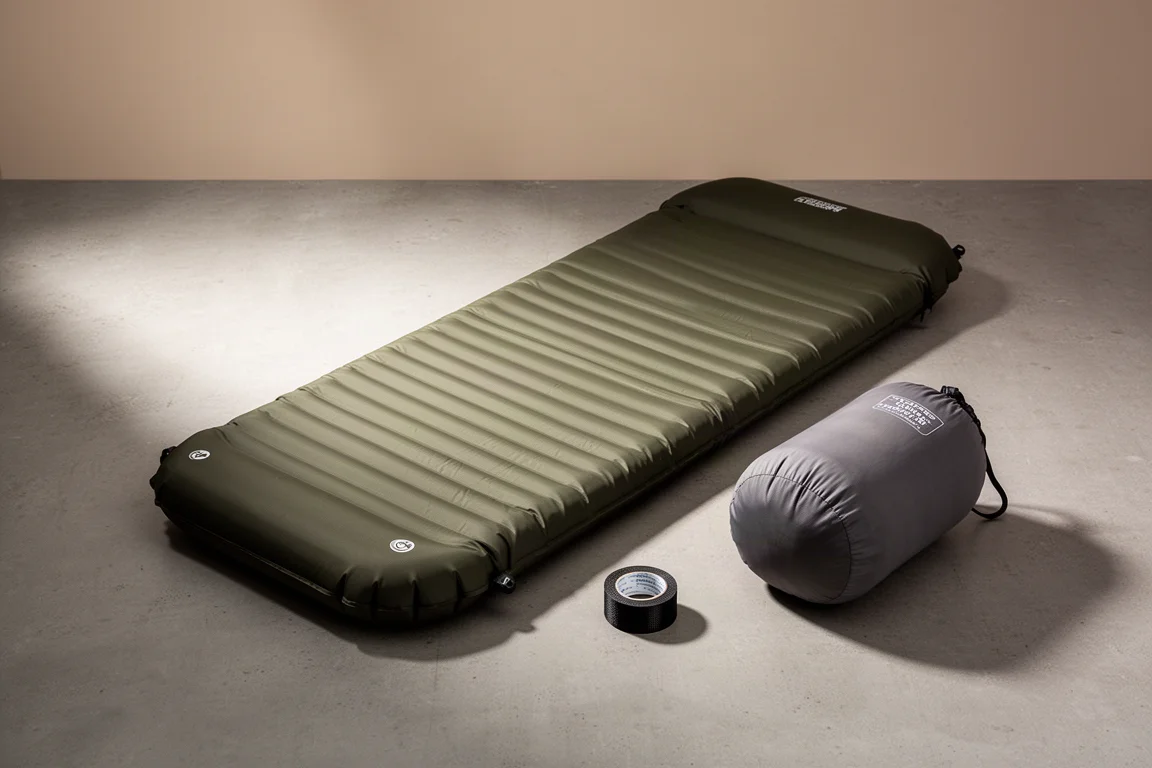
Backpacking Sleep System Mistakes: 7 Fixes and Two Gear Essentials
The sleep system mistakes that lead to cold, sleepless nights outdoors, plus two low-cost pieces of gear that solve two of the biggest ones.
Camping and Backpacking
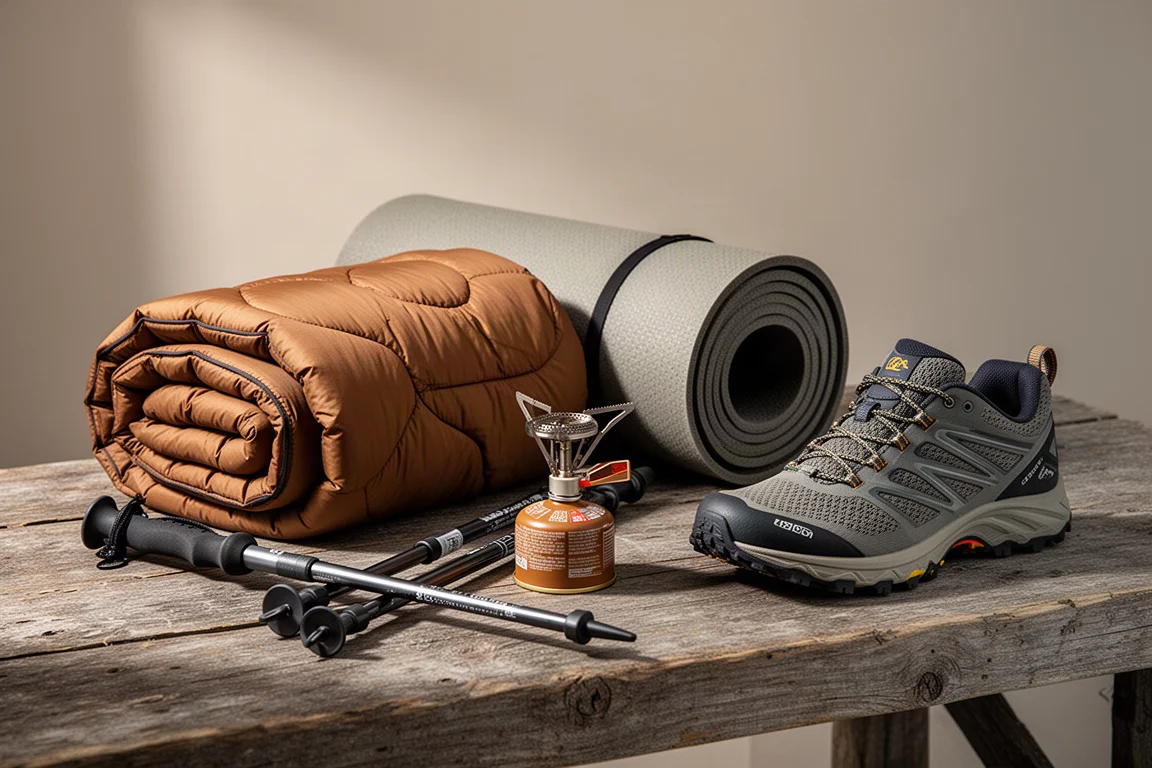
12 Camping and Backpacking Gear Upgrades Worth Buying Sooner
A practical roundup of quilts, sleeping pads, trekking poles, navigation tools, stoves, backpacks, and trail runners that make backpacking lighter, warmer, and more comfortable.
Camping and Backpacking
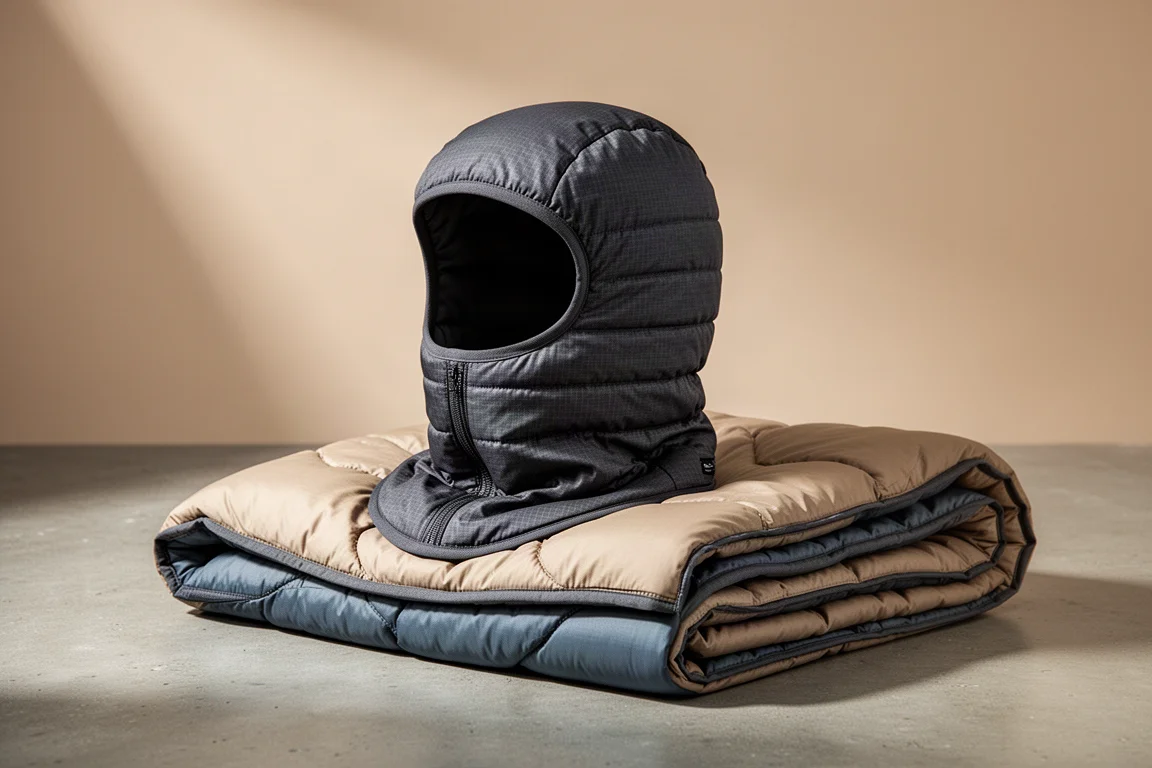
Outdoor Vitals Loftek Hybrid Hood Review: The Missing Piece for Top Quilt Sleepers
A lightweight insulated balaclava built for top quilt users, with hybrid synthetic and down insulation that keeps its loft when your breath soaks it.