Camping and Backpacking
12 Camping and Backpacking Gear Upgrades Worth Buying Sooner
A practical roundup of quilts, sleeping pads, trekking poles, navigation tools, stoves, backpacks, and trail runners that make backpacking lighter, warmer, and more comfortable.
Introduction
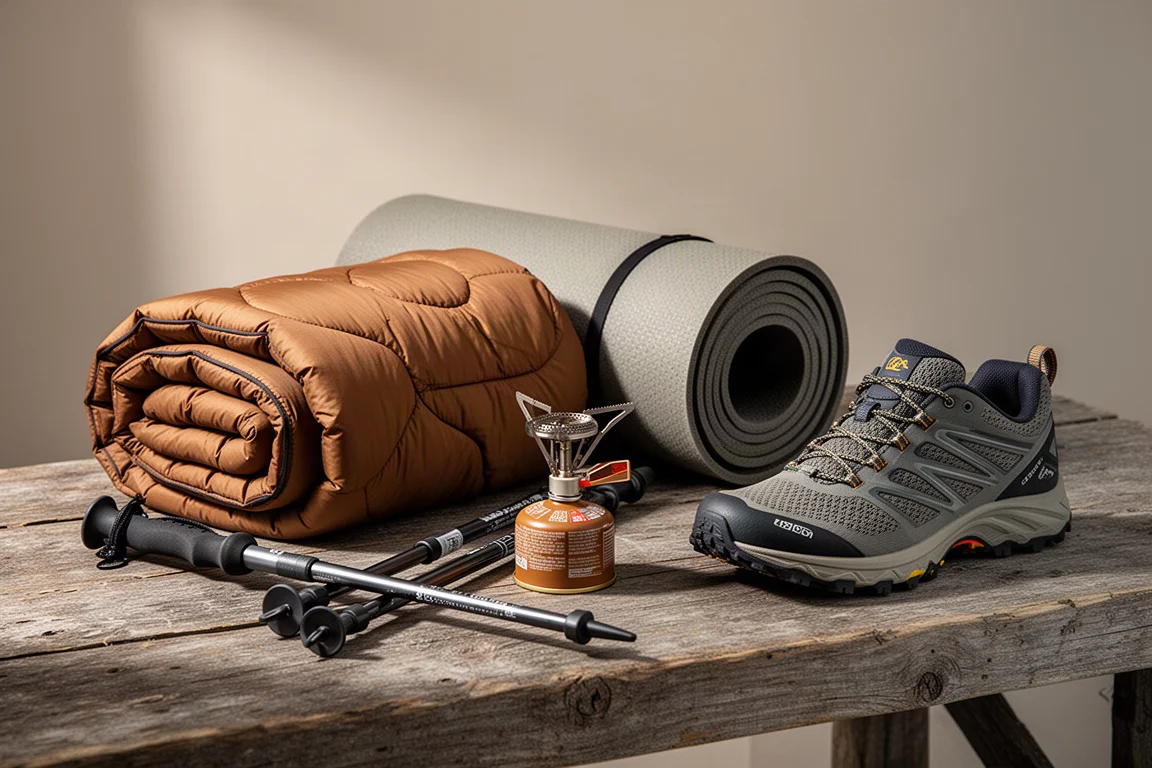
Backpacking gear evolves slowly, and some upgrades only make sense after you have spent enough nights out to understand where weight, warmth, and comfort actually matter. The items in this roundup are not novelty purchases. They are the pieces that consistently earn their place in a pack because they solve real problems on the trail. From sleep systems that save weight without sacrificing warmth to navigation tools that keep you on public land, each entry here represents a practical improvement that many hikers wish they had made sooner. The focus is on gear that makes trips lighter, warmer, and more enjoyable, with clear trade-offs to consider before you buy.
Quilts: Lightweight Sleep Systems
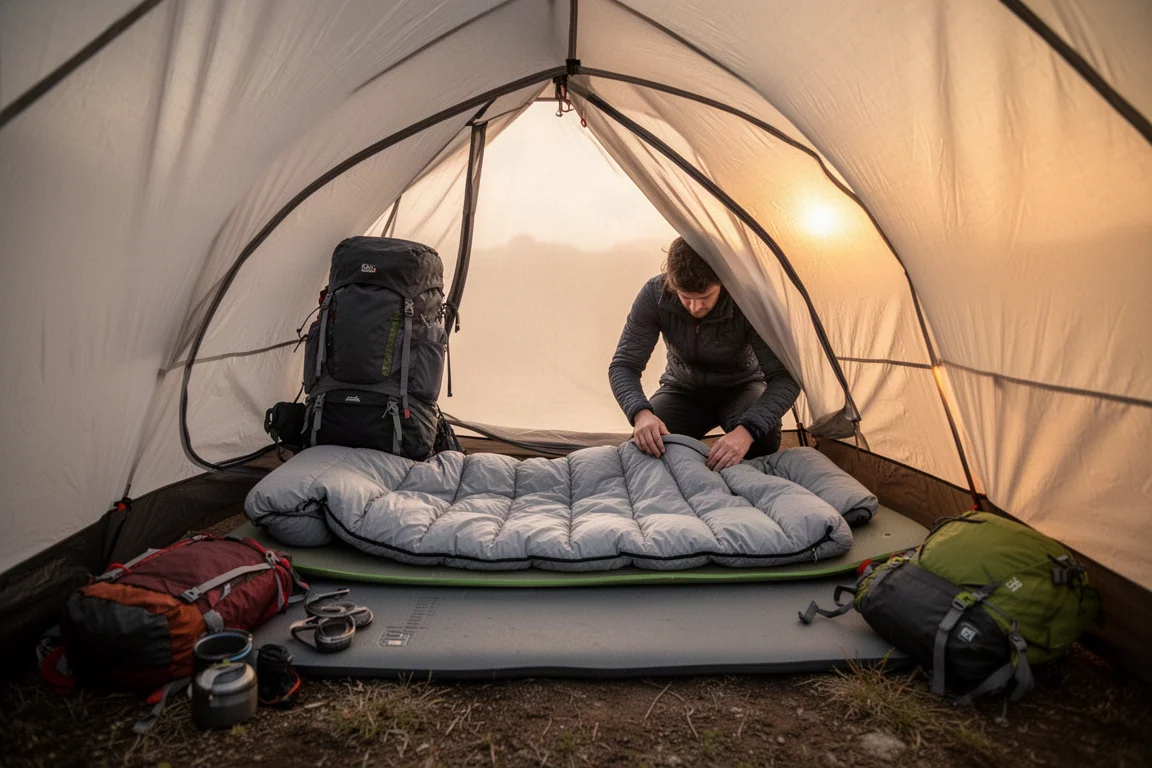
A quilt is essentially a minimalist sleeping bag without a back panel. The logic is simple: insulation compressed underneath your body does not keep you warm, so a quilt eliminates that dead weight and relies on your sleeping pad for bottom insulation. This design can be just as warm as a traditional bag while being lighter and often less expensive. Quilts also suit side sleepers well because they function more like a blanket. The main drawback is the potential for drafts if the quilt is not strapped down properly, which is why some backpackers still choose a full sleeping bag for extreme cold. For most three-season trips, a quilt is a smart way to cut weight without giving up comfort.
Outdoor Vitals StormLoft Quilt
The Outdoor Vitals StormLoft Quilt is a strong minimalistic option for backpackers who want to reduce pack weight and bulk. It delivers the core benefits of a quilt design: lightweight construction, efficient warmth, and the freedom to move without feeling restricted. For anyone transitioning from a traditional sleeping bag, this quilt is an accessible entry point that keeps the essentials simple.
Zenbivy Light Bed
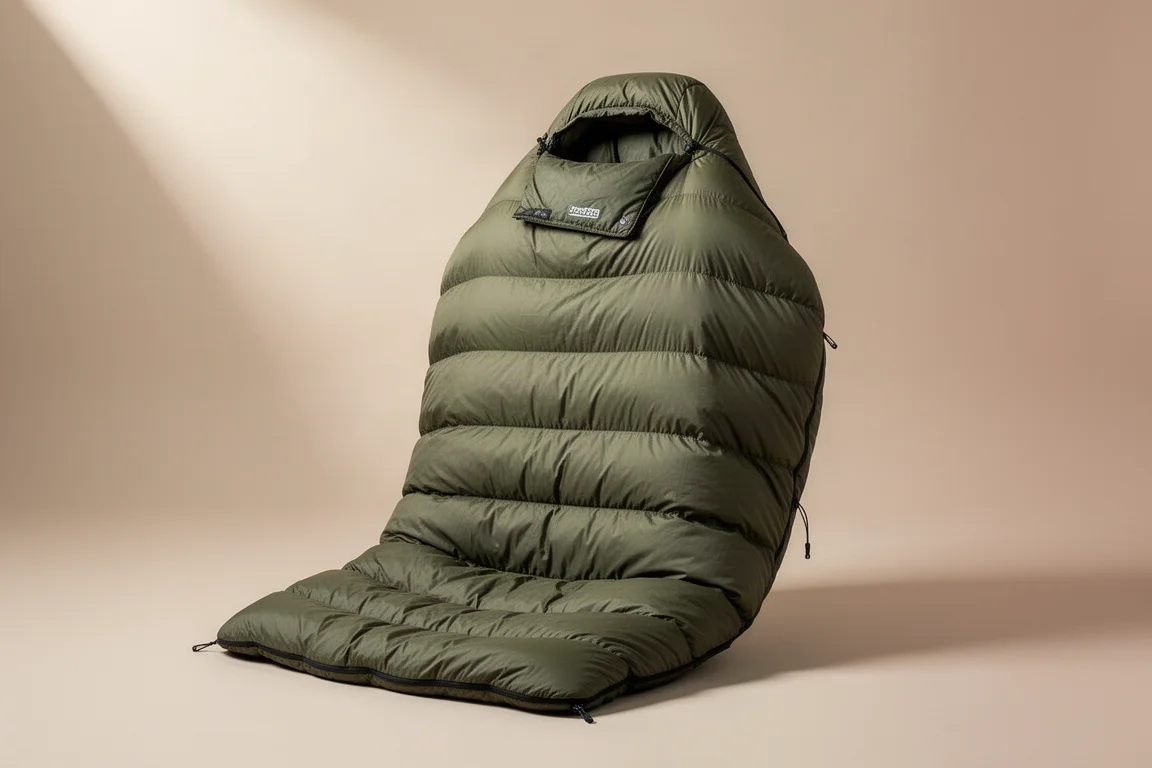
The Zenbivy Light Bed offers a bit more comfort than a bare-bones quilt, with a design that adds a small weight penalty in exchange for a more bed-like feel. It is a good choice for campers who want the weight savings of a quilt but prefer a sleep system that feels more familiar and forgiving. The extra comfort can make a meaningful difference on longer trips where rest quality matters.
Sleeping Pads: The Warmth Beneath You
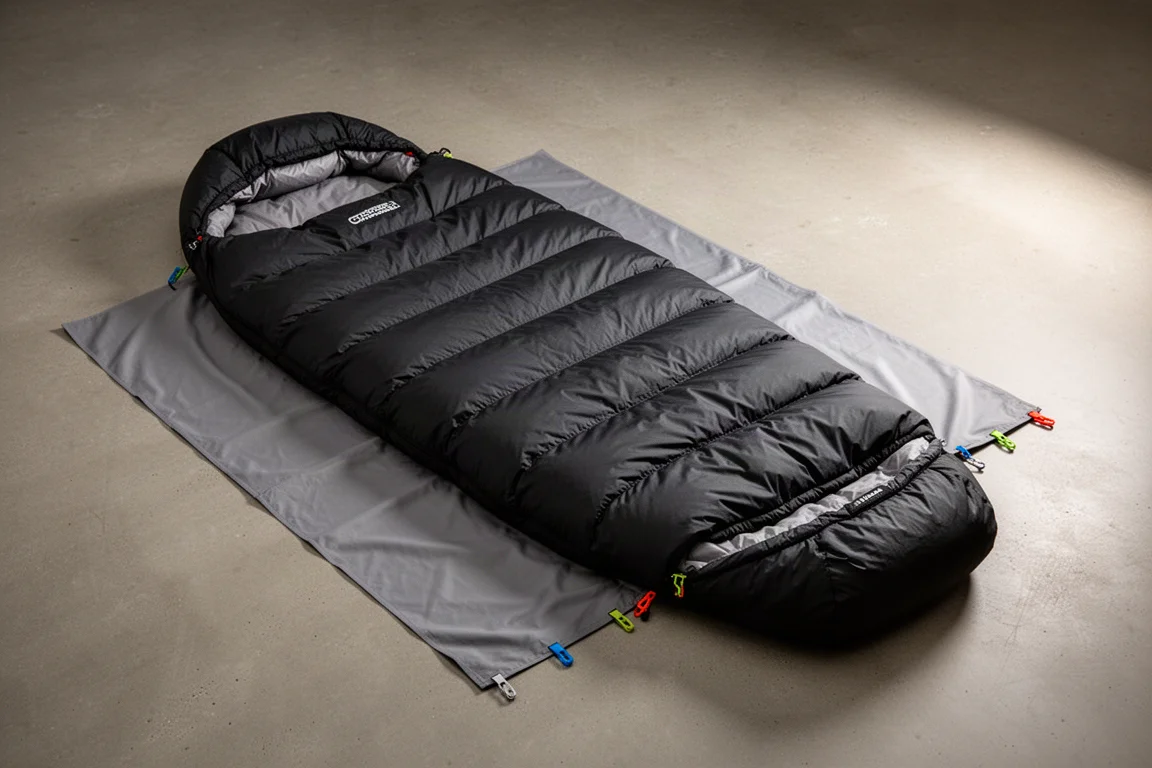
A sleeping pad is not just about cushioning. If you are using a quilt, your pad becomes the primary source of insulation underneath you. Cold ground will pull heat out of your sleep system, so the pad needs a high R-value to match the insulation rating of your quilt or bag. For colder nights and fringe seasons, look for a pad rated around R-4 or higher. Comfortable, warm sleeping pads tend to cost more, so it is worth treating this as a long-term investment rather than a place to cut corners.
Nemo Tensor
The Nemo Tensor is a comfortable and lightweight sleeping pad that provides reliable insulation for three-season backpacking. It balances packability with a supportive feel, making it a practical choice for hikers who want warmth without a lot of bulk. The Tensor is often recommended for its combination of comfort and reasonable weight.
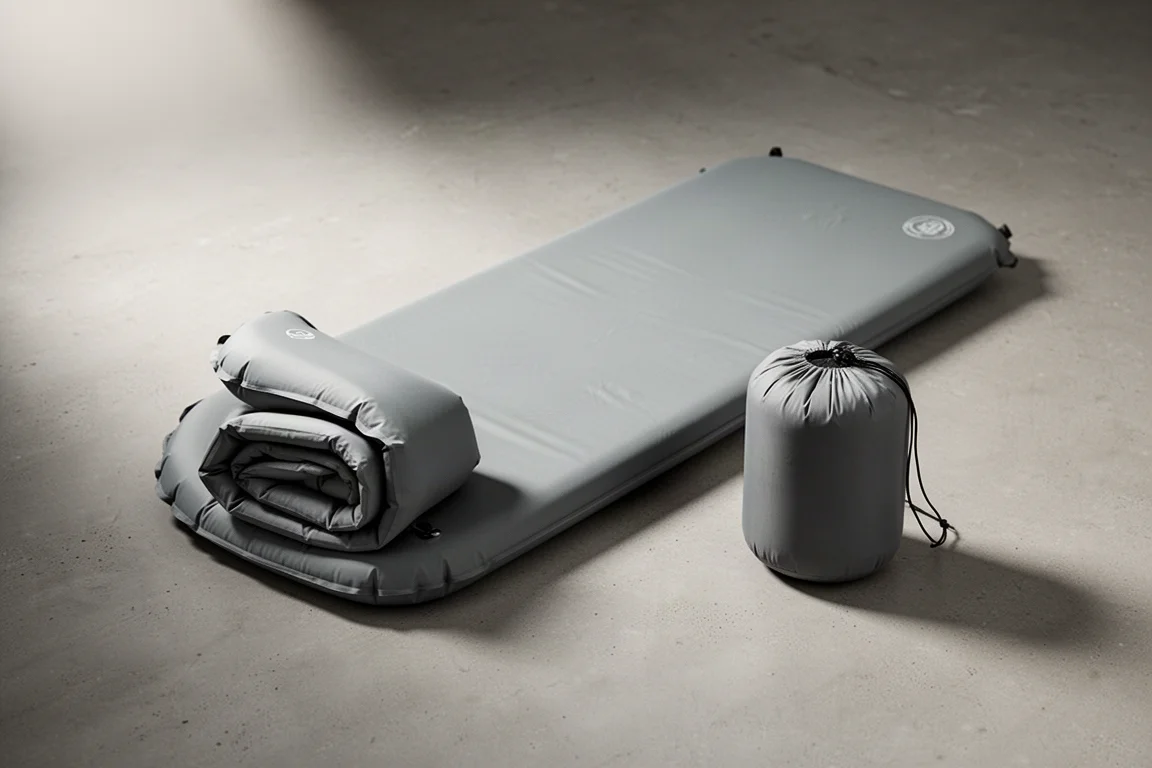
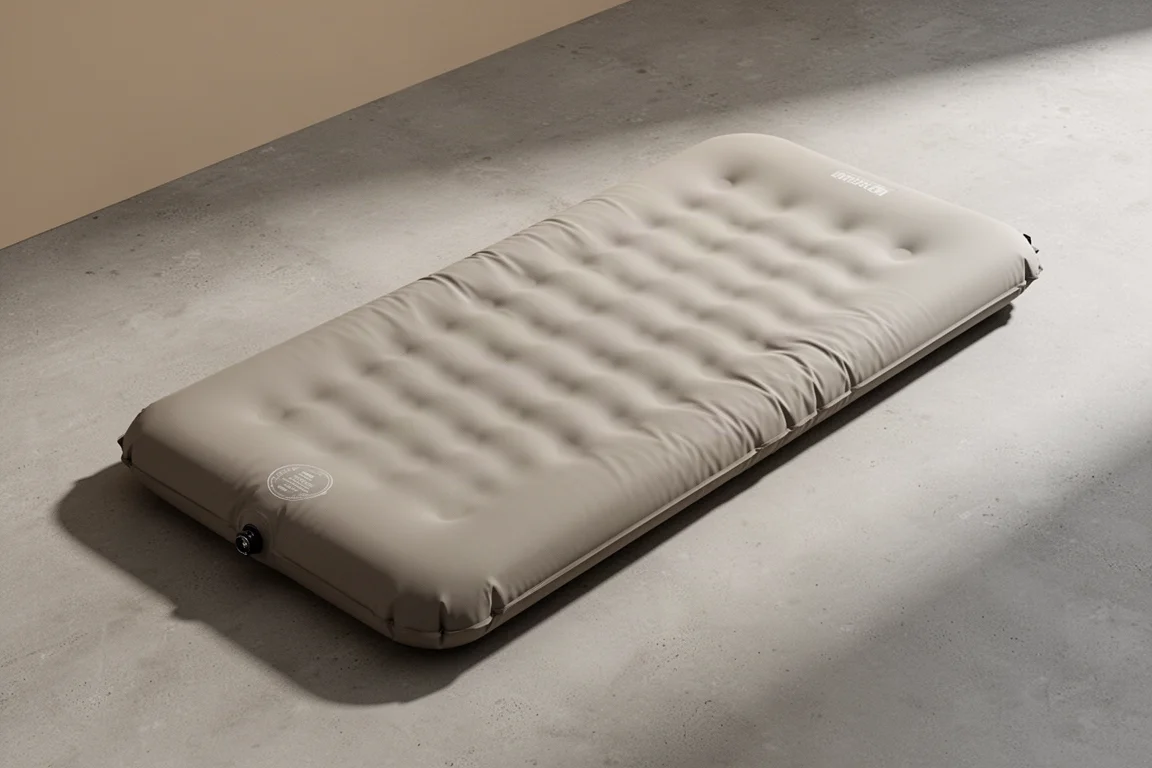
Big Agnes Rapide
The Big Agnes Rapide is another strong option for backpackers who prioritize warmth and comfort. It is designed to deliver the insulation needed for colder nights while remaining light enough for multi-day trips. Like the Tensor, it is a pad that supports the use of a quilt by providing a solid thermal barrier between you and the ground.
Fizan Compact Trekking Poles
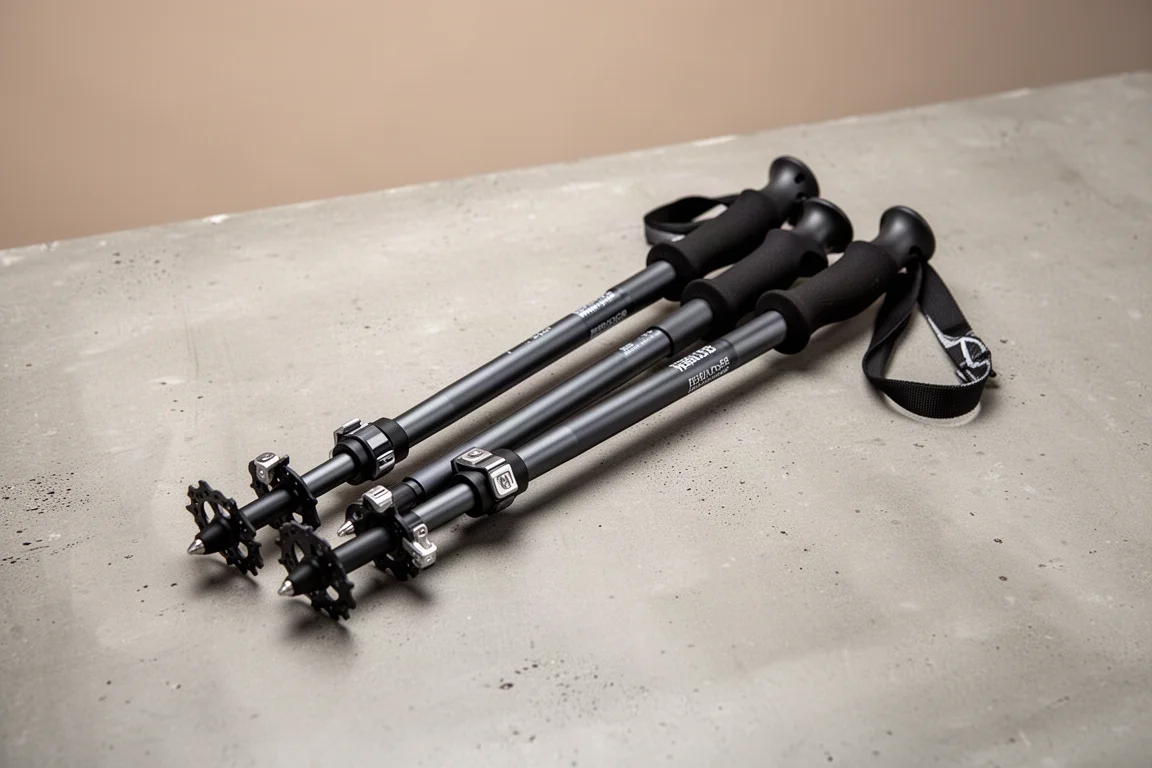
Trekking poles are often overlooked because of an outdated stigma, but they are one of the most useful pieces of hiking gear you can carry. They improve balance on uneven terrain, transfer weight from your backpack to your arms, and make trekking pole tents possible, which can save additional pack weight. Twist-lock poles are preferable because they slide easily into a water bottle pocket without snagging. The Fizan Compact Trekking Poles are an excellent value: a single pole weighs just 5 ounces, and a pair costs around $70. That combination of low weight and low price makes them hard to beat for anyone curious about hiking with poles.
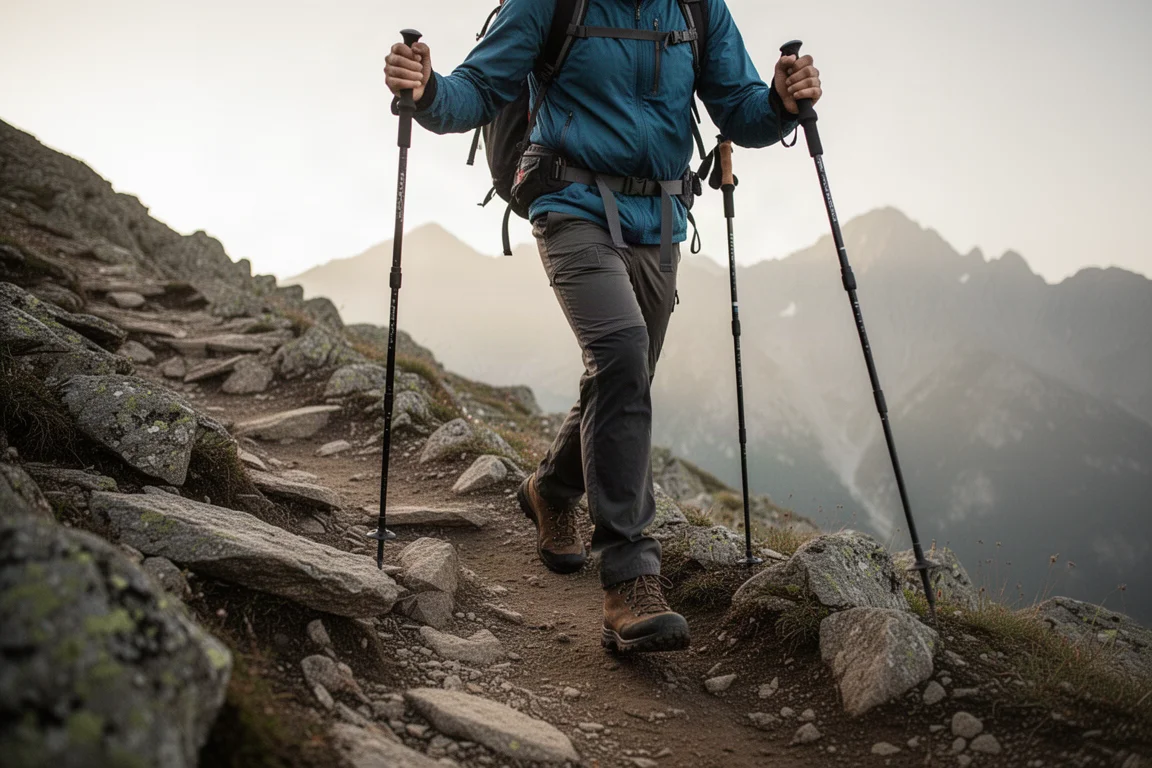
For hikers who have never used poles, the adjustment period is short. The benefits show up quickly on steep descents and long climbs, where the extra stability reduces fatigue and lowers the risk of a misstep.
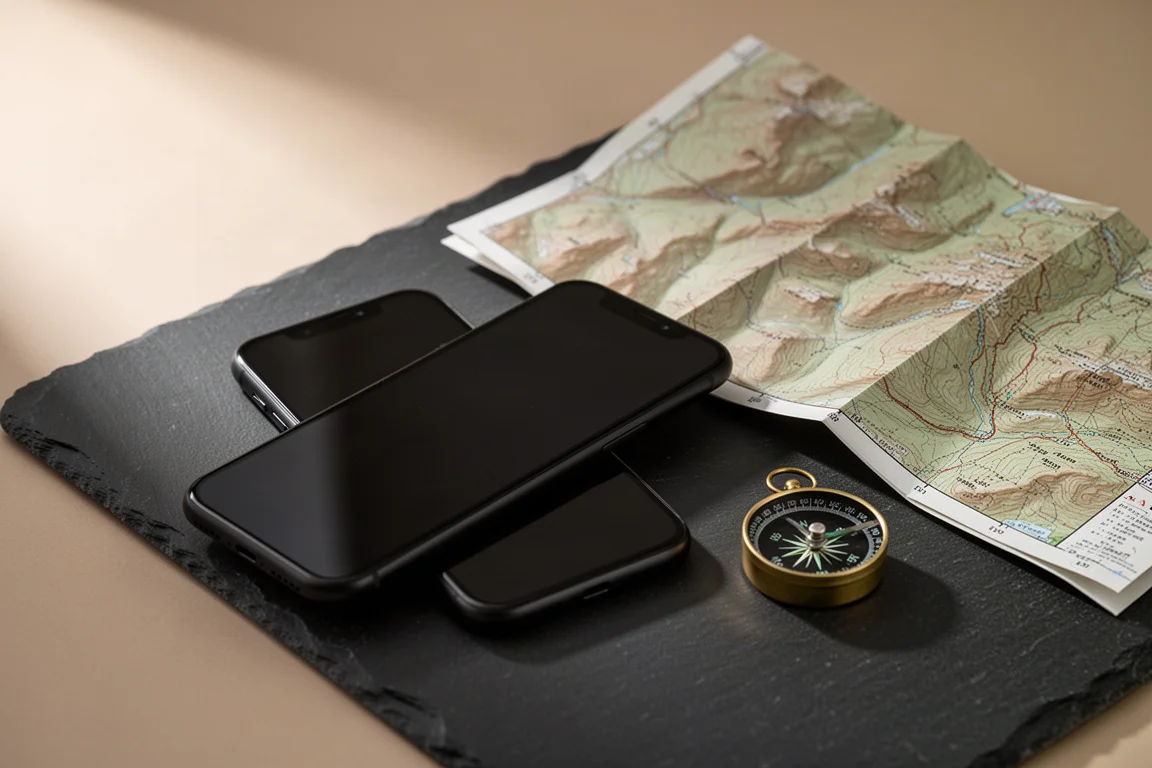
onX Backcountry
Paper maps have largely given way to GPS navigation for backcountry travel, but standard map apps are not built for deep wilderness use. onX Backcountry is a dedicated navigation app that lets you plan entire trips, avoid private land, and identify public land where camping is legal. It shows real satellite weather data to help you prepare for ice and snow, and it can locate water sources, lookout points, and designated campsites. The app accurately tracks your position on trail and includes features for climbers, mountain bikers, and skiers. It is one of the most affordable items in this roundup, with an annual subscription discounted from $30 to $24. Even with GPS, carrying a simple paper map as a backup is still wise.
Canister Stoves: Reliable Cooking
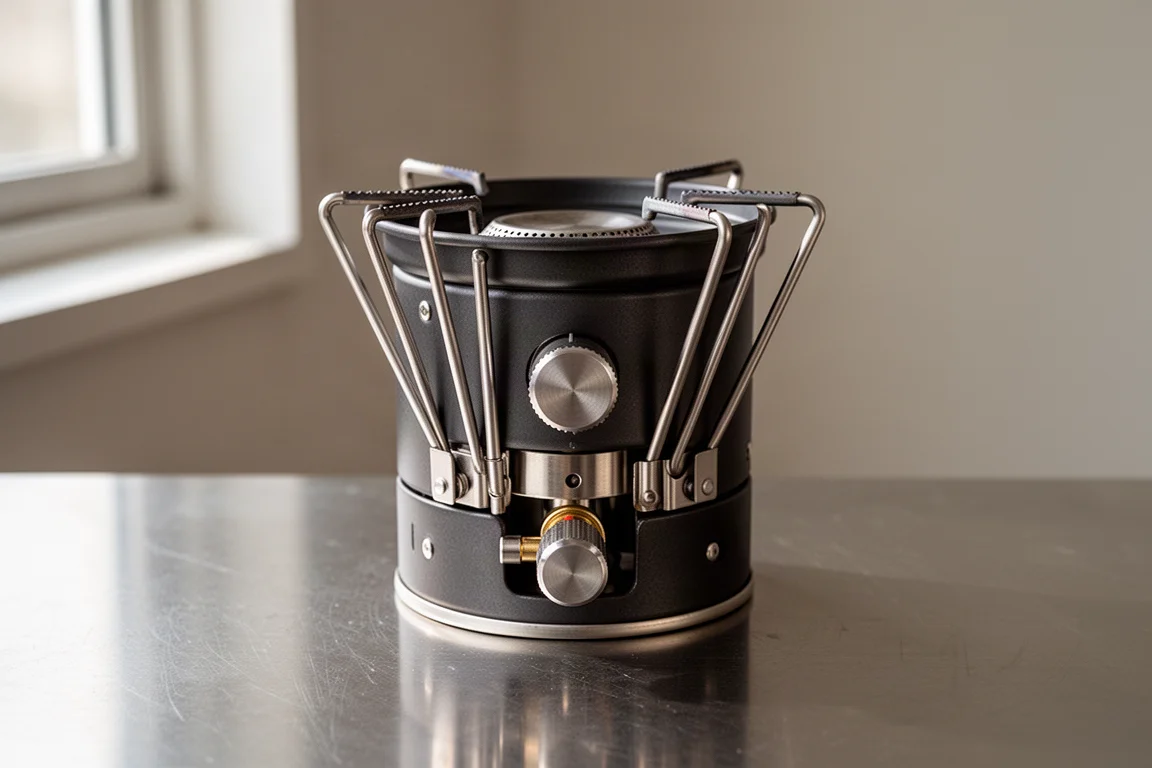
Backpacking stoves range from heavy jet boilers to ultralight alcohol stoves, but canister stoves remain the most reliable and simple option for most trips. They screw directly onto a fuel canister and light with a self-igniter or a lighter. A good canister stove works consistently, and choosing one with a regulator improves performance at different elevations. The main trade-off is the weight of the fuel canister and the hassle of disposing of compressed cans, but the dependability is worth it for many backpackers.
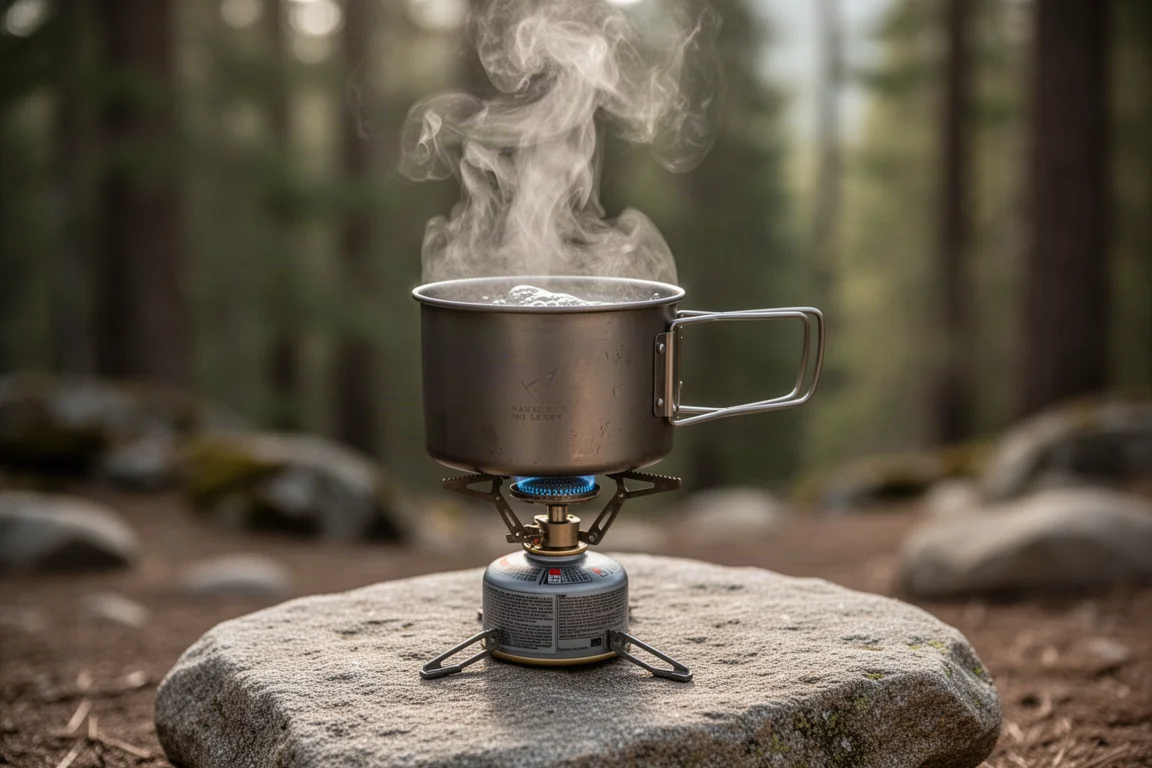
MSR PocketRocket Deluxe
The MSR PocketRocket Deluxe is a lightweight canister stove with a self-igniter, so you do not have to dig for a lighter. It is known for reliable performance and consistent operation, and the built-in regulator helps it work well across a range of elevations. For backpackers who want a dependable stove without extra fuss, this is a top contender.
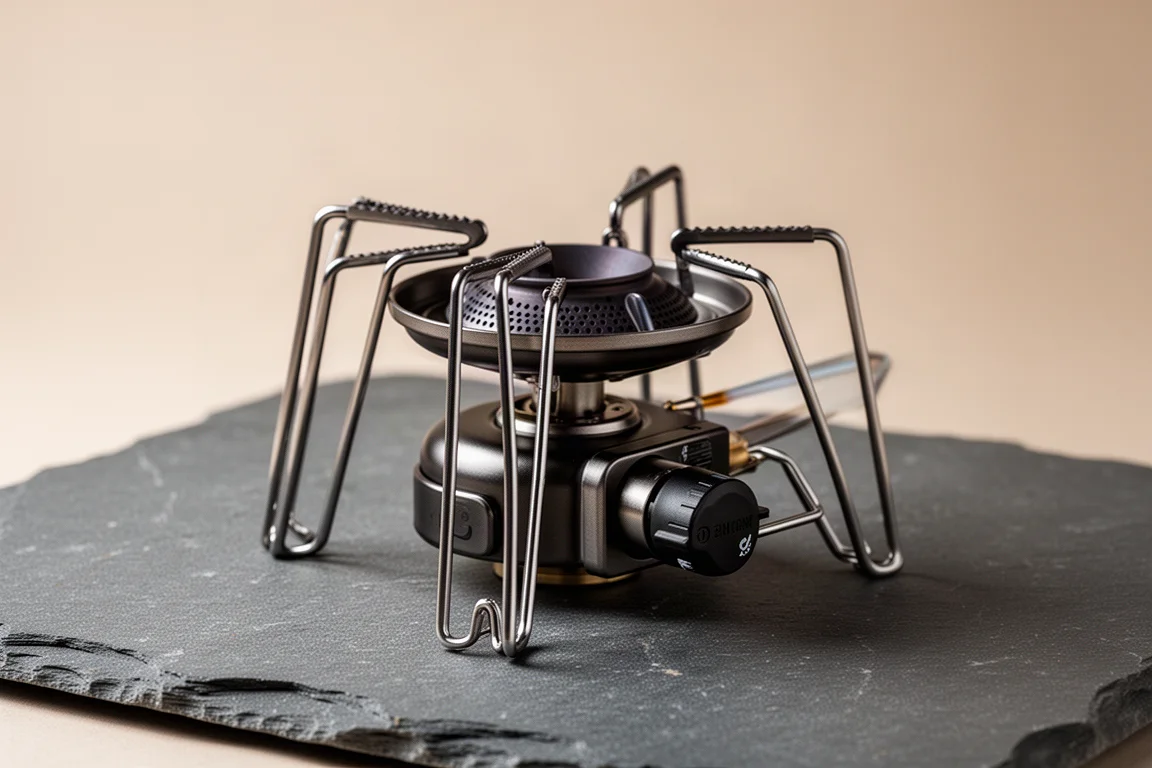
Soto Amicus
The Soto Amicus is another lightweight canister stove with a self-igniter. It is a strong alternative to the PocketRocket Deluxe, though some users have reported issues with the igniter over time. When it works, it delivers the same simple, reliable cooking experience that makes canister stoves a favorite for backpacking.
Lightweight Backpacks
A backpack is a highly personal piece of gear, and many new hikers choose a pack based on volume alone. But as one of the big three items, along with your tent and sleep system, the pack itself can be a major source of weight savings. Lightweight packs are typically more minimalistic, which encourages you to think carefully about what you actually need to bring. They are often made from lighter materials that cost more, but the reduction in carried weight is noticeable over long days. Sizing is critical: measure your torso before buying, because backpacks are sized by torso length, not overall height.
Zpacks Arc Haul Ultra
The Zpacks Arc Haul Ultra is a lightweight backpack built for backpackers who want to minimize weight without sacrificing load-carrying capability. It uses ultralight materials and a thoughtful design that keeps the pack comfortable on the trail. For hikers who have refined their gear list and want a pack that matches that discipline, the Arc Haul Ultra is a premium choice.
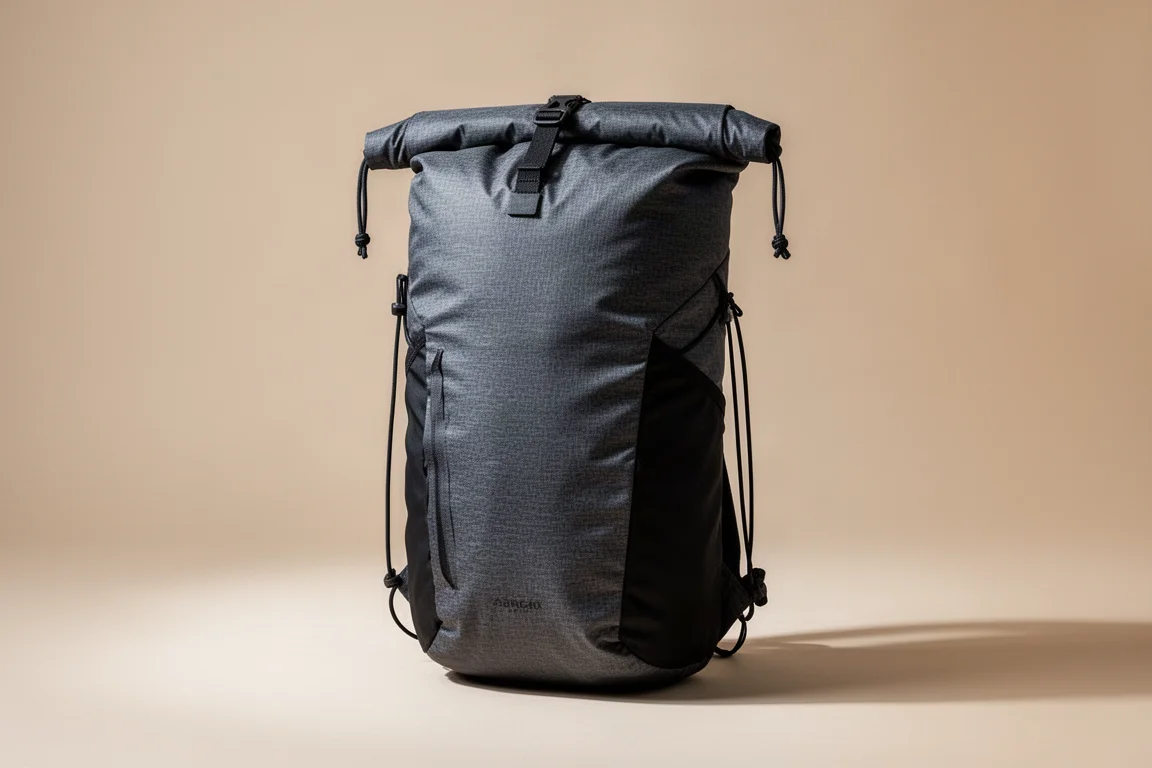
Outdoor Vitals CS40
The Outdoor Vitals CS40 is a lightweight backpack that offers a strong balance of weight, comfort, and capacity. It is a practical option for backpackers who want to cut pack weight but still need enough room for a multi-day load. The CS40 is designed to carry well while keeping unnecessary features to a minimum.
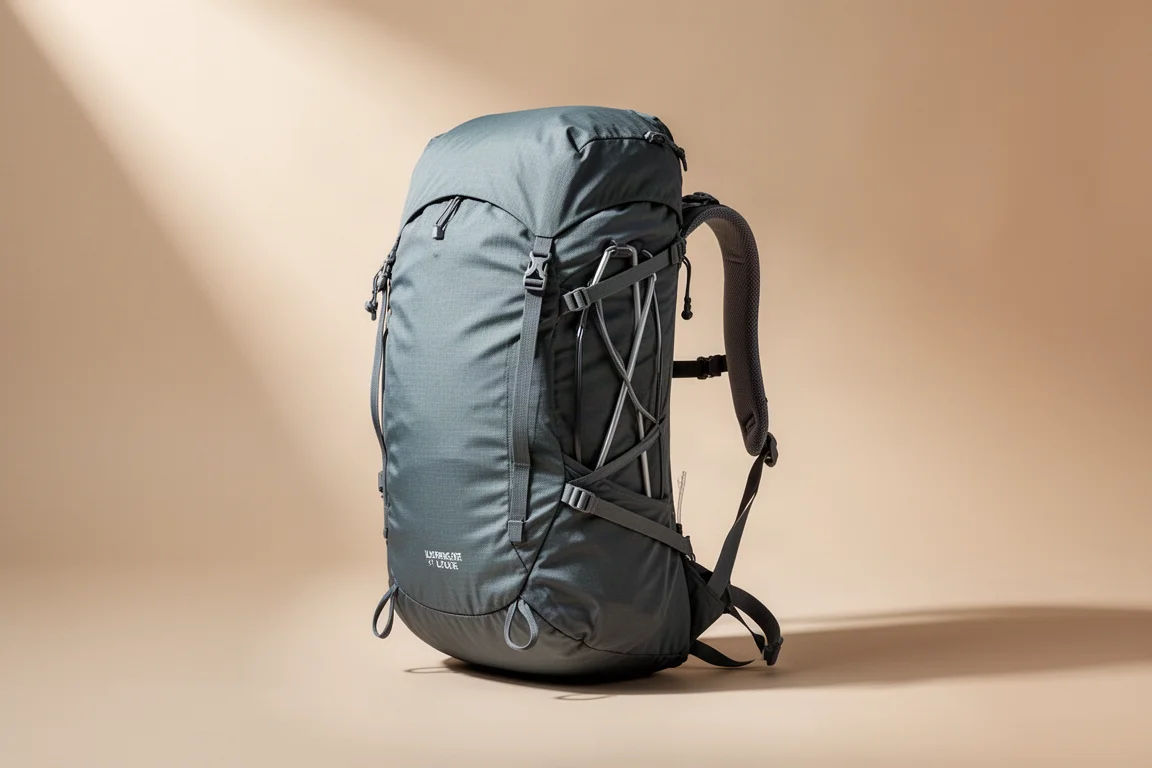
Outdoor Vitals Shadowlight
The Outdoor Vitals Shadowlight is the least expensive of the three recommended packs and still delivers a comfortable carry. It is a good entry point into lightweight backpacking for hikers who are not ready to spend premium prices but want to reduce their base weight. As with any pack, measuring your torso before ordering is essential to get the right fit.
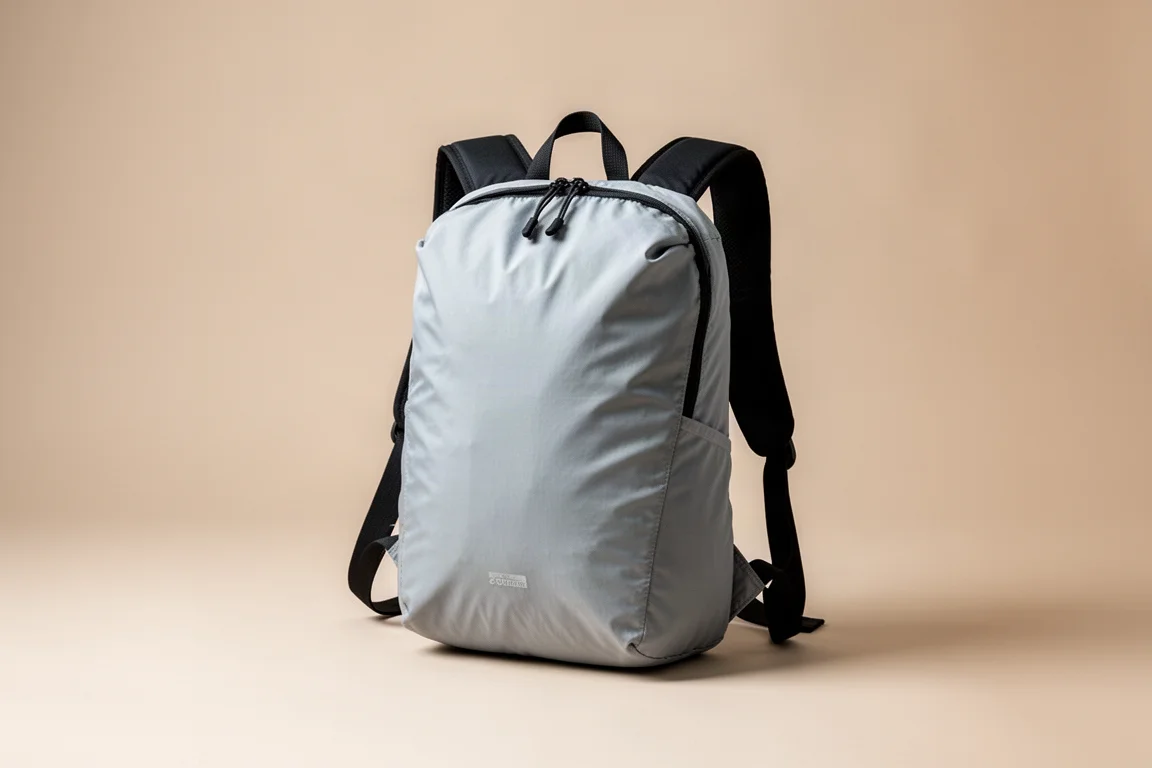
Pack Liners: Simple Insurance
A pack liner is one of those items that seems unnecessary until the day you really need it. On a long hike in cold rain, a waterproof backpack alone may not keep your gear dry. A pack liner is essentially a bag that holds everything you want to protect from moisture. Many commercial options are available, but a simple garbage bag can work just as well and costs almost nothing. The key is to place the liner inside your pack first, then pack your gear into it. This small step can prevent a soaked sleeping bag and a miserable, potentially dangerous situation.
Battery Banks: Keeping Devices Charged
Phones are used in the backcountry for music, movies, navigation, and photos, so a reliable battery bank is essential for multi-day trips. Battery banks are rated in milliamp hours, and for a three to four day trip, a capacity of at least 10,000 mAh is a reasonable starting point. If you have a larger phone, take many photos, or watch a lot of movies, consider a higher capacity. One important caveat: the battery bank industry lacks a standard that enforces accurate capacity claims, so some brands may overstate their numbers. In testing, Anker has proven to be the most reliable and accurate brand, with a strong track record of dependable performance.
Trail Runners: Comfort That Goes the Distance
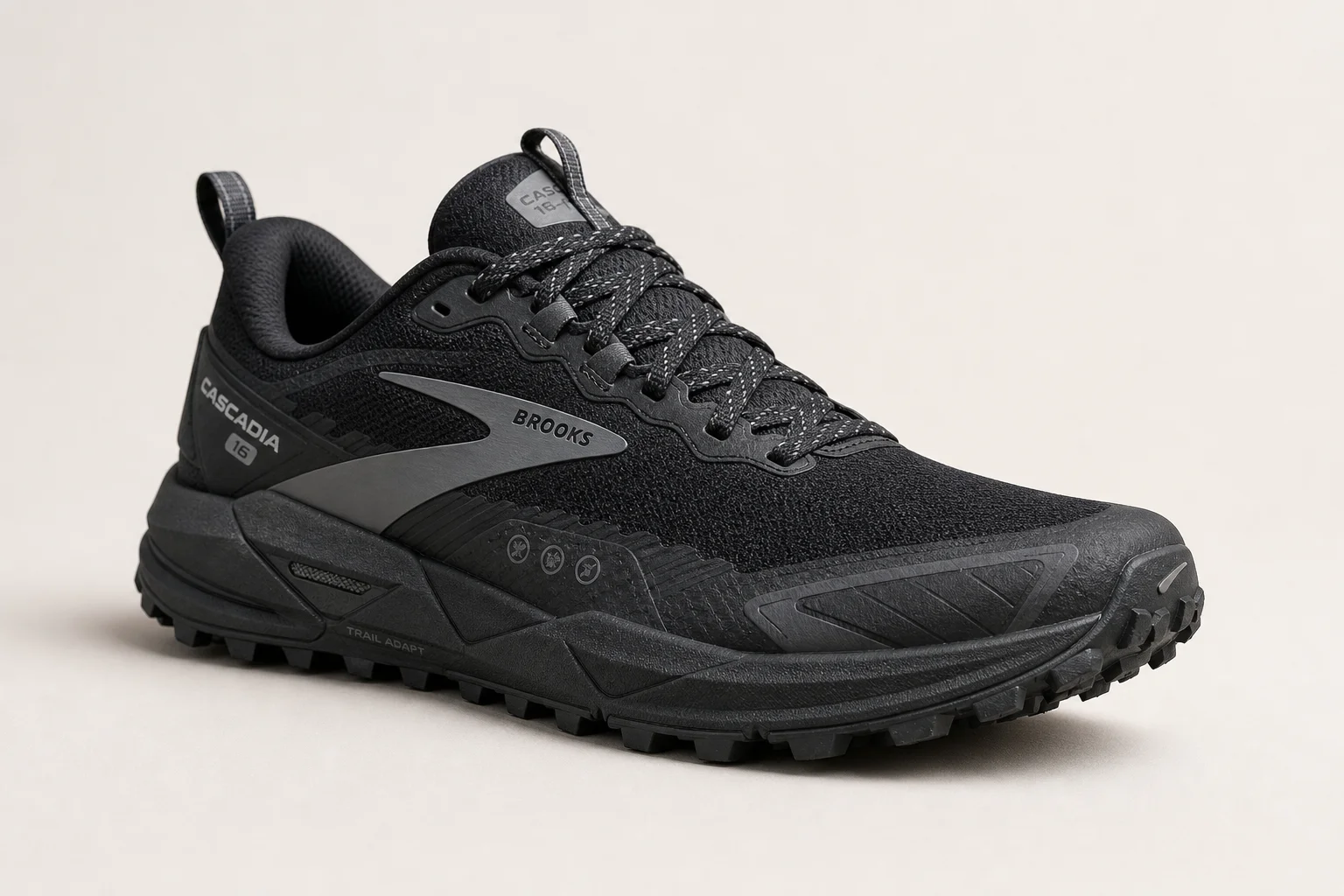
Many new hikers assume they need heavy hiking boots, but that is often a mistake. Boots can keep feet dry, provide some ankle support, and offer warmth, but they also cause blisters and discomfort for many people because they are heavy and rub in the same spots. Most hikers who think they need ankle support actually do not, and boots do not brace an ankle as much as expected. Trail runners are essentially sneakers with aggressive tread, offering the best of both worlds: the comfort of your favorite shoes with grip for the backcountry. Waterproof versions are now available. Foot shape varies, so the best brand depends on your feet. For high arches and a wide toe box, Brooks has been a reliable choice, and the Cascadia model is a standout for its roomy fit.
The transition to trail runners can take some adjustment, but the reduction in blisters and foot fatigue is often immediate for hikers who make the switch.
Buying Advice
When upgrading your backpacking kit, focus on the items that affect warmth, weight, and safety first. A quilt and a high-R-value sleeping pad work together as a system, so consider them as a pair. Trekking poles and trail runners improve comfort and stability on the trail, while a reliable canister stove and a navigation app like onX Backcountry make camp and route-finding simpler.
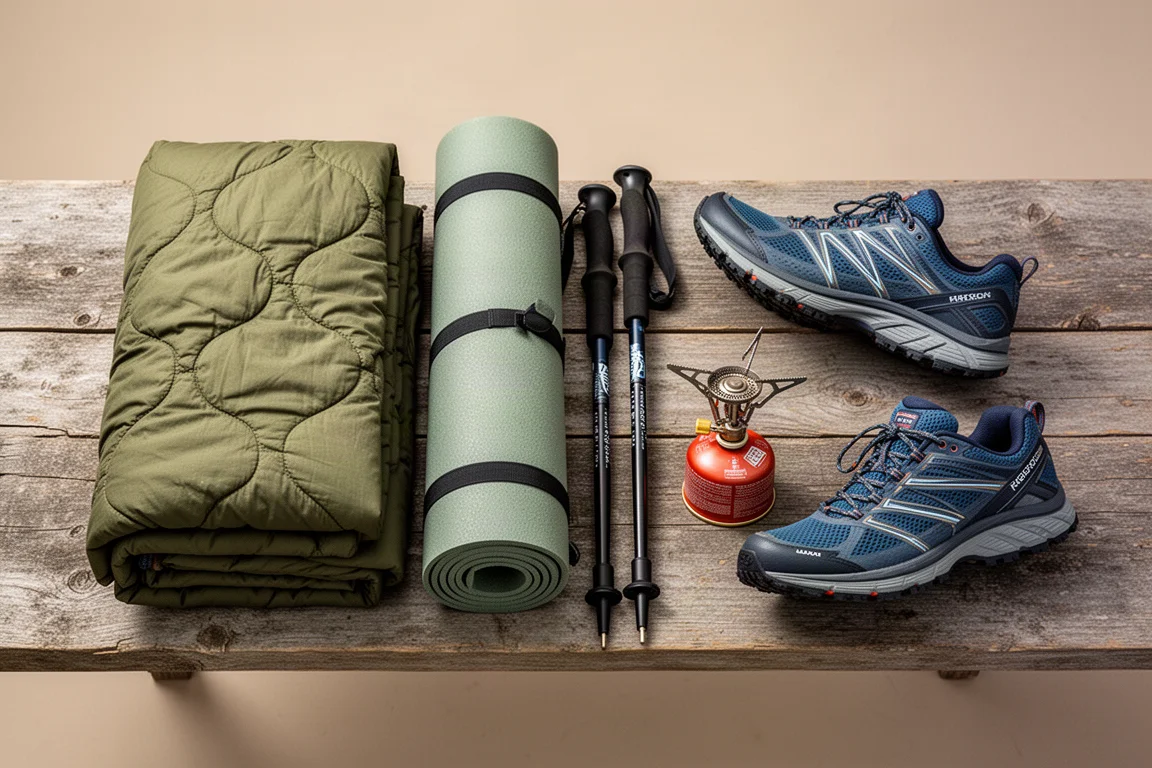
A pack liner and a trustworthy battery bank are inexpensive additions that prevent serious problems. If you are new to lightweight backpacking, you do not need to replace everything at once. Start with the sleep system or your footwear, and build from there. Always measure your torso for a backpack and test any new gear on shorter trips before relying on it for a long expedition.
Conclusion
The gear in this roundup earns its place by solving real problems: staying warm, moving efficiently, navigating safely, and recovering well at camp. Each item represents a lesson learned over many seasons, and none of them are gimmicks. Whether you choose a quilt, a lightweight pack, or a pair of trail runners, the goal is the same: carry less, sleep better, and enjoy the trail more. If you are ready to make an upgrade, start with the piece that addresses your biggest frustration, and build your kit from there.
Further reading
Related Reviews
Camping and Backpacking
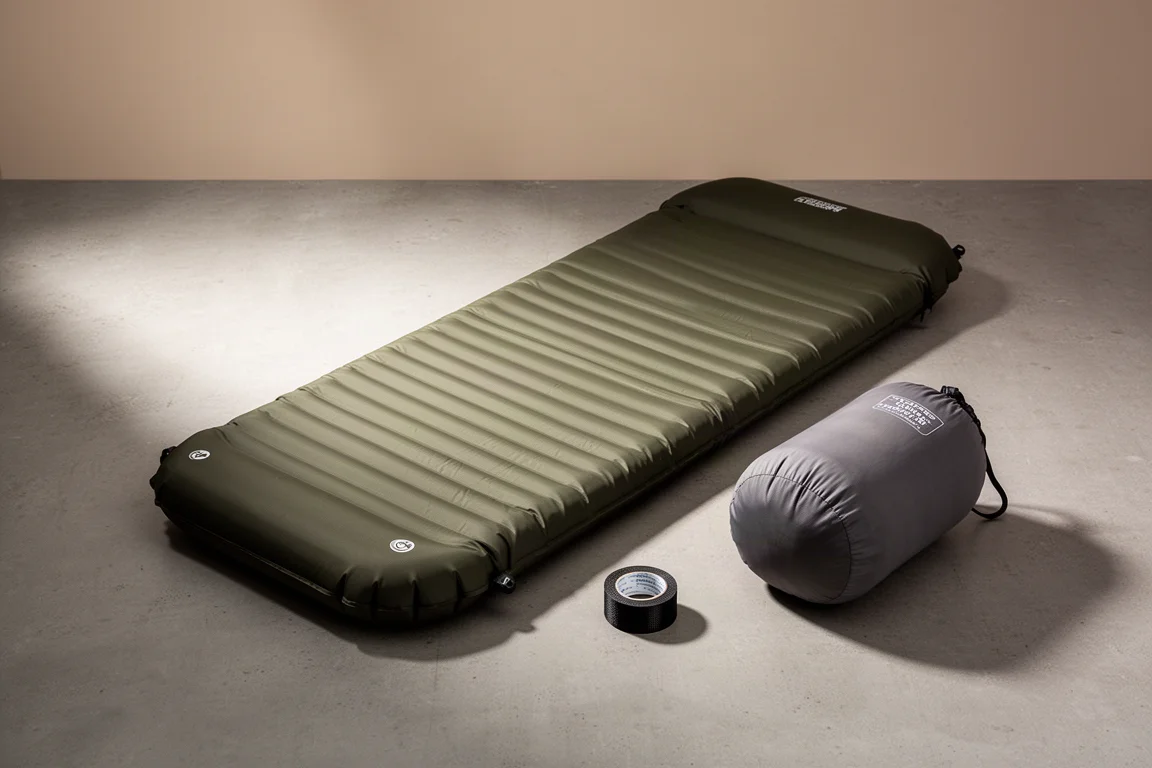
Backpacking Sleep System Mistakes: 7 Fixes and Two Gear Essentials
The sleep system mistakes that lead to cold, sleepless nights outdoors, plus two low-cost pieces of gear that solve two of the biggest ones.
Camping and Backpacking
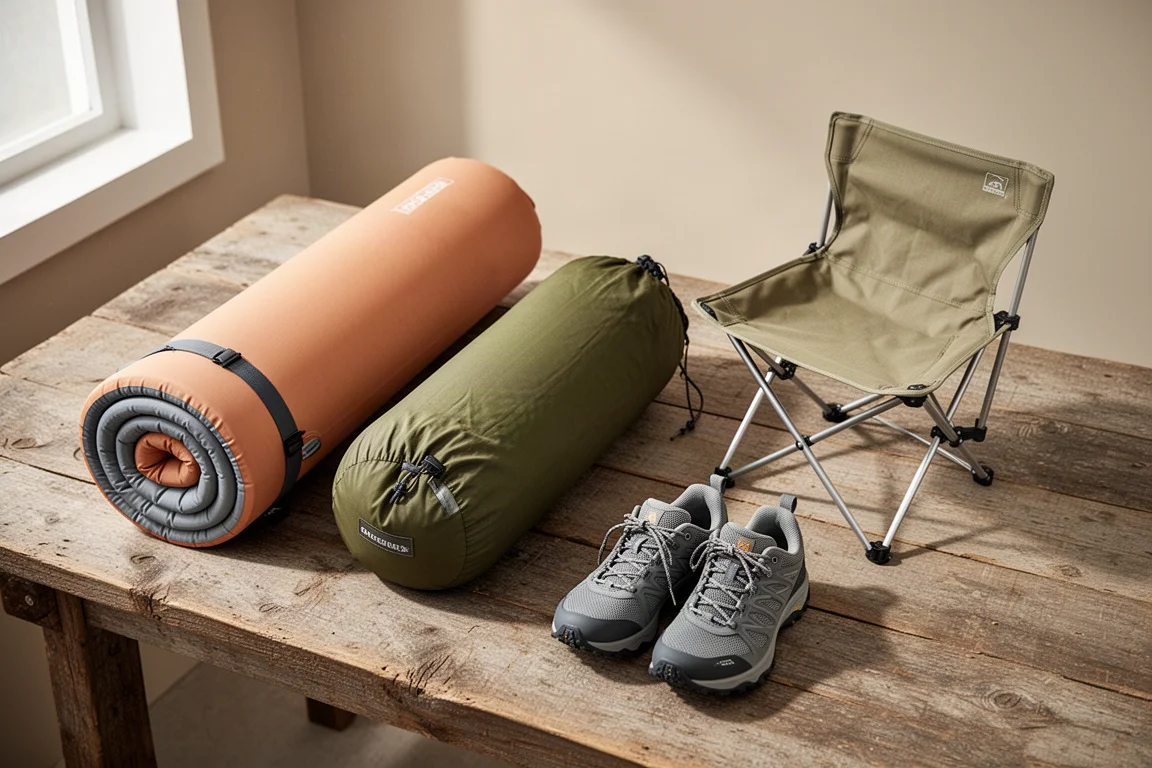
Camping and Backpacking Gear Wishlist: Six Upgrades Worth Considering
Six camping and backpacking items worth planning for, from two inflatable sleeping pads and a four-season tent to a 510 g camp chair and two pairs of trail shoes.
Camping and Backpacking
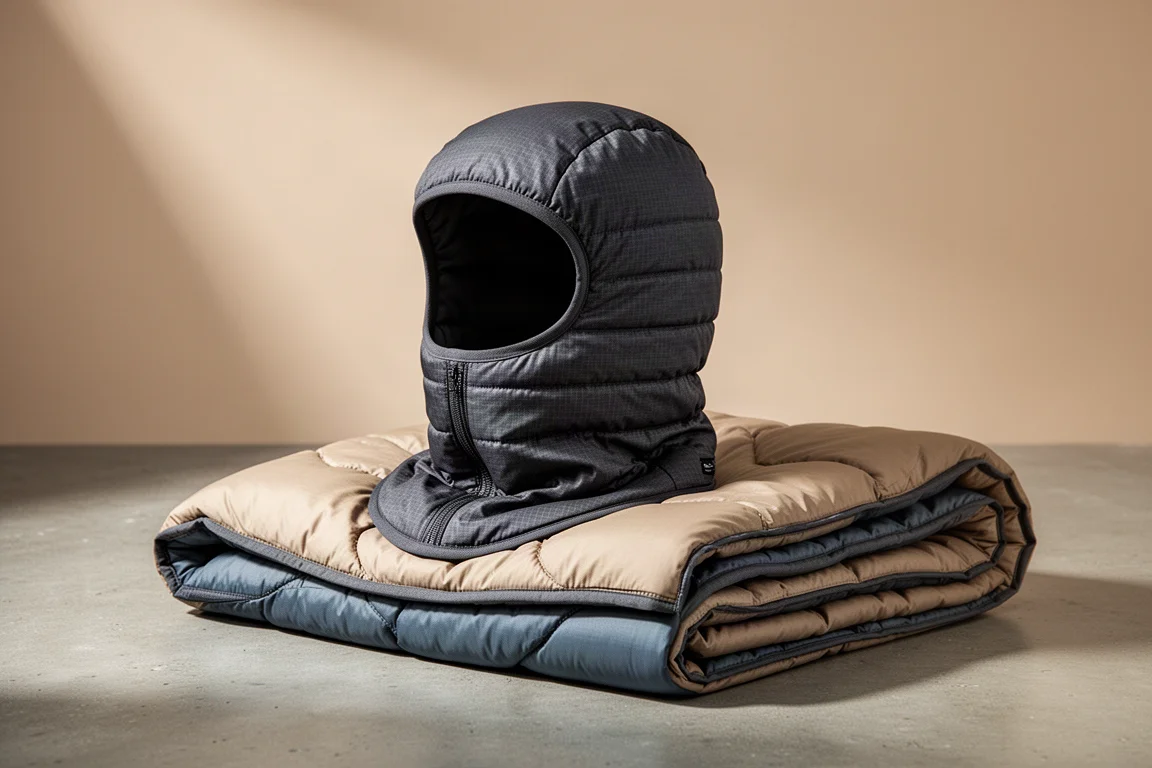
Outdoor Vitals Loftek Hybrid Hood Review: The Missing Piece for Top Quilt Sleepers
A lightweight insulated balaclava built for top quilt users, with hybrid synthetic and down insulation that keeps its loft when your breath soaks it.