Emergency Shelters
Terra Nova Bothy Bag Review: A Lightweight Emergency Shelter Tested in Wind and Rain
A practical look at the Terra Nova Bothy Bag, including how it handles wind, rain and cold, where it works well, and what to weigh before buying.
Introduction
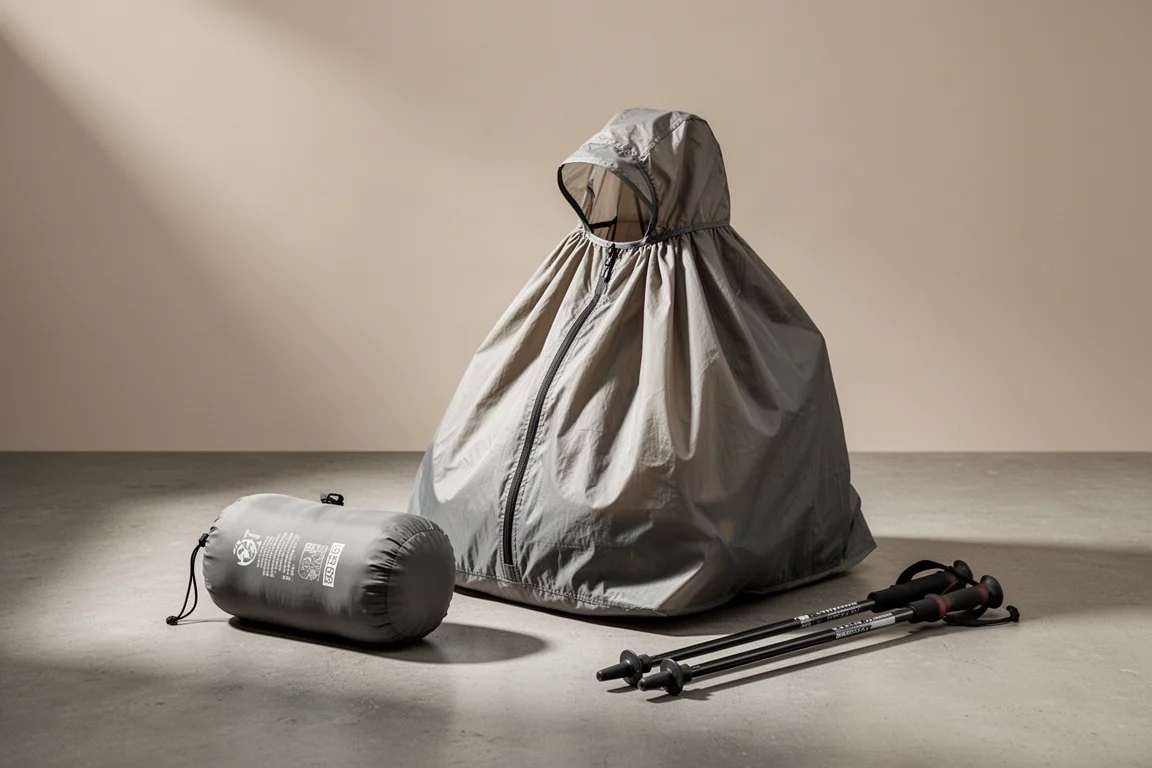
The Terra Nova Bothy Bag is a lightweight emergency shelter that has long been familiar to hillwalkers in the UK and, to a lesser extent, in Scandinavia, while staying largely unknown in alpine Europe and the United States. The concept is simple: a large fabric sack that one person or a small group pulls over themselves to escape wind and rain. Terra Nova builds it in several sizes, and the model examined here is the two-person version.
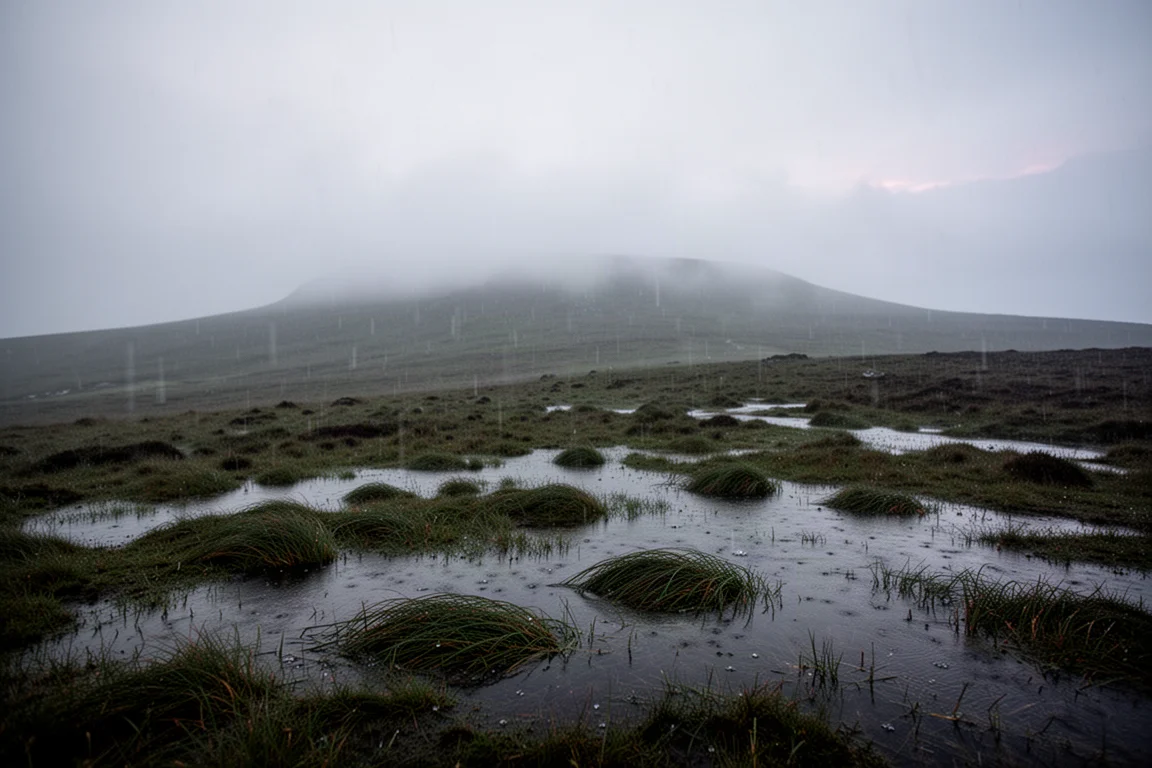
To understand how it behaves when conditions turn genuinely unpleasant, it was carried above the tree line on an exposed ridge in roughly 32 to 35°F, with sustained winds around 30 mph gusting to 50 mph and rain that threatened to turn to ice. The ground was slop after 14 inches of snow melted during a sudden warm spell, which made the approach slow and messy.
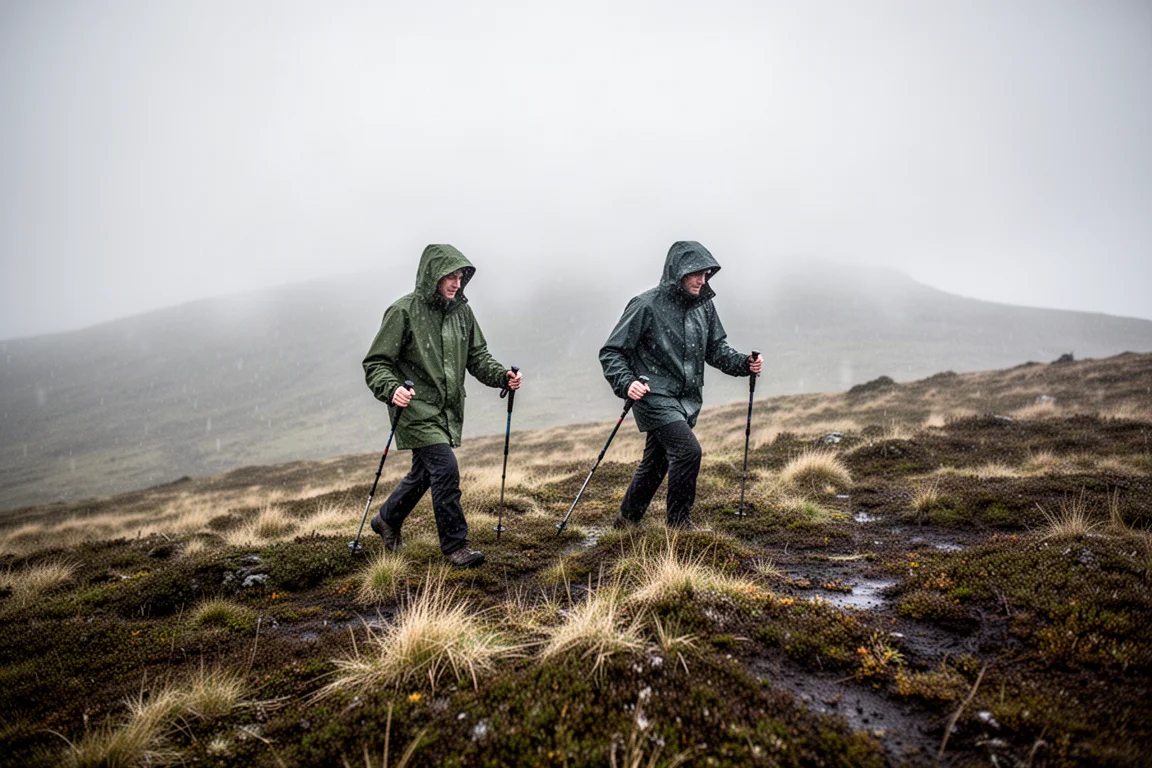
That mix of wet, cold and wind is precisely the scenario an emergency shelter is meant to address, and it is also the scenario that exposes weaknesses fastest. What follows is a practical assessment of what the Bothy Bag does well, where it struggles, and how to decide whether it belongs in your pack.
Who This Shelter Is For
Bothy bags are polarizing, and the Terra Nova version is no exception. Some hillwalkers rely on them, others consider them close to useless, and much of that disagreement comes down to how the shelter is intended to be used.
Terra Nova designs the bag to be used by two or more people. With several occupants inside, the human bodies provide the structure and the shelter takes on a usable shape. Used solo, the shelter has almost no form of its own, which is why trekking poles, skis or similar equipment become necessary. A sleeve at the apex accepts a pole so the fabric can be lifted away from the head.
That design points to a specific kind of user: someone moving in a group, likely on a guided trip or a club outing, who wants a compact shared shelter for a short stop. Anyone planning to use it alone in exposed terrain should expect a slower, more awkward setup.
Main Strengths
The strongest argument for the Bothy Bag is what it weighs and how little space it takes up. It is genuinely lightweight, it packs down small, and it is easy to carry as insurance on a long day out.
Wind protection is the second clear strength. Once inside, the fabric blocks the wind, and in the conditions described above it kept the direct rain out for a meaningful period of time. The stitching and the wind protective fabric also held up under strong gusts, with the material flapping hard without tearing or coming apart.
For a short break, that combination is worth something. A group can stop, get out of the worst of the weather, eat, reorganise layers and move on, carrying very little extra weight for the privilege.
Real-World Performance in Wind and Rain
Performance changed considerably once time inside the shelter stretched past the first few minutes. Roughly an hour in, with a single occupant, the walls and ceiling were soaking wet. Water was also coming through the vent rather than draining away from it, and condensation began running off the fabric, effectively raining inside the shelter.
At around the two and three hour marks, the situation had not improved. Winds had risen to roughly 40 to 45 mph, the shelter was flapping continuously, and the interior was wet enough that everything inside it became wet too. The shelter itself did not retain heat well, and because the occupant’s back rests directly against the fabric, the wind on the outside of the material pulls warmth away from the body. A previous test of a different style of emergency shelter, the Fjallraven Windsack, produced its own serious problems, including fabric that was not waterproof and ventilation that left the walls dripping after an hour, though that design could be stood up in and tied off to poles, skis or trees, which this one cannot.
It is worth noting that the Bothy Bag has no seam tape, so some leakage is not entirely surprising. What mattered more in practice was internal moisture rather than external rain. The same limitation would apply in snow, because the problem originates inside the shelter rather than outside it.
Things to Consider Before Buying
Comfort is the first thing to weigh honestly. Because the shelter is small and derives its shape from the occupant, you have to sit at roughly a 90 degree angle and stay there. Changing position changes the shape of the shelter, so anyone with mobility limitations, or anyone who cannot sit on cold ground for extended periods, will find it difficult. Sitting that way for a few hours becomes genuinely painful around the hips.
The second consideration is what you cannot do inside. In cold weather the priority is getting out of wet clothing and into dry layers, and this shelter makes that impractical. The interior is wet, so removing wet gear simply exposes you to moisture, and stepping back out into the wind afterwards leaves you in a worse position than before.
Ventilation is the third point. Terra Nova describes ventilation as important in a good quality bothy bag, and this is where the design falls short in practice. The vent becomes wet, closes down, and lets water through, while condensation builds regardless. Anyone buying this shelter should treat it as a fair weather and short duration tool rather than a solution for sustained bad conditions.
Short Breaks Versus Long Emergencies
There is a genuine split in how these shelters are described. Some users treat them strictly as a lunch break shelter. Manufacturers describe them as emergency shelters that create a warm, dry micro climate and can protect an injured person while help arrives.
Based on this testing, the lunch break interpretation is the realistic one, and even then it should be kept short. In milder conditions, some condensation and a little dampness are manageable. In true mountain cold, wet and wind, the same characteristics become a safety problem rather than a minor inconvenience. Staying dry is the single most important factor in cold weather survival, and anything that leaves you wet after use works against that principle.
Buying Advice
If your goal is a compact, lightweight shelter for a group to use during a brief stop in reasonable weather, the Terra Nova Bothy Bag does that job and packs away small. It is easy to justify as an occasional convenience in mild conditions.
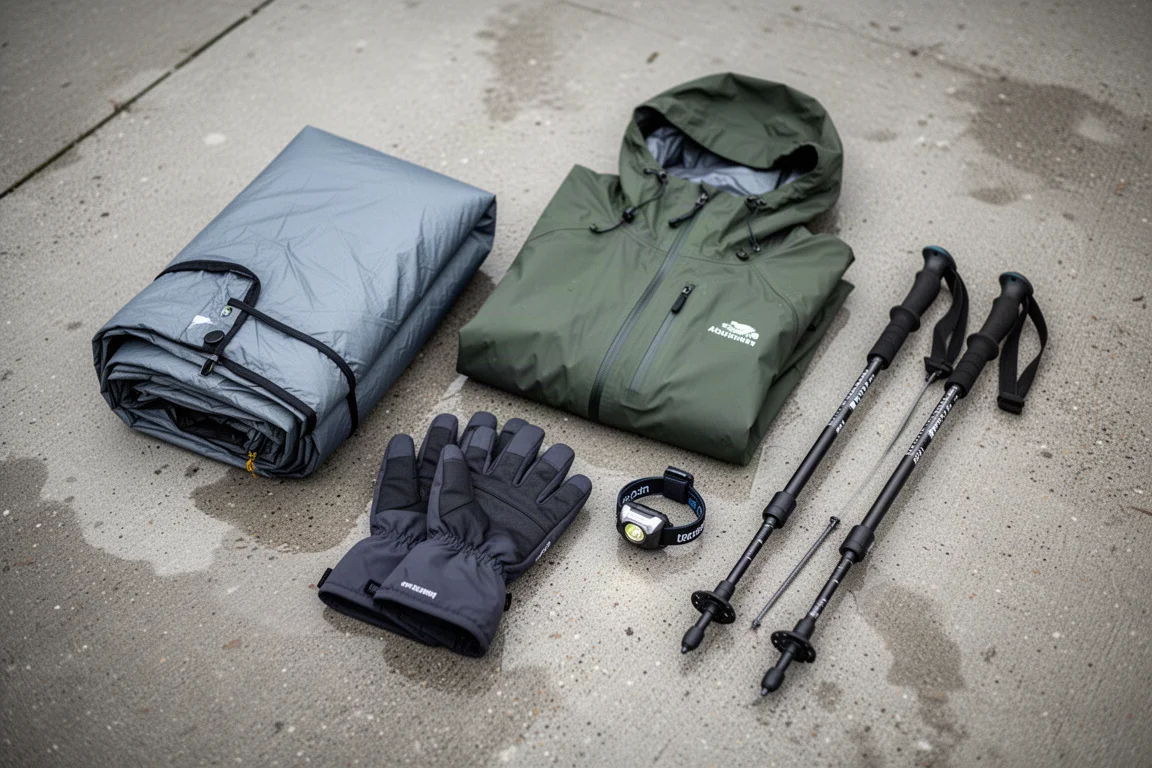
If your goal is a dependable emergency shelter for cold, wet, exposed terrain, the testing here does not support that use. A square tarp is a more versatile answer: it can be pitched above the tree line without trees using trekking poles, and it can be configured in several ways to keep wind and rain off while you deal with wet clothing underneath it.
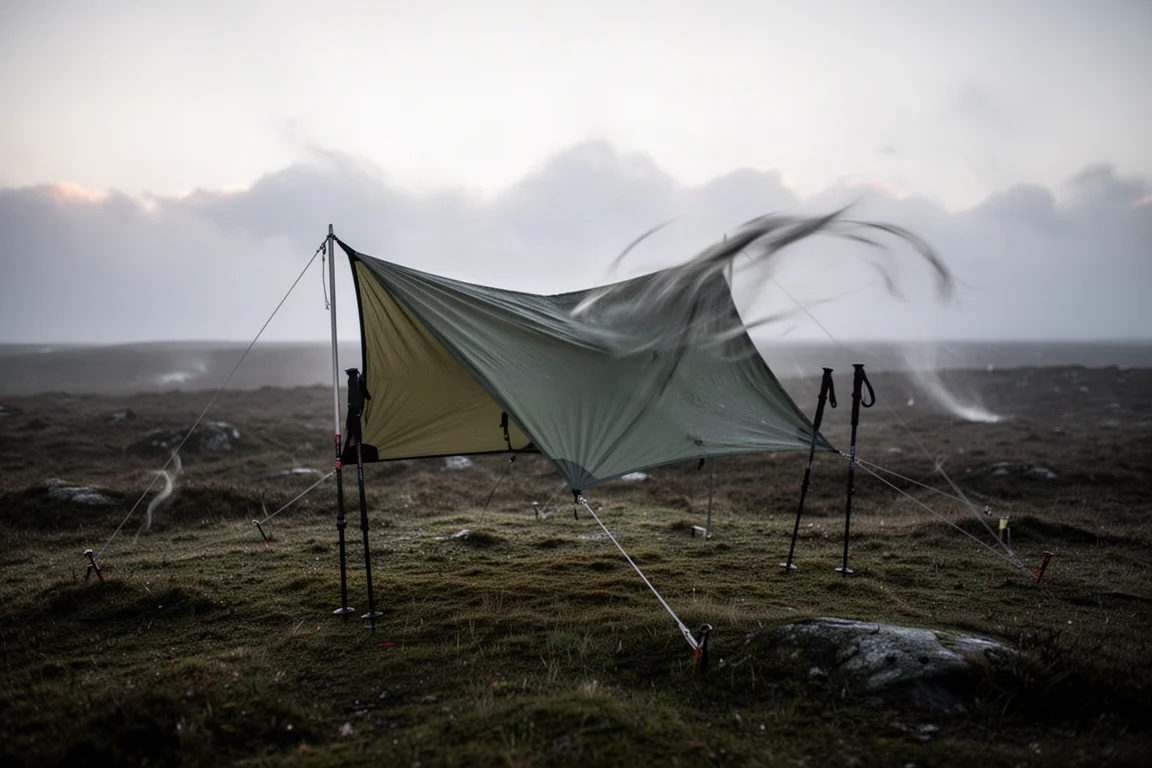
Buyers should also check which size they need. The two-person version examined here comfortably holds one person, and Terra Nova offers other sizes, so match the shelter to the number of people who will realistically share it.
Conclusion
The Terra Nova Bothy Bag is lightweight, packs down small and blocks wind effectively, and its fabric and stitching held up under strong gusts. Those are real advantages for a short stop in fair or mild conditions.
Its limitations are equally real. Heavy internal condensation, poor ventilation, water coming through the vent and a seating position that becomes painful after a couple of hours all point to the same conclusion: this is a short-term shelter, not a long-term emergency solution. For cold, wet and exposed conditions, a tarp is the more dependable choice.
Product link
View more details for Terra Nova Bothy Bag
This product is mentioned in the review. Check the specifications, options, and compatibility before buying.
View more details for Terra Nova Bothy BagFurther reading
Related Reviews
Emergency Shelters
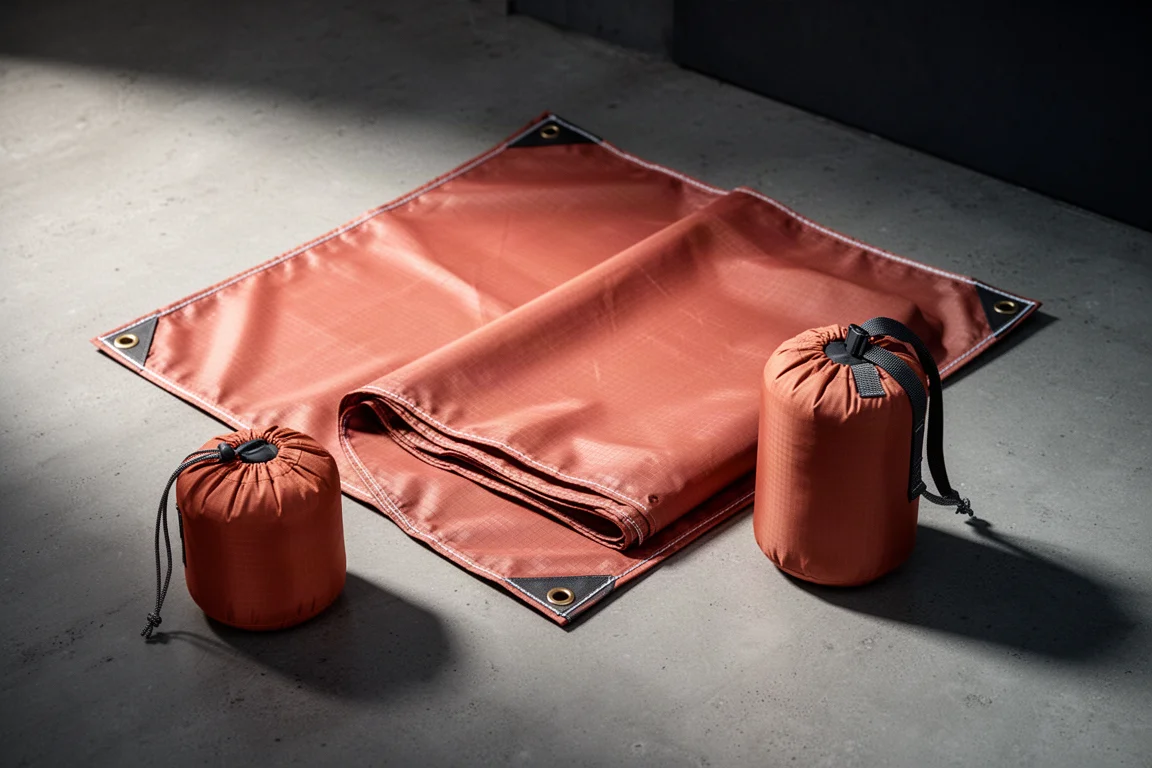
Aqua Quest Survivor Emergency Tarp Review: A High-Visibility Shelter Built for Hard Weather
A 10 x 10 ripstop nylon emergency tarp with taped seams, a 5,000 mm hydrostatic head rating, 19 tie-out points, and reflective trim, tested through winter storms and driving rain.
Emergency Shelters
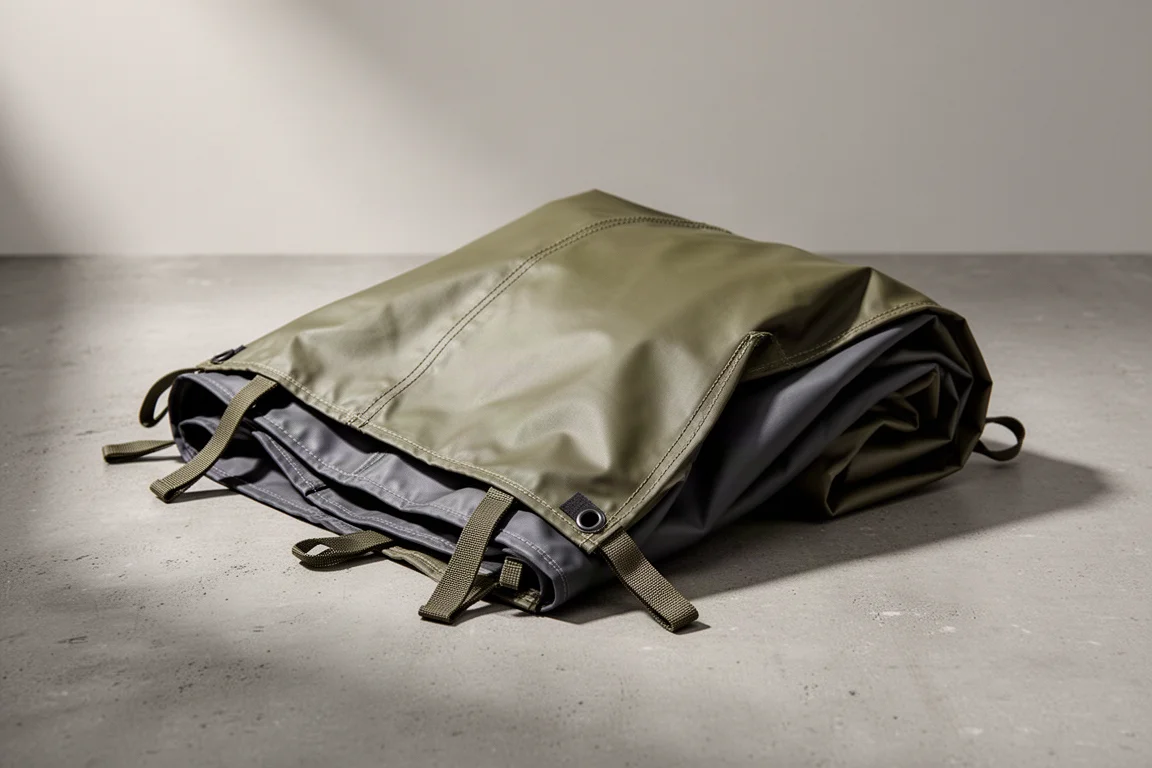
F Raven Wind Sack 3 Review: A $150 Emergency Shelter That Struggles in Real Weather
A field-focused look at the F Raven Wind Sack 3, covering wind and rain performance, condensation, setup limits, and whether it earns its price.
Emergency Shelters
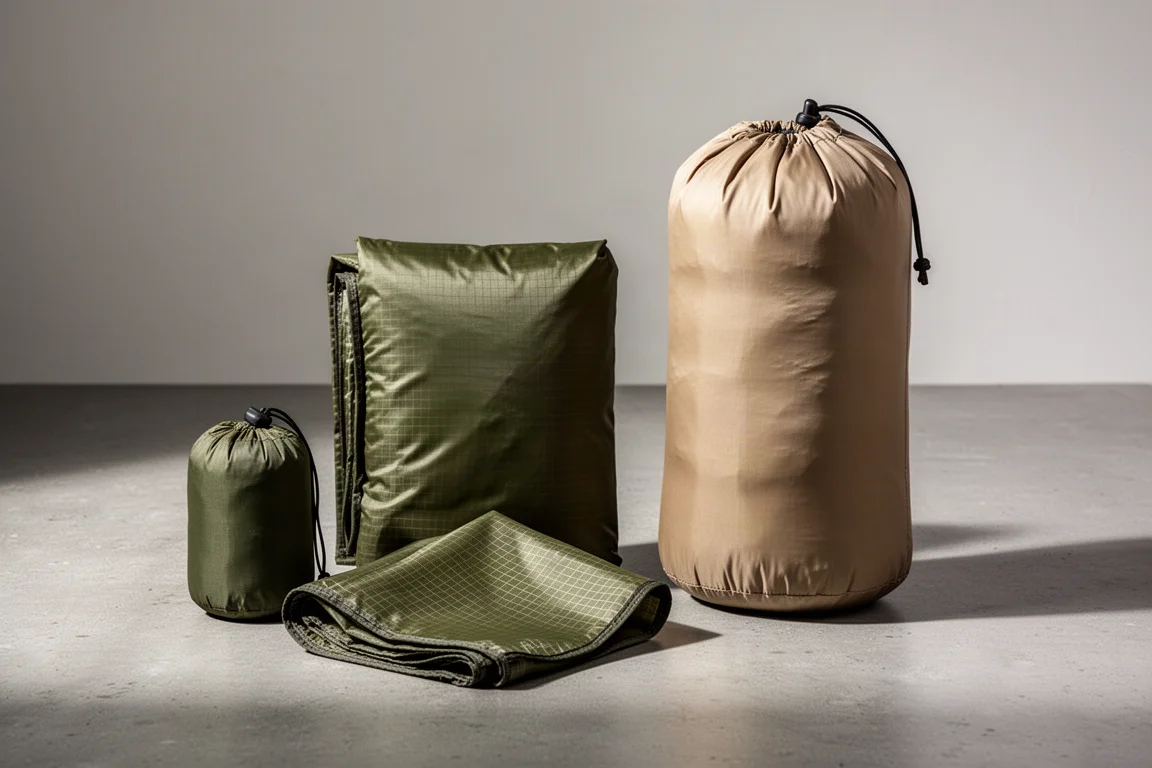
Terra Nova Bothy Bag and Fjallraven Windsack 3: Two Emergency Shelters Tested in Wind and Rain
A wet, windy field test of the Terra Nova Bothy Bag alongside notes on the Fjallraven Windsack 3, covering condensation, ventilation, comfort, and when an emergency shelter is worth carrying.