Emergency Shelters
F Raven Wind Sack 3 Review: A $150 Emergency Shelter That Struggles in Real Weather
A field-focused look at the F Raven Wind Sack 3, covering wind and rain performance, condensation, setup limits, and whether it earns its price.
Introduction
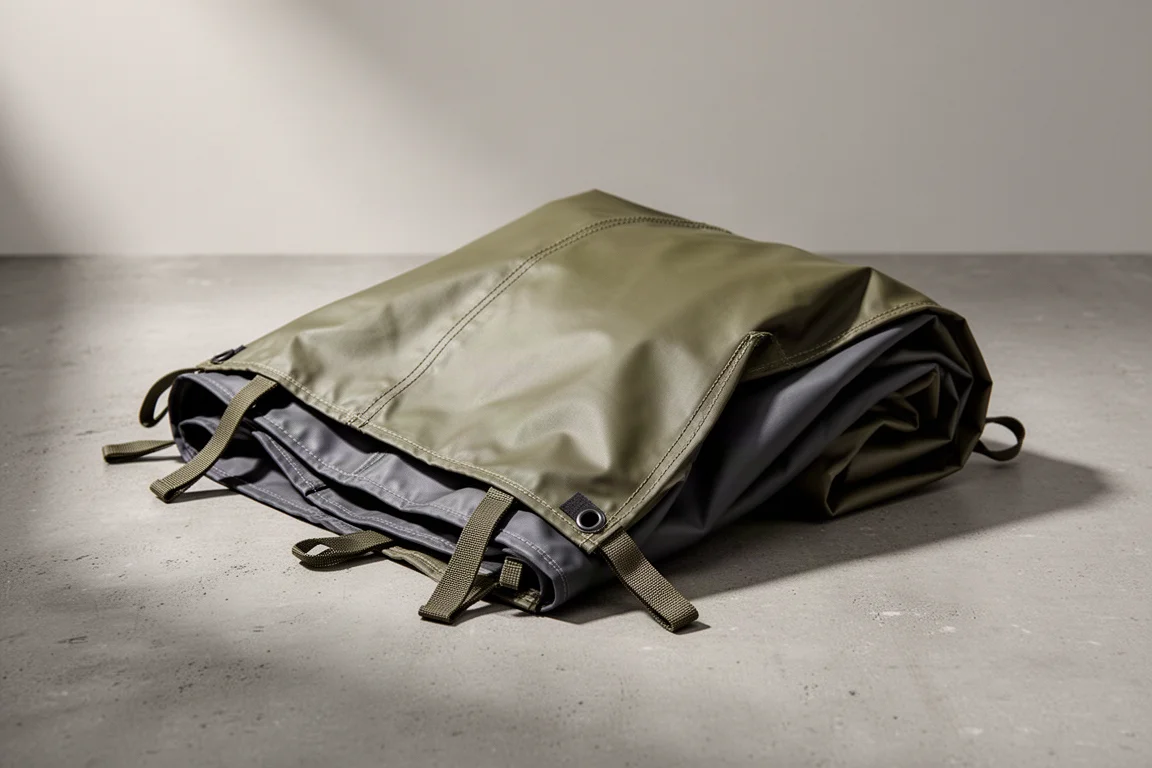
An emergency shelter has a simple job. It has to keep the weather off you long enough to get through the night, and it has to do that without demanding much skill, much time, or much room in your pack. The F Raven Wind Sack 3 is positioned as exactly that kind of product: a compact shelter that claims protection from wind, rain, and snow, priced at around $150.
That price sets a clear expectation. A shelter at this level needs to hold up when conditions are genuinely bad, not only in dry and mild weather. In cold, wet, and windy conditions, the Wind Sack 3 falls well short of both its price and its claims. It is not waterproof, it collects heavy condensation, and it offers very few ways to adapt to the terrain you actually find yourself in.

The fairest way to judge a shelter like this is to compare it against the cheapest option that can do the same job. A 9 ft by 12 ft sheet of 2 mil plastic, a few tarp clips, and some cordage cost roughly $10 in total, with the sheet alone weighing about a pound. Pitched with care, that improvised setup blocked wind, held in warmth, and kept the occupant dry through the same conditions, while adapting far more easily to the site. That comparison frames everything below.
Who the F Raven Wind Sack 3 Is For
This shelter makes the most sense for someone who wants a single, purpose-built item in the pack for short, dry, windy exposure, and who values having one dedicated piece of gear over assembling a shelter from separate components.
It is a much harder recommendation for anyone who expects to be caught out in rain, sleet, or snow. Water handling is where the product is weakest, and wet conditions are precisely when a shelter matters most. Buyers who camp or travel in persistent damp and cold should treat the rain and snow claims with real caution.
Main Strengths
The enclosed shape is the shelter’s main argument. A sack-style design gives you a defined space rather than a flat sheet, and in dry, breezy conditions that enclosure can take the edge off the wind and hold a little warmth around you for a short period.
It is also a purpose-built item rather than an improvised one. There is nothing to source separately, nothing to cut, and nothing to improvise with, which is appealing if you would rather carry a finished product than build a shelter from loose materials. For a short, dry, wind-driven stop, that convenience has genuine value.
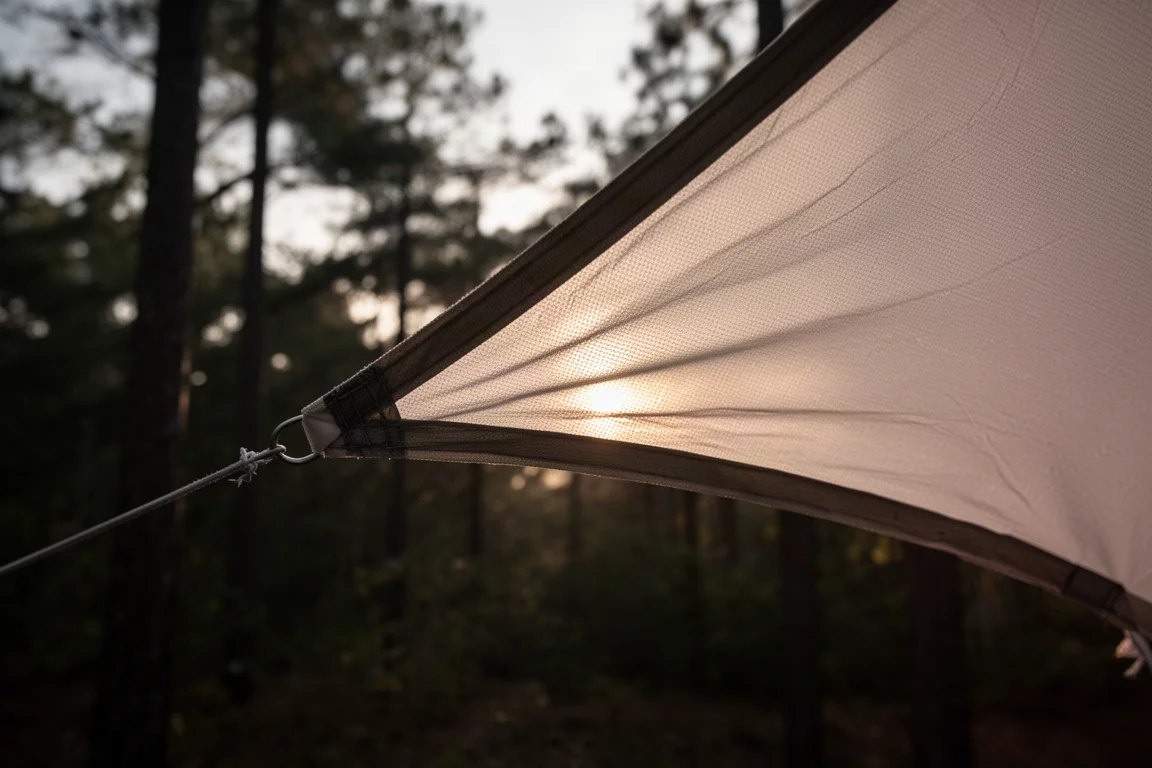
Within those narrow conditions, the product does what a basic windbreak is supposed to do. The limitations start the moment moisture enters the picture.
Where the Wind Sack 3 Falls Short
Waterproofing is the biggest problem. Despite claims of rain and snow protection, the shelter is not waterproof and leaks readily. Rain and melting snow find their way in, which undermines the entire purpose of carrying a dedicated shelter in the first place.
Condensation is the second issue. Moisture builds up heavily inside the shelter and runs down the walls, so even when precipitation stays outside, the interior turns damp. In cold weather that dampness is not a small annoyance. High humidity makes a cold night feel far colder, and it settles into clothing and joints over the hours.
Setup flexibility is the third limitation. There are only a handful of tie-off points, so the shelter has to be forced to fit the site rather than shaped around it. Pitching it well takes effort, and difficult ground or awkward tree spacing makes that effort considerably harder.
What to Expect in the Field
The real test of an emergency shelter is a night you did not choose. In cold conditions with strong winds near 50 mph and falling snow, the Wind Sack 3 performed poorly, and the gap between its marketing and its behaviour was obvious. In milder but wetter weather, with temperatures in the mid 30s, gusting wind, and rain turning to sleet, the shelter blocked wind reasonably well but could not deal with the moisture.
That moisture is what defines the experience. Condensation coats the inside walls and runs downward through the night, and by morning everything inside feels damp. Because the material does not breathe, airflow management becomes critical, and the design does not make that easy.

By contrast, the improvised plastic setup handled the same nights with less fuss. A ridgeline between two trees, a handful of clips, and staked edges produced a shelter that blocked wind, held heat, and stayed dry inside, while leaving enough gap along the ground for airflow. It took about ten minutes to pitch and could be reshaped on the spot as the wind shifted.
The trade-off with thin plastic is durability, and it is worth being honest about that. Two mil sheeting is not strong, it is close to a single-use item, and thicker material would be preferable if it were available. Even so, the performance gap in wet weather is difficult to argue with.
Things to Consider Before Buying
Think about the conditions you actually expect, not the conditions the product claims to handle. If your trips involve rain, snow, or sustained damp, a shelter that leaks and traps condensation will make a hard night harder.
Consider your willingness to manage airflow. Any non-breathable shelter needs ventilation, and the difference between a comfortable night and a miserable one often comes down to how carefully the shelter is pitched. This is a skill question as much as a gear question.
Weigh the cost against the alternatives. At around $150, the Wind Sack 3 sits in a price bracket where buyers reasonably expect dependable weather protection. A sheet of plastic, some clips, and cordage cost a small fraction of that and cover more situations, even though they demand more setup knowledge and are less durable.
Buying Advice
If you specifically want a compact, single-item shelter for short, dry, windy emergencies and you accept that it is not a rain shelter, the Wind Sack 3 can serve that narrow role. Go in with clear expectations and treat it as a windbreak rather than all-weather protection.
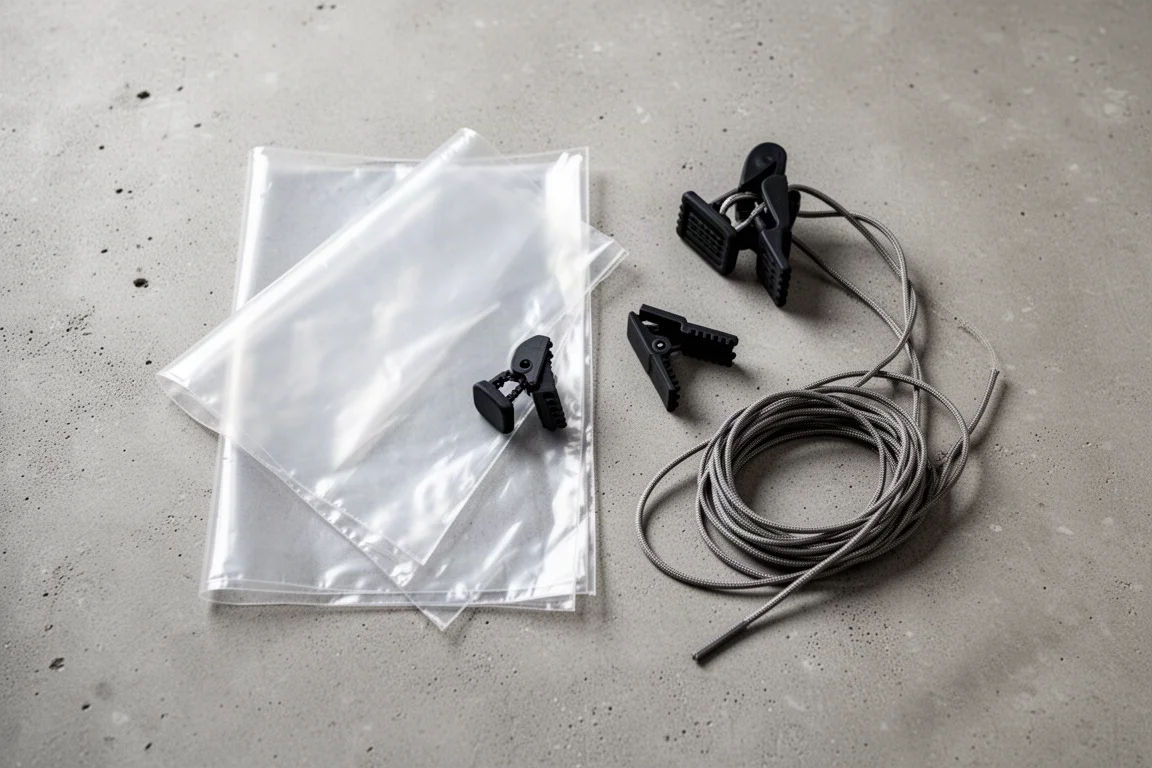
For most buyers, the stronger move is to put the money into a shelter that is genuinely waterproof, or to build a low-cost kit around a plastic sheet, tarp clips, and cordage. That approach costs far less, adapts to almost any site, and gives you the flexibility to pitch around the terrain instead of fighting it. Whichever route you take, practice the setup at home before you need it in bad weather.
Conclusion
The F Raven Wind Sack 3 is a purpose-built emergency shelter with a narrow comfort zone. In dry, breezy conditions it can take the edge off the wind and hold a little warmth, and the enclosed shape has real appeal for short stops.
In rain, snow, and heavy condensation, it does not deliver what its price and its claims suggest. Water gets in, moisture builds up inside, and the limited tie-off points make it harder to pitch well. For around $150, that is a difficult combination to justify when a roughly $10 improvised setup handled the same nights with more adaptability and comparable or better results. Buy it only if your expectations match what it can actually do.
Product link
View more details for F Raven Wind Sack 3
This product is mentioned in the review. Check the specifications, options, and compatibility before buying.
View more details for F Raven Wind Sack 3Further reading
Related Reviews
Emergency Shelters
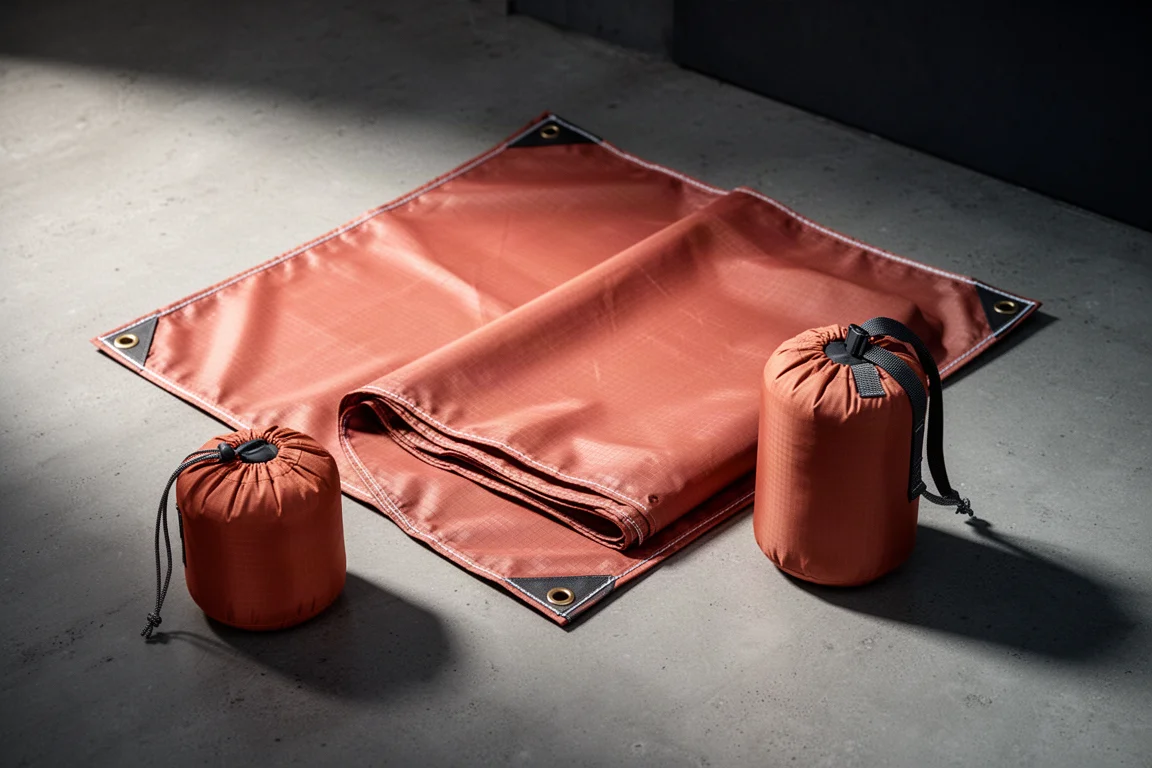
Aqua Quest Survivor Emergency Tarp Review: A High-Visibility Shelter Built for Hard Weather
A 10 x 10 ripstop nylon emergency tarp with taped seams, a 5,000 mm hydrostatic head rating, 19 tie-out points, and reflective trim, tested through winter storms and driving rain.
Emergency Shelters
Terra Nova Bothy Bag and Fjallraven Windsack 3: Two Emergency Shelters Tested in Wind and Rain
A wet, windy field test of the Terra Nova Bothy Bag alongside notes on the Fjallraven Windsack 3, covering condensation, ventilation, comfort, and when an emergency shelter is worth carrying.
Insulated Jackets
Aerogel vs Down Insulation: Two Aerogel Jackets Compared
Aerogel is the lightest solid on record, but two aerogel jackets measured against a comparable down jacket tell a more complicated story about warmth.