Cargo Bikes
Tern GSD S10 Review: Three Years and 1,800 Miles on a Compact Cargo Bike
A long-term look at the Tern GSD S10, covering real running costs, the first service bill, and whether a compact cargo bike can genuinely replace a second car.
Introduction
Cargo bikes are not cheap. The most basic models sell for around £1,500, while the most expensive can run past £8,000, which for most households makes one the single most expensive bike they have ever bought. So the honest question is whether it earns its keep.
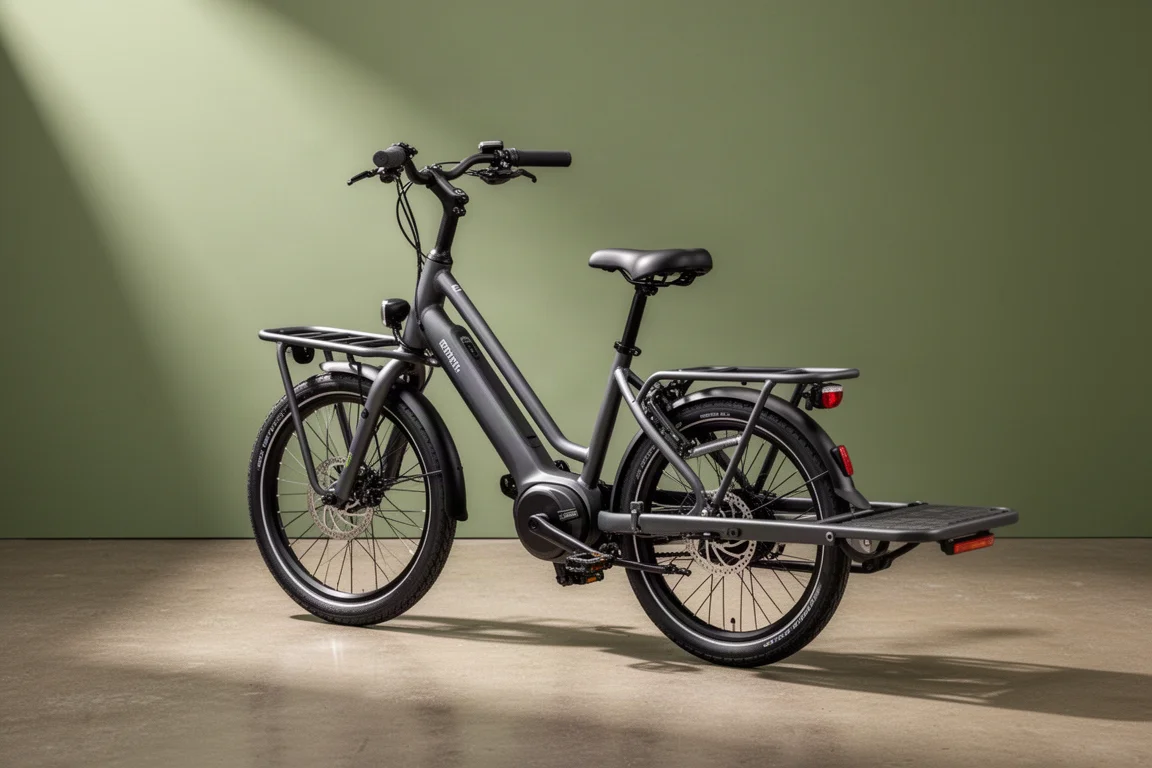
This is a long-term look at the Tern GSD S10, the most basic model in the GSD range. It was bought in January 2022 at a retail price of £4,700 or $4,499, with extra money spent on a front rack, wider footrests and rear seats for passengers. The reasoning was straightforward: with small children, there were several occasions every week when an extra car was needed to reach the places the family had to go.
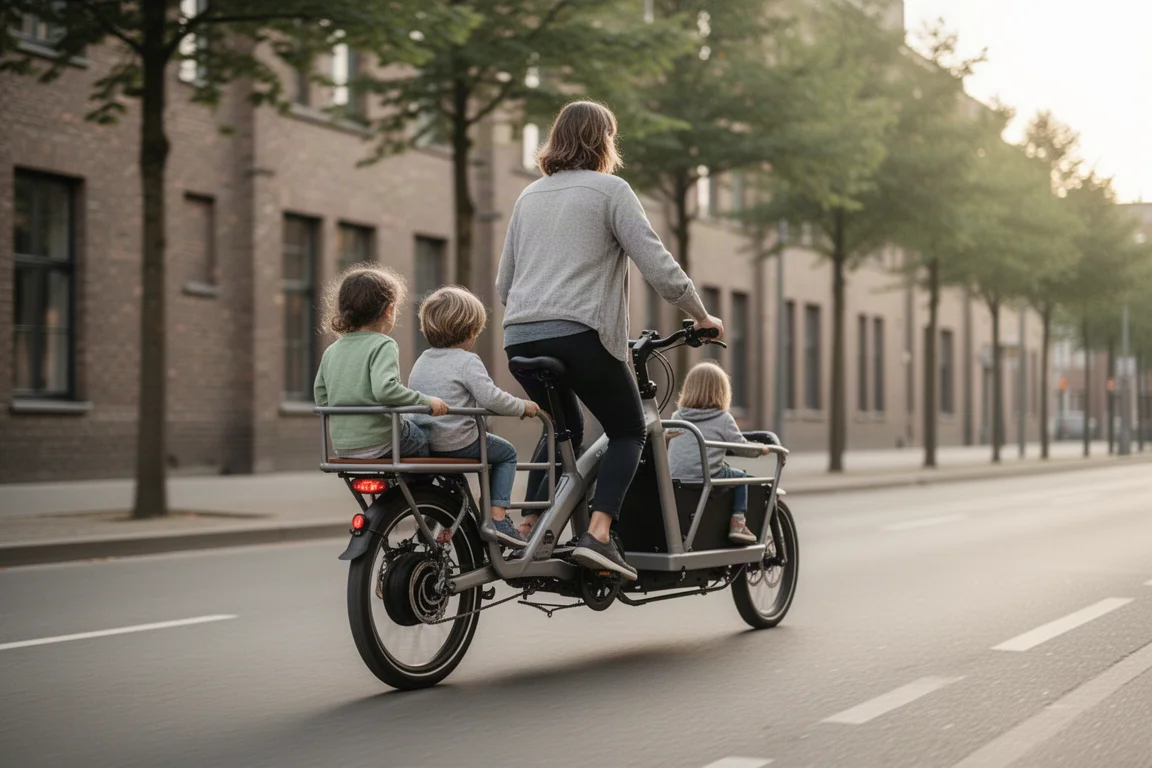
Three years and roughly 1,800 miles later, the numbers are worth adding up properly. What follows covers what the bike has actually cost to run, what the first proper service revealed, and how those figures compare with keeping a small car on the road.
Who This Cargo Bike Is For
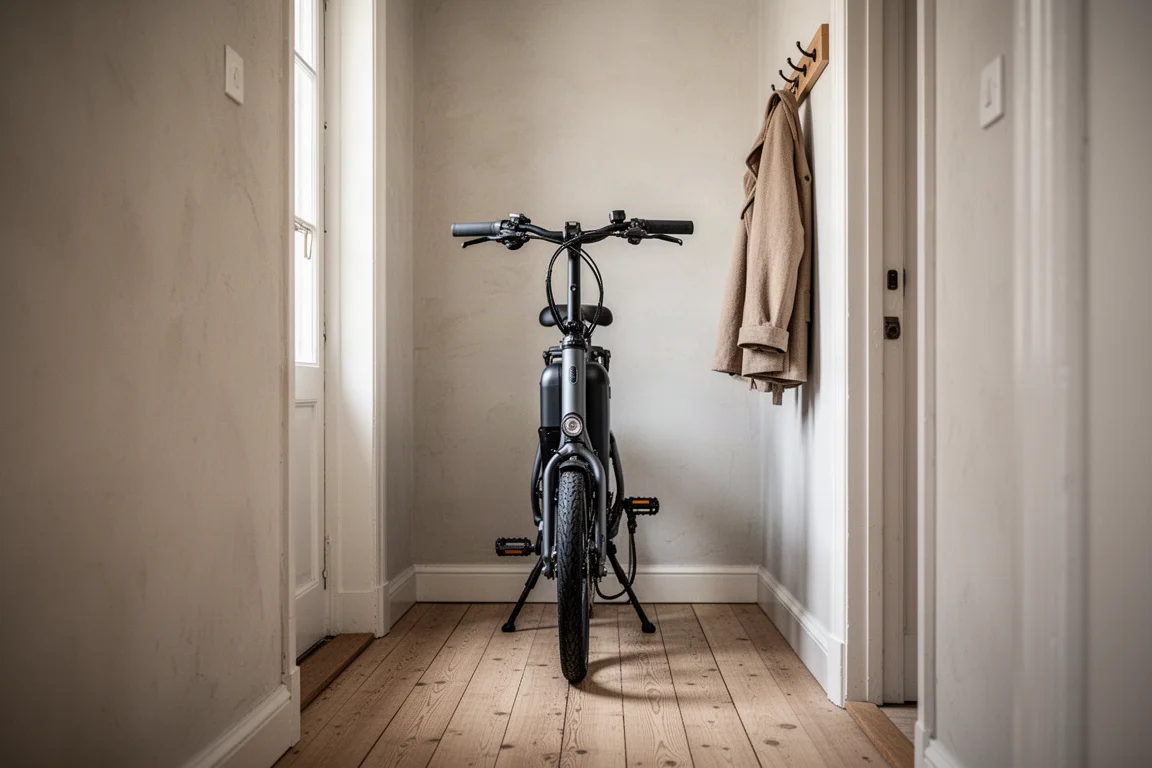
The GSD is aimed at riders who need to carry people and cargo without giving up the feel of a normal bike. It is compact enough that it is not much bigger than a standard bicycle, and it can be stored on its end, which matters for anyone short on garage or hallway space.
That combination suits city households in particular, where trips are short and parking is difficult. It also works well for plenty of riders outside the city, so a rural address is not automatically a reason to rule it out.
The other group it suits is anyone who currently keeps a second car mainly for short local trips. If those journeys involve children, shopping or equipment, a compact cargo bike can absorb a surprising share of them, and it can even take over as the primary vehicle for weeks at a time.
Main Strengths After Three Years
Durability is the headline. Across three years the bike was never serviced and never cleaned. In that time it needed one inner tube replaced, a second one mended, a brake adjustment, a new chain tensioner after the original gave up, and the chain lubricated a couple of times. That is the entire list.
Electric cargo bikes have a reputation for being expensive to repair, but the components that worry people most tend to be the most dependable. Established motor and battery systems from brands such as Shimano, Bafang, Brose, Yamaha and Bosch are built to a high standard, and a specialist shop that has worked on them for more than a decade reports very few motor problems. Those systems also typically carry at least two-year guarantees on motors, batteries and cabling, so anything that does go wrong early is straightforward to resolve.
Running costs are modest as well. Charging an electric bike is inexpensive, and even with a heavy load and the highest level of assistance in constant use, the electricity came to roughly £10 a year.
Things to Consider Before Buying
The first service is where the picture changes. A full service on the GSD came to £297, and that single visit works out at roughly £100 a year across three years of ownership. Checking chain wear earlier would likely have trimmed some of that bill, and much of the work involved is within reach of a rider with moderate mechanical skill.
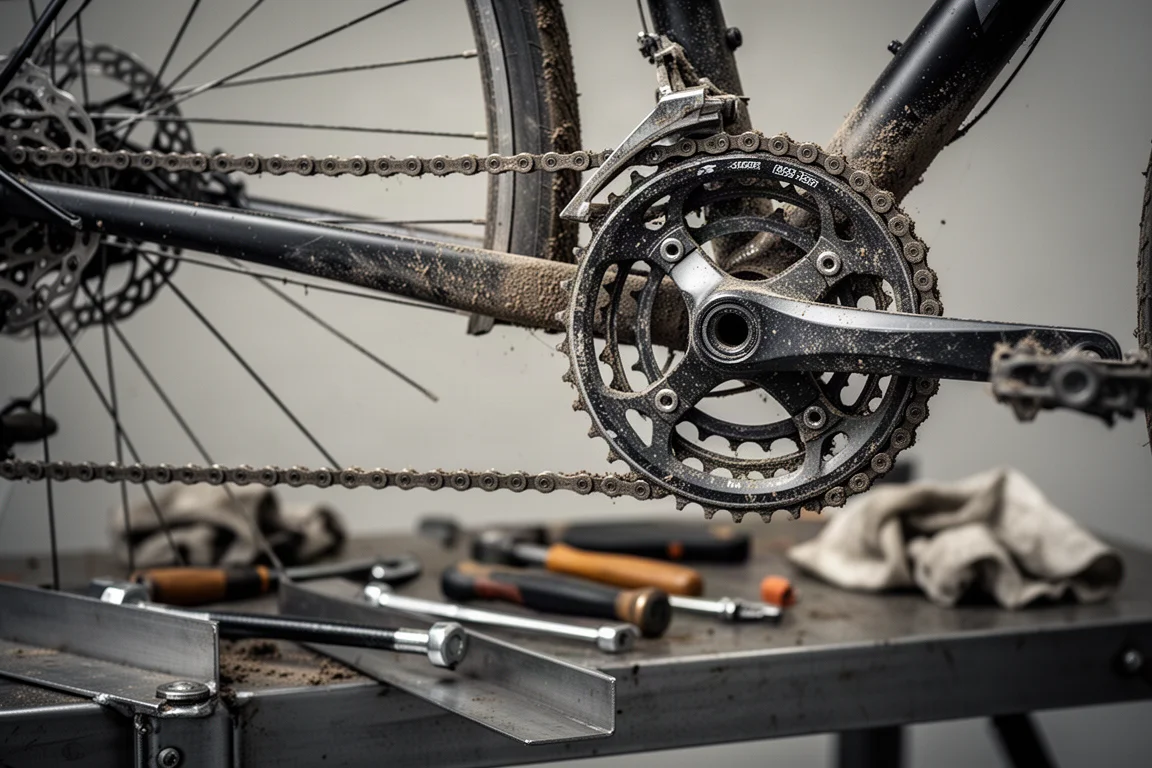
Wear patterns explain the cost. Compared with a standard bicycle, electric cargo bikes put more load through the chain and the brakes, and they tend to be ridden more often and in worse weather. A bike that is not cleaned regularly turns grit into grinding paste, and chains wear out faster as a result. Brakes take more punishment for the obvious reason that the bike is heavier.
Storage is the other thing to be honest about. Compact cargo bikes solve far more of that problem than full-length ones, but they are still not for everyone, and some riders will find them awkward to house no matter how neatly they fit into a corner.
Buying Advice
Add it all up and the running costs are easy to follow. Depreciation works out at around £500 a year, insurance at about £150, charging at about £10 and consumables at roughly £5, for a total of around £665 a year including depreciation. Excluding depreciation, the figure was about £165 a year before the service, and the £297 service pushes that to roughly £265 a year.
Against that, a small hatchback costs very roughly £2,000 a year all in, or around £1,000 a year once depreciation is stripped out. Even relying on car club hire instead of owning a car works out at least twice as expensive as the bike. Those car figures are deliberately conservative, so the real gap is likely to be wider.
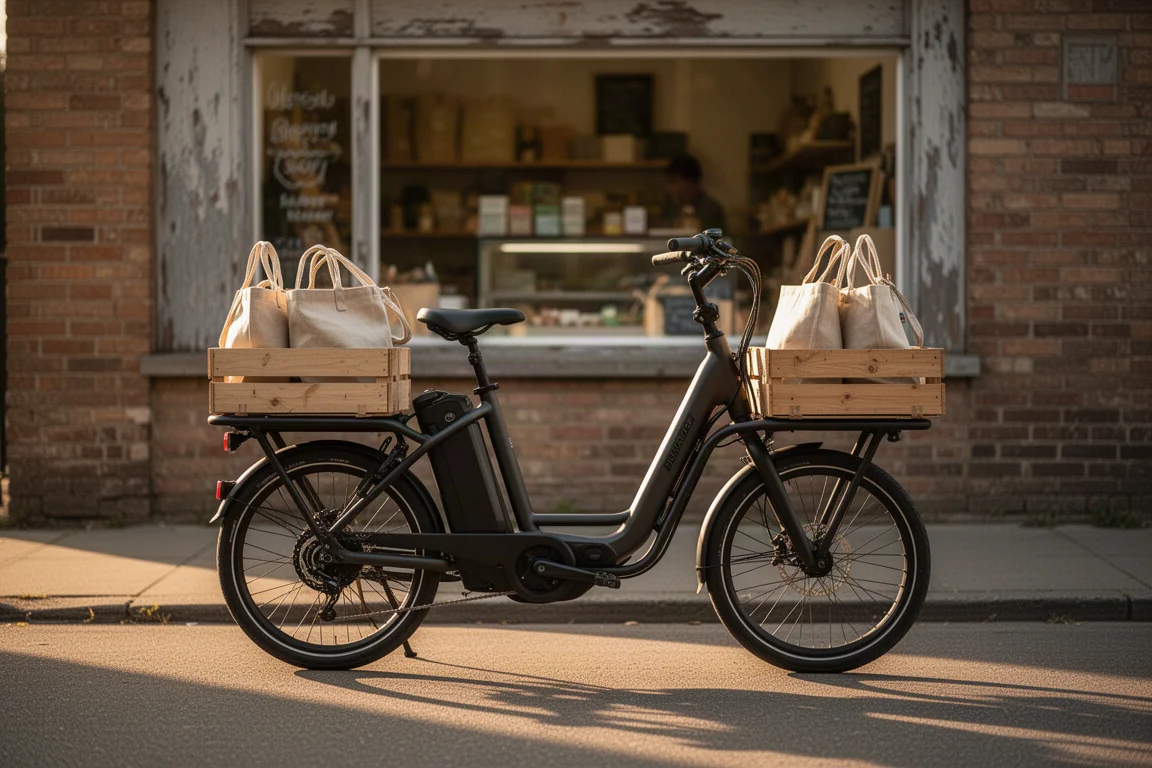
The practical conclusion is that the case for a compact cargo bike rests on how many car trips it removes. If it replaces a meaningful share of short journeys, the arithmetic holds up comfortably, and the bike can even stand in as a first car replacement rather than a second one. If it would sit unused, no running cost calculation will rescue the purchase.
Conclusion
Three years and 1,800 miles on the Tern GSD S10 have cost roughly £265 a year excluding depreciation, or around £665 a year once depreciation is included, against about £2,000 a year for a small car. Apart from the initial purchase price, there is little to complain about. The bike has been dependable, the service bill was a one-off shock rather than a pattern, and it replaced a large number of car journeys. Riders who can store it and who have genuine local trips to make will find it a practical, confidence-inspiring purchase.
Product link
View more details for Tern GSD S10
This product is mentioned in the review. Check the specifications, options, and compatibility before buying.
View more details for Tern GSD S10Further reading
Related Reviews
Cargo Bikes
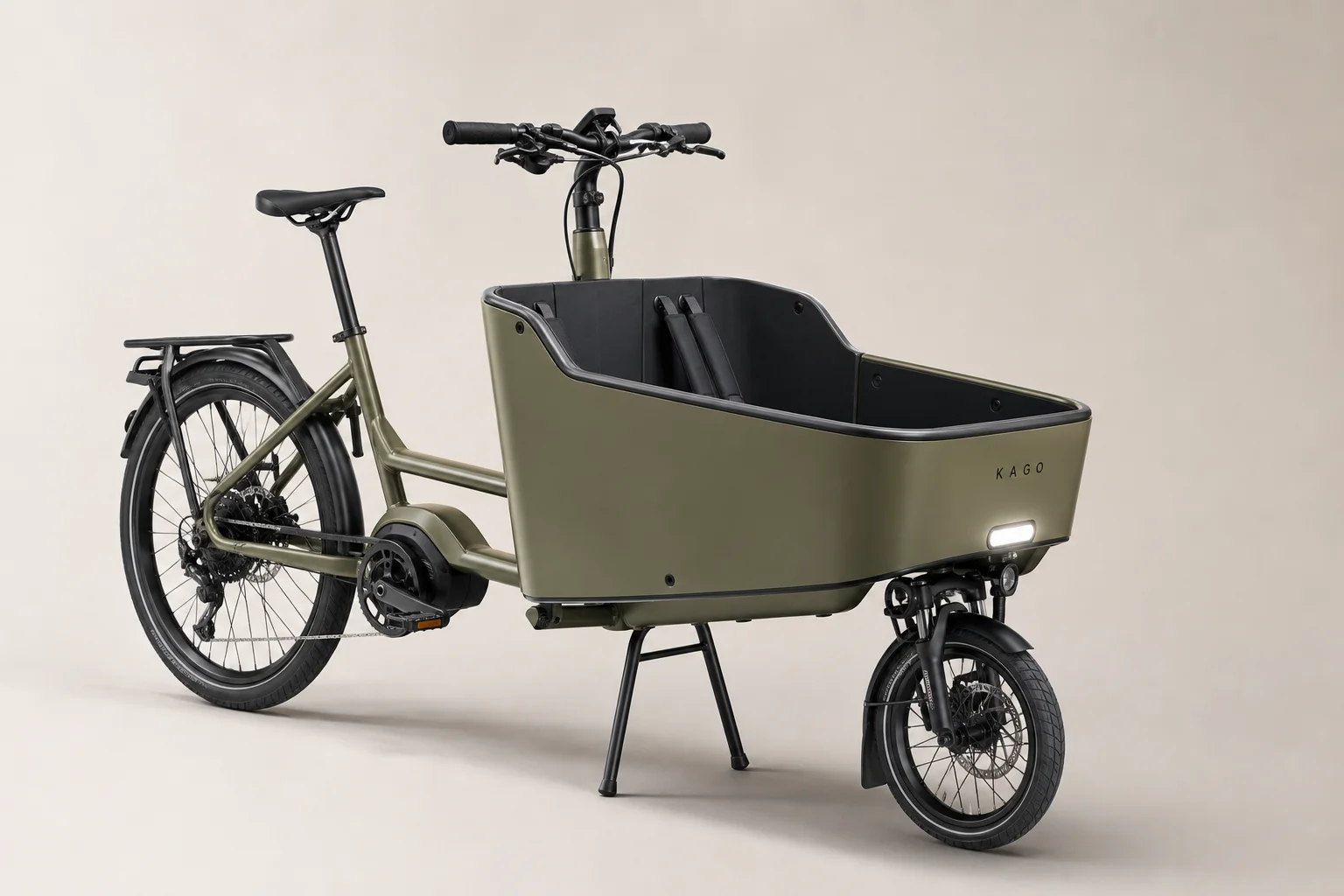
Kago Bike Review: A 121-Pound Cargo Hauler Built for the Future
The Kago is an ambitious electric cargo bike with automotive-grade safety engineering, a 600-pound capacity, and a price tag that reflects its ambitions. We tested it fully loaded down a steep hill.
Cargo Bikes
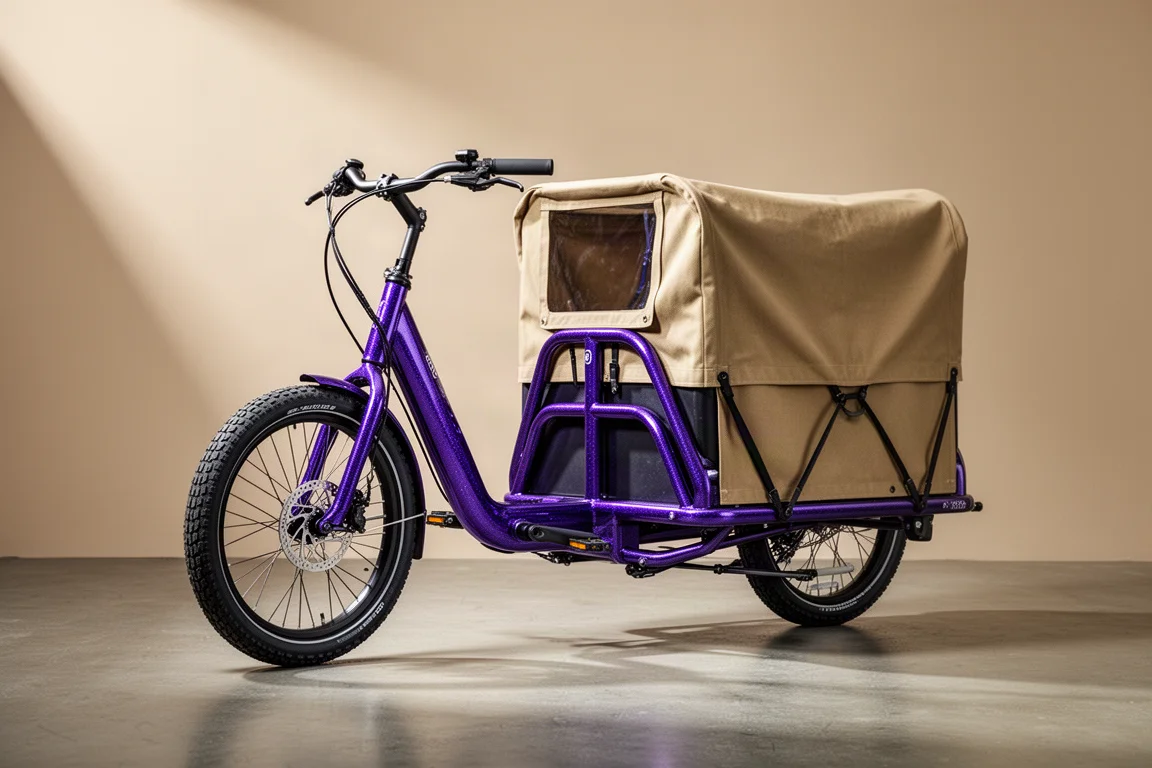
Omnium Mini-Max WiFi Cargo Bike Review: An Electric Build for Commuting With a Dog
A practical look at an Omnium Mini-Max WiFi cargo bike built up as an electric commuter, covering the Bafang motor, the custom battery case, the Magura brakes, the Schwalbe tyres, and the dog harness setup.
Cargo Bikes
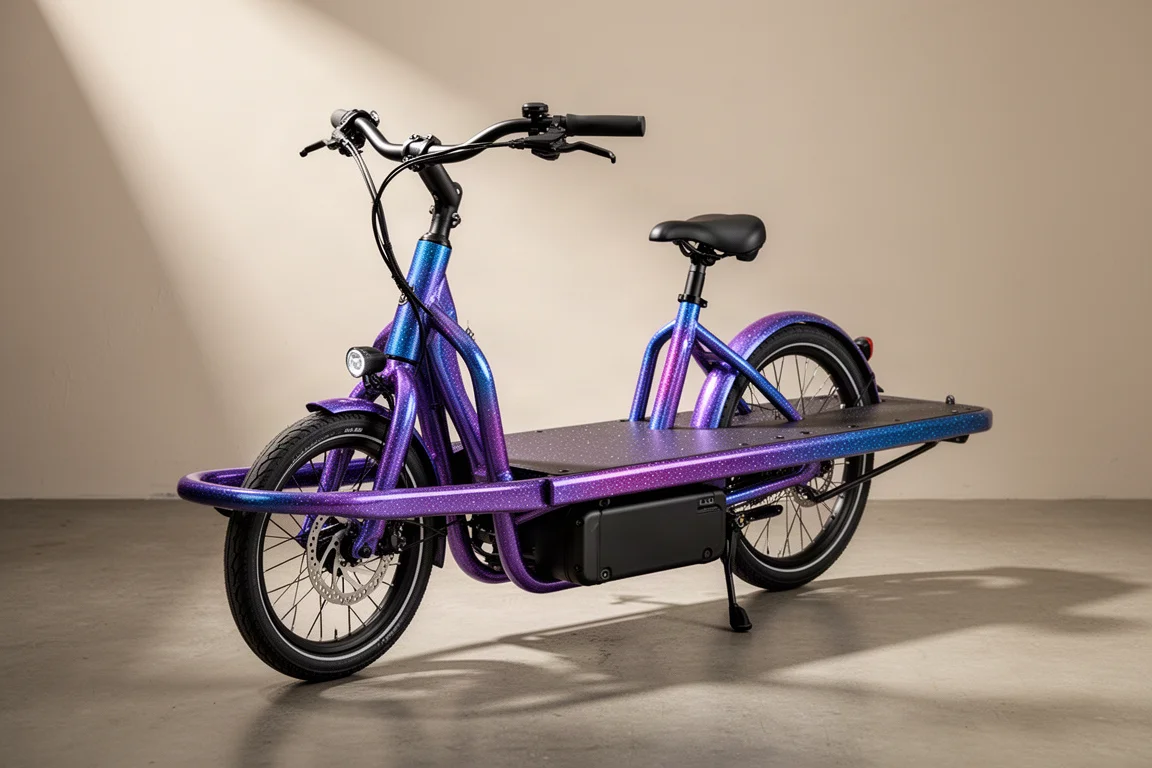
Omnium MiniMax Wi-Fi Review: A Custom Cargo E-Bike Built for the Daily Commute
A practical look at the Omnium MiniMax Wi-Fi cargo bike, including its Bafang e-assist conversion, hill-ready brakes and gearing, and the dog-friendly cargo setup.