Cargo Bikes
Kago Bike Review: A 121-Pound Cargo Hauler Built for the Future
The Kago is an ambitious electric cargo bike with automotive-grade safety engineering, a 600-pound capacity, and a price tag that reflects its ambitions. We tested it fully loaded down a steep hill.
Introduction
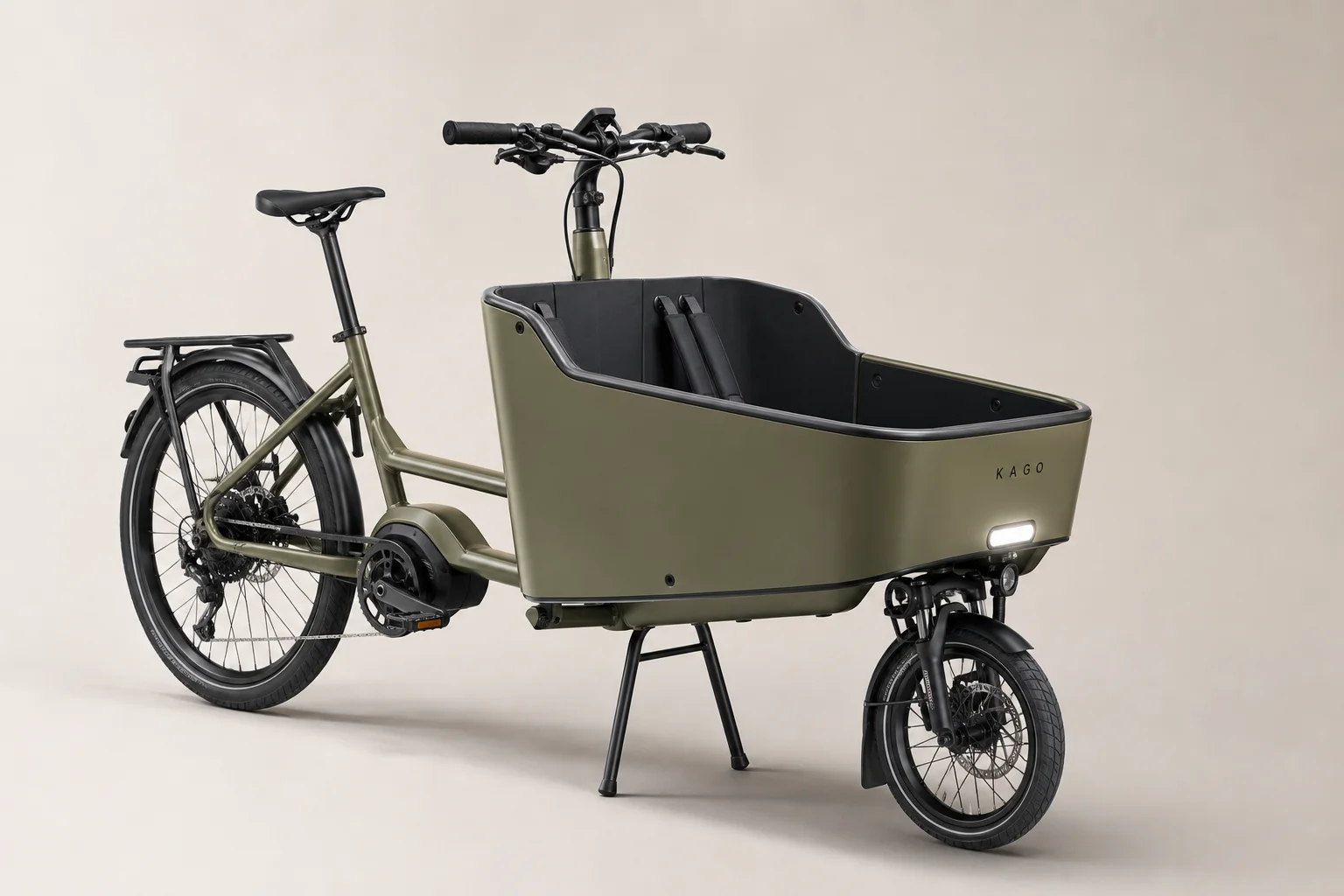
The Kago is a cargo bike that represents an unusual bet on the future of urban transportation. Built by Ergon, a German company known for ergonomic cycling products, it combines automotive-grade safety engineering with electric assist and a capacity to carry 600 pounds of cargo. At 121 pounds without passengers or cargo, it is a substantial machine designed for families considering whether to replace a second car with a bike. We spent a day testing its features, including a fully loaded descent down a steep driveway to evaluate its braking system.
Design and Safety Engineering
The Kago’s most striking feature is its front-mounted cargo box, which differs fundamentally from the rear-mounted design of traditional cargo bikes like the Surly Big Dummy. This forward placement serves multiple purposes: vehicle-bicycle collisions are most common from the rear, so children ride in front where they are more visible; the low center of gravity improves handling; and the design eliminates the need for a drivetrain in the cargo area.
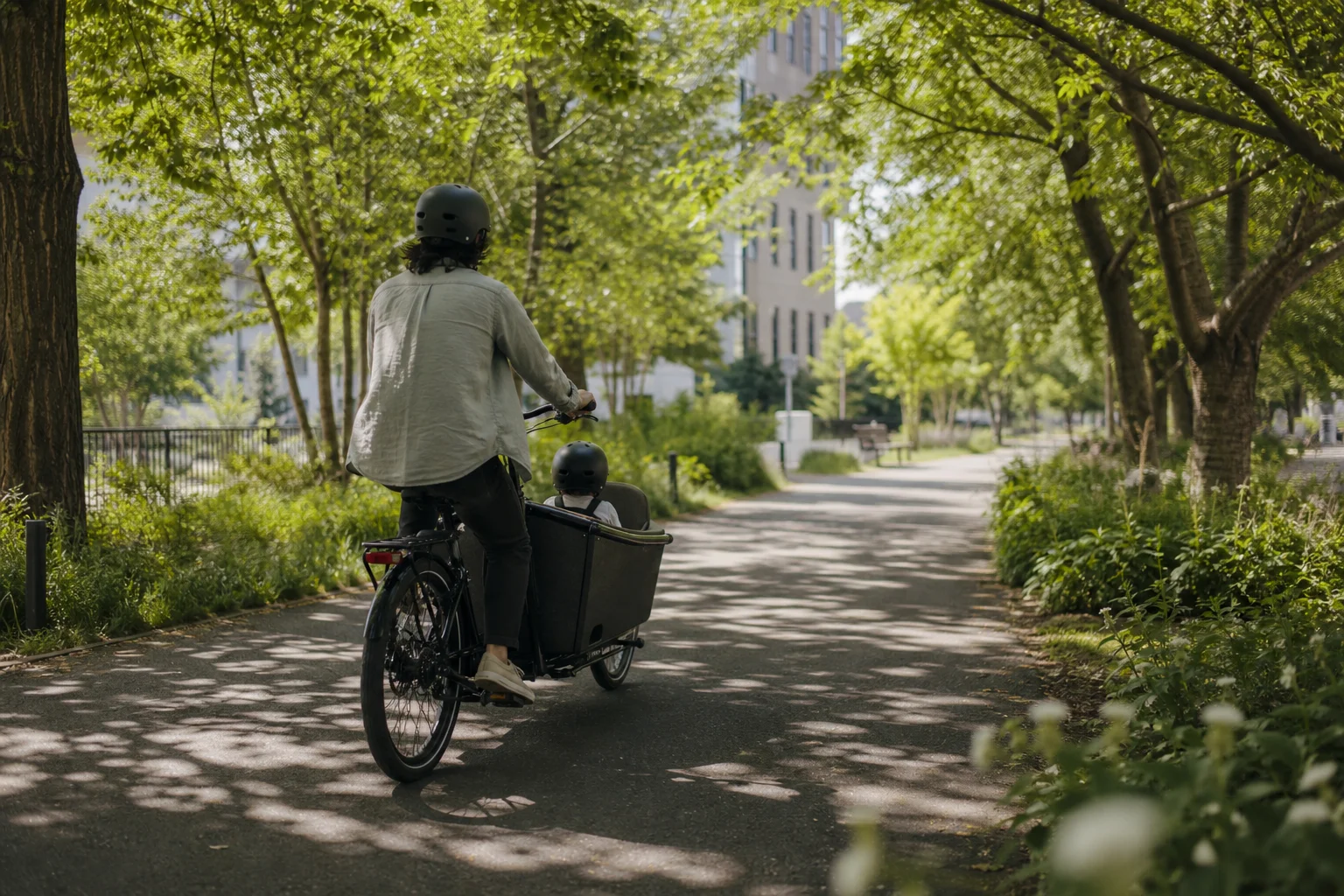
The cargo box itself is made from expanded polypropylene foam and underwent automotive crash testing for both side and front impacts. The exterior is completely rounded with no sharp edges, a design choice made explicitly for pedestrian safety. The mold for this box reportedly cost approximately one million dollars. The steering system uses four redundant cables rather than belts, reducing the risk of catastrophic failure.
A suspension fork at the front absorbs bumps, and the small front wheel diameter helps maintain a low center of gravity. The headlight features high and low beams, and a tail light is integrated into the rear. A built-in GPS tracker is also included.
Cargo Compartment and Seating
The interior cargo space is genuinely spacious. With the seats folded, there is approximately four additional inches of floor space, and the compartment sides extend high to protect passengers. The seats fold up like those in a pickup truck bed, revealing five-point harnesses and adjustable headrests that can be set to different heights to accommodate children of various ages.
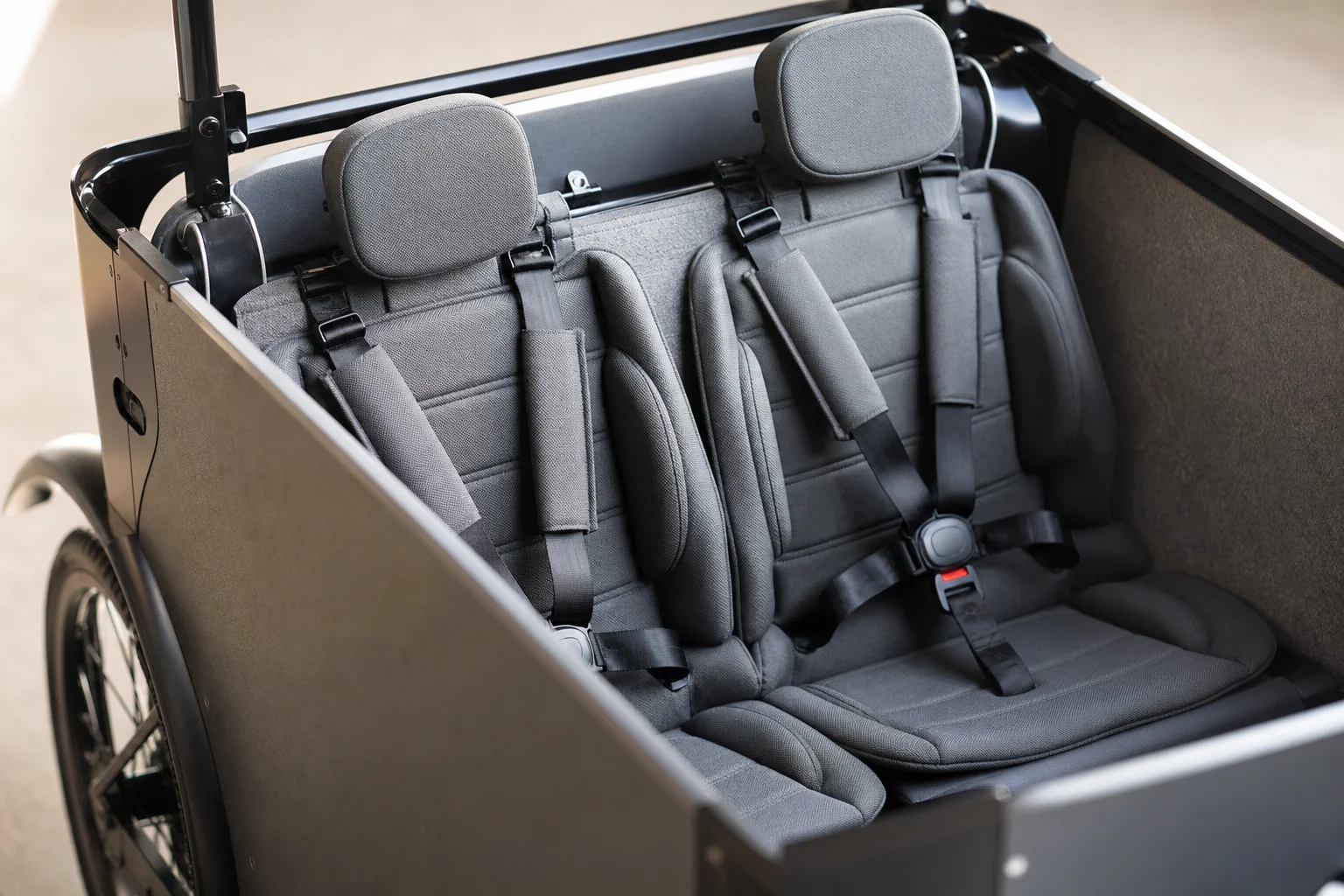
The canopy features Fidlock buckles on the sides, allowing it to lift for easier entry and exit. A dedicated handle helps adults pull the bike onto its kickstand. The cargo box can be configured multiple ways: a sliding tray for lunch or storage, or a large liner with handles that can be removed and brought into a store. The design allows children to open and exit the compartment themselves, though the bike remains stable on its kickstand.
Power and Weight
The Kago uses a mid-drive electric motor paired with an Enviolo internal gear hub and belt drive. The mid-drive senses pedal force and responds proportionally, requiring riders to do actual work rather than simply triggering assist by pedaling. This approach is safer and more engaging than throttle-based systems. The belt drive eliminates the need for chain lubrication and is low-maintenance.
At 121 pounds without cargo or passengers, the Kago is likely the heaviest vehicle on most urban greenways. The electric assist is necessary to manage this weight, though the bike is limited to 20 mph, a deliberate choice that reflects the manufacturer’s focus on safety over raw speed. The bike is designed to be ridden home from a store rather than transported, as its size and weight make it difficult to fit in a vehicle.
Braking Performance Under Load
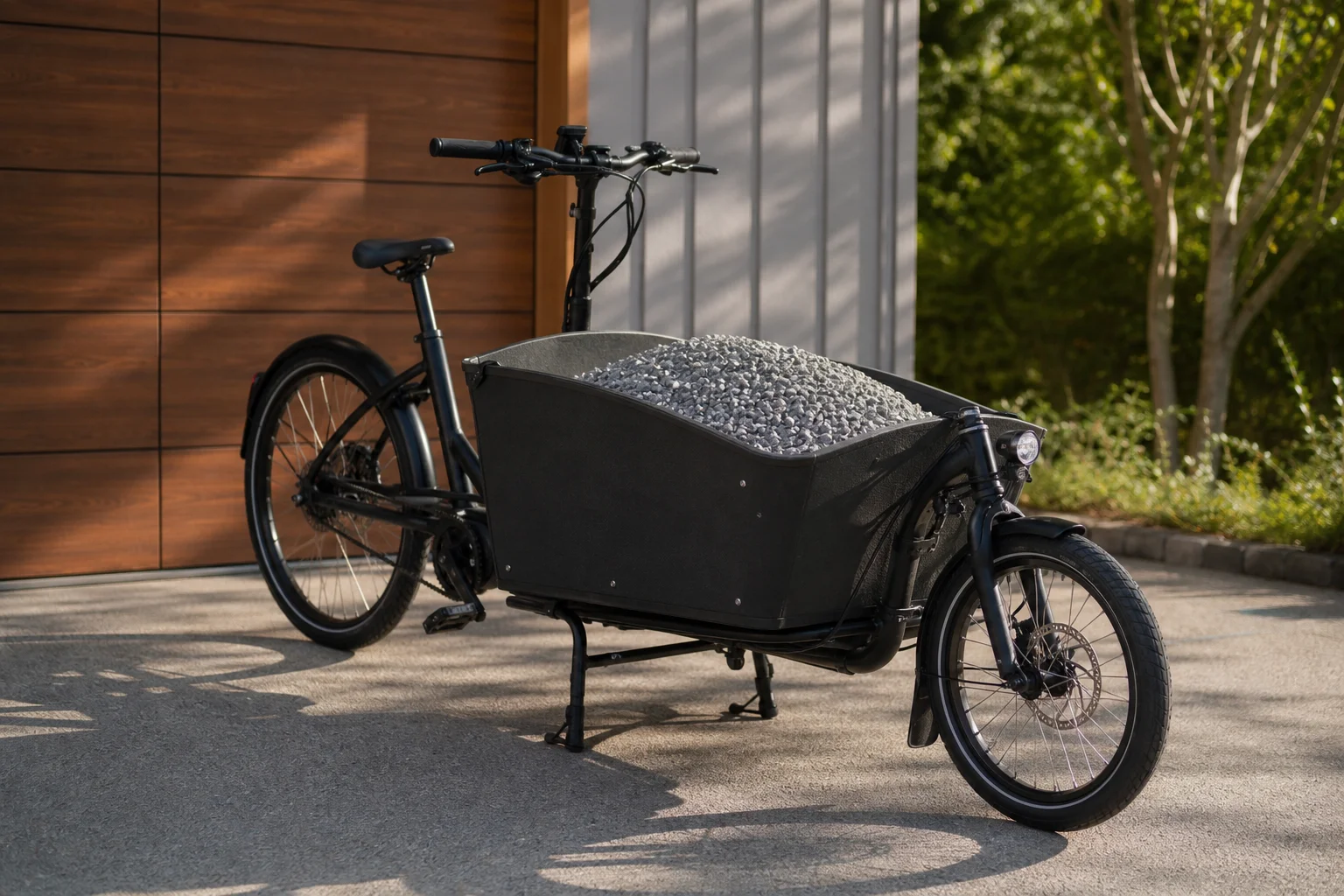
To test the braking system, we loaded the cargo box with approximately 600 pounds of granite gravel and rode it down a steep residential driveway with a 35-percent grade. The bike is equipped with 203-millimeter hydraulic disc rotors and four-piston brakes on the rear wheel, comparable to those found on downhill mountain bikes.
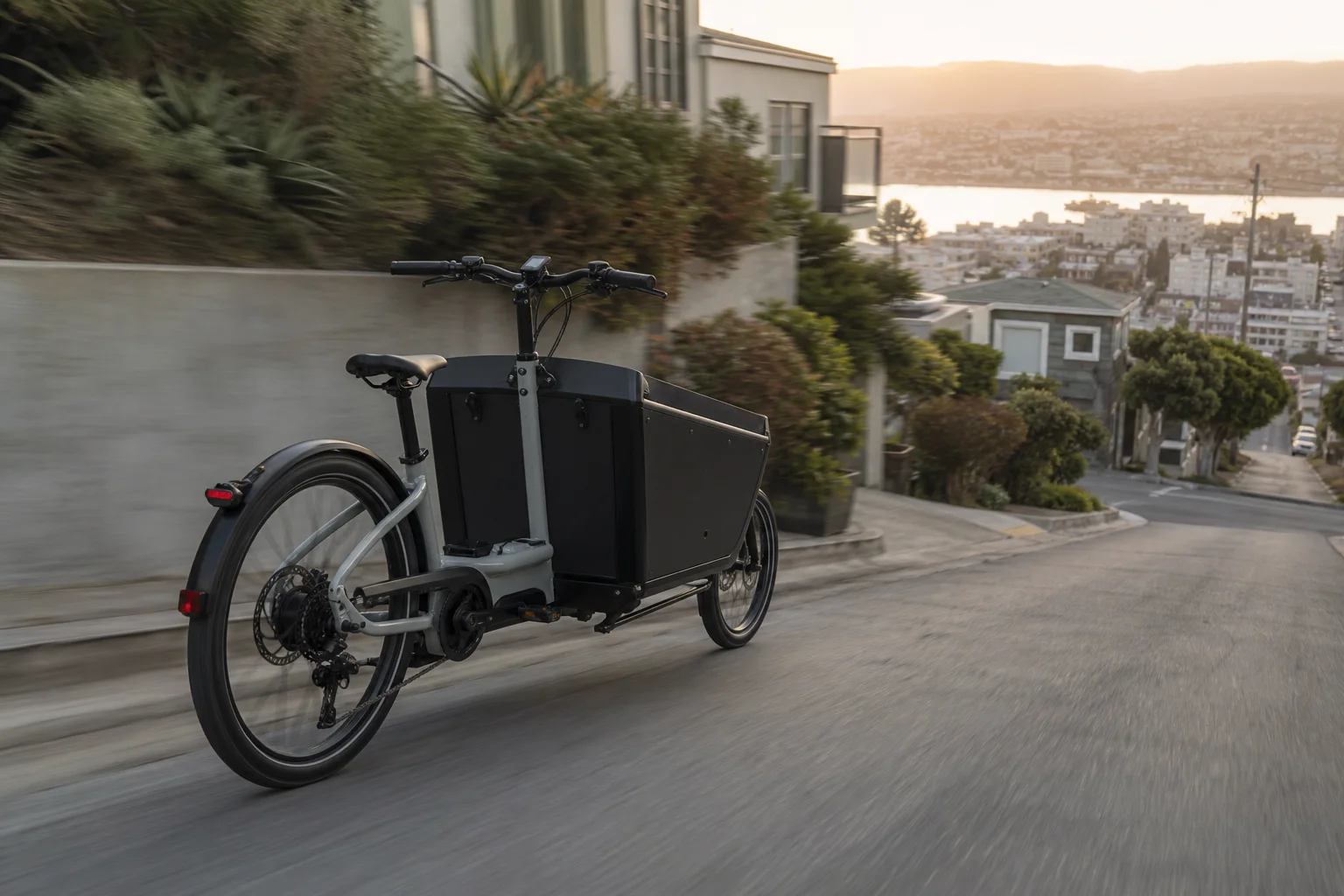
During the descent, the brakes performed adequately but showed signs of stress, with the pads becoming discolored from heat. The braking power was sufficient to control the descent, though the brake pads required cooling afterward. This test demonstrates that the braking system is capable of handling extreme loads, though it is not designed for repeated heavy descents.
Conclusion
The Kago is an ambitious cargo bike that reflects significant investment in safety, comfort, and engineering. At 10,000 dollars, it is expensive, but the cost reflects automotive-grade crash testing, pedestrian safety considerations, and a mid-drive electric system. Currently available only in Europe, it represents a bet on a future where cargo bikes replace cars for urban families. Whether that future arrives depends on factors beyond the bike’s design, including infrastructure, regulation, and cultural shifts in transportation preferences. For families in markets where it is available and who have the budget, it offers genuine capability and thoughtful engineering.
Product link
View more details for Kago Bike
This product is mentioned in the review. Check the specifications, options, and compatibility before buying.
View more details for Kago BikeFurther reading
Related Reviews
Coffee Brewing
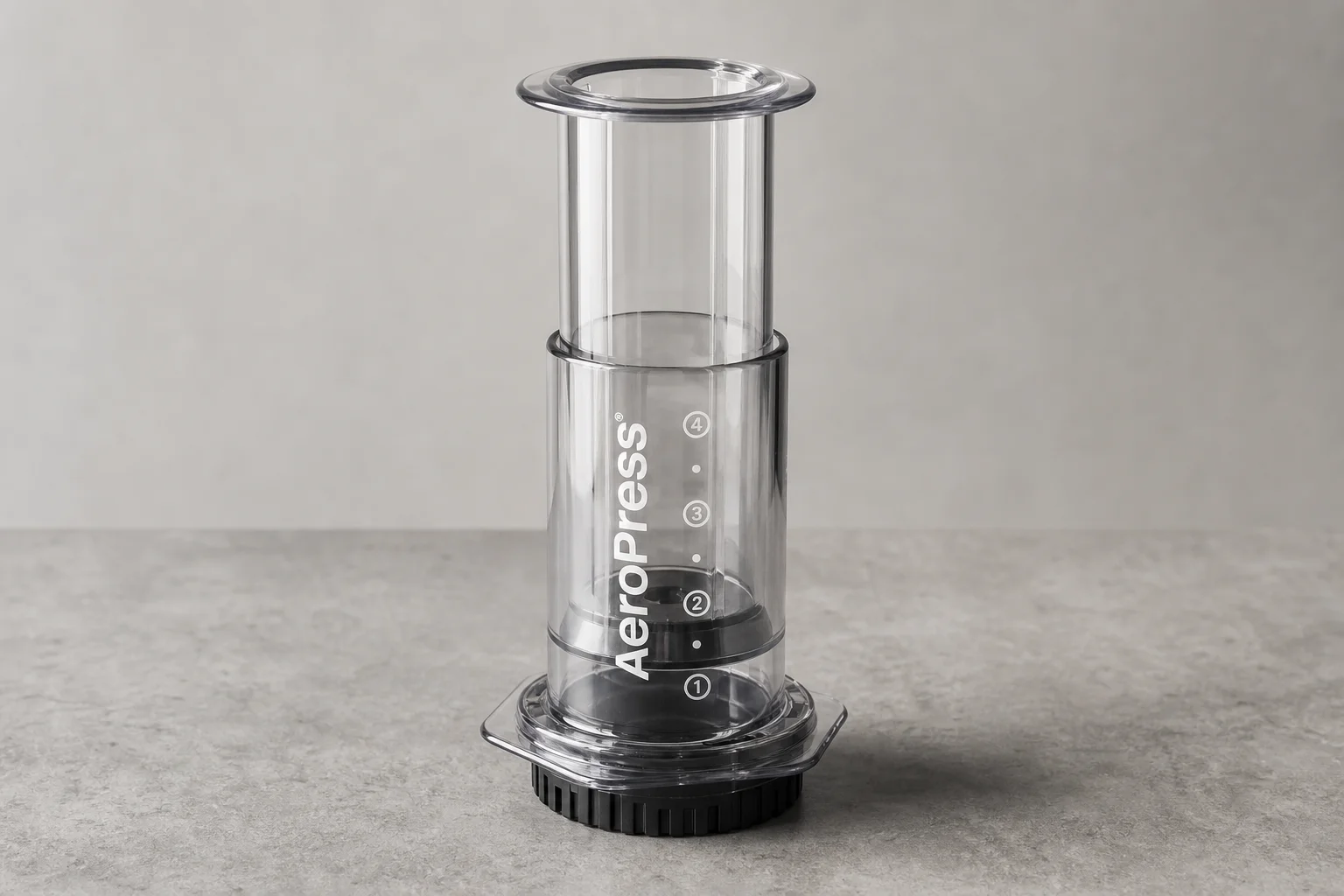
AeroPress Clear Review: A Transparent Upgrade With Caveats
The new AeroPress Clear uses Tritan material and costs $50, but doesn't brew better coffee than the original. We tested durability, staining, and what the price increase means for the brand's future.
Coffee Equipment
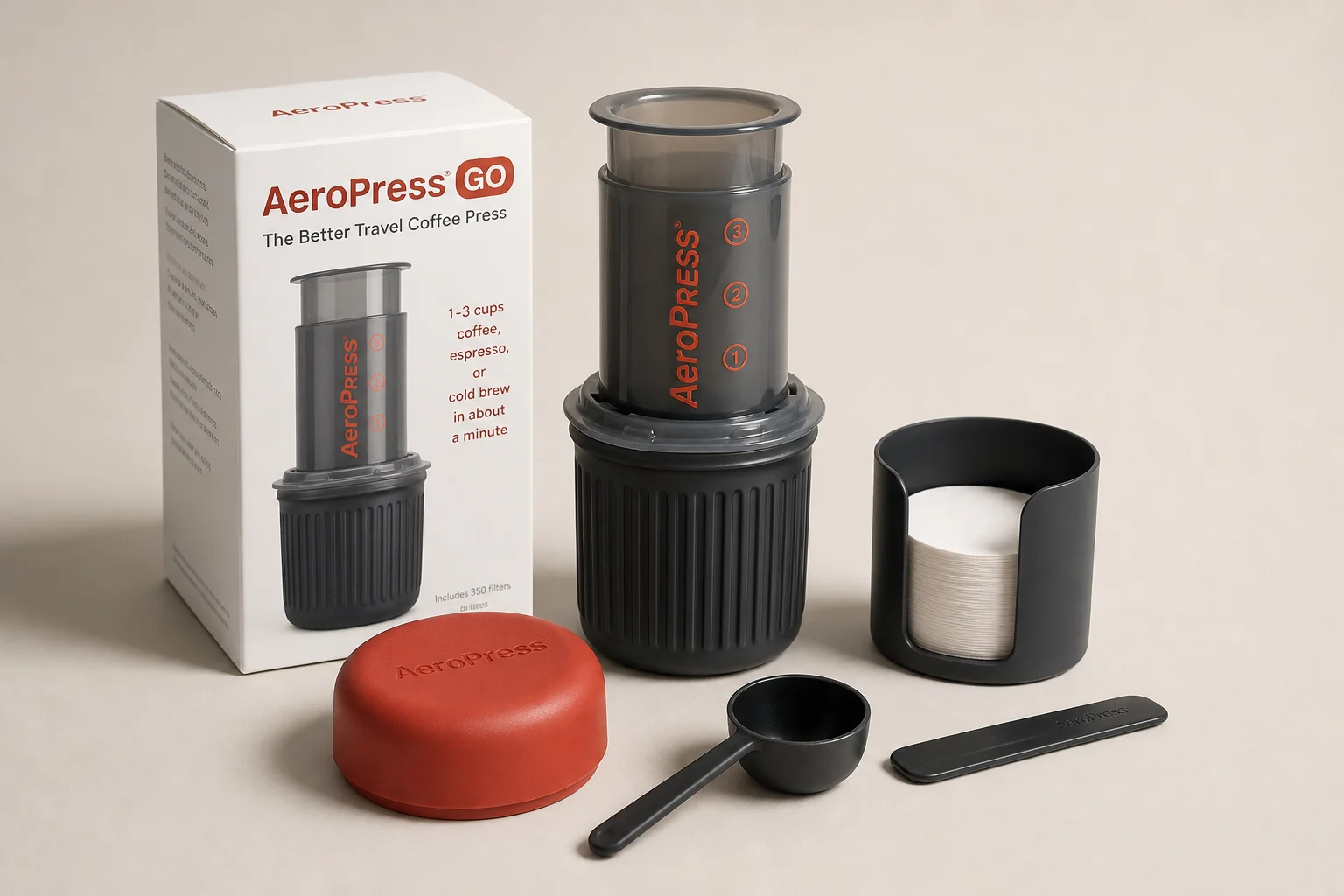
Aeropress Go Review: A Compact Travel Brewer That Solves One Specific Problem
The Aeropress Go shrinks the original design and adds an integrated cup, but it may not address the travel challenges most coffee enthusiasts actually face.

Tech
Apple MacBook Neo Review: A Surprisingly Capable Budget Laptop
The MacBook Neo brings M1-equivalent performance to a $599 entry-level laptop. We tested it across real workflows to see if it's worth considering over pricier alternatives.