Camping Tents
Tent Types Explained: Where the Naturehike Vic2 and Snugpak Scorpion 3 Fit
A practical guide to tent categories, from two-season shelters to true four-season tents, and how two very different models fit into the picture.
Introduction
Buying a tent has a lot in common with buying a vehicle. You need to know what you are looking for, what to avoid, which features genuinely matter, and how much you are prepared to spend. A shelter that looks like a bargain can turn out to be the wrong tool entirely, and the difference usually comes down to construction rather than marketing.
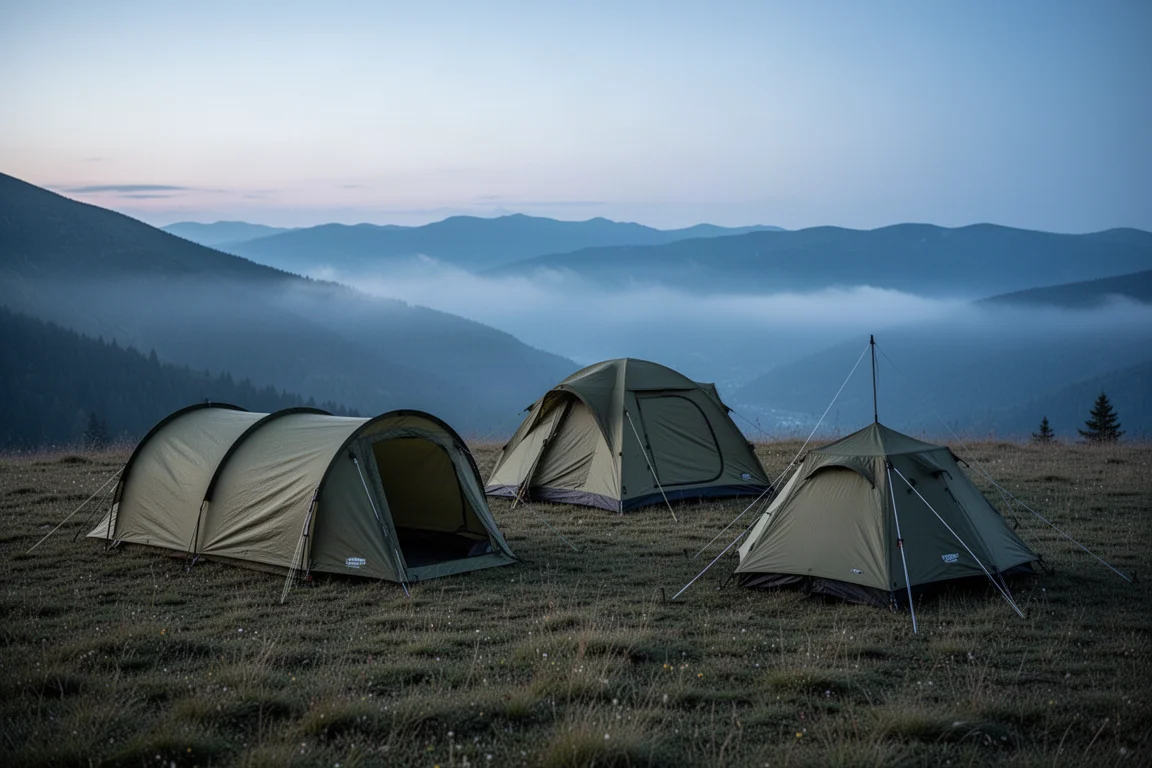
Labels are the first thing to ignore. Plenty of tents are sold as four-season shelters when the construction does not support winter use, and some tents marketed for warm weather have ventilation that would leave you sweltering inside. This guide works through the main tent categories, from two-season shelters through to true four-season tents, and looks at two models that sit at very different points on that spectrum: the Naturehike Vic2 and the Snugpak Scorpion 3.
How Tent Categories Actually Differ
Two-season tents are the cheapest shelters on the market. Most use polyester, fiberglass poles, and a single wall with almost no mesh, which means ventilation is extremely poor and the interior can turn into a puddle after even light rain. They are not built for wind, they are not reliably waterproof in practice, and they are best treated as backyard shelters. Expect roughly $20 to $100, with most examples landing near $60. One hard rule applies here: never use fiberglass poles below freezing, because they can shatter.
Three-season tents are the most common and the most versatile. A good one is waterproof, offers strong ventilation through generous mesh, and handles a reasonable amount of wind without collapsing. Aluminium poles are standard in this category. Nylon is lighter and stronger per unit of fabric than polyester, which is heavier and generally less expensive. Realistic pricing for genuine quality runs from about $150 to $500, with low weight pushing the figure upward.
Three-plus-season tents sit in a confusing middle ground. They use a fabric inner body instead of mesh, which blocks airflow and traps heat. That makes them pleasant in spring and autumn and unpleasant in summer, where they can become uncomfortably hot even with the door wide open. They are often less expensive than comparable three-season tents, and they are not necessarily stronger. Typical pricing sits between $80 and $120.
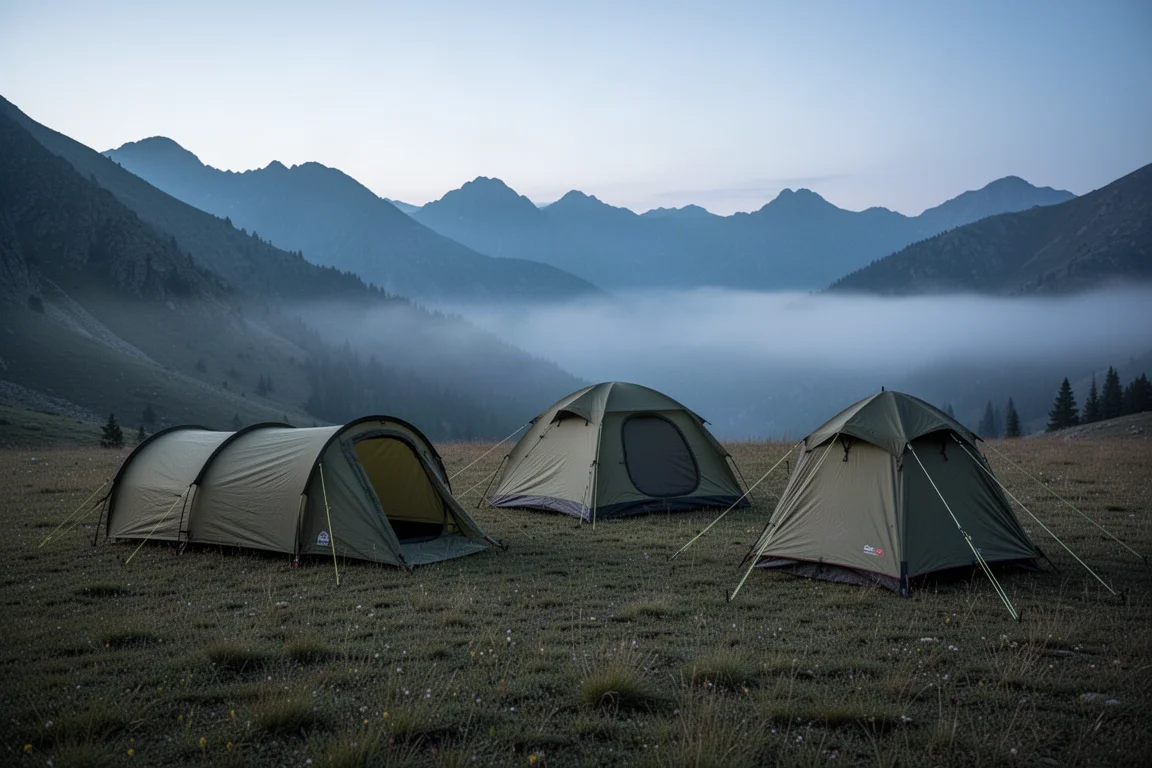
Four-season tents are designed for the fourth season and winter alone. They are built to be very strong, extremely waterproof, and capable of handling heavy snow loading and strong winds without taking damage. They are also expensive, and using one in summer is a mistake: it will be hot, and it will be heavier than the trip requires.
What to Look For Before You Buy
Ventilation comes first, followed closely by waterproofing. A tent that cannot move air will leave you damp from condensation regardless of how well the fabric repels rain, so look at how much mesh the inner body has and where the airflow actually travels.
Pole material matters just as much. Fibreglass belongs on a playhouse, not on a trail shelter. Aluminium is the standard for anything you intend to rely on in wind or cold.
Fabric choice shapes both weight and price. Nylon takes less material to reach a given level of strength, so nylon shelters tend to be lighter and more expensive, while polyester shelters tend to be heavier and cheaper. Brand track record is worth checking before price. So is the accuracy of a manufacturer’s claims: retailer star ratings are not a reliable measure of quality, because they can be manipulated in both directions. Independent testing and field reports are a better guide.
Naturehike Vic2: A Lightweight Single-Wall Shelter
The Naturehike Vic2 is a single-wall three-season tent. A single wall means one layer of separation between you and the weather, which keeps weight down but limits airflow and traps moisture inside the shelter. It is waterproof, but in a rainstorm you have to close it up, and the moisture you release overnight has nowhere to go. It condenses on that single wall, runs down the fabric, and drips onto the floor.
That behaviour is the defining trade-off of single-wall design. It is not built to handle heavy snow loading or strong winds, whatever the label on the box suggests, and the condensation inside it is significant enough that it is hard to recommend for most people.
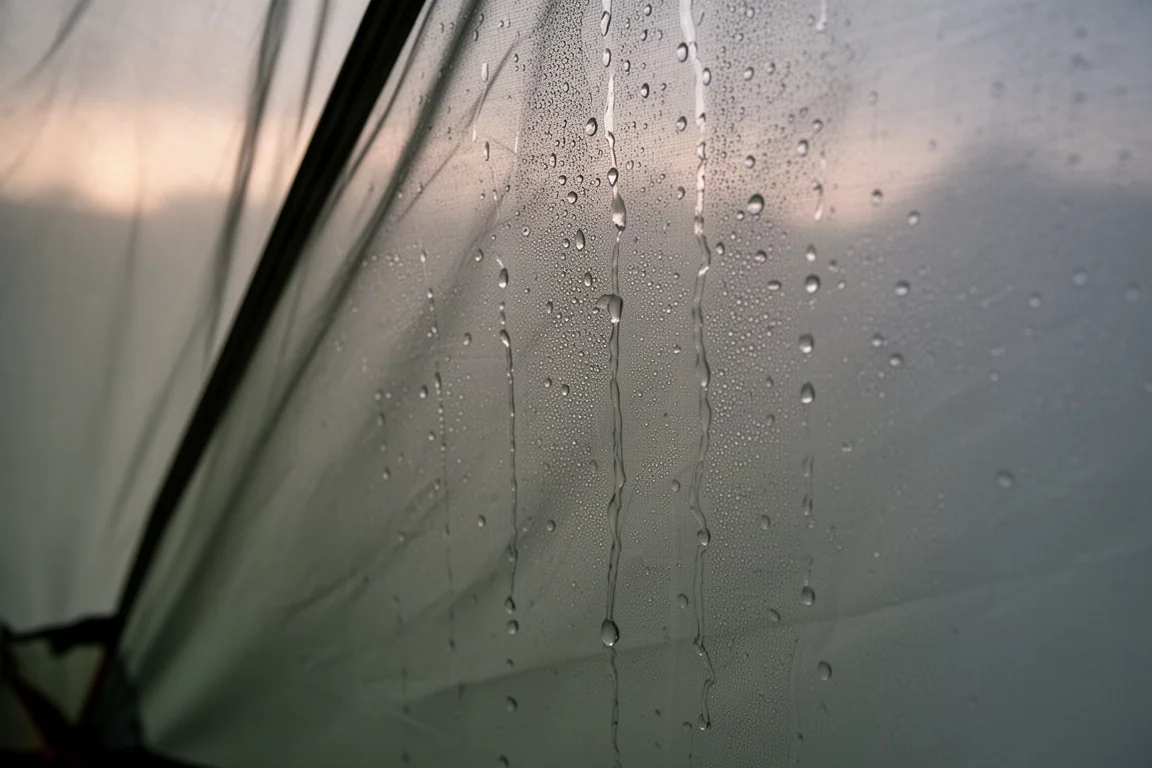
Where the Vic2 does make sense is in very dry, low-humidity climates, or on a single lightweight trip where pack weight is the priority and you are willing to put up with the consequences for one night. Across multiple nights in damp conditions, the moisture problem becomes the main thing you remember about the tent.
Snugpak Scorpion 3: A Practical Four-Season Option
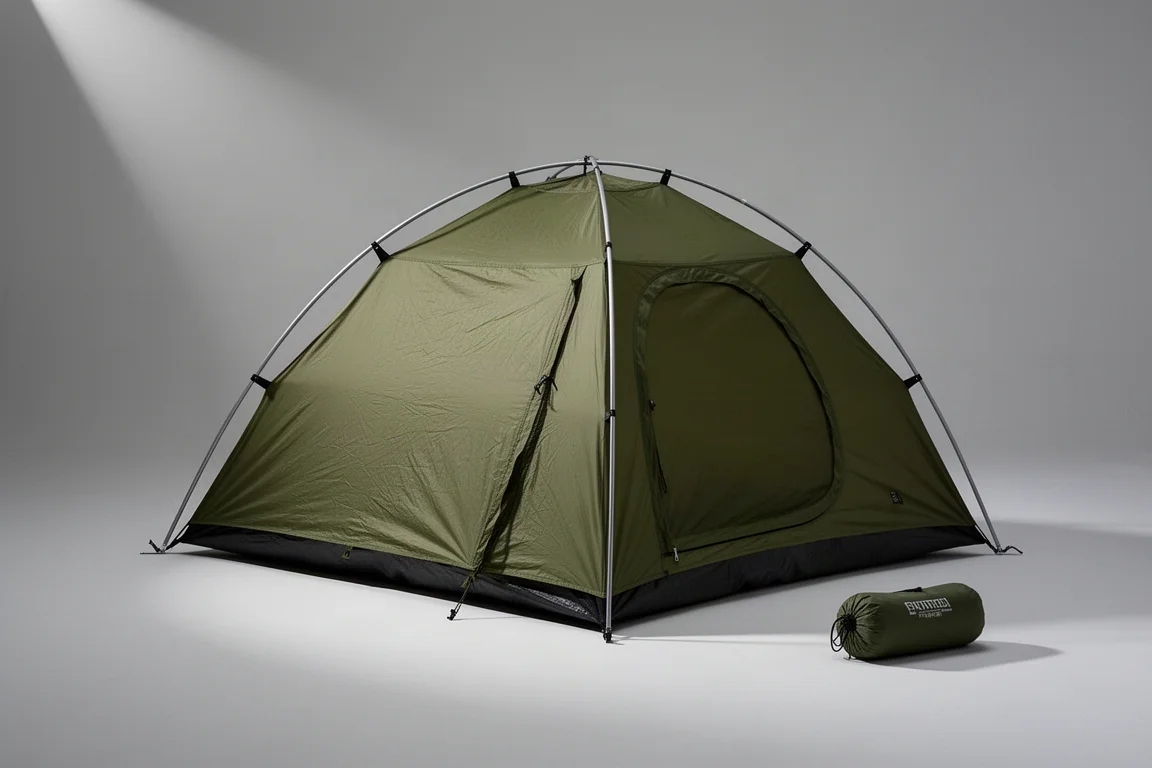
A genuine four-season tent is a serious piece of equipment: strong, extremely waterproof, and able to take heavy snow loading and strong winds without damage. That capability carries a price. Expect around $600 at the lower end of the category and over $1,000 at the top, where shelters are built for blizzards and the worst conditions winter can offer.
The Snugpak Scorpion 3 sits at the accessible end of that range. It is intended for moderate winter conditions, calm snow events, and moderate wind rather than extreme snow loading or storm-force gusts. For that kind of trip it is a sensible choice, and it costs far less than the high-end winter shelters built for severe weather.
It is worth being cautious about four-season claims in general, since a very cheap winter tent usually signals a marketing label rather than real capability. The Scorpion 3 is a fair example of what a modestly priced four-season shelter can realistically do: cover moderate winter trips well, without pretending to be a blizzard shelter.
Single-Wall and Double-Wall: What Changes on the Trail
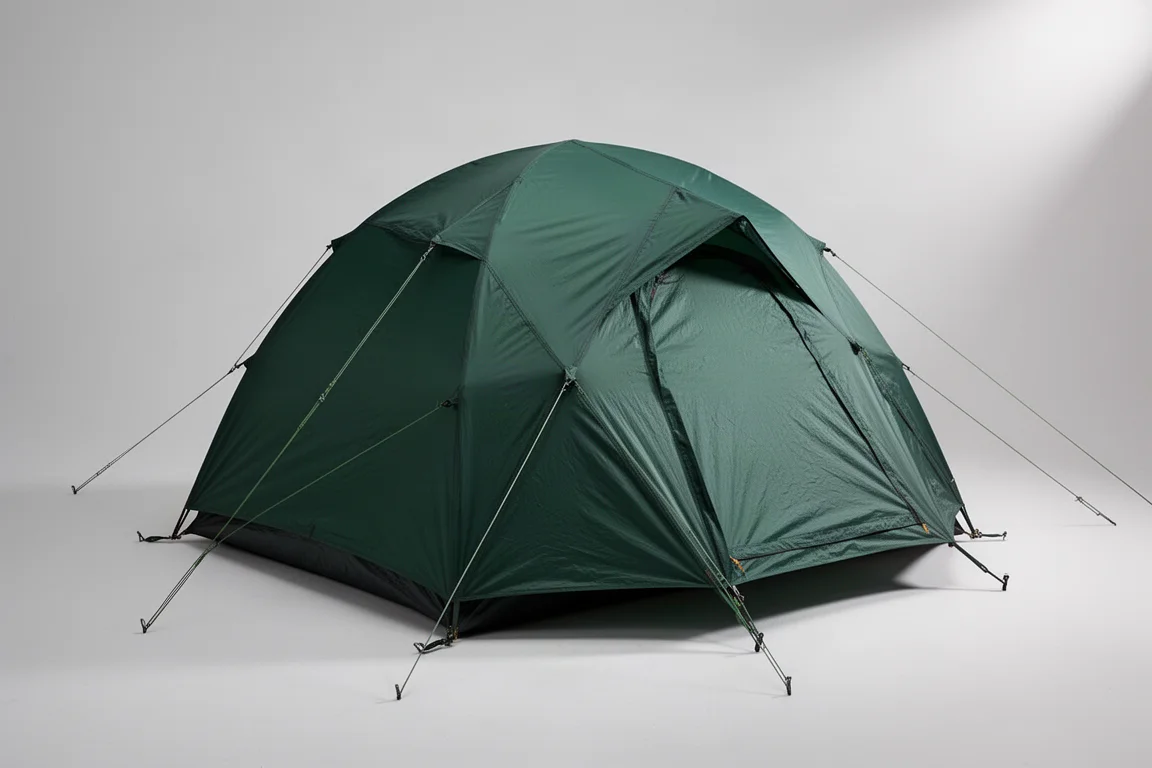
Double-wall construction is the most common approach in three-season tents: an inner body paired with a separate fly that goes over the pole structure and stakes out. The second layer improves moisture management and weather protection at the cost of weight, which is why the majority of general-purpose tents use it.
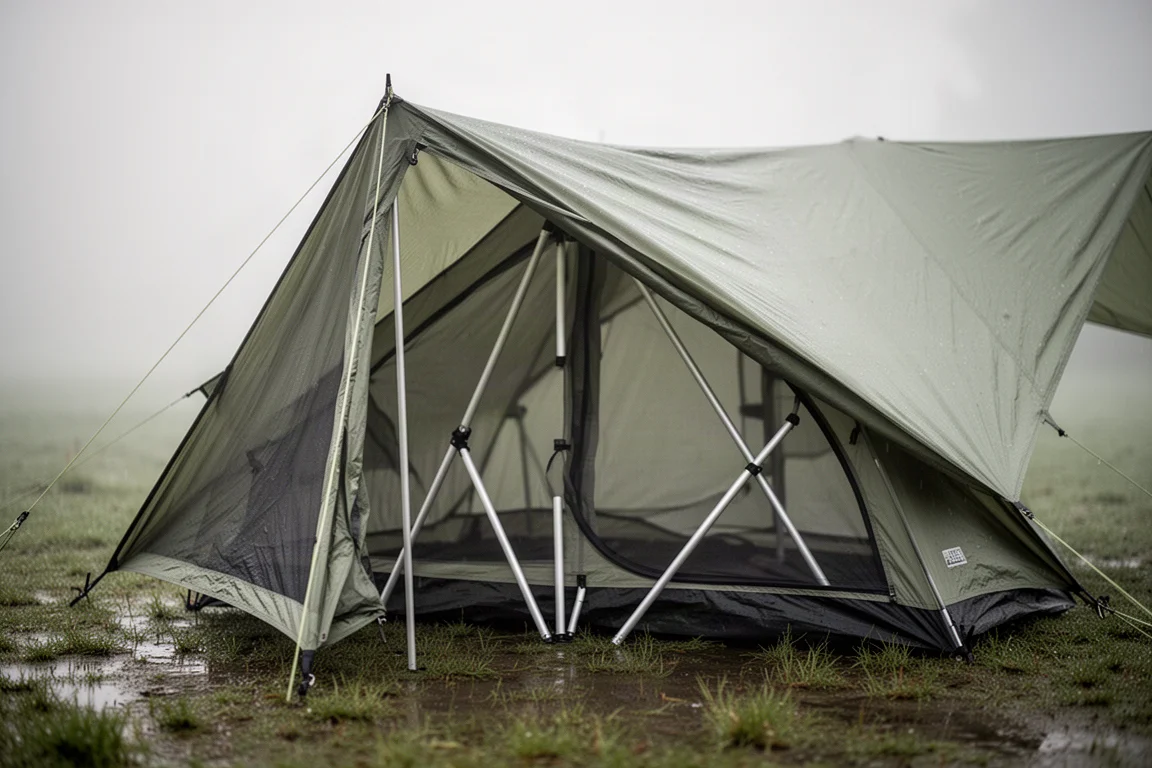
Single-wall tents are lighter, but they demand more care from the person inside them. Condensation can soak everything overnight, and in the wrong conditions that becomes genuinely risky rather than merely uncomfortable. For most campers, the double-wall configuration is the safer default. A single-wall shelter makes sense for fast, lightweight mountaineering trips where every gram counts and the climate is dry, and only when you understand how to manage moisture inside it.
Poles, Fabrics, and Winter Realities
Four-season tents use aluminium poles, which is the same material as aluminum under a different spelling. Many winter shelters cover their poles, and that detail matters more than it sounds. Exposed poles can freeze together when snow and ice build up, and freeing them means heating the pole until the ice melts before it will fold again. Waterproof gloves are worth packing for that job alone.
The fabric inner used in four-season tents blocks wind, holds in heat, and shields you from blowing snow, while still releasing moisture to limit condensation. That same material is exactly why these tents are unsuitable for summer use. Three-plus-season tents borrow the fabric inner, which is why they run so hot once the weather warms up.
Buying Advice: Matching the Shelter to the Trip
A three-season tent can be used in winter, provided the conditions are right. Light snow and moderate wind are manageable. Heavy snow loading and strong winds are not, and no amount of technique changes that. Because a three-season tent is designed for airflow rather than heat retention, your sleep system has to do the work: a warm pad, a suitably rated sleeping bag, windproof clothing, and a face mask for exposed nights.
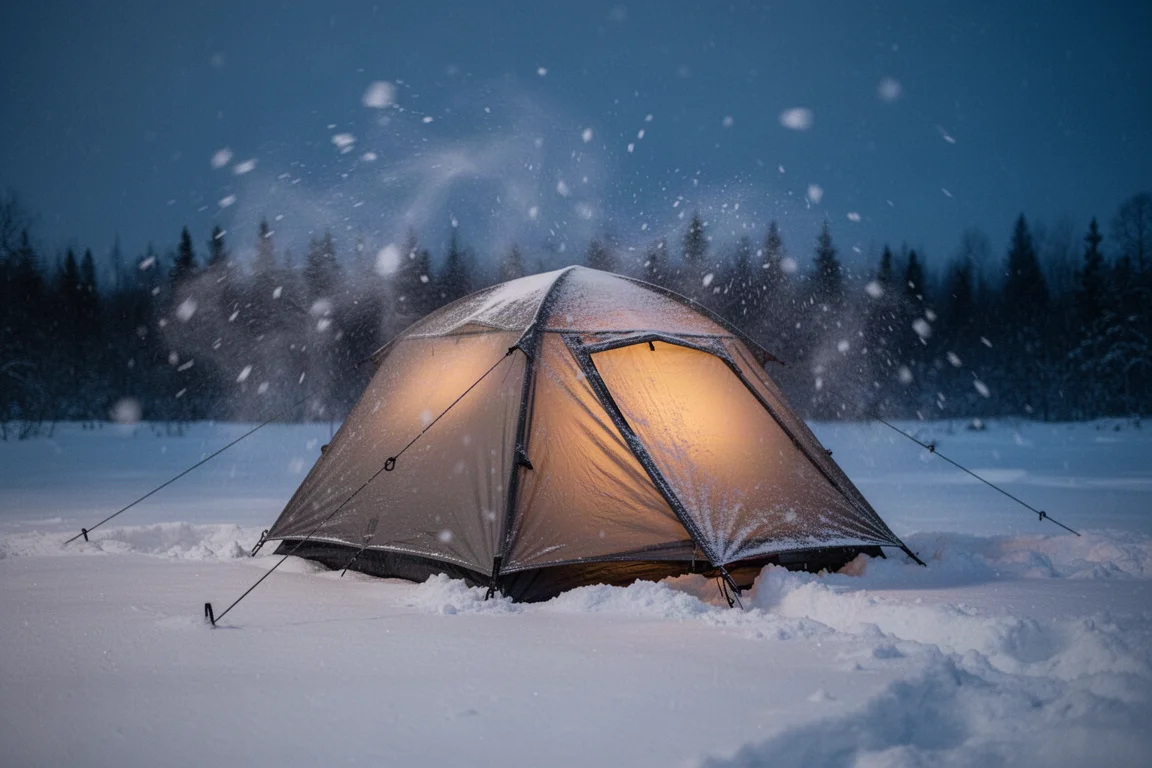
If nearly all of your camping happens in warm regions, a four-season tent is unnecessary weight and cost. The honest answer for many people is that one tent will not cover everything, and matching the shelter to the conditions you actually camp in matters far more than owning the most capable model on the shelf.
Conclusion
Two-season shelters are backyard tools, three-season tents cover the widest range of trips, and true four-season tents are specialist winter equipment. The Naturehike Vic2 trades ventilation for low weight and suits dry, short trips where pack size is the priority. The Snugpak Scorpion 3 covers moderate winter conditions at a far more accessible price than the top of the category.
Focus on quality first, then on features, and buy from brands with a track record you can verify. A tent is the thing standing between you and the weather, so it is worth the research.
Further reading
Related Reviews
Camping Tents
3F UL Gear Taiji Two-Person Tent Review: Field Waterproofing Results and Buying Advice
The Taiji pairs an attached fly with a removable inner, but sustained rain exposed untaped vent seams that need sealing before this shelter can be trusted.
Camping Tents
3FUL Gear Lanshan 2 Pro 4-Season Review: A Sub-$200 Single-Wall Trekking Pole Tent
An early look at the 3FUL Gear Lanshan 2 Pro 4-Season, covering its straightforward pitch, generous interior space, and the condensation and seam-sealing questions that come with any single-wall shelter.
Camping Tents
Alps Mountaineering Lynx 1-Person Tent Review: Big Value in a Small Budget Tent
A close look at the Alps Mountaineering Lynx 1-Person Tent, covering real interior dimensions, materials, setup time, ventilation limits, and who should buy it.