Bike Packing
Tent, Bivy or Hammock for Bike Packing: Which Sleep System Fits Your Ride?
A practical comparison of tents, bivy bags and hammocks for bike packing, with real packed weights, prices and the trade-offs that decide which setup suits your trips.
Introduction
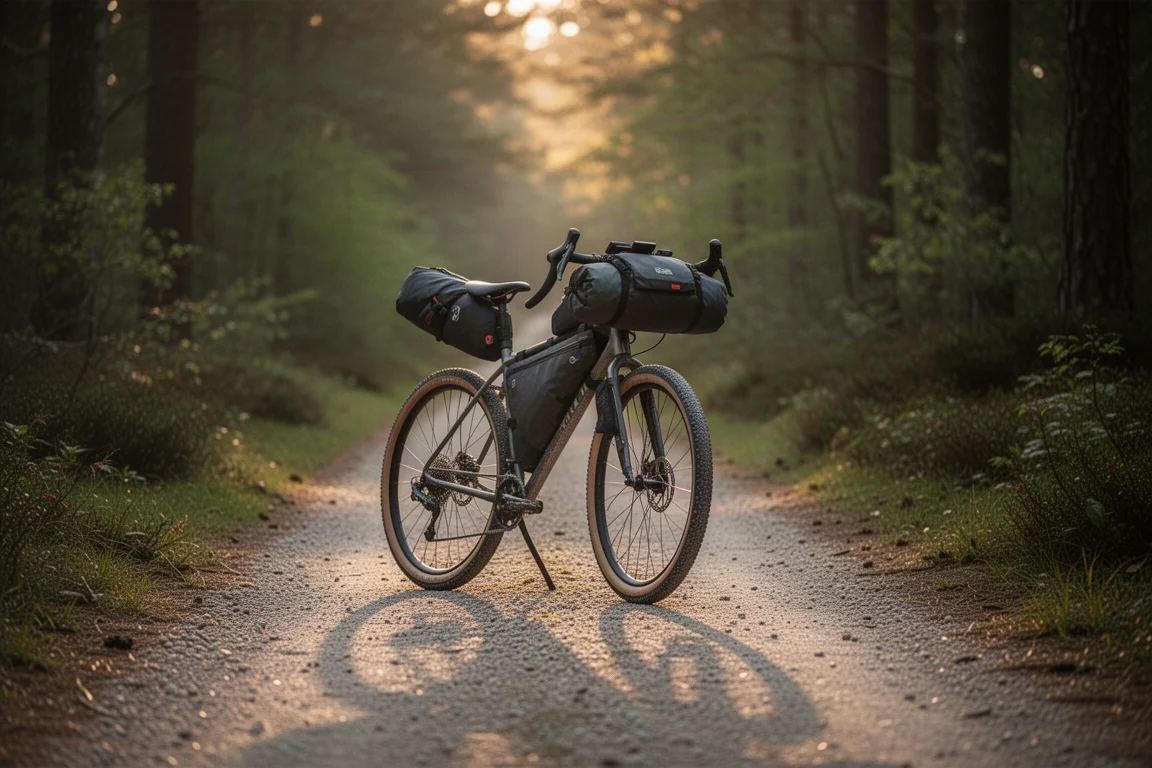
Tent, bivy bag or hammock is a decision every bike packer has to make, and it has a bigger effect on how the bike rides than almost any other piece of kit. A sleep system is usually the heaviest and bulkiest part of a load, and that weight sits right where you feel it most, on long climbs and loose gravel.
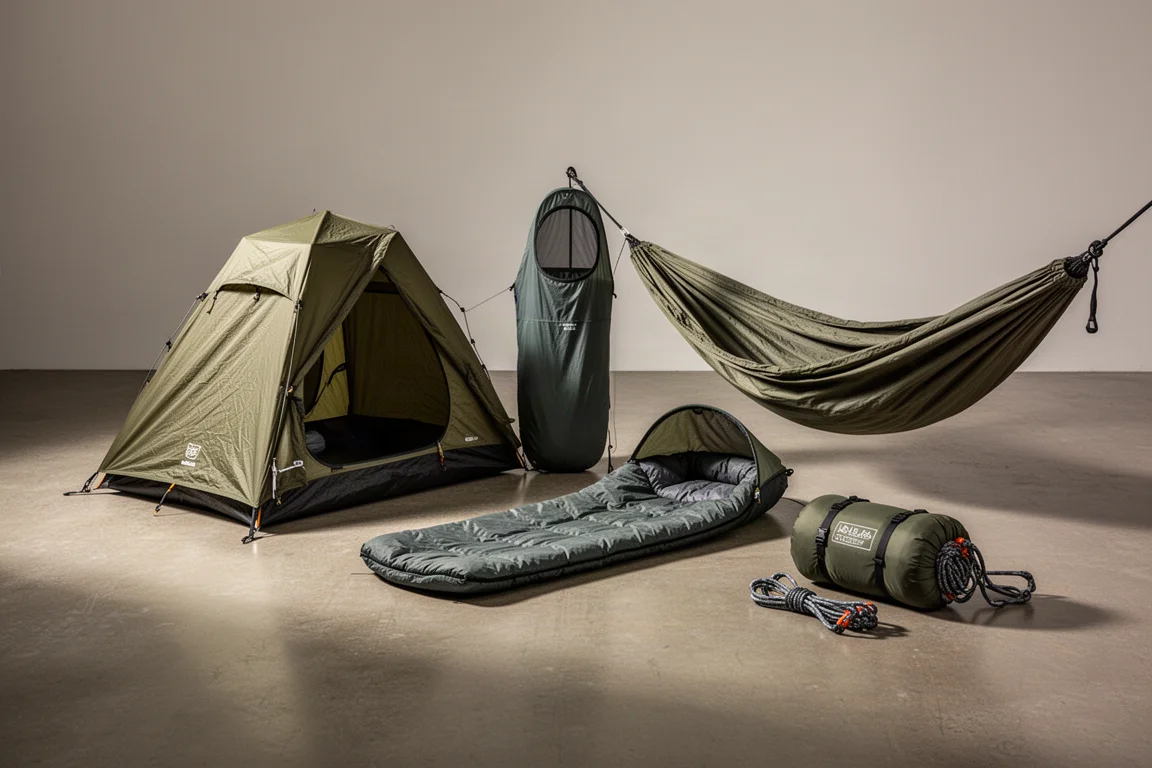
The three approaches are genuinely different rather than variations on one theme. A tent is a small enclosed room. A bivy bag is a weatherproof shell around your sleeping bag. A hammock takes you off the ground entirely and asks only for two anchor points.
This guide works through eight sleep system options, from a solo backpacking tent to a hammock quilt and underblanket combination, with the packed weights, prices and practical trade-offs that matter when you are choosing one for your own trips.
What Matters Most in a Bike Packing Sleep System
Six things separate a setup that works from one that does not.
- Weather protection. How the shelter copes with sustained rain and wind, and whether your sleeping bag and gear stay dry.
- Packed weight and volume. This is what you feel on the bike, especially on climbs.
- Comfort and breathability. Airflow matters as much as padding, particularly on humid nights.
- Pitch time and effort. A quick pitch helps in bad weather and on fast, race-style trips.
- Where you can camp. Camping rules vary around the world, so check them and respect them wherever you ride.
- Cost. New prices range widely, and the secondhand market for tents is active with good deals.
Vango F10 Helium 200: A Lightweight Solo Tent
The Vango F10 Helium 200 is a compact two-layer solo tent that weighs around 1.2 kg, which is typical for a lightweight tent of its generation. Going lighter than this is possible, but it takes a significant jump in budget, and plenty of tents on the market are heavier.
A modern equivalent of this model costs around £250. Cheaper, slightly heavier tents start from around £100, and the secondhand market is buoyant with good deals for anyone patient enough to look.
Pitching took about seven minutes and produced a slightly saggy result, which is a fair reflection of how these tents behave without practice. Most tents of this size can be pitched by one person, while larger models are easier with two. Before any trip, it is worth practising at home and reading the manufacturer instructions, because a taut pitch is what keeps a tent secure, dry and warm in the worst weather. In wind, think about orientation too and avoid presenting the large flat face of the tent to it.
The F10 Helium 200 is more comfortable than a bivy bag and offers more living space, storage and privacy, but it is cramped for longer expeditions and it is not the fastest option when every minute counts.
Vango Arabus 3 Plus: Touring Comfort With Space to Spare
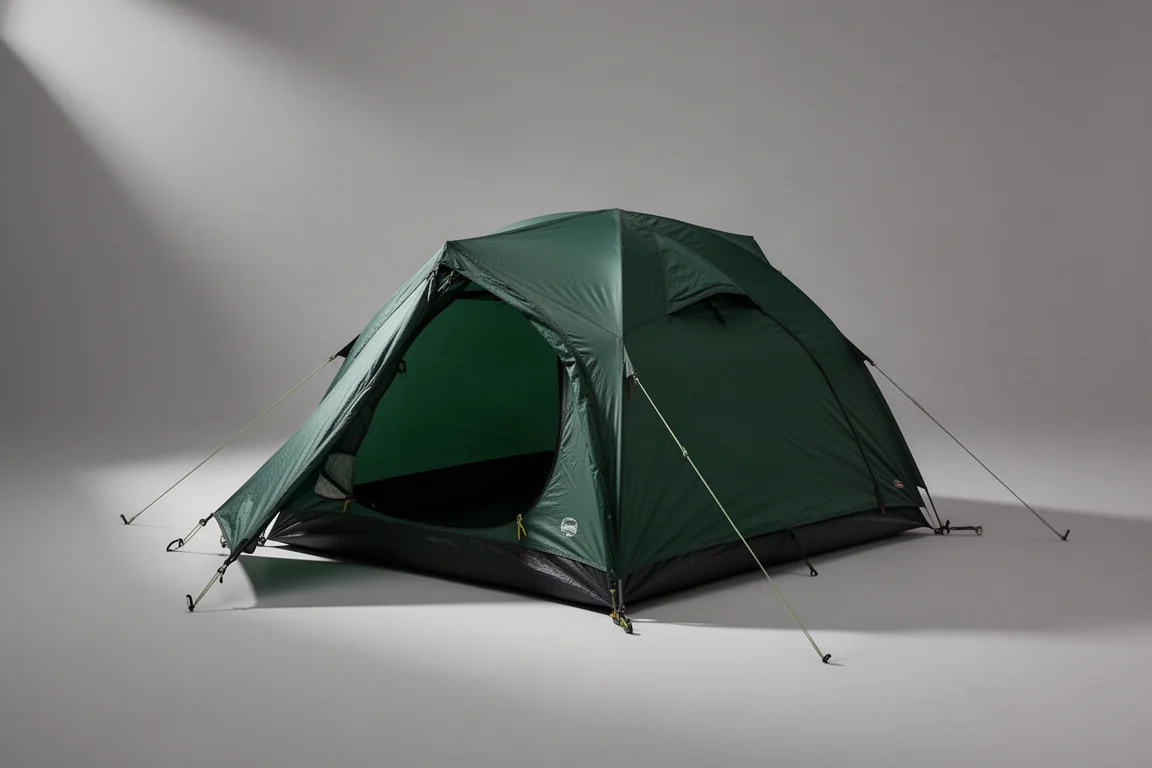
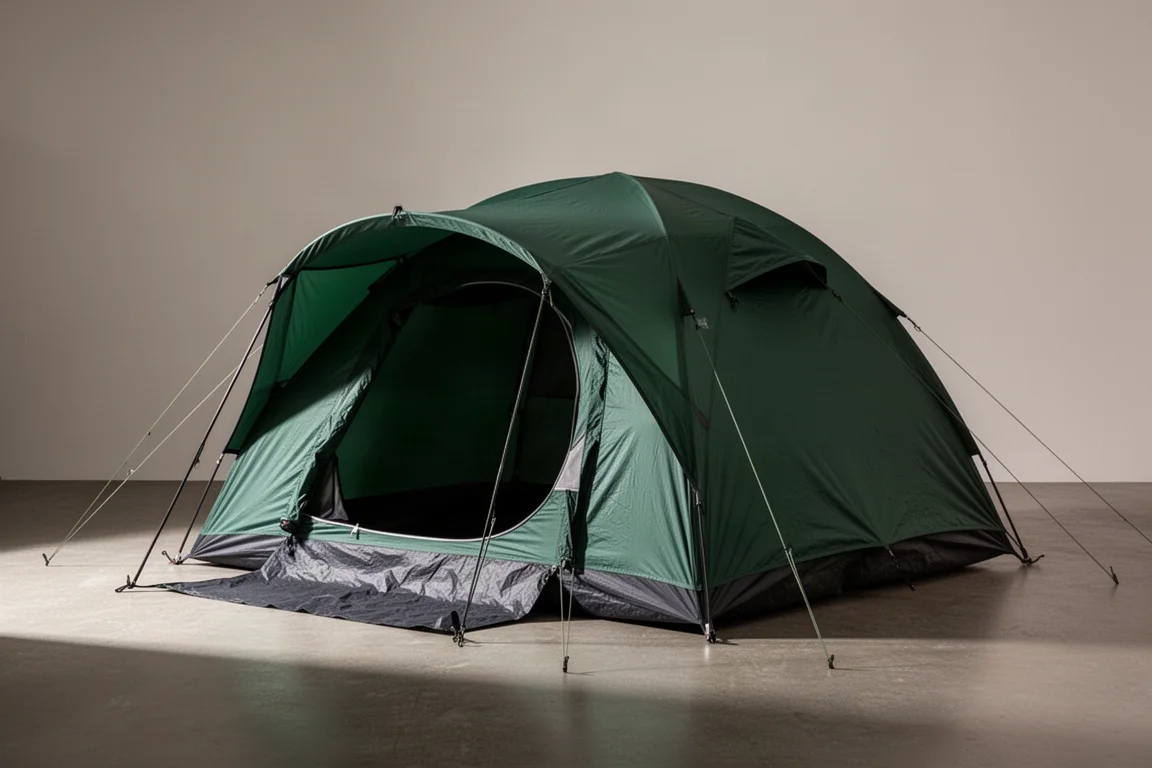
At the other end of the scale sits the Vango Arabus 3 Plus, a three-person touring tent that weighs around 2.6 kg. That is heavy next to a bivy bag, but it is light for a tent of this size, and it changes what a bike packing trip can be.
The headline feature is a massive vestibule. It gives you somewhere to cook and store kit outside the living area, which keeps the sleeping space clear and makes wet evenings far more civilised. This is the setup for trips where the camp is as much a part of the holiday as the riding, and where comfort matters more than shaving grams.
Weight is not the only thing you can split. Tents divide neatly between riders, with one person carrying the flysheet and another the poles, which makes a larger shelter more practical than it first appears.
Outdoor Research Helium Bivy: Minimalist Shelter With a Hoop
The Outdoor Research Helium Bivy is a sleeping bag cover made from a breathable, waterproof material. A small hoop holds the fabric away from your face so you can breathe comfortably, and there is a vent or fly over the head area.
It costs about £250 or $225, which is not a budget proposition, and a more feature-rich bivy in the same range runs to around £350. At the other end of the market, budget bivy bags start at roughly £50.
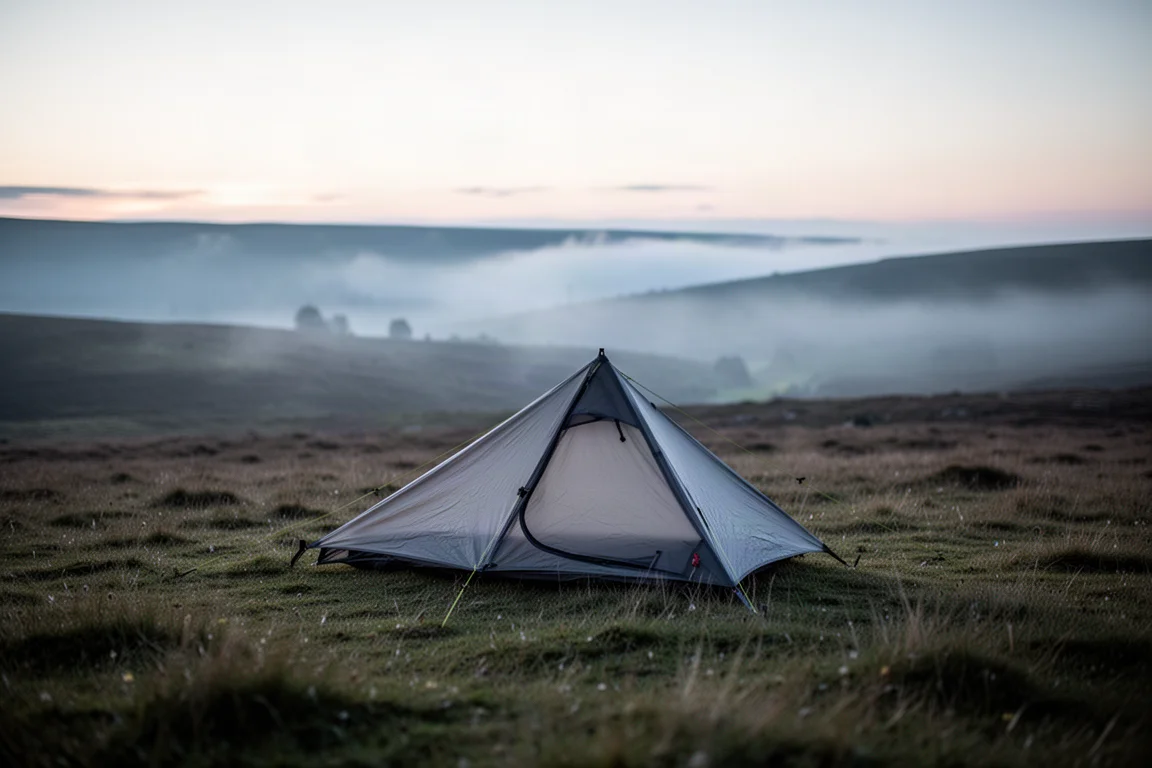
The main advantages are weight and packed size. This bivy weighs around 500 g, and a complete sleep system of mat, sleeping bag and bivy can fit into a single handlebar bag, which keeps the bike nimble. That is why bivy bags remain popular for unsupported ultra-distance riding, where speed matters more than comfort. Setup takes minutes, and you can pitch one almost anywhere.
The trade-offs are real. No bivy bag is truly comfortable, and in prolonged rain, or even light rain, you and your gear are likely to get wet. The single skin construction leaves no gap between inner and outer, so airflow is restricted and condensation inside the bag is highly likely. Gear storage is close to nothing, privacy is limited, and changing clothes is a challenge in itself.
Alpkit Hunka: A Budget Route Into Bivy Camping
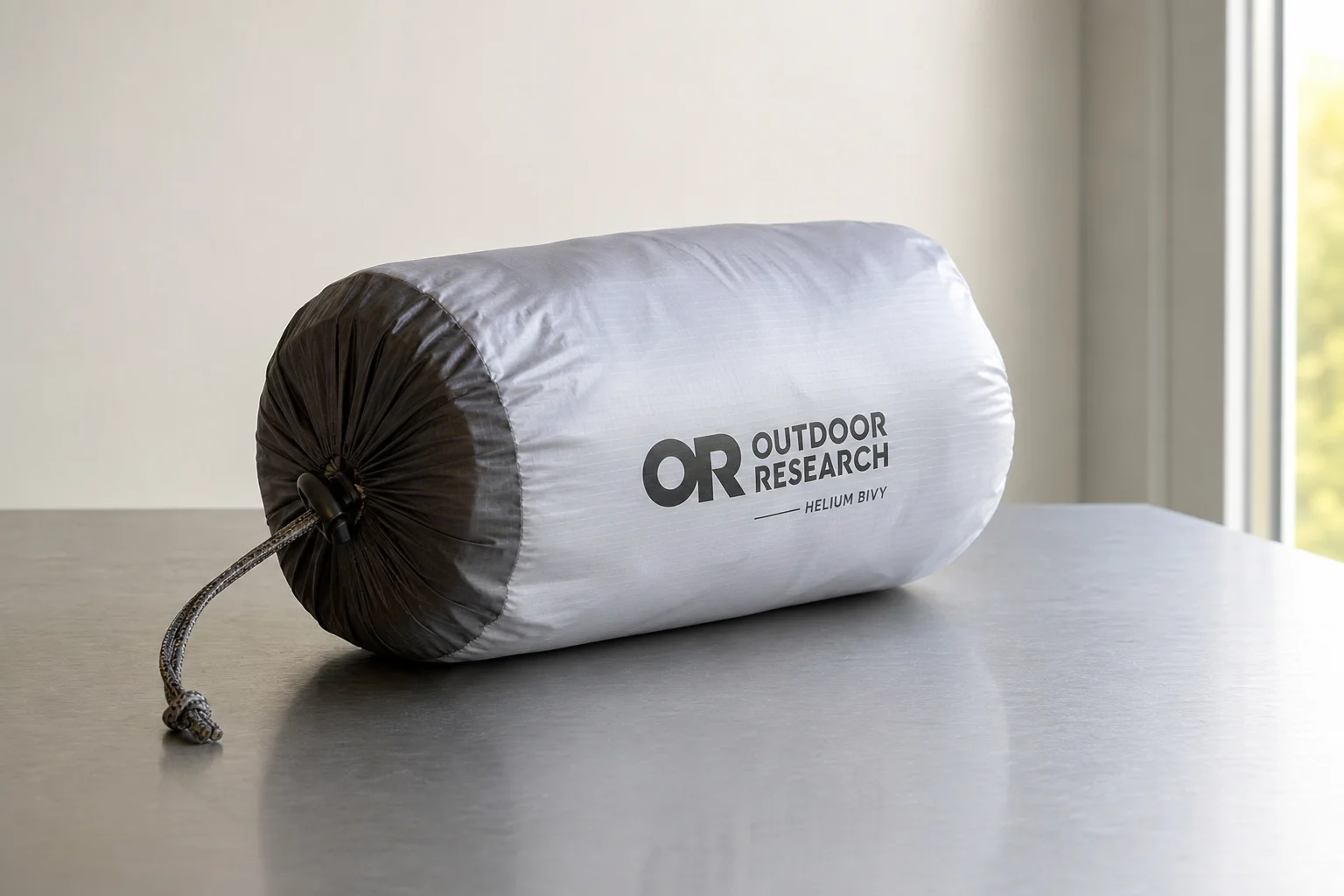
The Alpkit Hunka costs around £50 and is one of the most affordable ways to try bivy camping. It shares the fundamental characteristics of the format: a single skin shell, minimal internal space, and the same condensation and storage limitations.
That makes it a sensible first bivy for warm, settled overnighters, and a low-risk way to find out whether minimalist camping suits you before spending several times as much on a premium model.
DD SuperLight Hammock: Sleeping Off the Ground
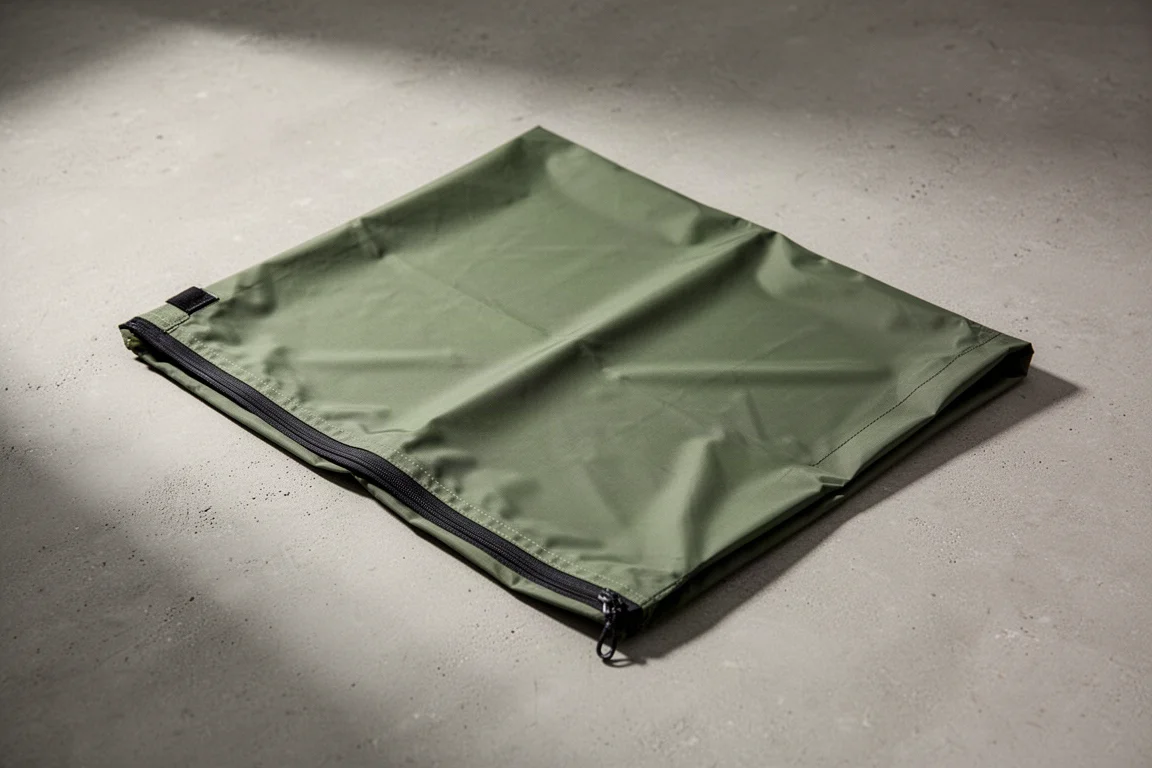
The DD SuperLight Hammock weighs just 483 g, which is less than the bivy bag above, and it packs down very small. Paired with the suspension ropes from the entry-level hammock in the same range, the setup costs £57 or $89.
Hammocks suit riders who struggle to sleep on the ground, and side sleepers in particular. They also earn their place around camp, doubling as a chair and a washing line, and they are surprisingly difficult to fall out of. For anyone wanting the cheapest possible start, basic hammocks begin at a little under £30 or $40.

The limitation is where you can hang. A hammock needs an anchor point at each end, which usually means trees, though fence posts and metal girders can work just as well. Open moorland and areas with dry stone walls are not suitable, and camping rules vary, so check before you travel. On the plus side, a hammock can be rigged on steep slopes where a tent or bivy would have no chance, so you never need to hunt for a flat pitch.
Cold is the other consideration. Some people find hammock camping too cold, which is where a top quilt and an underblanket come in, at the cost of extra weight. It is also worth learning the knots properly, ideally by heading out with an experienced hammock camper first.
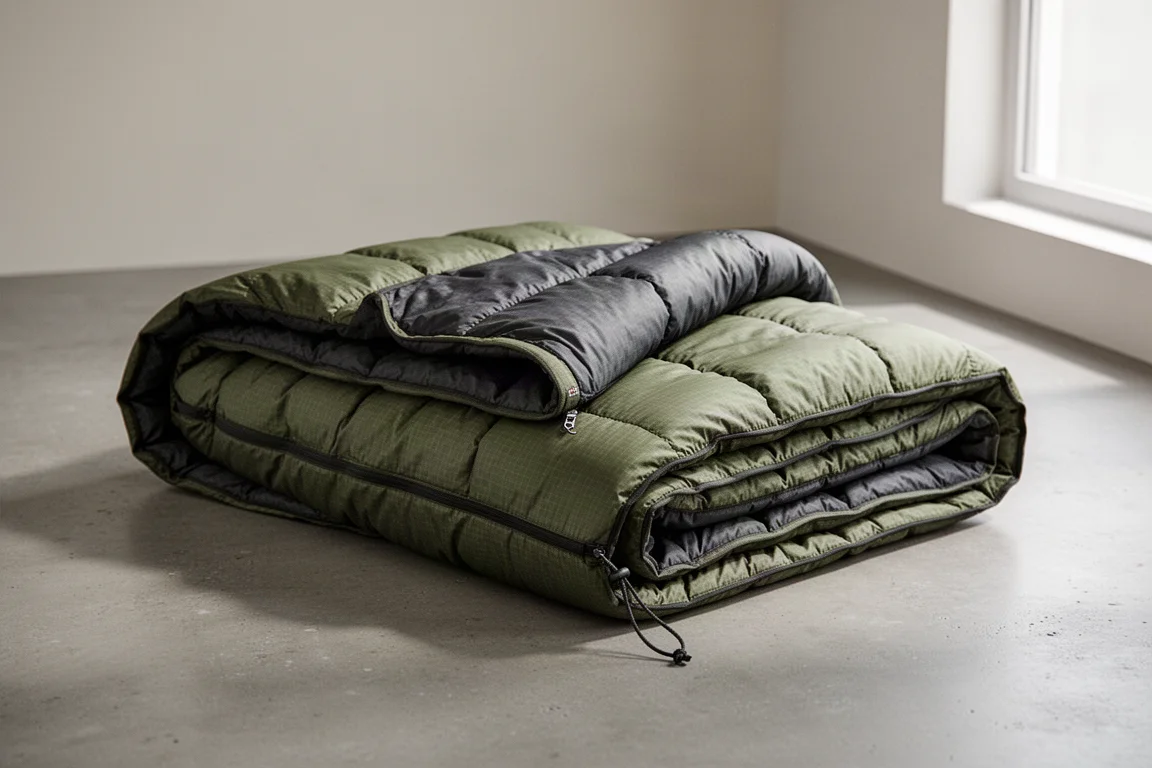
DD SuperLight Top Quilt: Warmth From Above
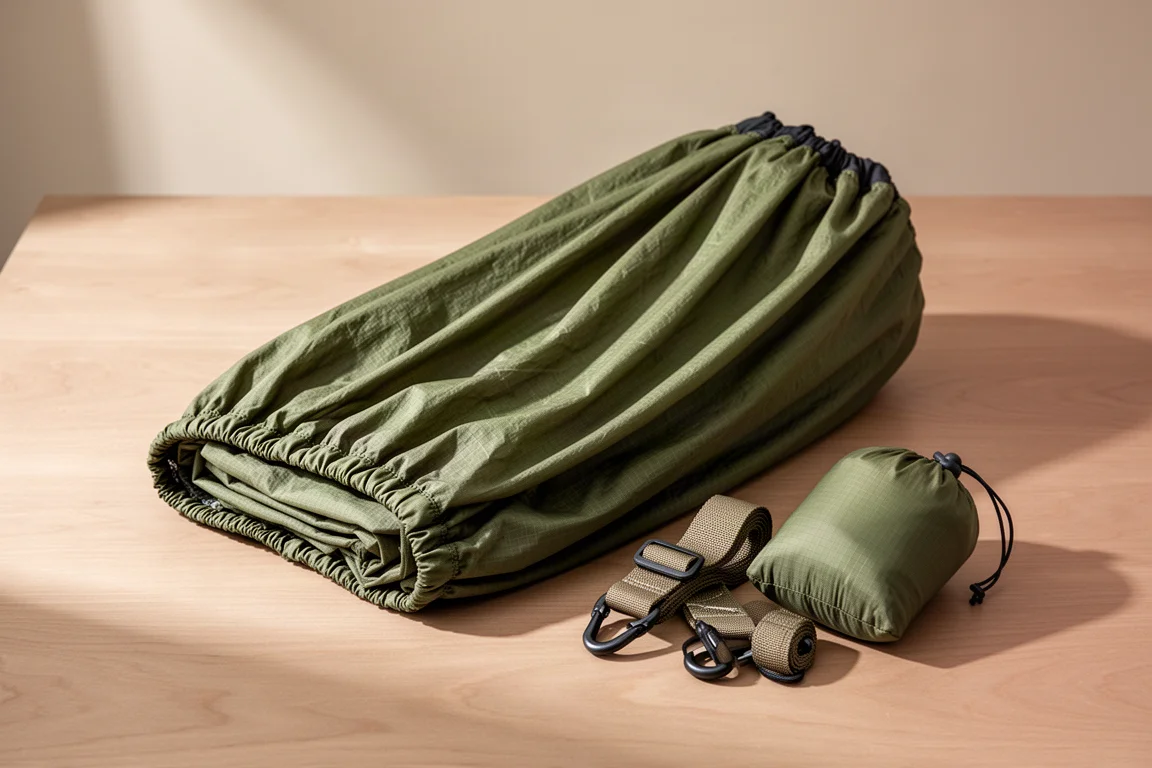
The DD SuperLight Top Quilt retails at £77 or $99 and provides the top insulation for a hammock setup. With the quilt added, total system weight comes to just over a kilo, which is still competitive with a lightweight tent while keeping you off the ground.
DD Underblanket: Warmth From Below
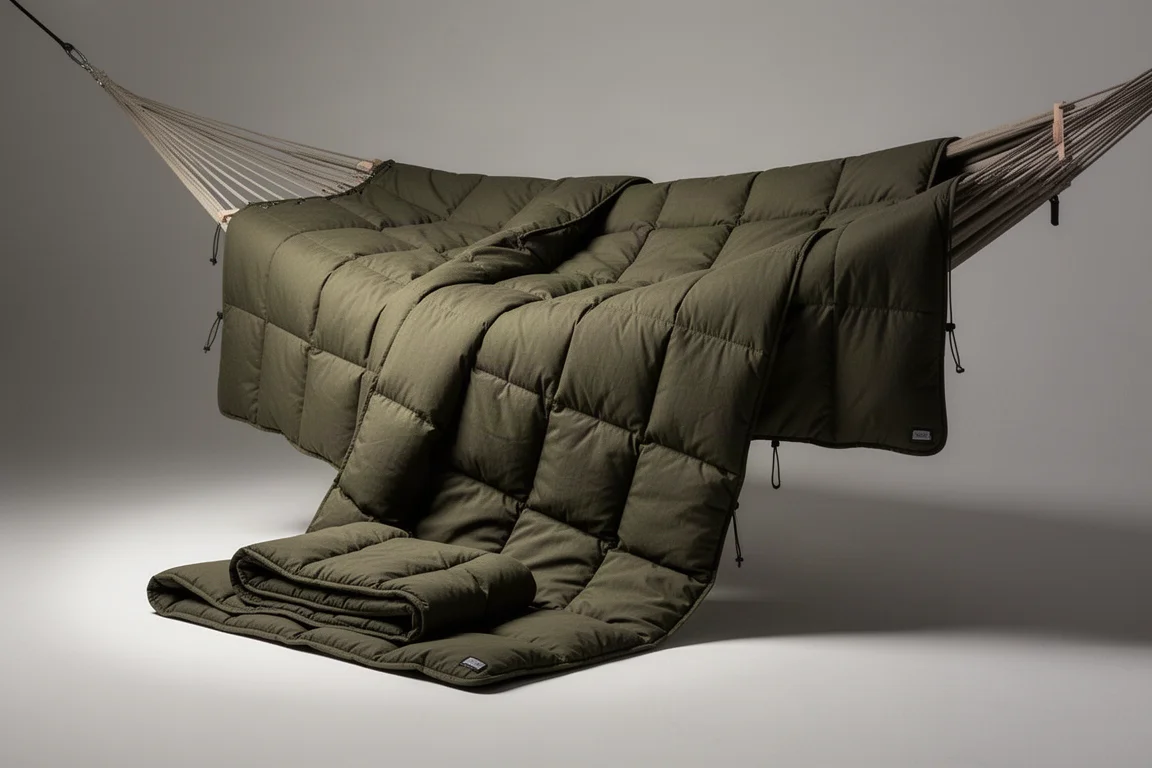
The DD Underblanket costs £55 or $87 and hangs underneath the hammock, trapping a layer of warm air between you and the outside world. It is the piece that keeps your back and thighs comfortable on colder nights, and it makes the difference between a summer-only hammock and one you can use through more of the year.
Adding it takes the total system weight to just over two kilos, so it is a genuine weight decision rather than a free upgrade.
DD Camping Hammock: An Entry-Level Hang
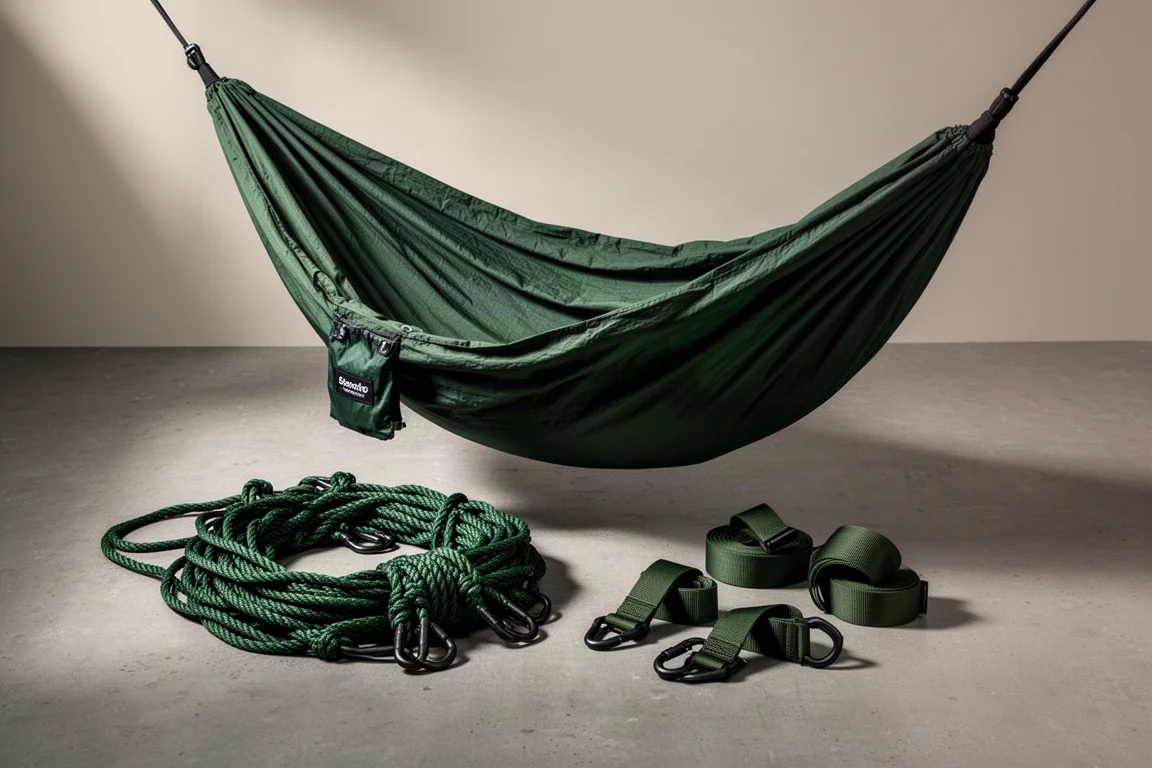
The DD Camping Hammock is the entry-level model in this setup, and its suspension ropes are the ones paired with the SuperLight hammock above. It is the simplest and least expensive way into hammock camping, and a reasonable starting point for anyone who wants to test the format on short overnighters before investing in quilts and tarps.
Overall Buying Advice
There is no single perfect sleep system, and the right answer depends on where you are going, when, and how you like to sleep.
Choose a tent when comfort and protection matter most. It is the only option that offers real privacy, meaningful living space and reliable shelter in sustained wind and rain, and it is the natural choice when you are sharing a trip with a partner or a friend. It is also the easiest category to buy well on a budget, particularly secondhand.
Choose a bivy bag when speed, weight and pack size come first. It suits good-weather trips, fast two-day efforts and unsupported racing, and it is the quickest thing to pitch. Accept that you are trading comfort, storage and dryness in heavy rain for that advantage.
Choose a hammock when sleeping off the ground appeals, when you want a low-cost entry point, or when the terrain is steep and uneven. Budget for a tarp in wet or windy weather and an underblanket in the cold, and check local camping rules before you plan a route around it.
Whichever you pick, practise pitching it before you leave. Learning the setup at home is far better than working it out in a grim field in bad weather.
Conclusion
Tents, bivy bags and hammocks each solve a different problem. Tents win on comfort, privacy and weather protection; bivy bags win on weight, pack size and speed; hammocks win on comfort off the ground and a low starting cost. Match the shelter to the trip you are actually planning, and the rest of the kit list becomes much easier to get right.
Further reading
Related Reviews
Bike Packing
Best Bike Packing Setups 2026: Five Real-World Builds Compared
Five bike packing setups with very different philosophies, from a light steel tourer to a custom belt-drive rig, plus what each one gets right and where it compromises.
Bike Packing
Bike Packing Essentials for Your First Trip: Two Picks Worth Packing
A practical look at two bike packing picks that solve the most common first-trip problems: load distribution and hand comfort.
Bike Packing
Bike Packing Essentials: 12 Gear Picks That Earn Their Place
A practical roundup of bike packing gear that proved itself over a 3,000 km route through Chile and Argentina, from a long-running GPS computer to tubeless repair.