Bike Packing
Bike Packing Essentials: 12 Gear Picks That Earn Their Place
A practical roundup of bike packing gear that proved itself over a 3,000 km route through Chile and Argentina, from a long-running GPS computer to tubeless repair.
Introduction
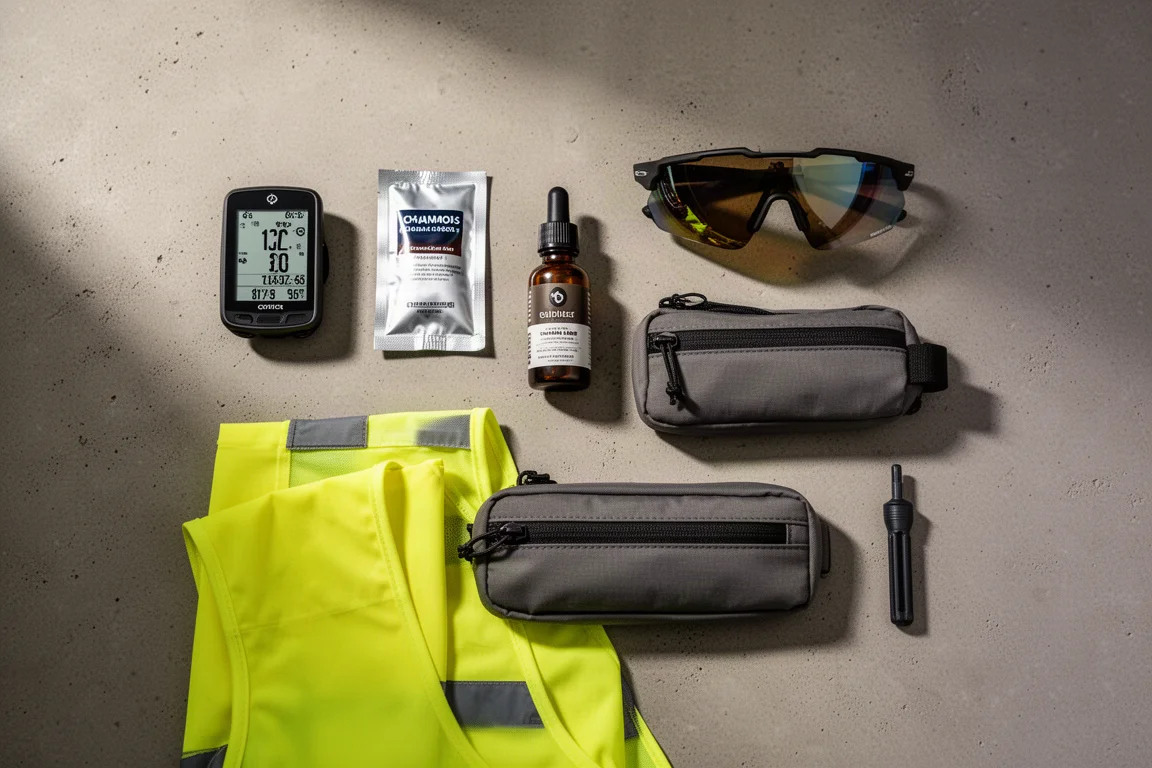
Two weeks and roughly 3,000 km across Chile and Argentina is the kind of trip that separates genuinely useful gear from gear that only looks good on a packing list. The route split about 60 percent pavement and 40 percent gravel, riding days stretched past 12 hours, and conditions swung from bright sun to cloud to rain.
This roundup covers the small, day-to-day equipment rather than the big three of bike, sleep system, and luggage. These are the items that were packed, used constantly, and would be packed again without hesitation.
What Made the Cut: How These Essentials Were Chosen
Four things decided whether an item was worth carrying.
Reliability across a full two weeks, with no realistic chance of replacing something in a remote town. Simplicity, so nothing demanded a learning curve at the end of a long day. Low weight and small pack size, since everything travelled by air in a single bike box and then had to live on the bike. And charging discipline, because every device added to the nightly power routine.
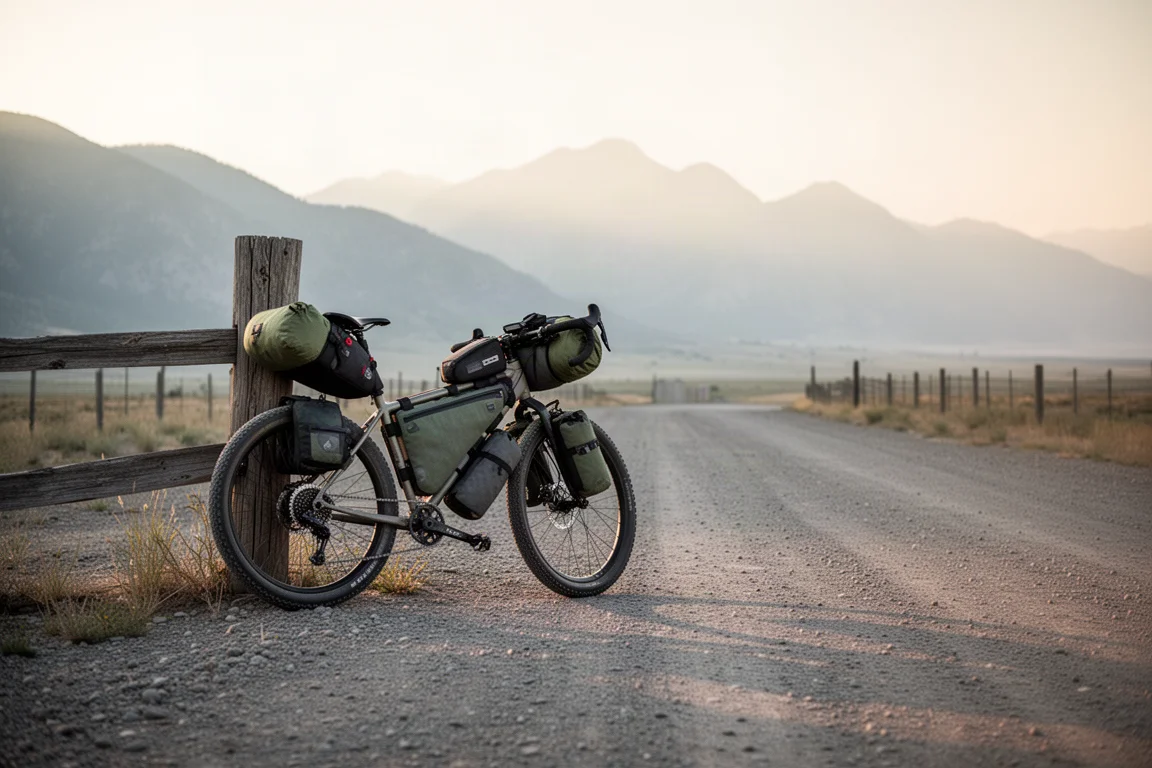
One criterion sat above all of them: whether an item removed a task from the day rather than adding one. A GPS computer that rarely needs plugging in, a single lens that handles every light condition, and a lube that works in mud, rain, and dust all fall into that category. The picks below are ordered by the role they played rather than by price.
Coros Dura: A GPS Computer With Battery Life to Spare
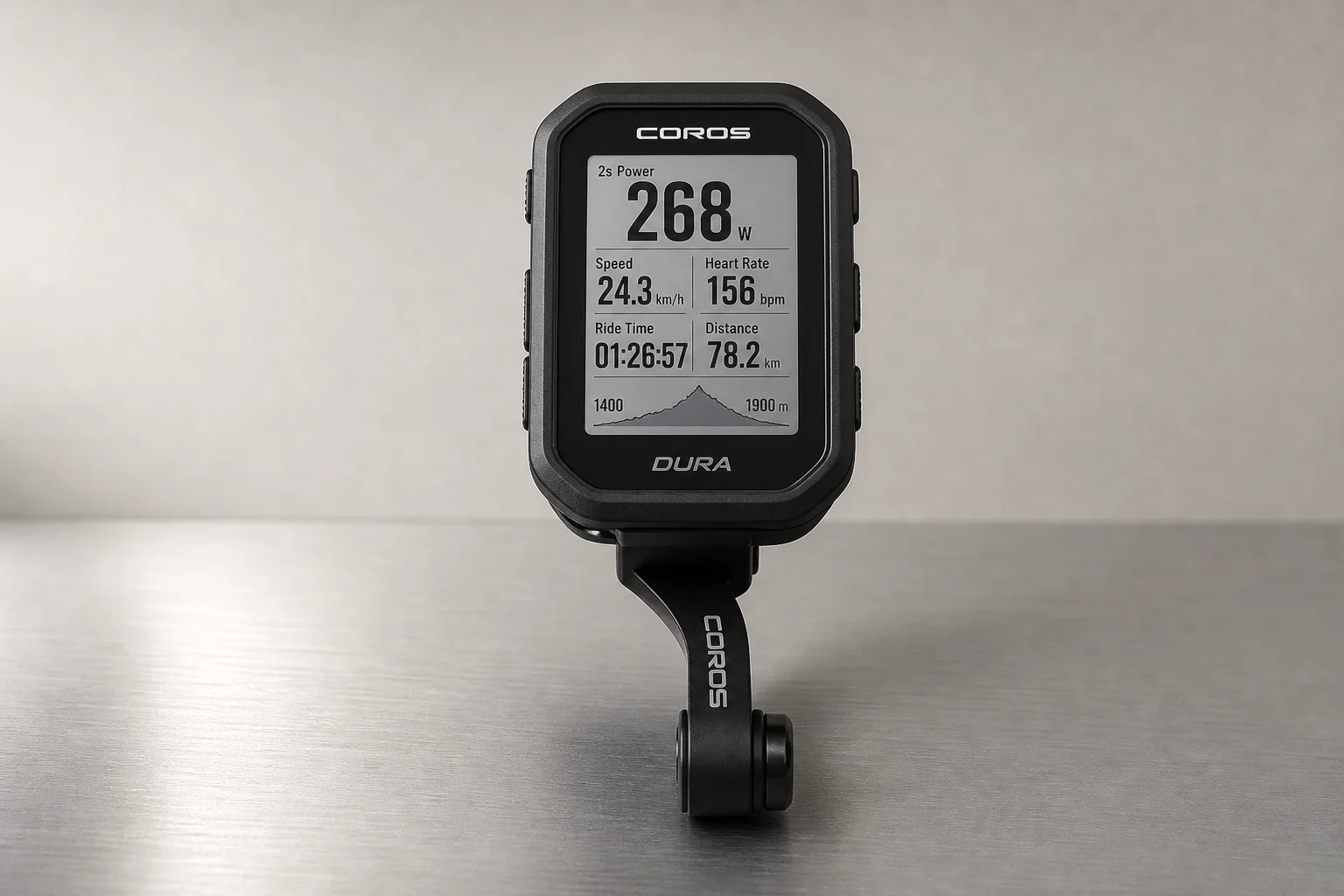
Battery anxiety is real on a multi-day route, and the Coros Dura addresses it head on. The claimed run time is 120 hours, and over a two-week trip the unit was charged twice, both times only because a power source happened to be available rather than because it needed one.
That matters more than it sounds. On a trip where a phone, a camera, lights, and an electric pump all compete for the same battery banks, a device that can go the distance without being plugged in removes a small but constant source of worry.
Navigation is deliberately simple. Routes were easy to follow on the mapping page with no wrong turns, and the map carried enough detail to be useful on both road and gravel. The on-screen information suits a long ride where the computer is glanced at occasionally rather than studied, which is exactly how most bikepacking days unfold.
Ass Magic Chamois Cream: A Two-Minute Morning Routine
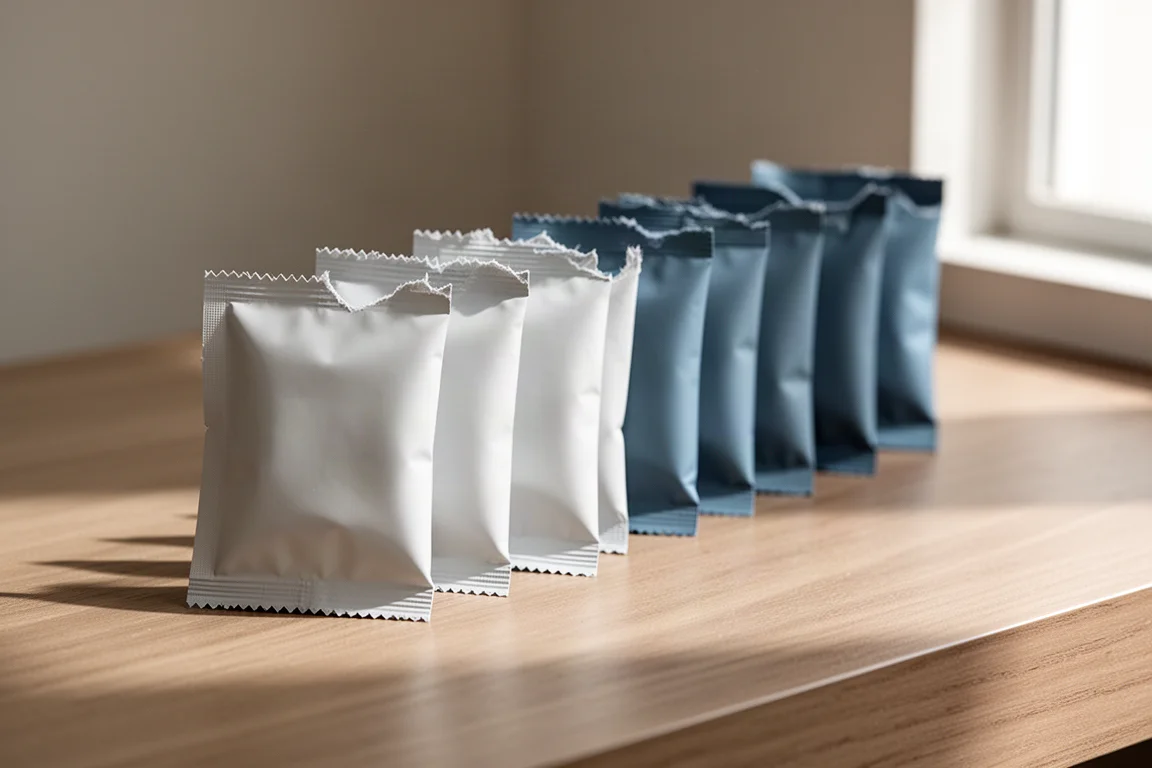
Chamois cream was part of the morning routine every single day. Travel sachets made that straightforward: one sachet per day across a 14-day trip, and in practice there was enough in a single sachet for two rides. How much to apply comes down to individual comfort.
The payoff was avoiding saddle sores and infections altogether and staying comfortable through days that ran to 12 hours in the saddle. It is a small, inexpensive item that earns its place by preventing a problem rather than fixing one.
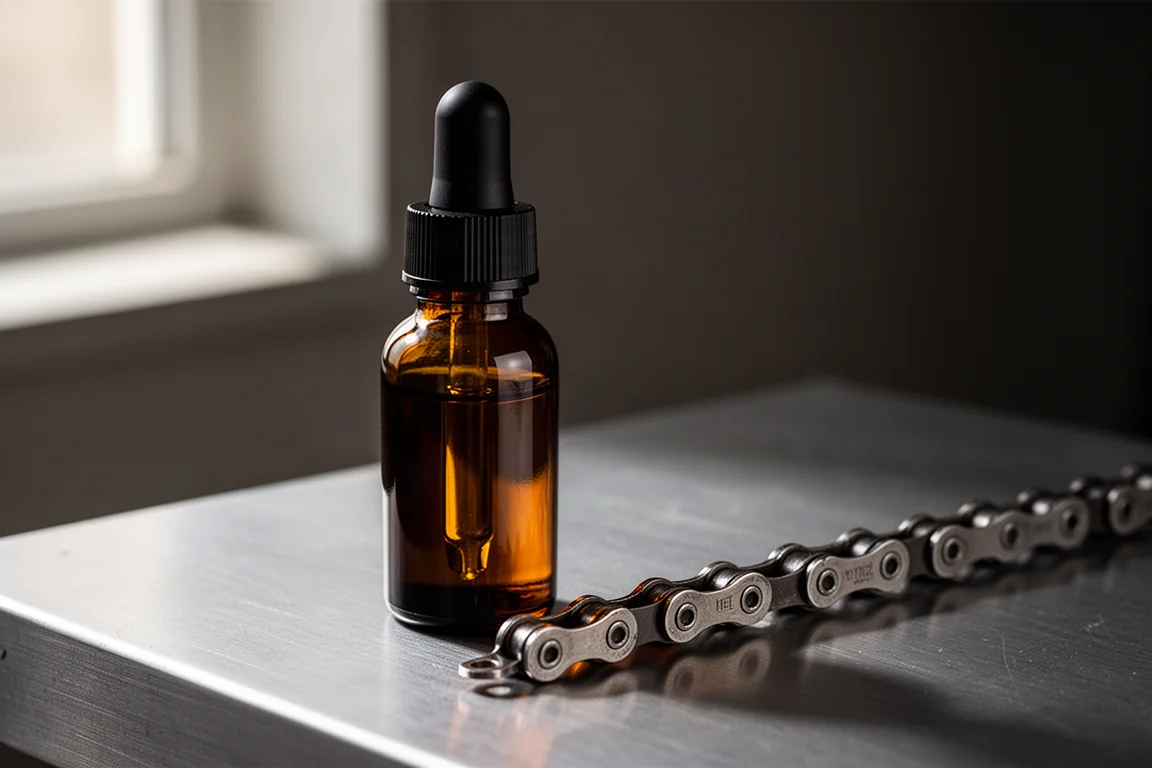
Silca Synergetic: A Wet Lube for Mixed Conditions
Conditions on this route mixed mud, rain, and dry dust, which ruled out a wax or a dry lube. A wax setup would not have survived two weeks without a full re-treatment, so a wet lube was the practical choice.
Silca Synergetic needs very little product to do its job: one drop per link is enough to keep the chain running quietly and smoothly. It copes with mud, rain, and dry conditions alike, helps reduce wear, and a single bottle served more than one rider over the trip. A quiet chain is a small thing that becomes a large thing over 3,000 km.
Rudy Project Spin Shield Pro: One Lens for Every Light Condition
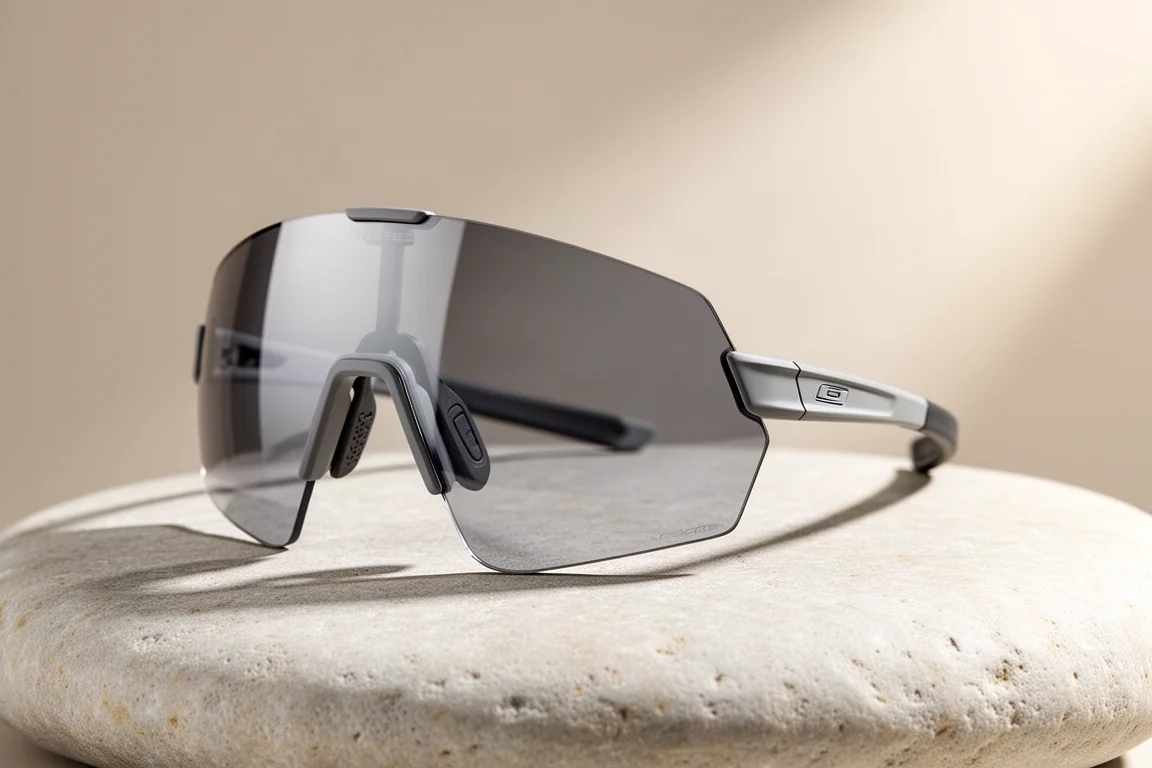
Days that start before sunrise and finish at sunset, in conditions that shift from bright sun to cloud to rain, are hard on eyewear. Carrying several lenses is one answer. A photochromic lens is the simpler one.
The Rudy Project Spin Shield Pro adjusts across that whole range of light without the change being noticeable while riding, so there is never a lens that is too dark or too light for the moment. Clarity is good, and the tall lens shape gives generous coverage across the field of view.
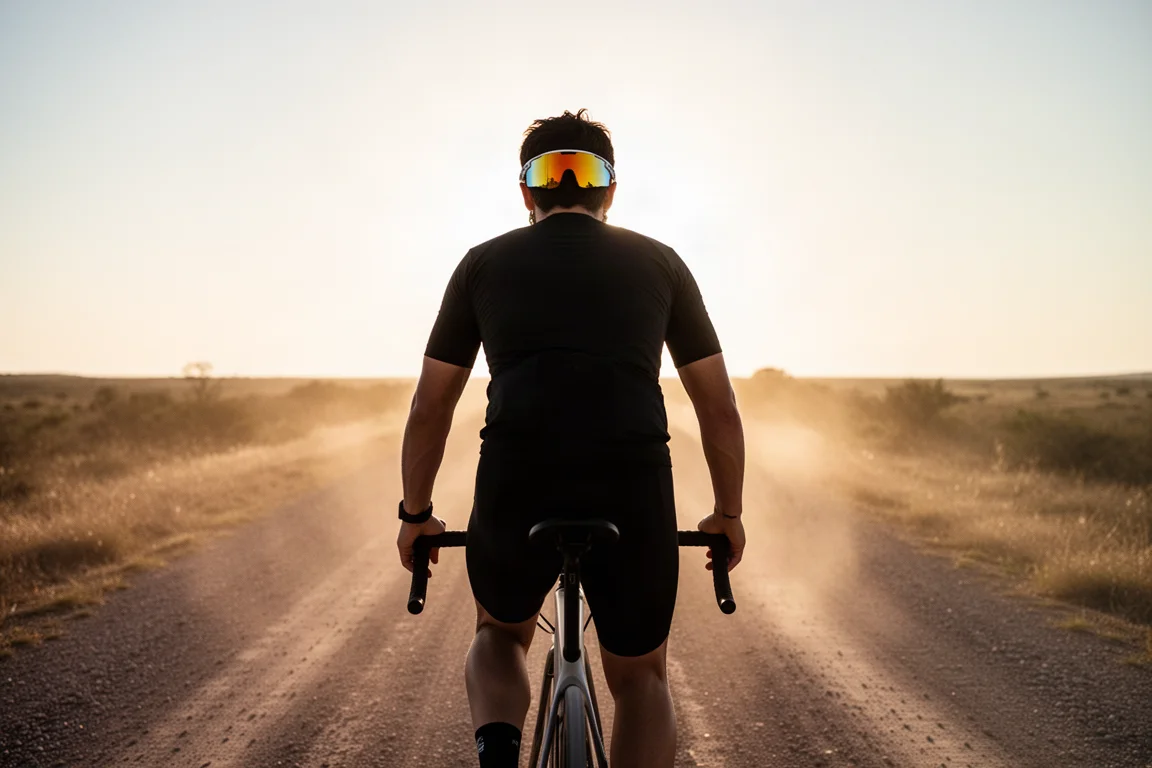
Comfort holds up over long days as well, helped by a soft nose piece and a light overall weight. The frame has also survived being dropped more than once without scratches or damage, which counts for a lot on a trip where everything gets knocked around.
Apidura High-Visibility Vest: Packable Confidence on Busy Roads
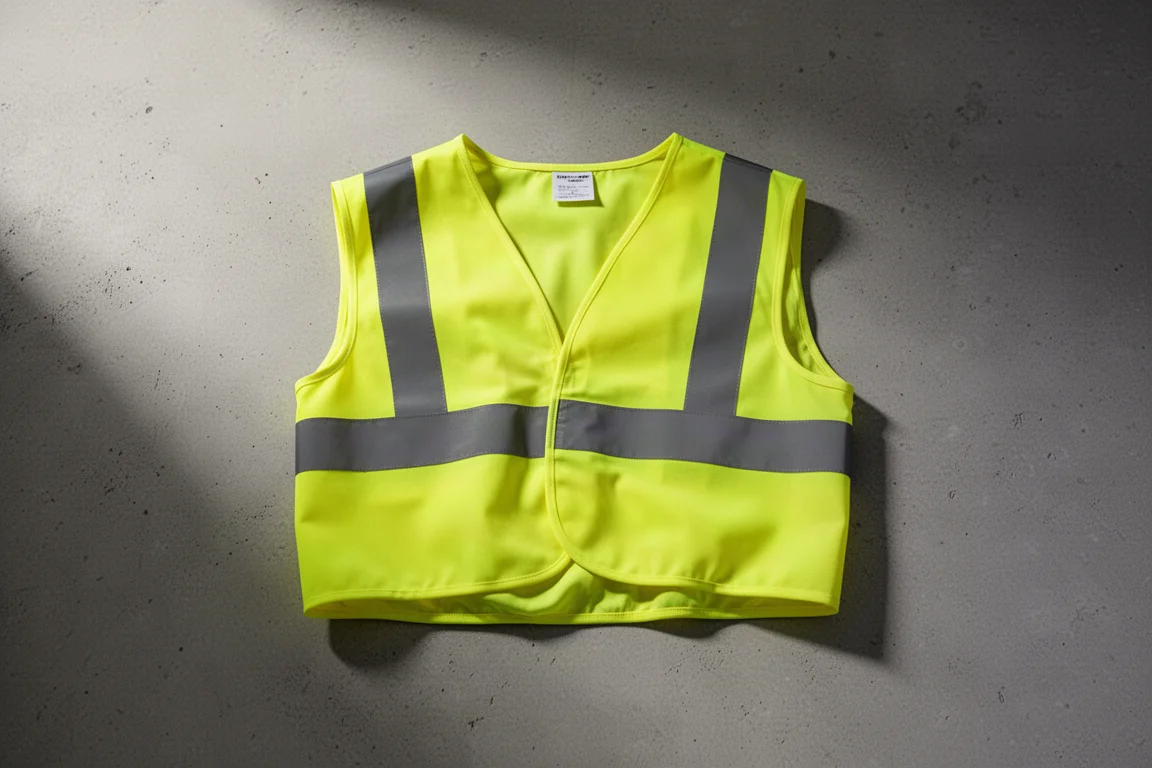
Not every piece of kit needs to be essential. A high-visibility vest is a good example of gear that earns its place through peace of mind, particularly on busy roads, in low light, and at night.
This Apidura vest is a lightweight reflective layer in bright yellow. It goes over a jersey or jacket without adding insulation or interfering with how the jacket works, and it packs down small enough to live in a bag until it is needed. That combination makes it easy to keep on hand for early starts, late finishes, and stretches through towns.
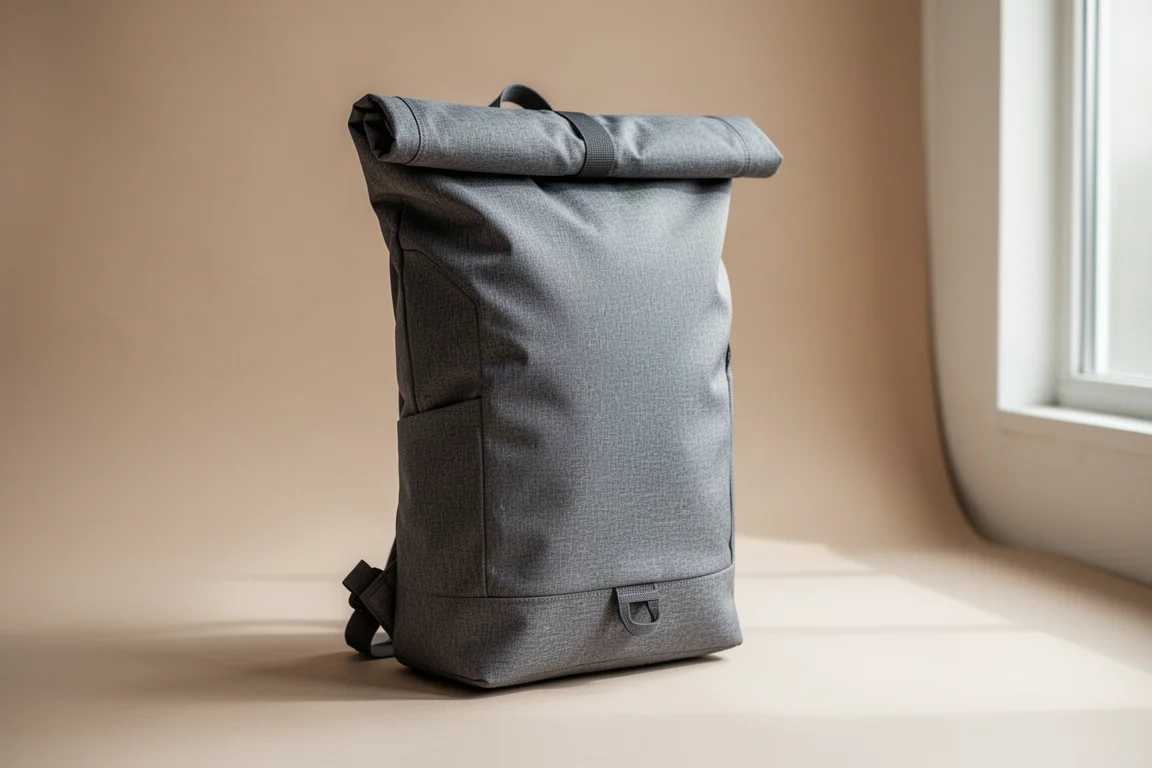
Apidura Lightweight Backpack: The Supermarket Raid Bag
Travelling light to the start of a route usually means flying with the bike in a box and everything else in one bag. A lightweight backpack solves both ends of that problem: it carries possessions on the way out, then folds down to almost nothing once the bike is loaded.
The Apidura pack uses a roll top closure and feels strong despite its low weight. During a ride it is most useful at the end of the day, when a shop stop turns into a full load of snacks and water for the campsite, and then into an organised transfer into the bike’s bags for the next morning. A velcro strap lets it attach to a frame or a bag, and it rolls up small enough to disappear into a bike packing bag.
Silca Ultimate Sealant: Tubeless Insurance for Rough Gravel
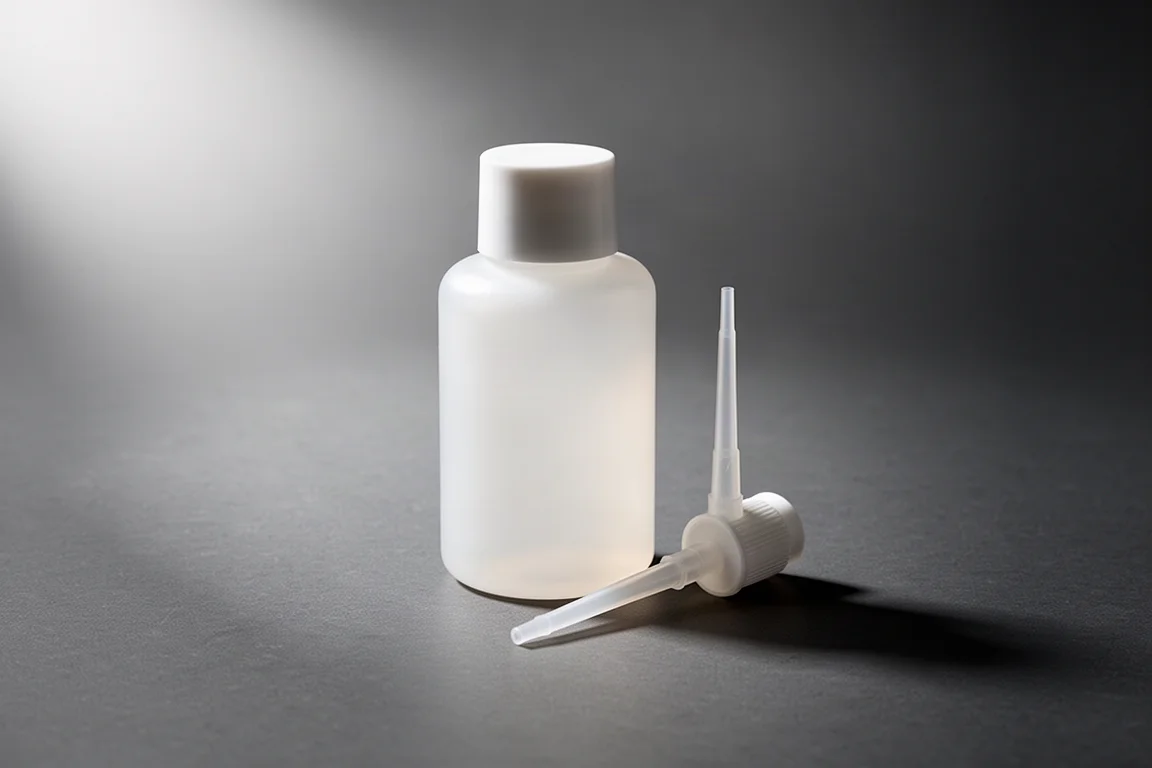
Running tubeless on a route like this is close to a no-brainer, and two weeks without a puncture is partly luck and partly preparation. Sealing the tyres properly is the part that can be controlled.
Silca Ultimate Sealant handles larger holes well, which is exactly what off-road riding produces. It can be injected through the valve, and running slightly more than the recommended amount adds margin without adding meaningful weight. On a long route with limited repair options, that margin is worth having.
Dynaplug Tubeless Repair Kit: Fast Plugs When It Counts
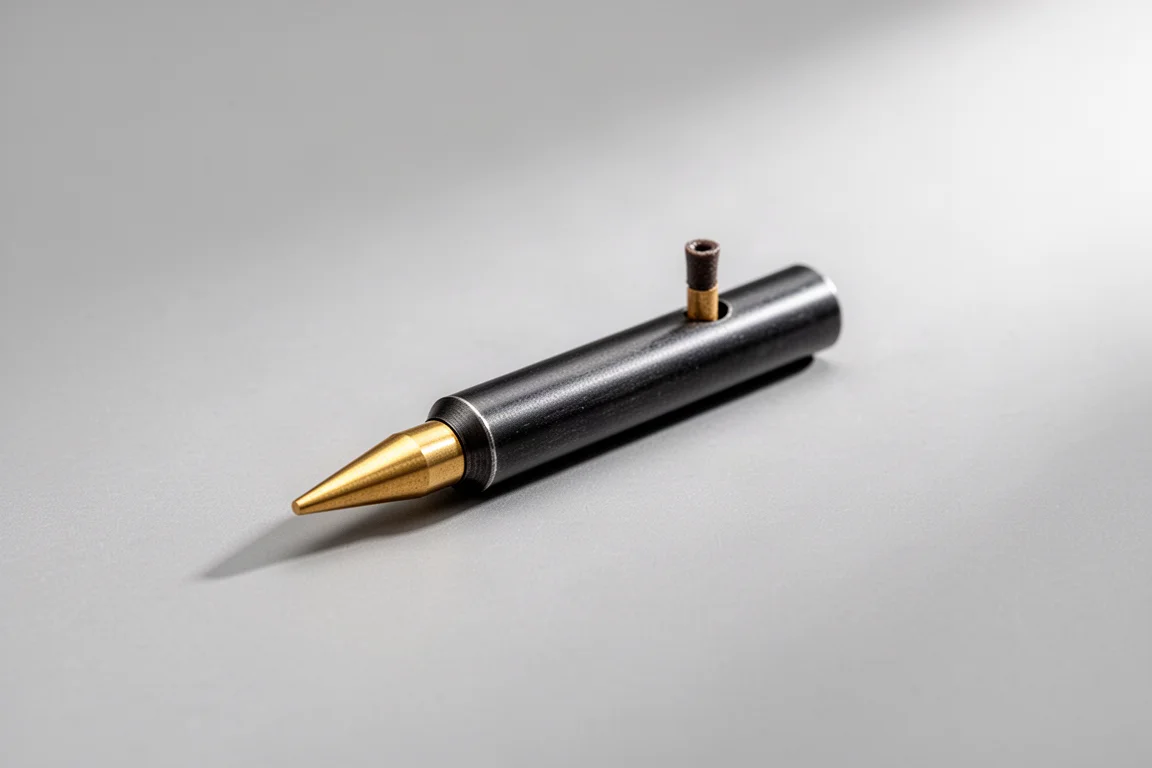
A tubeless plug kit is the tool you hope never to open. The Dynaplug system is a small capsule holding a stash of plugs, and its advantage is speed: the brass pointed tip makes getting a plug into a hole quick and easy compared with other tubeless repair kits.
It is more expensive than many alternatives, and that is the honest trade-off. For riders who want the fastest possible roadside repair, the cost is easier to justify than it first appears. On this trip it stayed packed and unused, which is the best outcome a repair kit can have.
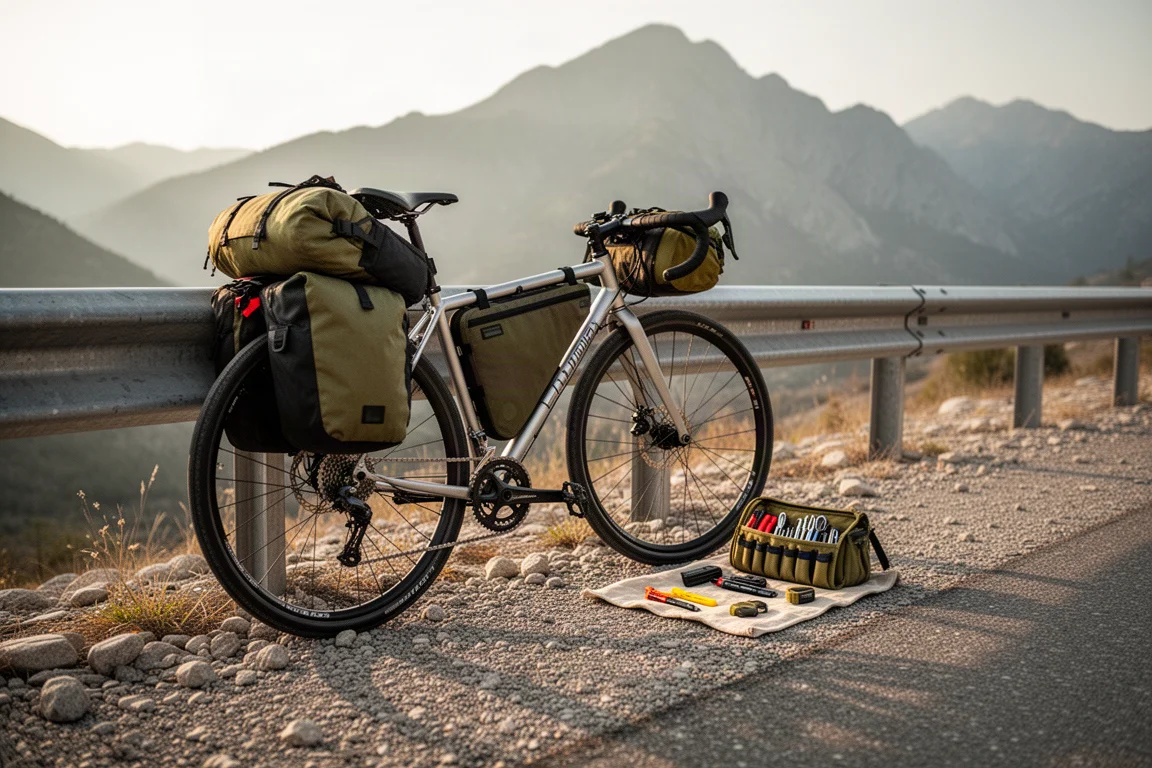
Spare inner tubes are the other half of the puncture plan. Three lightweight TPU tubes travelled in the frame’s down tube storage, which is more than any rider realistically needs. Two would be plenty for most trips and one is often enough, though butyl tubes are the more robust option while TPU keeps weight down.
Topeak Mini PT30: The Tool That Builds a Bike at the Airport
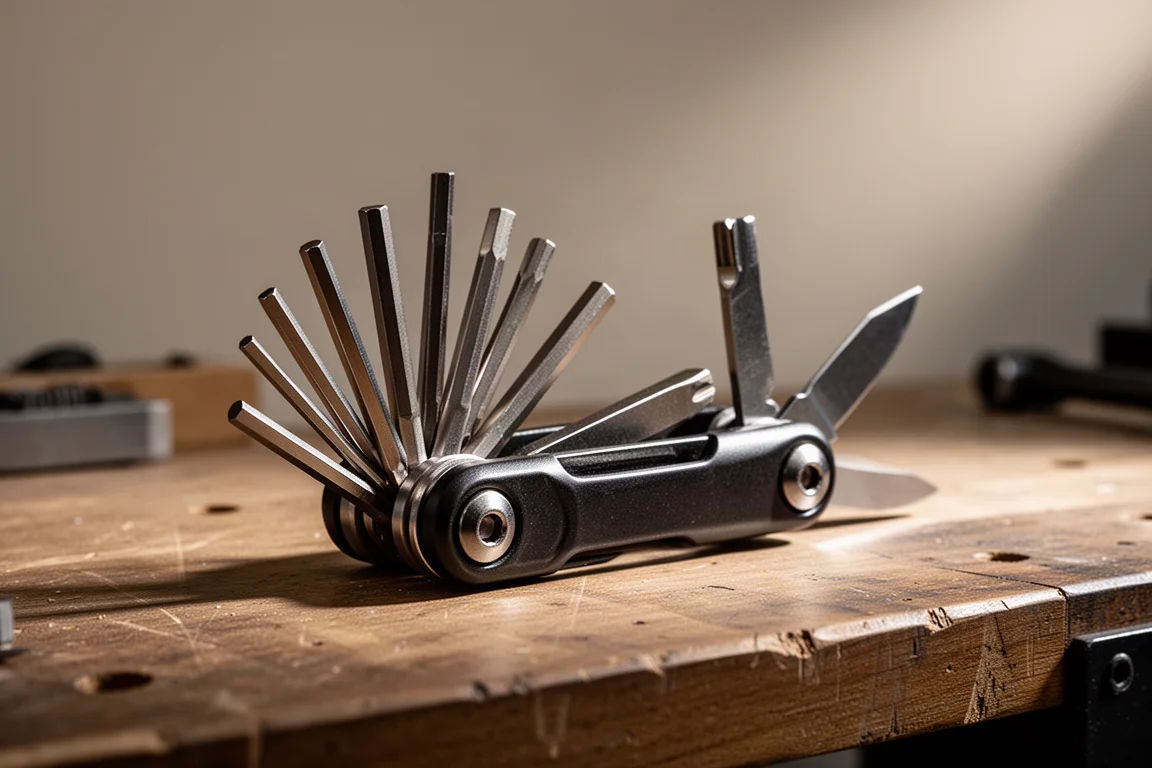
Building a bike from a box after a flight, with no workshop and no full tool kit, is a specific problem that needs a specific answer. The Topeak Mini PT30 covers it.
The tool includes an 8 mm pedal spanner, a chain breaker, a spoke key, a T25, the Allen keys needed for a typical build, and a small knife. That spread of functions means one item can handle assembly, adjustment, and most trailside fixes. It needed very little use on this trip, but it was the reason the bike could be assembled at the airport at all.
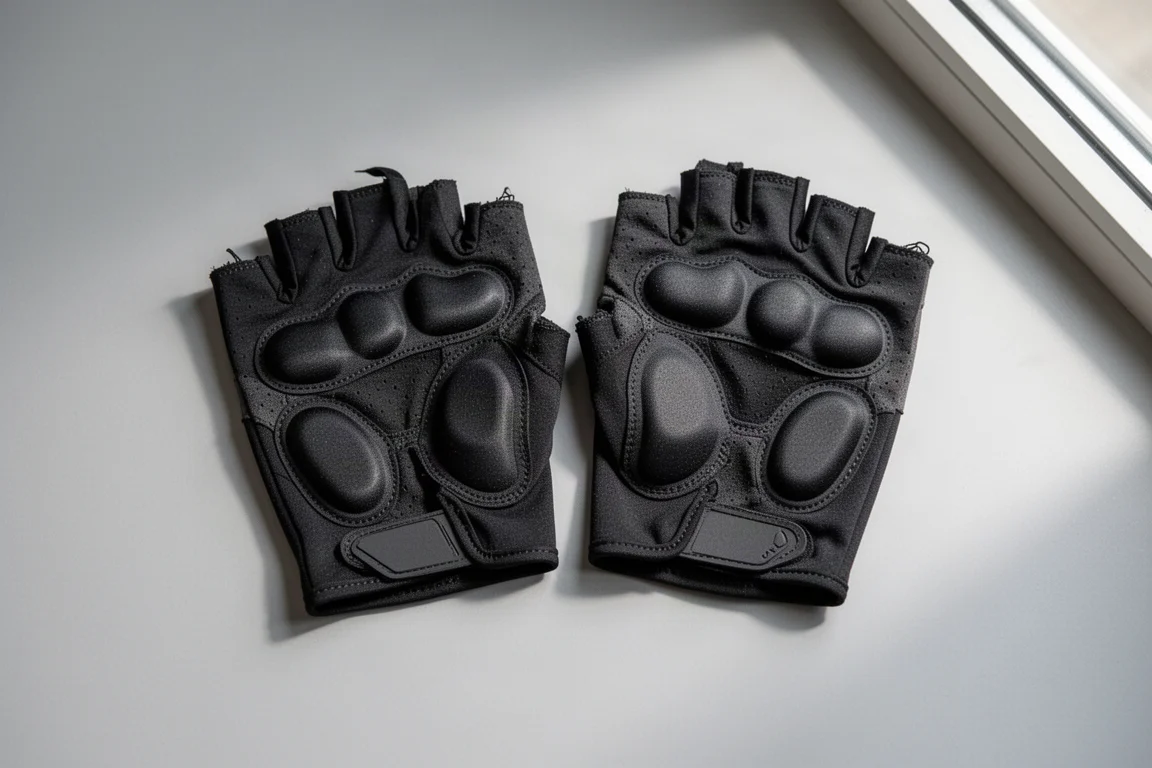
Castelli Gel Padded Mitts: Hands That Last Two Weeks
Gloves are easy to overlook in warm weather, right up until the hands start to suffer. Two weeks of rough gravel and 10 to 12 hour days changes the calculation.
The Castelli gel padded mitts add padding across the palms, which is the difference between hands that recover each evening and hands that steadily deteriorate. They are light, take up almost no space, and are useful for wiping sweat or a nose on a hot day. Thin long-finger gloves and heavier winter gloves covered the colder sections of the route.
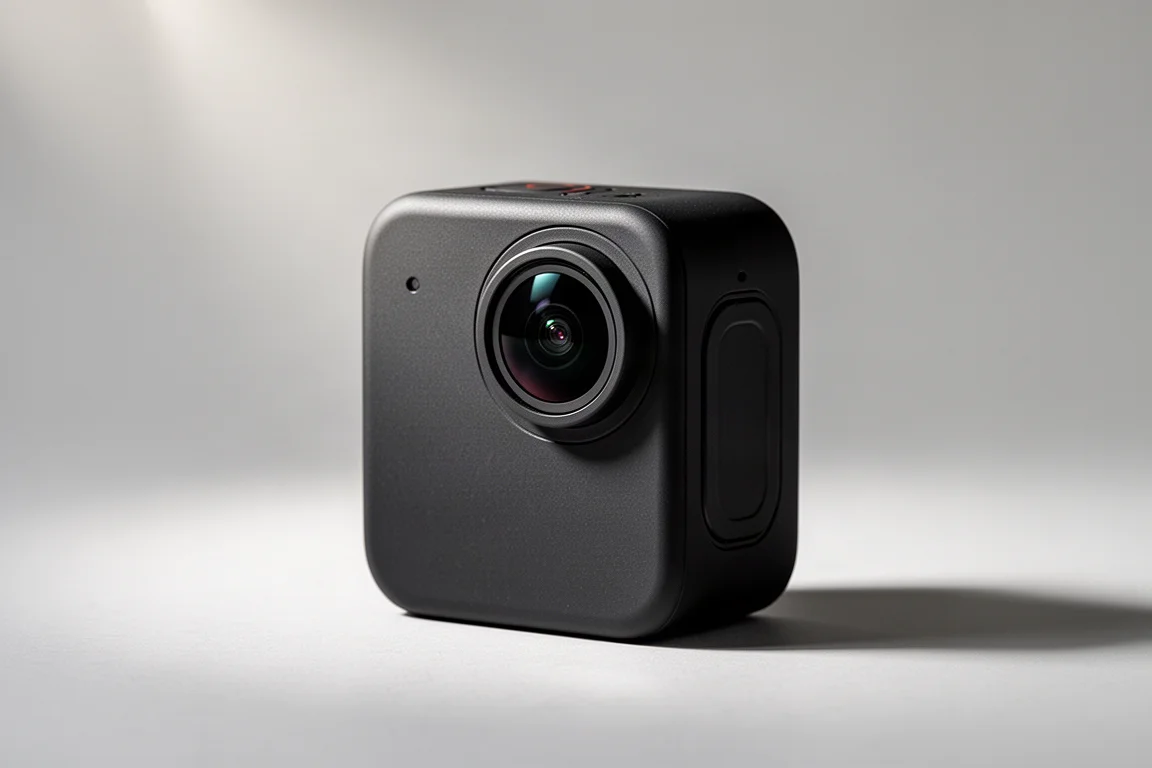
Insta360 Go Ultra: A Camera That Adapts to the Ride
Filming a ride of this length means choosing a camera that stays easy to use when tired. The Insta360 Go Ultra is built around that idea: the camera can be removed from its pod and used on its own, or seated in the pod, which adds a vlogging screen and charges the camera while it sits.
That flexibility covers both quick clips and longer recorded sections without a second device or a bag full of accessories. For riders who want footage without turning every stop into a camera setup session, the modular approach is the appeal.
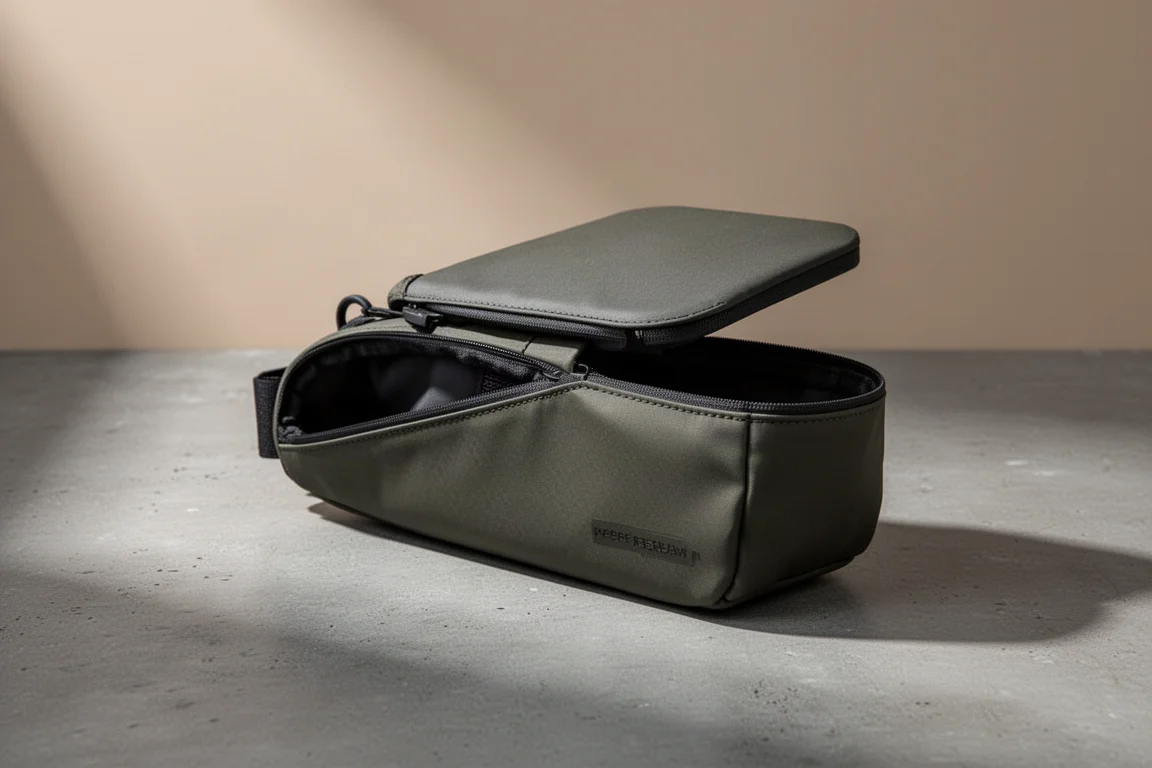
Tailfin Top Tube Bag: Easy Access Done Properly
Most top tube bags close with a zipper, which makes reaching inside a fiddly job while riding. The Tailfin bag uses a flat lid that lifts over the top instead, giving access to the whole cavity rather than a narrow opening.
That design turns the bag into genuine easy-access storage. It carried battery banks, a smartphone, sunscreen, and snacks, all items needed regularly through the day. The lid is waterproof, which matters on a route where rain can arrive without much warning.
Buying Advice: What Actually Matters on a Multi-Day Ride
The most useful purchases on a long trip are the ones that reduce daily decisions. Battery management is the clearest example. Two smaller power banks proved better than one large unit, because a single failure leaves you without a backup. Both carried built-in USB-C cables and a display showing remaining capacity, which removes the guesswork of reading LED indicators. A large bank handled lights and cameras, a small one handled a phone, and a dynamo front hub topped things up during daylight hours.
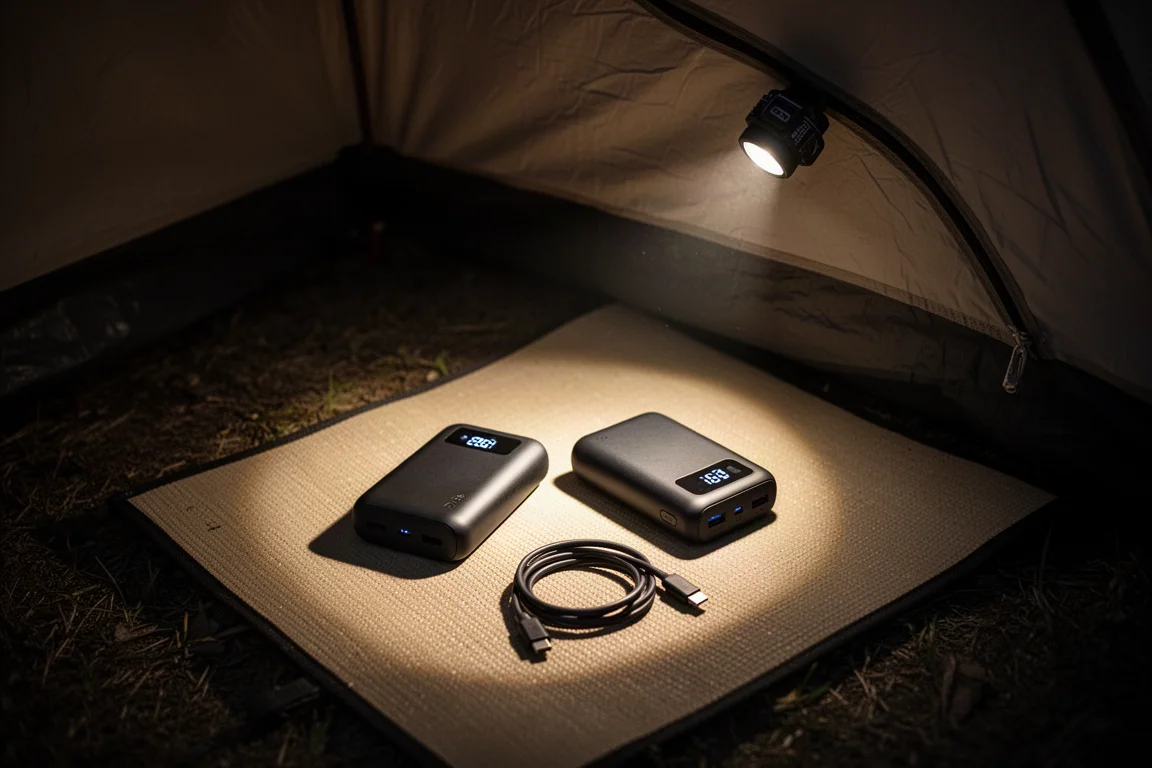
Charging discipline matters as much as capacity. Standardising on USB-C for every device simplifies cables and adapters, and a two-battery charger for SRAM AXS batteries means one battery can be charged in a tent or hotel while the other stays on the bike, ready to swap in. An electric pump is another item that sounds excessive until the route mixes pavement and gravel: being able to inflate to road pressure, deflate for traction on gravel, and reinflate afterwards becomes a daily habit, and a built-in pressure gauge removes the guesswork. Keep a manual pump as a backup regardless.
A few small additions round out the kit. Electrical tape earned its place by holding a collapsed front light bracket in position for ten days. A well-equipped multi-tool and a small pair of pliers covered mechanical problems. And it is worth resisting the urge to overpack spares: three inner tubes was more than necessary, and two would have been plenty.
Conclusion
None of these items is dramatic on its own. Together they turn a two-week route through mixed terrain into something more manageable, mostly by removing small daily problems before they become large ones. Prioritise a GPS computer with genuine battery life, a lube and sealant that suit the conditions you expect, and the handful of comfort and safety items you will actually use. Everything else can be refined on the next trip.
Further reading
Related Reviews
Bike Packing
Best Bike Packing Setups 2026: Five Real-World Builds Compared
Five bike packing setups with very different philosophies, from a light steel tourer to a custom belt-drive rig, plus what each one gets right and where it compromises.
Bike Packing
Bike Packing Essentials for Your First Trip: Two Picks Worth Packing
A practical look at two bike packing picks that solve the most common first-trip problems: load distribution and hand comfort.
Bike Packing
Outer Shell Bike Packing Bags: Six Practical Storage Solutions for Overnight Adventures
An unboxing and hands-on look at six Outer Shell bike packing bags designed for bikepacking overnighters, from frame bags to handlebar storage.