Bike Packing
Best Bike Packing Setups 2026: Five Real-World Builds Compared
Five bike packing setups with very different philosophies, from a light steel tourer to a custom belt-drive rig, plus what each one gets right and where it compromises.
Introduction
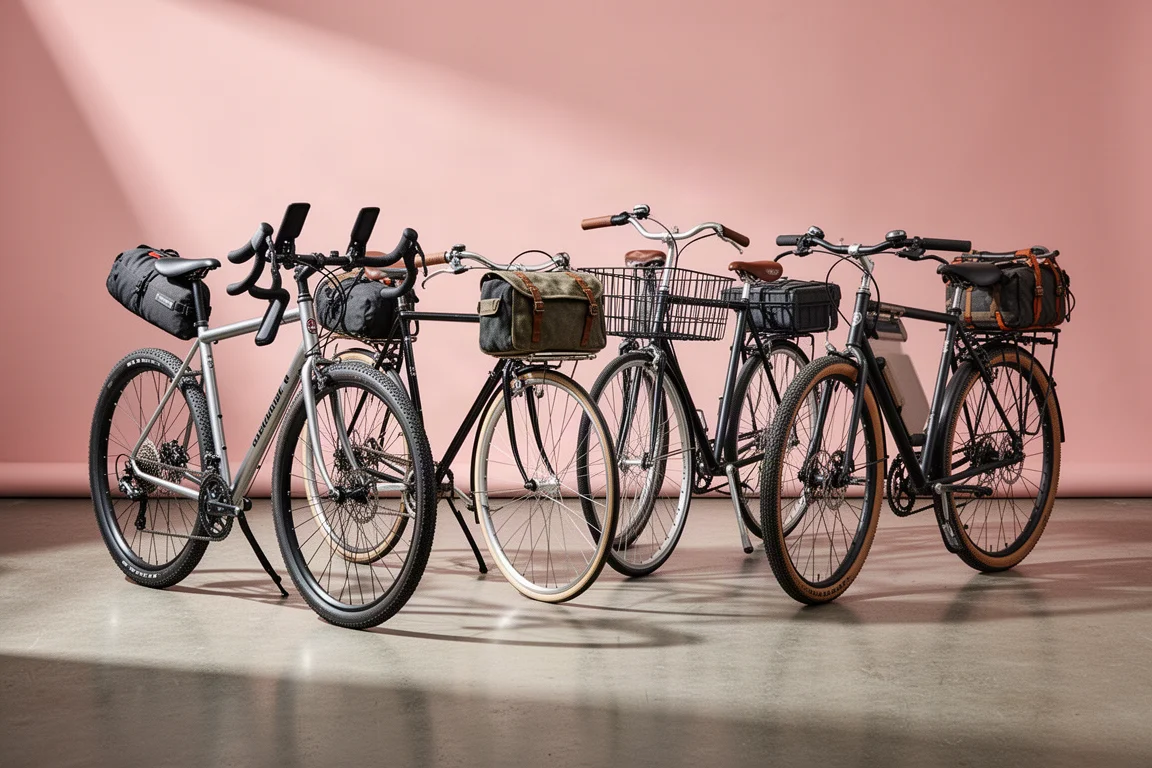
Bike packing asks more of a bicycle than almost any other kind of riding. The bike has to carry weight, stay comfortable for hours, and keep working when the surface turns rough and the weather turns worse. The five setups below approach that brief from five very different directions: a light steel gravel bike, a vintage military machine, a converted e-bike, a versatile gravel platform, and a custom steel tourer with belt drive and internal gearing.
Each one has been used for real journeys rather than showroom photographs, and each one makes a clear trade-off worth understanding before you spend money.
What Matters Most in a Bike Packing Setup
Carrying capacity comes first. That means mounting points, rack compatibility, and whether the frame and fork can take the bags you actually want to run rather than the bags you can just about fit. A bike with front and rear racks can swallow a full camping load. A bike with a single frame bag and a saddle bag is better suited to fast, light trips.
Comfort is the second filter. Long days in the saddle reward extra hand positions, wider tyres and a saddle that suits your body. Clip-on aero bars are a relatively cheap way to add both a new position and extra space for bottles or small bags between the extensions.
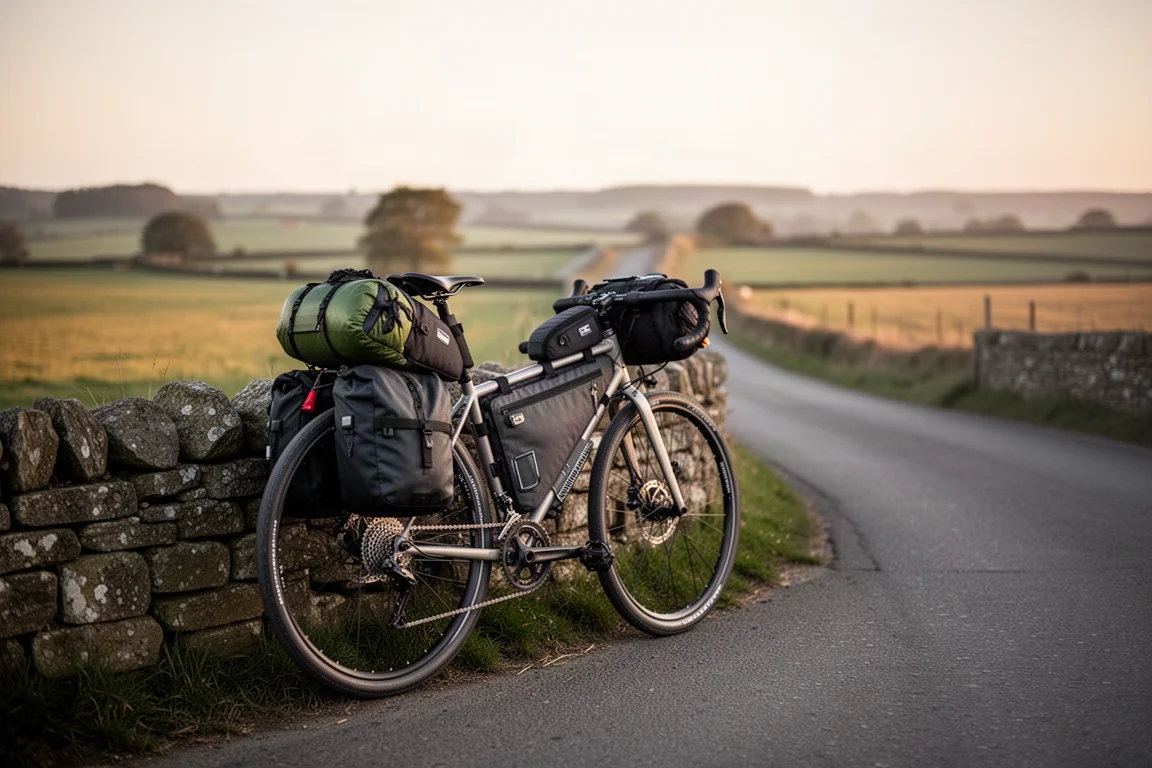
Reliability is the third. Mechanical shifting can be serviced almost anywhere, hydraulic disc brakes give consistent stopping power when loaded, and a dynamo lighting setup removes battery anxiety on multi-day routes. Simplicity has real value when you are far from a bike shop.
Then there is the question of how a bike behaves once it is loaded. Weight carried high and far from the steering axis changes handling, and a poorly secured rear pack will move around at exactly the wrong moment.
Genesis Croix de Fer 20: A Light, Fast Tourer
The Croix de Fer sits at the origins of the gravel category, and this build uses the 20 model as a base with a few deliberate changes. An aftermarket Kinesis carbon fork replaces the original, and the drivetrain is an 11-speed Shimano 105 mechanical groupset paired with TRP hydraulic calipers. Aluminium DT Swiss wheels roll on 32C tyres, and the finishing kit is aluminium with a Brooks saddle on top.
The most interesting detail is the pair of clip-on aero bars. They are not only about aerodynamics. They add a completely different body position for hour six of a long day, and they create extra real estate for a bottle or a small bag between the extensions, which matters once a frame bag has already filled the main triangle.
The rest of the setup is traditional but functional: mudguards, a bar-mounted mirror, a small food pouch on the bars and an older-style rear pack. That rear pack is the weakest link, because it needs careful packing and secure strapping to stay stable when the load shifts.
Swiss Military MO5: Vintage Military Character
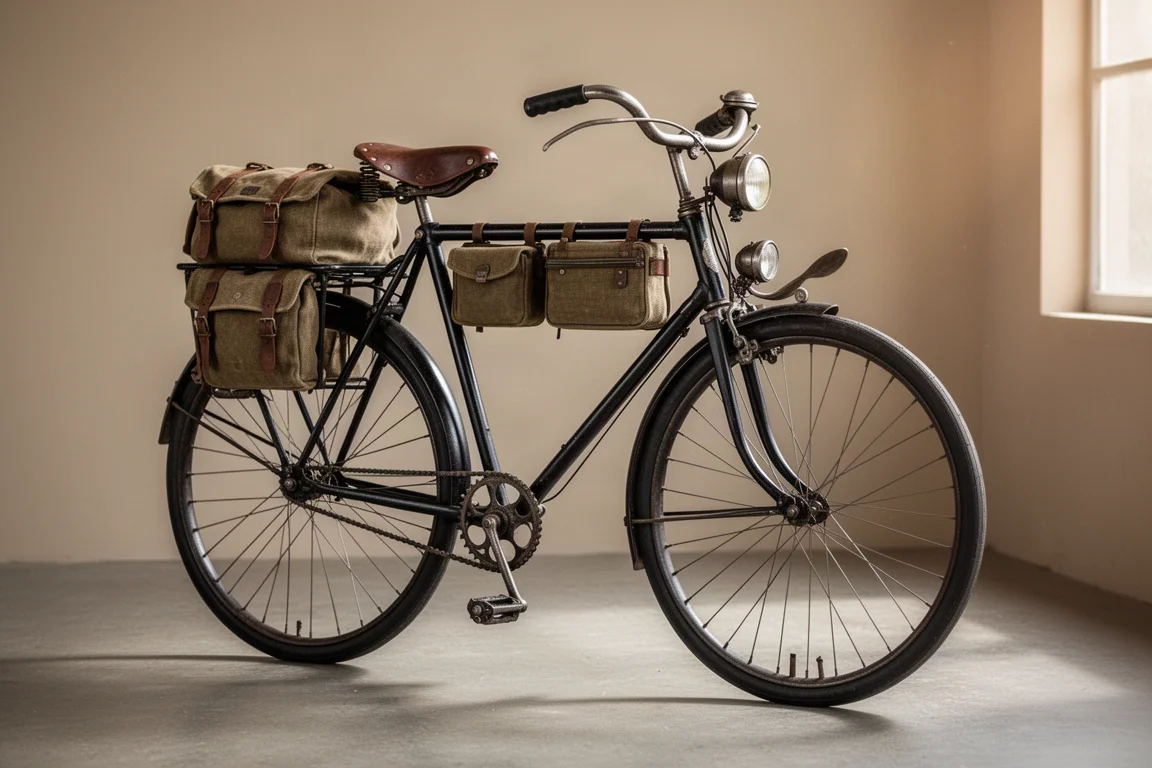
This one is a genuine outlier. The Swiss Military MO5 is a vintage single-speed military bicycle, and the example here weighs in at roughly 25 kg. It stops with a spoon front brake that presses directly on the tyre and a coaster brake at the rear, which is exactly how plenty of riders learned to skid to a halt as children.
Everything about it belongs to a different era of transport. There is a frame bag sized for documents and a tool kit, a bread bag on the front, a rear rack, dynamo lighting and a quiet freehub. The condition of this particular example is remarkable, to the point where it reads more like a collector’s piece than a daily rider.
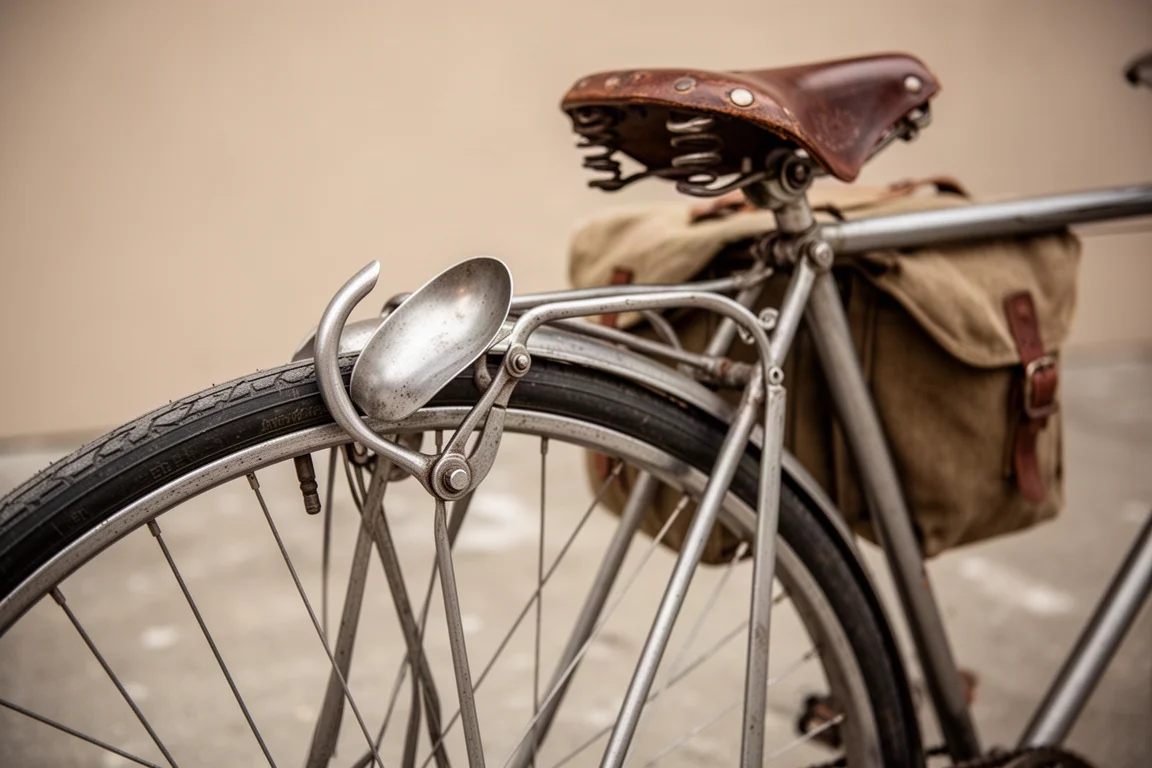
As a bike packing machine it is a compromise. The weight makes acceleration slow and hill climbing hard work, and the braking performance is a long way from a modern disc setup. Carrying capacity, however, is surprisingly good once the frame bag, front bag and rear rack are counted, and there is a real argument for keeping a machine like this original rather than modernising it.
Merida Crossway 800: A Practical E-Bike Conversion
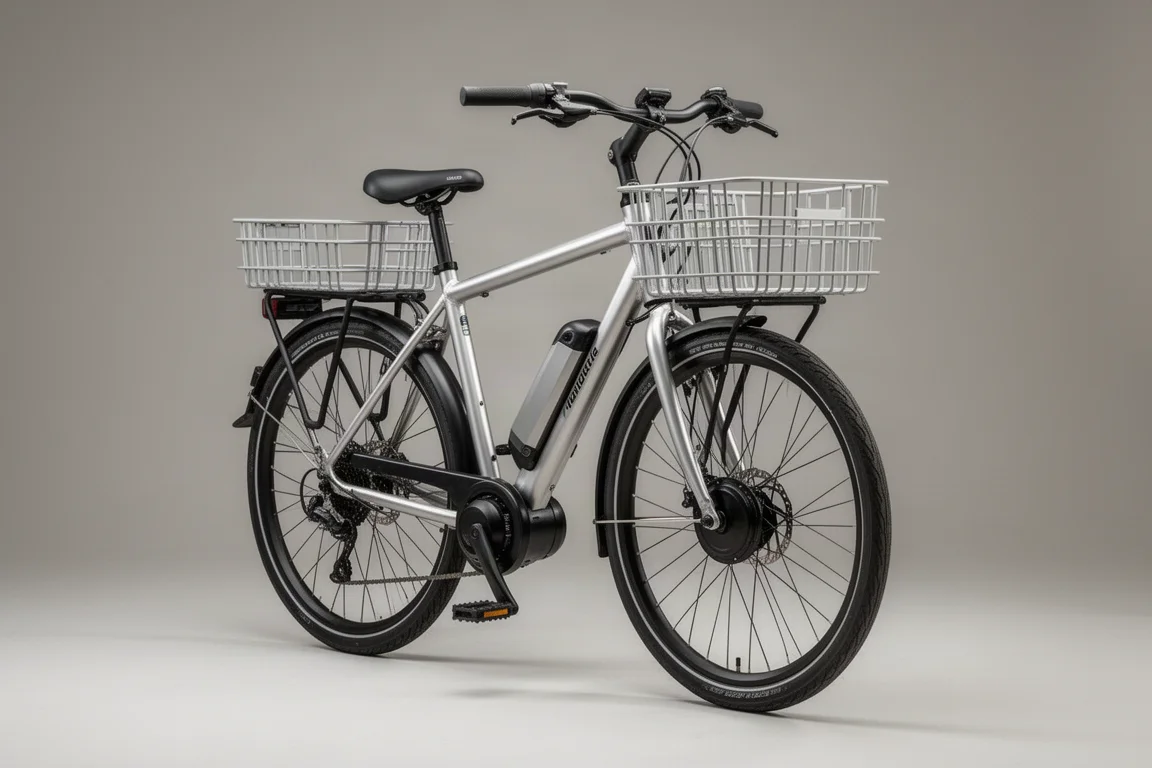
This is the setup that most directly replaces a car. The base is an early 2010s aluminium Merida Crossway 800, converted to electric assist with a 250 W front hub motor. The original Suntour suspension fork stays in place and carries the motor, while the rear wheel is a Shimano Deore unit that came with the frame.
The details show a build assembled around real use rather than showroom appeal. Tyres are Schwalbe Marathon Plus, 35 mm at the front and 38 mm at the rear. The 250 Wh battery uses Samsung cells and sits in a bottle-cage style holder, which keeps the bike looking less obviously electric. Gearing is 3x9 with 170 mm cranks, the handlebar and stem are second-hand parts, and brake cut-off sensors are bonded to the levers to work with the motor system.
Carrying capacity comes from a milk crate secured to the rack, which is crude but effective, and flat pedals make the bike easy to ride in ordinary clothes. Colour-matched details throughout show a build that was thought through rather than thrown together.
Worth knowing before copying the formula: a front hub motor drives the wheel with the least weight over it, so traction under power can be lower than with a rear hub setup. Adding a motor to a frame that was never designed for one is also a modification rather than a warranty-friendly upgrade. On a heavier, upright bike the assist generally works well in practice, and the extra weight tends to help rather than hurt.
Cannondale Topstone: A Versatile Gravel Platform
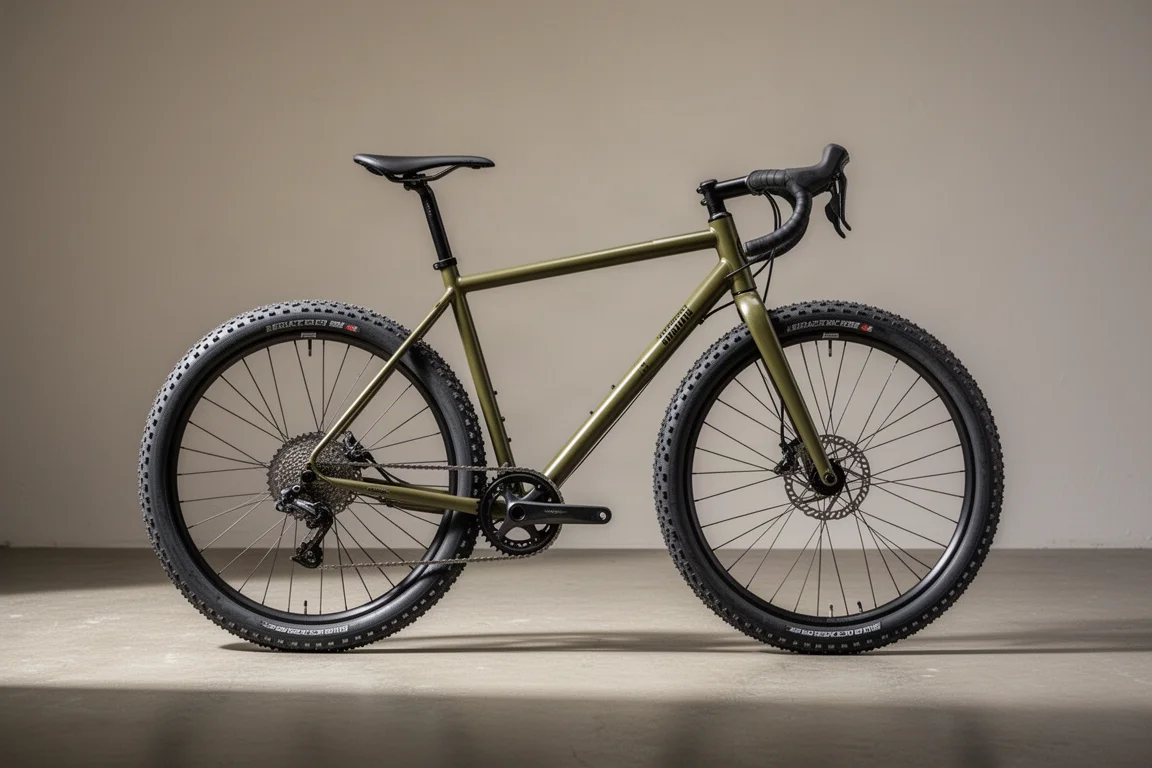
The Topstone appears here in two quite different forms, and together they make a strong case for the platform. The first is a carbon build with SRAM Apex Explore electronic shifting, 650B wheels and 50 mm tubeless Pirelli tyres, finished in a pink frame with black components. It carried a full self-supported load, including a tent, sleeping bag, mattress, cooking gear and food, over 180 km in two days.
The second is a 2023 alloy Topstone prepared for a much longer journey, riding from Portugal towards Germany. It runs DT Swiss G1800 wheels with a Shutter Precision dynamo hub, 44 mm tubeless tyres, a Specialized short-reach handlebar, a carbon seat post and an Ergon SR saddle. The dynamo powers front and rear lights and can charge devices over USB when the lights are switched off. Racks front and rear, cargo cages, fenders and a frame bag complete the picture, and the tyres covered 4,000 km without needing a tubeless plug.
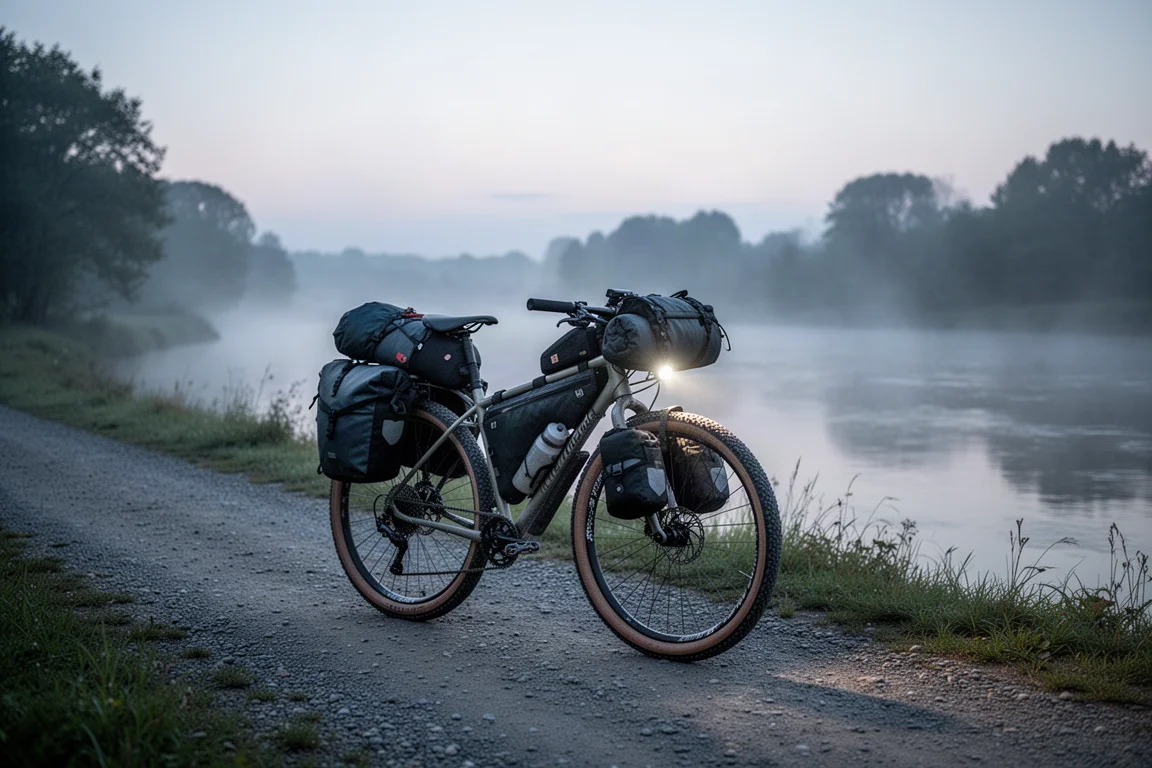
The two versions differ in one meaningful way: the carbon model carries a rear-end compliance feature that the alloy frame does without. Cannondale has also moved towards more standardised rear-end geometry, which makes wheel replacement simpler than it once was.
What makes the Topstone convincing as a bike packing bike is not a single feature but the combination: room for wide tyres, mounts for racks and bags, and a geometry that has already proven itself over thousands of loaded kilometres.
Cycles Tulipe: Custom Steel and a Belt Drive
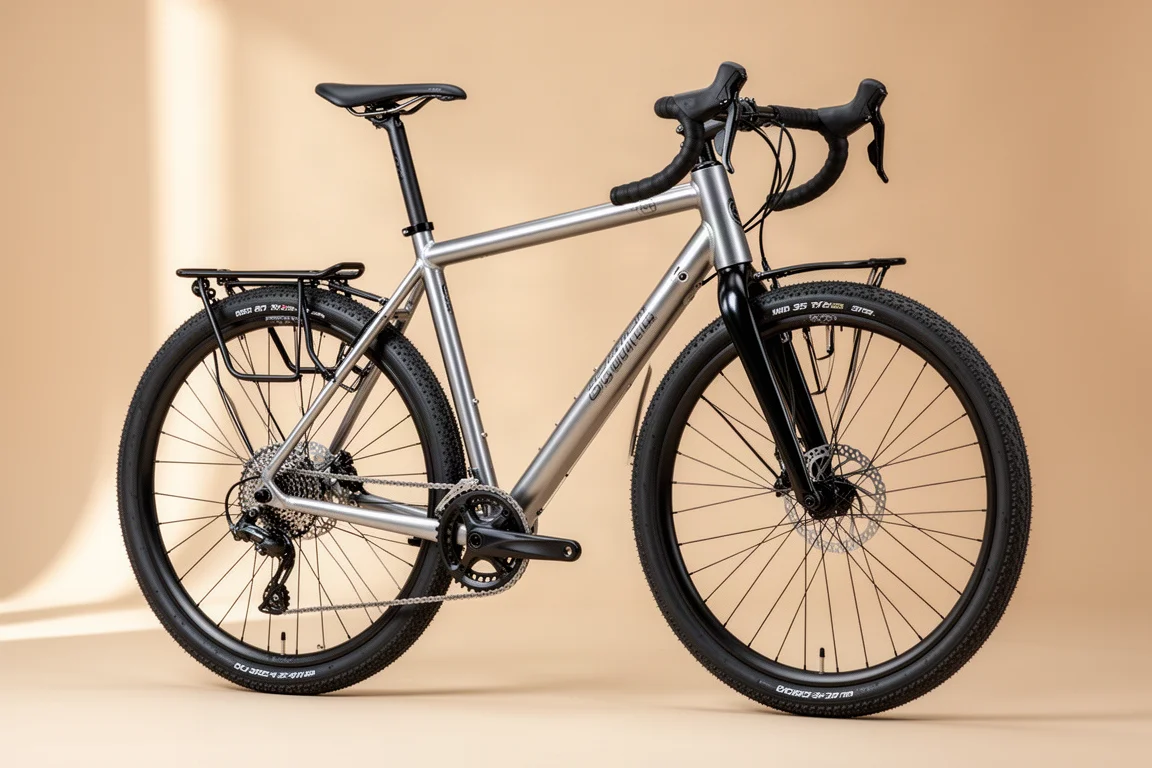
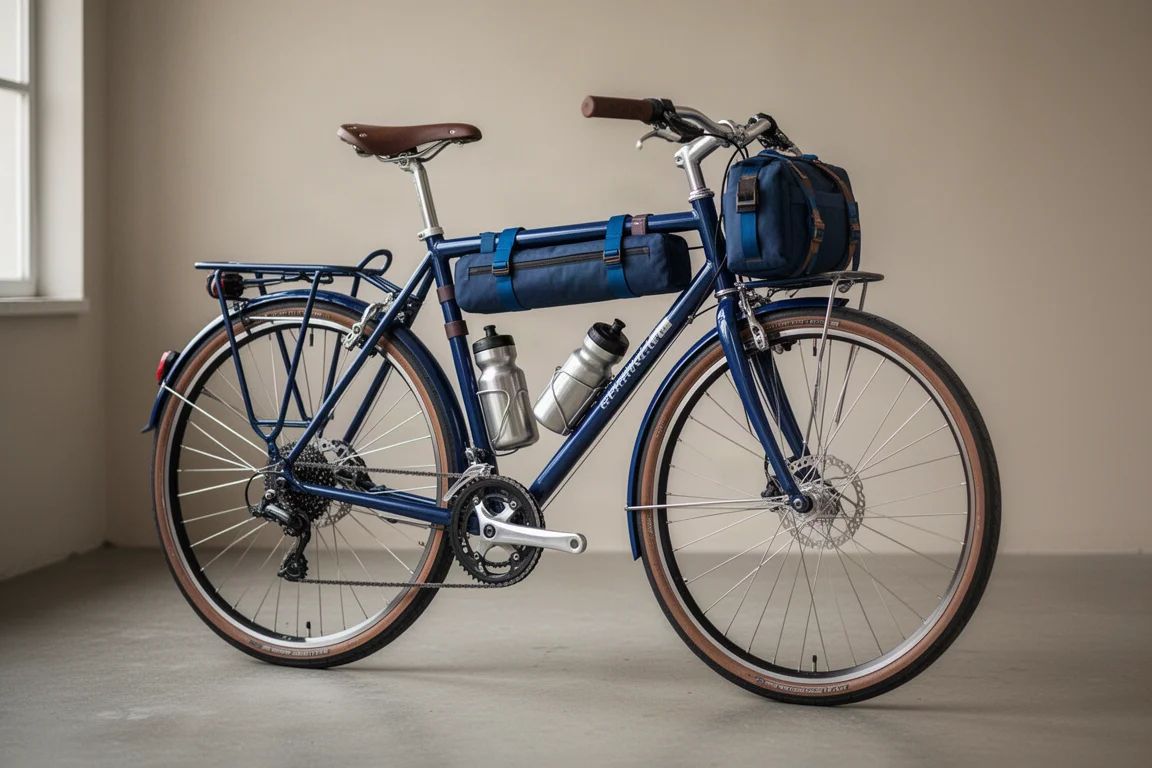
The final setup is a custom build from a local frame builder in Montreal, and it is the most ambitious of the group. The frame is Reynolds 853 steel with a Columbus steel fork, and it carries the full set of mounts needed for gravel and touring use.
The drivetrain is the standout. A Rohloff Speedhub is paired with a Gates belt drive, and a Gebla Rohbox internal mechanism allows the hub to work with conventional road shifters. That combination removes the derailleur from the equation, keeps the drivetrain clean, and cuts routine maintenance on long trips. A belt drive also means there is no chain oil to manage at all.
Everything else is built for capacity: front and rear racks, bottles mounted wherever they will fit, straps colour-matched to the blue frame and stem, and small orange accents that break up the finish. A machine like this is a long-term purchase, and the cost of a custom frame, internal gearing and a belt drive sits well above an off-the-shelf tourer. For riders who plan to spend years on the road, that trade-off can make sense.
Buying Advice
Decide what you are actually carrying before you decide what to buy. If your trips involve a tent, a sleeping bag and cooking gear, prioritise frames and forks with rack mounts and enough clearance for wide tyres. If you travel light and fast, a frame bag, a bar roll and a saddle bag may be all you need, and clip-on aero bars will add both speed and a second hand position.
Think carefully about shoes and pedals on a touring or bike packing bike. Off-road style shoes that let you walk normally are far more practical than road cleats when you stop for supplies, and the small weight penalty is rarely worth worrying about.
Lighting deserves the same attention as luggage. A dynamo setup that runs front and rear lights, and can charge a phone when the lights are off, removes charging from your list of daily problems. On shorter trips a good battery light is simpler and cheaper.
Finally, be honest about maintenance. Mechanical drivetrains can be repaired almost anywhere, while internal hubs and belt drives trade a higher upfront cost for far less routine work. Neither approach is wrong. They simply suit different kinds of riders.
Conclusion
These five setups cover the full range of what bike packing can look like. The Genesis Croix de Fer 20 is the light and quick option for riders who want to cover ground efficiently. The Swiss Military MO5 is a collector’s machine with genuine character and limited everyday practicality. The Merida Crossway 800 shows how far a careful e-bike conversion can go as car replacement transport. The Cannondale Topstone is the most versatile all-rounder of the group, equally at home on a fast gravel loop and a multi-week tour. The Cycles Tulipe is the long-term investment, built around low-maintenance belt drive and internal gearing.
Match the bike to the journeys you actually take, and any of these five approaches can serve you well for years.
Further reading
Related Reviews
Bike Packing
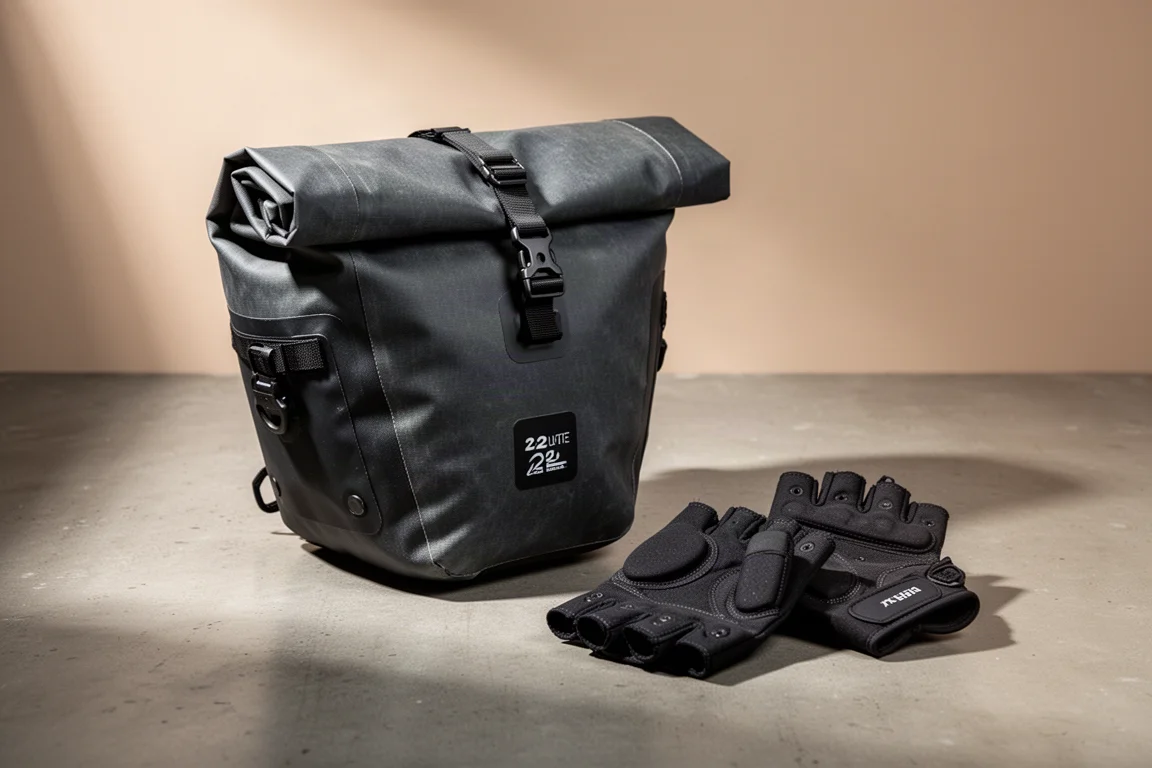
Bike Packing Essentials for Your First Trip: Two Picks Worth Packing
A practical look at two bike packing picks that solve the most common first-trip problems: load distribution and hand comfort.
Bike Packing
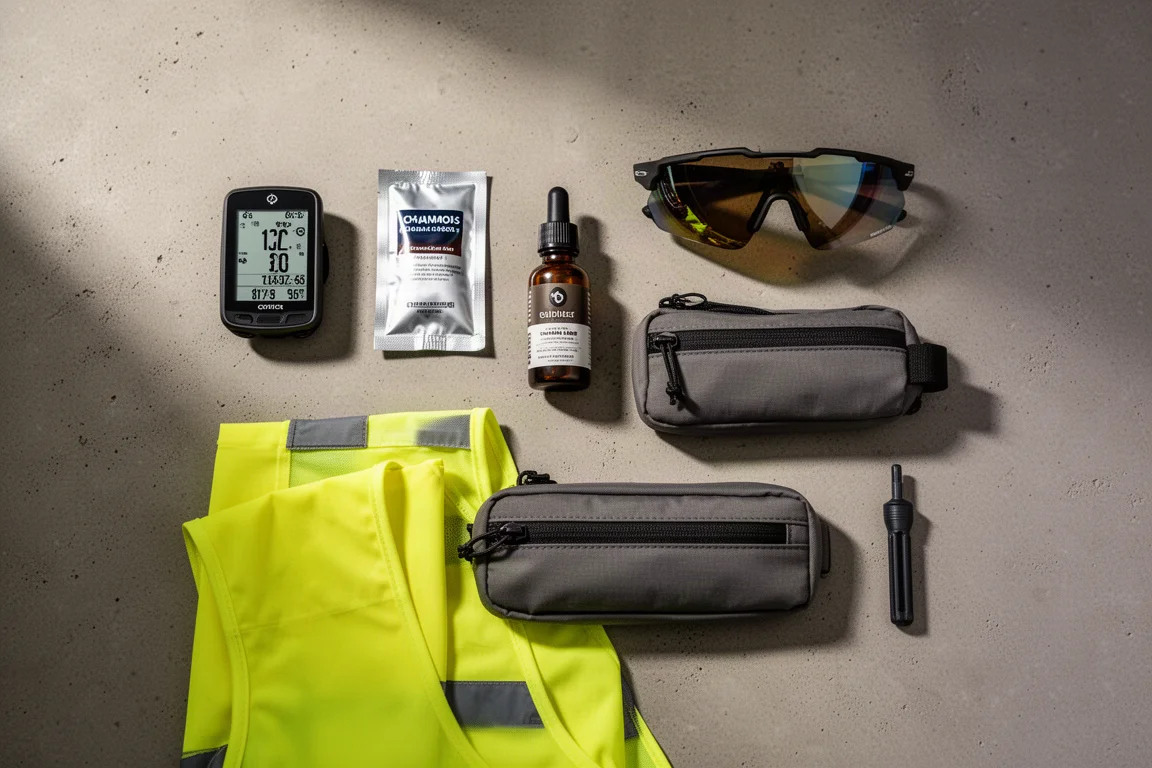
Bike Packing Essentials: 12 Gear Picks That Earn Their Place
A practical roundup of bike packing gear that proved itself over a 3,000 km route through Chile and Argentina, from a long-running GPS computer to tubeless repair.
Bike Packing
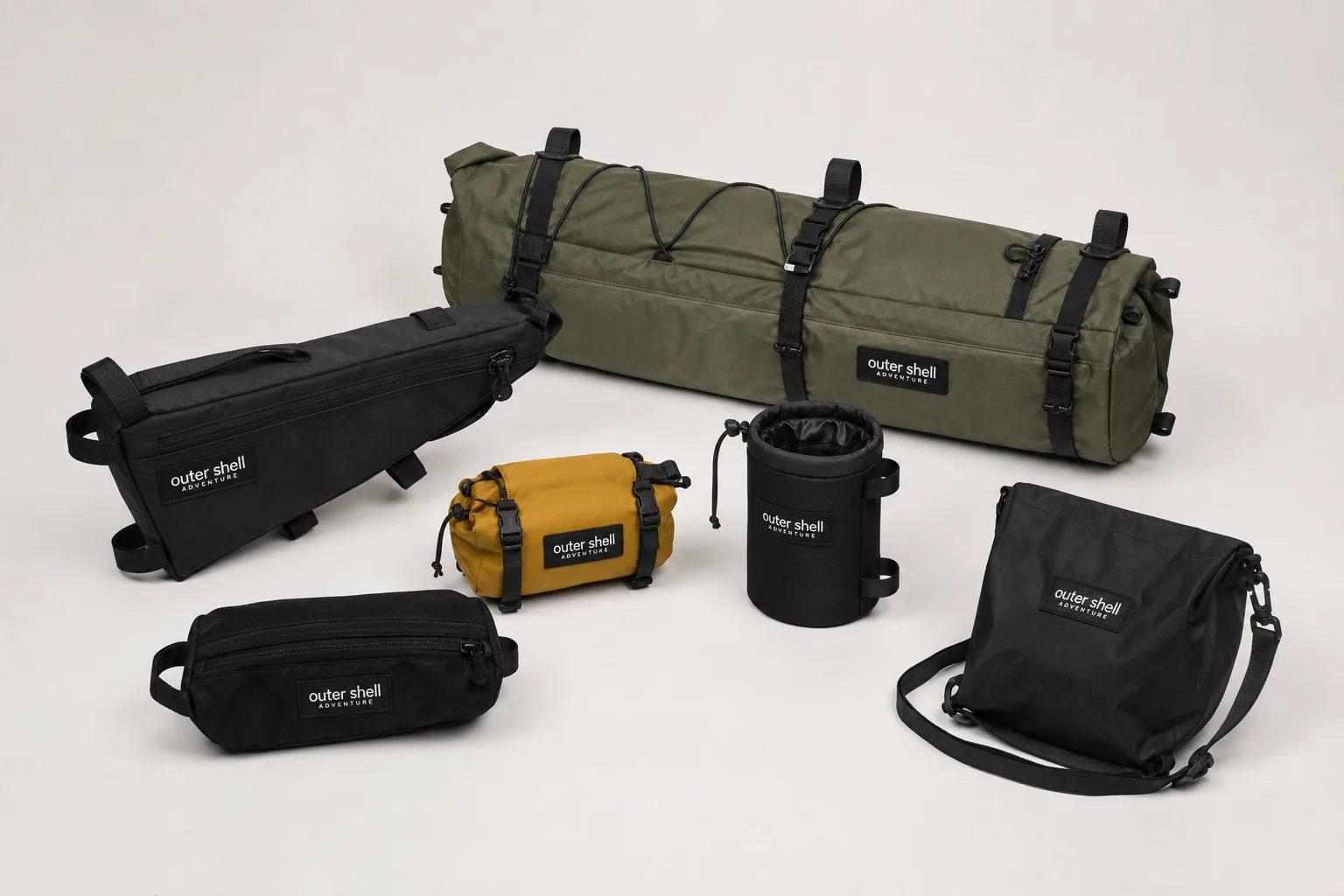
Outer Shell Bike Packing Bags: Six Practical Storage Solutions for Overnight Adventures
An unboxing and hands-on look at six Outer Shell bike packing bags designed for bikepacking overnighters, from frame bags to handlebar storage.