Bike Packing
Bike Packing Essentials for Your First Trip: Two Picks Worth Packing
A practical look at two bike packing picks that solve the most common first-trip problems: load distribution and hand comfort.
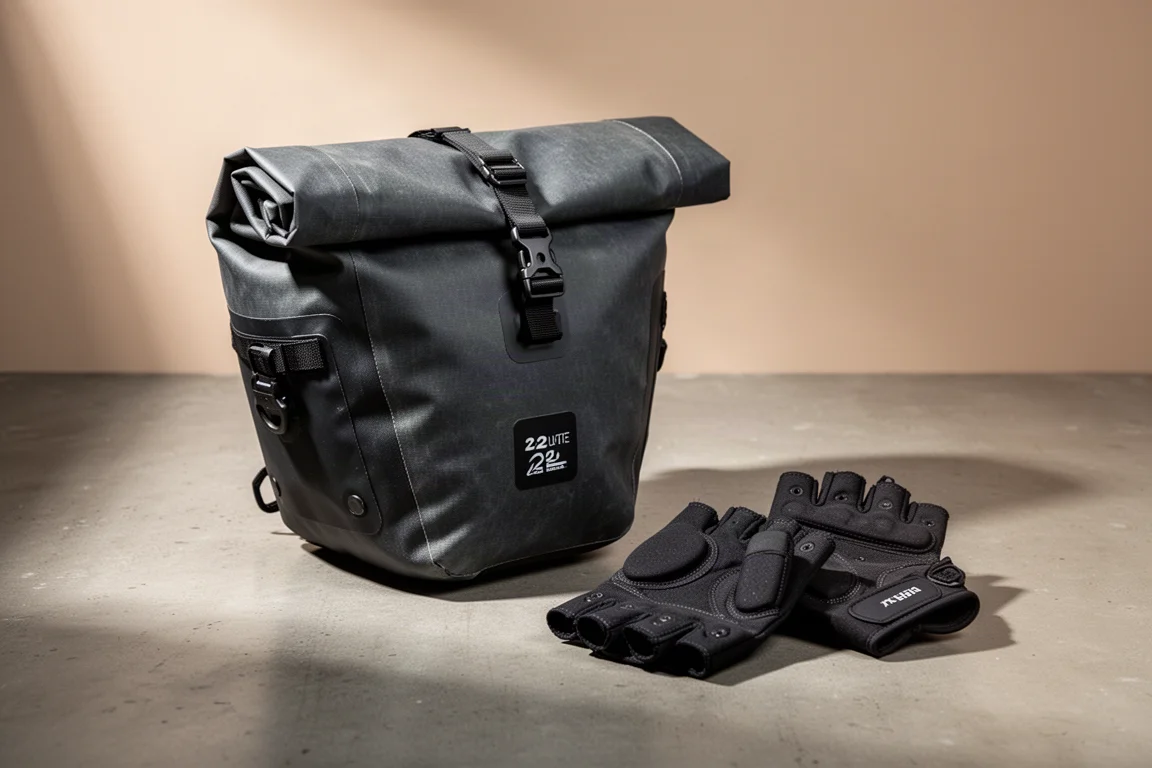
Introduction
Bike packing asks a different set of questions than commuting or fast road riding. On a first loaded trip, the goal is not to find out how much gear a bike can swallow. It is to keep the bike predictable, comfortable and reliable across consecutive long days, often on surfaces and gradients that feel very different once luggage is on board.
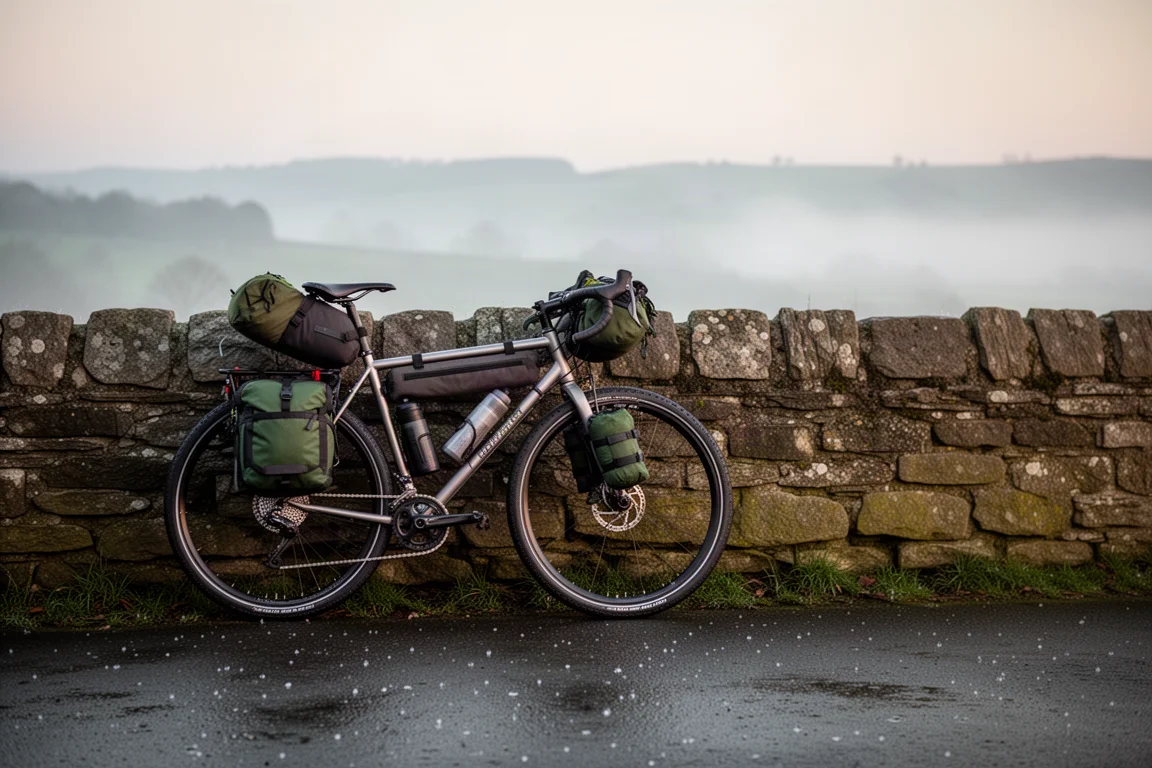
Two pieces of kit carry most of that responsibility in a first setup: a bag that discourages overpacking, and a pair of gloves that protect your hands from hours of vibration. The Tailfin 22L Pannier and the Castelli Endurance Gloves are the two picks worth starting with, and the sections below explain why each one earns its place.
How to Pack for a First Bike Packing Trip
The temptation with luggage is to reach for the biggest bag available and fill it right to the brim. That single decision has three consequences. The first is weight. A heavily loaded bike is hard work to move, and a rider new to touring feels every extra kilogram on the climbs.
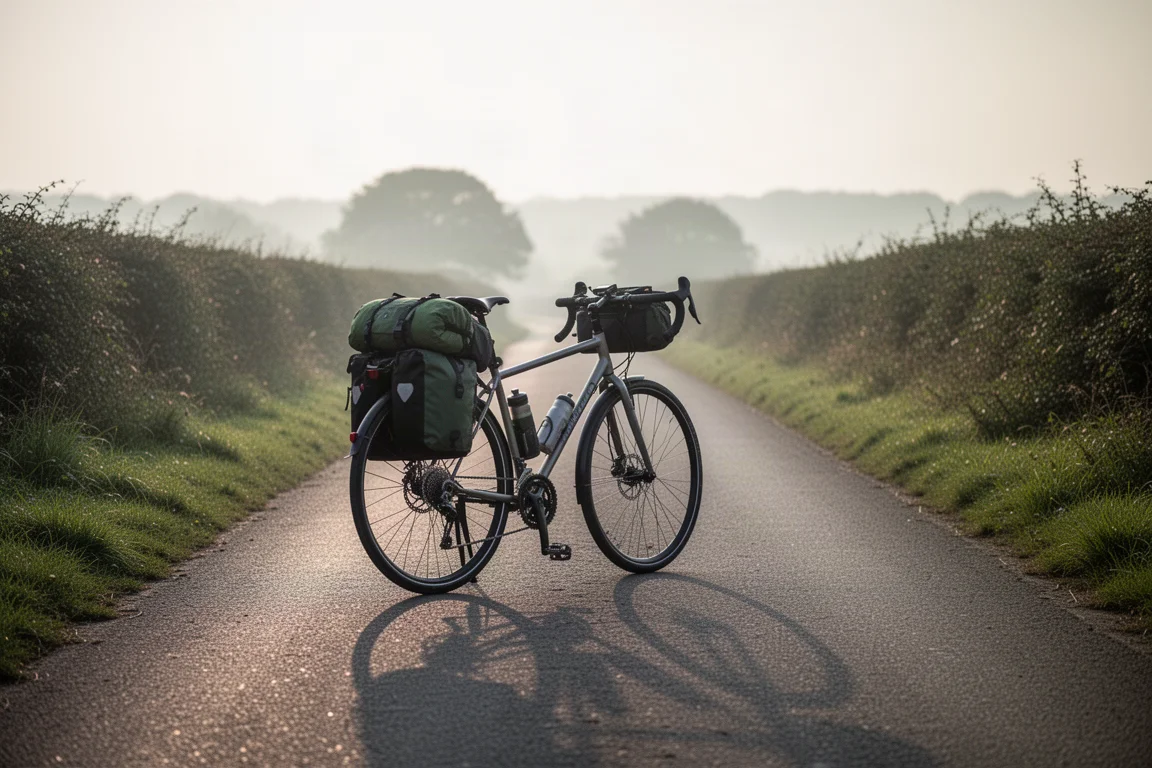
The second is weight distribution. Keeping the load centred, low and balanced across the bike matters far more than total capacity. Big, bulky panniers push weight over the rear wheel, and a back-loaded bike becomes vague and unstable, with the wobble or shimmy that touring riders learn to dread.
The third is durability. Weight concentrated at the back of the bike increases the chance of cracking a rim, folding a wheel or bending a rack. Smaller bags spread the same kit across more mounting points, and they also make it far easier to find things without unpacking everything to locate a sleeping bag.
Best for Load Distribution: Tailfin 22L Pannier
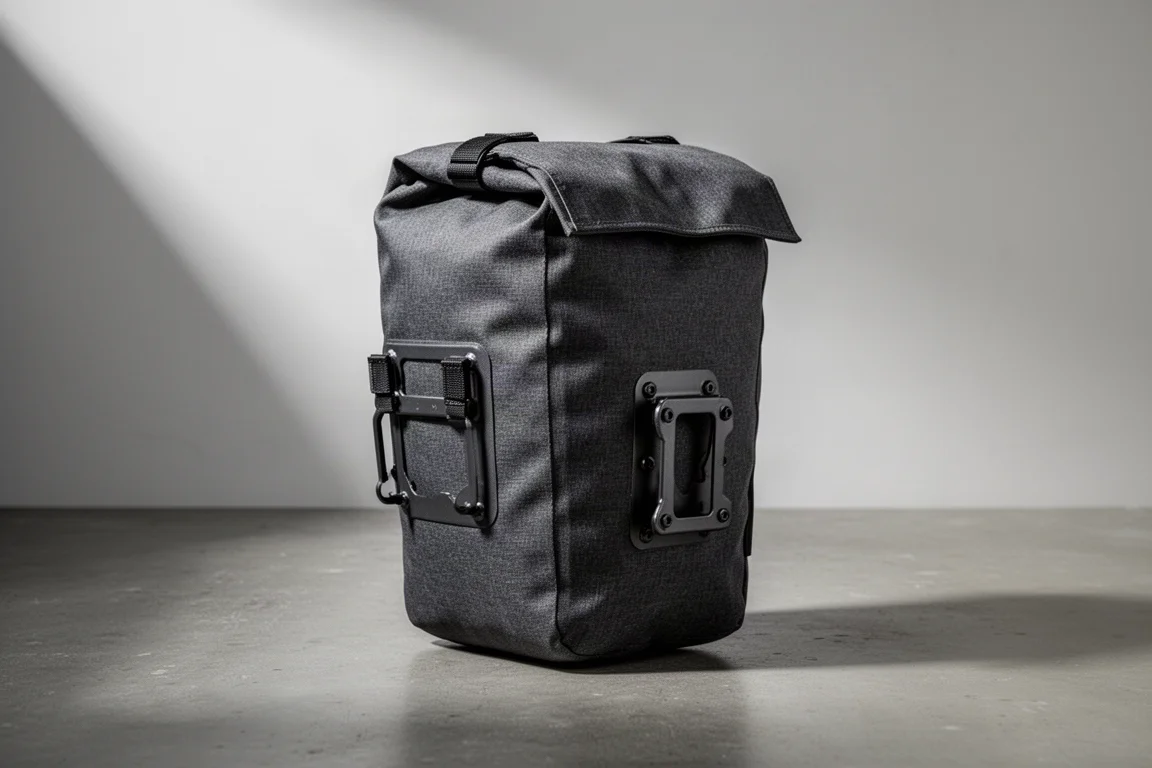
The Tailfin 22L Pannier is an ultra-durable rear bag that keeps capacity in check. Its 22 litre volume is generous enough for the core of a touring load without inviting the fill-it-to-the-brim habit that leads to a heavy, rear-biased bike.
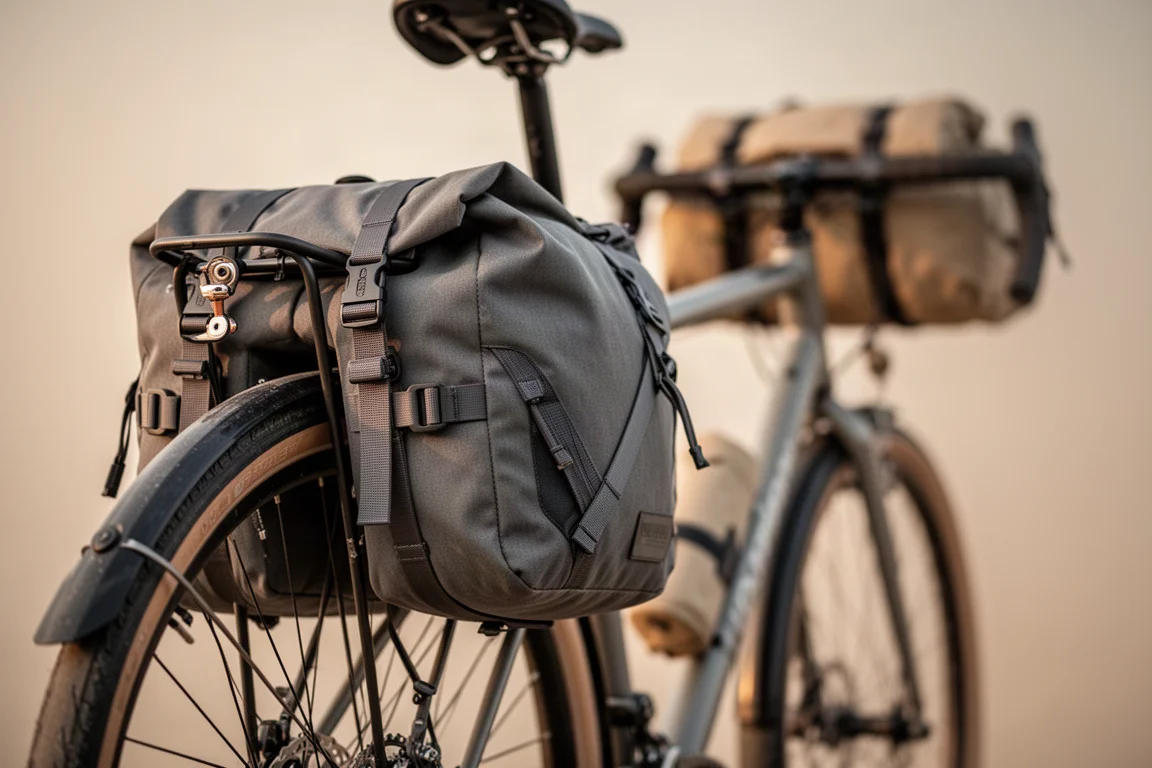
The design also supports expansion rather than replacement. The pannier’s mounting bosses accept extra packs, so a rider can move from a single rear bag to a setup built around four smaller fork packs, two at the front and two attached to the pannier itself. That layout improves organisation as much as it improves balance, because each pack holds a defined category of kit and a sleeping bag or a rain layer stays where you expect it to be.
Best for Long Days in the Saddle: Castelli Endurance Gloves
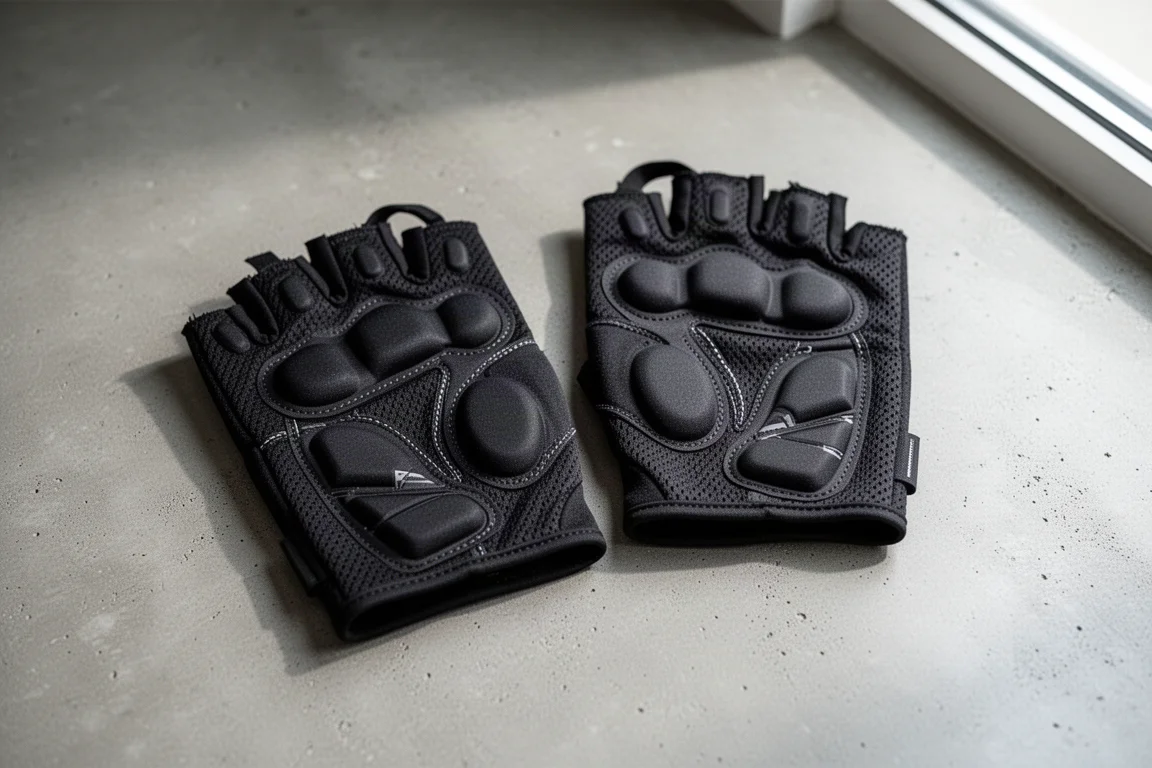
Hand comfort rarely gets the attention it deserves before a first tour, and padding is often the difference between having full use of your hands for the whole trip and losing feeling in them. Gloves with vibration damping and palm padding reduce the stress that long days on the bars place on the nerves in the palm.
Two specific problems are worth knowing about. Handlebar palsy affects the outer fingers, while carpal tunnel symptoms show up in the thumb-side fingers and part of the ring finger. Both come from sustained pressure and vibration, and both become far more likely when a rider strings together consecutive days in the saddle.
Padding positioned over the ulnar nerve and the carpal tunnel is what makes the difference, and that is the design principle behind the Castelli Endurance Gloves. Castelli also cuts men’s and women’s gloves separately rather than relying on unisex sizing, which helps riders find a closer fit.
Other Essentials Worth Considering
Dual-sided pedals, with a clipless mechanism on one side and a flat platform on the other, add a useful fallback. If a cycling shoe fails mid-trip, flats keep you moving, and on steep or rough terrain a rider can put a foot down without worrying about clipping out. For anyone still getting used to how a loaded bike handles, that option lowers the pressure considerably.
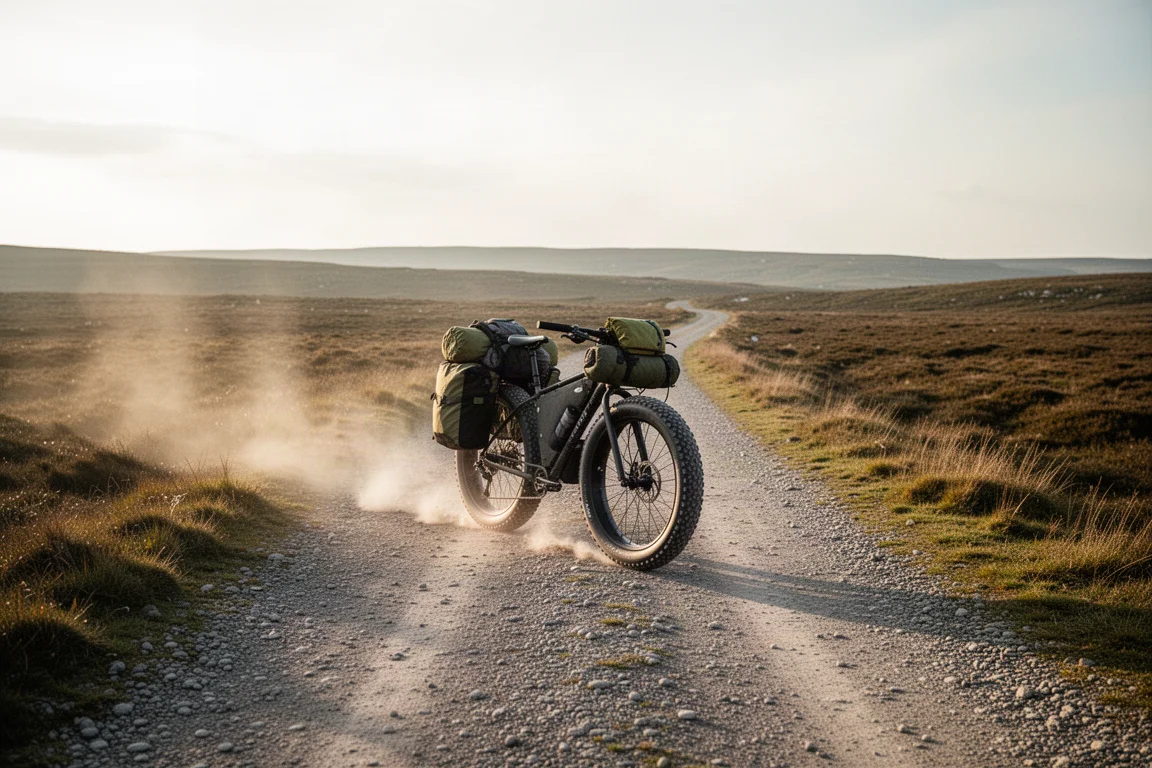
Tyres are the other easy win. Fitting the widest rubber the frame can take adds grip and confidence on descents, cushioning over long days, and a useful margin against punctures when a route turns onto gravel. A setup running a 2.4 inch front and a 2.25 inch rear tyre is a practical example of that approach.
Clothing works best when it does two jobs. Tight race jerseys get sweaty quickly, hold odour and look out of place off the bike, so lightweight button-up shirts and quick-drying long-sleeve tops that work both on and off the bike are the better choice. Cotton t-shirts are best left at home.
Small, light items earn their place too. A buff doubles as a dust filter on dry roads, a face covering in cold or wet weather, and an eye mask when camping somewhere bright. A small tube of anti-inflammatory gel is a common item for riders whose knees ache after long days. And a light mascot, something small that starts conversations, tends to pay for itself in the encounters it brings along the way.
Test Ride Before You Go
A perfect test pack laid out on the floor proves very little about how a bike behaves. Loading the kit and riding it does. Even highly experienced riders have skipped this step and regretted it, because a static pack cannot reveal a shimmy, a rattle, or the fact that the item you need first is buried at the bottom of a bag.
Aim for a genuine shakedown, ideally including an overnight if camping is part of the plan. It surfaces handling changes, loose straps and the order in which you actually reach for things, all before the trip depends on it.
Overall Buying Advice
Start with less capacity than you think you need. A compact, well-made rear pannier keeps the load centred and low, protects the rear wheel and rack from unnecessary stress, and removes the temptation to carry kit you will never use.
From there, add comfort where it matters most. Padded gloves are straightforward insurance for hands that have to work every day of the trip, and wider tyres than a normal road setup make the bike more stable and more forgiving on unfamiliar surfaces. Together, those choices cover the parts of a first tour that most often go wrong.
Conclusion
A first bike packing trip goes better when the bike is balanced, comfortable and predictable rather than simply fully loaded. The Tailfin 22L Pannier and the Castelli Endurance Gloves address two of the most common trouble spots, weight distribution and hand comfort, and both fit a setup that can grow with experience instead of being replaced after a single trip.
Further reading
Related Reviews
Bike Packing
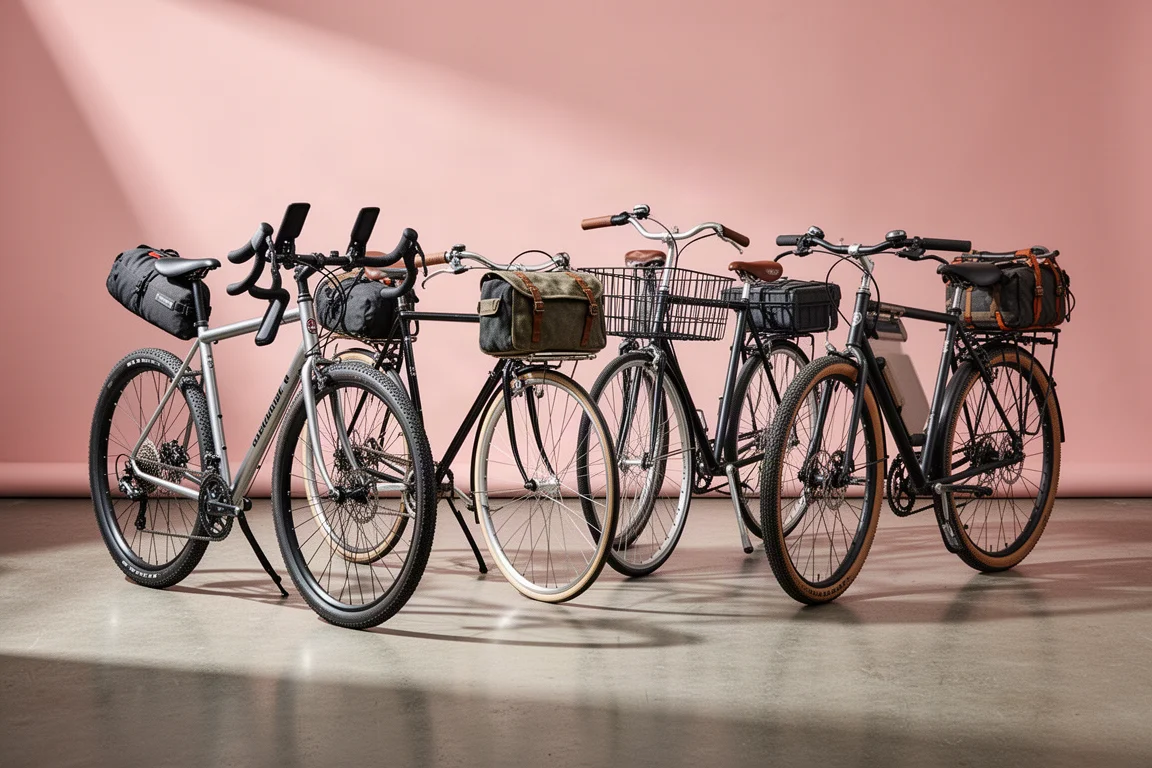
Best Bike Packing Setups 2026: Five Real-World Builds Compared
Five bike packing setups with very different philosophies, from a light steel tourer to a custom belt-drive rig, plus what each one gets right and where it compromises.
Bike Packing
Bike Packing Essentials: 12 Gear Picks That Earn Their Place
A practical roundup of bike packing gear that proved itself over a 3,000 km route through Chile and Argentina, from a long-running GPS computer to tubeless repair.
Bike Packing
Outer Shell Bike Packing Bags: Six Practical Storage Solutions for Overnight Adventures
An unboxing and hands-on look at six Outer Shell bike packing bags designed for bikepacking overnighters, from frame bags to handlebar storage.