Backpacking Gear
Ten Standout Backpacking Gear Picks for Ultralight Adventures
A field-tested roundup of ten backpacking pieces, from trail shoes and quilts to trekking poles, food bags, and a sun hoodie, with the real strengths and trade-offs of each.
Introduction
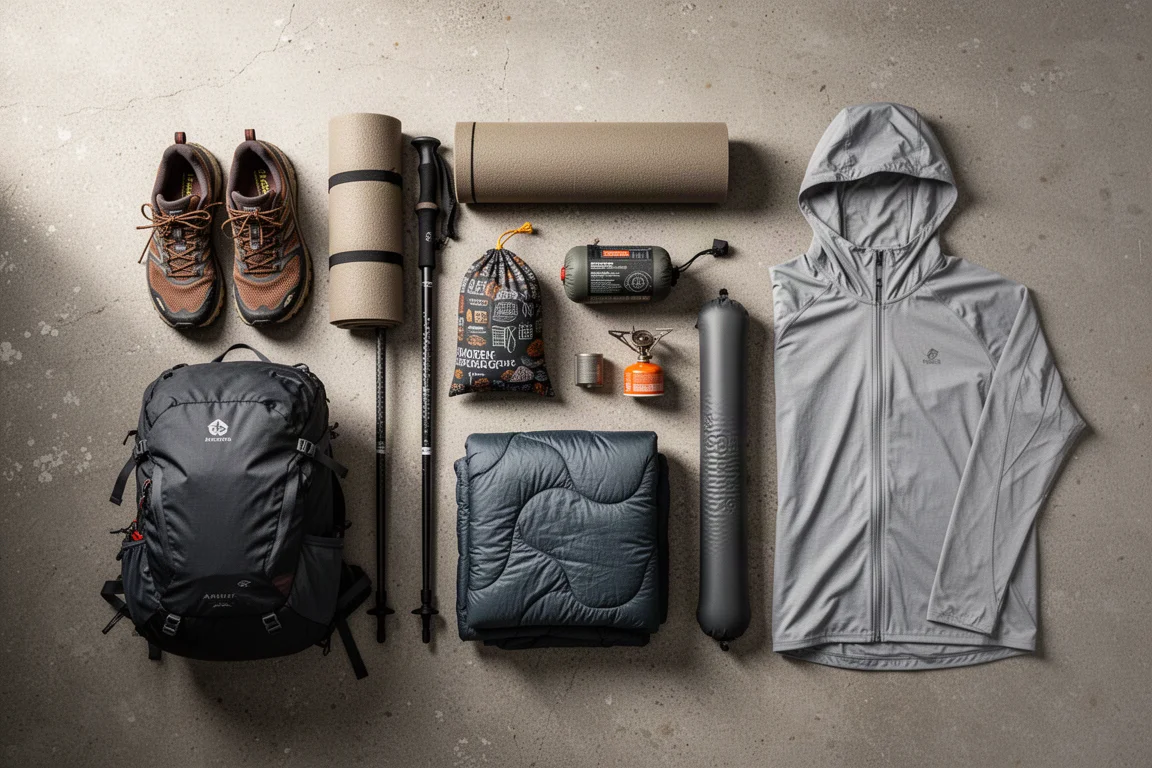
Some gear earns its place in a pack after a single trip. Other pieces keep proving themselves over hundreds of miles, through wet forest, high alpine air, and desert heat. The ten items below are the ones that stood out across a full season of backpacking, thru-hiking, trail running, and bikepacking. Every one of them was bought at full price and used on real trails rather than tested indoors for an afternoon.
The mix covers footwear, sleep insulation, shelter support, food storage, and sun protection, so it reads as a working kit instead of a collection of novelties. If you are rebuilding a loadout or replacing one worn-out item, these are the pieces worth a closer look.
What These Ten Picks Have in Common
The strongest theme here is repairability and versatility. Several of these items can be fixed in the field, customized to your own preferences, or used in more than one way, which matters when you are days away from a trailhead. Others earn their spot simply by being light enough to disappear in a pack and reliable enough that you stop thinking about them.
Weight and comfort are balanced rather than maximized. A few of these products are not the absolute lightest option in their category, but they hold up to repeated use and long days, which is the trade most backpackers eventually make.
Fit and preference still decide everything. A shoe that suits one hiker’s stride can feel wrong for another, and a sleeping setup that keeps one person warm can leave someone else cold. Treat this list as a shortlist of proven designs to evaluate against your own trips, terrain, and body.
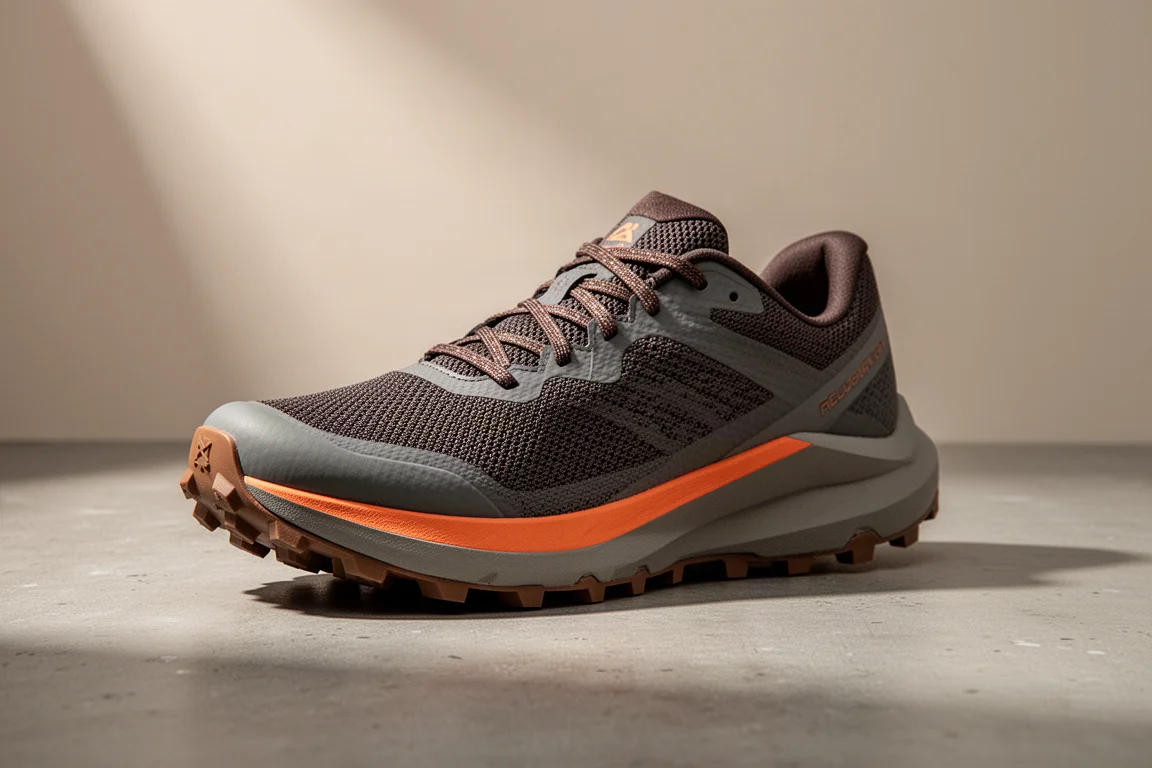
Altra Olympus 4.0
A trail shoe almost always finds a place on a gear list, and the Altra Olympus 4.0 is the one that stood out. It keeps the wide toe box and the Vibram outsole with strong grip that the Olympus line is known for, while trimming the bulk that made earlier versions feel clunky. The heel is noticeably less pronounced, and the extra cushioning at the rear is what makes the shoe comfortable over long distances.
That cushioning has made it a favorite not only for weekend backpacking trips and day hikes, but also for a return to trail running, where the softer rear section is easy on the knees. The wide platform and rockered shape take some adjustment if you are coming from a narrower shoe, so give yourself a few shorter outings before committing to a long trip.
Gossamer Gear Thinlight Foam Pad
This is a simple piece of closed-cell foam, and it turns out to be far more useful than its size suggests. On its own it is too thin to serve as a primary sleeping pad for most sleepers, but as a torso-length companion piece it earns its keep four times over.
It works as a sit pad during breaks, as a mat for a midday nap after lunch, as a surface for stretching, yoga, or rolling out tight muscles at the end of the day, and as an extra layer under an inflatable pad to add warmth and protect against rough ground. It weighs roughly the same as a typical sit pad, so you are effectively carrying one item that does four jobs.
NOC Carbon Cork Trekking Pole
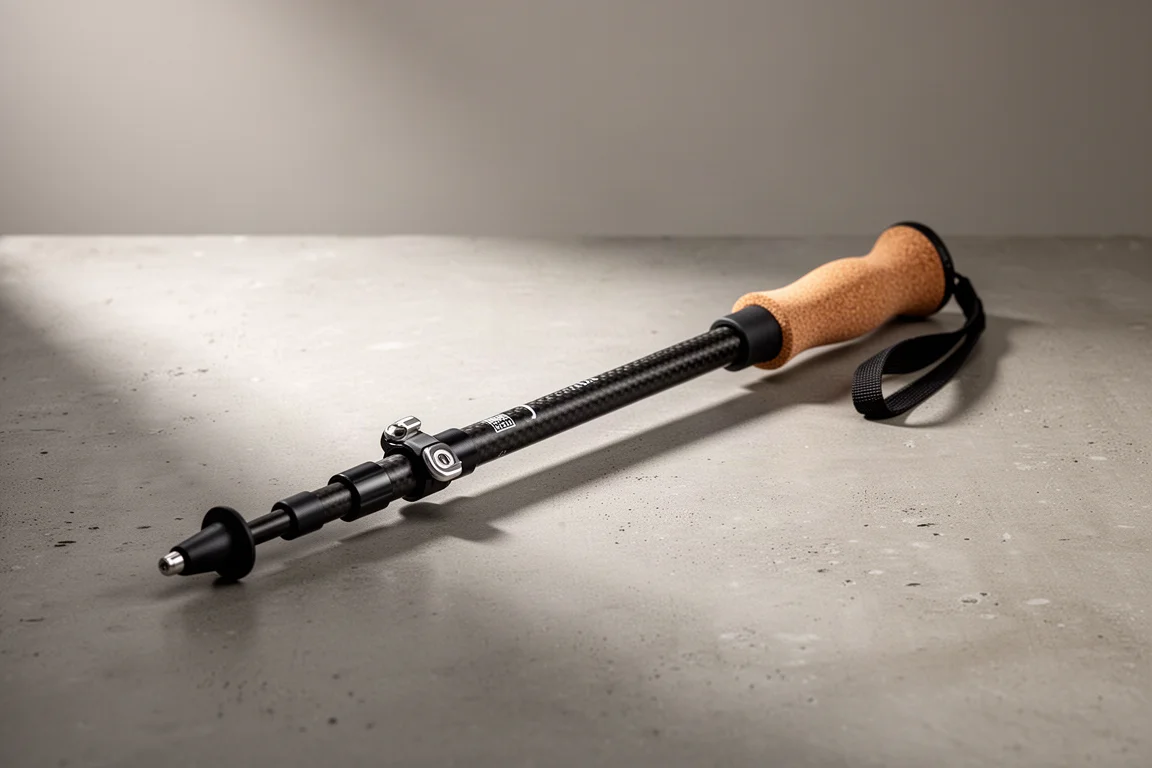
This pole was developed through a long prototyping process, and the result is a telescoping lever-lock design rather than a folding one. The focus is field serviceability: the shaft, grip, lever locks, and carbide tip can all be removed and replaced on the trail, and replacement parts are available individually. The intent is a pole you buy once and maintain for years rather than replace.
The cork grip stays comfortable on long days, and the pole extends to 64 inches, which is tall enough to pitch a trekking-pole-supported shelter without an additional extension piece. It is also made in the United States in Portland, Oregon, which matters to buyers who want to keep their spending closer to home.
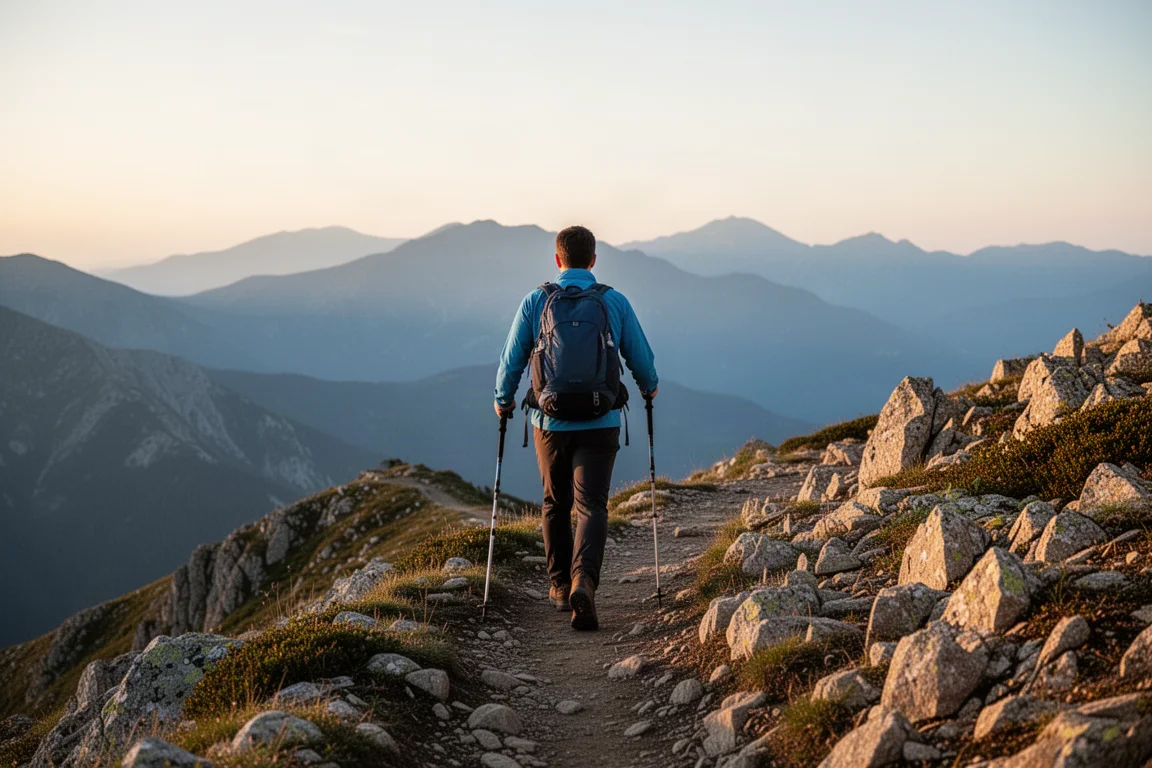
For hikers who have snapped poles on remote sections of a long trail, the repair-friendly design is the real argument here. It is a heavier commitment than a budget pair, but it is built around the idea of staying in service.
Hilltop Packs Custom Printed DCF Food Bag
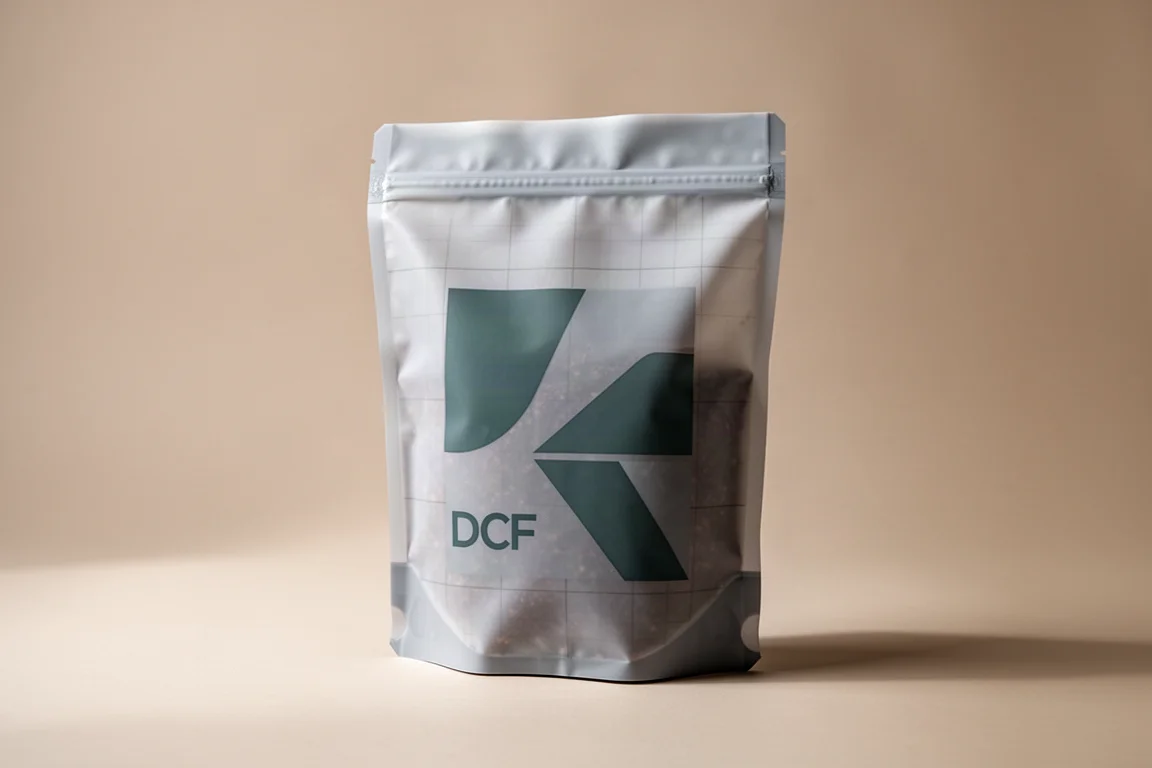
DCF food bags have been a thru-hiking staple for years, and this version adds a genuinely practical twist: custom printing. You choose the artwork, and the bag arrives with your own design on it. That sounds like a cosmetic detail until you are half awake at a shelter at dawn, trying to work out which of a dozen identical bags on the bear cable belongs to you.
Being able to spot your own bag instantly is a small quality-of-life improvement that pays off every single morning of a long hike. The DCF construction keeps the weight low and stands up to being stuffed, hung, and hauled around, which is exactly what a food bag needs to survive a season.
Hilltop Packs Custom Printed DCF Ditty Bag
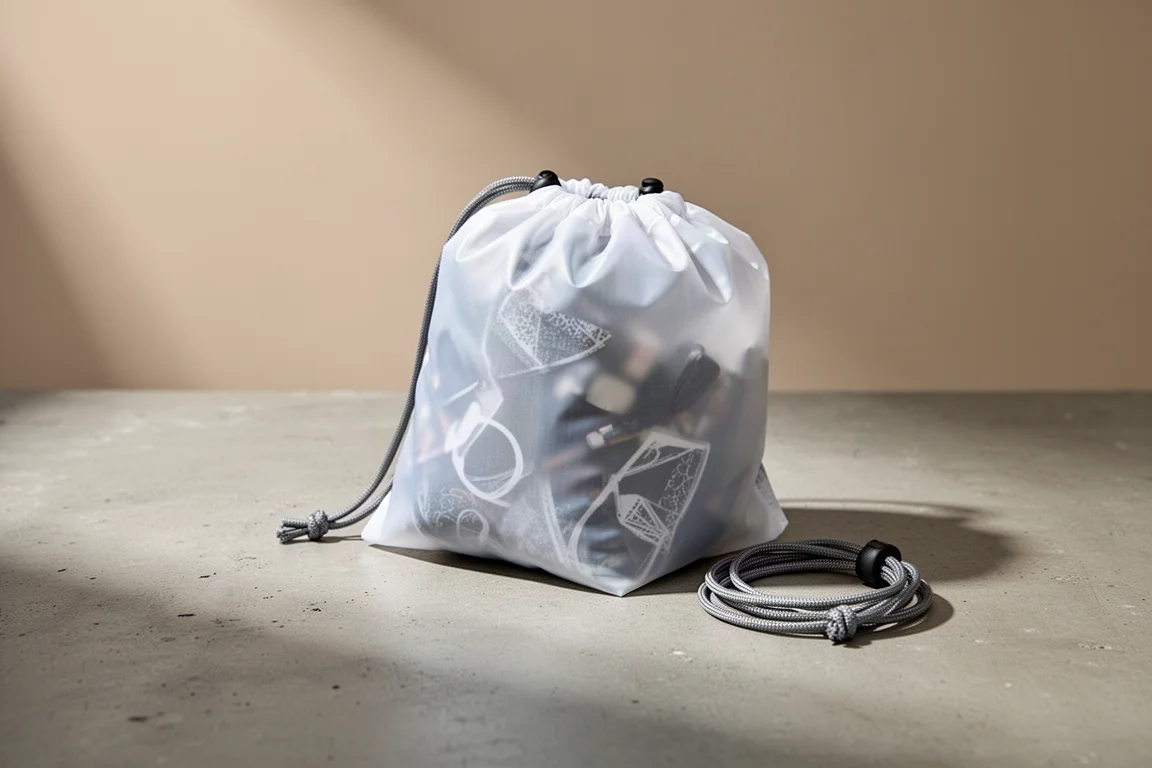
The companion piece is a smaller DCF ditty bag with the same custom printing option. It handles the usual ditty bag duties, keeping small items together and findable inside a pack, while the printed exterior makes it easy to identify at a glance when you are digging through a shelter floor or a resupply box.
Matching the print to your food bag is a simple way to keep a kit visually organized, and the laminated fabric keeps the weight negligible. If you already carry a small organizer sack, this is a straightforward upgrade in both durability and personality.
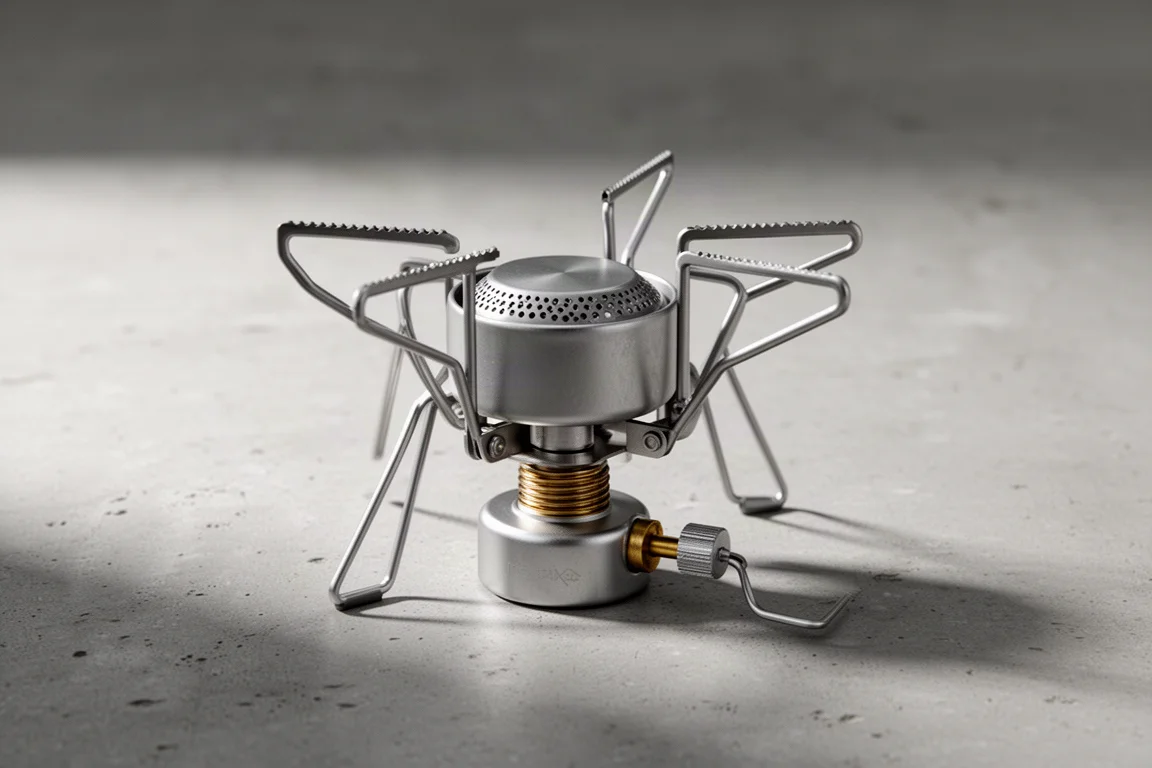
BRS Ultralight Stove
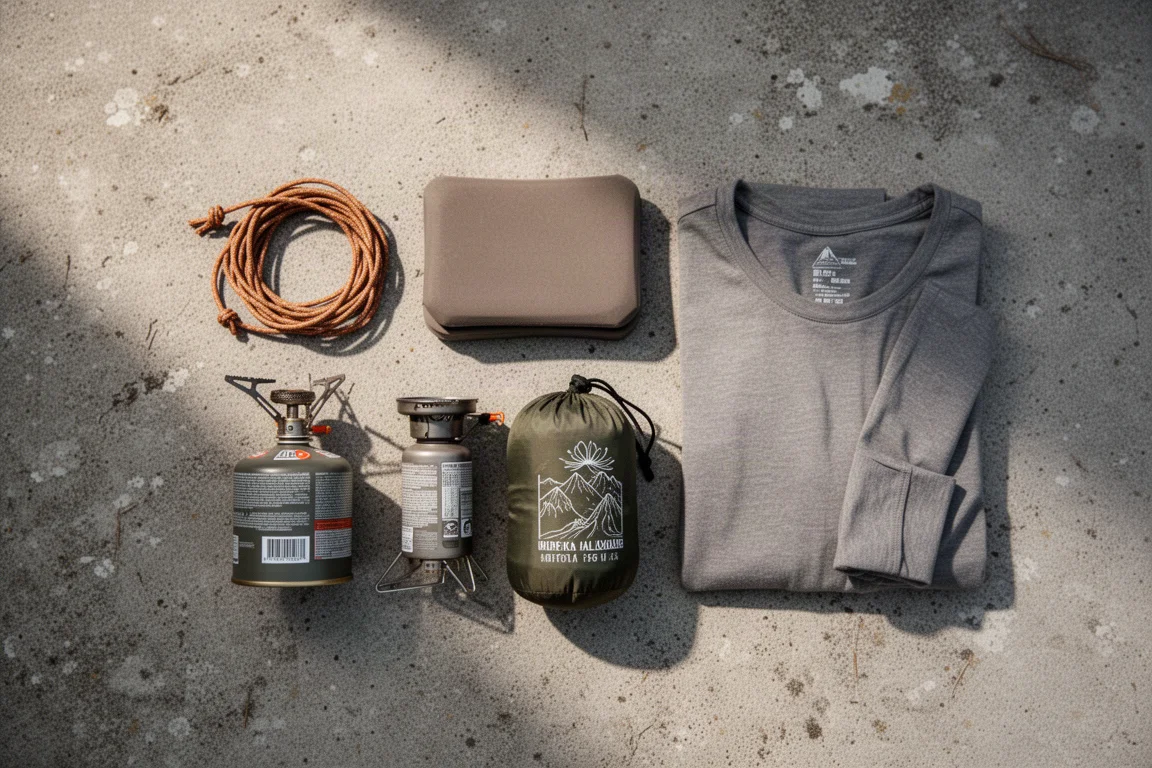
After years of going stoveless and eating cold meals, the return to a canister stove came down to this tiny burner. It has been in continuous use since 2017 and still lights reliably every time, which is the whole point of a stove that weighs almost nothing and costs very little.
It has brewed a hot cup of coffee every morning and heated a warm meal every evening across long trails, short backpacking trips, and bikepacking routes in a wide range of conditions. There is no simmer control worth bragging about and no wind protection built in, so pair it with a sheltered spot or a simple windscreen. For pure boil-and-eat cooking, it does the job without adding meaningful weight.
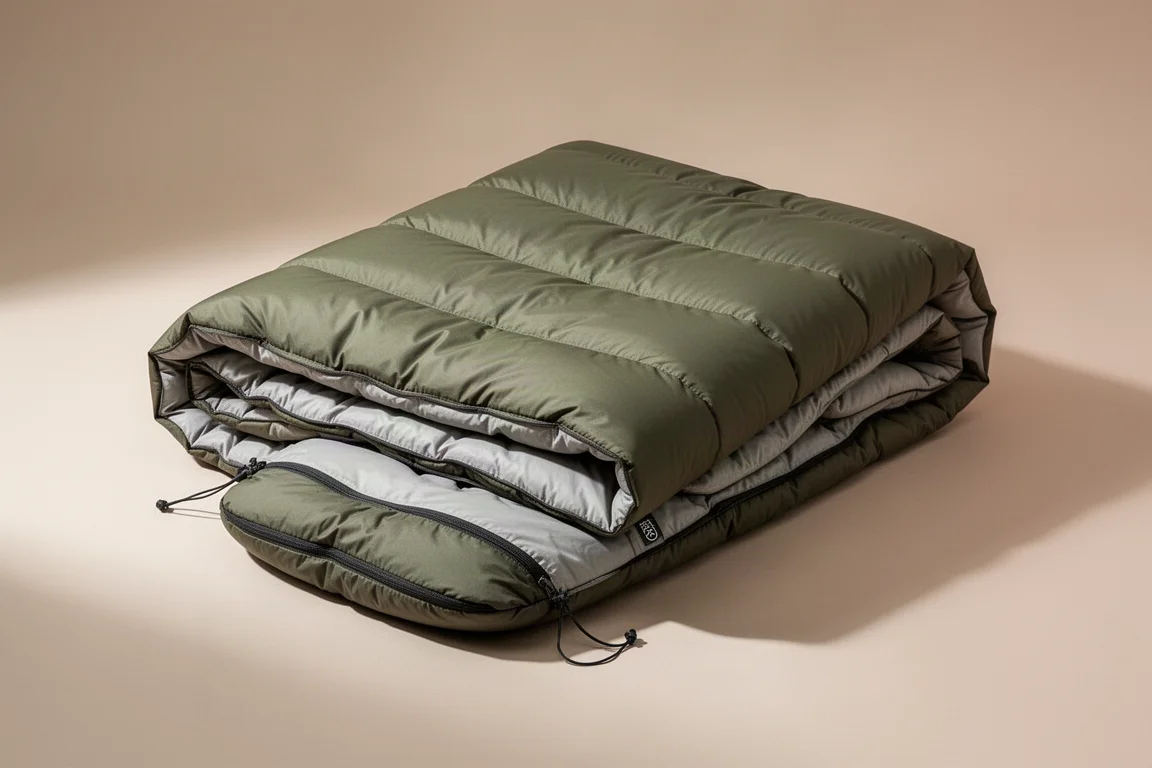
UGQ Bandit XL Quilt
An earlier version of this quilt did not make the cut, so the redesigned Bandit XL came as a genuine surprise. It has been in use on essentially every trip since, including desert canyon hikes, high-elevation sections of the Colorado Trail, and a series of bikepacking outings.
The XL sizing gives taller sleepers and side sleepers more room to move without creating drafts, and the quilt format keeps weight down by removing the insulation that a sleeping bag wastes underneath you. If you are moving from a traditional bag to a quilt, expect a night or two of adjustment while you learn to dial in the pad straps and edge tension.
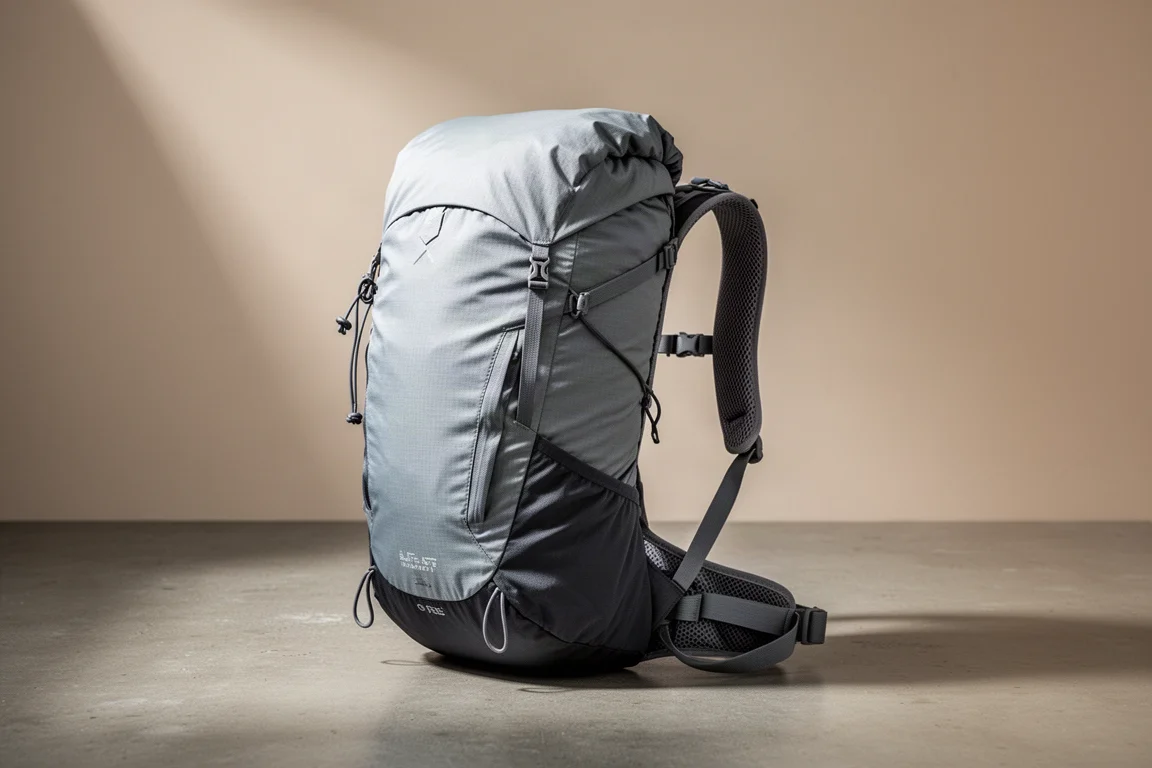
Waymark Evolve Pack
This pack was co-designed from the ground up around a specific set of priorities: a small, simple kit, a lot of carrying comfort, big-mile days, and the ability to handle a heavier resupply load without collapsing. The result has been used on long thru-hikes, shorter thru-hikes, soaking wet environments, high-elevation trails, and desert routes around Arizona.
The appeal is the balance. It stays light and uncluttered when the load is small, but it still carries a full resupply without punishing your shoulders by the end of the day. Riders and hikers who prefer a stripped-down kit with a comfortable harness will get the most out of it, while anyone who needs a heavily framed load hauler should look elsewhere.
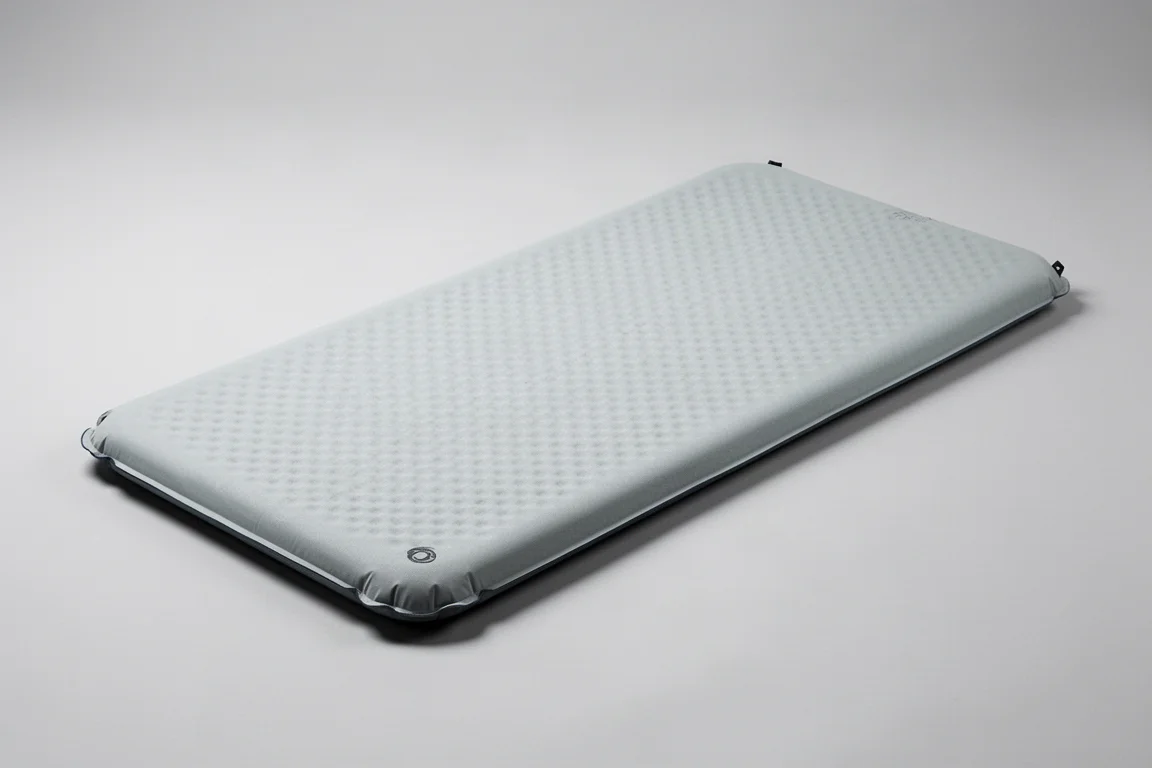
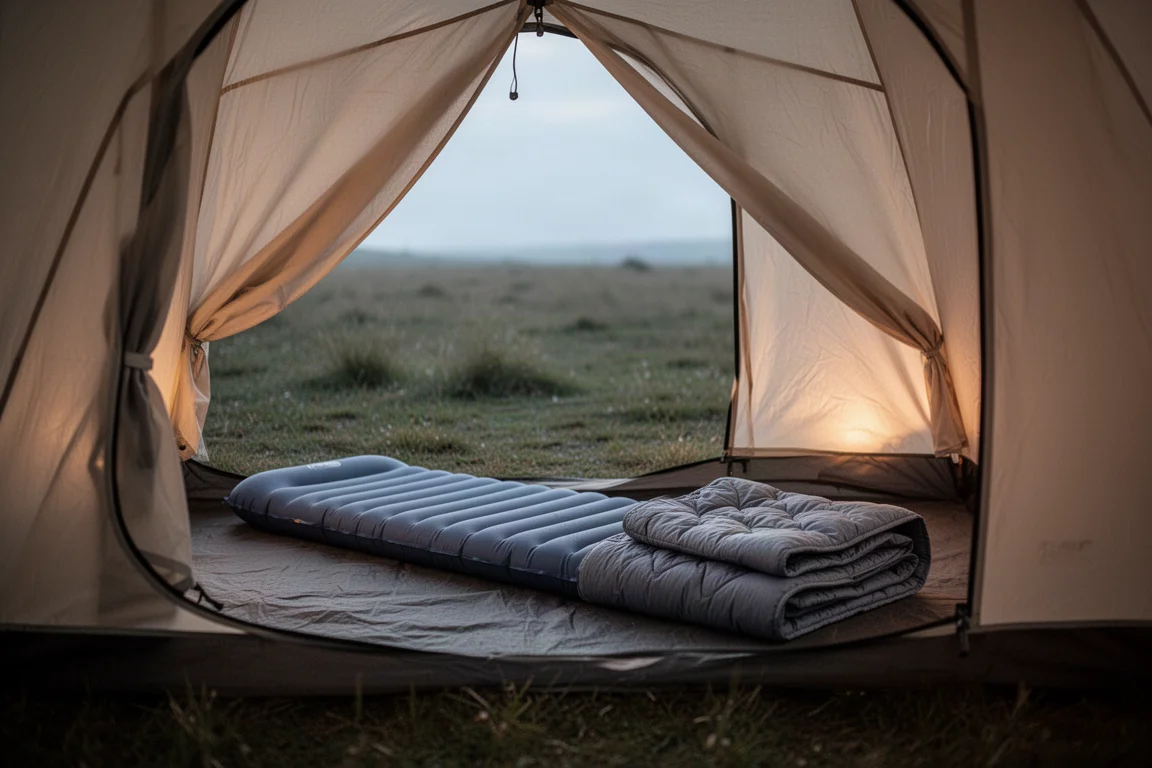
Therm-a-Rest UberLite
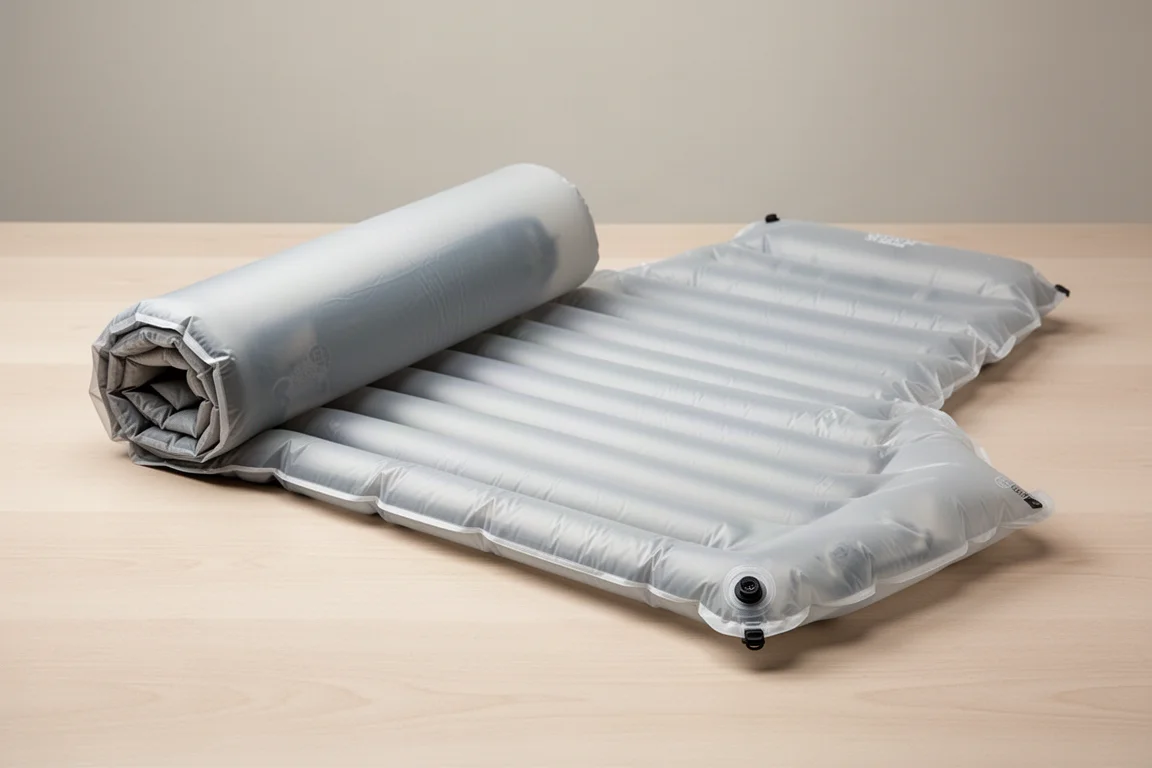
This pad has picked up a mixed reputation, but the field experience here has been the opposite: over 800 miles and roughly 32 nights of use with no leaks and no cold nights. It has been the only pad used on the Colorado Trail, in desert canyon country, and on bikepacking and backpacking trips in between.
The thinner material is the reason it feels softer under a sleeping bag, and it is noticeably quieter and less crunchy than the classic yellow NeoAir XLite. Some hikers do report punctures and durability problems, so treat it with care, use a groundsheet or foam layer beneath it, and keep a patch kit handy. For light sleepers who value quiet and softness, that trade is often worth making.
Outdoor Research Echo Sun Hoodie
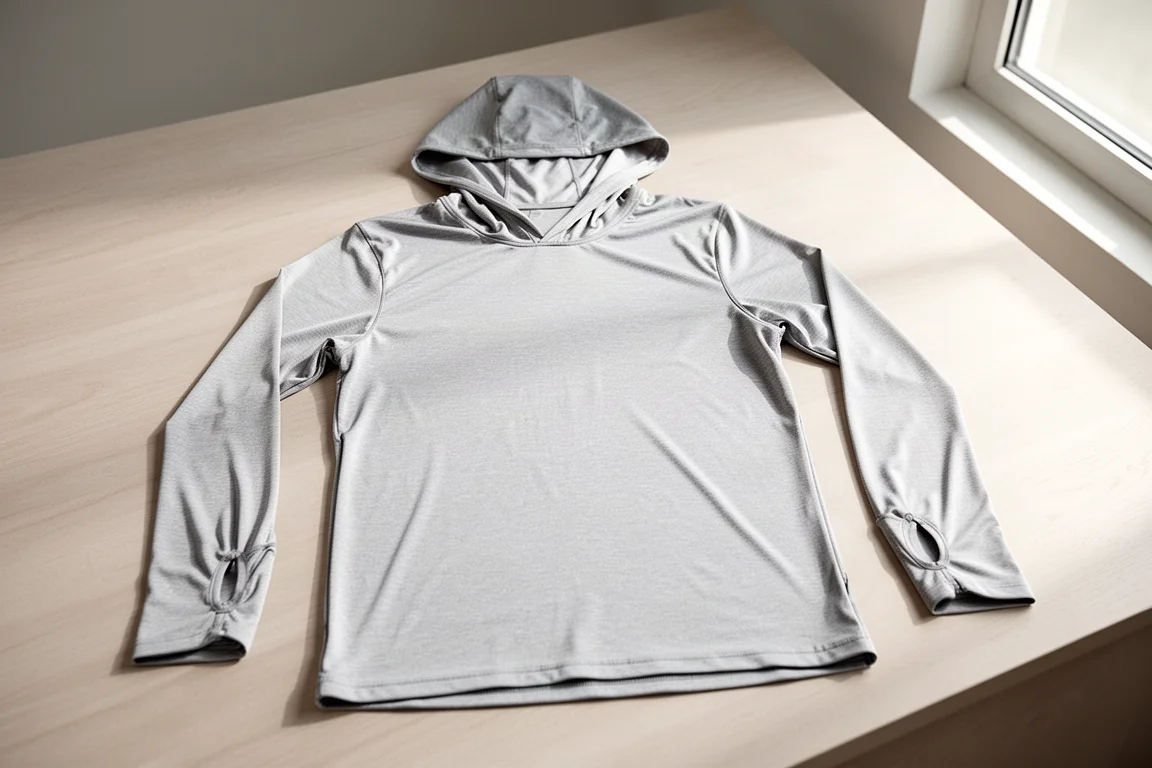
The single most-used item of the year was a sun hoodie, and it replaced the button-down long-sleeve shirt that had been the default hiking top for years. It has covered roughly 700 miles, been slept in, hiked in, and ridden in, and it still gets worn around the house between trips.
The case for a hoodie like this is simple: high elevation and desert trails deliver harsh sun, and a hood, thumb holes, UPF 50 protection, and a breathable, lightweight fabric handle that better than a collared shirt. It layers easily under a shell when the weather turns and dries quickly after a soaking. For anyone hiking exposed terrain, it is the most versatile single layer in this list.
Overall Buying Advice
Start with the item you use every single day, which is usually footwear and sleep insulation. A shoe that fits your stride and a sleep system that keeps you warm are worth more than any weight saving elsewhere in the kit. From there, work outward to the supporting pieces: a pad that adds warmth under your inflatable, a stove that boils water reliably, and bags that keep your food and small items organized.
It also helps to think about how each item behaves when something goes wrong. Gear that can be repaired on the trail, or that serves more than one purpose, is worth a small weight or cost penalty because it keeps a trip moving instead of ending early. Buy for the terrain you actually hike, not the terrain you imagine, and you will end up with a lighter, more useful pack.
Conclusion
These ten pieces share a common trait: they were chosen because they kept working, trip after trip, rather than because they looked good on paper. The Altra Olympus 4.0 and the BRS stove cover the daily essentials at very different price points, the UberLite and Bandit XL handle sleep, the NOC pole and Waymark pack carry the load, and the Echo Sun Hoodie quietly became the most-worn layer of them all.
None of this means the same setup will suit you. We all hike differently and value different things, so use this list as a starting point, match it to your own trips, and build a kit you stop thinking about once you are on the trail.
Further reading
Related Reviews

Backpacking Gear
Building a 10 lb Base Weight: An Ultralight Backpacking Gear List
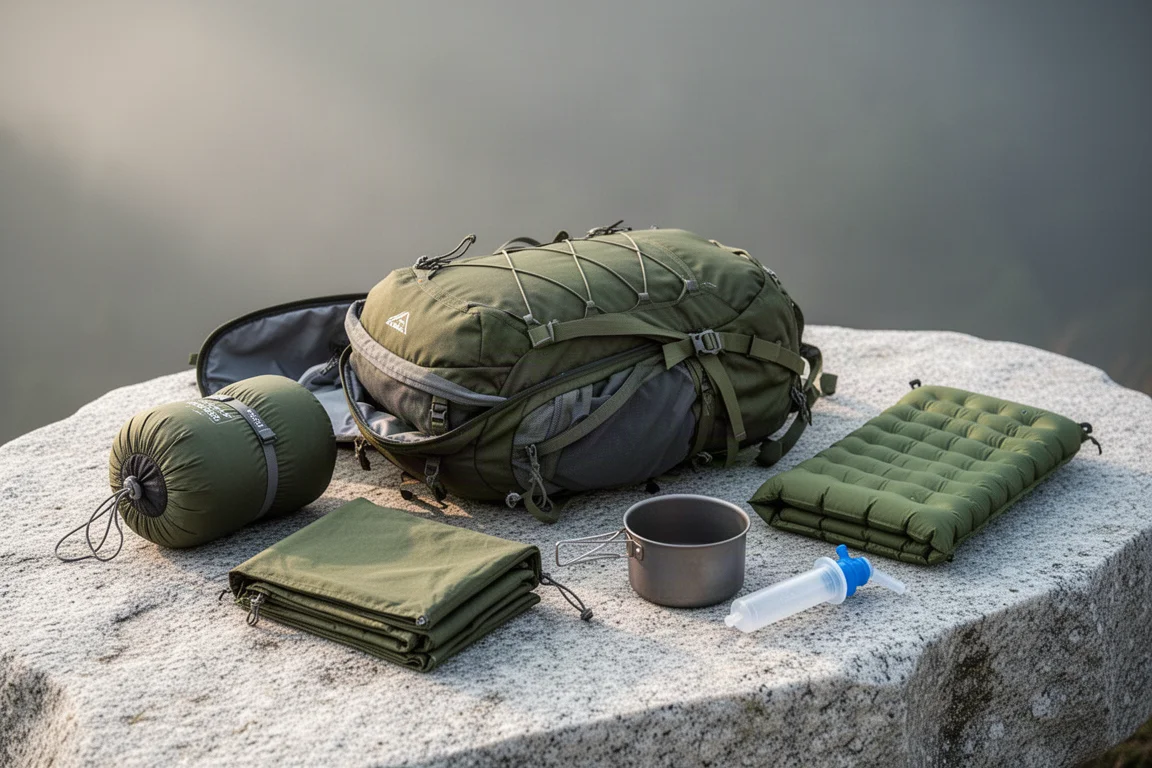
A practical walkthrough of the ultralight pieces behind a 10 lb base weight, from a 765 g pack and a roomy one-person tent to a full camp chair and a dependable water filter.
Backpacking Gear
A 15-Pound Lightweight Backpacking Gear List for Solo Trips
A beginner-friendly 15-pound backpacking setup built from easy-to-find gear, with notes on what each piece does, how it packs, and where to spend your attention.
Backpacking Gear
8 Ultralight Backpacking Gear Upgrades Worth Carrying
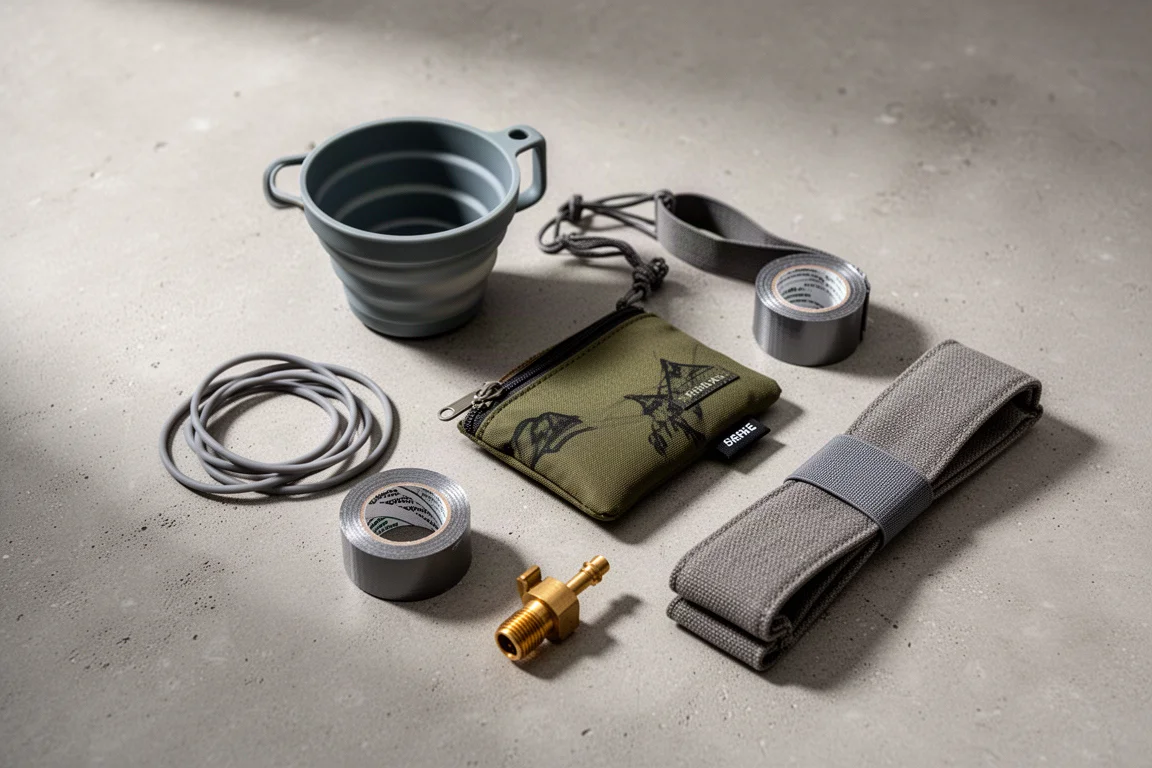
Eight small, affordable backpacking upgrades that solve real trail annoyances, from a pillow that stays put to a fuel valve that rescues leftover canister gas.