Hi-Fi Speakers
Ten Favorite Speakers for Two-Channel and Desktop Listening
Ten speakers chosen for warmth, detail, staging, and bass, with practical notes on rooms, placement, and what each design does best.
Introduction
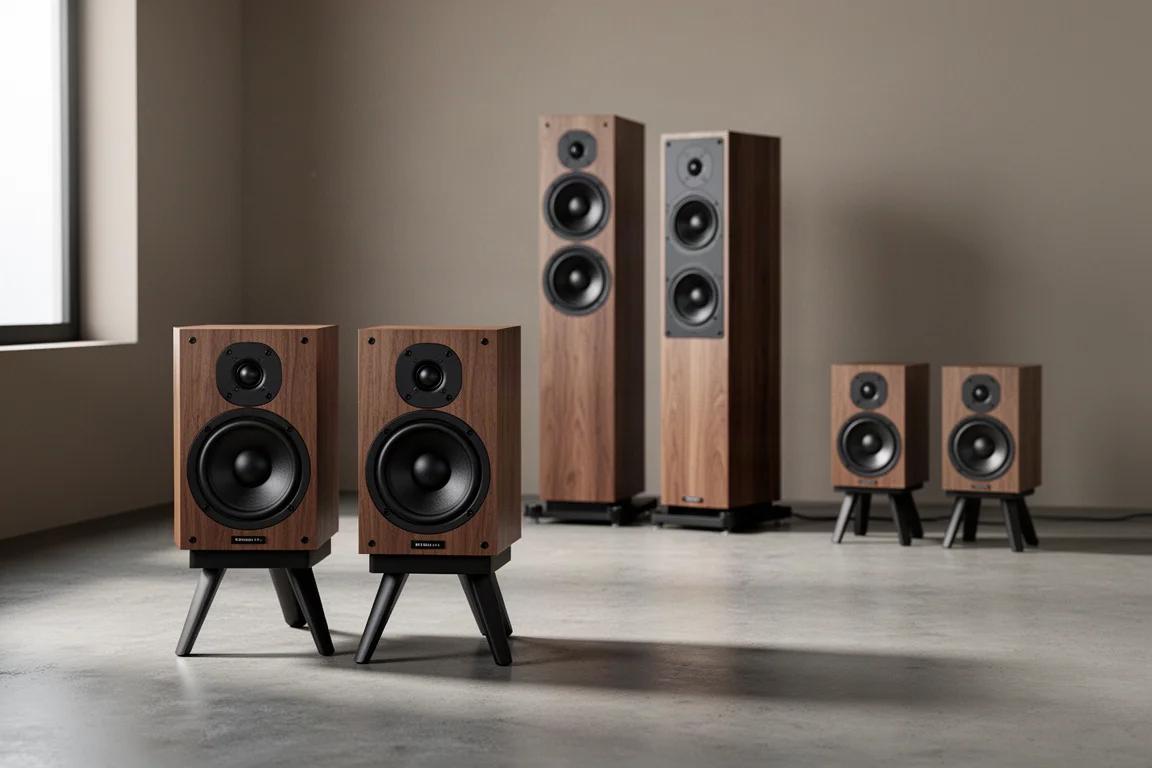
Ten speakers, ten different reasons to keep listening. Some are warm and forgiving, others are relentlessly detailed, and a few manage both at once. This roundup covers bookshelf and floorstanding models that have left a lasting impression across two-channel systems, desktop setups, and living rooms of very different sizes.
Price is not the organising principle here. A couple of these sit near the entry point, several occupy the middle of the market, and the order reflects how they sound in real rooms rather than what they cost. Each entry notes what the speaker does well, who it suits, and what to think about before buying.
What These Ten Speakers Have in Common
None of these designs are one-trick performers. Each one either solves a specific problem, such as a small desk, a very large living room, a need for bass without a subwoofer, or a wish for detail without harshness, or it simply does something unusually well for the money.
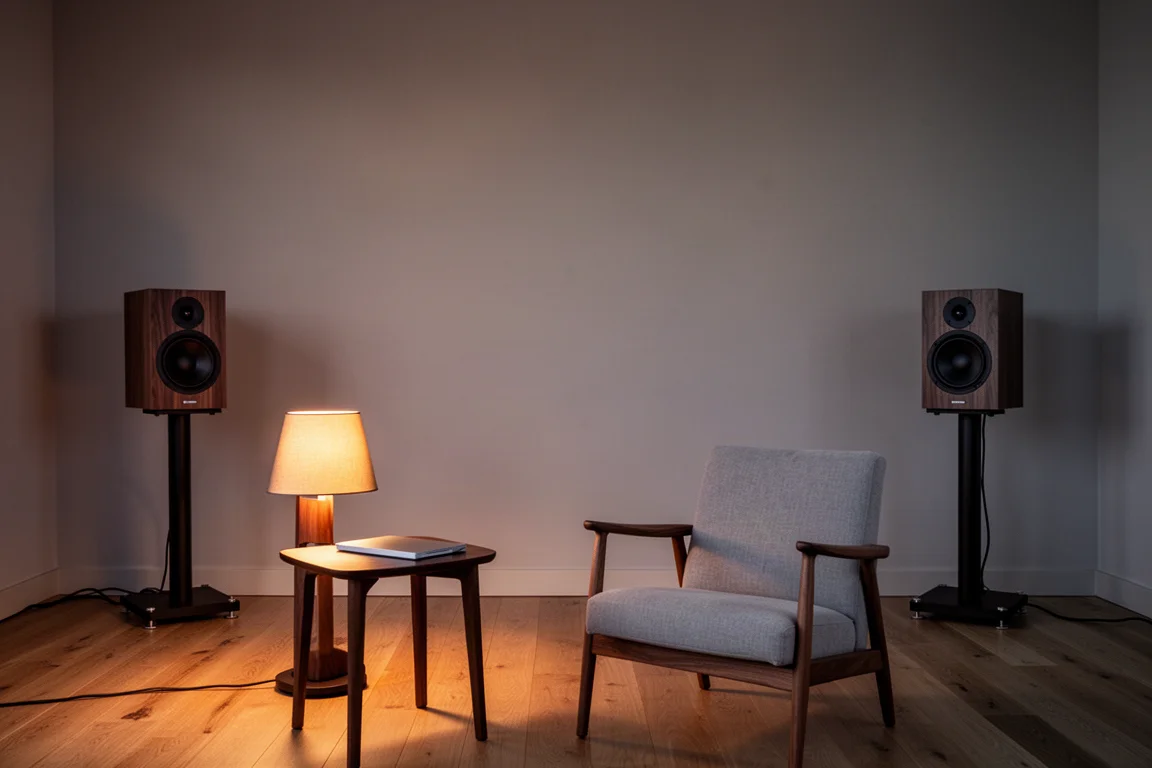
A few themes repeat across the list. Tweeter technology matters enormously for perceived clarity, which is why air motion transformer and ring tweeter designs appear so often here. Cabinet depth and bracing shape how much punch a speaker can deliver. Placement flexibility, especially front ports and shallow cabinets, decides whether a design works close to a wall or needs room to breathe. And tuning philosophy, whether warm and gently rolled off or neutral and revealing, usually matters more than any single specification on a sheet.
Wharfedale Diamond 11.2: A Lesson in Warmth
The Diamond 11.2 is the speaker that made warmth click. Its top end is gently rolled off, which produces a lush, thick presentation unlike anything else in this group. It is also beautifully built.
This is not an instant speaker. It asks for time and familiarity before its strengths become obvious, and listeners used to bright or V-shaped tunings may need several sessions to adjust. Once that adjustment happens, the appeal is clear: long listening sessions without fatigue, and a full-bodied sound that flatters voices and acoustic material.
Emotiva B1+: Air and Detail From an AMT Tweeter
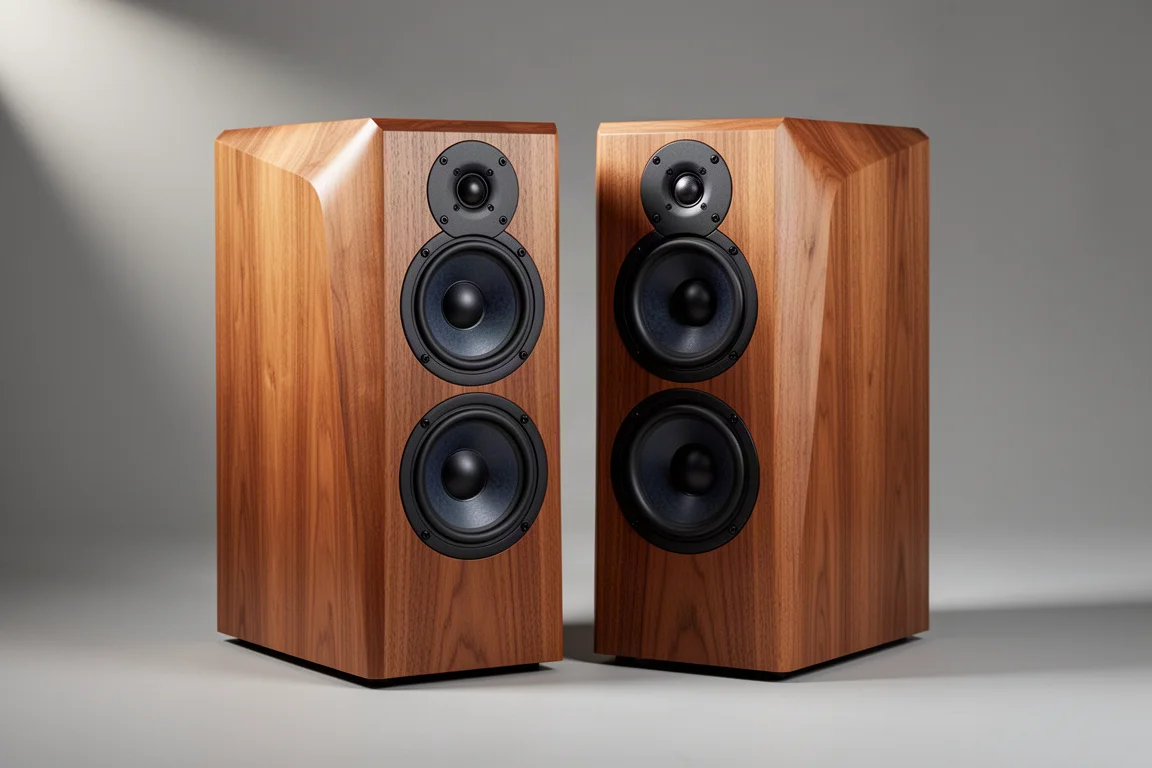
The B1+ introduced an air motion transformer tweeter, and the effect was immediate. Detail and clarity sit well beyond what the size and price suggest: fingers moving across guitar strings, small room noises during live performances, and the sense of air around instruments all come through.
It is a very small speaker, which makes it a natural fit on a desk, but it works just as well in a modest two-channel system. The rest of the line is worth a look too, since the larger tower shares the same character.
Emotiva T1+: The Same Character in a Tower
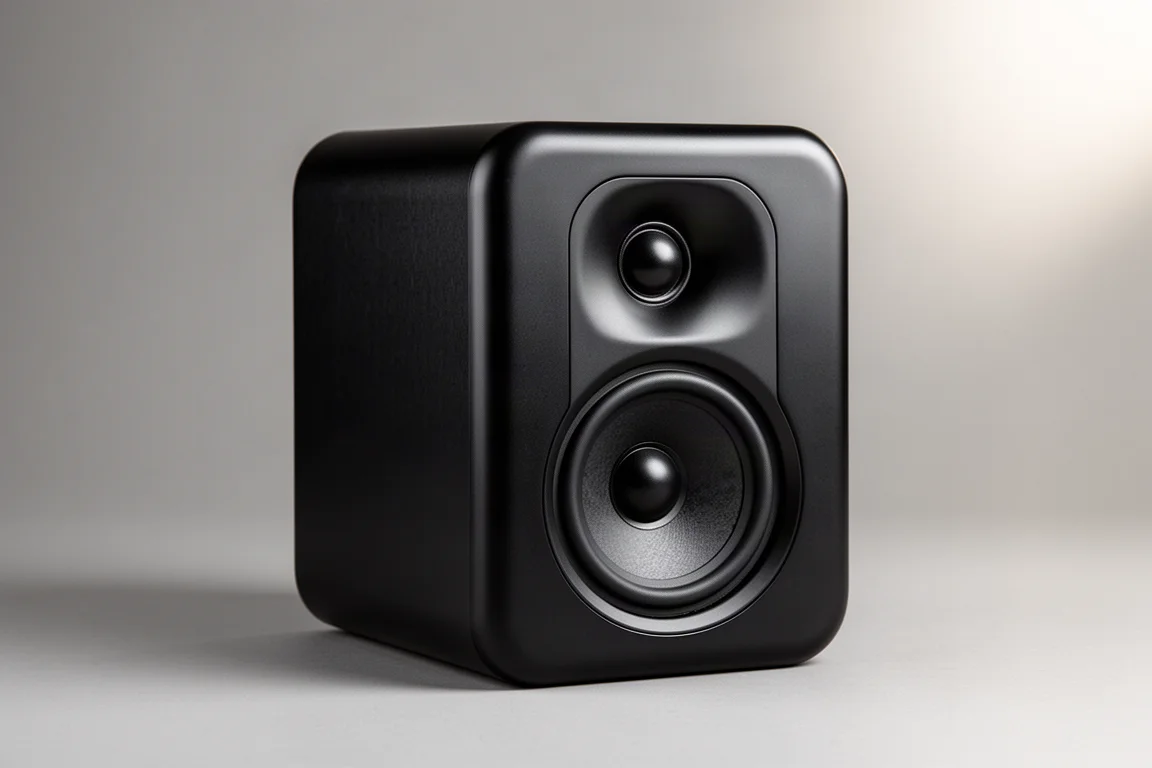
The T1+ takes the B1+ formula and scales it up. The airy AMT presentation remains, but the cabinet and drivers let it fill a large room, including a generous living room, without strain.
Bass output is a particular strength. On paper a subwoofer is still needed to reach the lowest octaves, but in practice the T1+ delivers enough low-end weight that one rarely feels the need to add one. It is a tower that keeps the virtues of the smaller model while adding scale.
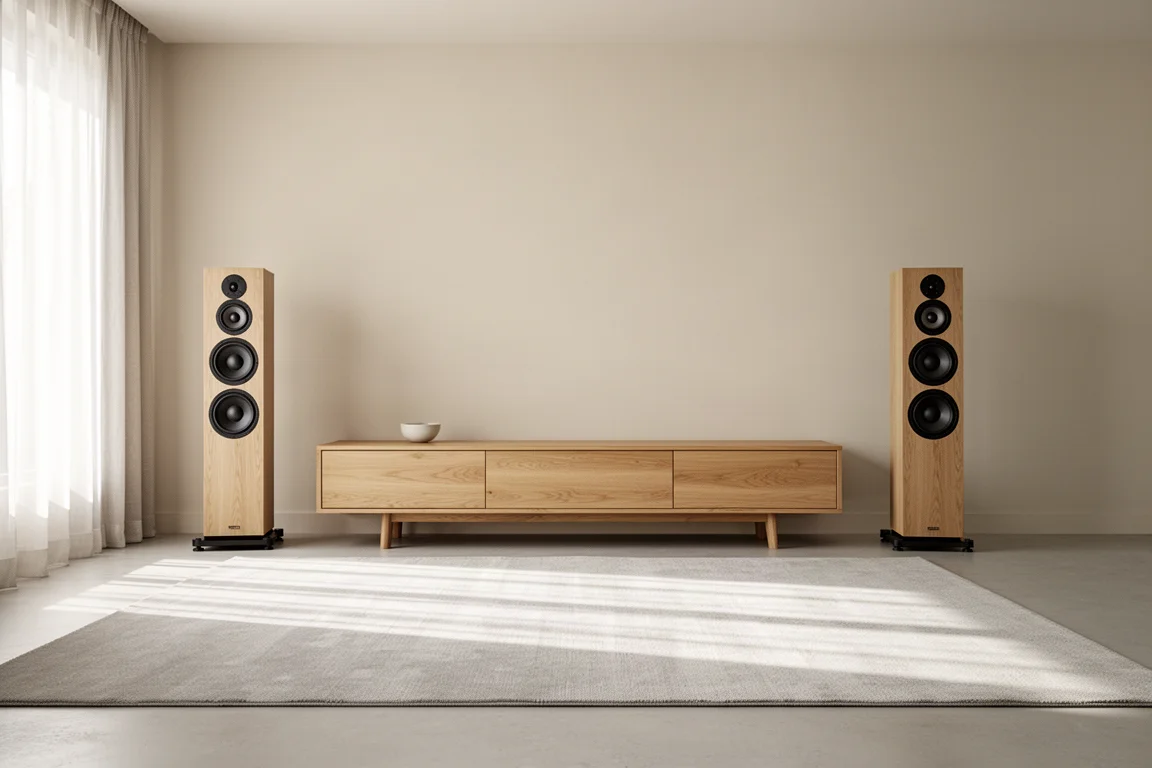
For listeners who like the clarity of a compact speaker but want the authority of a floorstander, this is the logical next step. A larger T2+ exists above it, though the T1+ has proven sufficient even in spacious rooms.
Klipsch RP-6000F: Punch and Scale
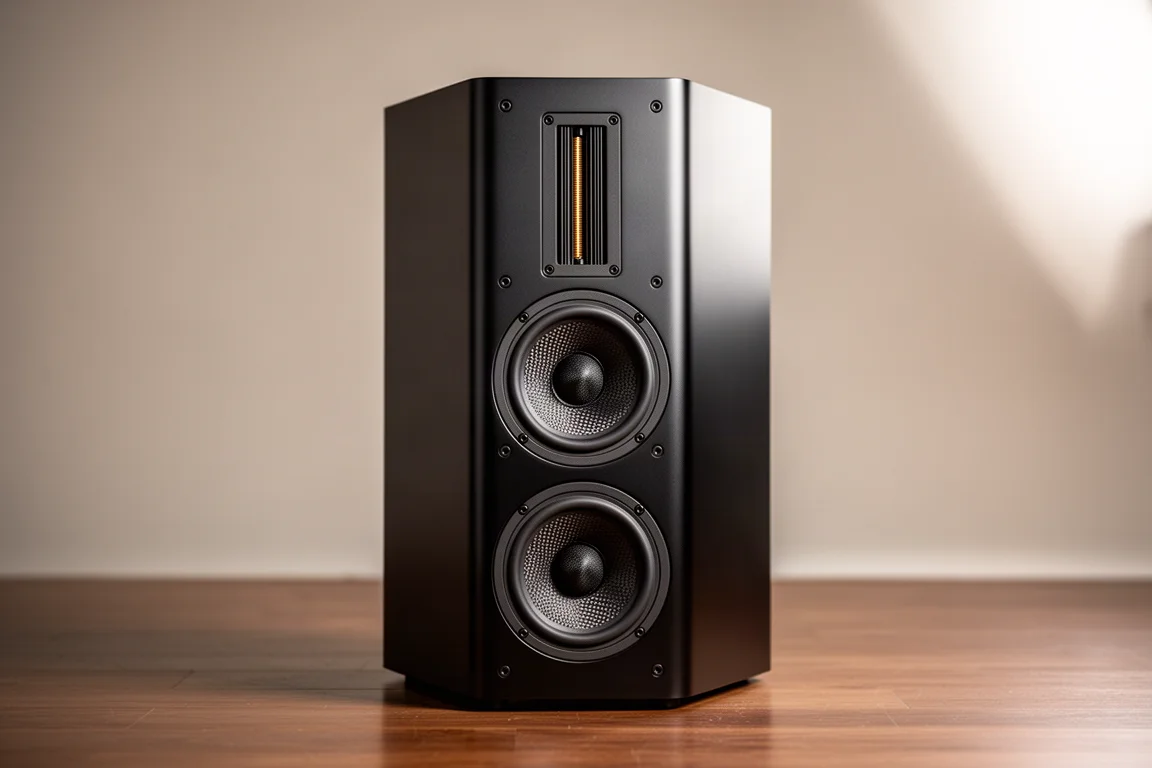
The RP-6000F is a deep cabinet with serious output, and that depth is audible. It punches hard, and bass response is one of its defining traits.
Staging and imaging are cohesive, and the overall presentation hangs together well. Some listeners find the midrange recessed, and there is a slight lift in the upper midrange, but that character can be tempered to taste with placement or a little adjustment. If you want a tower that feels physical and energetic, this one delivers.
Yamaha NS-C93 II: Distinctive Looks, Deep Bass
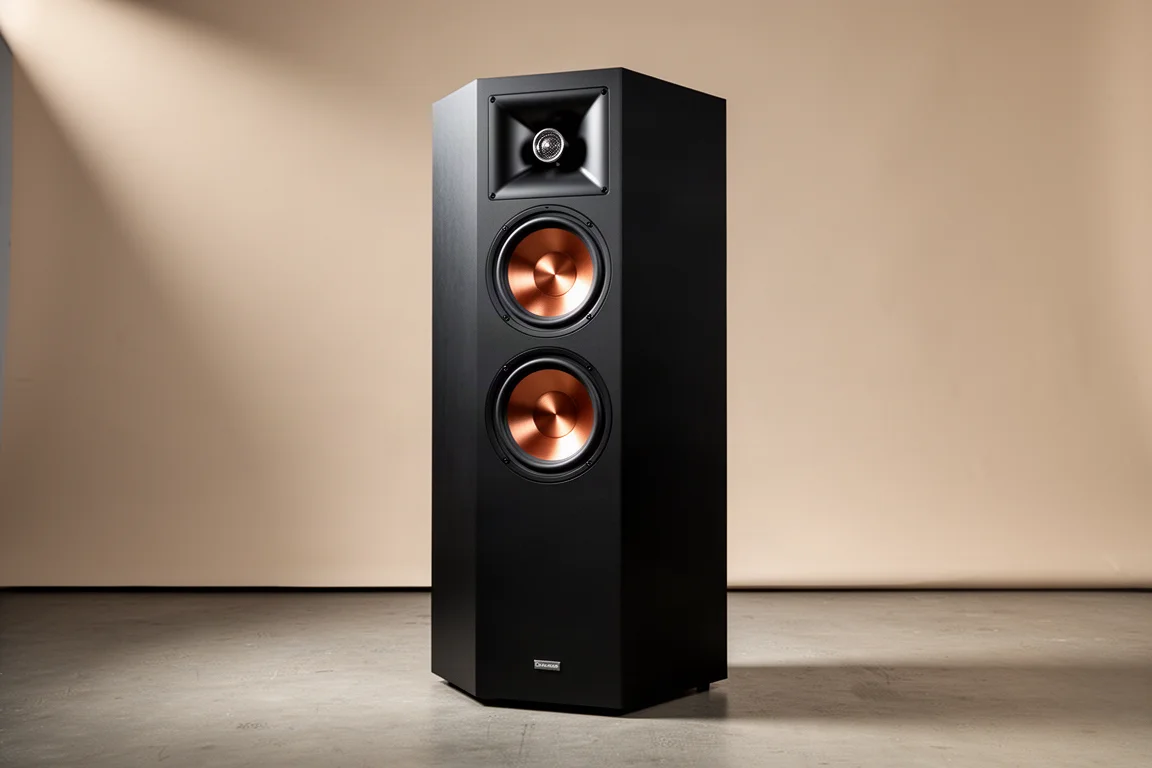
The NS-C93 II is a U-shaped speaker, and it is the first one here that earned affection for its appearance as much as its sound. The curved front baffle and distinctive styling set it apart from conventional box designs, and the fabric grille completes the look.
Its six-inch woofer and soft dome tweeter sit in a fairly small cabinet, yet a large rear port helps it reach surprisingly low. The soft dome tweeter is detailed enough to approach the clarity of an AMT design. Neutral it is not, but engaging it certainly is.
Sony SS-CS5: Small Cabinet, Wide Stage
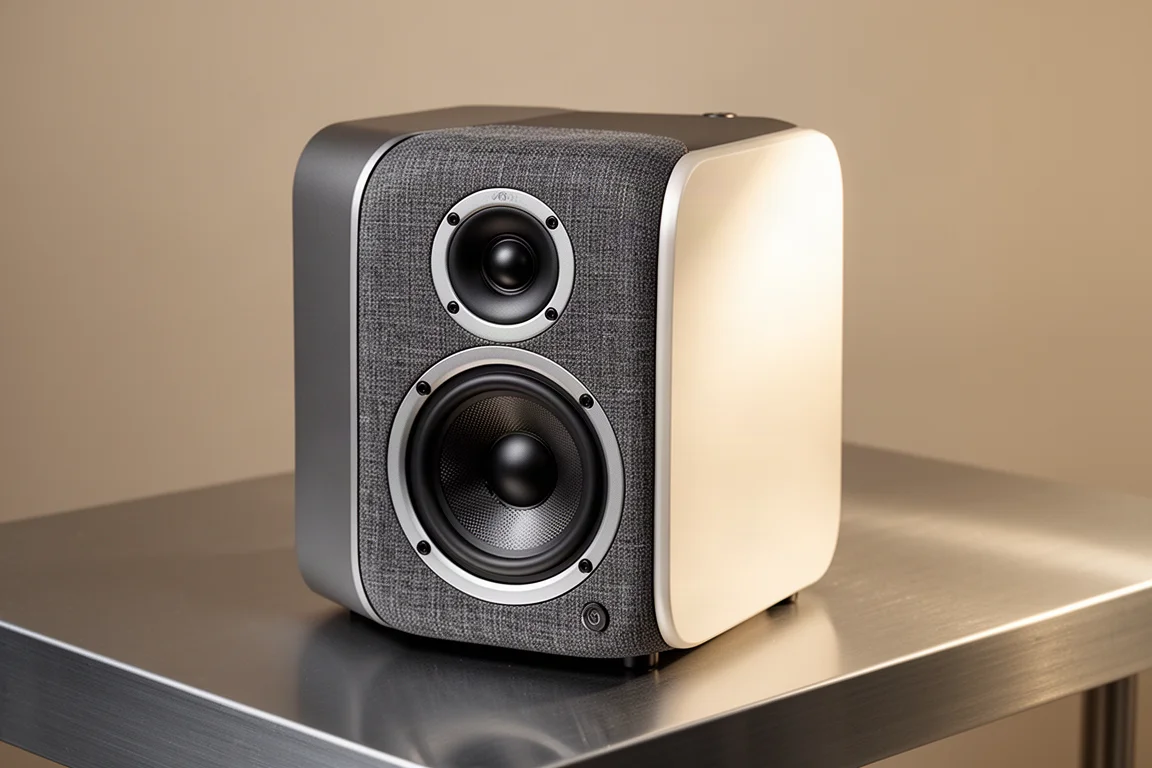
The SS-CS5 earns its place on sound rather than price. In a desktop setup, or in a room where space is limited, it produces an immersive presentation with convincing soundstage and imaging.
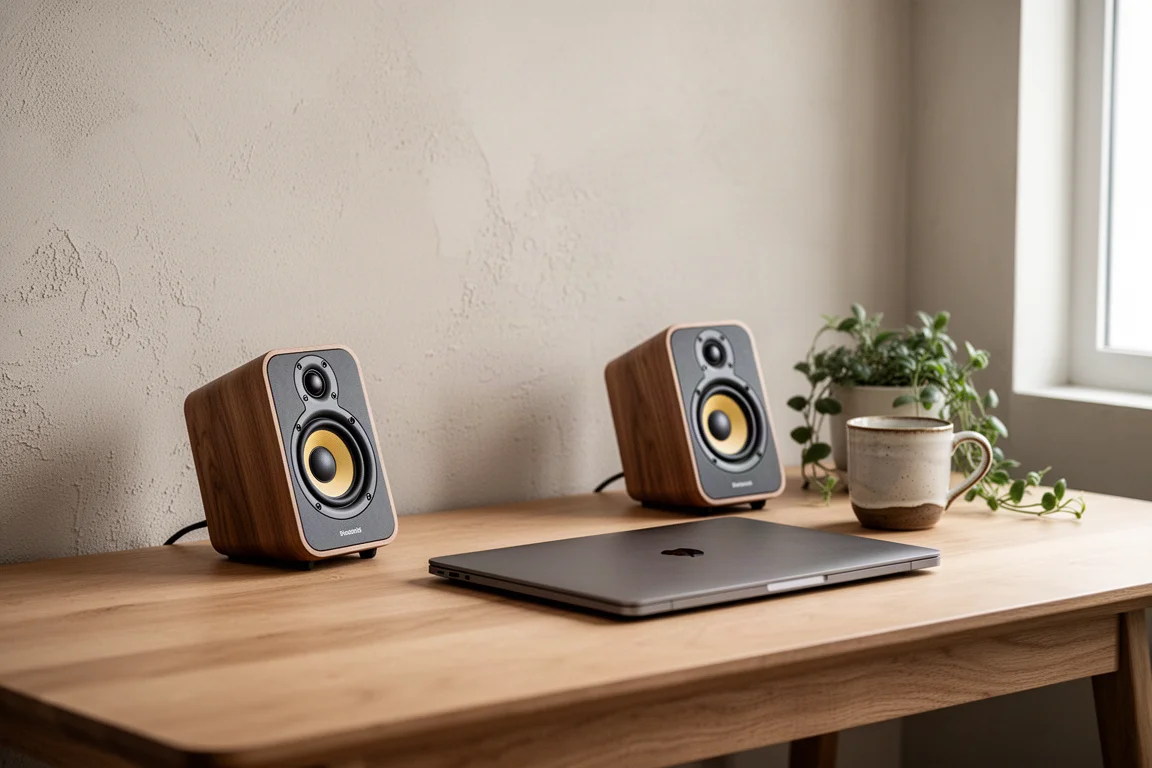
The cabinet is shallow front to back, so it can sit relatively close to a wall and still project depth. The top end is remarkable, and the midrange carries real texture and tone. Bass is limited, so a subwoofer is part of the plan, but the clarity and detail on offer are outstanding at any price.
SVS Ultra Bookshelf: Clarity Without Fuss
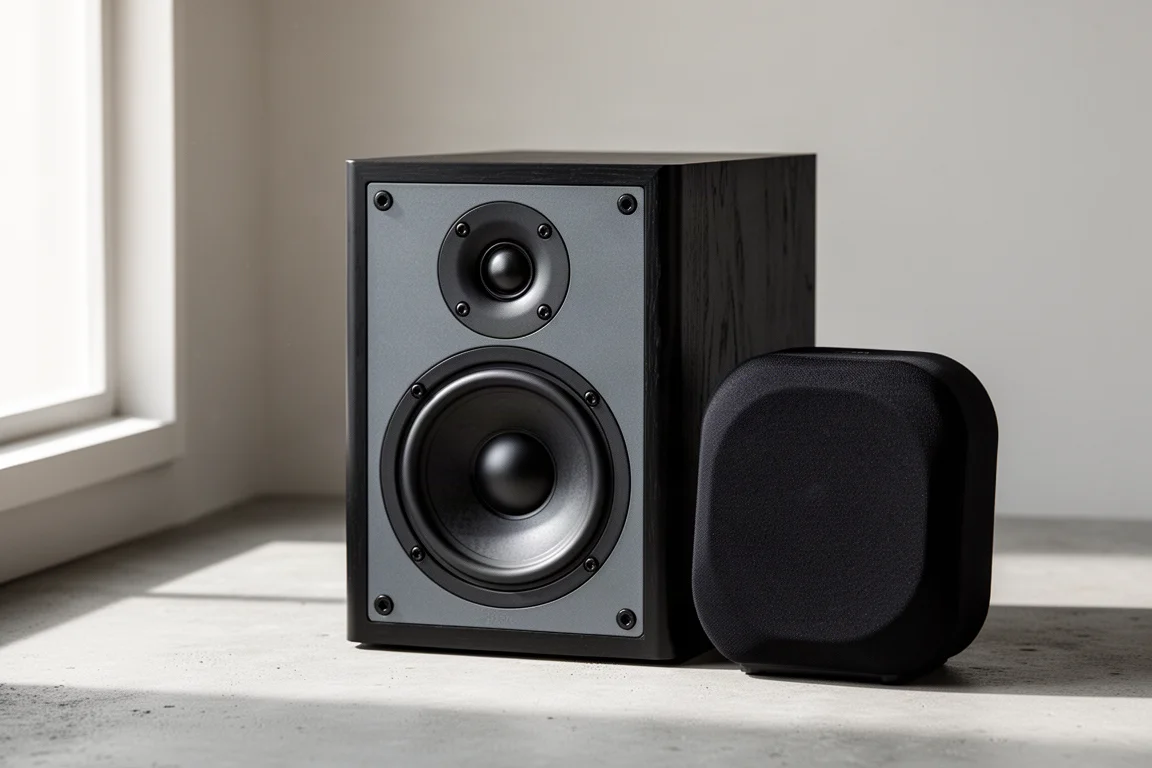
The Ultra Bookshelf stood out in a three-way comparison that also included the Wharfedale Evo 4.2 and the ELAC Uni-Fi Reference. Against those, it offered more clarity than the ELAC and far less fuss than the Wharfedale, which needed careful repositioning before it came into focus.
The Ultra is a slightly U-shaped or V-shaped design, but the tuning flatters rather than exaggerates. Soundstaging is excellent, build quality is high, and the low end punches deeper than a bookshelf has any right to. It is the kind of speaker that sounds right almost as soon as it is set up.
ELAC Uni-Fi 2.0: Neutral on Paper, Exciting in Practice
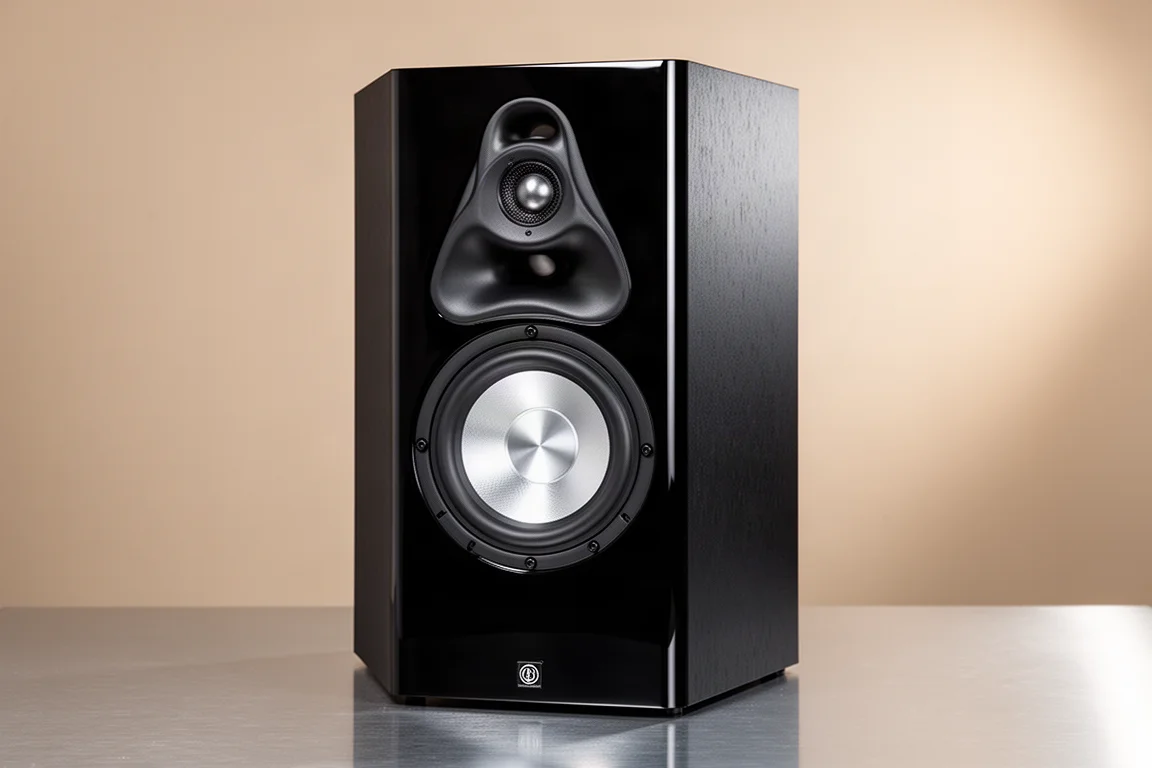
This one measures neutral but does not sound neutral. It is a three-way design with a concentric tweeter and midrange driver and a woofer of roughly five and a quarter inches, and it produces far more bass than that driver count suggests. It filled a large living room without help.
It also asks for patience. Early listening can be underwhelming before the speaker settles, and then it opens up into something genuinely exciting. This is the sort of speaker that quietly encourages higher volume levels, and it handles them well. Notably, it is preferred here over the pricier Uni-Fi Reference, and not simply because it costs less.
Polk R100: Braced, Detailed, and Composed
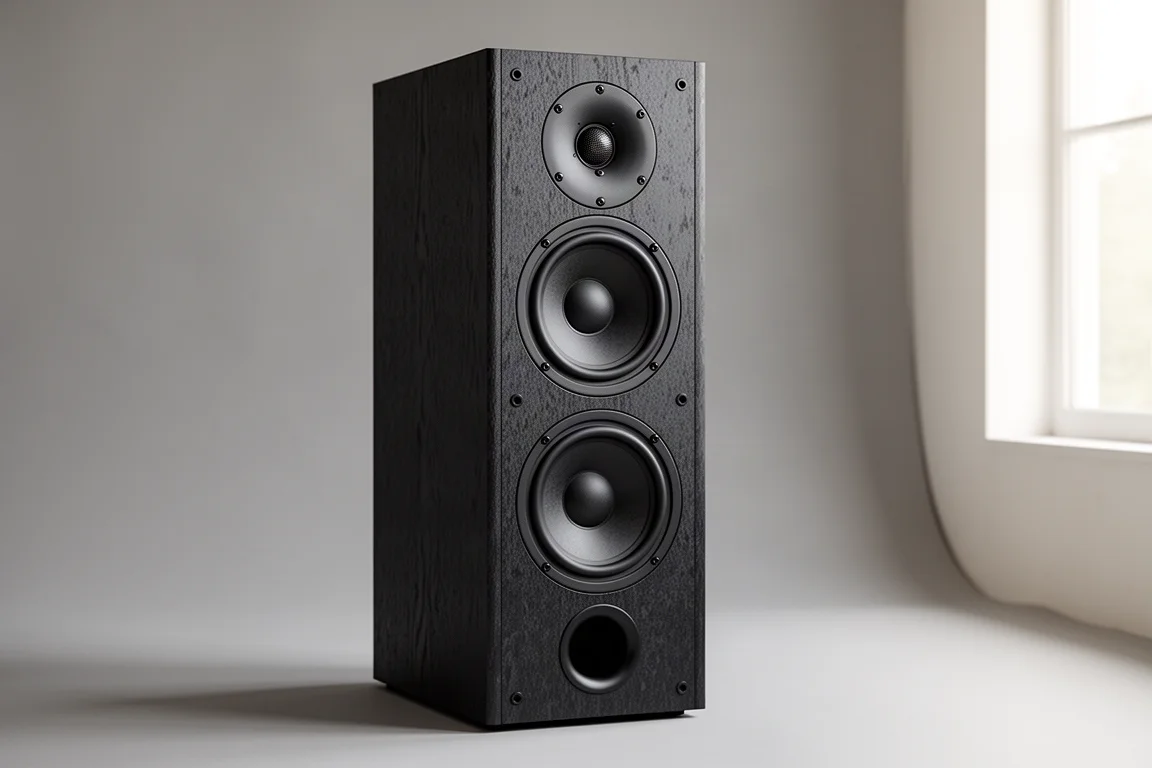
The R100 comes from the Reserve line, and everything about it suggests care. The cabinet is well braced, and the drivers are carried over from the Legend series. The ring tweeter is the highlight: it keeps the easy character of a soft dome while adding some of the air and detail normally associated with ribbon or AMT designs.
The result is highly detailed without becoming harsh. It is one of the most complete small speakers in this group, and an easy recommendation for listeners who want resolution and composure in the same cabinet.
ELAC Debut Reference: Smooth and Transparent
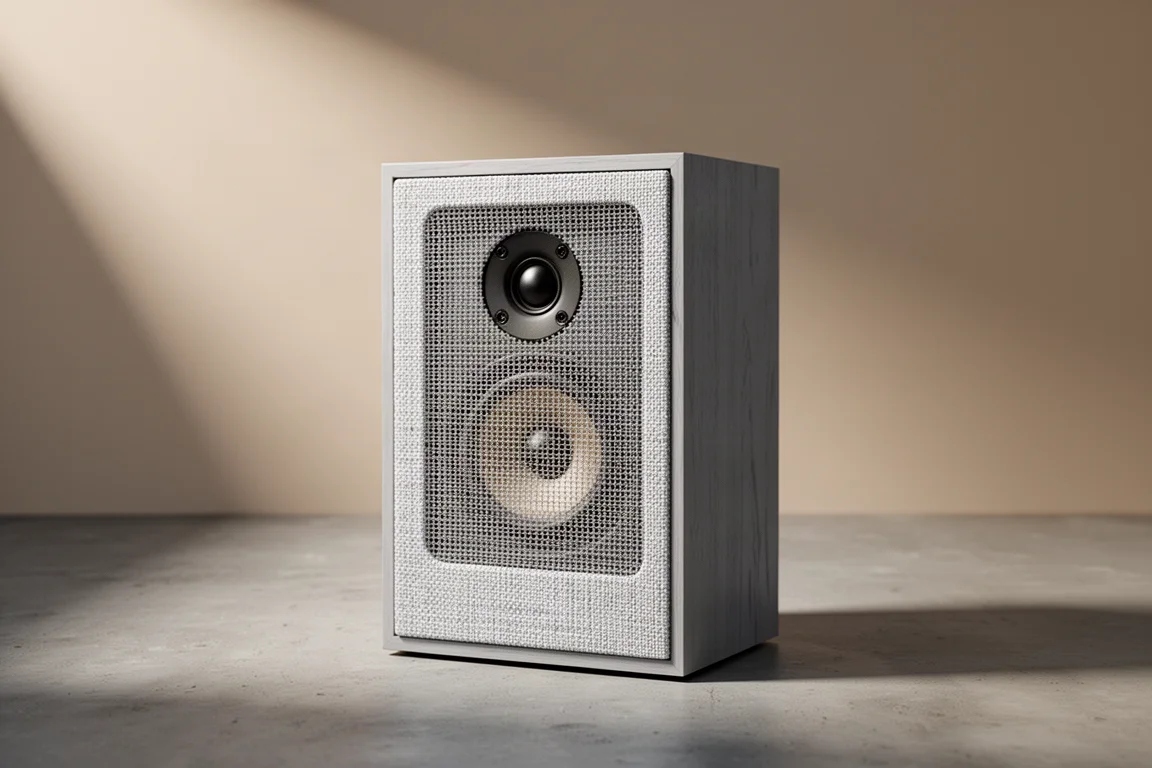
The Debut Reference is an end-game speaker for a lot of listeners, and it is easy to hear why. It is detailed and throws a large soundstage, yet it leans warm and sounds smooth rather than clinical.
It is also unusually transparent to the source, which means the character of the electronics in front of it comes through clearly. A front port makes placement near a wall practical. Pricing has sat around the $600 mark with occasional sale periods, though that figure has drifted upward over time.
Buying Advice: Matching the Speaker to the Room
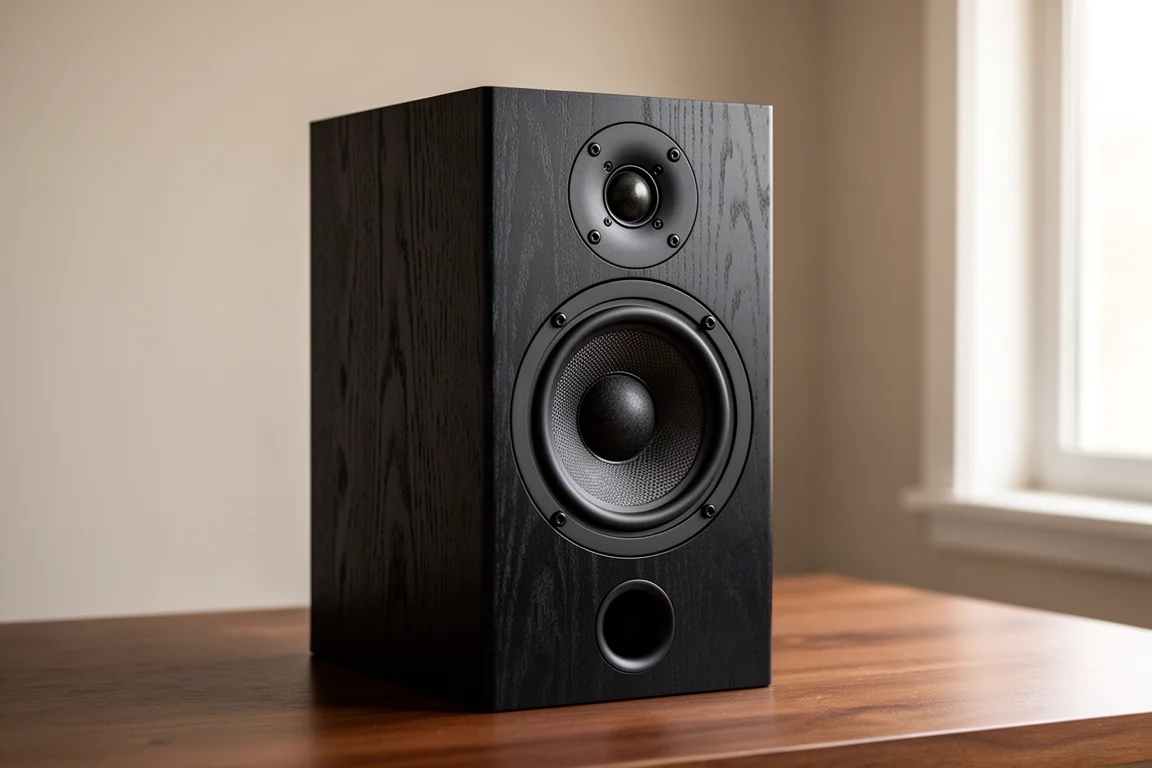
Room size drives the first decision. The Sony SS-CS5 and Emotiva B1+ suit desks and small rooms, while the Emotiva T1+, Klipsch RP-6000F, and ELAC Uni-Fi 2.0 can carry a large space on their own.
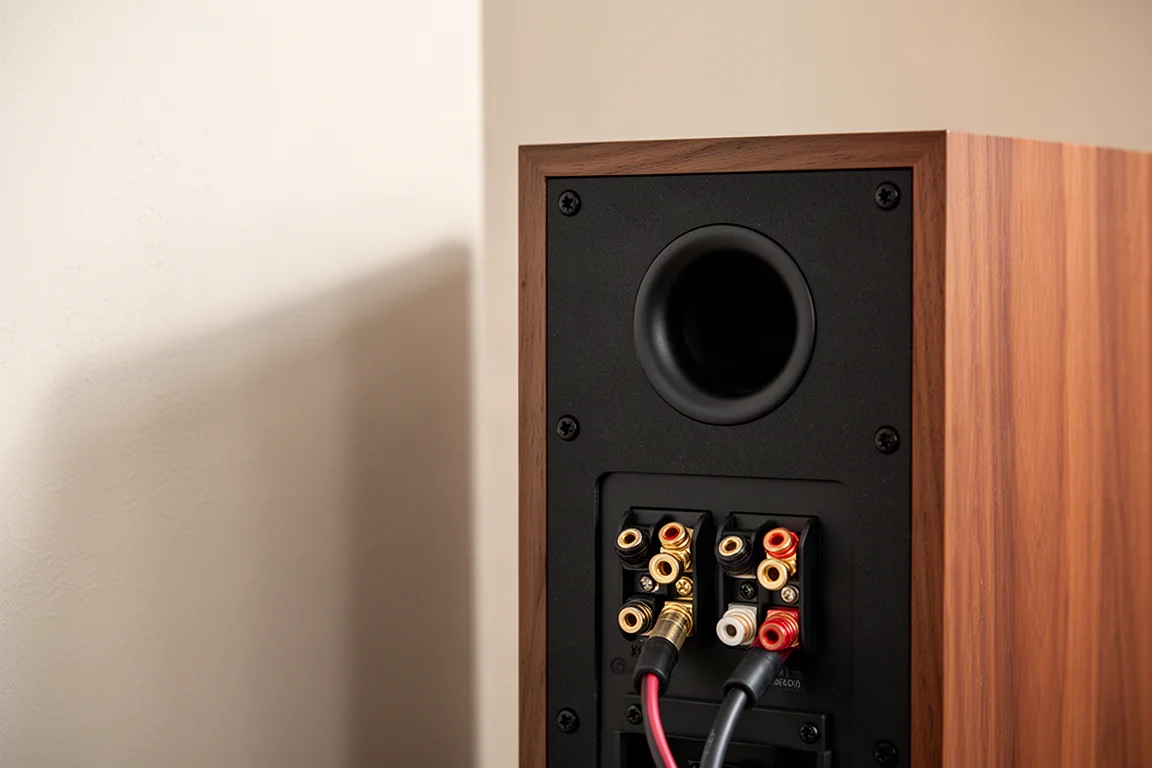
Placement comes next. Shallow cabinets and front-ported designs such as the Sony SS-CS5 and ELAC Debut Reference are more forgiving near a wall, while deeper cabinets and rear-ported models benefit from more breathing room behind them. Tuning preference matters just as much: the Wharfedale Diamond 11.2 and ELAC Debut Reference reward listeners who want warmth and smoothness, while the Emotiva pair, the Polk R100, and the Yamaha NS-C93 II lean toward detail and energy. Bass expectations should also be honest. The Emotiva T1+ and Klipsch RP-6000F largely remove the need for a subwoofer in a music system, while the smaller bookshelf models will benefit from one.
Conclusion
Ten speakers, ten distinct approaches to the same job. Some prioritise warmth, some pursue detail, and a few balance both. The right choice comes down to the room, the electronics, and how you like to listen rather than to price alone. Pick the one whose character matches your space and your habits, and the rest of the system will be easier to build around it.
Further reading
Related Reviews
Hi-Fi Speakers
1723 THX Tower vs 1528 Bookshelf: Which Speaker Fits Your Room?
Two speakers at roughly the same price, built very differently. How the 1723 THX tower and the 1528 bookshelf compare on construction, bass, power needs, and sound.
Hi-Fi Speakers
Acoustic Energy AE 300 Review: Deep Bass From a Compact Standmount
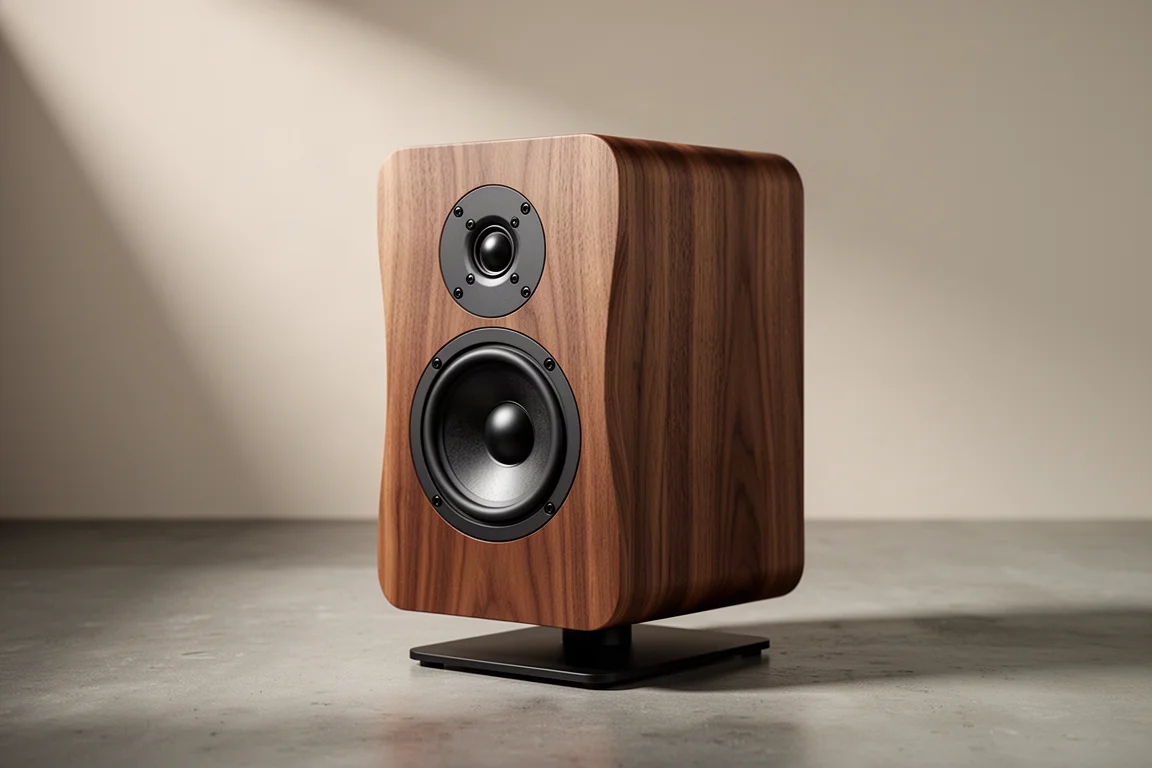
A two-way standmount with real wood veneer, surprising low-end weight, and a warm, easygoing character. Here is what to know before buying.
Hi-Fi Speakers
Acoustic Energy AE1 40th Anniversary Review: A Modern Take on a British Classic
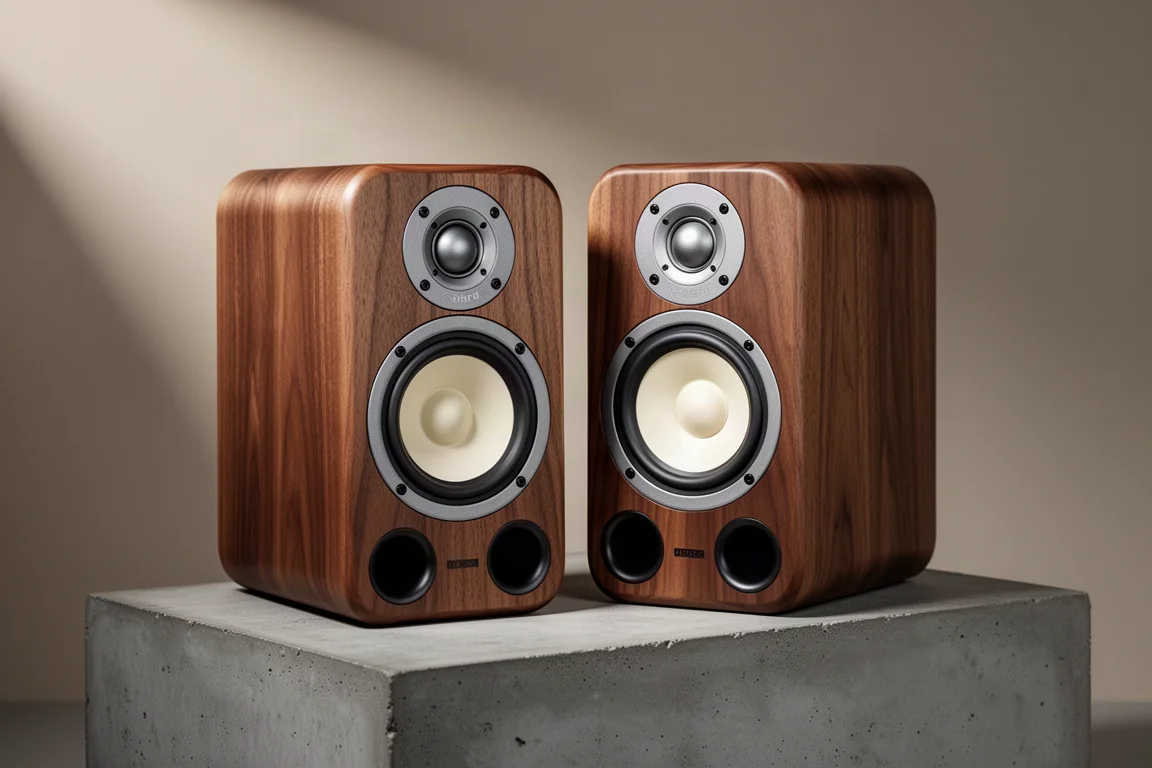
A compact standmount that revives a 1980s favorite with all-new parts, a warm mid-centric balance, and a price of £1,499 per pair.