Backpacking Gear
Ten Backpacking Gear Favorites: A Field-Tested Ultralight Kit
Ten backpacking favorites that earned their place over long trails, from a wide-toe-box trail shoe to a sun hoodie that became a daily layer.
Introduction
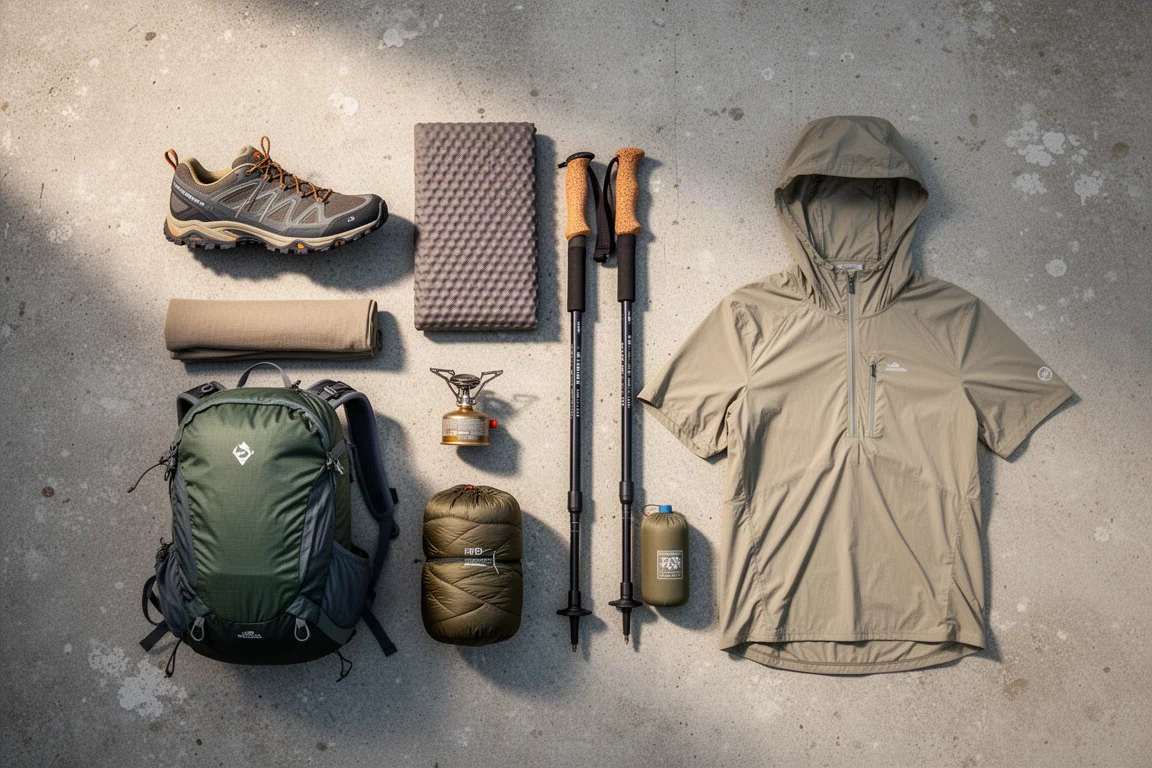
The most useful backpacking gear tends to prove itself slowly. The ten items in this roundup have been carried across long thru-hikes, high-elevation routes, desert sections, and bikepacking trips, and each one has a defined job in a lightweight kit. Some are small, simple pieces that cost very little, while others are more significant investments. All of them have been judged by how they perform on trail rather than by how they look on a spec sheet.
Below you will find what each piece does well, where it falls short, and who it suits. If you are building or refining an ultralight setup, these notes should help you decide which items are worth the weight and the money.
How These Picks Were Chosen
Every item here was bought at full price and used across multiple trips rather than a single weekend. The criteria were practical: real-world durability, weight relative to function, versatility across different terrain and weather, and how cleanly each piece fits into a compact kit.
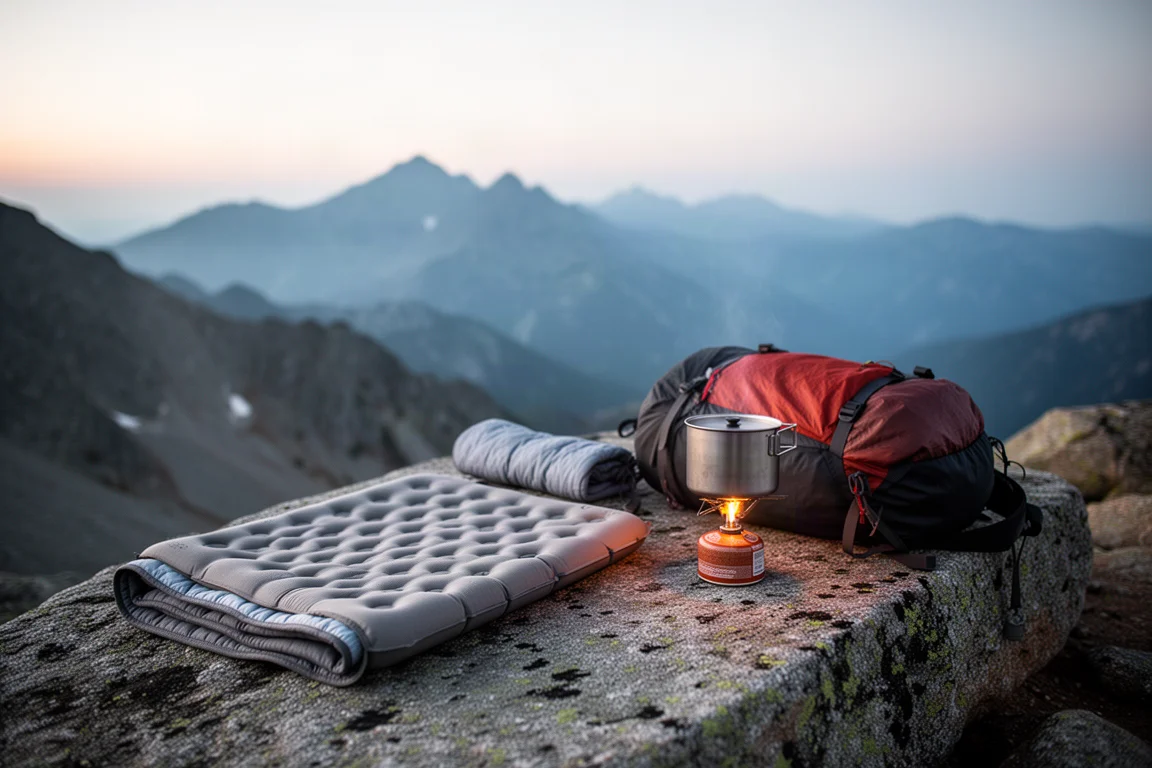
Versatility carried extra weight in the selection. A piece that does two or three jobs on the trail is worth more than a specialist item that only works in one setting, and several picks below were chosen specifically because they replace more than one thing in a pack.
Best Trail Shoe: Altra Olympus 4.0
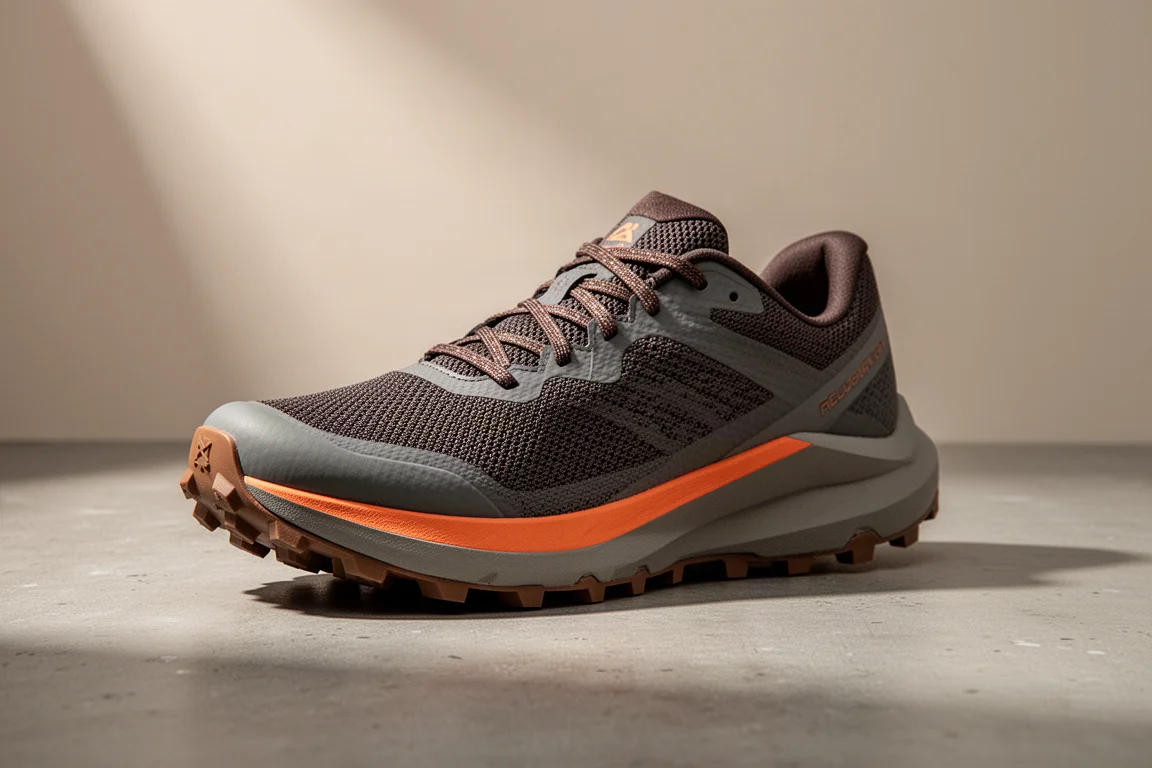
The Olympus 4.0 keeps the wide toe box and the Vibram outsole with its reliable grip, while trimming some of the bulk that made earlier versions feel clunky. The heel is smaller than before, and the extra cushioning underfoot keeps the shoe comfortable over long days.
It has been used for weekend backpacking trips, day hikes, and trail running, where the cushioned heel is easy on the knees. The shoe has exceeded expectations for what the Olympus line can be, although a final long-distance verdict is still waiting on more miles.
Best Multi-Purpose Pad: Gossamer Gear Thinlite 8 Inch Foam Pad
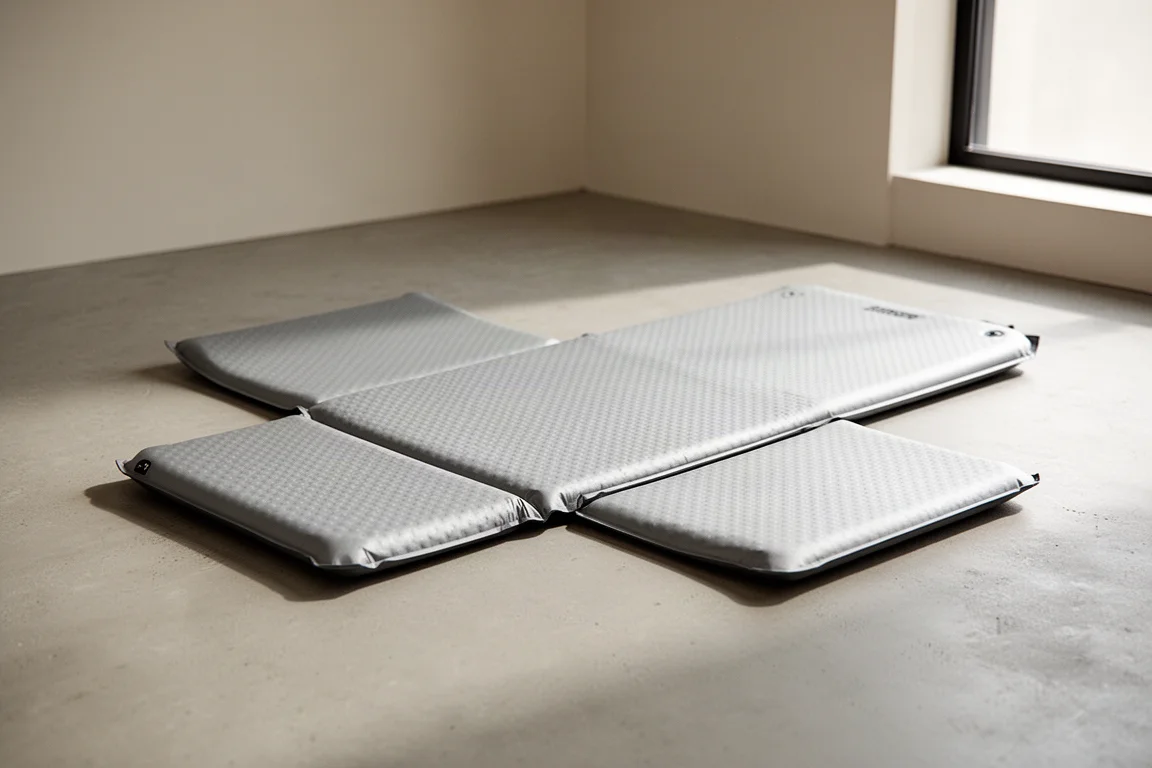
The Thinlite is an ultralight closed-cell foam pad that many thru-hikers carry as their main sleeping pad. At this thickness it is not enough cushioning for everyone, and anyone who needs real support will want an inflatable underneath or instead.
Where it earns its place is as a supporting layer with several jobs. Used at torso length, it works as a sit pad during breaks, a mat for a midday nap, a surface for stretching or mobility work, and a protective, insulating layer beneath an inflatable pad. It weighs roughly the same as a standard sit pad while doing considerably more.
Best Trekking Poles: NOC Carbon Cork Trekking Pole
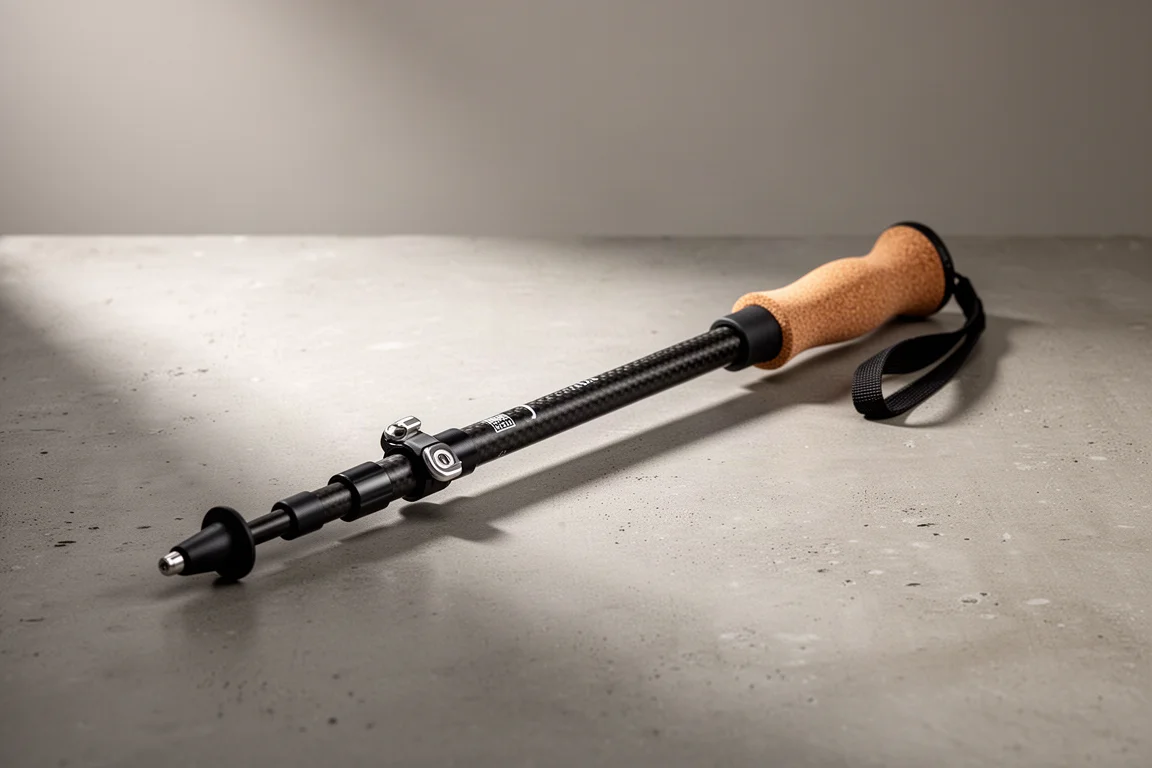
The NOC Carbon Cork pole moves away from the brand’s earlier Z-pole design toward a classic telescoping pole with flick locks. The emphasis is on field serviceability: the shaft, grip, flick locks, and carbide tip can all be removed and replaced on trail, and the individual parts are available for repair or replacement. The intent is a pole you buy once and maintain indefinitely.
The cork grip is comfortable over long days, the pole is made in Portland, Oregon, and it extends to 64 inches, which is long enough to pitch a trekking-pole shelter without an adapter. The trade-off is a beefier build than the lighter Z-pole it replaces.
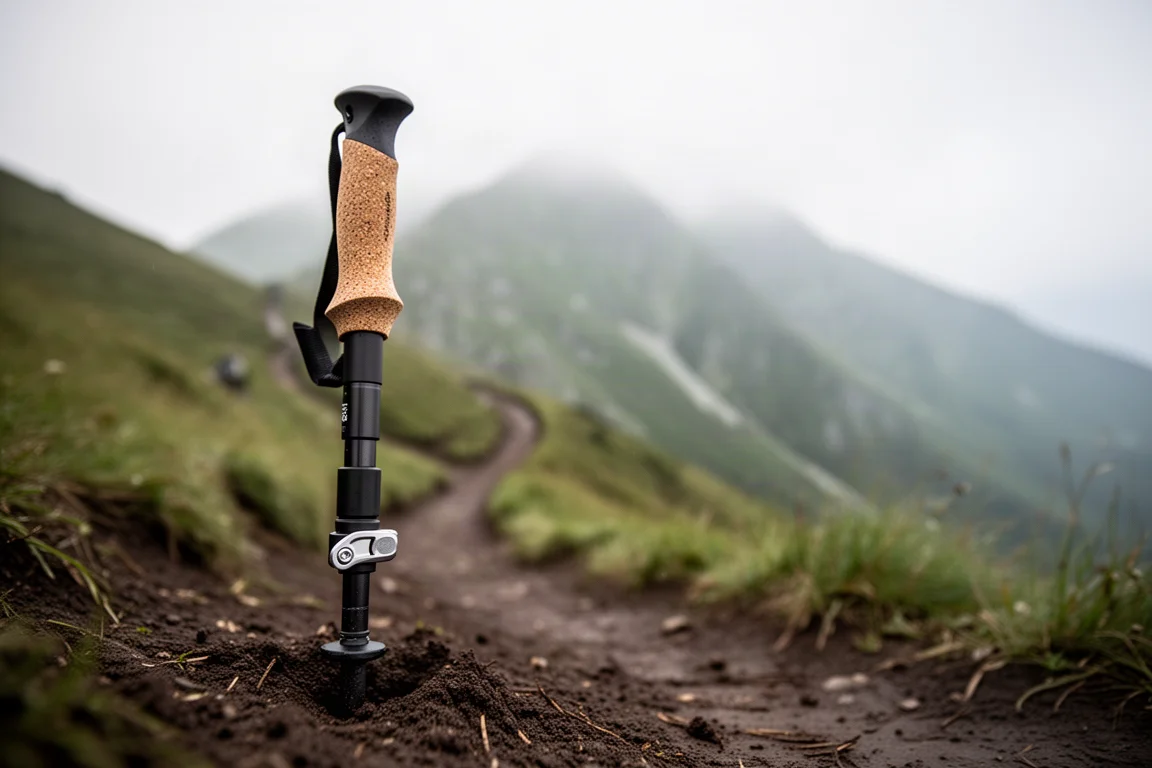
For hikers who have broken poles mid-trail, being able to swap a single component instead of replacing the whole pole is the main draw, and it is the reason this design stands out in a crowded category.
Best Ultralight Food Storage: Hilltop Packs Custom Printed DCF Food Bag
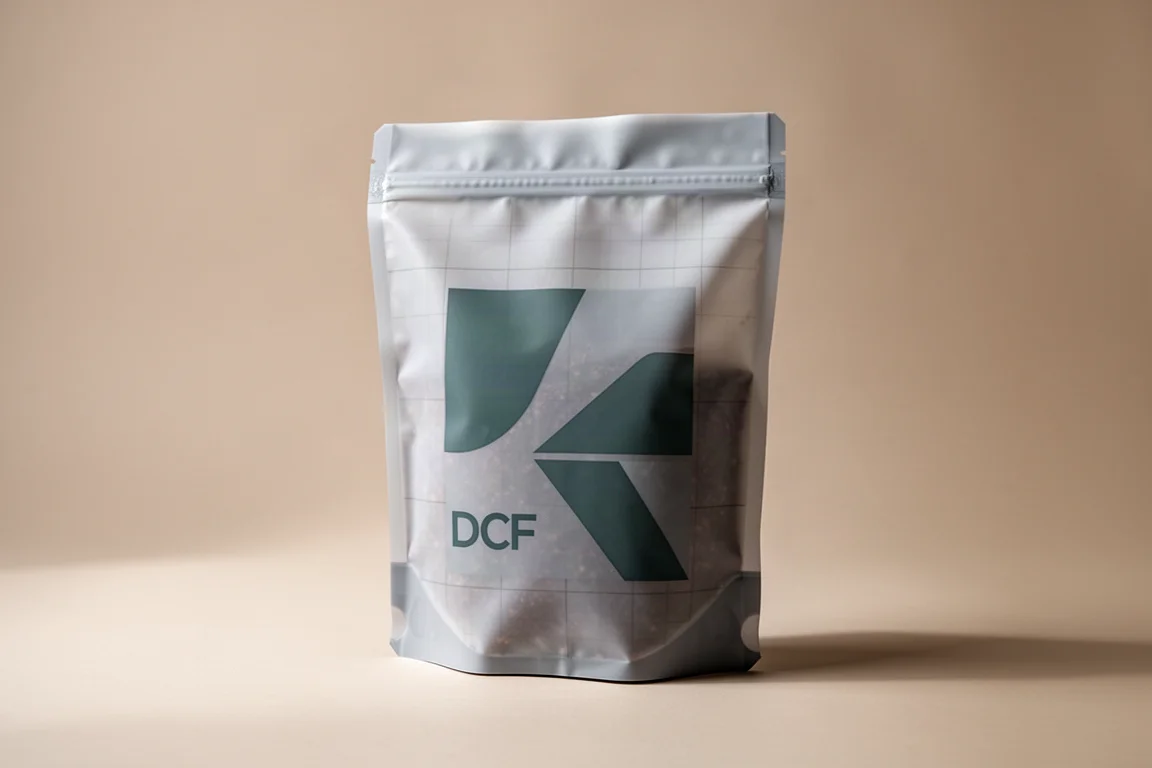
The Hilltop Packs food bag is built from DCF and can be custom printed with whatever design you choose. That sounds like a novelty until you spend a night in a shelter where every food bag looks identical.
The printing solves a genuinely annoying problem. In shelters with bear boxes, or on bear-hang cables, dozens of hikers hang near-identical bags, and working out which one is yours before coffee in the morning is harder than it should be. A printed bag removes the guesswork entirely.
Best Small Item Organizer: Hilltop Packs Custom Printed DCF Diddy Bag
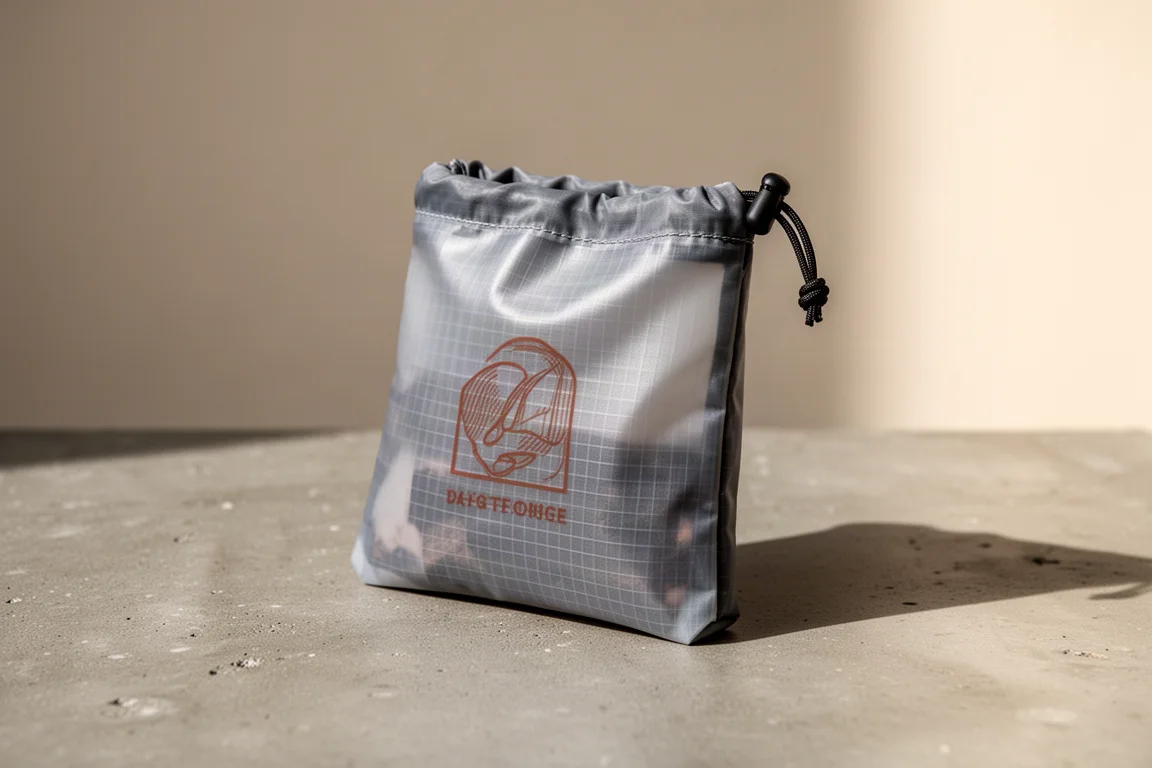
The matching diddy bag applies the same idea to small-item organization. DCF keeps the pouch light, and the custom print makes it instantly recognizable whether it is hanging in a shelter or buried at the bottom of a pack.
Being able to customize gear to be your own is a small thing that matters more than expected on a long trail, where almost everyone is carrying the same handful of standard items.
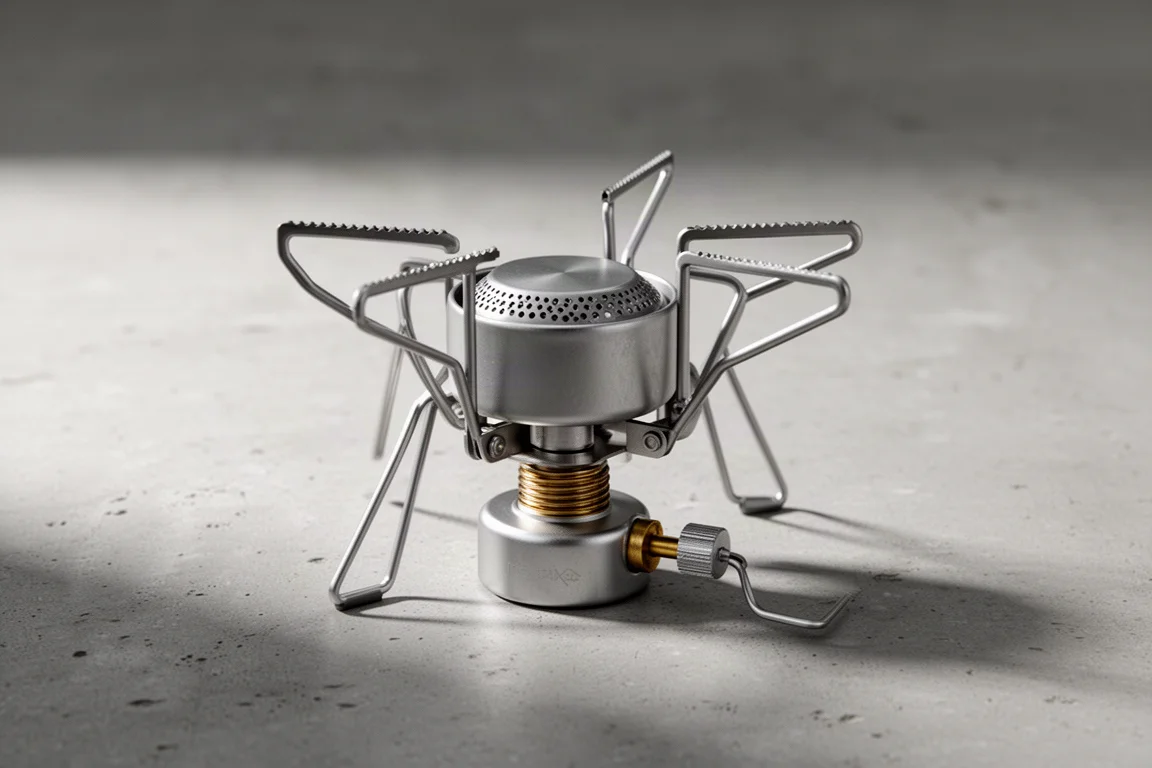
Best Ultralight Stove: BRS Ultralight Stove
The BRS stove is a tiny canister stove that has been in continuous use for years and still works every time. After a long stretch of going stoveless with cold-soaked meals, it earned its way back into the kit as the simplest way to get a hot cup of coffee in the morning and a warm meal at night.
It has been used across a long thru-hike, smaller backpacking trips, a high-elevation trail, and bikepacking routes, and it has performed consistently in every one of those settings.
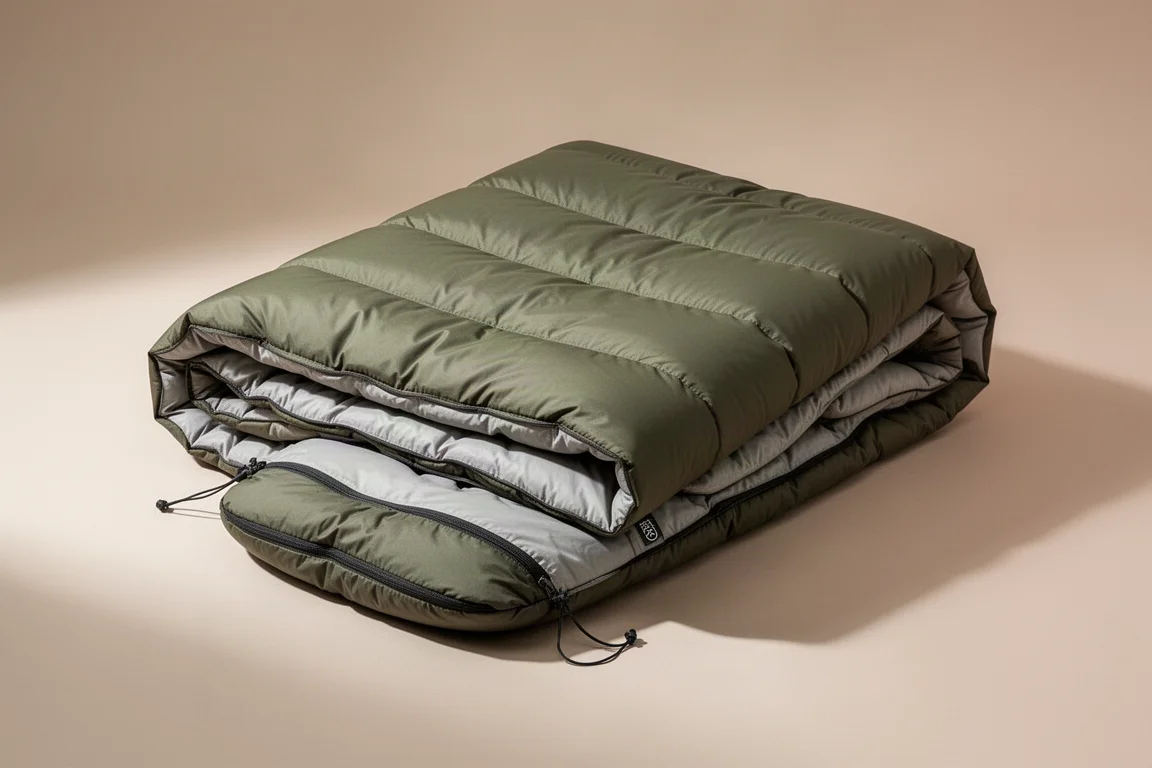
Best Backpacking Quilt: UGQ Bandit XL Quilt
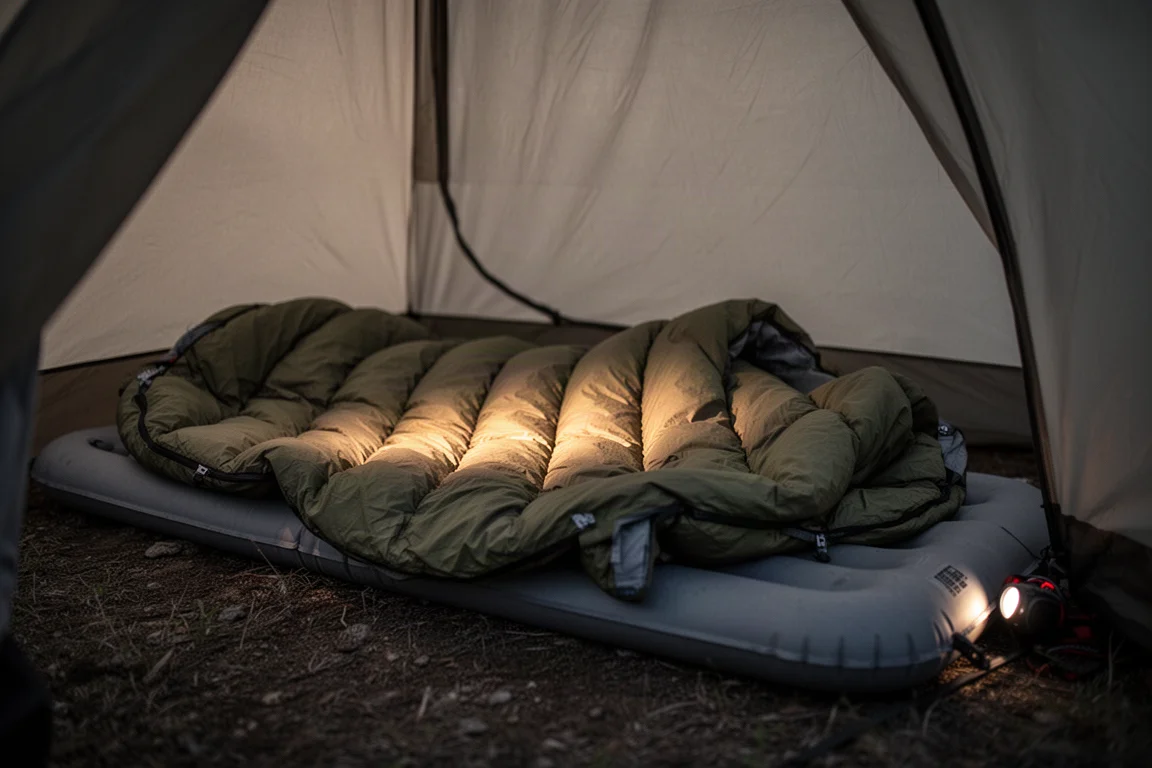
The Bandit XL is a redesigned version of the brand’s quilt, and the changes are significant enough that it performs very differently from the earlier model. It has been used on nearly every trip since it arrived, including a desert wilderness route, a high-elevation thru-hike, and several bikepacking outings.
The quilt has been the biggest surprise in the kit, comfortable across a wide range of conditions and easy to pair with a layered sleep system.
For anyone comparing quilts, the practical takeaway is that this generation deserves to be evaluated on its own merits rather than on the reputation of the previous design.
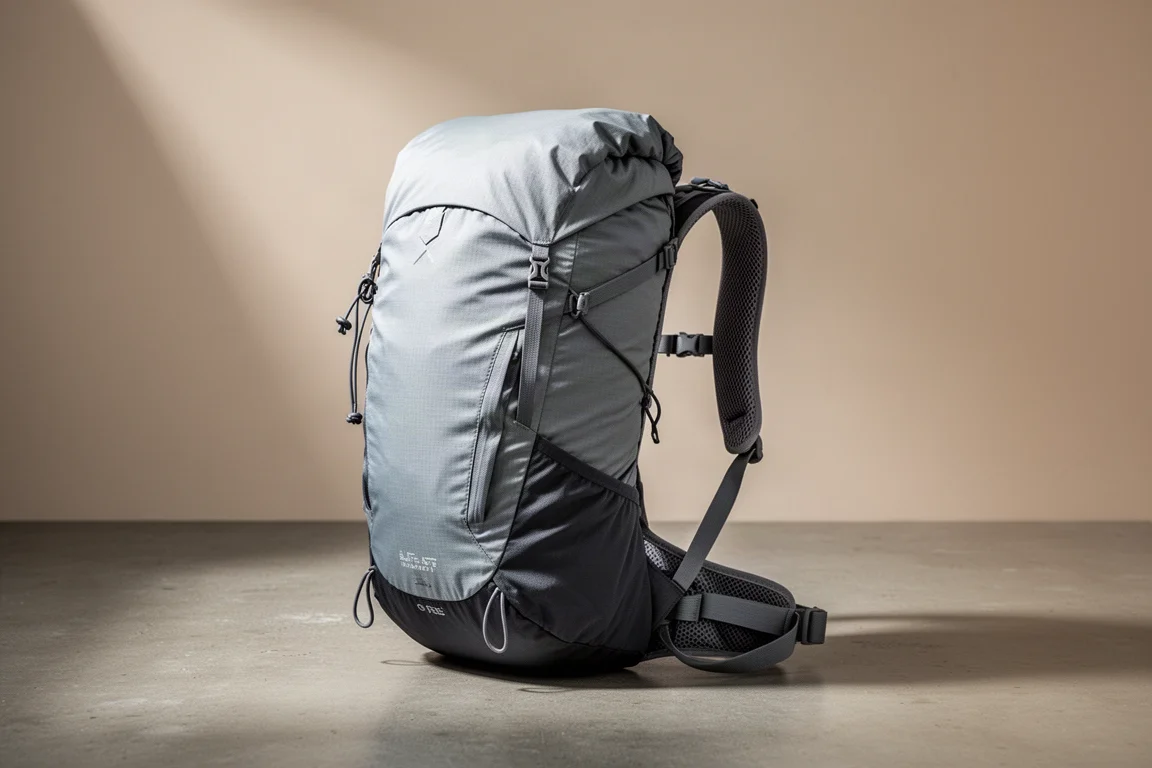
Best Ultralight Backpack: Waymark Evolve Pack
The Evolve was designed for hikers who run a compact kit but still want comfort and the ability to carry a heavier load during a big resupply. That balance is the point: a light pack that does not punish you when the food bag is full.
It has been used across a long thru-hike in persistently wet conditions, a high-elevation trail, and desert hiking in Arizona, and it has handled all of them well.
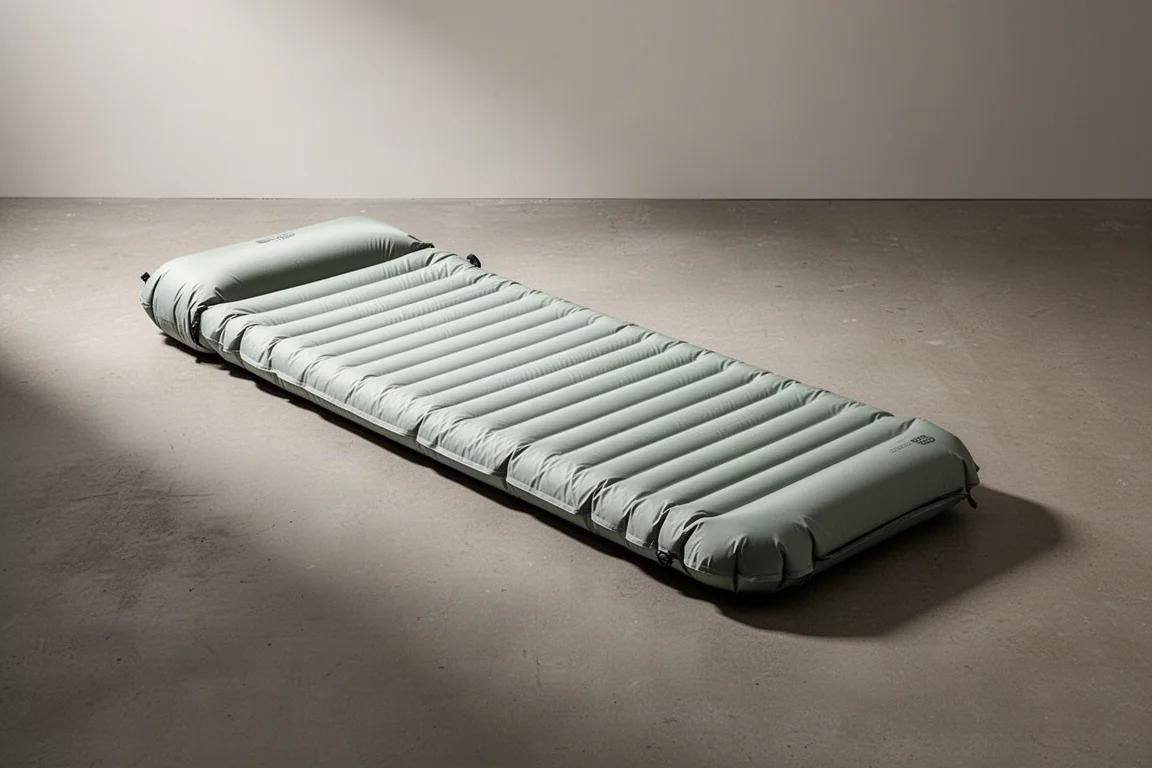
Best Ultralight Sleeping Pad: Therm-a-Rest UberLite
The UberLite has a mixed reputation, with some hikers reporting punctures, leaks, and insufficient warmth. In sustained use, however, it has been reliable: over 800 miles and roughly 32 nights without a single leak, and warm enough every night.
The thinner material is also a comfort advantage. It feels softer under the body than a standard pad, and it is noticeably quieter and less crunchy than the classic yellow NeoAir XLite.
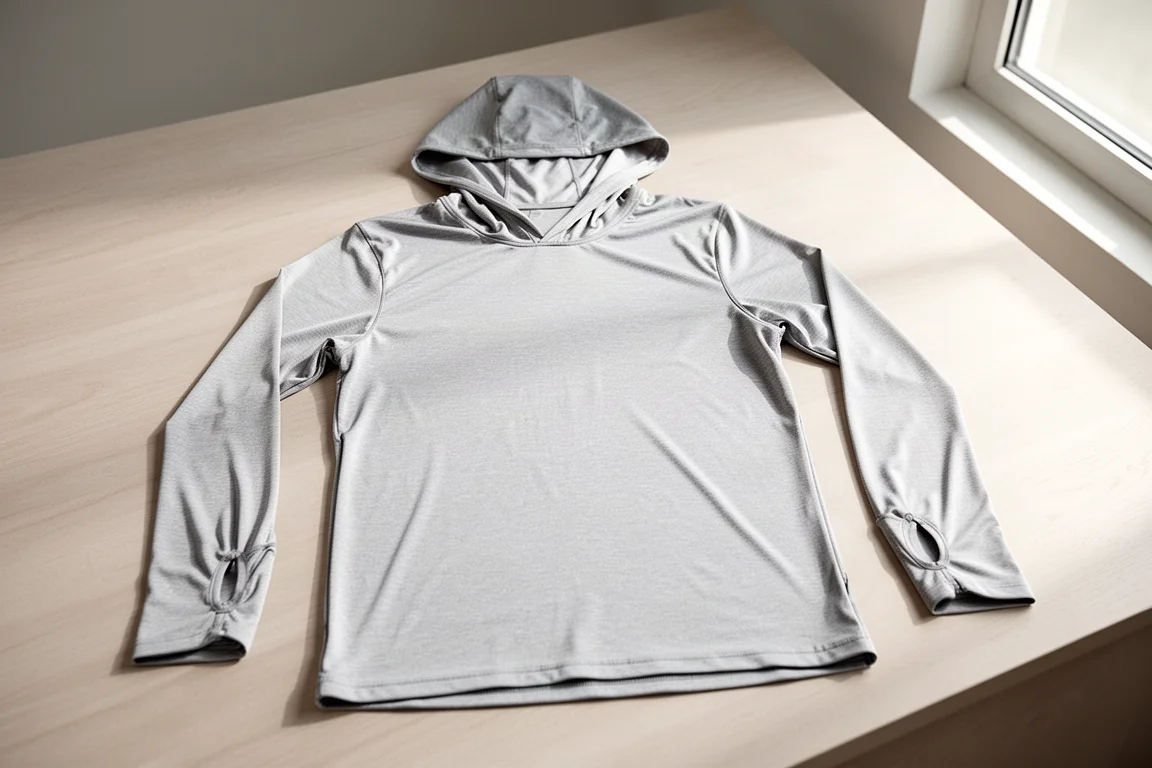
Best Sun Layer: Outdoor Research Echo Sun Hoodie
The Echo Sun Hoodie became the default hiking top for high-elevation and desert routes where sun exposure is relentless. It is rated UPF 50, and it is light and breathable enough to wear all day without overheating.
The hood and thumb holes extend coverage to the neck and hands, which matters on exposed trails. It has been worn for roughly 700 miles of hiking, riding, and sleeping, and it has largely replaced the traditional button-down long-sleeve shirt.
Overall Buying Advice
These ten items cover a lot of ground, and the right starting point depends on what your current setup is missing. Small, simple pieces like the foam pad and the canister stove are easy to add to almost any kit, while larger investments such as the quilt, pack, and sleeping pad are worth weighing against the trips you actually take.
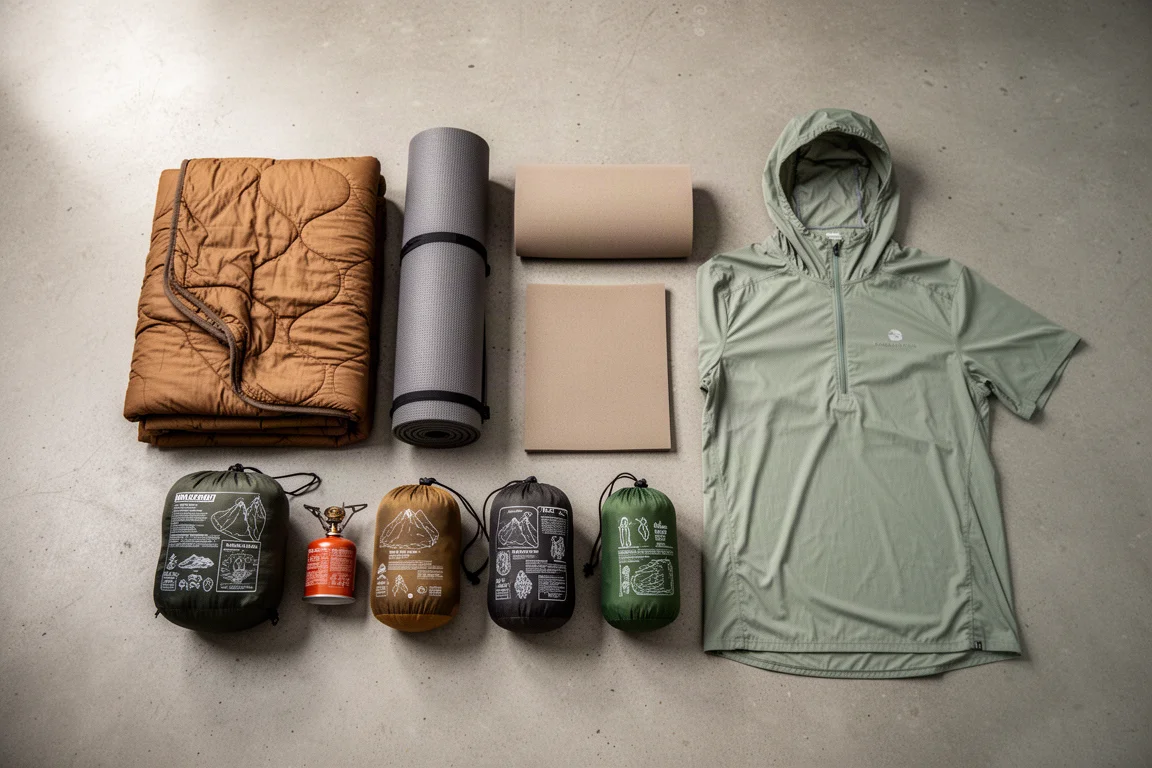
A useful rule is to prioritize the items you will use every single day on trail: your sleep system, your footwear, and your pack. Those are the pieces where comfort and reliability pay off fastest, and where a poor choice is hardest to work around.
Conclusion
None of these items is a universal recommendation. Hikers differ in body type, terrain, climate, and tolerance for weight, and gear that suits one kit may be wrong for another.
What they share is a track record. Each one has been used repeatedly in real conditions and has earned a place in a working setup. If a piece here matches a problem you already have, it is a reasonable place to start.
Further reading
Related Reviews

Backpacking Gear
Building a 10 lb Base Weight: An Ultralight Backpacking Gear List
A practical walkthrough of the ultralight pieces behind a 10 lb base weight, from a 765 g pack and a roomy one-person tent to a full camp chair and a dependable water filter.

Backpacking Gear
A 15-Pound Lightweight Backpacking Gear List for Solo Trips
A beginner-friendly 15-pound backpacking setup built from easy-to-find gear, with notes on what each piece does, how it packs, and where to spend your attention.

Backpacking Gear
8 Ultralight Backpacking Gear Upgrades Worth Carrying
Eight small, affordable backpacking upgrades that solve real trail annoyances, from a pillow that stays put to a fuel valve that rescues leftover canister gas.