Astrophotography
Best Telescope Smartphone Adapters: Move Shoot Move vs Celestron NexYZ
A practical comparison of two three-axis smartphone adapters for astrophotography, covering build quality, adjustability, and which one fits your setup.
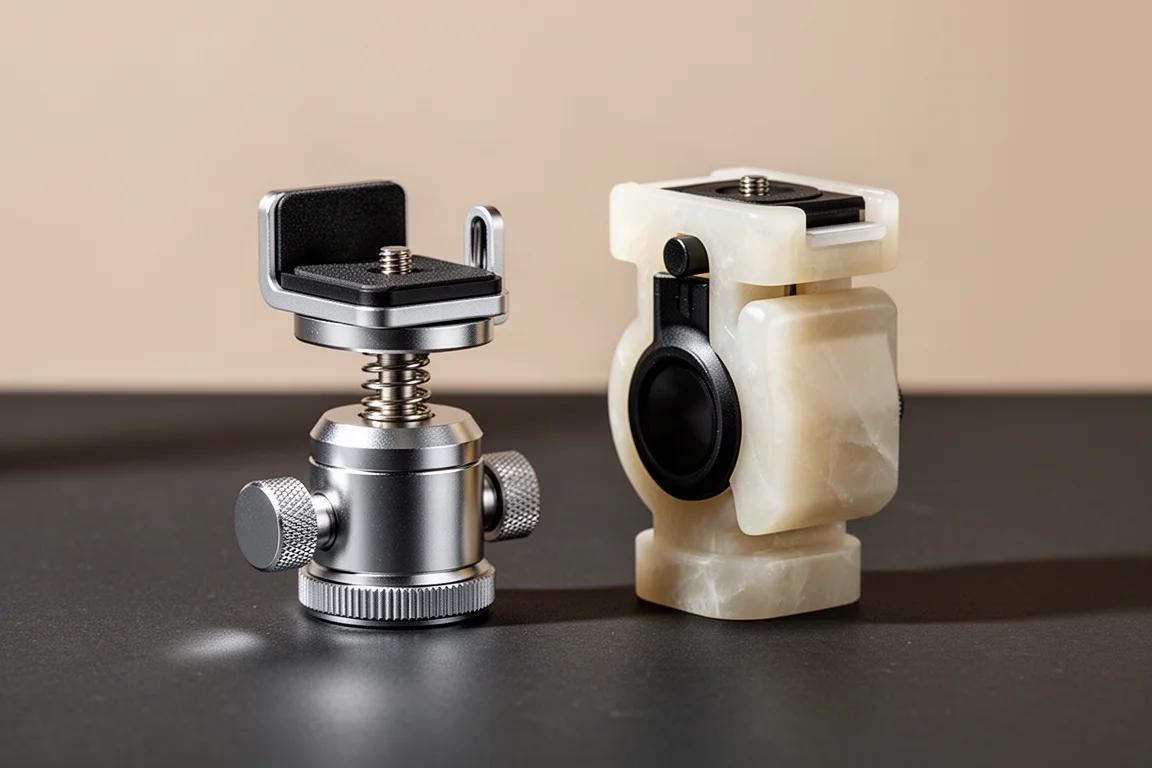
Introduction
If you want to attach a smartphone to your telescope, there is no shortage of adapters on the market. Cheap generic models have served plenty of amateur astronomers well for years, but a new option has raised the bar: the Move Shoot Move smartphone adapter. In this comparison we look at how it stacks up against its closest competitor, the Celestron NexYZ, and help you decide which one fits your budget and your eyepiece collection.
Both are three-axis adjustable adapters, which means you can align the phone camera with the eyepiece on three planes instead of fumbling with a single fixed mount. That alone separates them from the most basic adapters.
Why Three-Axis Adjustment Matters
The classic approach with a basic adapter is to mount the eyepiece on the telescope first and then struggle to attach the adapter on top. A smarter workflow is to attach the eyepiece to the adapter at home, use a flat edge or ruler to set the eyepiece height so it matches the plane where the phone will sit, then tighten it down. Once the phone is laid in place, the three adjustment axes let you center the camera’s view circle on the eyepiece without repeatedly repositioning the phone itself.
That adjustability also makes it easy to swap phones. If someone at a star party wants to try their phone, you simply drop it in, tighten it, and re-center the view in a few seconds.
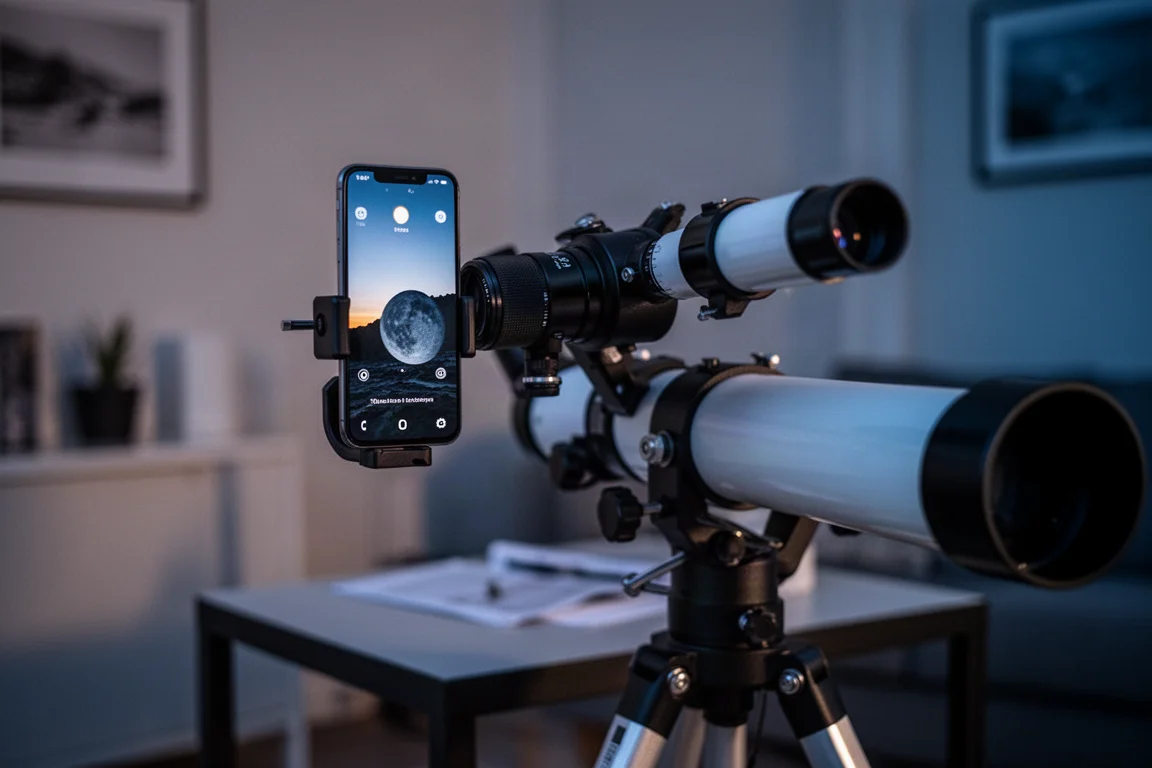
Move Shoot Move Smartphone Adapter
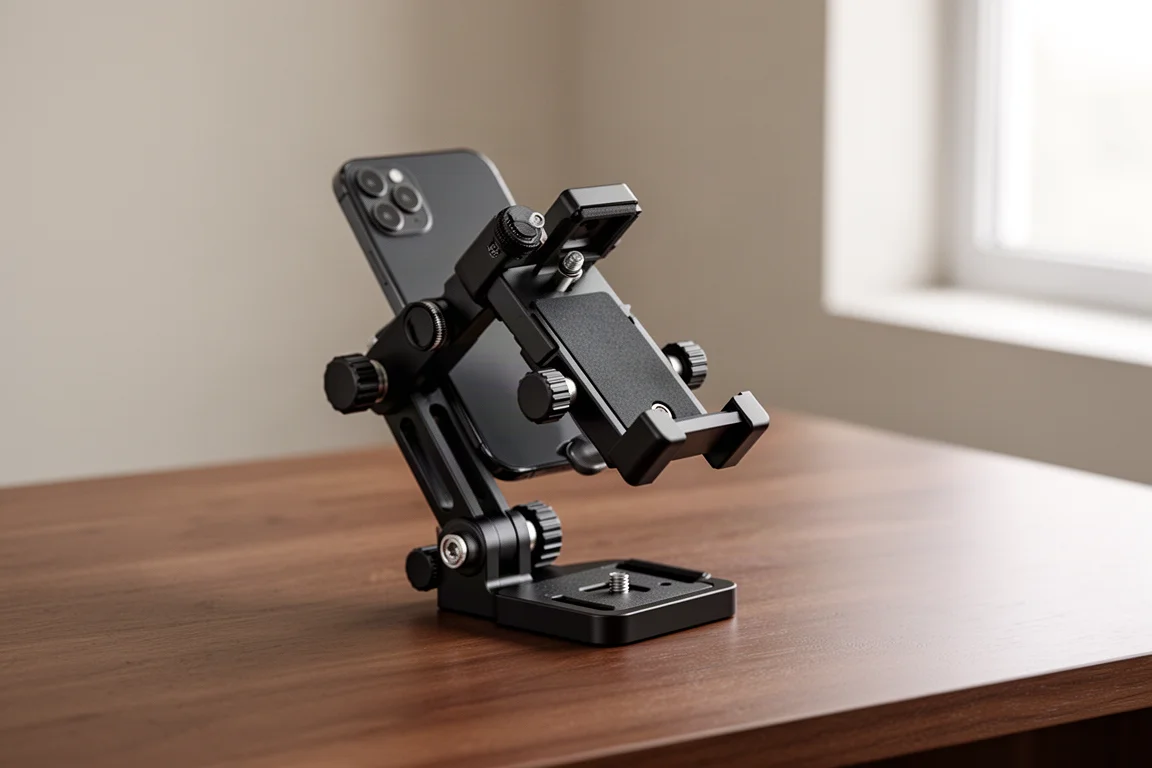
The Move Shoot Move adapter is the standout of this comparison. It weighs about 7.7 oz and is made almost entirely of metal, with nicely knurled screws on the adjustment axes. The only plastic parts appear to be two small knobs. What impresses most is the assembly of the joints: there is very little mechanical slop in the sliding bearings, and the friction on each axis feels tuned just right. The adapter stays perpendicular to the eyepiece and holds the phone rock solid.
It also offers plenty of side-to-side travel. If your phone’s camera sits in the middle of the back rather than in a corner, you will not run out of adjustment room, which is a real advantage for many modern phones. The clamp holds phones up to about 3.5 inches wide, so it works well with large iPhones and Samsungs. It also fits large 1.25-inch eyepieces, including a 14mm Explore Scientific that would not fit in a basic adapter.
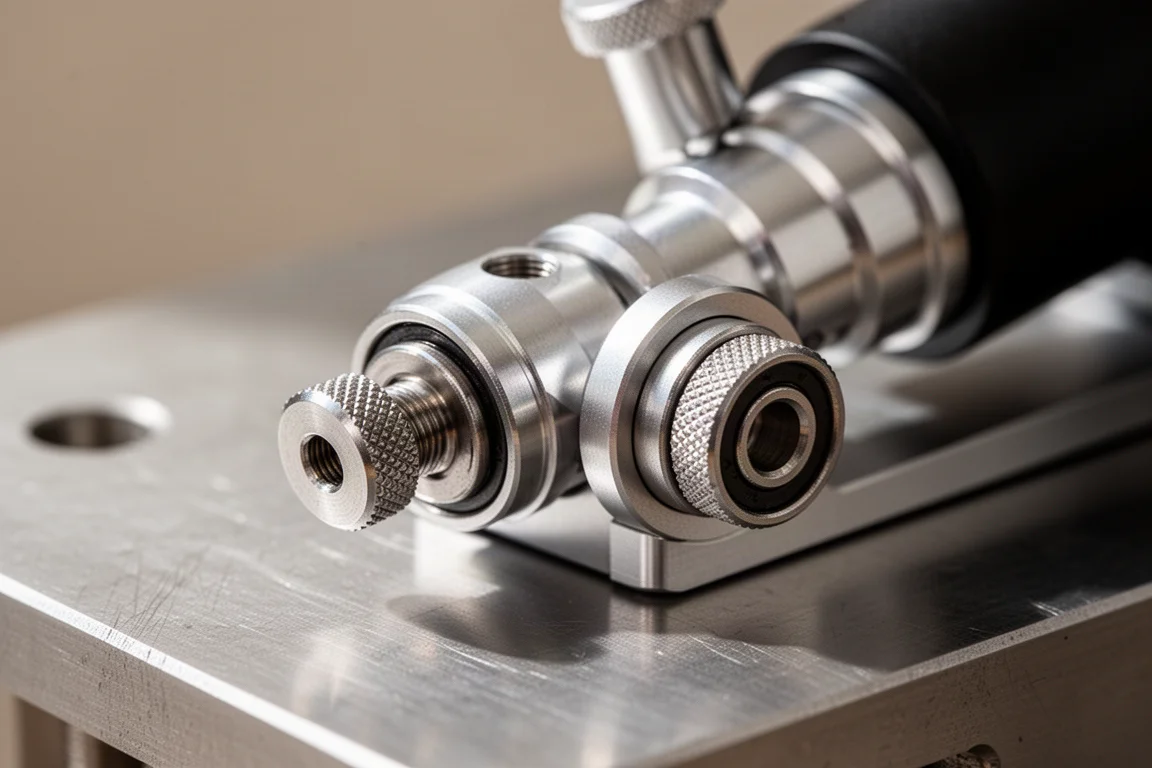
The one flaw found during testing: one of the knurled screws is held by a set screw that bites into a purely round shaft with no flat spot, so it can slip. It is a minor issue, but worth knowing about.
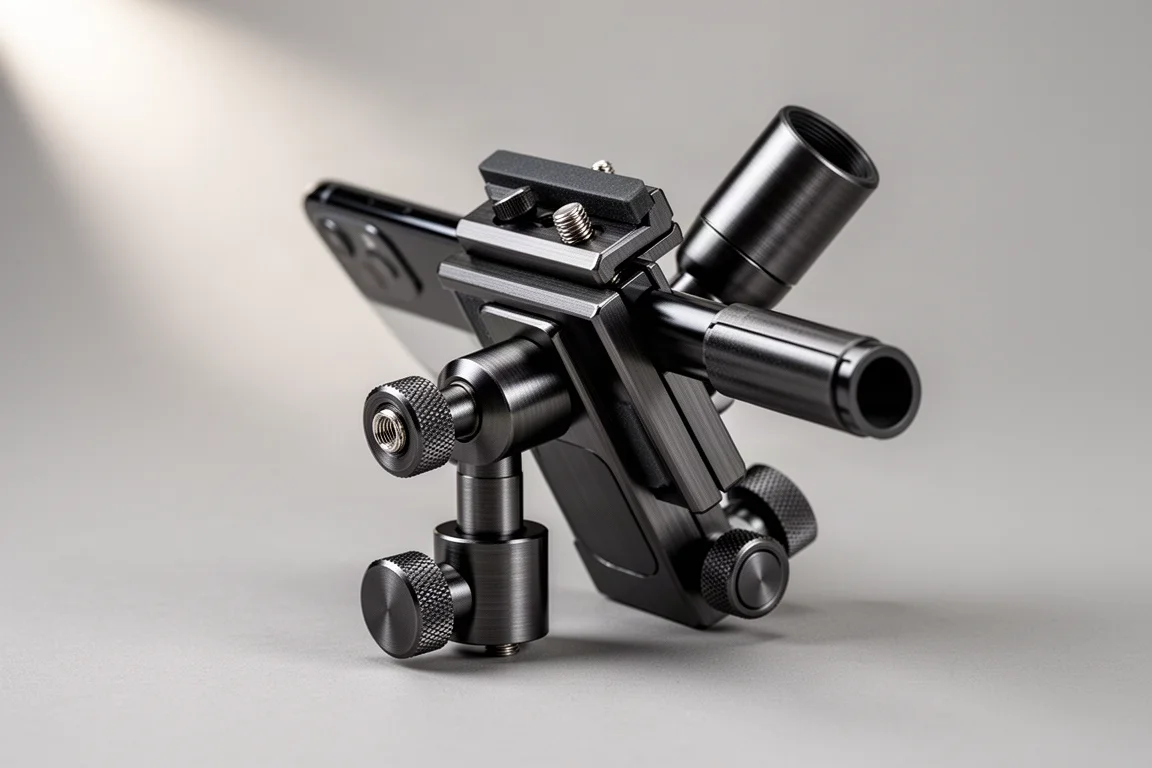
Celestron NexYZ Smartphone Adapter
The Celestron NexYZ is widely considered the king of the hill in this category, and it has genuine strengths. Most importantly, it accepts 2-inch eyepieces, which neither of the other options can hold. It weighs about 10.2 oz, making it the heaviest of the group, and its body is mostly plastic or resin.
It has a spring-loaded clamp on the front, but do not rely on the spring tension alone; you need to tighten the nut to secure the phone properly. The main downside is flexibility in the frame. Because of the plastic construction and play in the sliding slot, it can be difficult to get the eyepiece perfectly perpendicular to the phone. In testing, one unit had a defect that required a longer screw to tighten up, and even then the alignment was hard to get exactly right. Side-to-side travel is also limited: with a wide phone whose camera sits in the middle, you can run out of travel before the camera lines up with the center of the eyepiece holder.
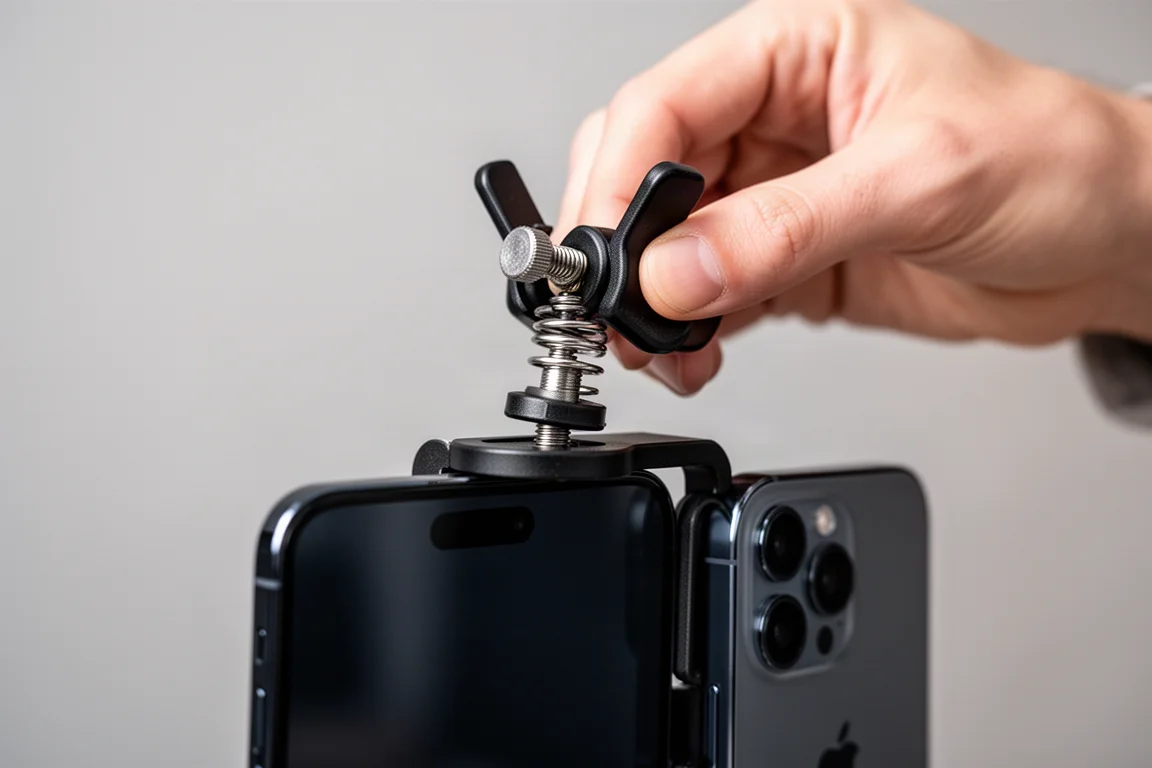
It remains a very useful accessory, especially if 2-inch eyepieces are part of your kit.
Setup Tips for Any Adapter
Whichever adapter you choose, a few habits make life easier. Attach the eyepiece to the adapter before mounting it on the telescope, and use a flat edge to set the eyepiece height so it matches the phone’s seating plane. Tighten the phone first, then use the axis adjustments to bring the camera’s view circle into the center of the eyepiece. Once aligned, mount the whole assembly on the telescope’s focuser and lock it down with the set screw, then focus as usual.
The rigidity of the adapter matters here. A flexible frame means you will be redoing alignment every time you touch the phone, while a rigid metal body holds its perpendicularity between sessions.
Which Adapter Should You Buy?
If your budget is minimal, a generic adapter in the $15 to $25 range will hold most 1.25-inch eyepieces and can be set up for one specific phone. It is a reasonable starting point.
If you must use 2-inch eyepieces, the Celestron NexYZ is essentially your only option among these three, and the list price sits around $60, often available for less.
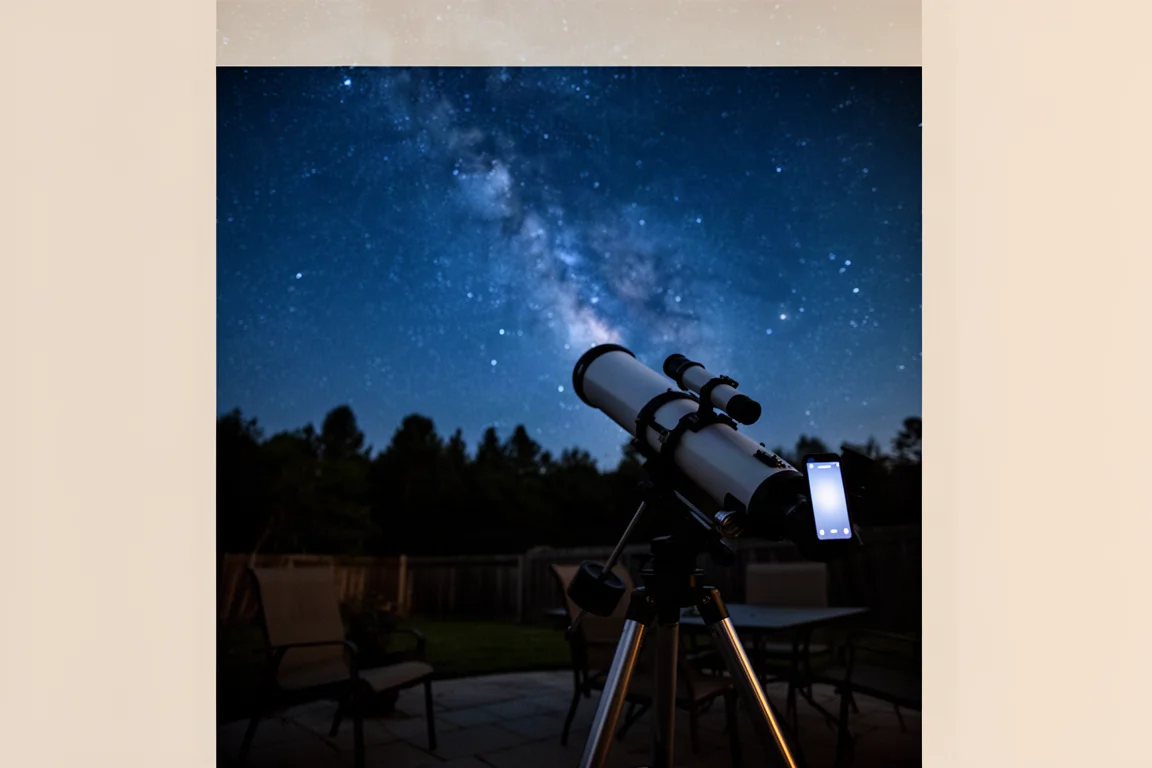
For everyone else, the Move Shoot Move is the stronger pick. If all your eyepieces are 1.25-inch, if your phone has a centrally located camera, if you value a rigid framework that keeps everything perpendicular, or if you simply appreciate nice machined lightweight metal, it earns its higher price. It retails for about $70 through the maker’s website and on Amazon. After weeks of testing, it is the adapter that replaced a trusted generic unit for everyday astrophotography, which says a lot on its own.
Conclusion
The Celestron NexYZ still earns its place for 2-inch eyepiece users, but for 1.25-inch setups the Move Shoot Move adapter is the closest to perfection this category has seen: all-metal construction, minimal mechanical slop, generous side-to-side travel, and quick phone swapping. Match the adapter to your eyepieces and your phone’s camera placement, and both options can deliver sharp planetary and lunar shots through your telescope.
Further reading
Related Reviews
Astrophotography
ASKAR FRA400C Review: A Versatile 400mm Refractor for Astrophotography and More
The ASKAR FRA400C is a compact 72mm refractor that balances reach, versatility, and portability for astrophotographers and visual observers.
Astrophotography
Askar SQA106 Review: A Premium 106mm Astrograph With Exceptional Optics
The Askar SQA106 is a premium 106mm quintuplet astrograph with impressive sharpness across full-frame sensors, though its price and weight demand careful consideration.
Astrophotography
Astro Imaging Gear 2026: Eight New Products Worth Watching
A look at the most interesting new astrophotography and astronomy products announced this year, from fast telescopes to smart cameras and wireless accessories.