Turntables and Analog Audio
Technics SL-1500C and SL-1200GR Plus Phono Preamps and Cartridges: An Analog Roundup
Two Technics direct drive turntables, two phono preamps, and six cartridges, with what each one does well and what to weigh before buying.
Introduction
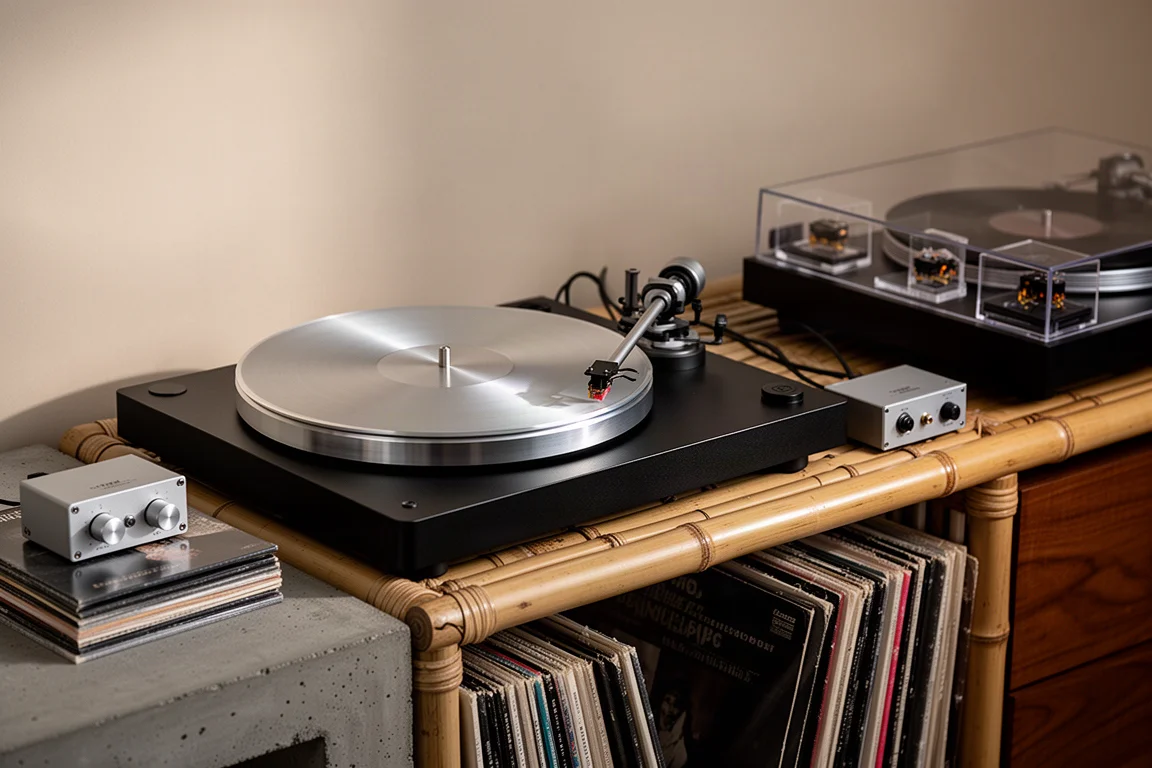
Records are a hands-on format. You touch the turntable to use it, you swap cartridges to change how it sounds, and you can swap a phono preamp to shift the character again. That flexibility is a large part of why vinyl keeps its hold.
This roundup covers ten pieces of analog gear: two Technics direct drive turntables, two phono preamps, and six cartridges. Each has a defined job in the chain, and each comes with its own trade-offs.
How to Think About an Analog Upgrade Path
Both turntables here are direct drive designs, and both feel more substantial than a typical belt drive deck. The SL-1500C is the less expensive model and the more conventional looking one, while the SL-1200GR carries the DJ deck layout and a higher price.
Beyond the deck itself, two components shape the sound most: the cartridge and the phono preamp. A good turntable is where the chain starts, and a good cartridge matters enormously, but the phono preamp is easy to overlook. Here it proved to be at least as important as a cartridge change.
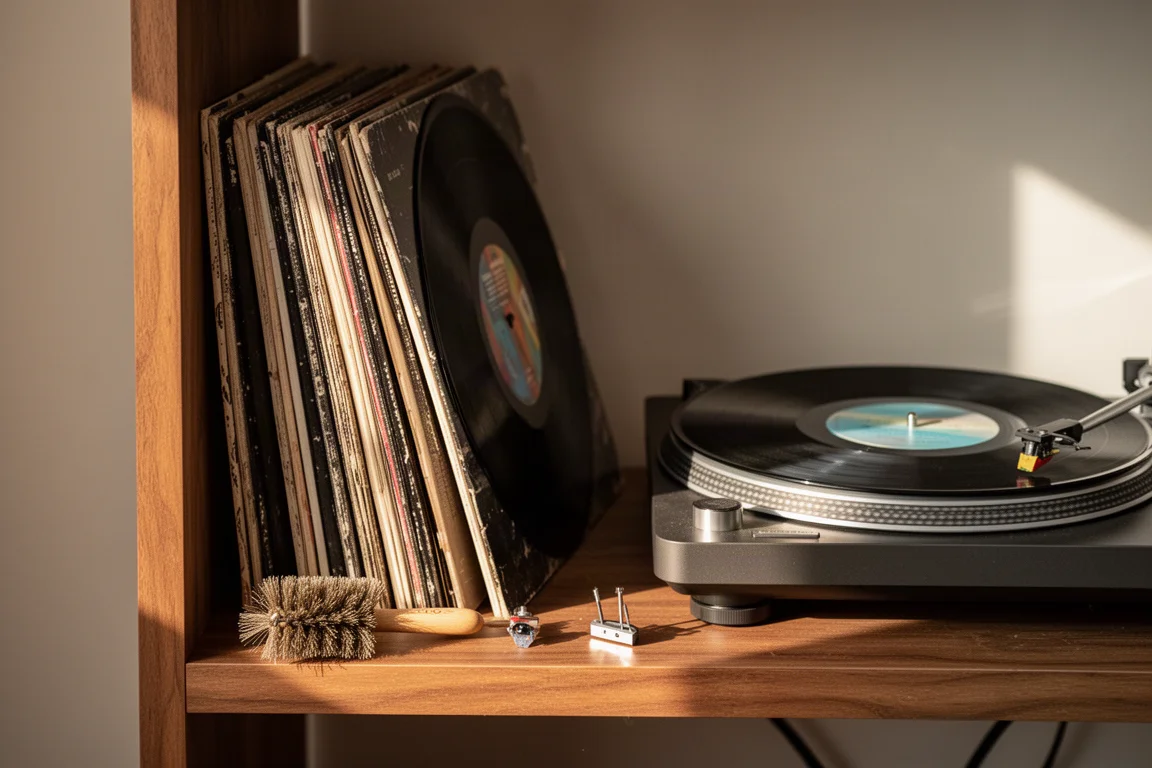
Cartridges are also the easiest way to re-voice a system. With a detachable headshell, changing a cartridge is quick work, and that makes the format unusually adjustable compared with most audio components.
Technics SL-1500C
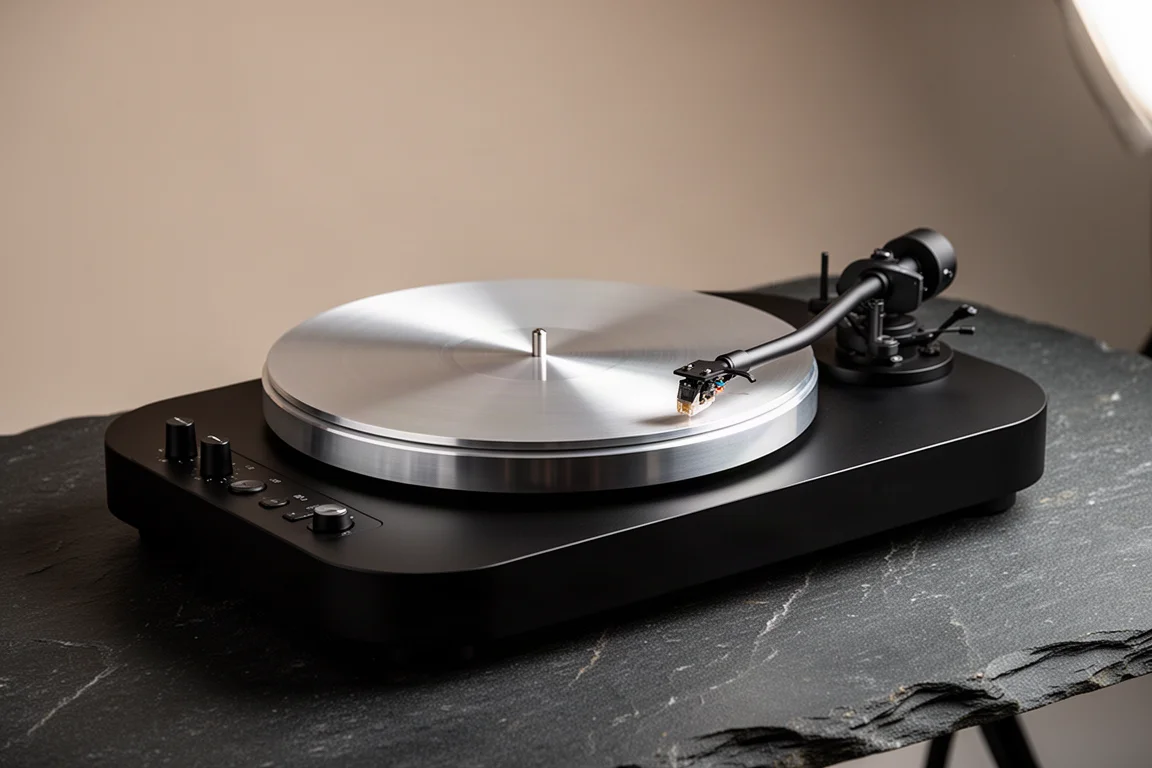
The SL-1500C is the least expensive turntable in the Technics line at $1,199, and it is the one that does not look like a DJ deck. There is no pitch slider and no strobe, just a clean plinth and a straightforward control set.
It arrives with a pre-mounted Ortofon 2M Red cartridge and a built-in phono preamp, so it can be played without buying anything else. The tonearm lifts automatically at the end of a record side, and the detachable headshell makes cartridge changes easy.
Its platter weighs 4.5 pounds. Arm height can be adjusted, but only by releasing the vertical lock and raising or lowering the arm without a calibrated reference, so fine tuning takes trial and error.
Technics SL-1200GR
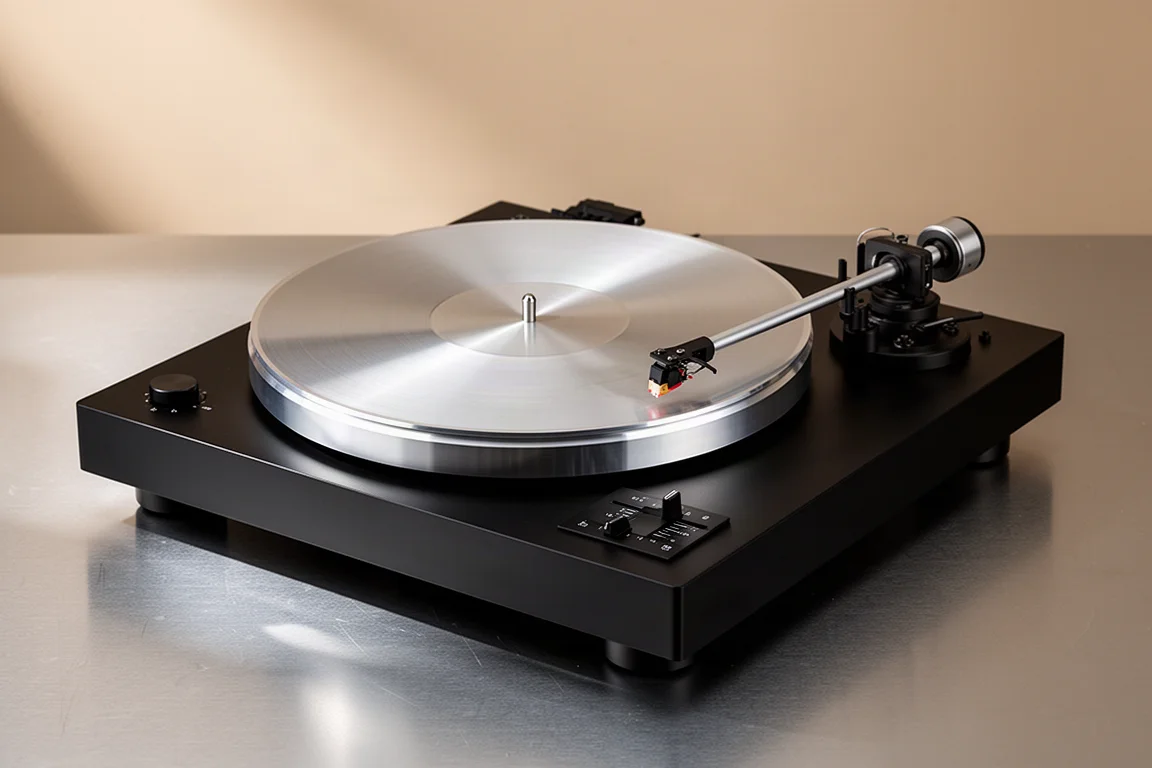
The SL-1200GR costs $1,699 and looks like the DJ turntables the line is known for. It does not include an auto lift, a built-in phono preamp, or a pre-mounted cartridge, so it is a bare deck that expects the rest of the system to be supplied separately.
It feels a little more solidly put together than the SL-1500C, and its platter weighs 5.5 pounds against 4.5 pounds. The cueing mechanism feels more secure, which matters more than it sounds like it should on a format you physically operate. Arm height is also adjustable with a calibrated control, so you know exactly how far you are moving the arm, and that makes fine tuning much easier when swapping cartridges.
With the same cartridge fitted to both decks, the two Technics models sounded broadly alike.
Schiit Mani
The Mani is a $129 phono preamp that supports both moving magnet and moving coil cartridges. Swapping the SL-1500C’s built-in stage for the Mani is not a dramatic change, but it adds a little more life and get up and go to the music.
Its weakness is character. It does not do anything obviously wrong, but it lacks vigor, which makes it a sensible first step rather than a long term home.
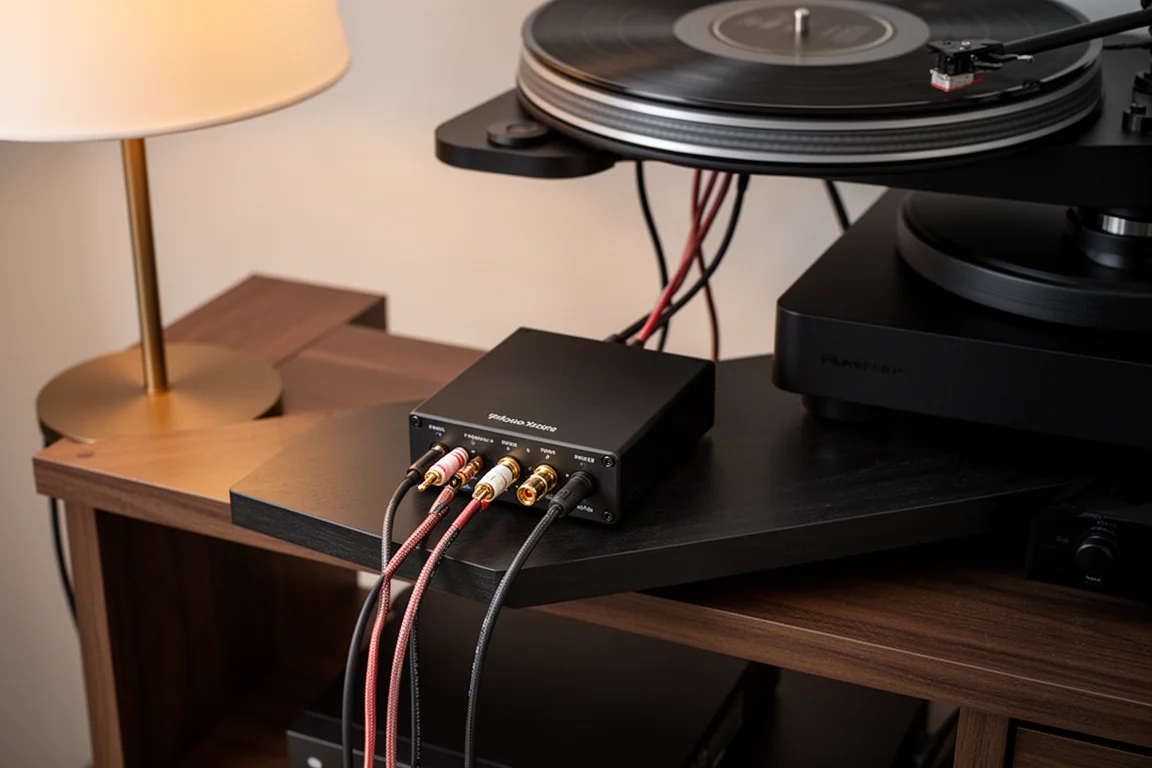
If you are running a turntable with a built-in phono stage, an inexpensive external preamp like this is a low risk way to find out how much the stage contributes.
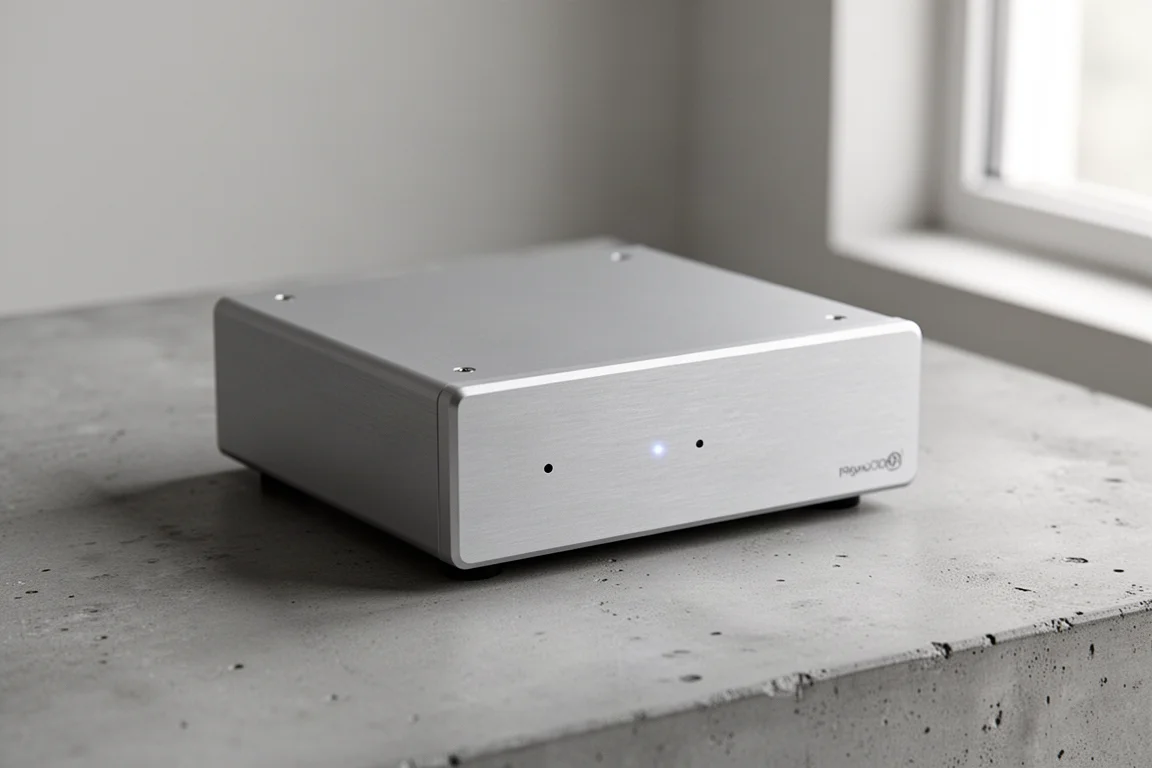
MoFi StudioPhono
The StudioPhono costs $350 and also handles moving magnet and moving coil cartridges. Moving from the Mani to this preamp was the single biggest improvement in the chain at that point, and the gap between the two was clear.
For moving coil use it offers higher gain and adjustable impedance. For $350 it is a strong performer and a natural partner for a turntable at this level.
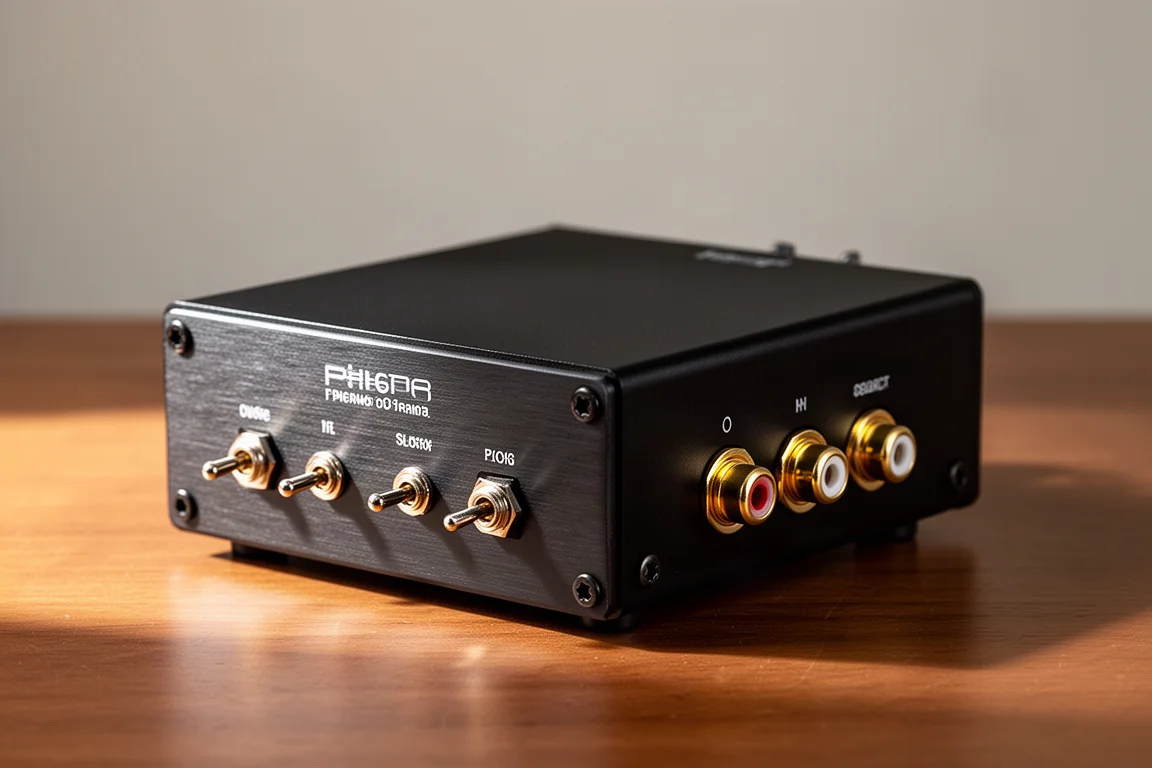
Ortofon 2M Red
The 2M Red is the moving magnet cartridge that comes pre-mounted on the SL-1500C. It sounds good and it does nothing wrong, but it is not the last word in analog fun and engagement. Many listeners will be perfectly happy to stop here.
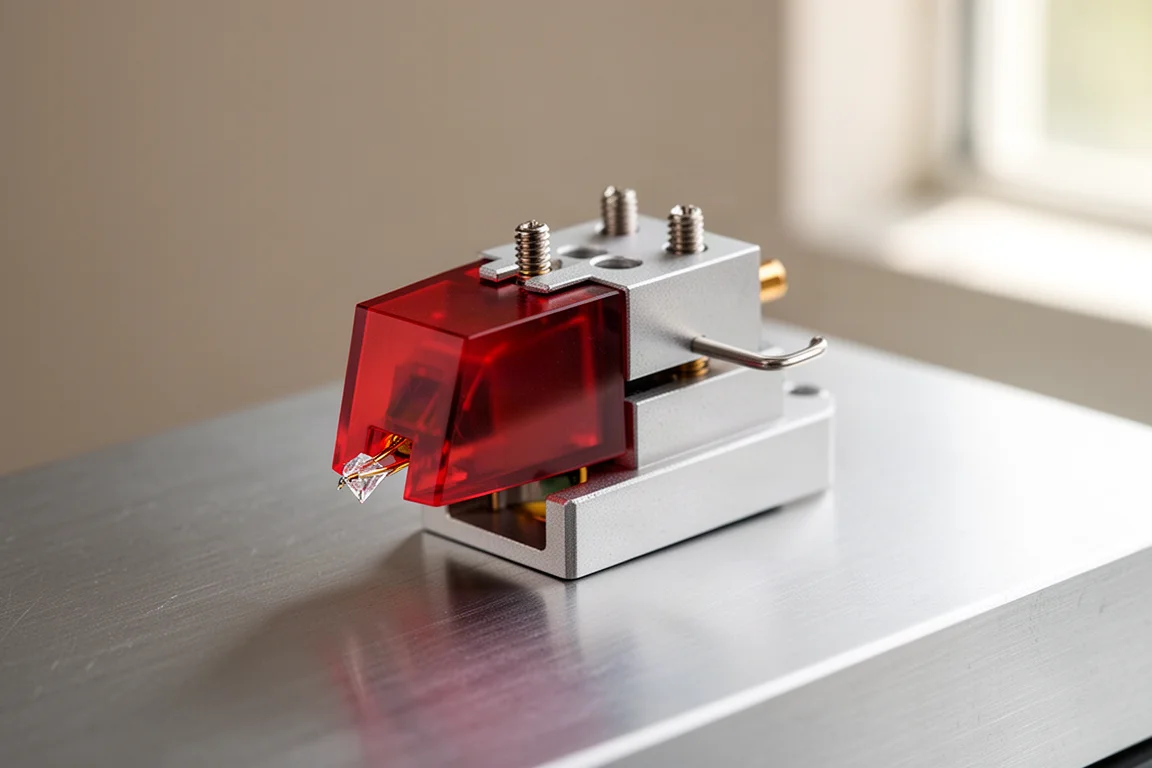
Ortofon 2M Blue
The 2M Blue is also a moving magnet cartridge, and it is a clear step up from the Red. It has more life, more detail, and more clarity, and its bass is tighter. Almost every aspect of the sound improves.
That makes it one of the more logical early upgrades for anyone who started with the stock cartridge on the SL-1500C.
MoFi MasterTracker
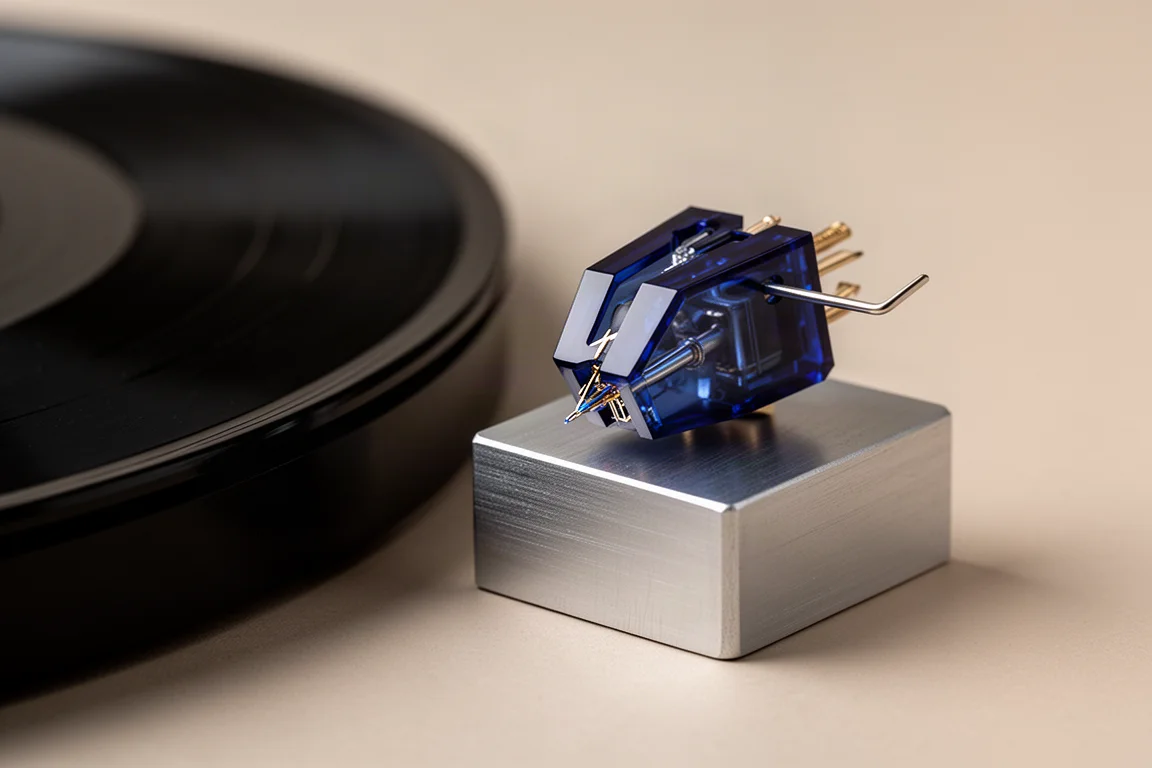
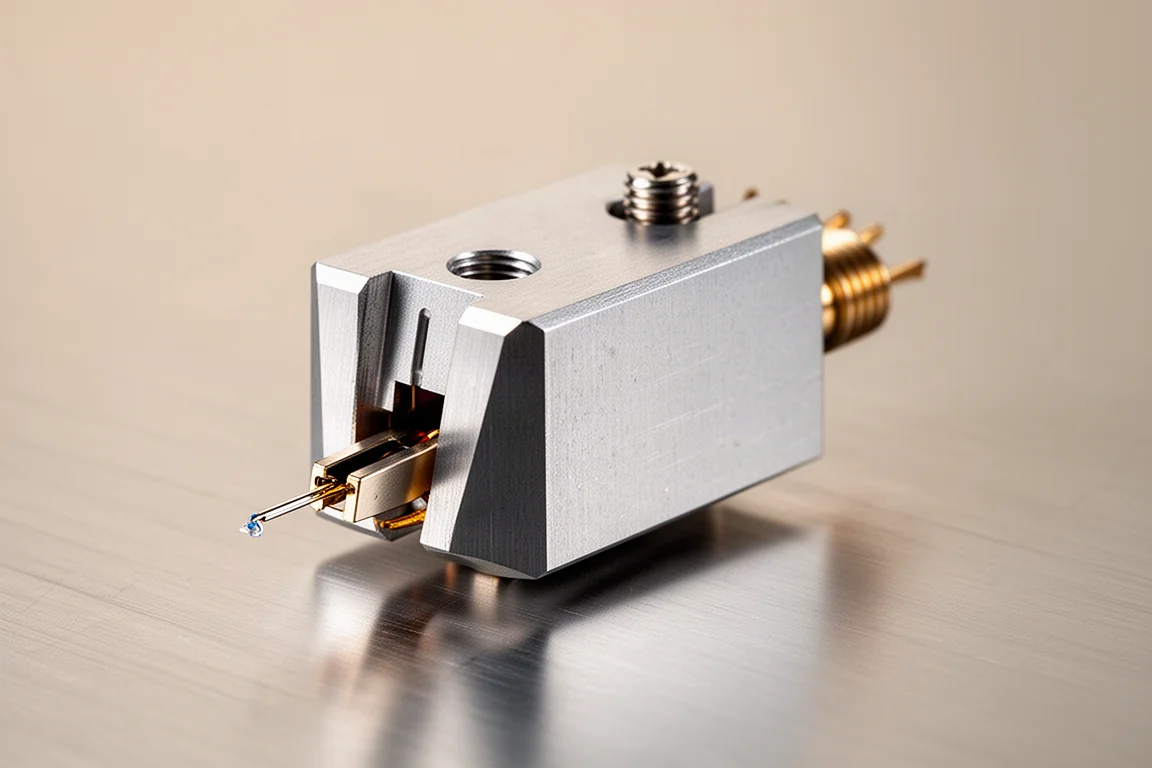
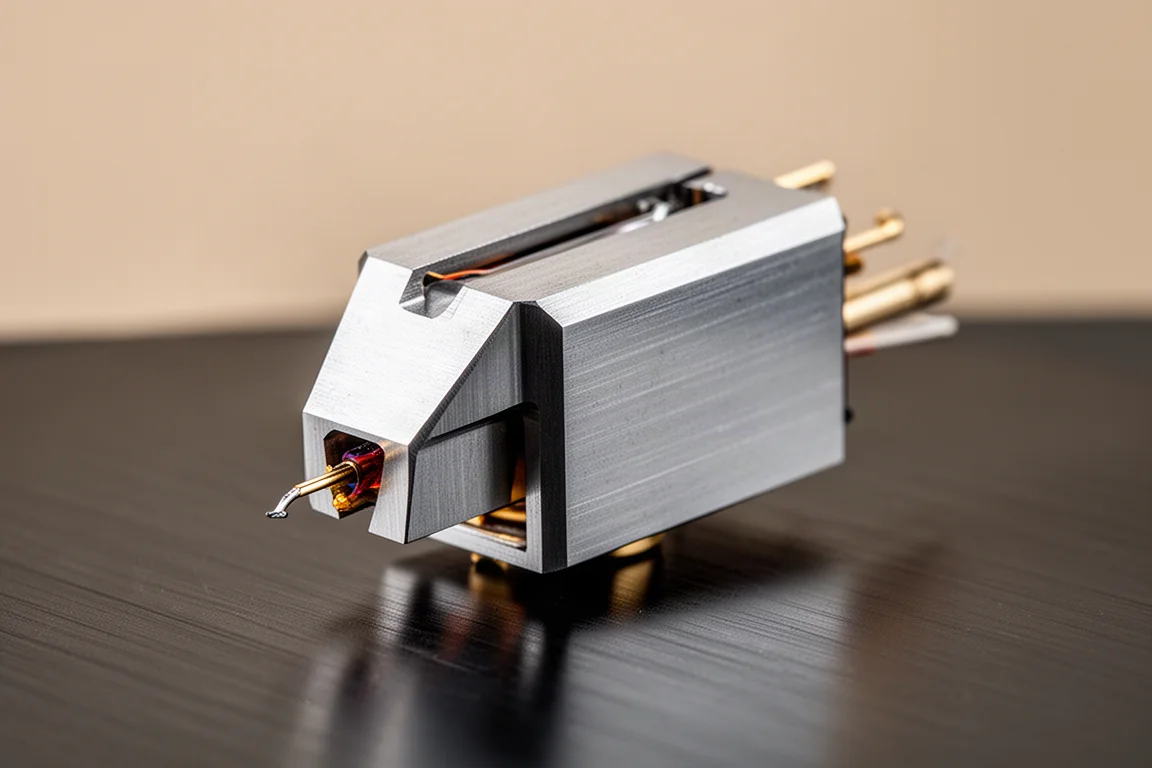
The MasterTracker is an $800 moving magnet cartridge made in Japan, with a body milled from a solid block of aluminum. It is chunky and substantial in the hand, and it sounds the same way: extremely dynamic, very powerful, and remarkably live.
On a record with real pulse and a strong female vocal, the cartridge made the singer sound present in the room rather than reproduced.
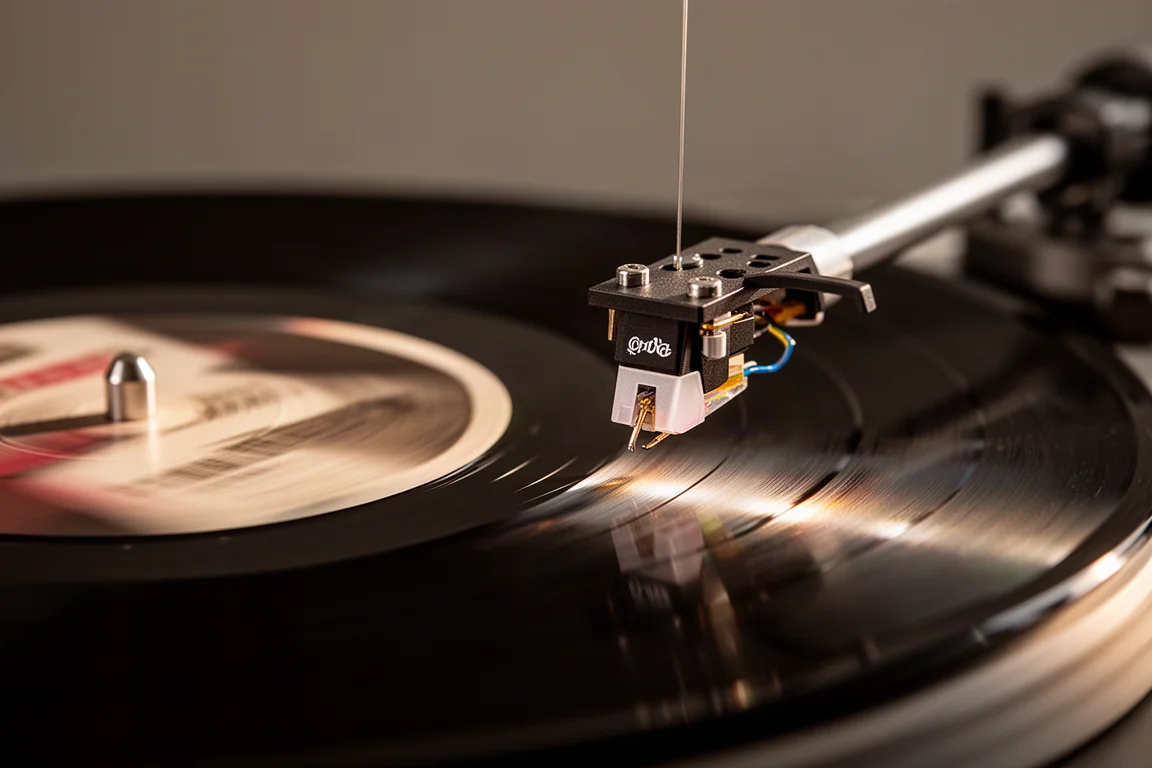
It is the most forceful cartridge in this group, and the one that most rewards records with energy and scale.
Denon DL-103
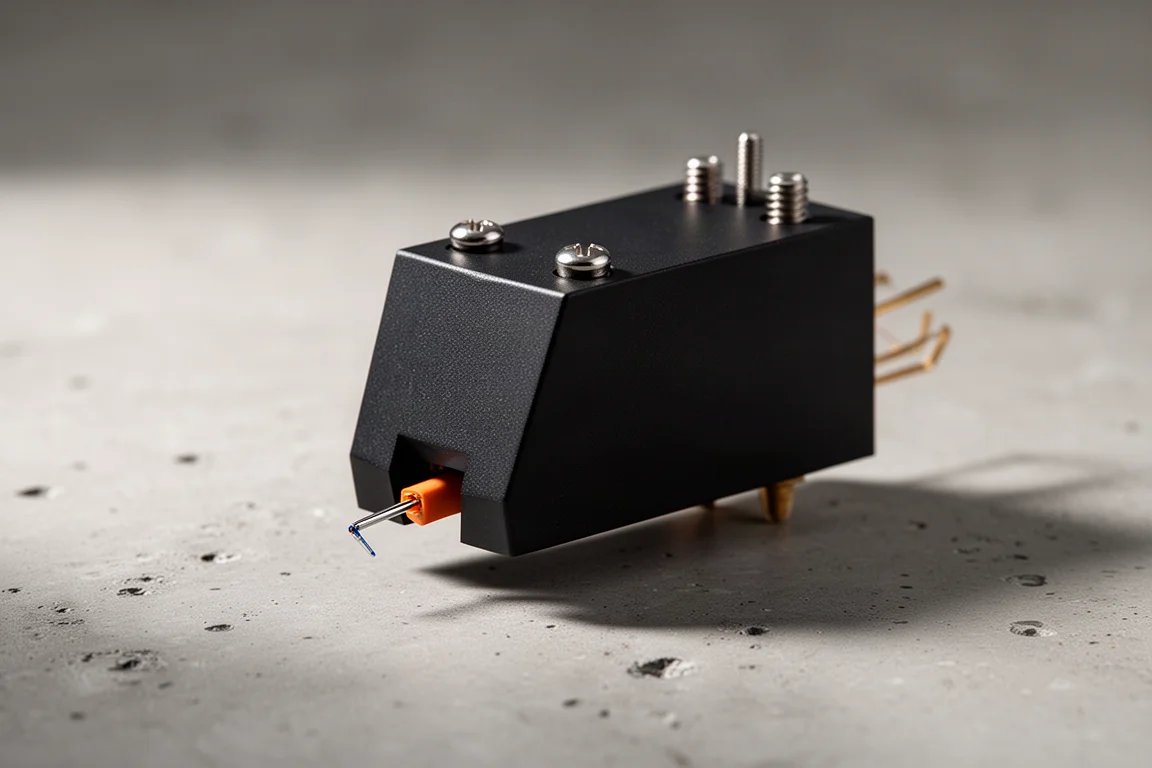
The DL-103 is a moving coil cartridge that went into production in 1962, originally built for radio disc jockeys on the Japanese radio network. It later found an audiophile following and has remained in production ever since. It costs $349 and uses a large, chunky plastic body.
Its character is very different from the MasterTracker. Where that cartridge is explosive, the DL-103 is gentle, laid back and still engaging. It can be played through a moving magnet input without obvious problems, and it improves further when the preamp is set for higher gain and the impedance is adjusted for moving coil.
Zu Denon 103
The Zu version of the DL-103 is a modified cartridge. The body is changed and some internal parts are revised, and it costs more than the standard model.
It retains the character of the DL-103 but turns it up, with more kick in the low end and more resolution. Detail and clarity from the groove are better than with the standard version, though the two are not wildly different.
Grado Reference Platinum 2
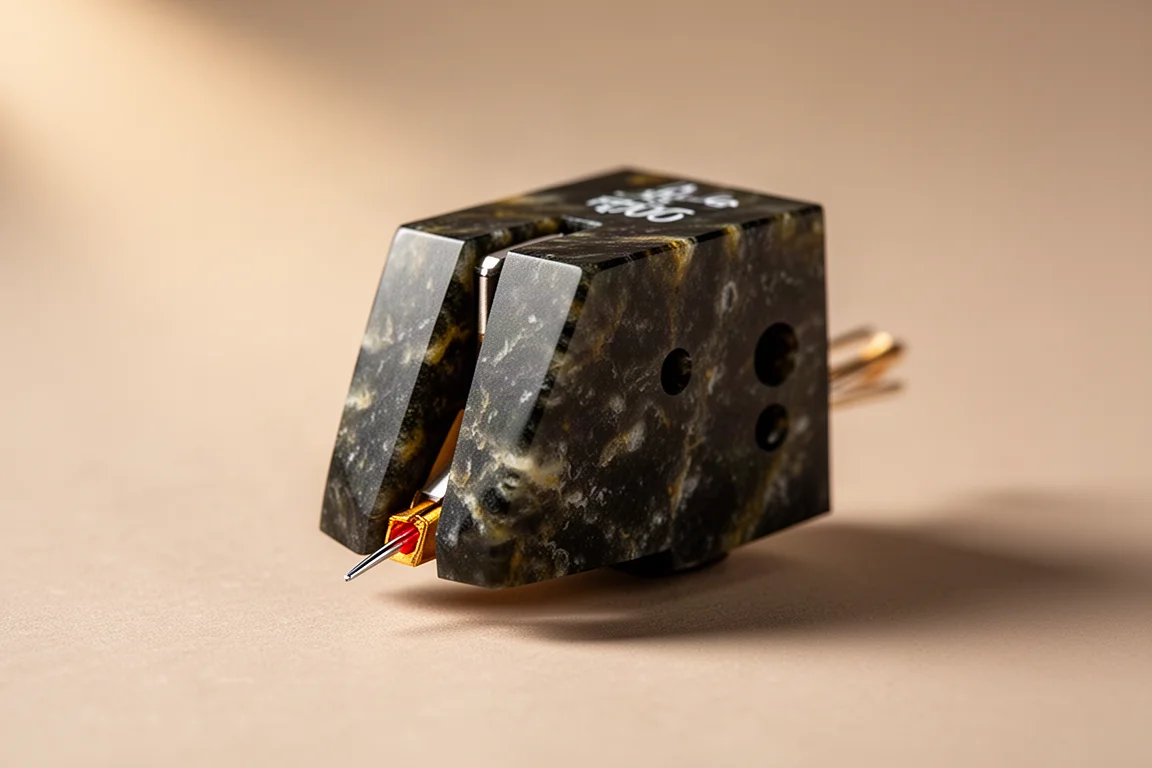
Grado builds its cartridges and headphones in Brooklyn, and the Reference Platinum 2 represents that line. This is not the current model, but it gives a clear sense of the family.
It is a heavy cartridge, and mounted in a heavy headshell it took some work to balance the tonearm. Once set up, it is bold, rich and powerful rather than intensely detailed. It is not the highest resolution or the most dynamic cartridge here, but as a pure enjoyment piece it was the most fun of the group.
Buying Advice
The order of upgrades matters as much as the individual parts. A turntable is the foundation, and both Technics models here are well established designs that will not need replacing soon. From there, the cartridge is the fastest way to change the sound, and the phono preamp is the piece most often underestimated.
If you are starting from scratch, a deck with a pre-mounted cartridge and a built-in stage, like the SL-1500C, is the lowest friction way in. If you plan to swap cartridges regularly, the SL-1200GR’s calibrated arm height adjustment and more secure cueing make it the more comfortable long term platform. On the electronics side, the Mani is a reasonable entry point and the StudioPhono is a meaningful step beyond it. On cartridges, the 2M Blue is the obvious move from the 2M Red, the MasterTracker is the most energetic option, the DL-103 is the gentlest, the Zu version adds resolution to that recipe, and the Grado is the most purely enjoyable.
Conclusion
Vinyl rewards experimentation, and the ten components here show why. The turntable sets the foundation, the cartridge changes the voice, and the phono preamp decides how much of that voice you actually hear. None of these swaps is difficult, and each one changes the result in a way you can hear.
If you are moving from belt drive to direct drive, or simply want a system you can keep adjusting, both Technics decks and the cartridge and preamp options above give you plenty to work with.
Further reading
Related Reviews

Backpacking Gear
Building a 10 lb Base Weight: An Ultralight Backpacking Gear List
A practical walkthrough of the ultralight pieces behind a 10 lb base weight, from a 765 g pack and a roomy one-person tent to a full camp chair and a dependable water filter.

Road Bikes
10 New Road Bikes Worth Watching: Aero, Titanium, Steel and Endurance Standouts
A practical roundup of 10 new road bikes, from aero flagships chasing single-watt gains to titanium, steel and endurance platforms built for real roads.

Bikepacking Gear
11 Bikepacking Essentials for Long-Distance Cycling
Eleven bikepacking essentials for long-distance cycling, from a steel gravel frame and a two-person tent to helmet lights, packable gloves, and a frame bag that puts weight in the right place.