Integrated Amplifiers
Technics SU-G700M2 vs Denon PMA-1700NE: Two Integrated Amplifiers Compared
A side-by-side look at two 70 W per channel integrated amplifiers, the Technics SU-G700M2 and the Denon PMA-1700NE, and how their sound signatures differ.
Introduction
Two integrated amplifiers, both rated at 70 watts per channel into 8 ohms, both priced within reach of a serious two-channel system, and both built to be the single hub of a stereo setup. The Technics SU-G700M2 and the Denon PMA-1700NE make that pitch in very different ways. One pursues speed, separation and a high-contrast presentation. The other pursues warmth, body and bass weight.
Both were run through the same reference loudspeakers, from a large floorstanding pair with 15-inch woofers to a compact standmount pair, with vinyl and CD sources. That made the differences between them easy to hear and easy to describe.
How These Two Amplifiers Differ
The most fundamental difference sits in the signal path. The Technics SU-G700M2 uses what Technics calls an all-digital amplifier design. It is not class D, not class A/B and not class A. Once a signal is inside the amplifier it is handled digitally, including vinyl: an analog record signal is converted to 192 kHz / 24-bit digital on entry.
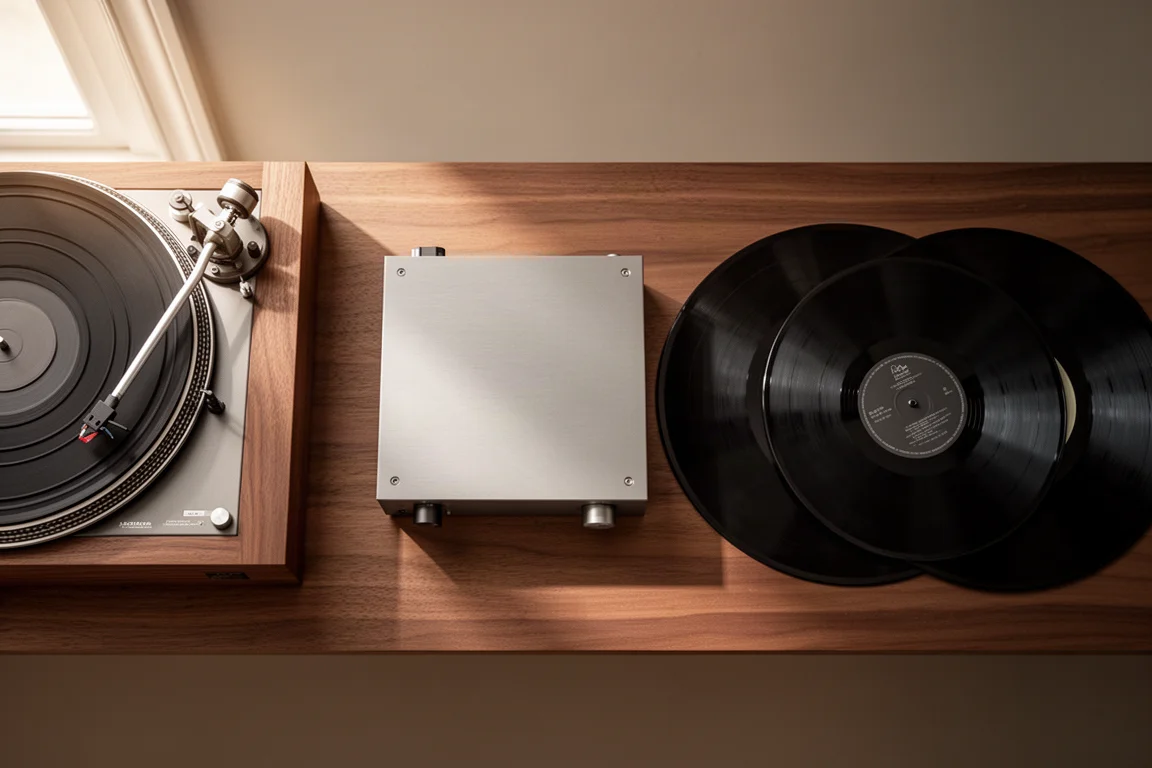
That design choice has a practical consequence. Adding an external digital-to-analog converter to the Technics makes little sense, because any analog signal arriving at the amplifier is converted back to digital anyway. The amplifier is effectively a complete package: add sources and speakers and the system is ready to play.
The Denon PMA-1700NE was run through its own phono input, and it produced a noticeably warmer and fuller sound from the same records. Both amplifiers are rated at 70 watts per channel into 8 ohms. The Technics is also rated at 140 watts per channel into 4 ohms, and it sells for $2,700, while the Denon sits at around $2,100.
Technics SU-G700M2: Features and Design
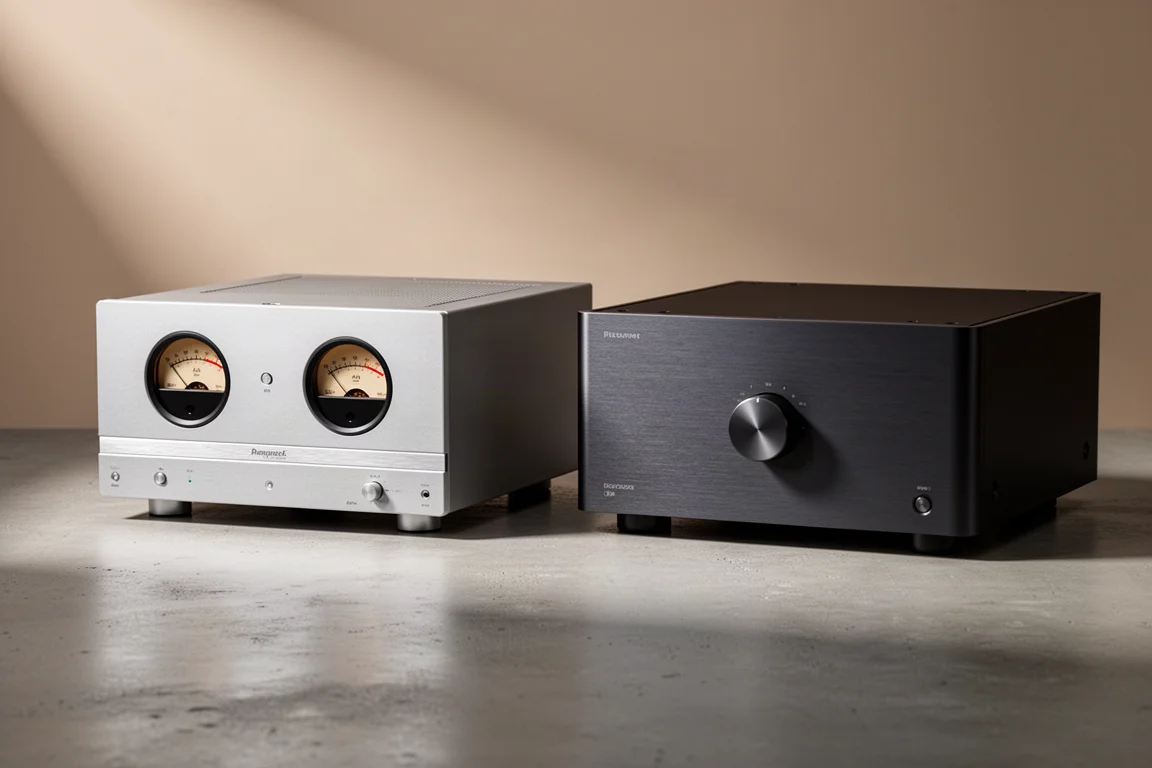
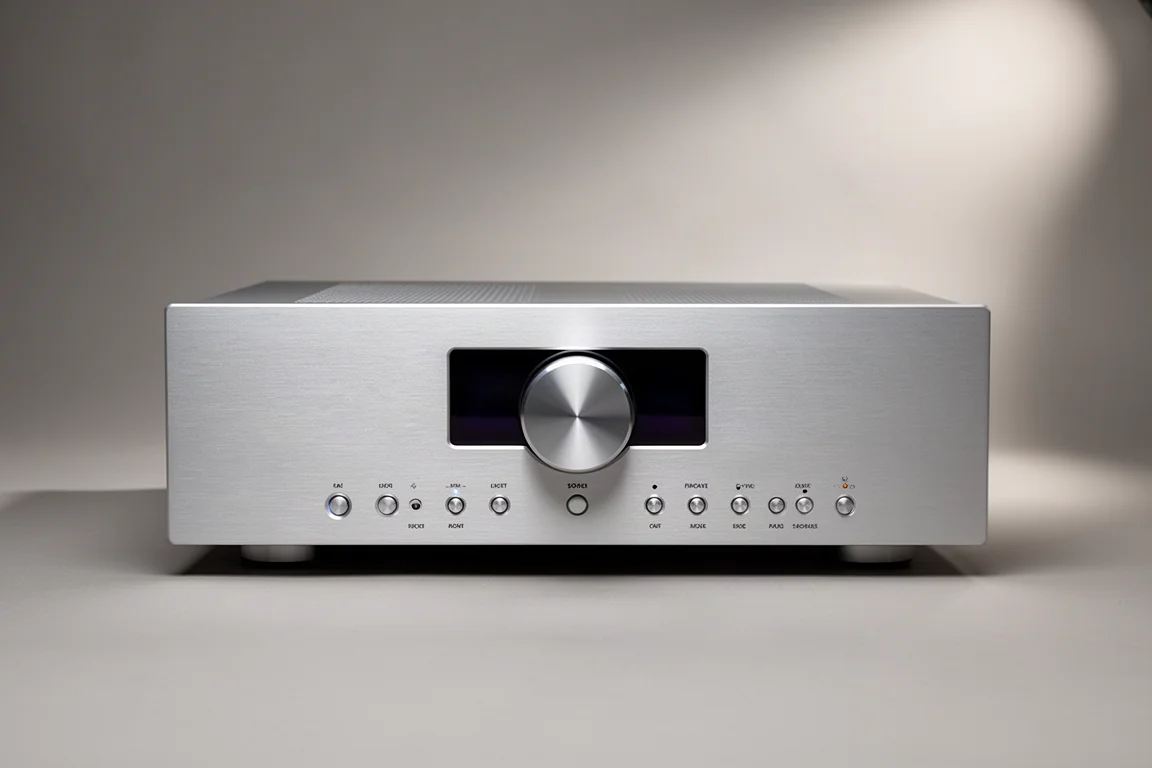
The Technics SU-G700M2 is a stereo integrated amplifier with a distinctly Japanese aesthetic: a slim, clean faceplate and two large power meters with real needles that move with the music. It comes in silver and black, and the silver finish in particular has a sleek, modern look.
Around the back, the connection set covers two coaxial and two optical digital inputs plus USB, alongside a moving coil and moving magnet phono input for turntables and two line-level inputs. The binding posts are notably chunky and solid, and they handle heavy speaker cables without complaint. Pre-amplifier outputs are provided in left and right pairs, which makes it straightforward to add a separate power amplifier or one or two subwoofers.
A 6.3 mm headphone jack sits on the front panel. Bass, treble and midrange controls are available, though they live in menus rather than on the faceplate. The control knobs themselves feel silky smooth. The remote is a metal and plastic design that looks fairly generic but is easy to use. The amplifier is designed in Japan and made in Malaysia, and it carries a three-year warranty, which is above average for the category.
The SU-G700M2 also includes load adaptive phase calibration. The amplifier runs test signals through the connected speakers and adjusts its output to suit them. The feature can be switched on and off, and the effect is audible.
Technics SU-G700M2: Sound Character
The character of the SU-G700M2 is contrast and definition. Each instrument and each vocal arrives in bold relief, standing clearly apart from the rest of the mix rather than blending into it. Bass definition is tight and fast, and the amplifier has a grippy, controlled quality that keeps low frequencies from smearing.
Ambient and electronic material revealed how far the soundstage could expand. Soft, floating textures filled the room and pushed the sense of space wider and wider, while small details stayed audible and distinct rather than being lost in the wash.
Against the Denon, the Technics came across as faster, cleaner and more separated, but also thinner. It carried less warmth and richness, and it was lighter on its feet in the lowest bass. That is a trade-off rather than a fault, and it is the reason the amplifier pairs so well with speakers that already lean warm: a compact standmount with a warm tonal balance benefited from the extra sparkle and shimmer.
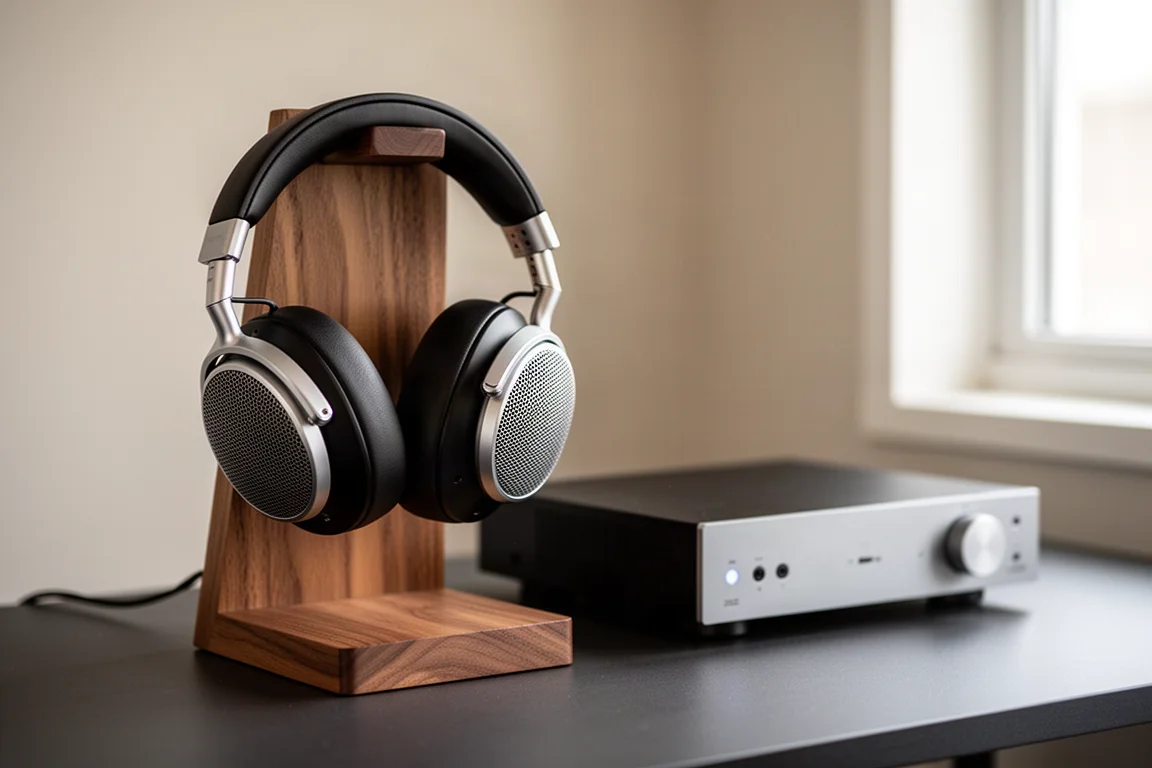
Headphones benefited too. With a pair of open-back planar headphones that can sometimes sound closed in, the SU-G700M2 opened up the soundstage considerably and made the presentation feel larger than usual. It is worth noting that the amplifier is clear rather than bright, and it is not a laid-back or soft sound.
Denon PMA-1700NE: Warmth and Weight
The Denon PMA-1700NE is rated at the same 70 watts per channel and sits in a similar price bracket, at around $2,100 against $2,700 for the Technics.
Its strength is tonal body. Through its phono input, records came across as bold, juicy and fat, with a richness that the Technics did not match. The lowest bass had more weight, enough that it could be felt rather than only heard. Acoustic material showed the same quality: layered vocals, strings and even whistling carried a soul and a body that made the performance feel present in the room.
The trade-off runs in the opposite direction from the Technics. The Denon gives up some separation and clarity, and instruments are less sharply outlined. For listeners who prioritise warmth and weight over absolute definition, that is a fair exchange.
Where the Two Amplifiers Diverge
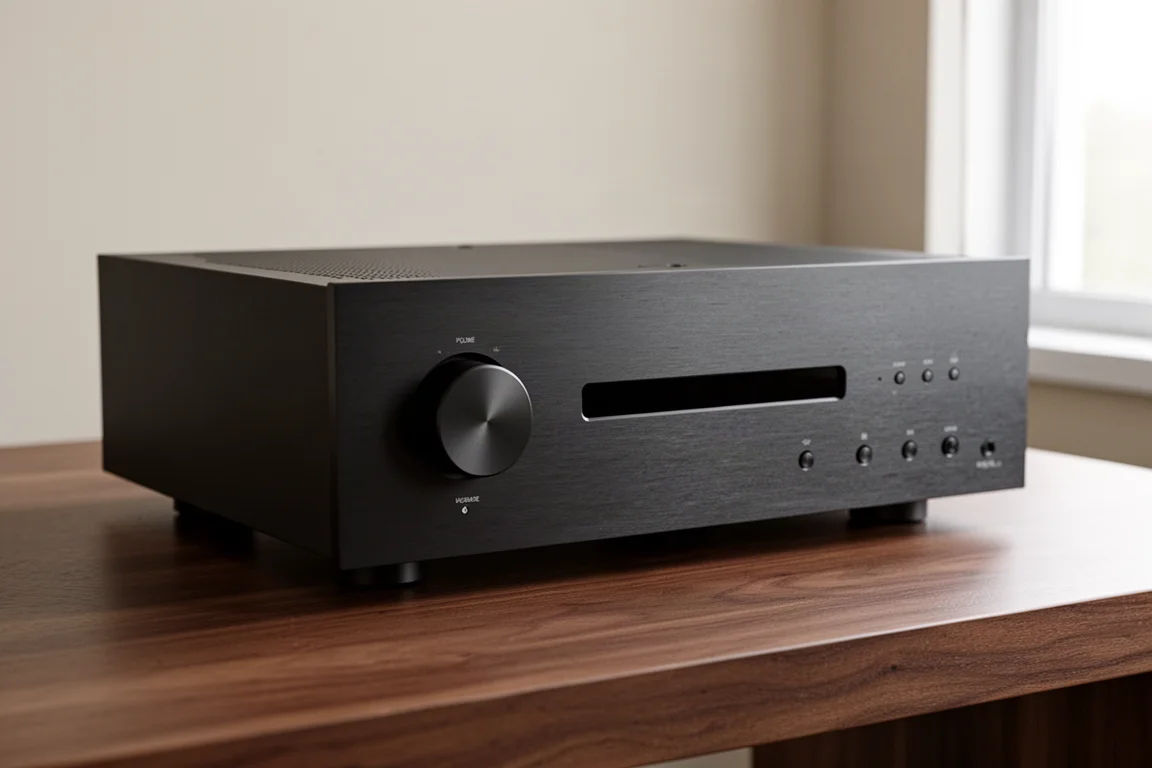
Played back to back, the two amplifiers pull the same recording in two directions. The Technics sharpens the edges: faster transients, cleaner lines, more air between instruments. The Denon rounds them: more mass in the lower registers, a fuller midrange, a warmer overall balance.

Neither approach hides detail. The difference is in emphasis. A dense rock recording with layered backing vocals came through on the Technics with enough clarity that a quiet guest vocal was easy to pick out, sitting plainly in the mix rather than requiring effort to find. The same record on the Denon traded some of that precision for a thicker, more rounded presentation.
The lesson is that these are not competing versions of the same sound. They are two different priorities, and the right choice depends on the rest of the system and on what the listener values most.
System Matching and Setup Notes
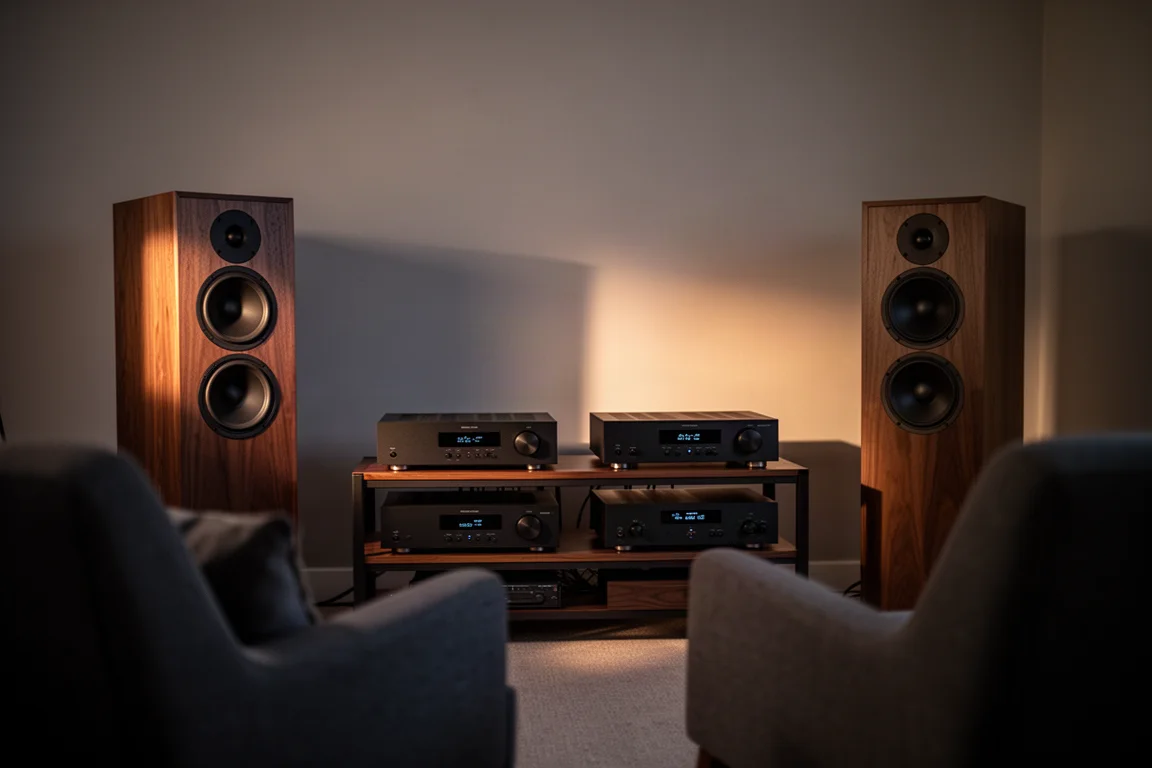
Speaker matching matters more than usual with these two. The Technics gave a large floorstanding speaker with 15-inch woofers a tighter, faster bottom end than expected, which is useful in rooms where bass can become loose. On a compact standmount, the amplifier’s energy and definition came through clearly and added welcome liveliness to an already warm speaker.
The load adaptive phase calibration on the Technics is worth engaging. It adapts the amplifier’s output to the connected speakers by running test signals through them, and switching it on and off makes an audible difference. It is not a dramatic transformation, but it is a genuine improvement.
The Denon rewards the opposite setup. Systems that already sound lean or forward will benefit most from its warmth and bass weight, and it will flatter speakers that need a little more body through the midrange.
Sources are straightforward on both. The Technics covers two coaxial, two optical and USB digital inputs plus moving coil and moving magnet phono, along with two line-level inputs. Its preamp outputs make subwoofer or power amplifier integration simple. It is designed in Japan, made in Malaysia, and comes with a three-year warranty.
Practical Buying Advice
Choose the Technics SU-G700M2 if clarity, contrast and instrument separation are the priorities. It suits listeners who want a fast, defined sound, who use warm-leaning speakers and want a little extra sparkle, and who value a complete one-box solution without an external DAC. The three-year warranty and the analog power meters are welcome extras at the $2,700 price.
Choose the Denon PMA-1700NE if warmth, body and bass weight matter more than absolute precision. At around $2,100 it is the less expensive of the two, and its fuller tonal balance will suit lean systems and listeners who want recordings to feel weighty and rich.
Neither amplifier is a laid-back, soft or mushy design. Both are clear and engaging. The question is simply which side of that balance a given system and a given pair of ears prefers.
Conclusion
The Technics SU-G700M2 and the Denon PMA-1700NE are both capable integrated amplifiers with the same power rating and similar ambitions, and they solve the same problem in opposite ways. The Technics delivers speed, separation and a high-contrast sound that makes every element of a recording sit in bold relief. The Denon delivers warmth, body and low-frequency weight that makes music feel full and present.
Match the amplifier to the character of the rest of the system, and either one will reward the investment.
Further reading
Related Reviews
Integrated Amplifiers
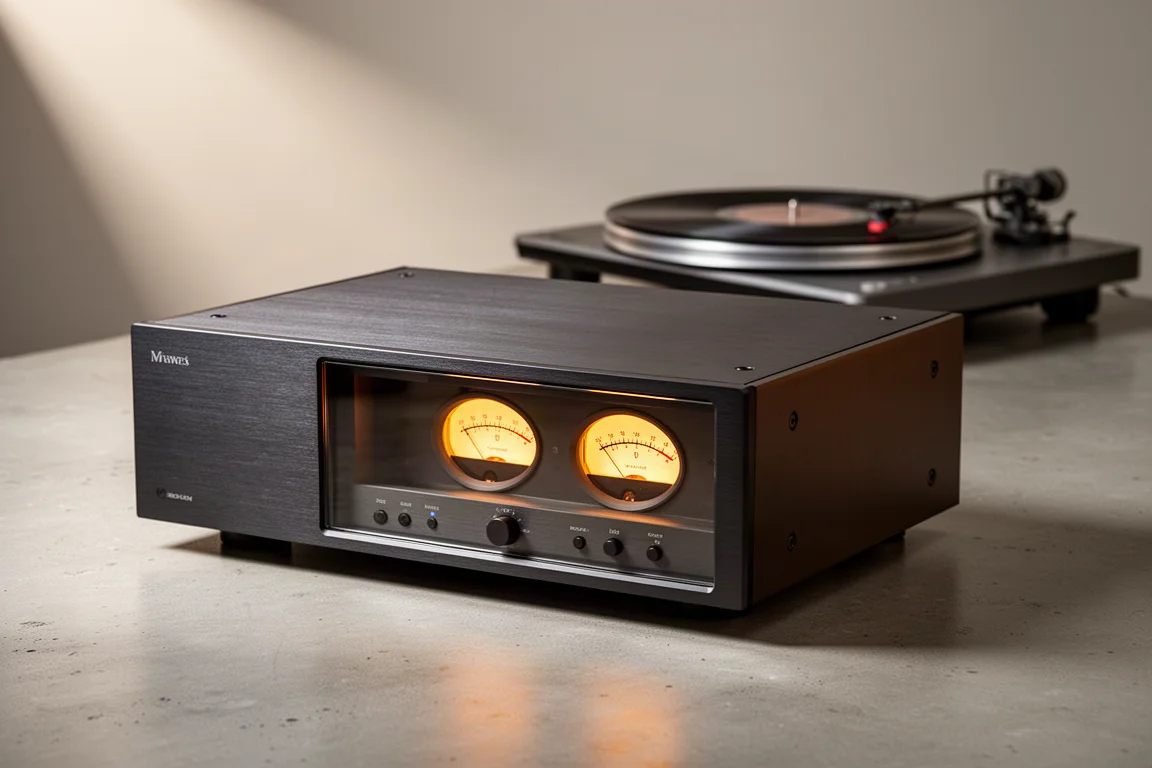
Advance Paris A10 Classic Review: Vintage Looks and a Lively, Punchy Sound
The Advance Paris A10 Classic pairs glowing blue VU meters and a tube stage with one of the widest input sets on any integrated amplifier. Here is what it does well and what to weigh before spending $2,500.
Integrated Amplifiers
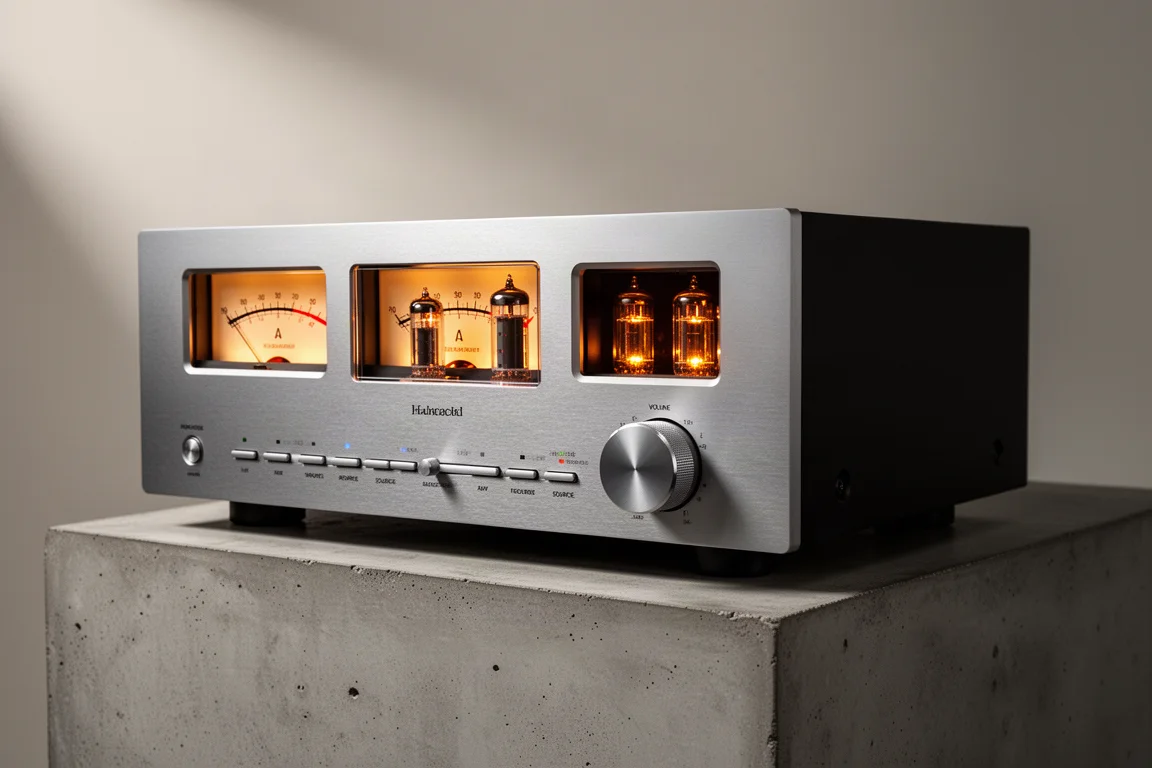
Advance Paris A12 Apex Review: A Modern Integrated Amplifier With Vintage Character
A dual mono integrated amplifier with 180 watts per channel, a tube front end, VU meters, and a connectivity list that covers turntables, televisions, computers, and headphones.
Integrated Amplifiers
Advance Paris Nova Range Review: AI130, AI190 and Modular Upgrades
A practical look at the Advance Paris Nova range, including the AI130 and AI190 integrated amplifiers and the modular streaming, Bluetooth and remote accessories that expand them.