Hi-Fi Amplifiers
Technics SU-G700M2 Review: A Refined All-Digital Integrated Amplifier
The Technics SU-G700M2 keeps the same chassis as its predecessor but reworks the phono stage and power supply. Here is what it does well and what it still leaves out.
Introduction
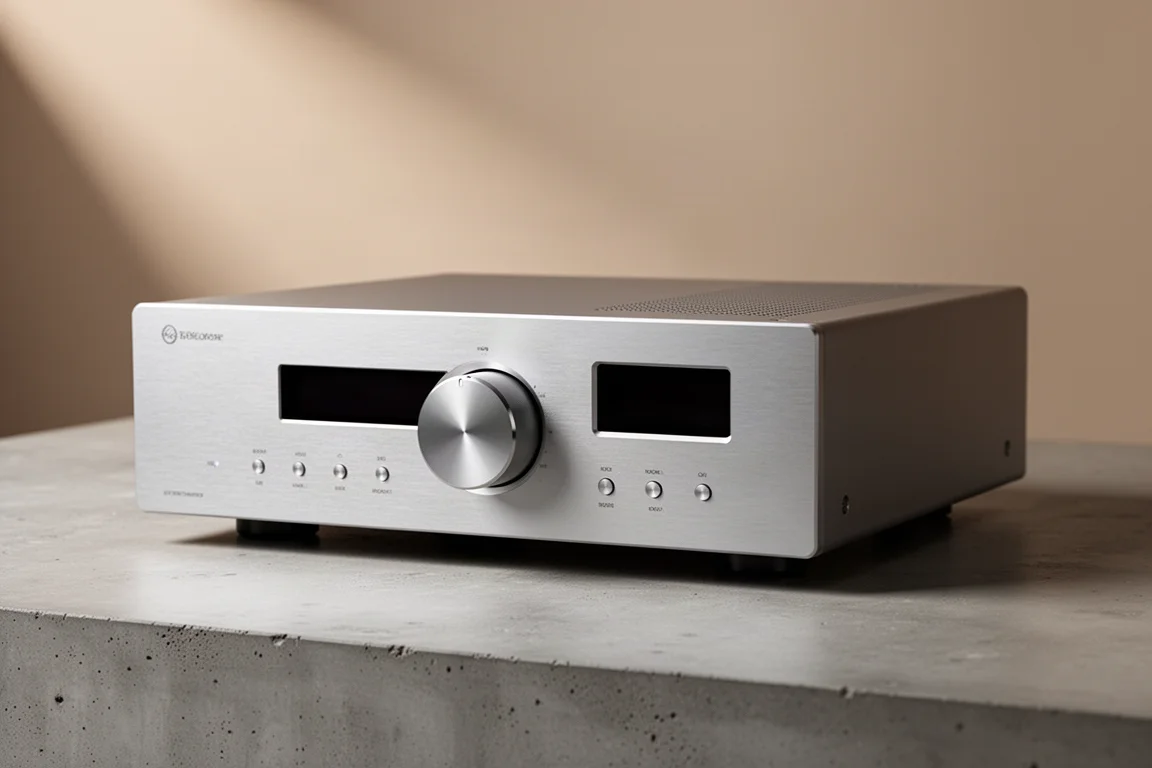
Technics earned a strong following with the SU-G700, and the SU-G700M2 arrives as its direct successor. From the outside the two amplifiers are essentially indistinguishable: the chassis, the front panel layout and the control set carry over unchanged. The meaningful work sits inside, where Technics has revised the phono stage, borrowed power supply refinements from a more expensive model, and kept the all-digital amplification approach that defines its current integrated amplifiers.
Power output is rated at 70 watts per channel into 8 ohms and 140 watts into 4 ohms. The SU-G700M2 is not a Class D amplifier, but it is an all-digital amplifier. With both analog and digital inputs on board, it connects to a digital music streamer or a disc player just as readily as to a turntable or a tape deck.
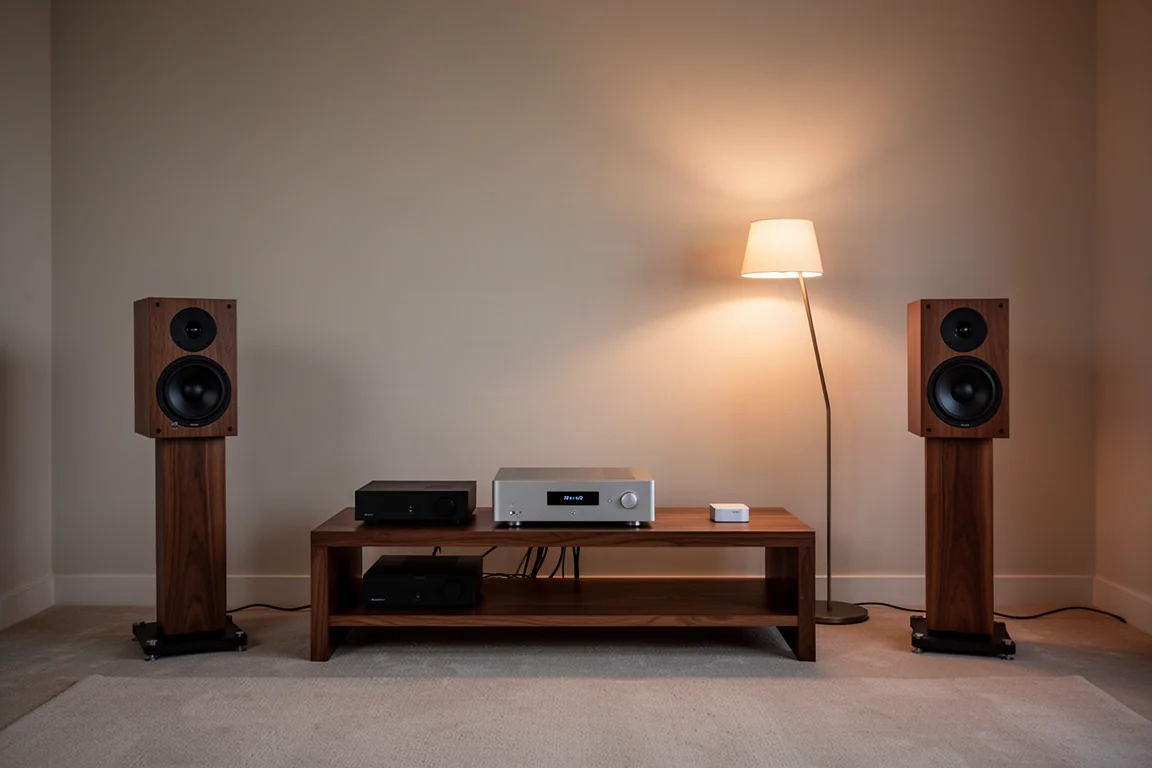
What separates the design from most integrated amplifiers is that every incoming signal, digital or analog, is handled in the digital domain, with analog inputs converted to 24-bit/192kHz before processing. That single decision shapes who this amplifier suits, and it is worth understanding before you buy.
Who This Amplifier Is For
The all-digital approach makes the SU-G700M2 an unusual proposition for listeners who enjoy mixing and matching components. There is no internal DAC, but adding an external one is unlikely to change the sound, because the incoming signal is processed by the pulse width modulation circuit and the JENO engine inside the amplifier regardless of how capable the source’s own conversion is. The same logic applies to analog sources: a turntable signal is converted to 24-bit/192kHz before it travels any further down the chain.
If you consider yourself a digital or analog purist, this is probably not the amplifier for you. For listeners who care more about the end result than the signal path, the design delivers a consistent, clean character across every input, and it removes the need to chase component matching to shape a particular sound.
Main Strengths
The Mark II brings a revised moving magnet and moving coil phono stage with a phase reversal switch, better grounding and improved internal shielding. It also inherits power supply refinements from the costlier SU-R1000. Alongside those changes, the amplifier uses the JENO engine and Technics’ LAPC technology, which calibrates how the amplifier drives the connected speakers. It is not room correction and it will not transform the audible performance of a pair of speakers, but it helps the amplifier and the speakers work in better harmony.
Sonically, the SU-G700M2 is clean, clear, smooth and effortless. It is not an amplifier with much character or tone of its own, which means it stays largely transparent to the source and lets the character of your speakers come through. Bass feels snappy, resolving and agile, with the same depth as its rivals plus an added sense of agility. The midrange is clean, articulate and full of inflection, giving singers a genuine in-room presence.
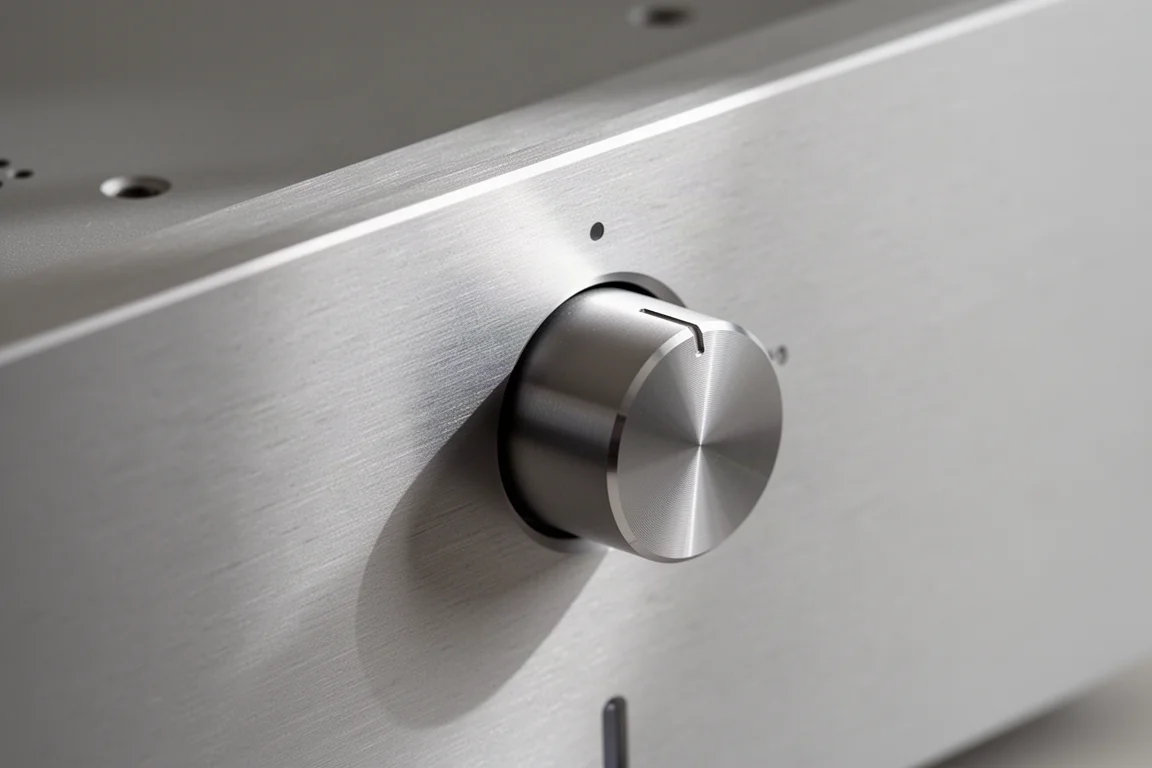
Treble is neutral and never becomes fatiguing or harsh, even at high volumes with brighter-leaning speakers. The amplifier is also dead silent at idle, which matters if you own high-sensitivity speakers and want a quiet background. Soundstage placement and separation are excellent, extending beyond the boundaries of the speakers in both width and depth, and dynamics improve as the volume rises without the amplifier compressing tonally or spatially.
Sound Quality and System Matching
This amplifier responds well to speaker choice. Across the Bowers & Wilkins 805 D4, Klipsch Cornwall IV, Q Acoustics Concept 50 and Technics SB-G90M2, every pair sounded good, with the Concept 50 delivering the strongest match. Analog duties were handled by a Pro-Ject Debut Carbon Evo with its stock cartridge, while streaming came from a Bluesound Node alongside an LG C2, a Sony X95K and an Apple TV 4K.
Compared with the more expensive SU-R1000, a difference is audible. The R1000 adds weight and control that shows up most clearly in the bass and low mid-bass, rendering each note with more dimension and a greater sense of three-dimensional space. The gap is not subtle, but then neither is the price difference between the two models.
Things to Consider Before Buying
The feature list is where the SU-G700M2 shows its limits. There is no Bluetooth streaming and no HDMI input, and the missing HDMI connection is the more frustrating omission given how common that interface has become. Buyers who want a more inclusive package for roughly the same money will find more inputs and more streaming options elsewhere.
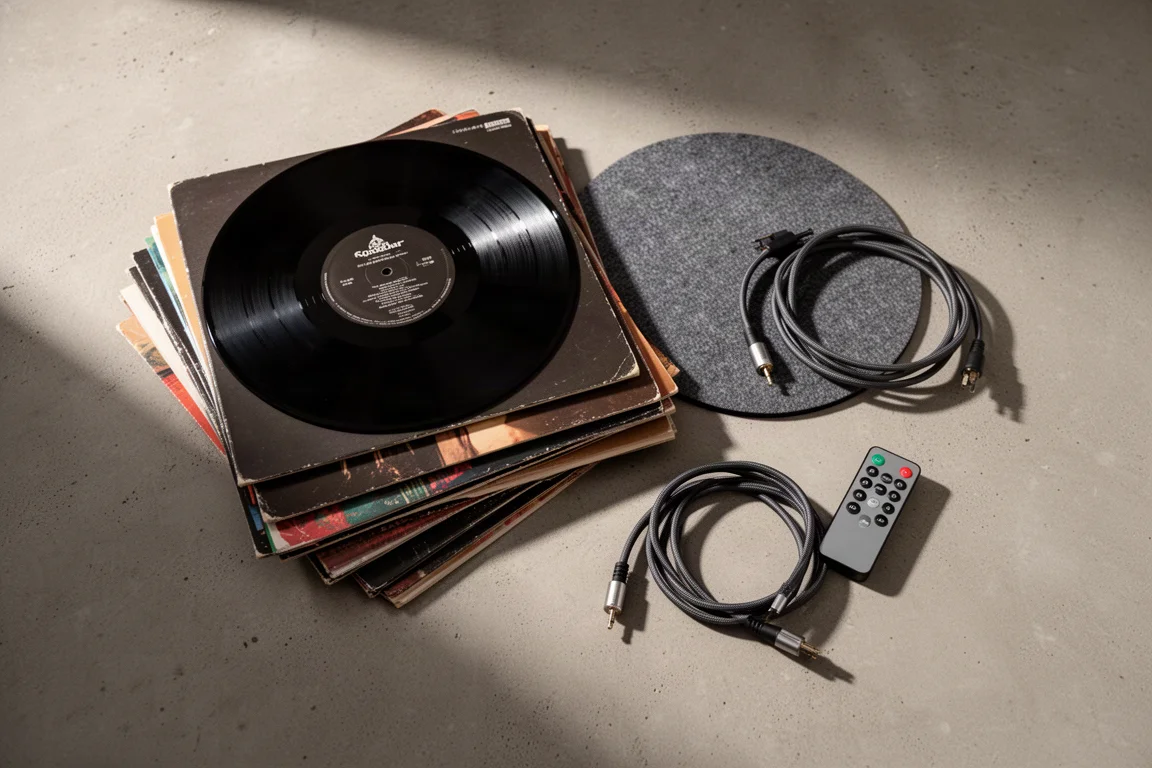
The analog-to-digital conversion also changes the vinyl experience. Records played through the SU-G700M2 sound cleaner than they do through a traditional all-analog setup, which means some of the imperfections that many listeners associate with vinyl are smoothed away. If you want your records to sound like records rather than high-resolution files, this is worth weighing carefully.
The phono stage also stops short of the self-calibration feature found on the SU-R1000, and the LAPC routine is not room correction, so it will not compensate for difficult room acoustics. None of these points make the amplifier hard to live with, but they are the trade-offs that come with its particular design philosophy.
How It Compares With Other Amplifiers
Against the NAD C399 and the Marantz Model 40n, the Technics has the snappier, more resolving and more effortless bass, while the NAD can sound dampened and occasionally dull in the low end by comparison. The Marantz remains the toughest rival because it is a more inclusive package for roughly the same money, and both it and the NAD represent strong overall value even if the Technics looks and sounds better.
The Audiolab 6000A Play costs noticeably less and is not a direct competitor on price, but the Technics is the better amplifier of the two. Buyers who prioritize connectivity over outright sound quality have alternatives to consider, including models that offer HDMI for a similar outlay.
Buying Advice
If you already own the original SU-G700, there is no compelling reason to upgrade. The step up in sonic performance is not large enough to justify the change. If you do not already own one, the SU-G700M2 is the version to buy, and it is worth buying when you find it in stock rather than waiting for a better moment.
Pricing sits about $200 above the original at launch, which is a modest increase for a new generation. The original SU-G700 has largely disappeared from shelves, while the Mark II has started appearing in stock at a few retailers. Given how inconsistent availability has been across the category, acting when a unit is available is the sensible approach.
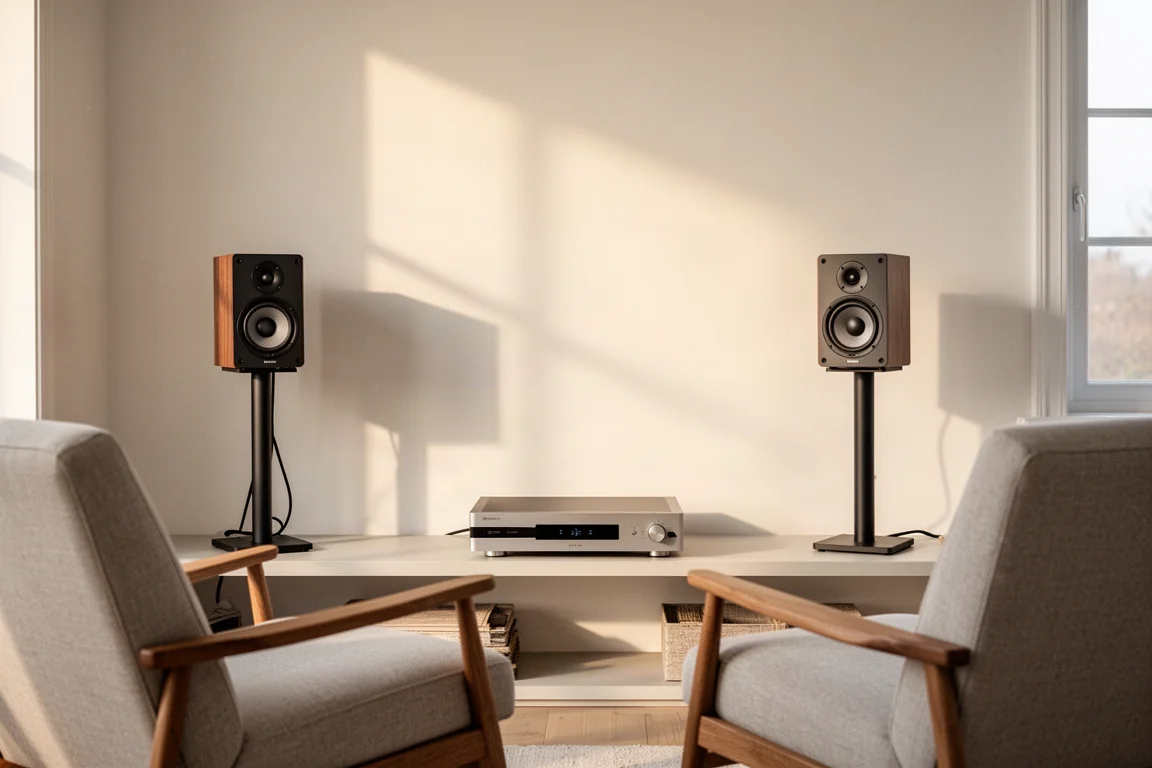
For most listeners, the decision comes down to priorities rather than performance: the SU-G700M2 delivers an excellent amplifier section in a chassis that looks and feels considered, and it rewards buyers who value simplicity and sound over an exhaustive feature list.
Conclusion
The SU-G700M2 is less a new amplifier than an incremental improvement on a design that already worked. It remains a special amplifier, a leader in its class, and one that stands out for its transparency, its quiet operation and its control over the speakers connected to it. Buyers who want the Technics amplifier section paired with the feature set of a modern streaming integrated will have to make a choice, but when sound quality and simplicity come first, the SU-G700M2 makes a strong case for itself.
Product link
View more details for Technics SU-G700M2
This product is mentioned in the review. Check the specifications, options, and compatibility before buying.
View more details for Technics SU-G700M2Further reading
Related Reviews
Hi-Fi Amplifiers
Accuphase E-280 Review: Entry-Level Accuphase With Flagship Attention to Detail
A close look at the Accuphase E-280 integrated amplifier, covering its champagne build, AAVA volume control, sound quality, and the speakers and sources that suit it best.
Hi-Fi Amplifiers
Advance Paris A10 Classic vs Yamaha A-S301: Two Integrated Amplifiers Compared
A practical comparison of a $350 integrated amplifier and a $2,500 reference model, covering the differences that matter and the ones that do not.
Hi-Fi Amplifiers
Affordable Chinese Amplifiers Worth Buying: Five Budget Hi-Fi Amps Compared
A practical look at five affordable amplifiers, what each one does well, and the trade-offs to weigh before you buy.