Turntables
Technics SL-1300G Review: A High-End Direct Drive Turntable Without the DJ Look
A close look at the Technics SL-1300G, a three-speed direct drive turntable at $3,300 that trades some of the SL-1200G's mass and damping for a cleaner design and a lower price.
Introduction
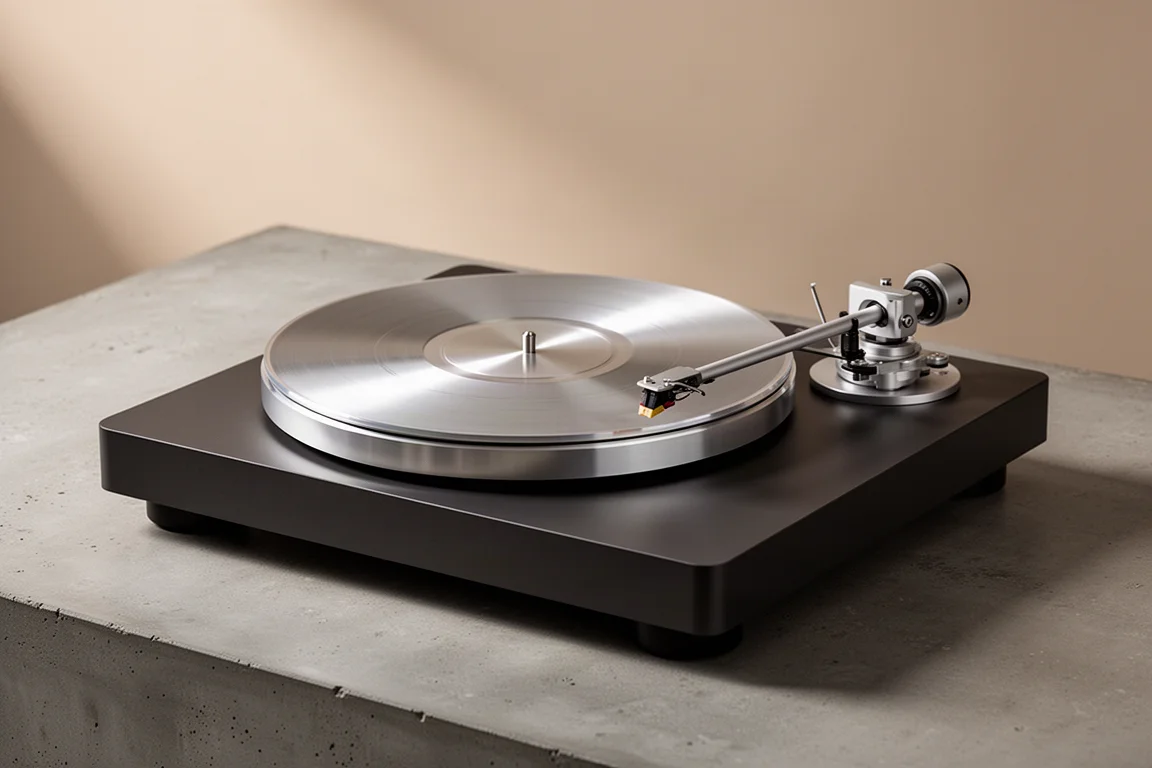
The Technics SL-1300G is a direct drive turntable priced at $3,300, and it arrives with the design brief a lot of vinyl listeners have been asking for: a high-end Technics that does not look like a DJ deck. There is no pitch slider, no strobe markings on the platter, and none of the other visual cues that mark a turntable as club equipment. What is left is a clean, unmistakably Technics design that reads as home hi-fi first.
It is also $1,000 less expensive than the Technics SL-1200G, which sells for $4,300. That gap raises the obvious question of what the extra money buys, and where the SL-1300G gives ground. This review works through the differences in build, arm design, and sound.
Who the Technics SL-1300G Is For
The SL-1300G suits listeners who want a serious direct drive deck in a home system rather than a tool for mixing. Its three-speed operation covers 33, 45, and 78 RPM, so a shelf of 78s is not left out, and a dust cover is included.
Because there is no pitch slider and no strobe ring around the platter, the deck reads as domestic audio equipment. For anyone who wanted Technics engineering without the club aesthetic, that is the entire point of this model.
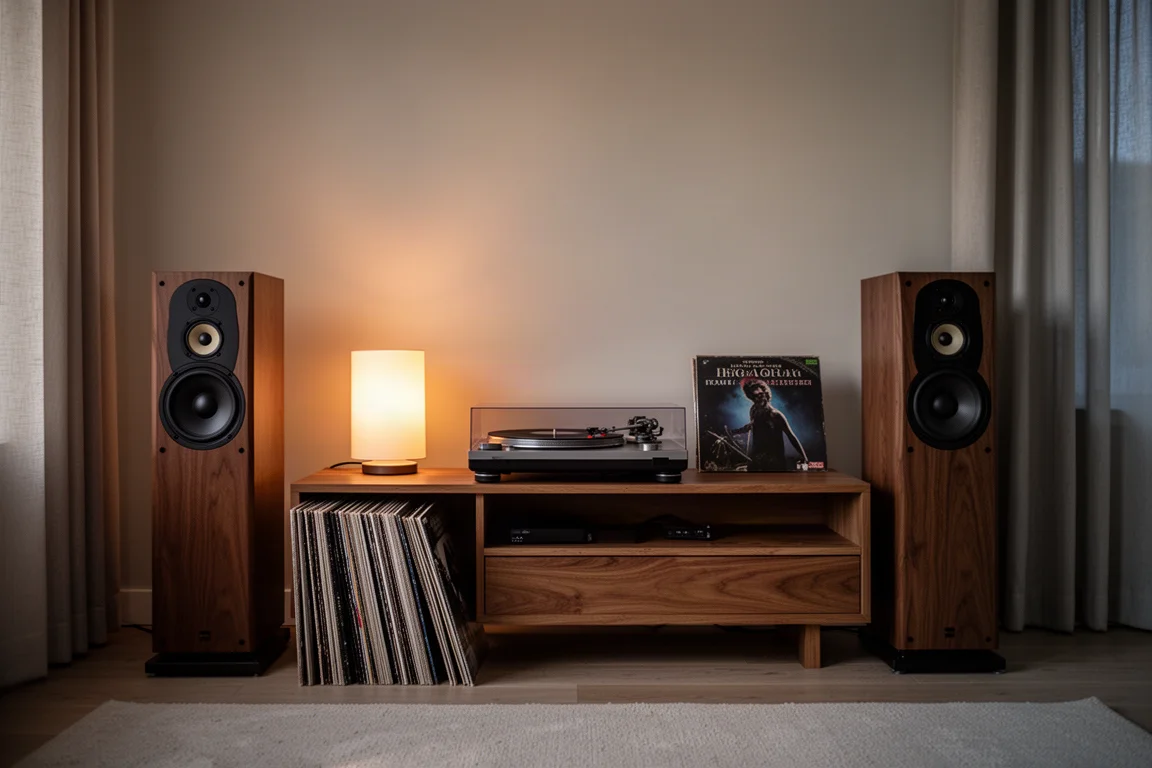
It is also the more affordable way into this level of the range, at roughly $1,000 below the SL-1200G. What that saving costs you in practice is the subject of the sections below.
Design and Build Quality
Both turntables use a diecast aluminum platter with a 2 mm brass top surface, and both platters weigh the same at 8 lb. The decks themselves differ far more. The SL-1300G weighs 28.6 lb, while the SL-1200G weighs 40 lb.
That difference is easy to feel. Tapping the top surface of the SL-1300G produces a hollow, resonant note, while the same tap on the SL-1200G lands as a dull thunk, a result of the more absorptive material inside its base. Nobody taps a plinth while a record is playing, but the comparison does say something about how solid each deck feels in the hand, and the SL-1200G is the more substantially built of the two.
The top surface of the SL-1300G is diecast aluminum, and it is impressive in its own right. The SL-1300G also uses a new motor, a new power supply, and a new speed regulation system compared with the SL-1200GR2.
Tonearm, VTA, and Cartridge Flexibility
The two tonearms are very similar in layout, with one material difference: the SL-1200G uses a magnesium arm tube, while the SL-1300G uses an aluminum one. Cueing is silky smooth on both, although the lever on the SL-1300G does not feel quite as good under the hand as the one on the SL-1200G.
Vertical tracking angle adjustment is where the SL-1300G makes a real step forward. Its arm can be lowered further than before, which means the arm tube can actually be set parallel to the record across a wide range of cartridges. On the SL-1200G the arm tended to sit a little high. It is a small detail rather than a dramatic one, but it has finally been addressed.
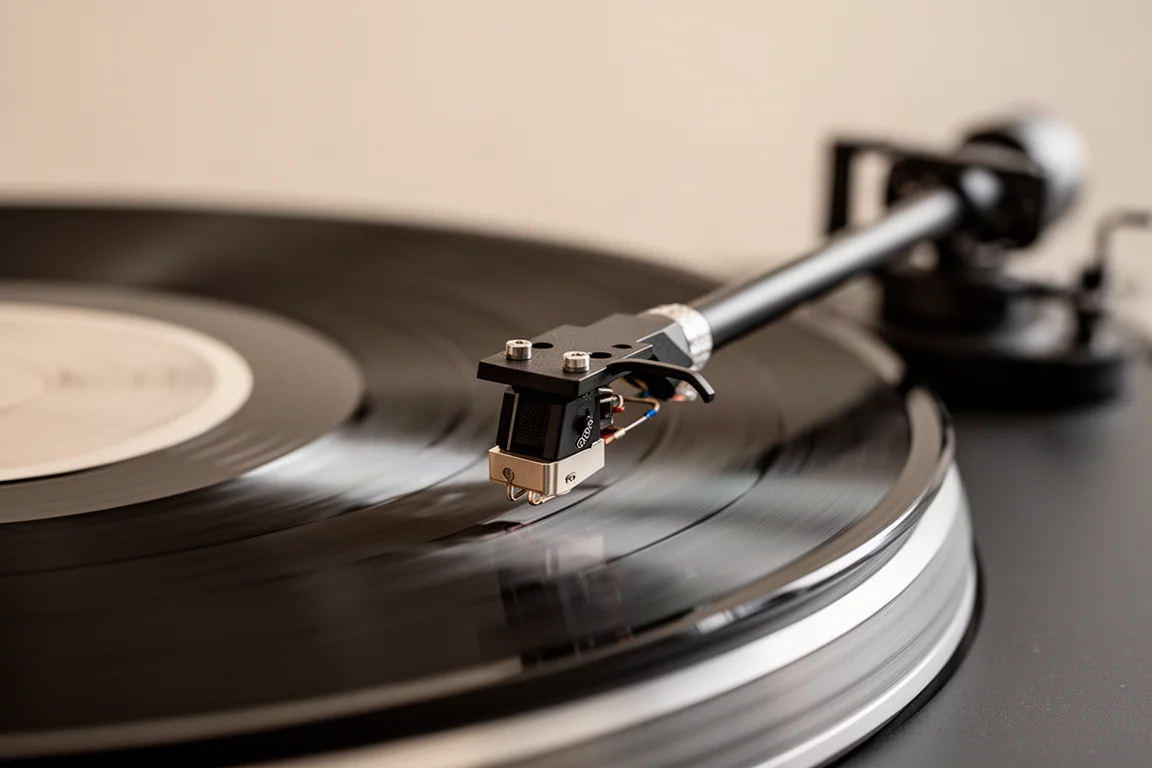
Setup is quick in practice. Mounting a cartridge and dialling it in is a short job, and moving the same cartridge between two decks takes less than a minute, which makes comparing tonearms and plinths unusually straightforward.
How the SL-1300G Sounds
With a high-end moving coil cartridge in the region of $2,000, and with a $400 moving iron cartridge that behaves like a moving magnet in use, the SL-1300G showed the family character immediately: excellent low-level detail and resolution, and firm timing and rhythm. Dense 1960s rock records and big-band jazz came across with momentum, the sense of a band playing together in a room rather than a sequence of separate parts.
Set against the SL-1200G, the SL-1300G places the music slightly closer and more immediately in front of the listener, with a touch more focus. The trade-off is scale. On a large jazz ensemble recording, the SL-1200G filled the room more convincingly, separated the instruments further apart in space, and reached deeper into quiet detail. The SL-1300G could sound a little smaller and a little more like a recording, where the SL-1200G sounded more like music.
Is the SL-1300G Enough, or Should You Step Up?
The honest answer is that the SL-1300G gets most of the way there. It shares the platter construction and the three-speed operation of the more expensive deck, and it adds a wider vertical tracking angle adjustment range on top of that. The remaining differences come down to mass, damping, arm tube material, and the last measure of resolution and spatial depth.
If the $4,300 SL-1200G was always out of reach, the SL-1300G is a credible alternative rather than a consolation prize. It is not a turntable that makes the more expensive model feel redundant, and it is not meant to be.

Where the step-up shows most clearly is in the quiet passages. On recordings with a lot of space between the instruments, the SL-1200G holds that space open and lets you hear further into the mix, while the SL-1300G brings everything a little closer together. Both decks are strong at rhythm and drive, so the choice is less about pace and more about how much air and weight you want around the music.
Things to Consider Before Buying
The build is the first thing to weigh up. At 28.6 lb, the SL-1300G is a much lighter deck than the 40 lb SL-1200G, and the plinth sounds more resonant when tapped. It still feels like a quality object, but it does not feel as dense or as inert as its more expensive sibling.
The arm lever is a smaller point, and one you only notice in use: the SL-1300G’s lever simply does not feel as good as the SL-1200G’s.
The supplied tonearm cable is entry level and does not match the rest of the package. It works and it sounds perfectly fine, but a better interconnect that plugs into the back of the turntable is a significant upgrade, and it is an easy one to make. Anyone spending $3,300 on a deck should treat a decent cable as part of the budget.
Finally, this is deliberately not a DJ turntable. There is no pitch slider and no strobe, so if you need those features, this is the wrong model in the range.
Buying Advice
At $3,300, the SL-1300G is the more approachable route into a high-end direct drive Technics, and it is the better-looking option for a living room system because it does not read as DJ equipment. It plays 33, 45, and 78 RPM, it comes with a dust cover, and its arm is easier to set up parallel to a record than the SL-1200G’s arm.
If the extra $1,000 is available, the SL-1200G remains the stronger turntable. It is heavier, better damped, uses a magnesium arm tube, and resolves quieter detail with more space around the instruments. If that money is not available, the SL-1300G stands up well on its own terms and covers the same speeds with a cleaner look.
Conclusion
The SL-1300G answers a request that has gone unanswered for a long time: a high-end Technics that behaves like serious home audio rather than club gear. It shares the platter construction of the SL-1200G, adds a wider VTA adjustment range, and gives up some mass, damping, and the final measure of resolution to land $1,000 lower.
For listeners who want a well-built three-speed direct drive deck with a restrained design, it is an easy recommendation at $3,300. For those who can stretch to $4,300 and care most about the quiet details and the sense of a room filling with music, the SL-1200G is still the one to buy.
Product link
View more details for Technics SL-1300G
This product is mentioned in the review. Check the specifications, options, and compatibility before buying.
View more details for Technics SL-1300GFurther reading
Related Reviews
Turntables
Best Turntables 2026: Seven Standout Picks From Entry Level to Premium
A practical roundup of seven turntables worth considering, from a US-made budget deck to small-batch premium models with a clear upgrade path.
Turntables
Best Turntables Under $1,000: Five Fully Manual Picks Worth Considering
Five fully manual turntables under $1,000, compared on build quality, cartridges, upgrade potential, and the character of sound each one brings to a system.
Turntables
Best Turntables Under $2,000: Six Vinyl Decks Worth Building a System Around
Six turntables under $2,000, from a value-focused belt-drive deck to a fully balanced design, with the strengths and trade-offs that matter before you buy.