Hi-Fi Speakers
Technics SC-CX700 Review: Streaming Active Loudspeakers With Focused Imaging
A practical look at the Technics SC-CX700: coaxial drivers, digital amplification, streaming and phono inputs, plus the trade-offs worth weighing before buying.
Introduction
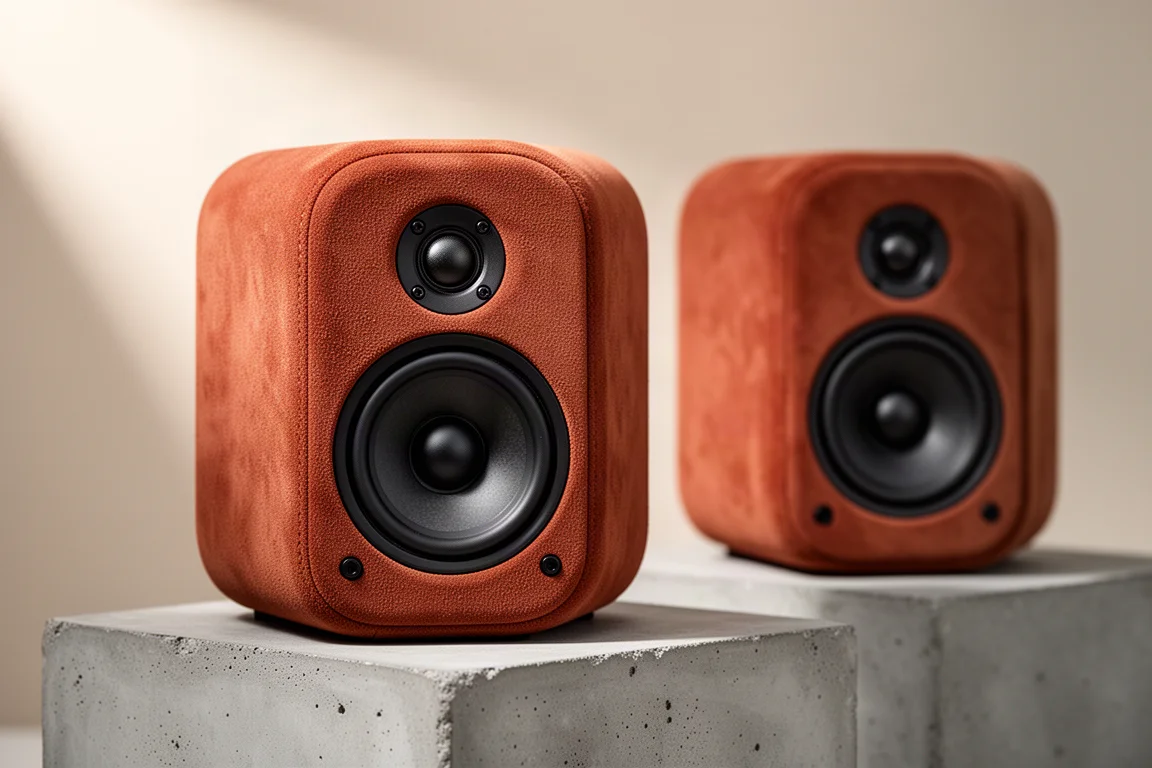
The Technics SC-CX700 is a pair of streaming active loudspeakers priced at around €2,500 per pair. Each cabinet carries its own amplification, its own streaming electronics, and a two-way driver layout, which means there is no separate amplifier to choose, match, or replace.
That single-box approach is the heart of the proposition. Sources connect to the primary speaker, which passes the audio signal on to the second speaker either wirelessly or over an Ethernet cable.
This article covers what the SC-CX700 does well, where it asks for compromises, and which listeners are most likely to be happy with it.
Who This Is For
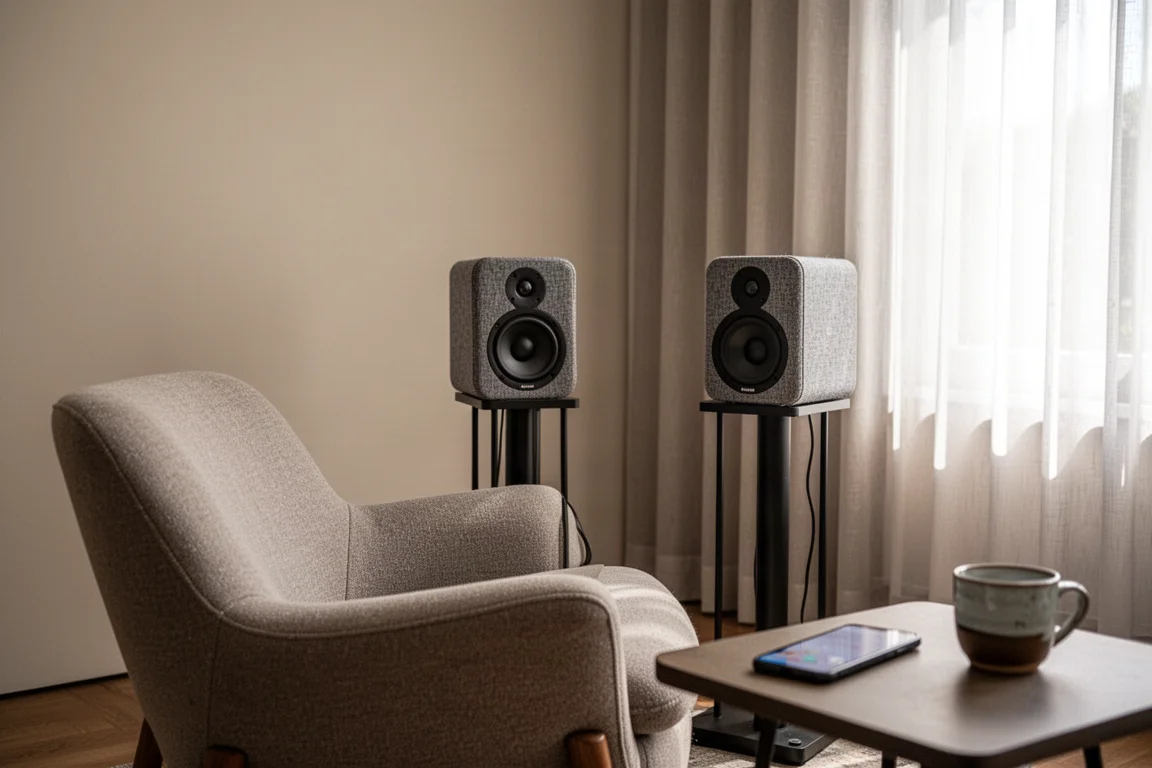
The SC-CX700 is built around a 1.9 cm tweeter mounted in the acoustic center of a 15 cm mid-bass driver. That arrangement, often called coaxial alignment, helps the pair image more effectively and draw a better focused soundstage, particularly at close quarters.
The practical consequence is that these speakers are unusually well suited to nearfield listening, such as on a desktop, compared with a smaller and more affordable design like the PSB Alpha iQ, where the mid-bass driver and the tweeter are physically separated.
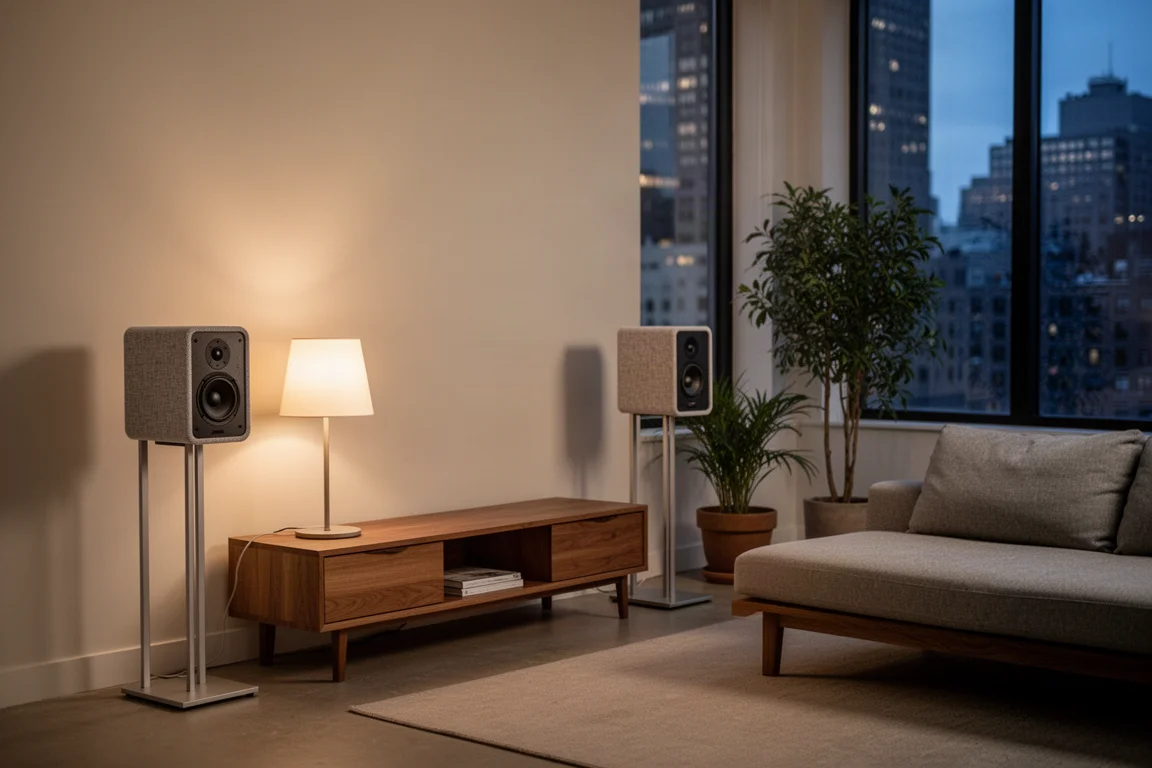
Beyond the desk, the SC-CX700 also makes sense for listeners who want one system to cover music streaming, vinyl, and television. The primary speaker includes an HDMI ARC input, and voices stay crisp and clean while watching TV, which makes the pair a genuine option for a living room used for both music and film.
Design and Build Quality
The cabinet is made from MDF and is divided internally into two chambers, an approach Technics calls Acoustic Solitude construction. The front chamber houses the drivers and the flared port, while the rear chamber holds the streaming board and the amplifiers.
Separating the two is a wall plus an 8 mm air gap, intended to stop driver vibrations from negatively affecting the electronics sitting behind them. Each speaker is wrapped in a fabric called Dynamica, supplied by the same Japanese company behind AKM DAC chips.
Physical controls sit on top of the primary speaker and combine touch-sensitive surfaces with click buttons. Around the back, the primary unit can accept HDMI, analog RCA, Toslink, USB, Ethernet to the router, and Ethernet to the secondary speaker.
Main Strengths
Amplification is digital rather than a traditional Class D design. Each speaker carries one amplifier per driver, with 40 watts dedicated to the tweeter, and the signal stays in the digital domain from input to output with no intervening DAC stage. Because each amplifier is tuned to the driver it feeds, the pairing is tighter than what a passive speaker and a separate amplifier typically achieve.
Technics also fits its JENO engine inside each speaker to reduce jitter in the digital signal, and the ring tweeter uses a waveguide and a phase plug. The lower moving mass of the ring design allows faster rise times and fall times than a conventional dome tweeter.
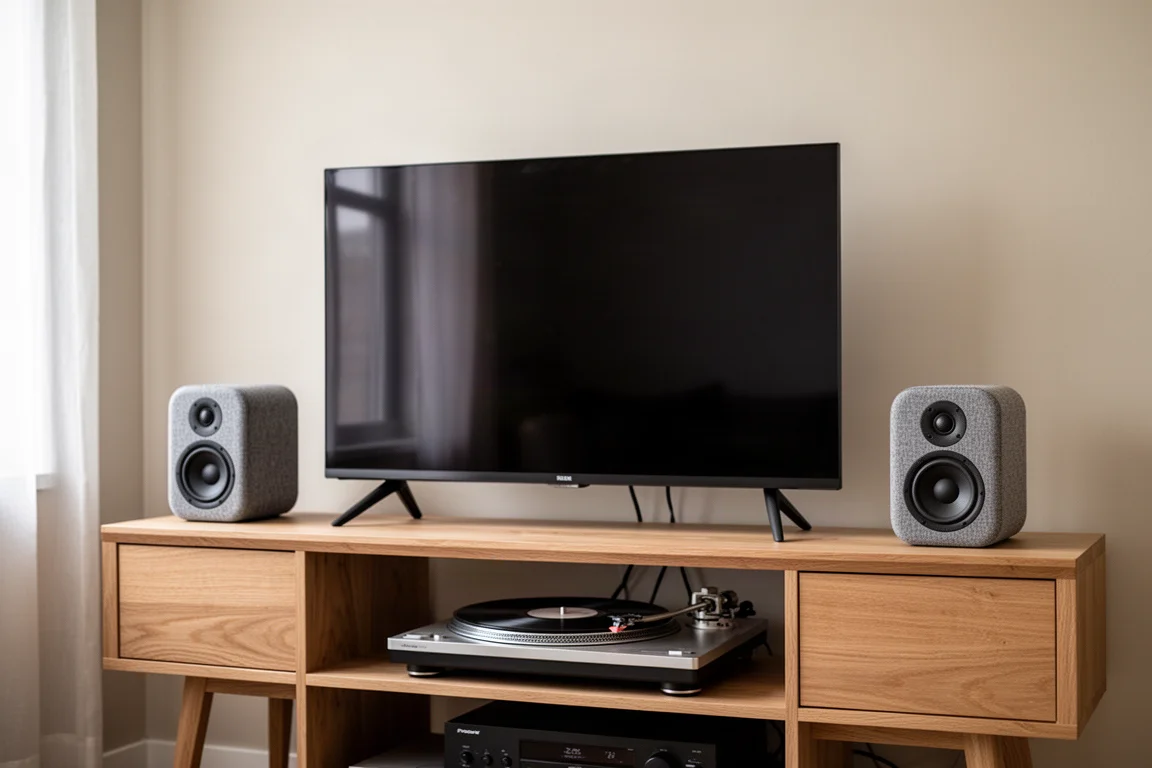
The internal moving-magnet phono stage deserves a mention of its own. When an inexpensive external phono stage was placed between a turntable and the speakers using the line-level input, the result was not as good, which suggests the built-in stage is doing genuinely useful work.
Listening Notes
The SC-CX700 draws a much larger soundstage than the smaller PSB Alpha iQ and sounds more transparent overall. On soundstage size it holds its own against the considerably more expensive Buchardt A500, and it keeps dialogue cleaner and clearer than that Danish pair.
Against a passive system of similar cost, built from the KEF Q Concerto Meta and the Marantz Stereo 70s, the Technics sounds cleaner through the midrange. It leans forward and sounds exciting, with more emphasis on clarity and transparency, while the passive combination leans back and offers more low-frequency weight and heft.
That trade-off becomes audible on bass-heavy material, where the urge to add a subwoofer creeps in. The upper mids can also sound a little too keen. Modern pop and electronic music tend to fare better than acoustic material, where an acoustic guitar can occasionally sound forced and unnatural. Percussion and electric guitars, by contrast, come across with plenty of energy.
Things to Consider Before Buying
The primary speaker has a full-range subwoofer output, which means there is no bass management inside the speaker itself. Any filtering for a subwoofer has to be handled on the subwoofer, and no subwoofer is included in the package.
Connectivity is generous, but that generosity has a physical cost. Fully loaded, the primary speaker can have HDMI, RCA, Toslink, USB, and two Ethernet cables running off the back, and even a partial setup leaves a fair amount of cable to manage.
The Technics Audio Center app handles Qobuz, Amazon Music, Tidal, and Deezer, and the speakers also support Tidal Connect, Spotify Connect, Apple AirPlay 2, and Google Chromecast. The app is not especially quick at finding the speakers when it first starts up, and its interface favors function over form. Listeners who stream from their own library through a Roon Ready input can largely bypass it.
Two smaller points are worth noting. The circular grilles attach magnetically and do a good job of keeping curious fingers away from the drivers, but they do not flatter the look of the speakers. The top plate around the controls is plastic, which sits oddly on a pair at this price.
Buying Advice
The SC-CX700 makes the most sense for listeners who want a complete system rather than a component journey. Streaming, a phono stage, HDMI ARC, and amplification all live inside the cabinets, and because the amplifiers are matched to each driver at the factory, there is no amplifier hunt to go through.
At around €2,500 per pair, it competes both with premium all-in-one active speakers and with passive combinations at similar money. Buyers who prize midrange clarity, a large soundstage, and clean TV dialogue will find a lot to like here. Buyers who want deep low-frequency weight from the speakers alone should budget for a subwoofer and plan to set its filtering themselves.
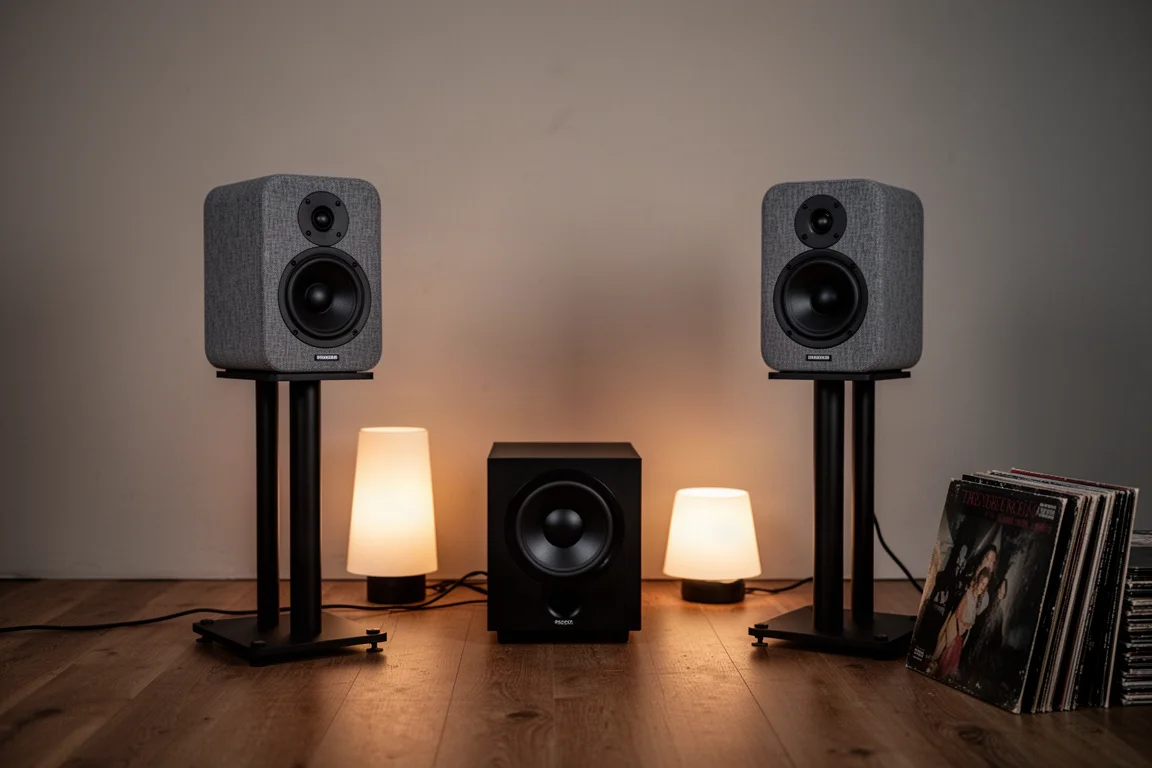
Speaker stands with built-in cable management are worth planning for at the same time, since the rear connections add up quickly. It is also worth auditioning with the genres you actually listen to, because the forward upper-mid character suits pop and electronic material more comfortably than acoustic recordings.
Conclusion
The Technics SC-CX700 is a thoughtfully engineered streaming active loudspeaker system. Coaxial drivers deliver focused imaging, the cabinet splits into two isolated chambers, digital amplification is tuned per driver, the built-in phono stage performs well, and HDMI ARC makes it genuinely useful with a television. Its weaknesses are equally clear, from keen upper mids and light low-frequency heft to a functional app and a busy rear panel. For the right listener, the clarity and the convenience outweigh those compromises.
Product link
View more details for Technics SC-CX700
This product is mentioned in the review. Check the specifications, options, and compatibility before buying.
View more details for Technics SC-CX700Further reading
Related Reviews
Hi-Fi Speakers
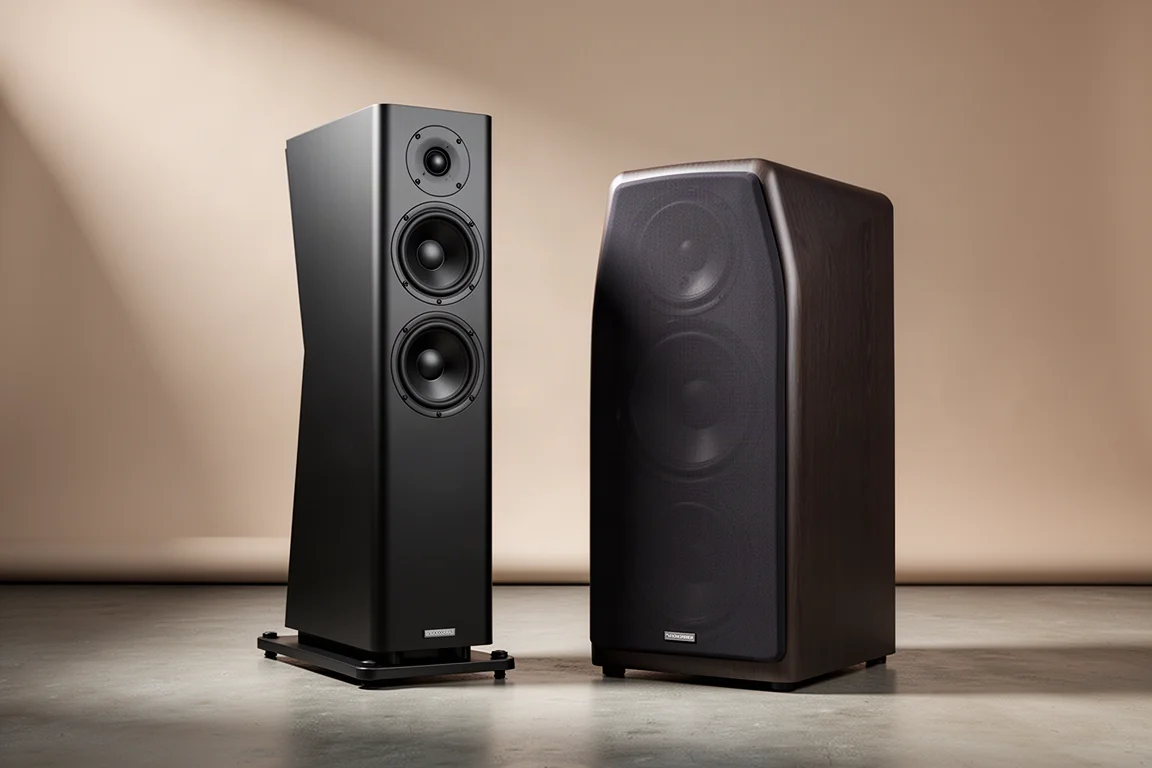
1723 THX Tower vs 1528 Bookshelf: Which Speaker Fits Your Room?
Two speakers at roughly the same price, built very differently. How the 1723 THX tower and the 1528 bookshelf compare on construction, bass, power needs, and sound.
Hi-Fi Speakers
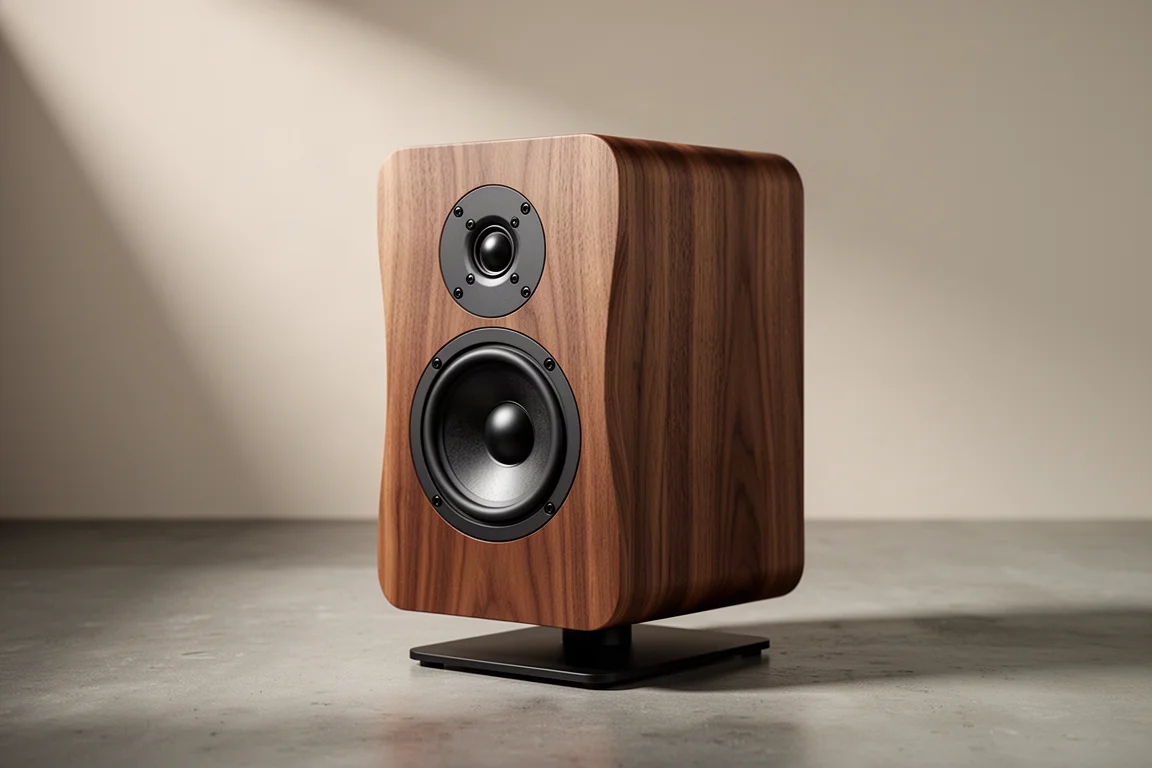
Acoustic Energy AE 300 Review: Deep Bass From a Compact Standmount
A two-way standmount with real wood veneer, surprising low-end weight, and a warm, easygoing character. Here is what to know before buying.
Hi-Fi Speakers
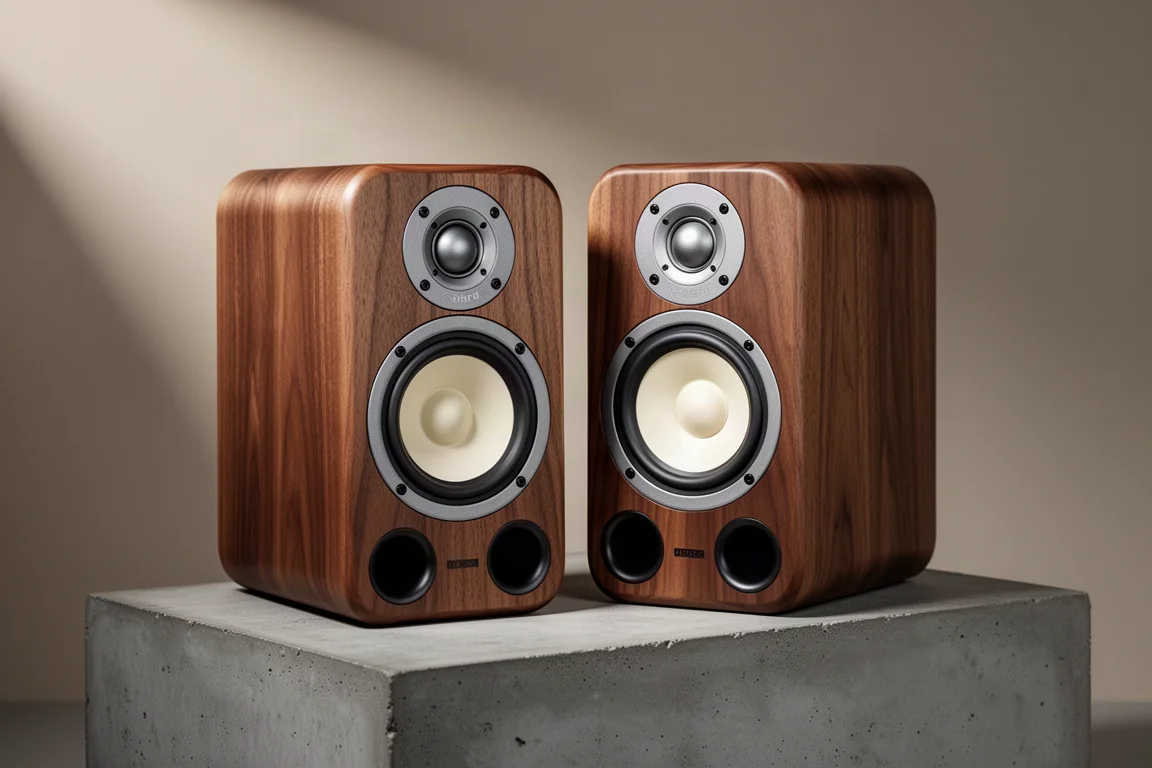
Acoustic Energy AE1 40th Anniversary Review: A Modern Take on a British Classic
A compact standmount that revives a 1980s favorite with all-new parts, a warm mid-centric balance, and a price of £1,499 per pair.