Turntables
TEAC TN-4D-SE Review: Affordable Direct Drive Done Right
A direct drive turntable with a SAEC-developed tonearm, a removable headshell, and a defeatable phono stage, held back only by its stock cartridge and ringing metal platter.
Introduction
Belt drive or direct drive is one of the longest-running arguments in vinyl playback, and it is unlikely to be settled soon. Belt drive decks are often described as isolating the motor from the platter, while direct drive decks have a loyal following of their own. What matters more for most buyers is whether a given deck is built well, looks right in a room, and does not cost four figures.
The TEAC TN-4D-SE answers that question on the direct drive side of the fence. It is priced at $750, it uses a tonearm developed in collaboration with SAEC, and it arrives with a metal platter, a removable headshell, and an integrated phono preamp that can be taken out of the signal path. It is not the cheapest route into vinyl, but it is a carefully assembled one.
Who this product is for
At $750 the TN-4D-SE sits above budget belt drive decks such as the Fluance RT85 at $500, and below the direct drive models that have traditionally asked for more. That places it with listeners who want the direct drive approach without paying premium prices for it.
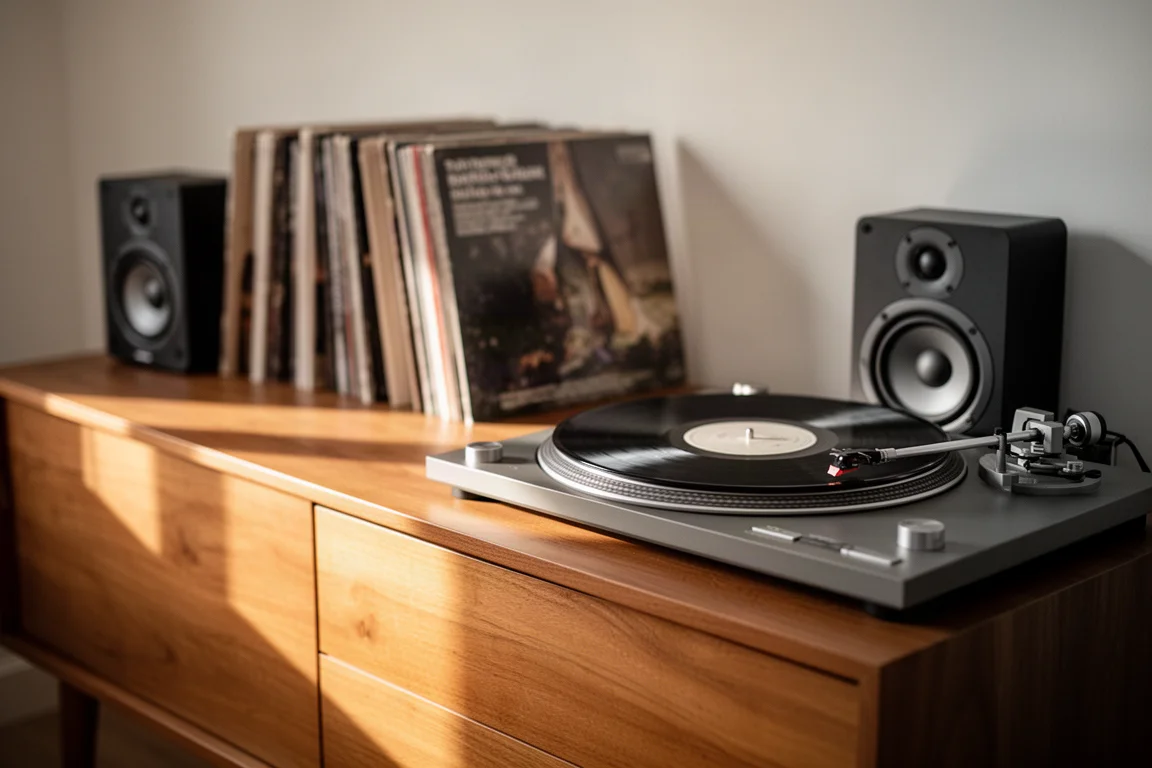
It also suits anyone who expects to change cartridges over time. The removable headshell makes a swap quick and repeatable, and the defeatable phono stage means the deck works either with an existing outboard preamp or on its own into a line input.
It is a less obvious choice for listeners who want to fit one cartridge and leave it alone. In that situation, a belt drive deck with a strong stock cartridge can cover the same ground for less money.
None of this makes the TEAC a specialist product. It is simply a deck that rewards a little forward planning, and the planning involved is minor.
Main strengths
The strongest argument for the TN-4D-SE is not a single specification but the overall sense of solidity. It is built better than a number of turntables that cost over $1,000, and it feels considerably more substantial than several direct competitors in its own bracket.
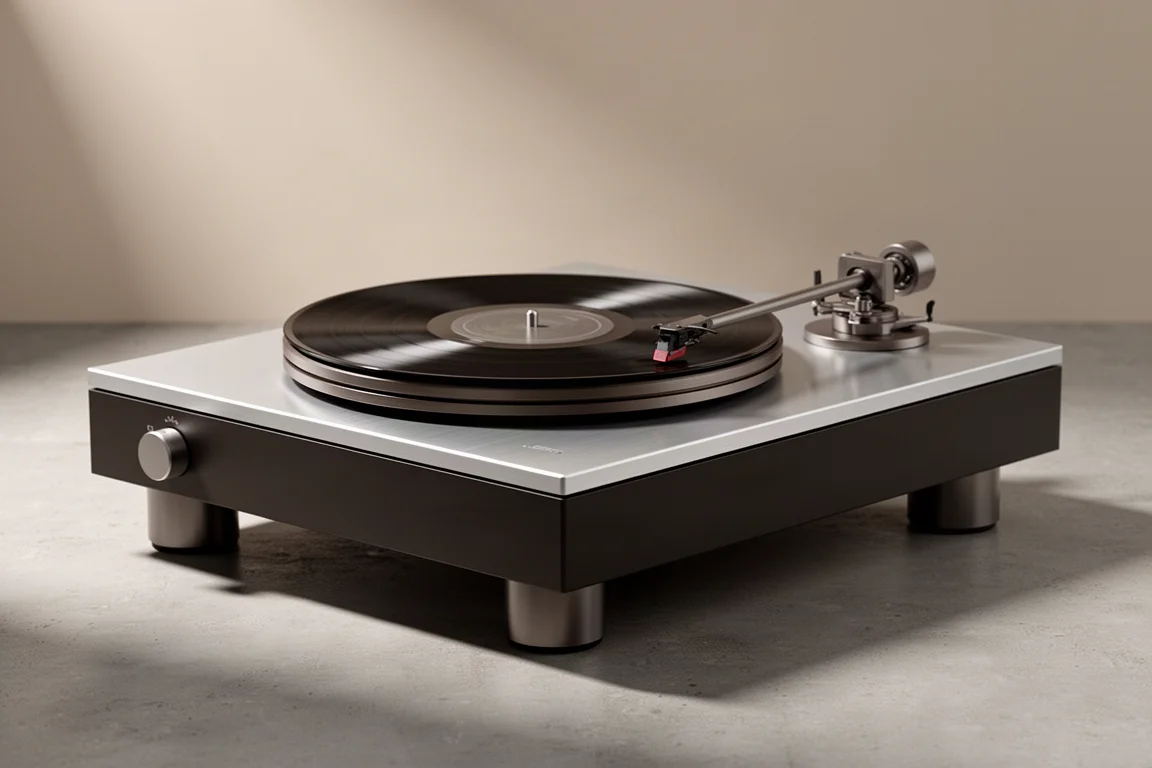
Two details stand out in daily use. The first is the speed selector, a rotary knob that switches between 33 and 45 rpm with a firm, clicky action reminiscent of a vintage receiver. The second is the plinth, which carries a brushed metal top plate running the full width of the deck beneath the tonearm and the controls. Together they give the turntable the presence of a piece of furniture rather than a component.
The clearest point of comparison is the Audio-Technica LP1220, a less expensive direct drive deck that feels built like a toy next to this one. Higher-priced direct drive models from Technics are also available, though their appearance is more purely functional.
Design and build quality
The top plate appears to be brushed aluminium, and it continues underneath the tonearm and the speed knob rather than stopping at the front edge. It is a small design decision, but it is a large part of why the deck reads as well finished.
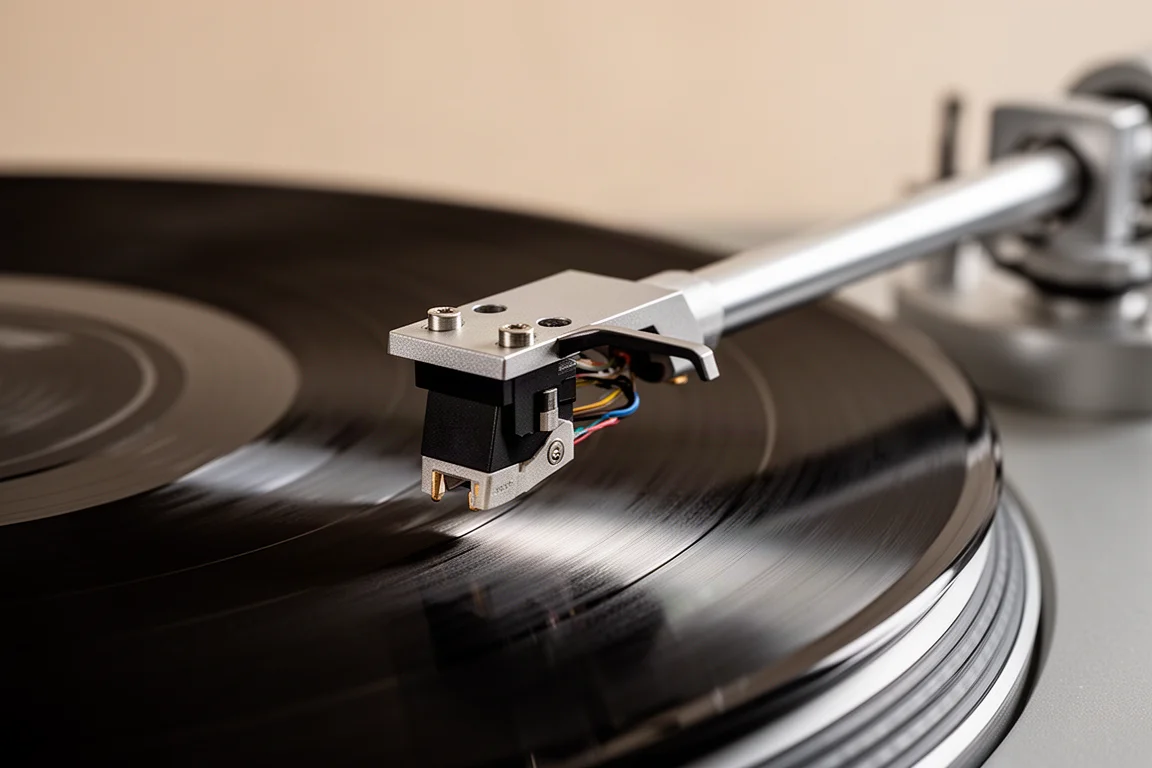
The tonearm was developed in collaboration with SAEC, a specialist tonearm manufacturer whose own arms sell for several hundred dollars and, at the top of the range, considerably more. That association does not guarantee a result by itself, but the arm here feels consistent with the rest of the build.
The feet underneath the plinth deserve a mention as well. They are more substantial than the simple supports found on many decks at this price, and they help the turntable sit firmly on a shelf or sideboard.
That combination of plinth, arm, and feet is what separates the TN-4D-SE from cheaper direct drive decks. The differences are visible before the first record is played.
The removable headshell and cartridge options
The removable headshell is the most practical feature on the deck. Once a cartridge is aligned, the headshell can be unscrewed and stored, and a second one can be fitted in seconds. For listeners who keep more than one cartridge for different pressings or recordings, that convenience is worth a great deal.
The stock cartridge is a SAEC unit, and it does not show the deck at its best. It sounds closed in, with limited extension at the top and the bottom and a somewhat constrained character overall. Fitting an Ortofon 2M Blue brought a marked improvement, and a Goldring E3 also sounded better. Fuller, richer cartridges such as the Nagaoka MP-110 are another route.
For comparison, the U-Turn Orbit Theory ships with an Ortofon 2M Blue but does not offer a removable headshell, so changing cartridges is a more involved process.
Integrated phono preamp
The TN-4D-SE includes a phono preamp on the rear panel, and it can be defeated if an outboard stage is preferred. That flexibility matters as much as the built-in stage itself.
As built-in solutions go, it is respectable rather than exceptional. Next to a dedicated unit such as the Advance Paris A10 Classic, the internal stage sounds a little less dynamic. It is, however, a clear step above the integrated phono stage found on a cheaper Audio-Technica deck, which is one reason that deck is difficult to recommend.
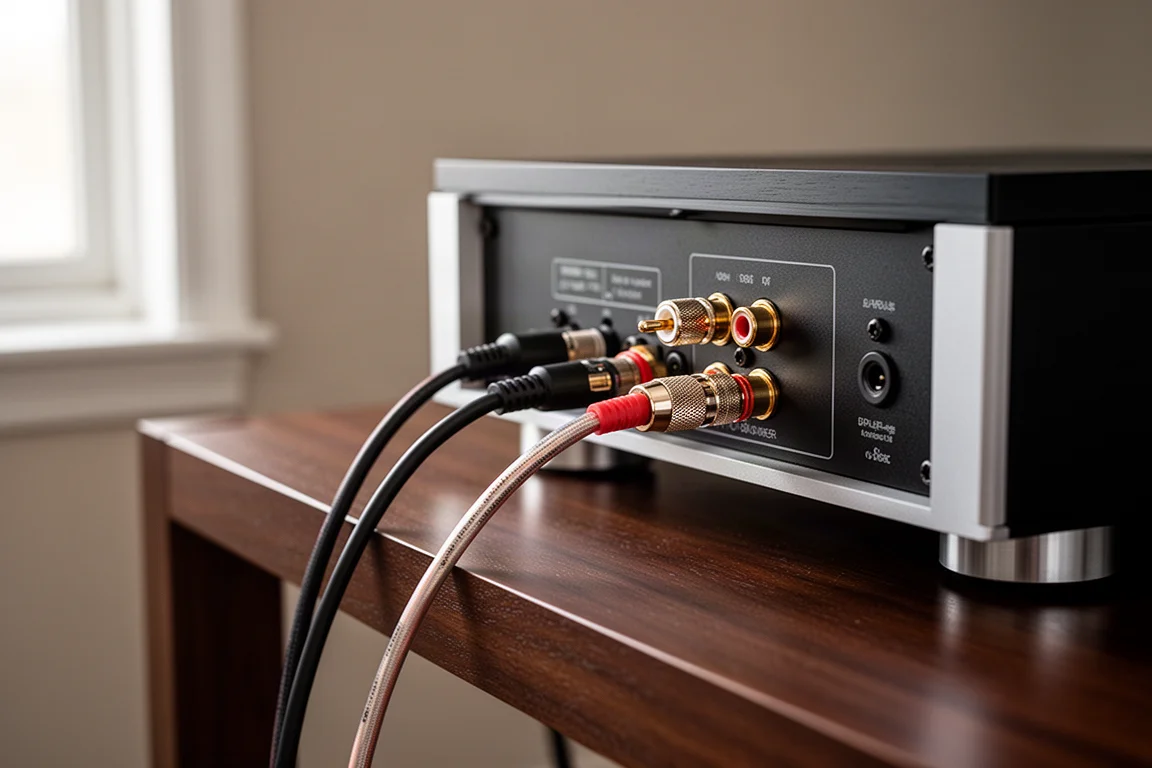
For anyone assembling a first proper system, a usable phono stage in the box removes one purchase and one set of cables from the list. It is a practical inclusion rather than a compromise.
Things to consider before buying
The platter is metal, and it rings. A less resonant acrylic or glass platter would be preferable, and no compatible acrylic or glass platter appears to be offered as a standalone accessory for this model.
The stock cartridge is the second compromise. It is usable, but the deck only shows what it can do once a better cartridge is fitted, which means the effective cost of ownership is higher than the headline price.
The third consideration is price itself. At $750 the TN-4D-SE costs $250 more than the belt drive Fluance RT85 at $500. That gap buys better build quality, a SAEC-developed tonearm, and a built-in phono stage, but anyone who simply wants to play records does not have to spend it.
Buying advice
If a cartridge upgrade is part of the plan, budget for it from the start. Even adding a second cartridge keeps the total under $1,000, and the removable headshell means the change takes moments rather than an evening.
The integrated phono stage is good enough to begin with. Listeners who already own a phono preamp they like should plan to use it instead, since the built-in stage is the weakest part of the package.
The choice between this deck and a belt drive alternative comes down to priorities rather than quality. Direct drive, a removable headshell, and a built-in phono stage point to the TN-4D-SE. A lower entry price and a strong stock cartridge point to a belt drive deck such as the Fluance RT85.
Either way, the TN-4D-SE is a deck that can be bought with confidence by anyone who values build and flexibility over the lowest possible entry price.
Conclusion
The TEAC TN-4D-SE is an affordable direct drive turntable that gets the fundamentals right. The plinth, tonearm, feet, and speed control are all better than the price suggests, and the removable headshell gives it a practical advantage that many rivals lack.
Its weaknesses are specific and easy to work around. The metal platter rings, and the stock cartridge is the limiting factor in the stock configuration. Both are addressable, and neither undermines the deck itself.
For buyers who want direct drive, a well-finished chassis, and the option to change cartridges freely, the TN-4D-SE is one of the more convincing options at its price.
Product link
View more details for TEAC TN-4D-SE
This product is mentioned in the review. Check the specifications, options, and compatibility before buying.
View more details for TEAC TN-4D-SEFurther reading
Related Reviews
Turntables
Best Turntables 2026: Seven Standout Picks From Entry Level to Premium
A practical roundup of seven turntables worth considering, from a US-made budget deck to small-batch premium models with a clear upgrade path.
Turntables
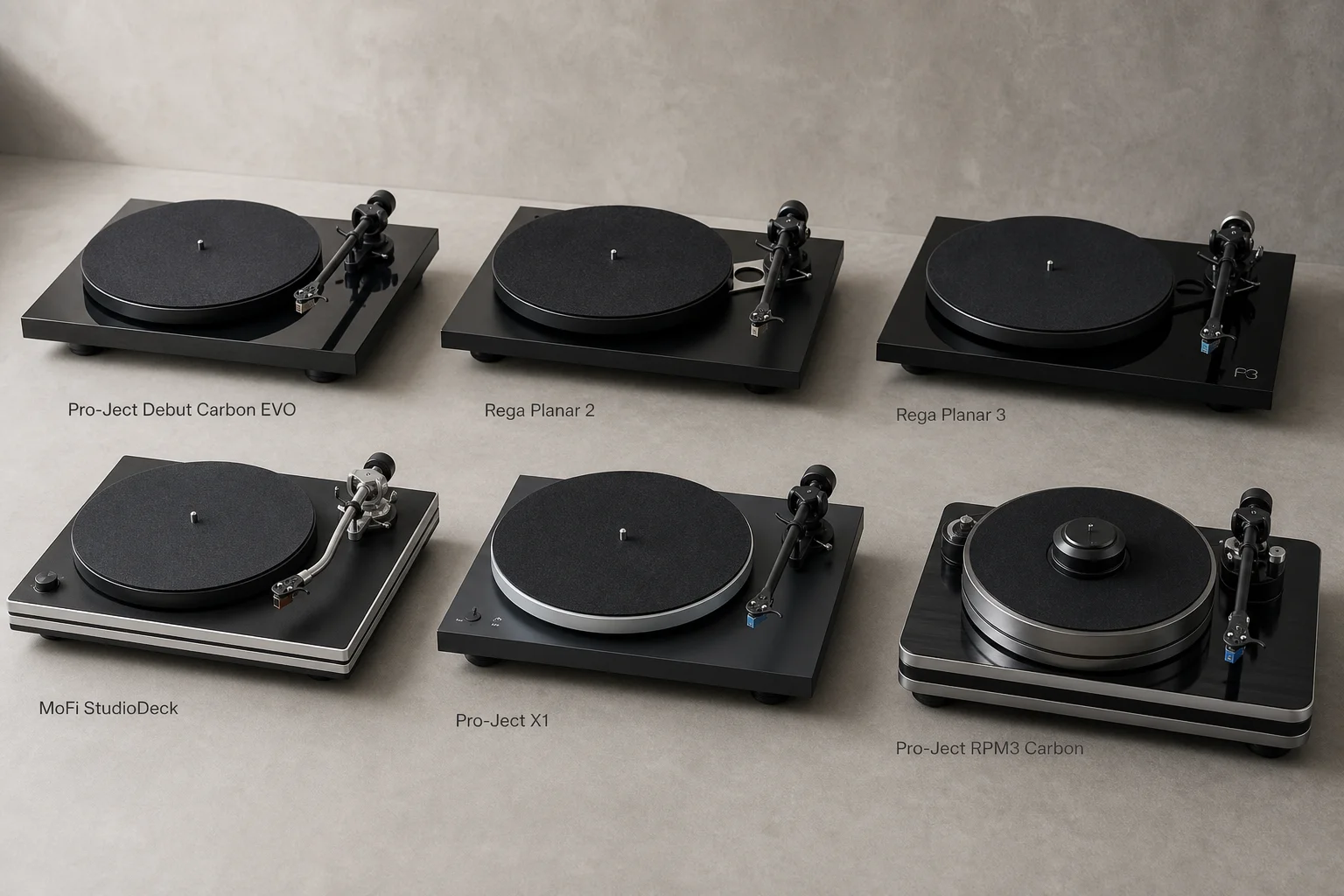
Best Turntables Under $1,000: Five Fully Manual Picks Worth Considering
Five fully manual turntables under $1,000, compared on build quality, cartridges, upgrade potential, and the character of sound each one brings to a system.
Turntables
Best Turntables Under $2,000: Six Vinyl Decks Worth Building a System Around
Six turntables under $2,000, from a value-focused belt-drive deck to a fully balanced design, with the strengths and trade-offs that matter before you buy.