Hi-Fi Audio
TEAC PD-507T Review: A Compact CD Transport That Gets the Details Right
The TEAC PD-507T is a dedicated CD transport with an in-house drive mechanism, separate power supplies, and a three-year warranty. Here is what to weigh before buying.
Introduction
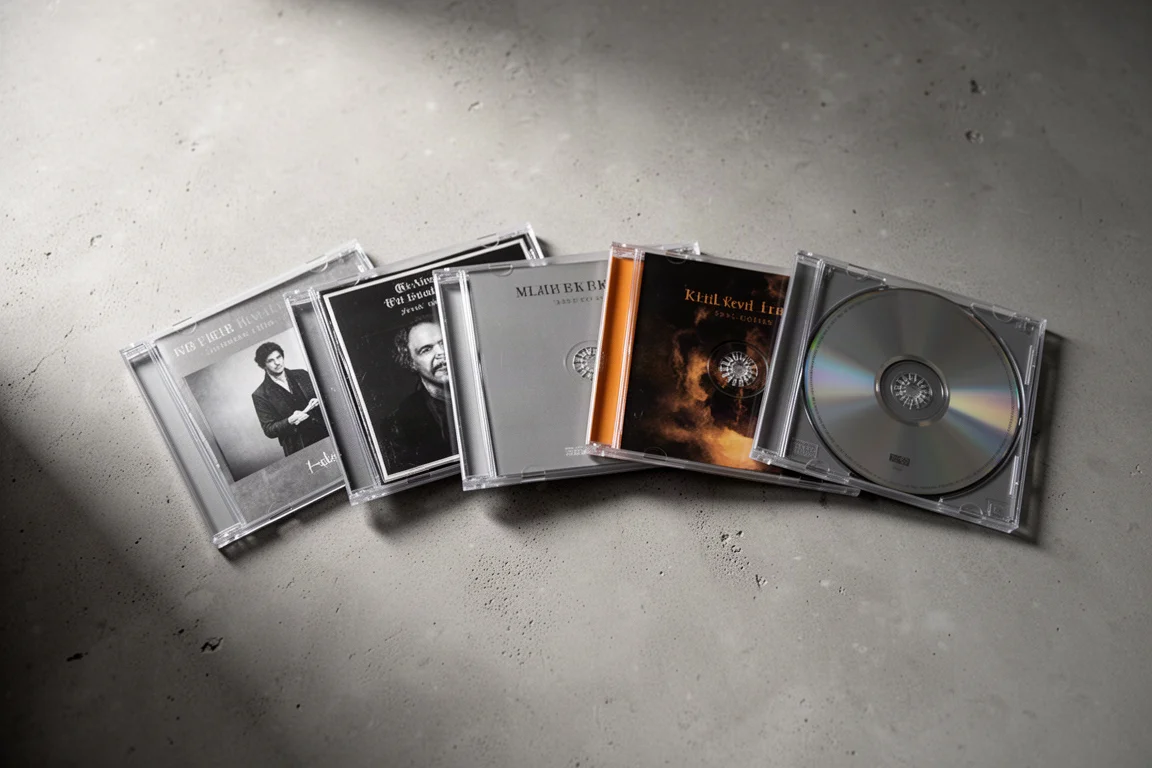
Compact discs have quietly become one of the most affordable ways to build a serious music collection. Used discs turn up in quantity at low prices, and new releases still arrive on CD, so the format has plenty of life left in it. That makes a dedicated disc transport a more sensible purchase than it might have seemed a few years ago.
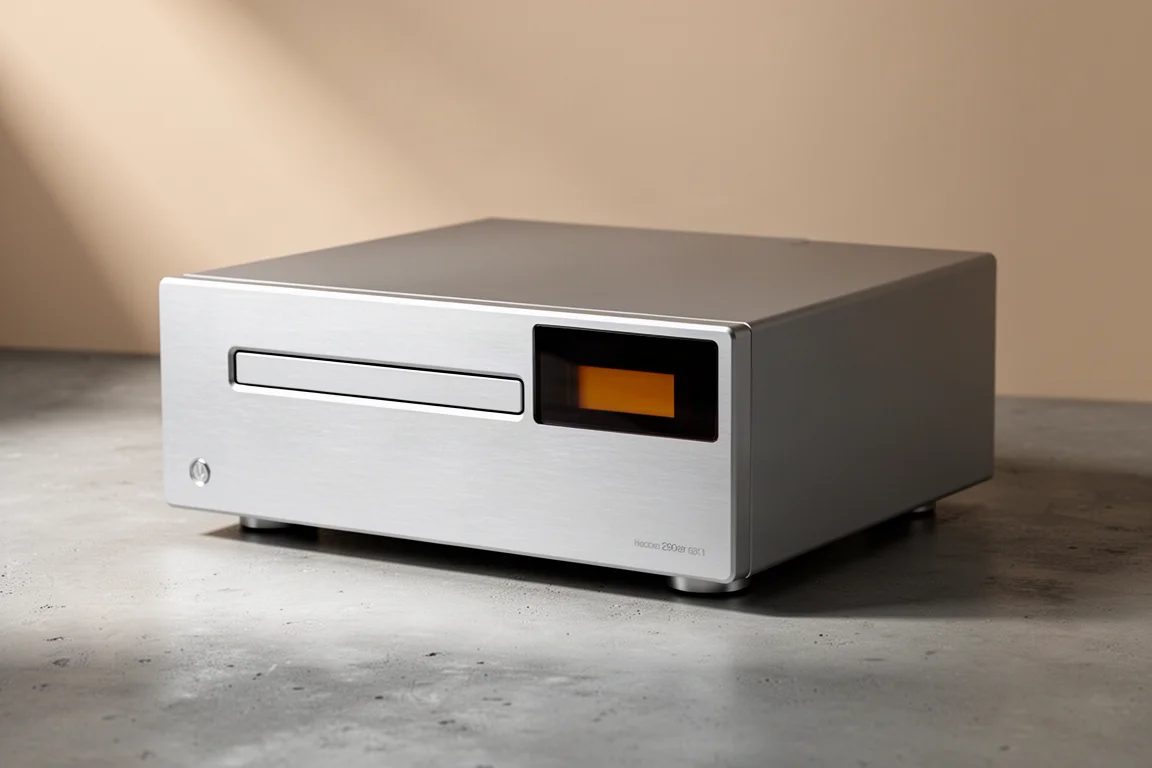
The TEAC PD-507T looks like a conventional CD player, but the T in the model name stands for transport. There is no built-in digital-to-analog converter inside. The disc mechanism reads the data and sends it out through a digital output, and the conversion to an analog signal happens somewhere else in the chain.
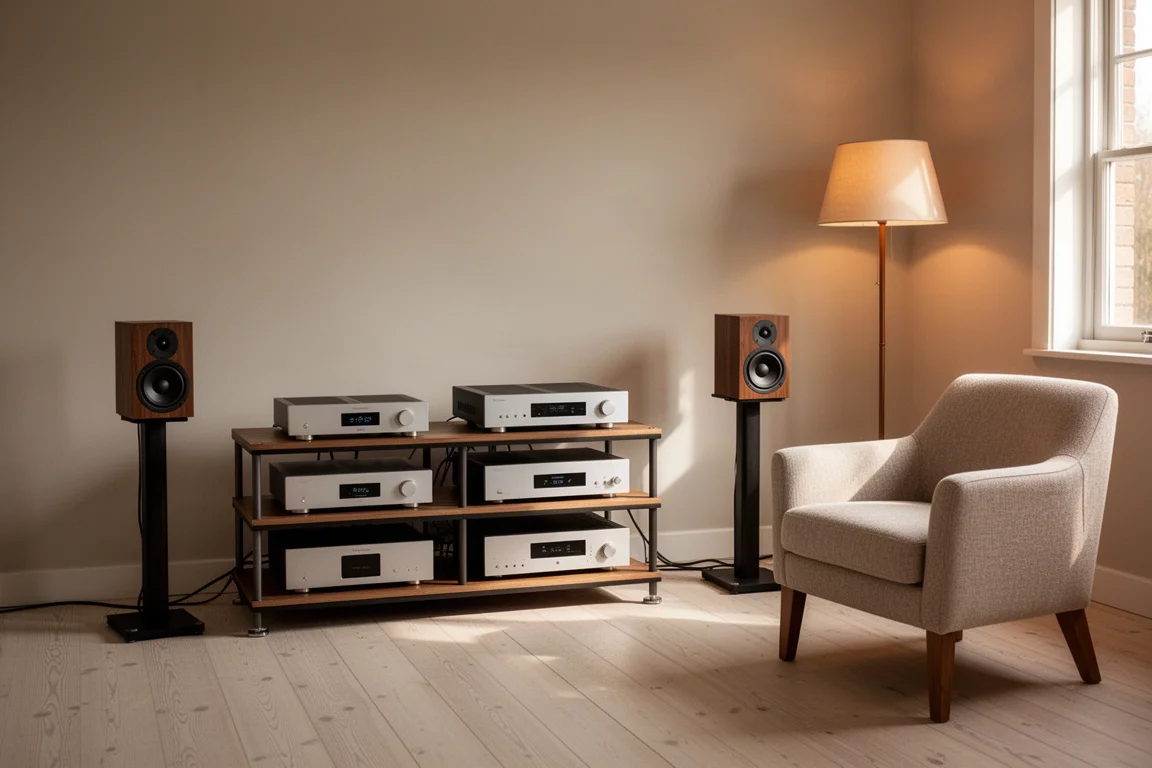
That somewhere else is a stand-alone DAC, or the DAC section built into a preamplifier or an integrated amplifier. Pair the PD-507T with either type and you have a complete playback chain, with the transport handling only the mechanical and digital side of the job.
Who This Product Is For
The PD-507T suits listeners who already own a capable DAC and want a dedicated disc transport rather than another all-in-one player. If your amplifier has a good internal converter, the transport slots straight into that system without adding a second box.
It also appeals to anyone building a compact setup. The PD-507T belongs to the TEAC Reference 500 series, a family of components that share the same narrow footprint: every unit is 11.5 inches wide, or 292 mm. That makes the range easy to stack on a small shelf, a sideboard, or a desk without dominating the room.
It is not the right choice for someone who wants one box that plays discs and connects directly to an amplifier through analog cables. There are no analog outputs here, so a DAC is not optional.
Build, Design, and Everyday Use
The chassis and metalwork make a strong impression for a transport at this price. The narrow body feels solid in the hand, and the amber display is easy on the eyes during long listening sessions. The PD-507T is available in silver or black finishes, so it can be matched to the rest of a Reference 500 stack.
Look underneath and the attention to detail continues. There are three feet rather than four, and they are solid metal rather than rubber. They are not fixed rigidly in place either; each one can rotate slightly, with a small interface between the foot and the underside of the chassis. That is an unusual amount of thought for a component in this class.
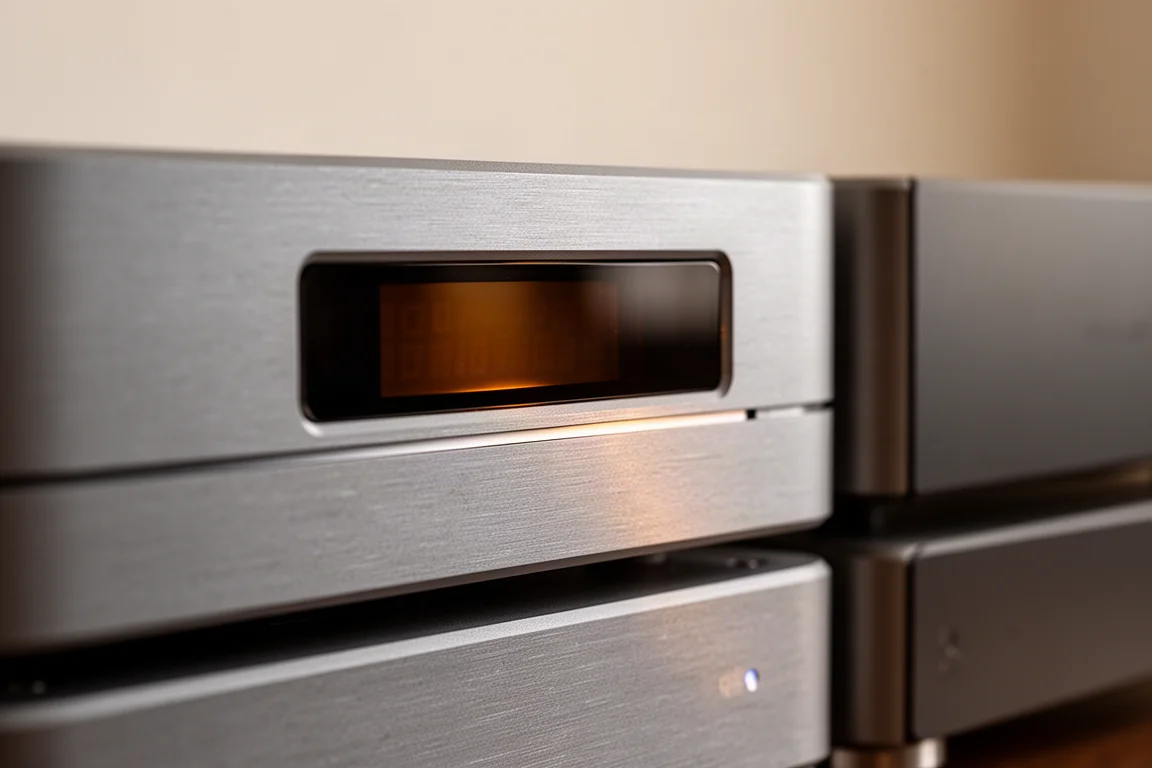
The slide-out tray is smooth in operation, though it is entirely plastic and does not feel especially high-end. In practice it makes no difference to the sound, because the tray does nothing once a disc is loaded and playing. It is simply the way the disc gets from the outside to the inside.
The supplied remote is also plastic, and its main drawback is button clutter. There are more keys than most listeners will ever press, which makes the everyday controls harder to find by feel than they need to be.
Main Strengths
TEAC builds its own disc mechanism rather than buying an off-the-shelf part, and the drive in the PD-507T is unique to this model. The company has been making CD players and transports since the 1980s, and it also owns Esoteric, which produces much higher-end components, along with TASCAM for the professional market. That history shows in the way the mechanism is specified and supported.
Power supply design gets similar attention. The CD drive mechanism and the digital electronics run from separate supplies, which helps keep the mechanical and digital sections from interfering with one another.
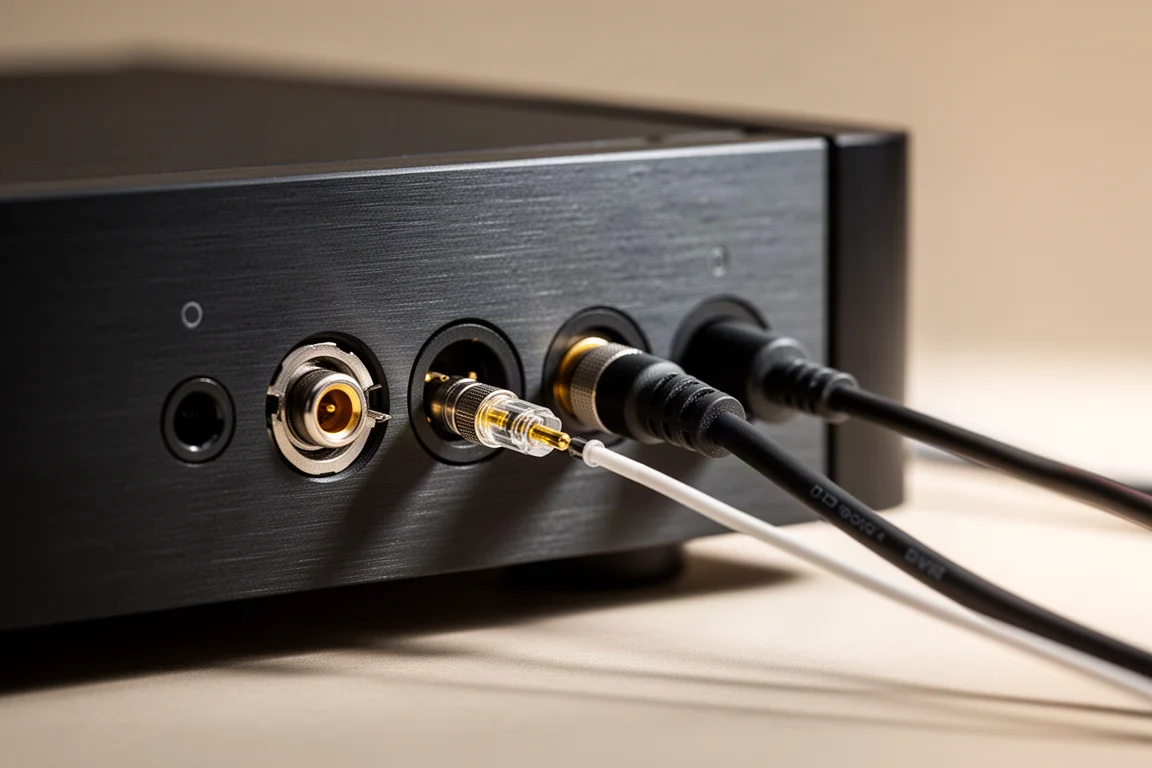
Around the back there are two digital outputs, coaxial and optical, along with a 10 MHz clock input that is rare at this level. TEAC offers a matching external clock as an upgrade path for owners who want to go further, and the output stage can be switched so that only the connection in use is active. TEAC states that turning off the unused output gives a small improvement in sound, which is a useful option for listeners who like to extract the last bit of performance.
On sound quality, the PD-507T is transparent rather than flattering. With a sparse, natural recording, it conveys the presence of the players and the character of the room they recorded in. With a heavily compressed and harsh recording, it does not soften the edges; the aggression comes through. That is worth knowing before you buy, because the transport will not rescue a poor master.
Paired with a resolving DAC on an all-analog recording made in a church, the sense of the space and the musicians within it came through clearly. That combination of room sound and musical involvement is what a good transport is really selling.
The warranty runs to three years, which is generous for a CD transport or a CD player, and it signals confidence in the mechanism.
How It Compares With Other CD Transports
Against the Cambridge CXC, a much more affordable transport, the PD-507T gave more of the sensation of being inside the instrument on a closely recorded solo piano album, and it preserved both subtle and large dynamic shifts more completely. Both units were connected through their coaxial outputs for the comparison.
The high-end Jays Audio CDT2 Mark III, a reference transport that costs around $2,500, went further still. The PD-507T produced a smaller soundstage by comparison, and it sounded slightly harder, while the more expensive transport was more relaxed, more spacious, and more dynamic. The Jays Audio is the better sounding transport, but the differences are real rather than dramatic, and the gap is far smaller than the price gap suggests.
What that means in practice is that the PD-507T gets very close to a much more expensive transport without matching it outright, and it comfortably outperforms a budget alternative on the qualities that matter most for long-term listening.
Things to Consider Before Buying
The most important consideration is the DAC. Because the PD-507T has no analog outputs, its sound depends heavily on what follows it. A softer, mellower converter will smooth the presentation and reduce dynamic contrast; a more resolving converter will reveal more of the recording space. Budget for the whole chain rather than the transport alone.
The plastic tray and the crowded remote are the two areas where the physical experience falls short of the rest of the design. Neither affects playback, but both are part of daily use.
There is also the optional external clock. It is a genuine upgrade path for owners who want to go further, but it is a separate purchase rather than a bundled accessory, and the size of its contribution should be treated as an open question rather than a given.
At $1,700, the PD-507T sits well below the high-end reference transports it can be compared with, and above budget transports such as the Cambridge CXC. It is priced as a serious component, and it is built like one.
Buying Advice
If you already own a DAC you trust and you want a compact, carefully made disc transport, the PD-507T is a straightforward choice. The in-house drive mechanism, the separate power supplies, the solid metal chassis, and the three-year warranty all point to a component that was designed to be kept for a long time.
The sound is excellent for the money, and you would need to spend considerably more to clearly better it. If your priority is the lowest possible entry point into CD playback, the Cambridge CXC costs far less. If you want the extra spaciousness and dynamics of a high-end reference transport and your budget stretches to roughly $2,500, the Jays Audio CDT2 Mark III is the more capable machine.
Whichever transport you choose, matching it to a DAC whose character suits your taste will matter as much as the transport itself. The PD-507T is transparent enough to let that choice come through clearly.
Conclusion
The TEAC PD-507T does what a good transport should: it reads discs cleanly and passes the signal along without adding much of its own character. Its strengths are the in-house drive, the careful power supply layout, the compact metal chassis, the flexible digital outputs, and a warranty that runs longer than most. Its compromises are the plastic tray, the busy remote, and the need to supply your own DAC.
For $1,700, it checks the important boxes, and it is a sensible choice for listeners who want to hear what their CD collection can really do.
Product link
View more details for TEAC PD-507T
This product is mentioned in the review. Check the specifications, options, and compatibility before buying.
View more details for TEAC PD-507TFurther reading
Related Reviews
Hi-Fi Audio
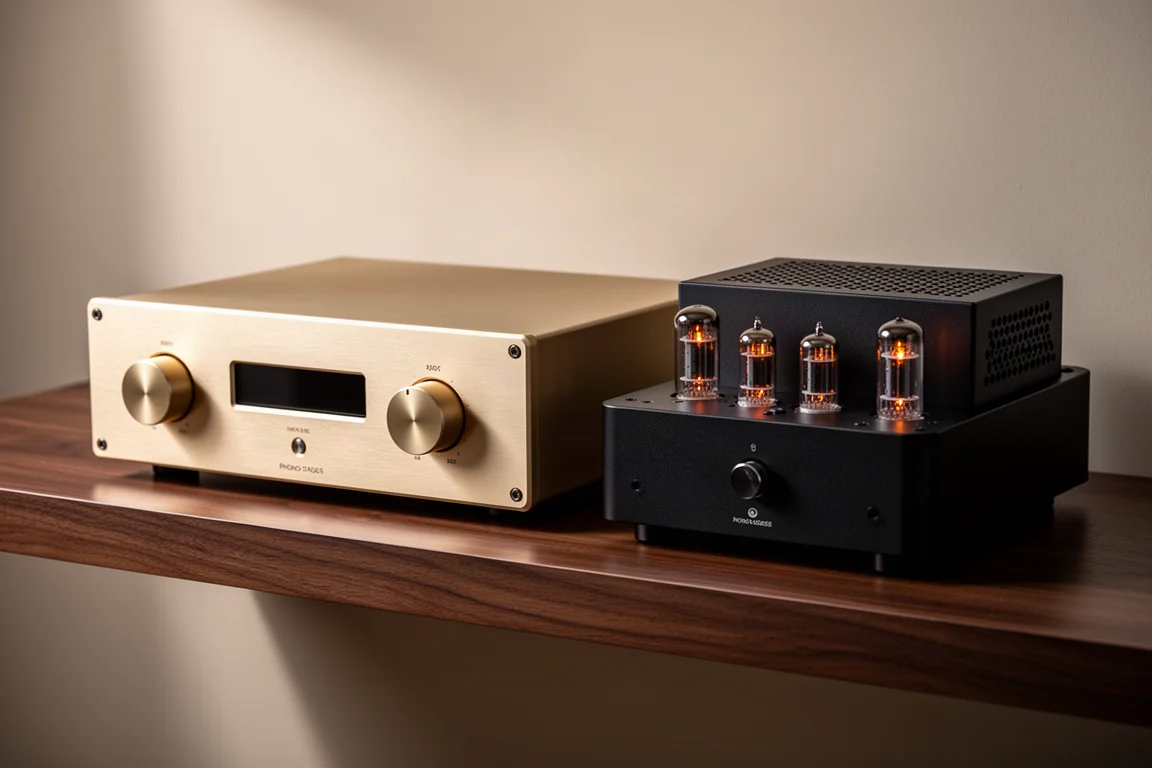
Accuphase C-57 vs Allnic H-7000V: Two High-End Phono Stages Compared
A fully balanced solid-state phono stage with a pitch-black noise floor meets a tube design built for well-loved records. Here is how to choose between them.
Hi-Fi Audio
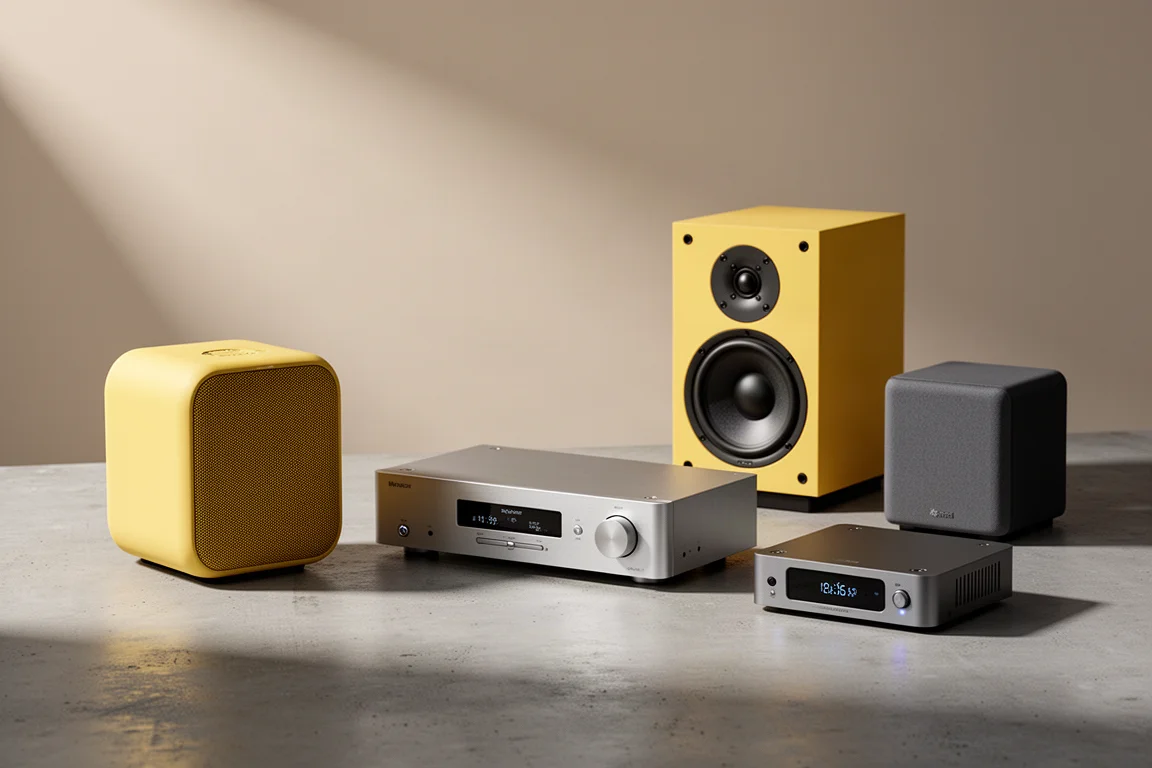
Active vs Passive Hi-Fi: Five Components for a Modern System
Five components that define modern active and passive hi-fi systems, with the strengths, trade-offs and setup details worth weighing before you buy.
Hi-Fi Audio
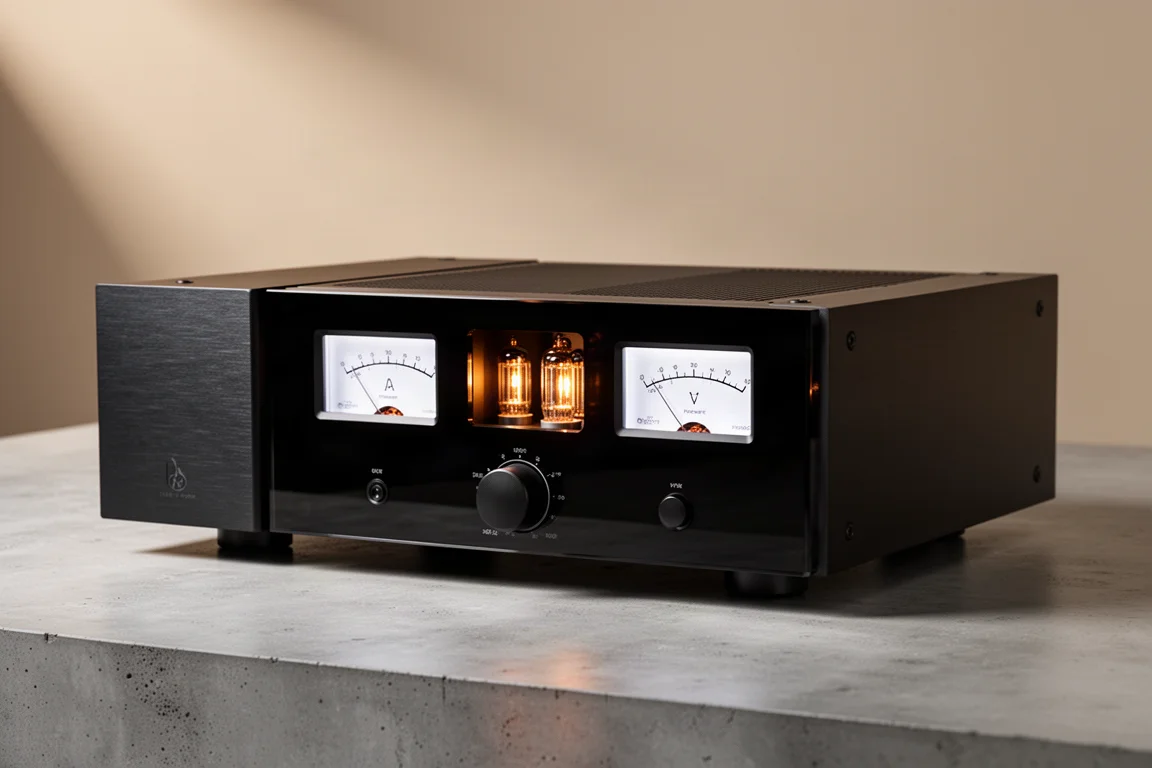
Advance Paris A10 Apex Review: A Hybrid Integrated Amplifier That Covers a Lot of Ground
A French hybrid integrated amplifier with a class A tube preamp stage, analogue power meters, and an internal DAC and phono stage good enough to make extra boxes unnecessary.