Integrated Amplifiers
TEAC AI-303 Review: 25 Watts That Behave Like Far More
A compact Class D integrated amplifier with HDMI eARC, a Sabre DAC, and a 25 watt rating that delivers far more punch than the numbers suggest.
Introduction
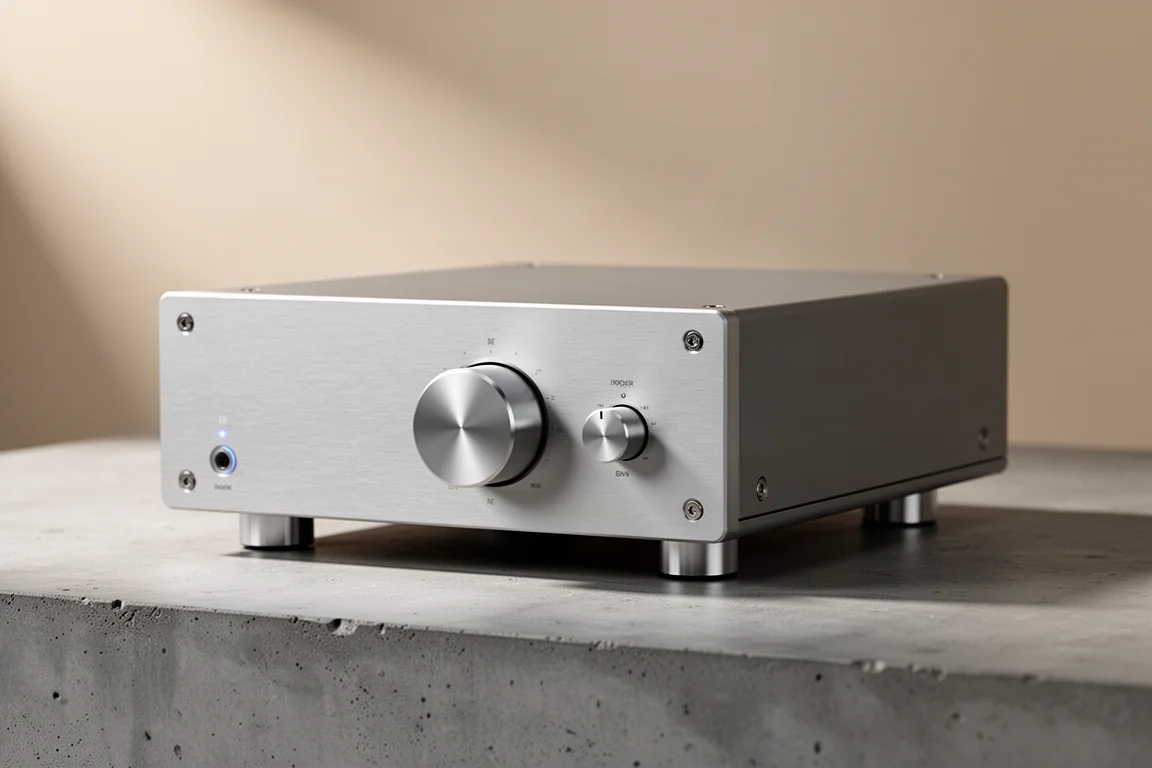
TEAC has been building audio equipment since 1953, when it was founded as the Tokyo Electro-Acoustic Company, and it earned international recognition through the 1960s and 1970s with its reel-to-reel tape machines. The AI-303 is a much more contemporary chapter in that story: a compact integrated amplifier with Class D amplification built around NCORE modules, a Sabre DAC inside, and a price of $999.
The headline numbers are modest. TEAC rates the AI-303 at 25 watts per channel into 8 ohms and 50 watts per channel into 4 ohms. For speakers that are widely described as power hungry, that looks like a mismatch on paper.
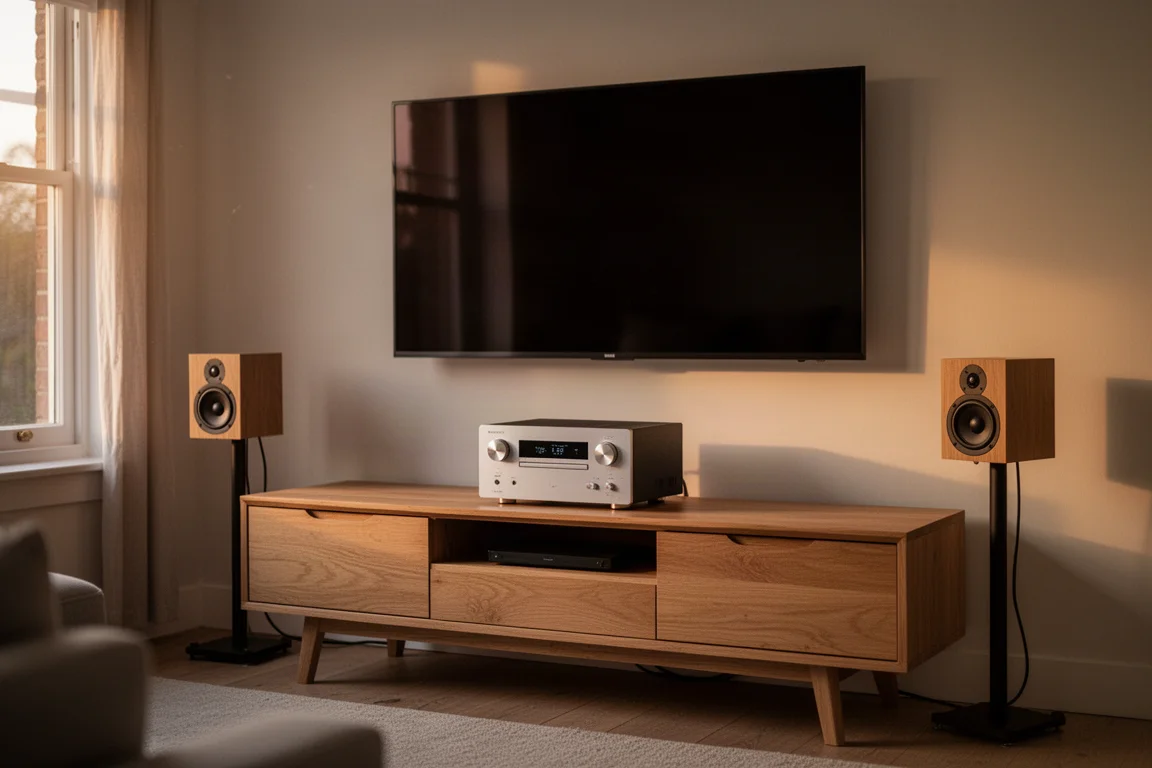
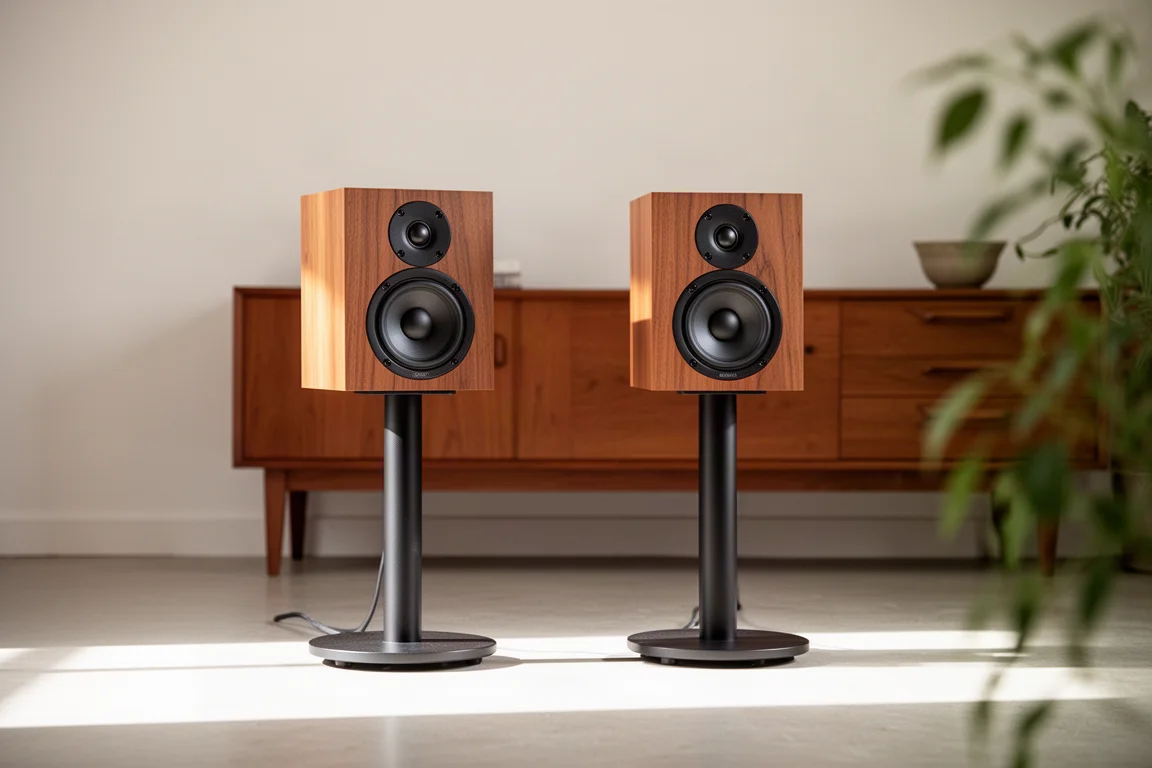
In a real living room, connected to a television over HDMI eARC and driving a pair of KEF LS50s, the AI-303 did not behave like a low powered amplifier. It produced punchy, effortless bass, stayed dynamic at low volumes, and kept a clean and natural top end. This review covers what it does well, who it suits, and the trade-offs worth understanding before you buy.
Who This Product Is For
The AI-303 is aimed at listeners who are short on space but not willing to give up fidelity. Its footprint is small enough for a desk or a media console, and it covers both a stereo music system and a television setup without extra boxes.
It makes the most sense if you want HDMI eARC for TV audio, a subwoofer output for a 2.1 system, and USB-C and optical inputs for a computer or a streamer. It is also a good fit if you listen at moderate volumes, where the amplifier’s composure and bass control are most obvious.
It is a less obvious choice if you need a phono stage for a turntable, if you own very hard to drive headphones, or if you listen loudly in a large room.
Design and Build Quality
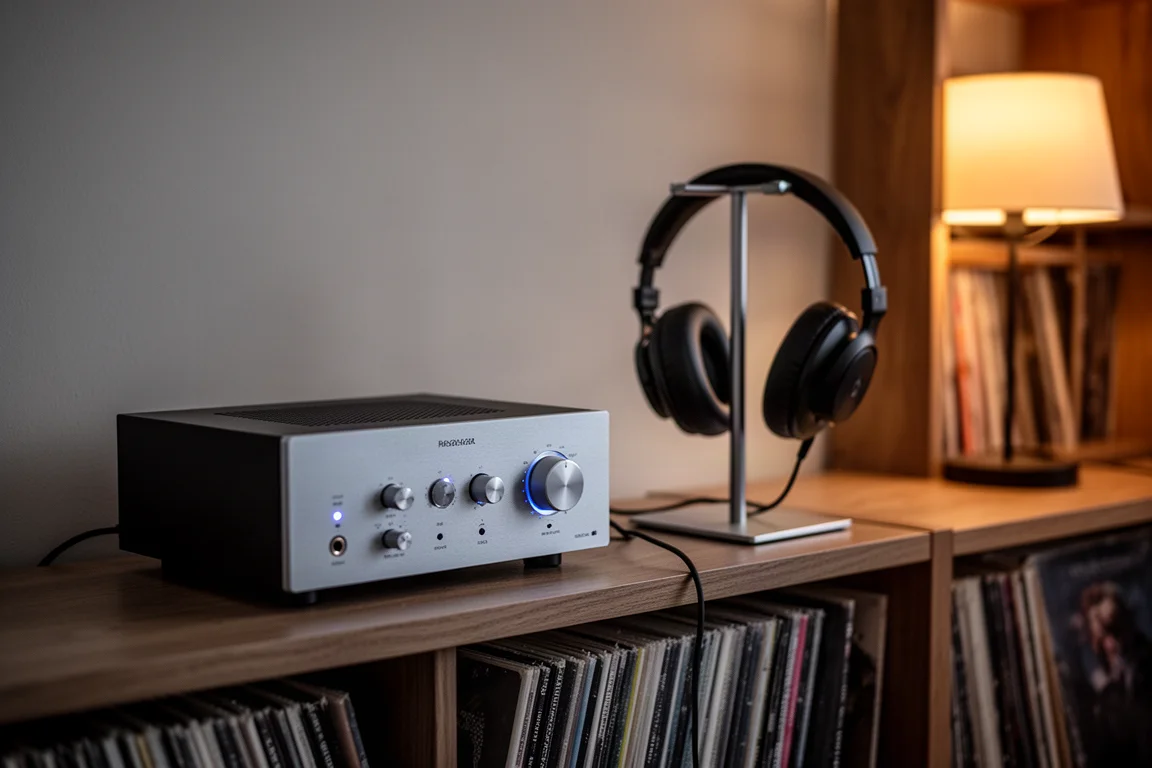
The chassis is all metal and feels dense for its size. Bolted metal feet sit underneath, and the speaker binding posts are mounted slightly off center, a small detail that makes cable runs easier to manage.
The layout deliberately echoes a vintage receiver. A large volume knob dominates the front panel with a smaller crossfeed control beside it. Both knobs have a resin-like finish rather than a metal one. They do not feel cheap, but they are not cold metal either, and that is a reasonable compromise at this price. The volume pot is motorized, which means the supplied remote physically turns the knob on the amplifier rather than adjusting a digital level. The remote itself has a distinctly retro look, and the mechanical feel of the motorized pot is part of the charm.
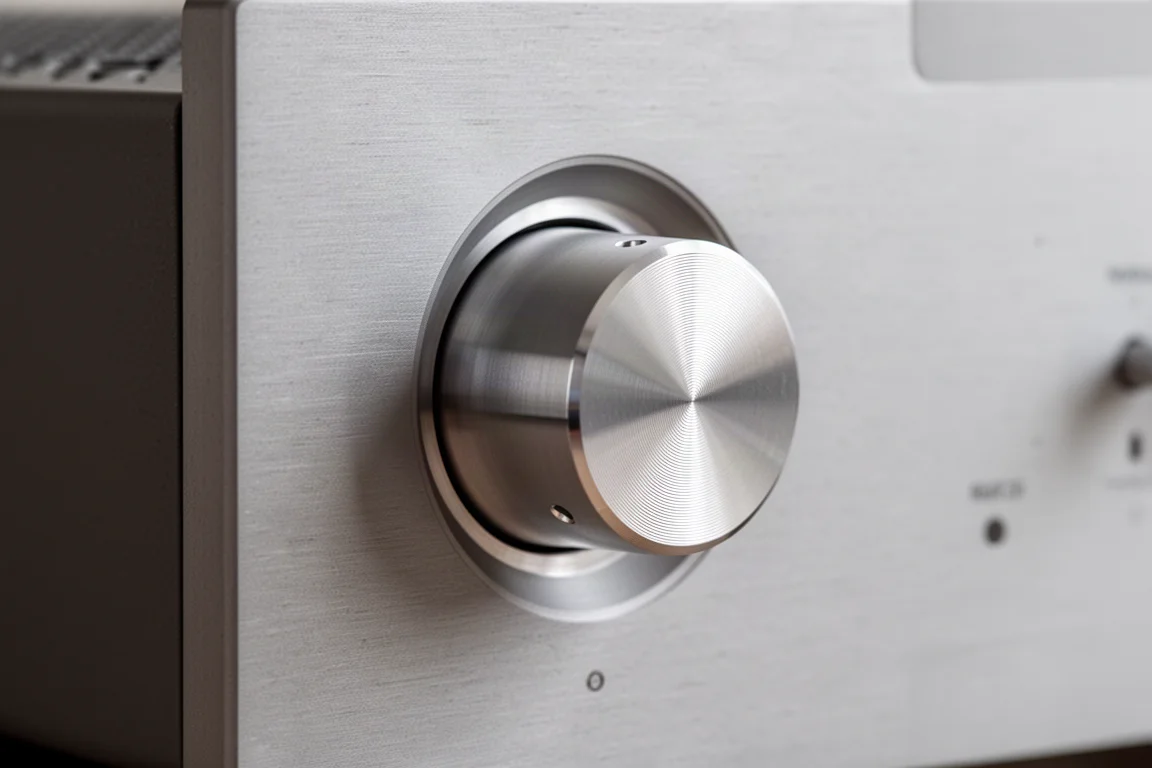
One practical note: the amplifier puts out a noticeable amount of heat in use. That is not a concern in open air, but it is worth leaving some clearance if you plan to slot it into a tight shelf.
Connectivity and Everyday Use
The rear panel covers the essentials and then some. There are two line-level RCA inputs, a coaxial digital input, an optical digital input, a subwoofer output, an HDMI eARC connection, and a USB-C input. There is no phono stage, so a turntable will need its own preamp.
The HDMI eARC input is the standout for anyone building a simple two-channel television system. Connected to a large TV, it worked without any handshake trouble, which is more than can be said for a lot of stereo amplifiers that treat HDMI as an afterthought. The subwoofer output makes it easy to run a 2.1 setup, and it works well with a wireless subwoofer kit feeding a sub placed across the room.
TEAC does not specify which Sabre DAC chip is inside, only that the amplifier uses one. In everyday use the digital inputs sound clean and well sorted, whether the source is a television, a computer over USB-C, or a disc player over coaxial.
Sound Quality and Real-World Power
This is where the AI-303 makes its case. Driving a pair of KEF LS50s, it produced the best sound those speakers had delivered in that room. Bass was punchy and effortless rather than thin, the top end stayed natural instead of harsh or overly digital, and the amplifier held its dynamics at low listening levels. That last point matters: the AI-303 made those speakers more dynamic at quieter volumes than several far more powerful amplifiers managed.
The character has something in common with the Topping LA90, which is also notably punchy in the lower registers. The difference is the cost of ownership. Getting more power out of the Topping means spending more, because a DAC has to be added to the chain.
Against the WiiM Amp, the AI-303 sounded more dynamic. With the LS50s, the WiiM Amp came across as boxed in, with the bottom end cut off. The Cambridge Audio Evo is the more dramatic piece of hardware, with a stainless steel chassis and a far higher power rating on paper, yet the AI-303 was the amplifier that got the most out of the speakers in this setup.
The headphone stage is more interesting than most. The left and right channels run on separate grounds, a design choice intended to improve channel separation, and there is an adjustable crossfeed control for listeners who want a more speaker-like presentation. Published output is around 220 mW into 32 ohms, so very demanding headphones will want a dedicated amplifier, but ordinary headphones are handled well.
Things to Consider Before Buying
The 25 watt per channel rating is the first thing most buyers will question, and it is worth taking seriously. In this system it behaved like a much more powerful amplifier, but low sensitivity speakers in a large room at high volumes are still a risk.
There is no phono stage, which rules out a turntable without an external preamp. The headphone output is modest by desktop standards, so plan accordingly if you own hard to drive headphones. The amplifier runs warm, so ventilation matters. And at $999 it sits in a crowded part of the market where plenty of rivals advertise bigger power numbers.
Buying Advice
Buy the AI-303 if your priorities are a small footprint, strong real-world dynamics, and a feature set that covers a television, a computer, and a subwoofer without extra hardware. Its HDMI eARC input, subwoofer output, and USB-C connection make it unusually flexible for a compact stereo amplifier.
Be honest about your speakers and your room. If you listen at moderate levels with stand-mounted speakers in a normal living space, the power rating is far less limiting than it looks. If you need a phono stage, a large amount of headphone power, or high output in a big room, budget for something else or plan to add components.
Conclusion
TEAC’s return to this part of the market is a convincing one. The AI-303 is built well, handles everyday sources cleanly, and delivers a level of punch and composure that its specification sheet does not prepare you for. At $999 it is not cheap, and a price around $300 lower would make it an easier recommendation, but for listeners who value space, flexibility, and musical dynamics over raw wattage, it earns its place.
Product link
View more details for TEAC AI-303
This product is mentioned in the review. Check the specifications, options, and compatibility before buying.
View more details for TEAC AI-303Further reading
Related Reviews
Integrated Amplifiers
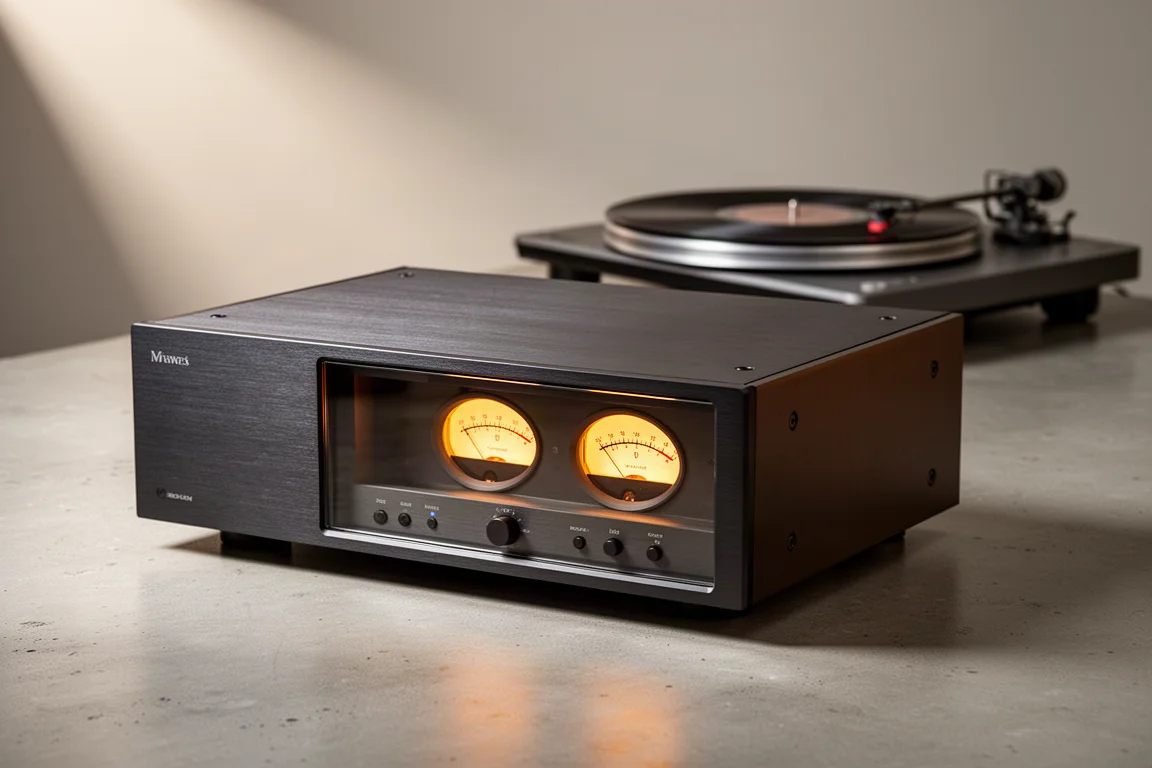
Advance Paris A10 Classic Review: Vintage Looks and a Lively, Punchy Sound
The Advance Paris A10 Classic pairs glowing blue VU meters and a tube stage with one of the widest input sets on any integrated amplifier. Here is what it does well and what to weigh before spending $2,500.
Integrated Amplifiers
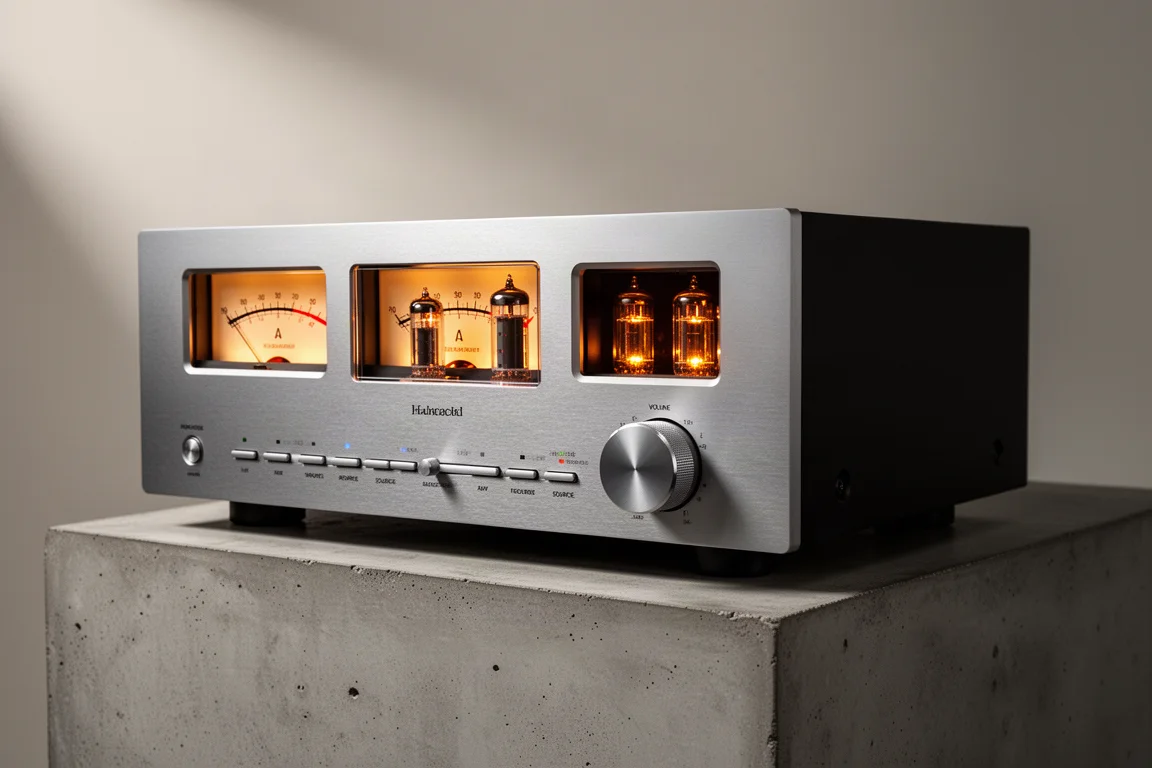
Advance Paris A12 Apex Review: A Modern Integrated Amplifier With Vintage Character
A dual mono integrated amplifier with 180 watts per channel, a tube front end, VU meters, and a connectivity list that covers turntables, televisions, computers, and headphones.
Integrated Amplifiers
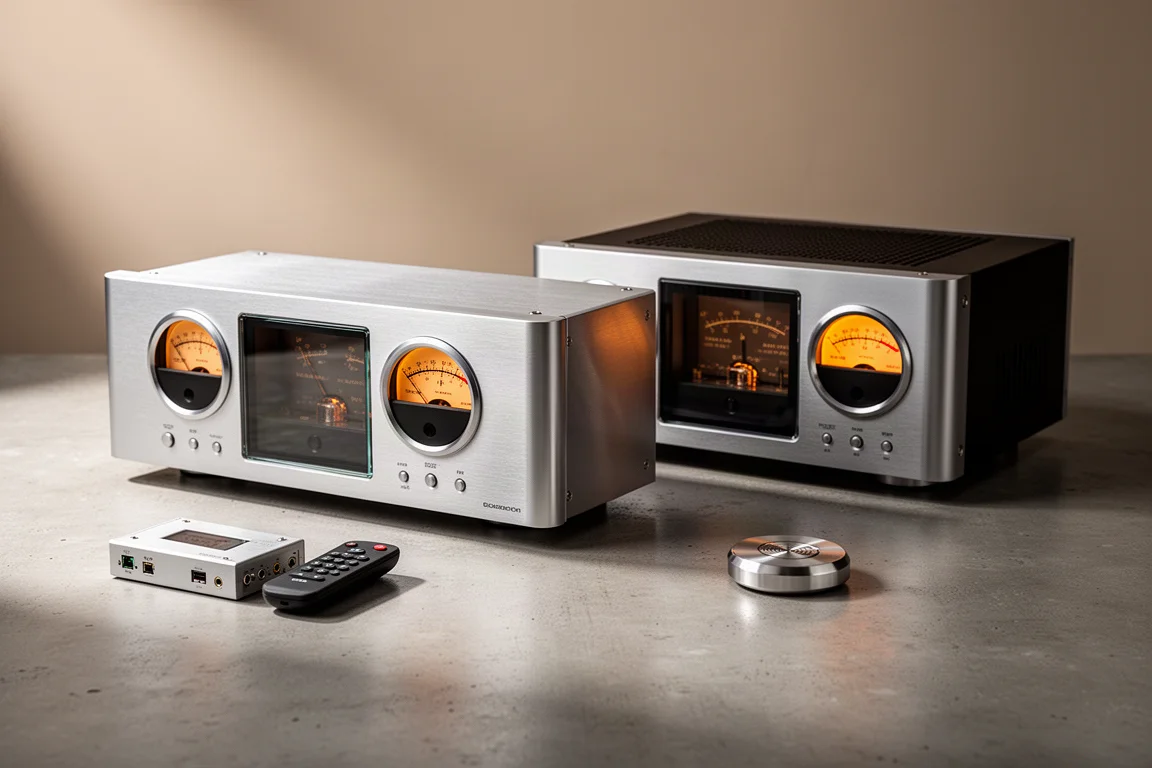
Advance Paris Nova Range Review: AI130, AI190 and Modular Upgrades
A practical look at the Advance Paris Nova range, including the AI130 and AI190 integrated amplifiers and the modular streaming, Bluetooth and remote accessories that expand them.