Hi-Fi Audio
TEAC AD-850 Review: A CD Player and Cassette Deck in One Chassis
The TEAC AD-850 puts a CD player and a cassette deck in a single box for $550. Here is what it does well, where it holds back, and who should buy it.
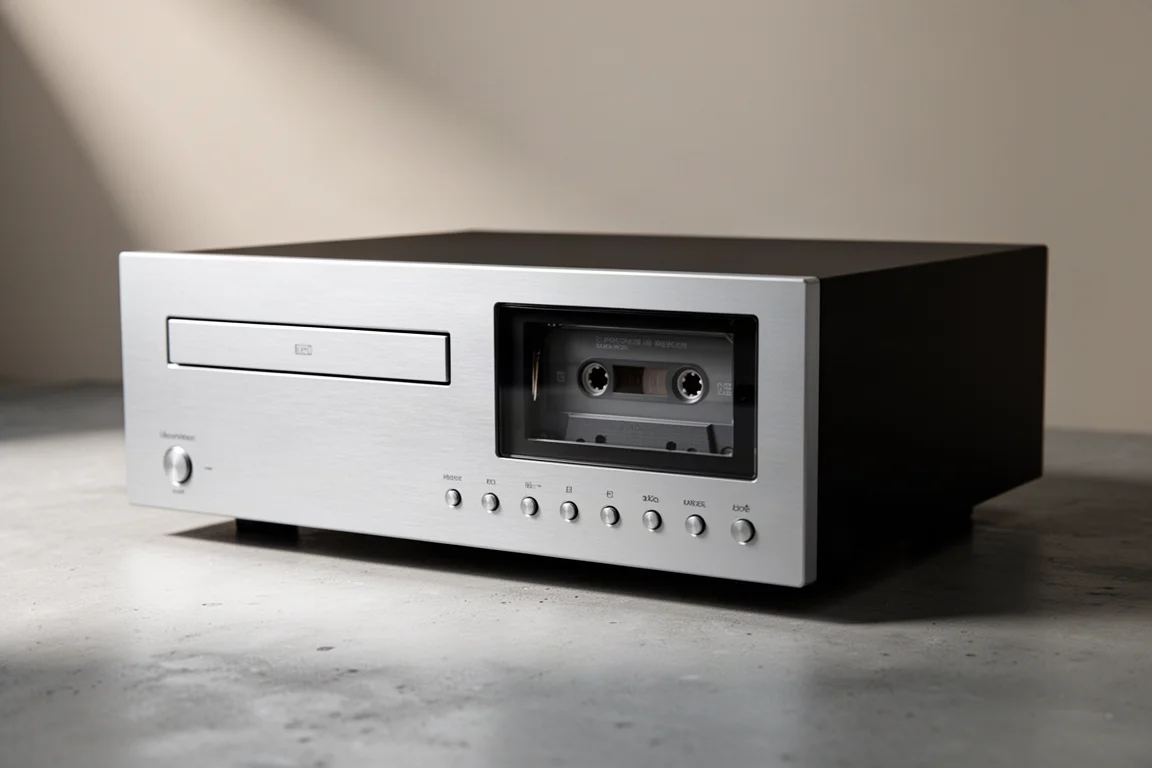
Introduction
The TEAC AD-850 does something no streamer can: it places a CD player and a cassette deck inside the same chassis, and it is still being sold brand new. That combination matters more than it first sounds. Cassette sales have been climbing again, with one recent industry tally putting annual sales at around 436,000 units, and CD sales have also risen year over year, in some regions marking the first increase in more than two decades. Physical formats are no longer just a nostalgia story.
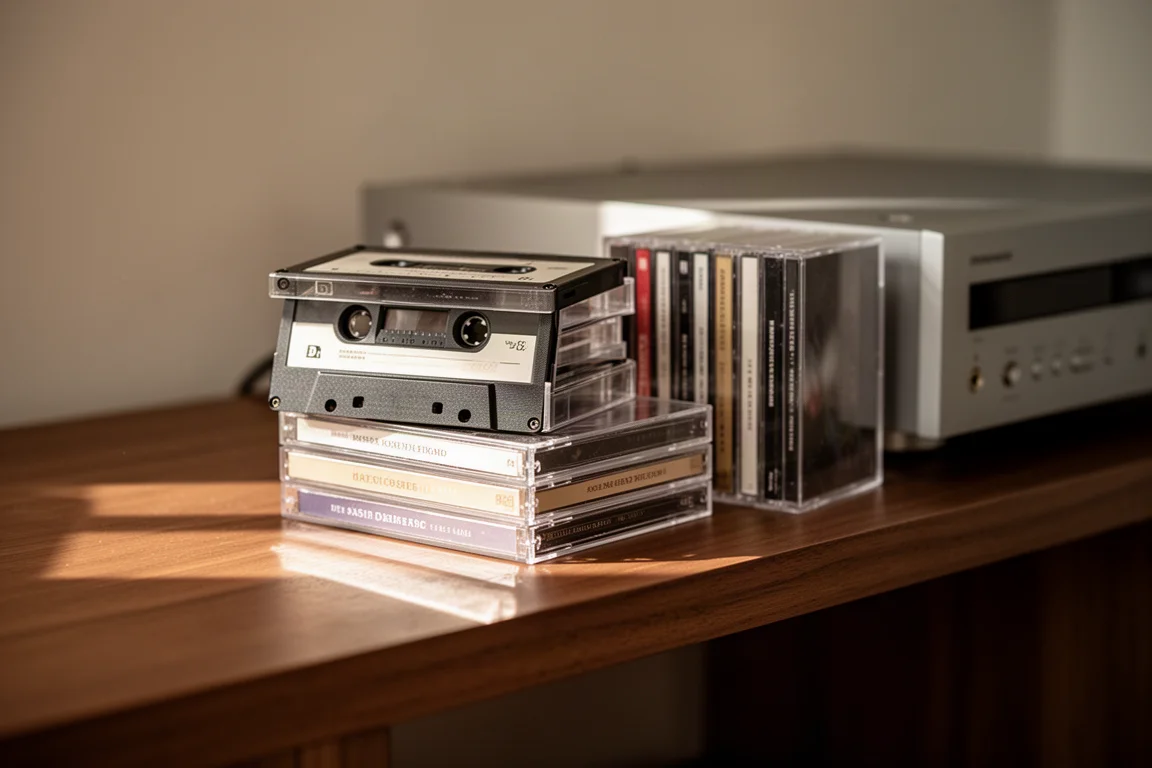
New music still arrives on tape. Recent Metallica releases have included cassette editions, among them 72 Seasons and a limited remastered run of The Black Album, and the Guardians of the Galaxy soundtracks were pressed to cassette as well. For anyone who wants to play that material alongside an existing CD collection without giving up two shelves, the AD-850 is a direct answer.
Who This Product Is For
The clearest fit is a listener with limited rack space who wants both formats in one box. If a collection is split between discs and tapes and two separate players are not practical, a single chassis solves that problem cleanly.
It also suits people who treat physical media as a secondary source. The AD-850 is not aimed at anyone chasing the last word in digital resolution. It is aimed at someone who enjoys loading a disc or a tape, pressing play, and sitting through a full album without touching anything else.
Main Strengths
The headline strength is format coverage. A CD player and a cassette deck share one housing, so one shelf slot covers both collections. The deck records to USB as well, and there is a microphone input for karaoke-style recording or for dubbing tapes.
The internal digital-to-analog conversion is pleasant rather than clinical. It has a laid-back character, closer to the warmer house sound found in home theatre receivers than to the sharper, more forensic presentation of players built around high-end converter chips. That makes it unusually forgiving with harshly mastered 1980s and 1990s rock and metal records, which is a large part of the appeal for the audience this product targets.
Cassette playback of newly released and remastered tapes sounded surprisingly good: fun and dynamic, with a little tape hiss at the start of a side. There is no Dolby noise reduction on board, so that hiss stays part of the experience rather than something the machine removes. The unit looks the part as well, and the warranty covers both the CD player and the cassette deck.
CD Playback and Digital Conversion
The AD-850 has no optical or digital coaxial output. That is the one omission worth understanding before buying. A digital output lets an owner hand conversion off to an external DAC, and plenty of listeners already own a converter they prefer. Without one here, the internal DAC does all of the work.
The converter inside sounds good on its own terms. It is not as detailed as the players costing around $600 that use high-performance converter chips, but it trades that detail for a smoother, more relaxed presentation. If a library leans toward loud, compressed masters from the 80s and 90s, the trade frequently works in the listener’s favour.
Cassette Playback and Recording
Tape is the reason most buyers will look at this machine, and the results depend heavily on the tape itself. Newly released and remastered cassettes sounded genuinely enjoyable. Older tapes are more variable, which reflects how the originals were recorded and mastered rather than any fault in the deck.
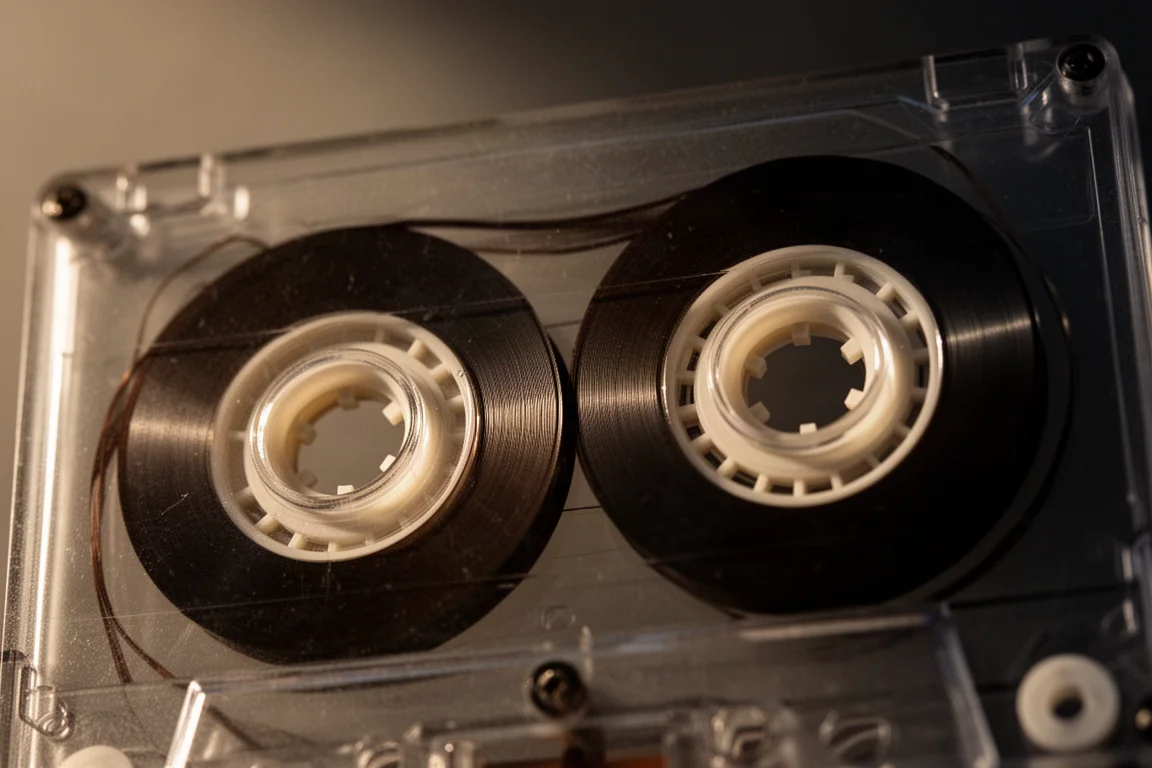
On a direct comparison of the same album on cassette and CD, the CD wins clearly, with more dynamics and more detail. That is expected, and it is not really the point. The point is that a four-decade-old tape still loads, spins, and sounds like something worth hearing.
Things to Consider Before Buying
Two features are missing, and both deserve weight. There is no digital output, and USB playback does not extend to uncompressed WAV or FLAC files. Add both and this would be close to a perfect machine for the money. Without them it is a very good one.
There is also no Dolby noise reduction, so hiss remains part of cassette playback. Buyers who cannot tolerate that should stay with discs.
On value, the AD-850 is priced at $550, while a near-identical sibling model, the Tascam CD-580, uses the same core machine with rack-mountable hardware at $699. Anyone who does not need rack mounting saves money by choosing the TEAC. A dedicated CD player such as the Rotel CD11 MkII, at around $600, delivers noticeably more clarity and air on the same disc, but it cannot play tapes at all. And if maximum fidelity is the only goal, a streamer paired with a good external DAC will beat both.
Buying Advice
The AD-850 earns a strong recommendation for the right buyer and a lukewarm one for everyone else. As an experience-first component it lands somewhere around 8.5 to 9 out of 10, with the missing digital output and the limited USB file support as the only real deductions.
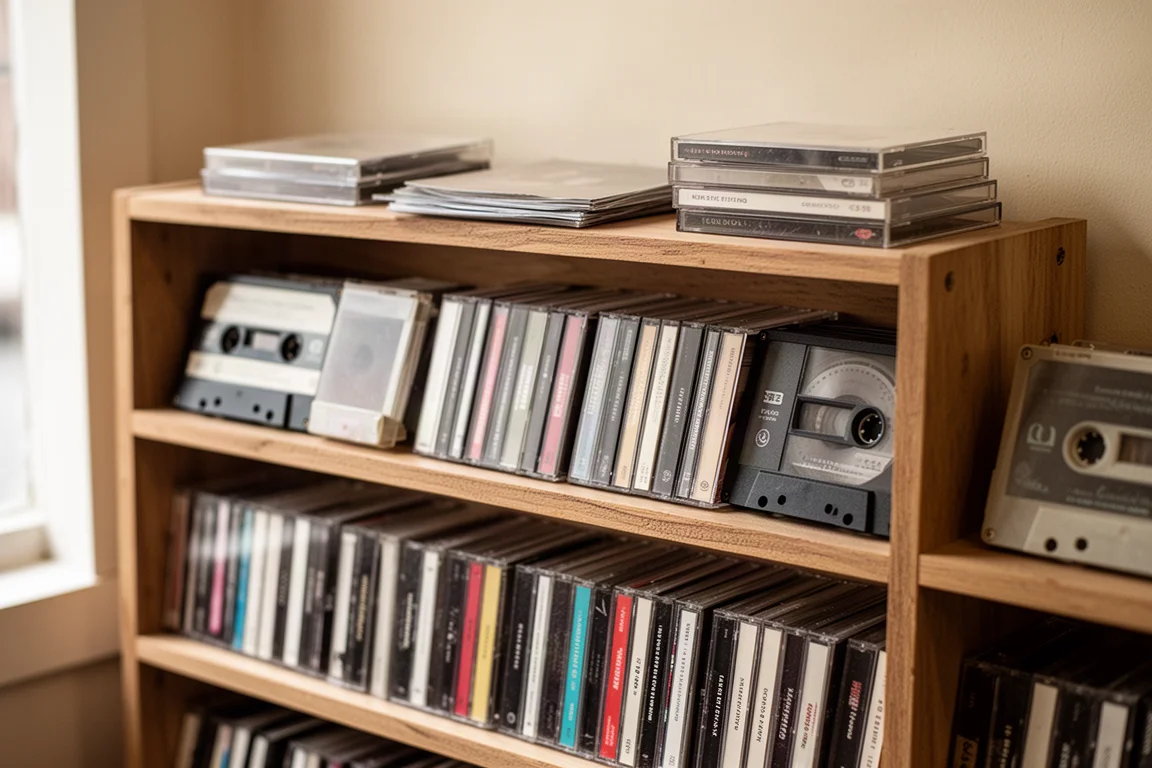
If CDs and cassettes are things you actively enjoy handling, this is a well-priced way to keep both formats alive in one spot, and it is the sort of purchase that tends to produce a smile the first time a tape clicks into place. If the priority is the cleanest possible reproduction of digital files, put the money into a converter and a streamer instead.
Conclusion
The TEAC AD-850 is not the most resolving player you can buy, and it is not trying to be. It is a compact, good-looking way to play CDs and cassettes from a single shelf, with USB recording and a forgiving internal DAC as genuine bonuses. At $550, against a near-identical rack-mount sibling costing $150 more, it makes a clear case for itself.
Product link
View more details for TEAC AD-850
This product is mentioned in the review. Check the specifications, options, and compatibility before buying.
View more details for TEAC AD-850Further reading
Related Reviews
Hi-Fi Audio
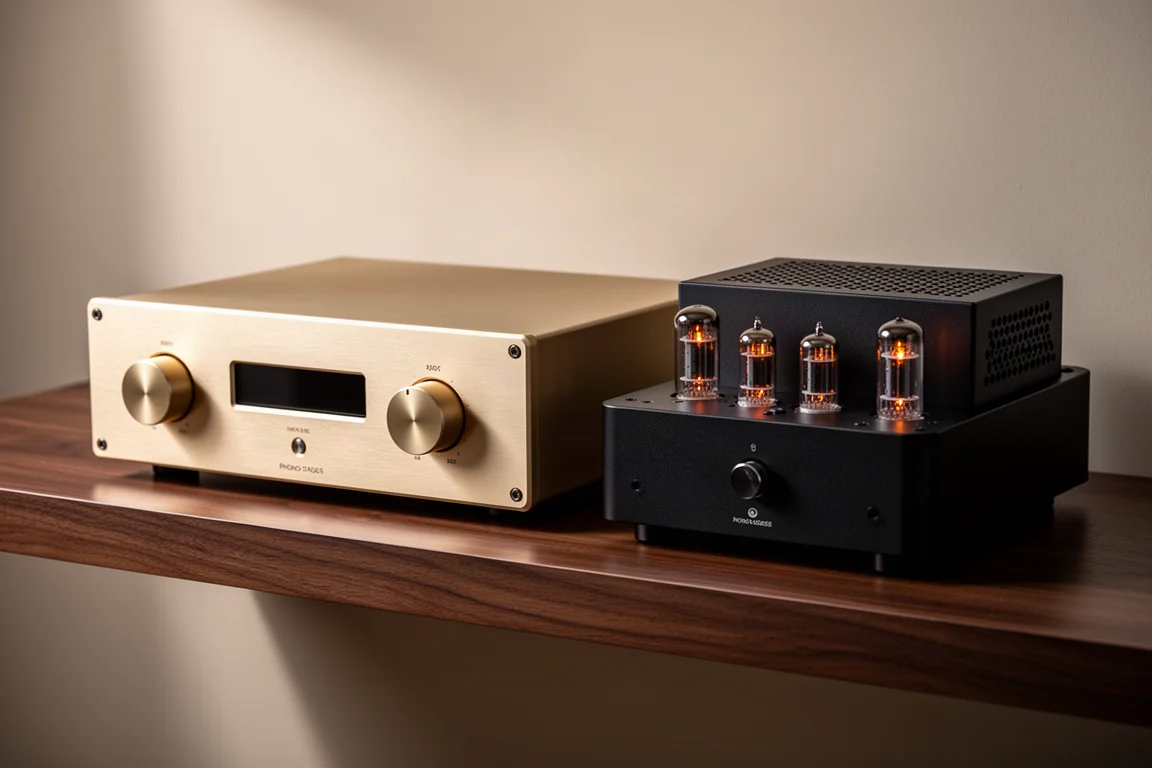
Accuphase C-57 vs Allnic H-7000V: Two High-End Phono Stages Compared
A fully balanced solid-state phono stage with a pitch-black noise floor meets a tube design built for well-loved records. Here is how to choose between them.
Hi-Fi Audio
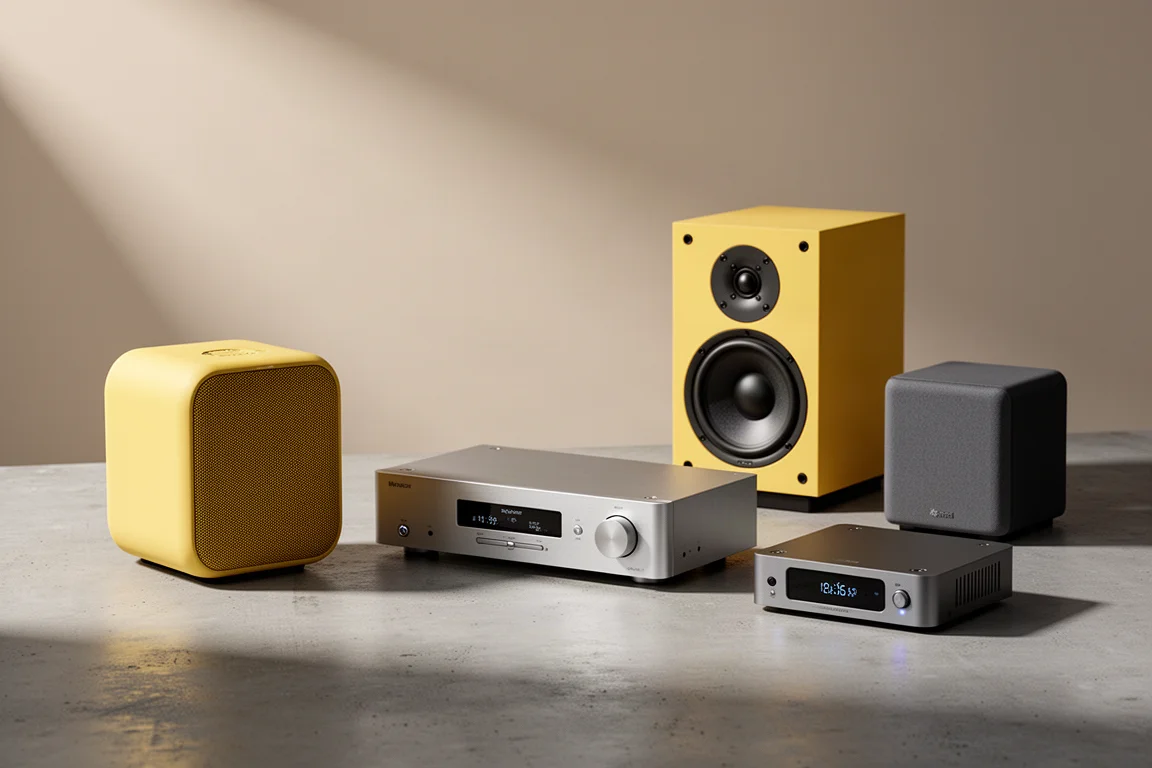
Active vs Passive Hi-Fi: Five Components for a Modern System
Five components that define modern active and passive hi-fi systems, with the strengths, trade-offs and setup details worth weighing before you buy.
Hi-Fi Audio
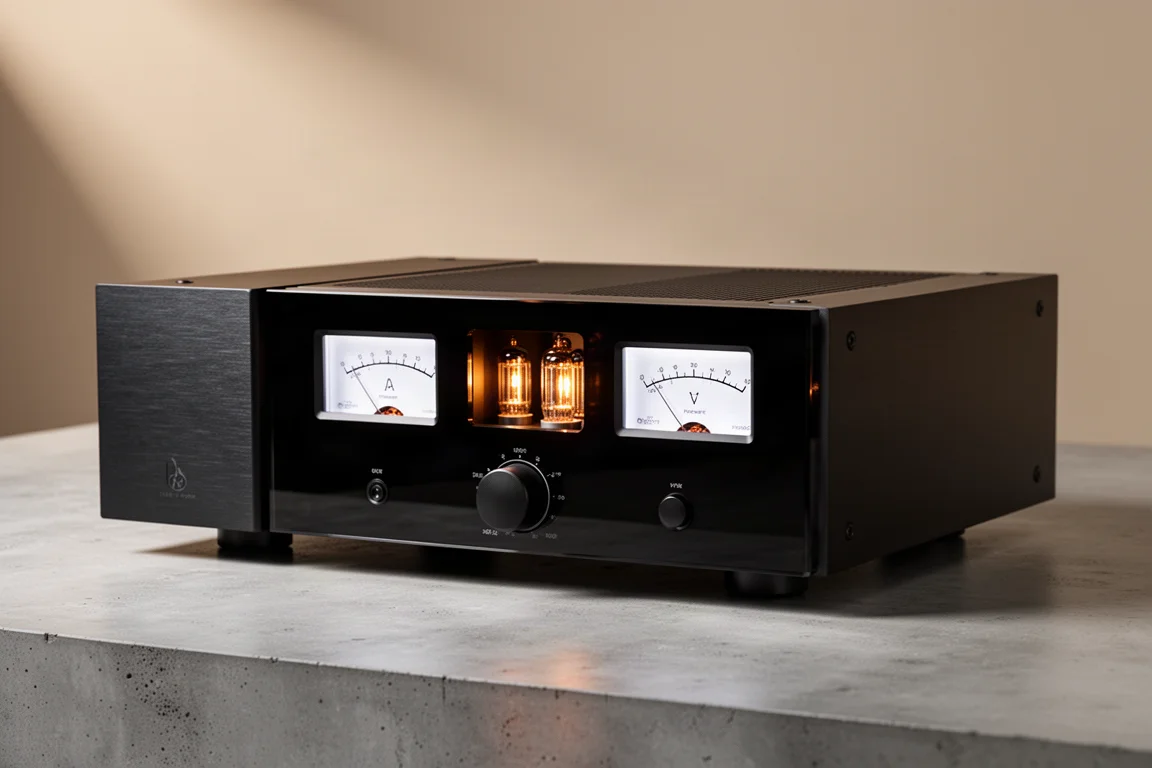
Advance Paris A10 Apex Review: A Hybrid Integrated Amplifier That Covers a Lot of Ground
A French hybrid integrated amplifier with a class A tube preamp stage, analogue power meters, and an internal DAC and phono stage good enough to make extra boxes unnecessary.