Televisions
TCL QM8K Review: A 98-Inch Mini LED Flagship That Gets Very Bright
The TCL QM8K brings exceptional brightness and strong post-calibration accuracy in sizes up to 98 inches, with a few practical caveats worth weighing first.
Introduction
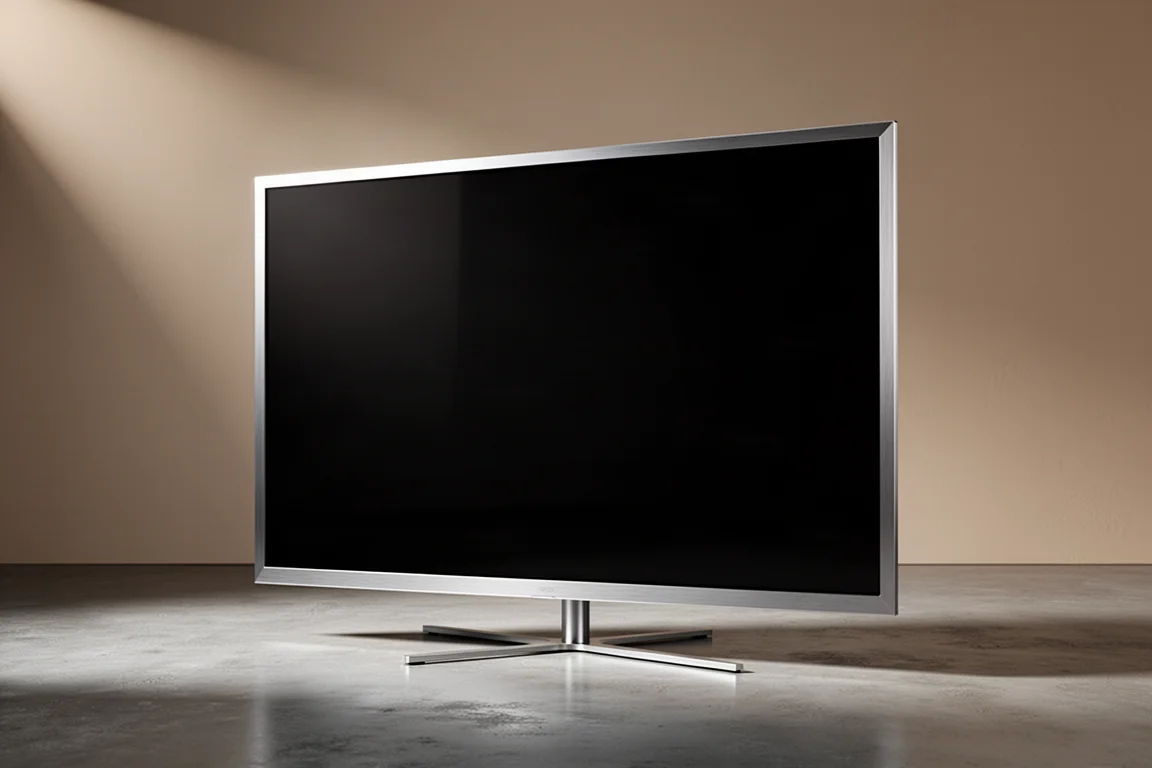
TCL’s flagship QD-Mini LED television, the QM8K, is a native 4K Ultra HD display sold in screen sizes from 65 inches up to 98 inches. The 98-inch version is the model in focus here, and it arrives at roughly double the price of the QM7K that TCL introduced earlier in the year.
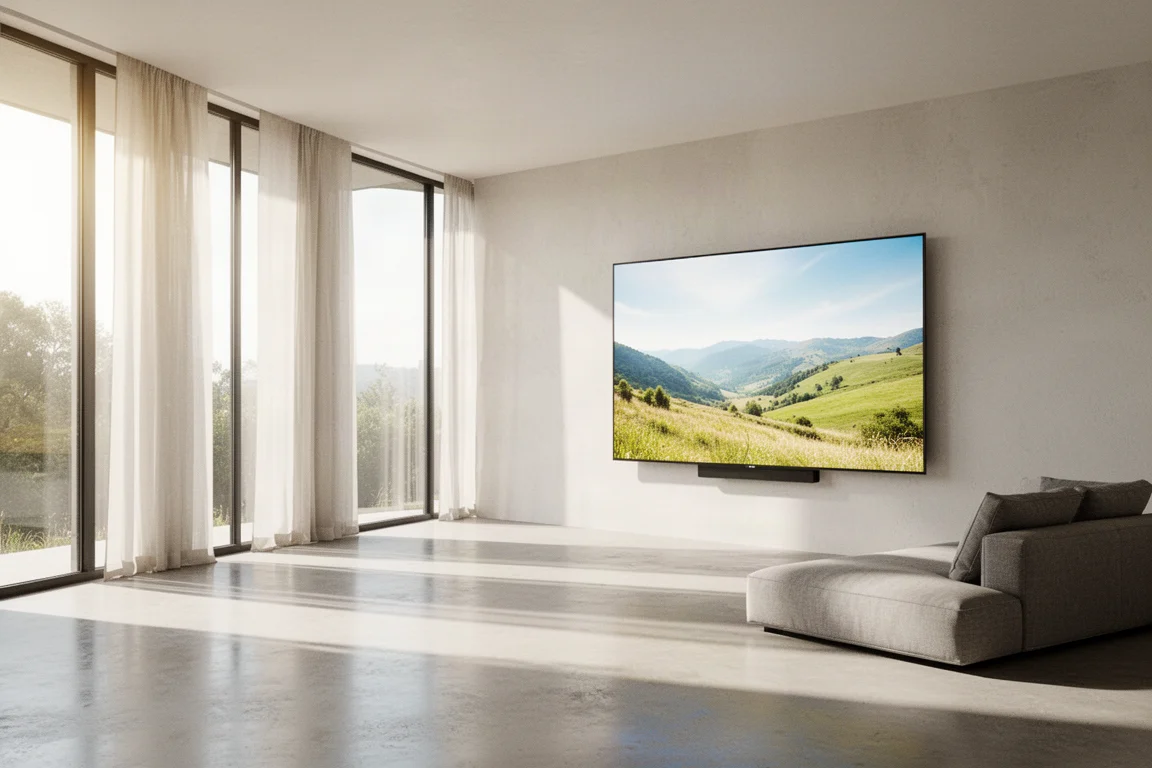
The hardware story is straightforward. A QD-Mini LED panel is paired with TCL’s halo control system and up to 3,800 dimming zones, and TCL claims peak brightness of up to 5,000 nits. An AI PQ processor, refined light and contrast algorithms, and new micro lens technology are part of the package. On paper, that puts the QM8K in the conversation with the strongest Mini LED sets on the market, and it also gives OLED a serious challenge on brightness while offering far larger screen sizes.
The real question is whether the flagship delivers enough to justify the step up in price. The answer depends heavily on how much you value light output, how large a screen you want, and whether you are willing to spend a little time on calibration.
Who This TV Is For
The QM8K makes the most sense for viewers who want a very large screen without OLED pricing. Brightness is the headline feature, and it matters most in rooms that are not light controlled. With brightness figures approaching 5,000 nits, standard dynamic range and HDR content, including Dolby Vision, can be displayed vividly in bright environments and in daylight.
It is also a sensible pick for gamers and sports fans. The television has four HDMI inputs, two of which are HDMI 2.1, so up to two next-generation consoles can be connected at full quality and speed. Fast-moving games and sports coverage were handled with impressive processing and pace.
Finally, it suits buyers who rely on built-in speakers. The internal speakers come from the Danish audio brand Bang & Olufsen and use B&O tuning, and they deliver a surprising amount of bass.
Main Strengths
Brightness is where the QM8K separates itself. On the 98-inch model, sustained peak brightness measured close to 4,000 nits even in HDR, well short of the 5,000 nit claim but still remarkable for a television of this size. Smaller sizes may get closer to that claimed figure. Light output at this level makes an obvious difference: images have real punch, contrast and saturation hold up in most rooms, and the set never feels short of headroom.
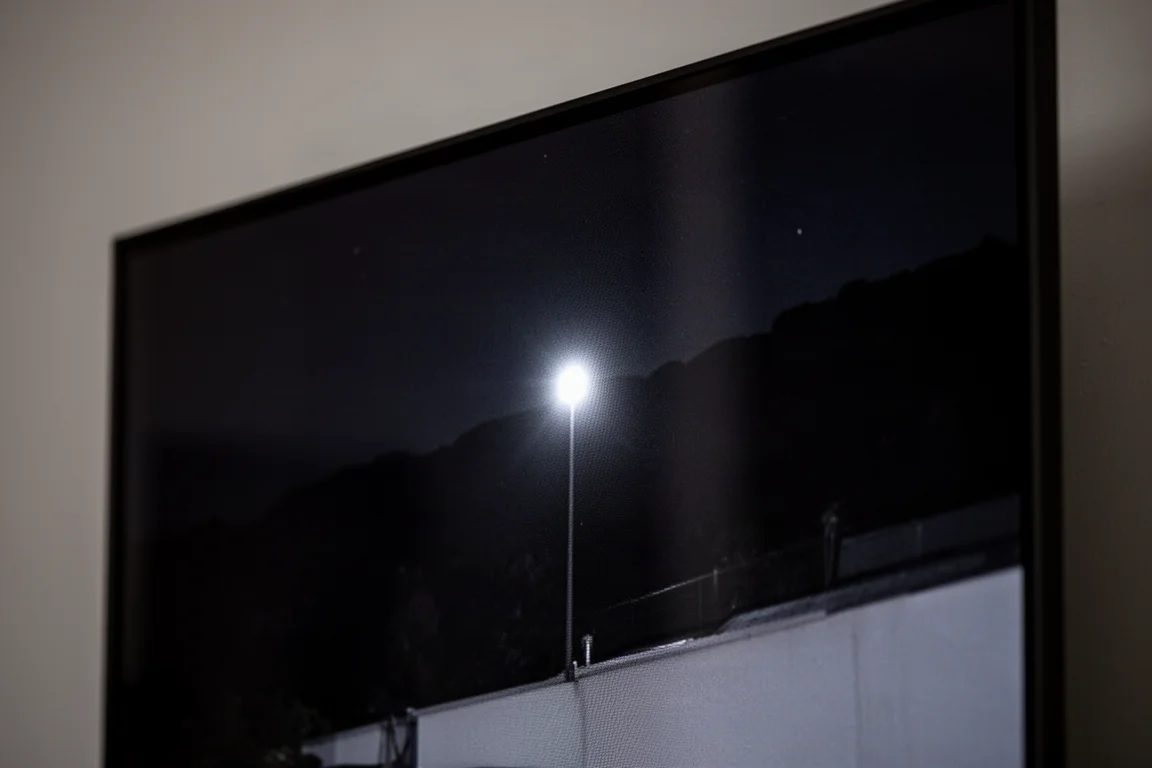
Backlight control is equally impressive. Blooming and halos around bright objects were kept at bay, which made subtitles easy to read against dark backgrounds. Brightness uniformity was good across the panel, and dirty screen effect was minimal to non-existent on the sample tested. Off-axis viewing is also a step above the QM7K, most likely because of the extra brightness, although color accuracy does drift as you move far off center.
The design has moved upmarket as well. The QM8K uses a zero border design with a natural aluminium frame, giving it a more premium look than the already slim QM7K. For those who want the set to look like a flagship on the wall, it does.
Picture Quality and Accuracy in Practice
Out of the box, the QM8K launches in its standard picture profile rather than an eco mode, though that profile still engages many of the energy saving settings usually found in eco modes. Even with brightness reduced, it puts out close to 750 nits. The image is bright and clear, arguably to the point of looking crisp rather than natural, and the white point and colors lean cool or blue. Grayscale measured a delta E of 11 and color a delta E of 10. For reference, a profile is generally considered accurate out of the box at a delta E of three or less.
The movie profile improves things considerably but dims the picture, since it sets backlighting to 30 percent, landing at around 200 nits. There, grayscale measured a delta E of six and color a delta E of four. Filmmaker mode is the more accurate starting point, also at roughly 200 nits, with grayscale at 4 and color at 2.9. Turning off the profile’s default eco settings raised standard dynamic range output to about 550 nits, while HDR test patterns sustained somewhere between 700 and 1,000 nits.
Calibration is where the QM8K really delivers. Starting from the filmmaker profile, grayscale and color accuracy were brought to a delta E of nearly zero for both. That places the QM8K second among all televisions measured this year, and first among the Mini LED sets, ahead of the Sony Bravia 9 and equal to the LG C5 OLED on white point and color accuracy.
There is one wrinkle worth knowing. Dynamic brightness and contrast aids can skew grayscale and color accuracy, and the brighter the image becomes, the further the QM8K drifts from its calibrated state. The workaround is to settle on a comfortable brightness level and then adjust white point and color to match. Viewers who skip professional calibration are unlikely to be bothered by this, but it is worth noting for anyone who cares about precision at every brightness level.
Things to Consider Before Buying
The most practical caveat is noise. Setting the brightness slider above roughly 80 percent, or above 70 percent while raising the dynamic backlighting and contrast aids beyond their lowest or standard settings, causes the television to emit a soft but audible hum. The sound comes from the internal fans, which appear to spin up to cool the panel. The thin, near bezelless chassis likely leaves little room for sound deadening.
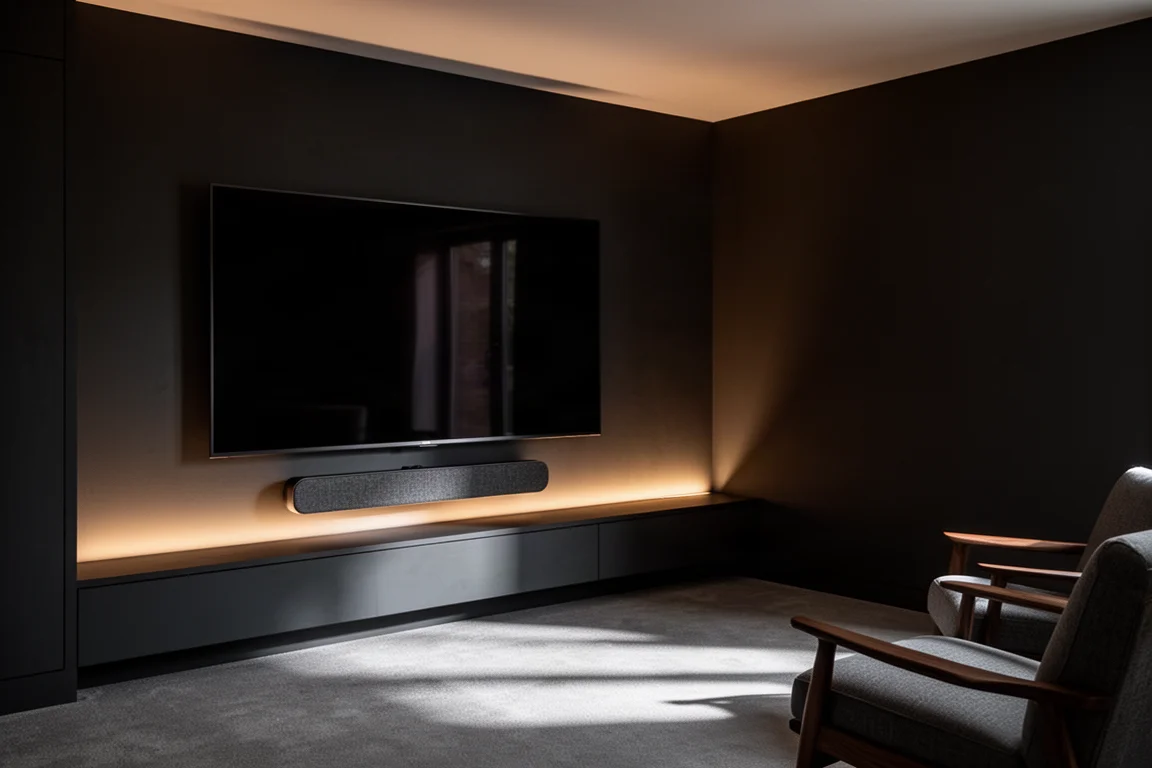
Lowering the brightness slider to about 70 percent and keeping the dynamic backlighting and contrast settings on low or standard resolves the issue. The trade-off is that the display no longer reaches its absolute maximum brightness. Depending on how you look at it, that can feel like paying for performance you cannot fully use.
Two other details are worth flagging. When watching Dolby Vision content with every dynamic brightness and contrast aid set to its highest level, some brightness ramping and reverse vignetting can appear from time to time. And like other LED-based televisions with minimal bezels, a few pixels of vignetting along all four sides can be visible in bright scenes or white test patterns.
The HDMI layout also deserves a mention. Four inputs are provided, but only two are HDMI 2.1, with the other two limited to HDMI 2.0. The ARC and eARC port is not shared with one of the 2.1 ports, which is good news for anyone connecting a soundbar alongside two consoles.
Setup, Calibration, and Everyday Use
Getting started is straightforward. A fairly standard setup procedure walks you through Google TV, the built-in operating system, and the process is quicker if you already use a Google account. Google TV comes preloaded with the major streaming platforms, so an external streamer is optional rather than required. The television also worked with several soundbar setups over HDMI ARC and eARC without issue.
Calibration is not difficult either. Using a light meter and calibration software, the QM8K was brought to reference-grade accuracy without much trouble. For anyone who would rather avoid professional calibration, the filmmaker profile combined with a brightness slider at 100 is the recommended starting point.
For a set this size, the day-to-day experience is mostly about how it handles varied content, and the QM8K handles that well. Movies and series look dimensional and naturalistic after calibration, and the light output gives real flexibility in rooms that cannot be darkened.
Buying Advice
The comparison that matters most is with the QM7K. The less expensive model is not as bright and trails the flagship by a percentage point or two in absolute terms, but it is the more accurate television out of the box. If you want a set you can unbox, set up, and forget, the QM7K is the better value, and it may still be the best overall buy in TCL’s large Mini LED lineup.
Against the Sony Bravia 9, the QM8K holds its own. The Sony offers a better overall viewing and day-to-day living experience, with more consistent performance, even though the TCL is brighter out of the box and more accurate after calibration. Neither of the other Sony models tested this year is as bright or available in sizes as large as the TCL. If brightness is the priority, the QM8K remains brighter than either Sony even after the workaround to avoid fan noise.
The LG C5 OLED is still the set to beat for maximum accuracy and true-to-life contrast, and it measured better both out of the box and after calibration. Choosing it means accepting lower light output, and at large sizes the price climbs sharply. A comparable size runs roughly $20,000. With the 98-inch QM8K currently available for under $5,000, the value case for the TCL is strong.
There is one more consideration. Out-of-box performance was good rather than great, so buyers who never calibrate will not see the QM8K at its best. With a modest investment in calibration, however, it becomes a reference-grade display that competes with the biggest names in the category.
Conclusion
The TCL QM8K is a genuinely impressive flagship. Its brightness is the kind of thing you notice immediately, backlight control keeps the image clean, and post-calibration accuracy puts it in rare company. It also offers something no OLED at this price can match: a 98-inch screen with light output that fills a bright room.
The caveats are real but manageable. Fan noise at maximum brightness requires a small compromise, dynamic contrast aids can shift accuracy as the picture gets brighter, and out-of-box tuning is good without being exceptional. Buyers who want the very best picture without any adjustment may find the QM7K the smarter purchase. For everyone else, especially those who want the largest possible screen and are willing to calibrate, the QM8K delivers.
Product link
View more details for TCL QM8K
This product is mentioned in the review. Check the specifications, options, and compatibility before buying.
View more details for TCL QM8KFurther reading
Related Reviews
Televisions
LED vs OLED TVs: Choosing the Right Sony Model for Your Room
How LED and OLED televisions differ, the five factors that decide the right panel, and where the Sony X90K, X95K, Z9K, and A95K each fit.
Televisions
Samsung QN900B Review: The 8K QLED Flagship, Tested
A native 8K QLED with mini LED backlighting, measured brightness upwards of 1,800 nits, and an automatic calibration routine that genuinely delivers reference-grade accuracy.
Televisions
Sony Bravia 2026 Lineup: True RGB Explained Across Four Models
Sony's 2026 Bravia range brings true RGB backlighting to four models. Here is what the technology changes, and which television fits which room.