Televisions
Sony Bravia 2026 Lineup: True RGB Explained Across Four Models
Sony's 2026 Bravia range brings true RGB backlighting to four models. Here is what the technology changes, and which television fits which room.
Introduction
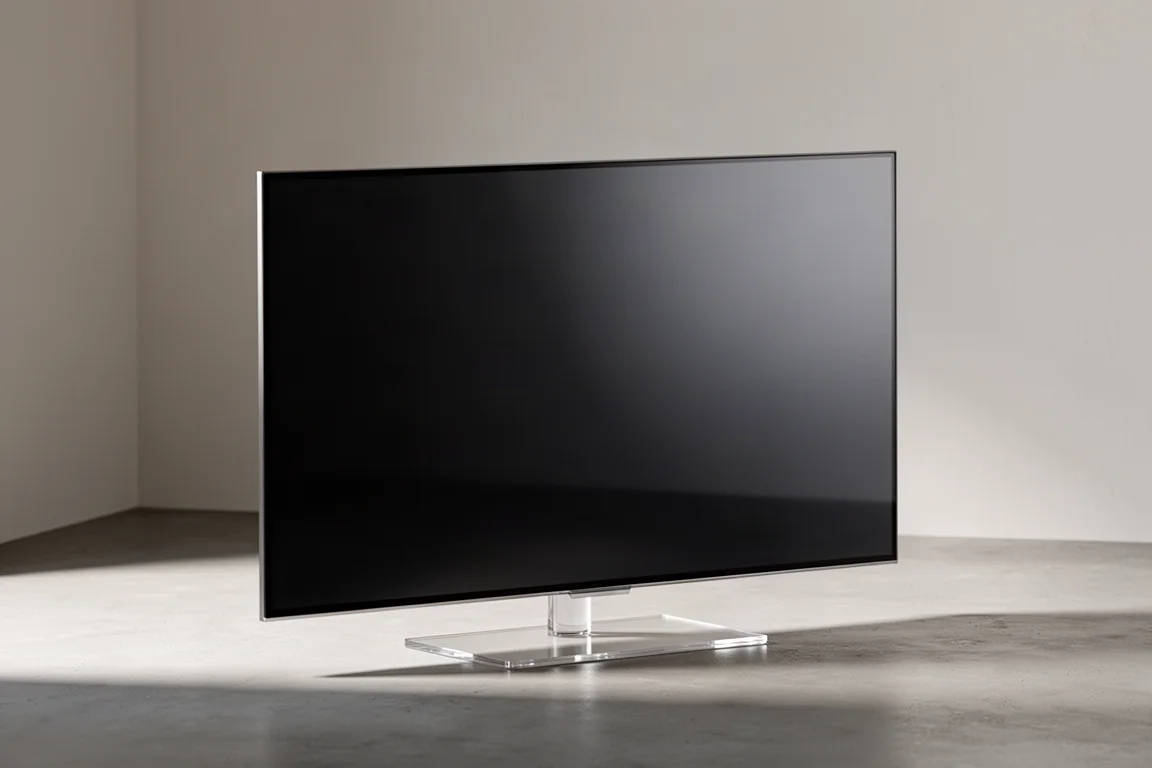
Sony’s 2026 Bravia lineup brings true RGB backlighting to a wider range of buyers, and it is the most significant change to the company’s LED LCD televisions in years. Four models arrive this year: the Bravia 3 Mark II at the entry level, plus the Bravia 7 Mark II, the Bravia 9 Mark II and the Bravia 9 Mark II Pro, all three of which share the new true RGB backlight.
The short version is that color is now generated by the backlight itself rather than filtered out of white light, and the visible benefits show up in color purity, brightness, blooming behavior and off-axis viewing. This guide explains what true RGB is, what each model adds, and which one makes sense for a given room.
What True RGB Actually Changes
For roughly the past decade, most LED LCD televisions have worked the same way. A backlight made of blue LEDs shines through a quantum dot film, which converts part of that blue energy into red and green to widen the color foundation. The light then passes through the LCD panel, where color filters on each pixel block everything except the color that pixel needs.
That approach is inherently lossy, because it blocks energy rather than directing it. Producing pure red means lighting an entire zone and then filtering out the green and blue at the pixel level. It costs power, it limits how saturated colors can become, and it can produce a white or bluish halo around bright objects in dark scenes, which is what most people know as blooming.
True RGB removes the filtering step from the equation. Red, green and blue LEDs sit in the backlight as independent light sources, so color is generated at the source. Sony first demonstrated this idea in 2004 with the Qualia 005, an LCD television with red, green and blue LED backlights that proved the concept but never became a mainstream product. Bringing it back took more than two decades because the hardware is only half the problem. A processor has to drive three separate LEDs per zone, each with its own efficiency curve and thermal behavior, without color crosstalk between neighboring zones.
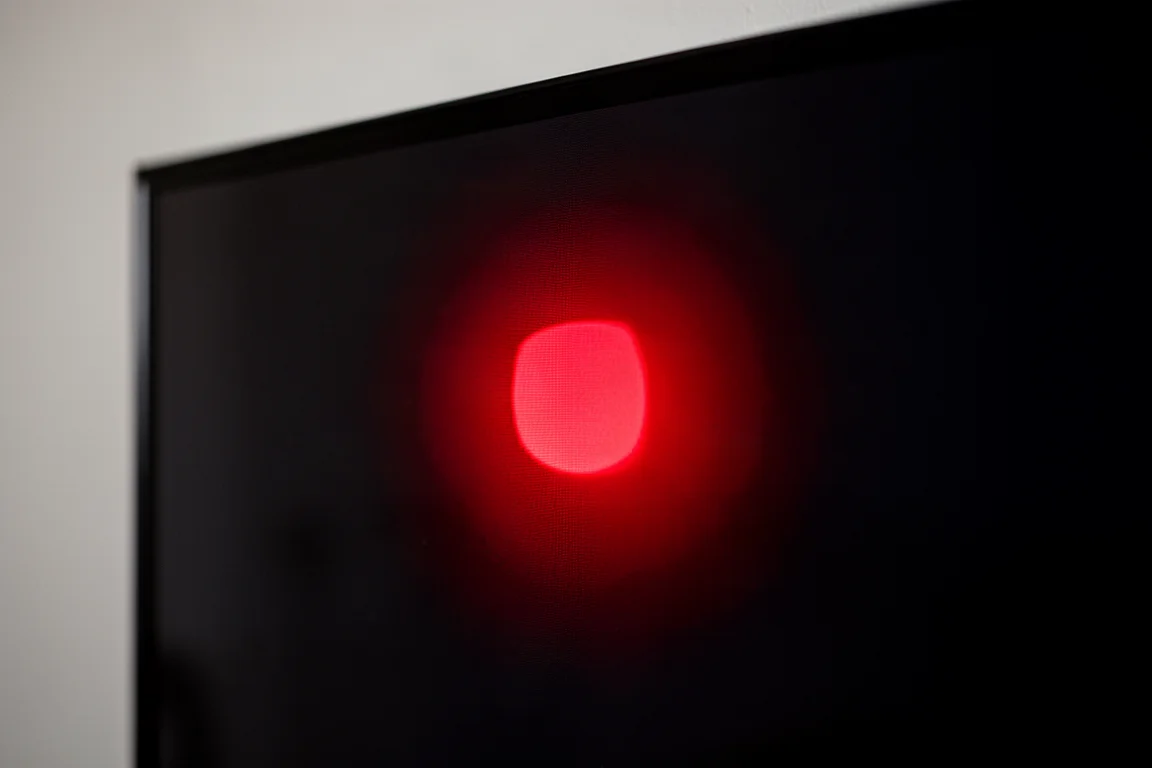
Sony’s approach uses square dimming zones rather than rectangular ones, which matters when a single zone covers two very different parts of an image, such as a colored shirt next to a person’s skin tone. The XR processor also drives the LED channel at 22-bit precision, which allows finer coordination between the backlight and the panel. The practical result is that color mode is maintained through complex, high-contrast scenes instead of falling back to a white backlight.
Two visible consequences stand out. Blooming takes on the color of the source, so a red light halos in red rather than white, which is how light behaves in the real world. Peak brightness is also claimed to reach toward 4,000 nits, well above what competing RGB mini LED models managed when tested against a 4,000-nit HDR clip. Because the color comes from the light source instead of being filtered, that brightness arrives with lower power draw rather than as a tradeoff.
Sony’s professional background is part of the story as well. The company builds the Venice 2 cinema camera and the BVM reference monitors that colorists and directors use when approving final images, and those monitors are priced around $30,000 each. The control philosophy behind that mastering hardware informed the algorithms used in the consumer true RGB sets, which narrows the gap between the approved grade and what appears on a living room screen.
Sony Bravia 3 Mark II: A Capable Everyday 4K TV
The Bravia 3 Mark II is the entry point to the 2026 lineup and does not use true RGB. It is a 4K LED television built around the XR processor, with a 120Hz panel, Dolby Vision and Dolby Atmos support, Google TV with Gemini, and four HDMI 2.1 ports. Sizes run from 43 inches up to 100 inches.
For buyers who want a well-rounded television for everyday streaming, sports and casual gaming at a more accessible price, this is the model that covers the essentials without stepping into the new backlight technology. The wide size range also makes it easier to match a specific room rather than working around the available options.
Sony Bravia 7 Mark II: True RGB for More Rooms
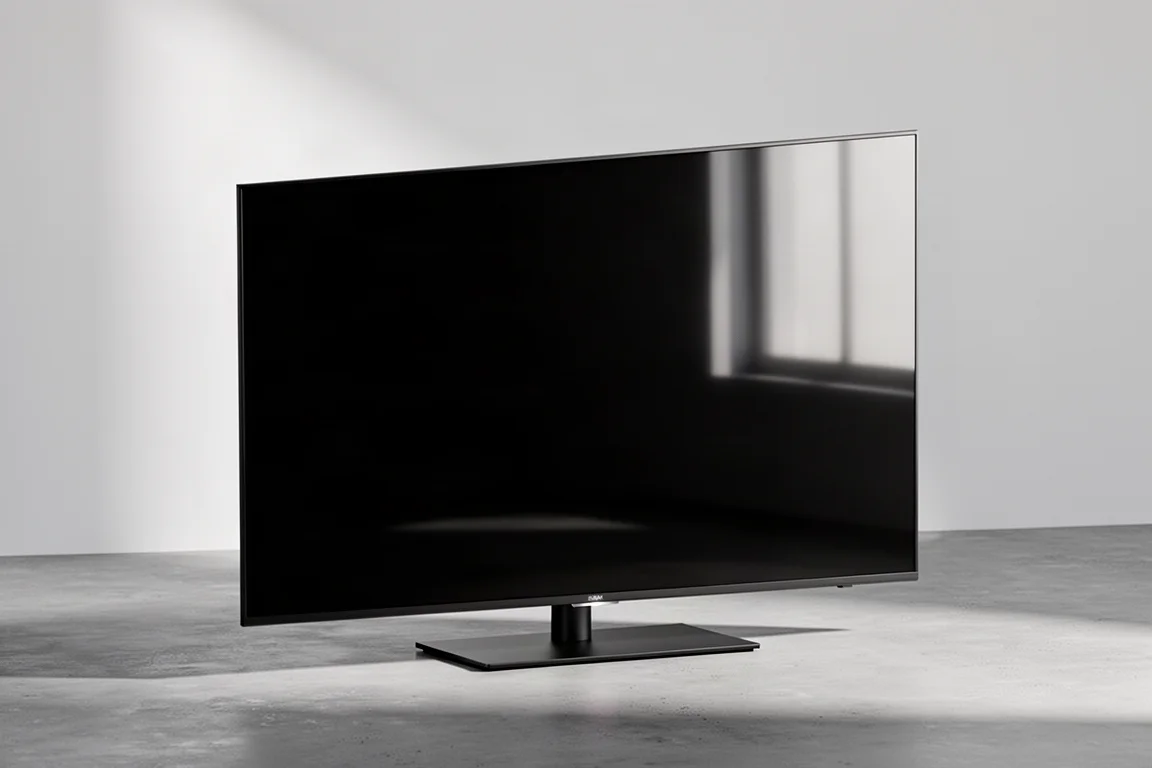
The Bravia 7 Mark II is the entry point into true RGB, and that is the main reason it stands out. It brings the new backlight to a much wider range of buyers, with sizes from 50 inches up to 98 inches.
Around the true RGB panel you get the XR processor with AI scene recognition, XR Motion Clarity for sports and fast action, XR Contrast Booster for deeper blacks and brighter highlights, and XR Clear Image for upscaling lower resolution content. Acoustic Multi Audio Plus moves sound around the screen to follow the picture. Format support covers Dolby Vision, Dolby Atmos, IMAX Enhanced and DTS:X, along with studio calibrated picture modes for streaming services and full HDMI 2.1 with 4K 120Hz, VRR and ALLM for gaming.
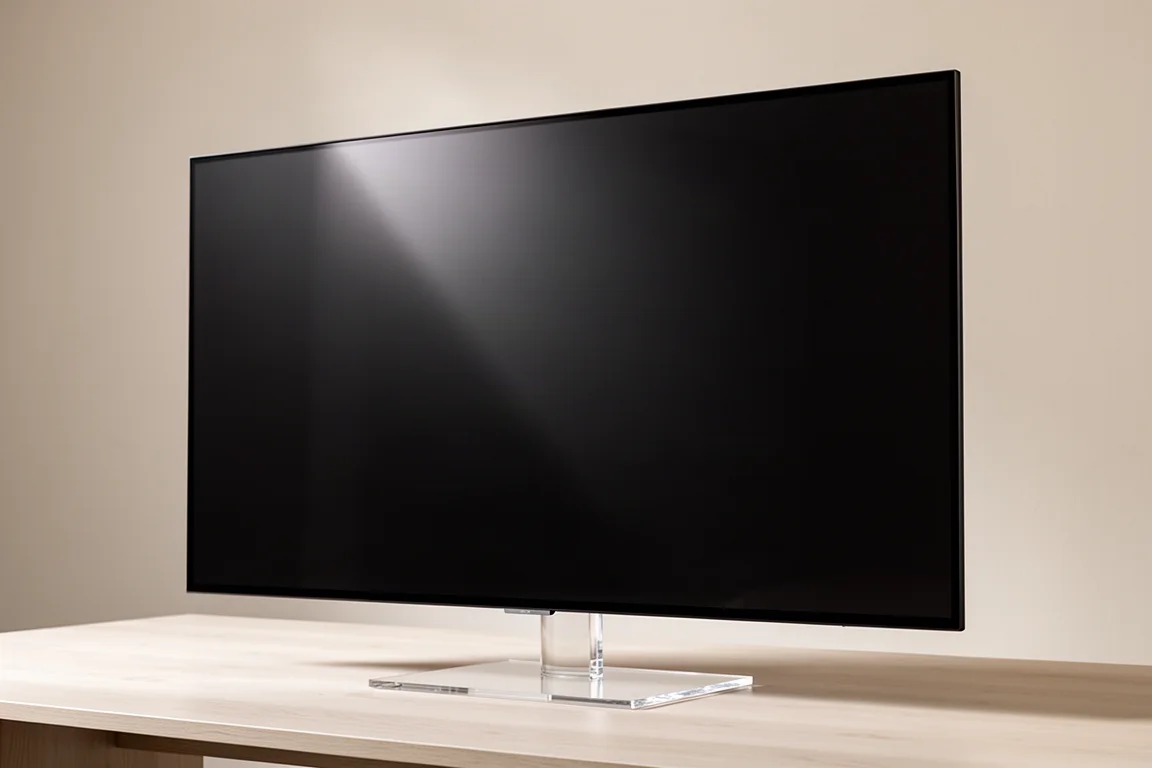
The design uses a transparent center stand that gives the set an almost floating appearance, and an optional Mirage stand with a slim steel and transparent lens panel pushes that look further. The Bravia 7 Mark II also pairs X-Wide Angle Pro with the true RGB backlight, which keeps color and contrast consistent for viewers sitting off to the side rather than only directly in front of the screen.
Sony Bravia 9 Mark II: The Flagship True RGB Package
The Bravia 9 Mark II is the flagship true RGB model, available in sizes from 65 inches up to 115 inches. It shares the backlight technology with the 7 Mark II but adds several things on top.
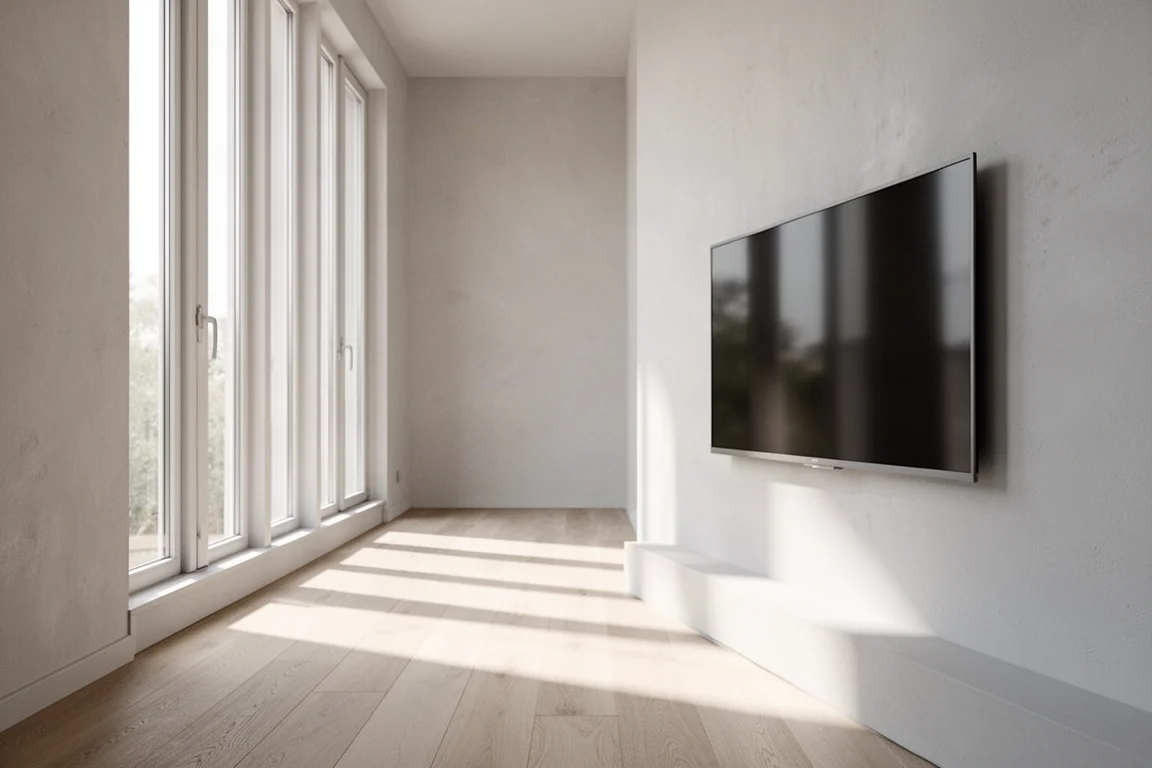
Immersive Black Screen Pro is Sony’s best anti-glare treatment and makes a noticeable difference in rooms with windows or overhead lighting. A beam tweeter fires sound upward to add a sense of height to the audio. Each panel is individually calibrated at the factory one unit at a time, so the specific television has been tuned rather than simply pulled from a production line. The package also includes 10 Sony Pictures Core credits for higher bit rate content and a 24-month subscription.
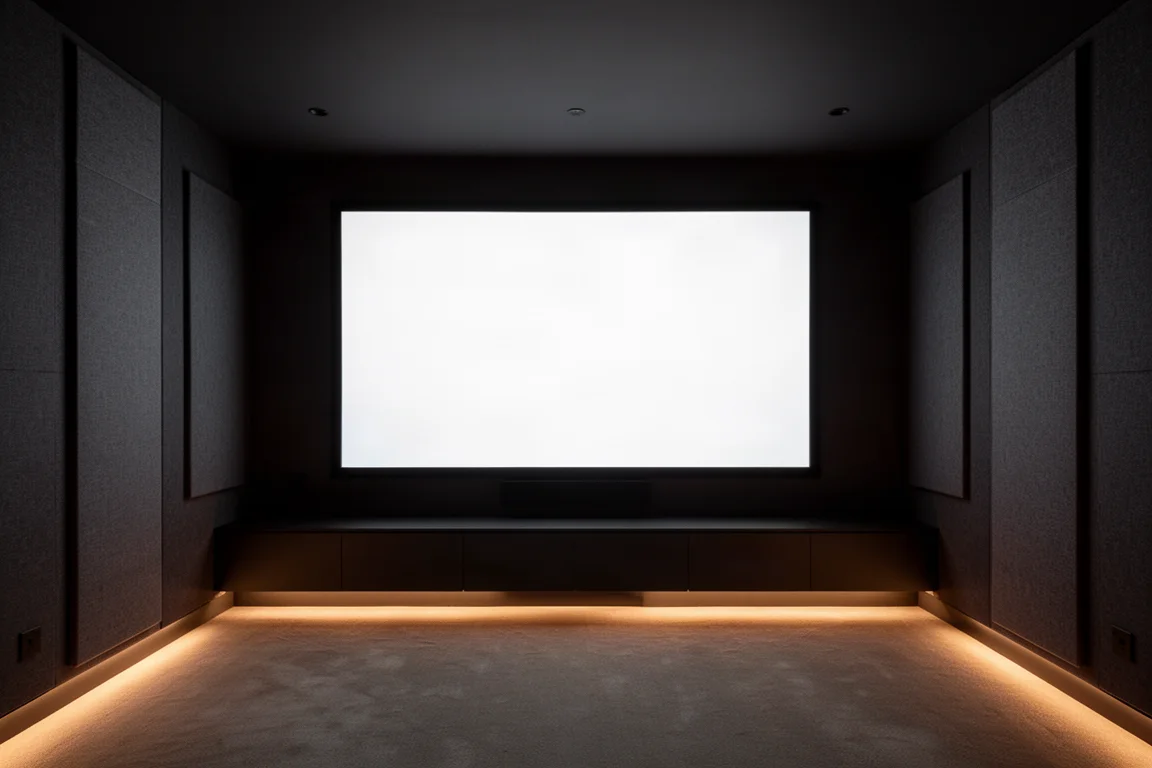
The 115-inch size is the headline for anyone building a large media room, and it is the kind of screen that has to be seen in person to appreciate how the true RGB backlight handles color at that scale.
Sony Bravia 9 Mark II Pro: The Same Picture, More Ownership Extras
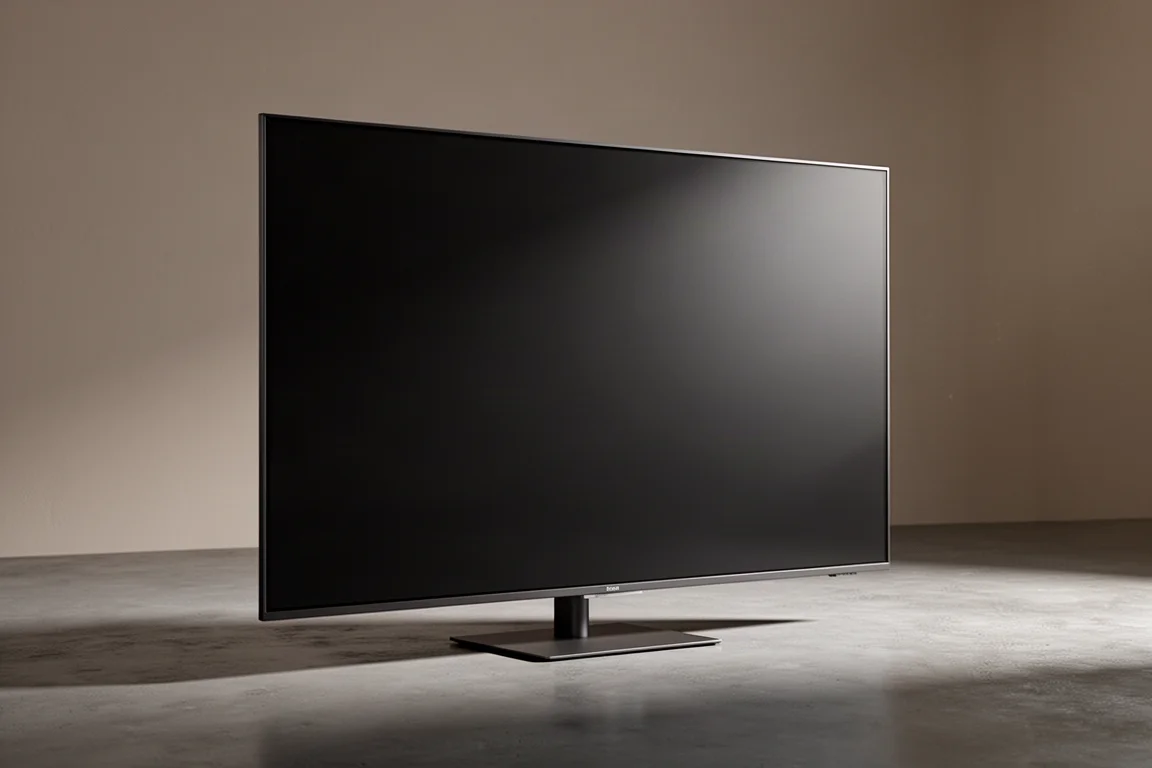
The Bravia 9 Mark II Pro needs a clear explanation, because the picture quality is identical to the standard 9 Mark II. It uses the same panel, the same true RGB backlight and the same processor. What the Pro adds is the ownership experience around the television.
That includes a backlit remote with a remote finder function, a 3-year enhanced exchange or warranty, 15 Sony Pictures Core credits, and My Cinema presets that let you dial in one-tap picture and sound optimization for different environments and times of day. A quick settings menu also integrates directly with an AV receiver, so volume and sound settings can be adjusted from the television remote without reaching for a second one. The Pro is a custom install, in-store only model, so it is not sold online.
If those extras matter for your setup, the Pro is worth discussing with a specialist. If the goal is simply the best picture Sony makes right now, the standard Bravia 9 Mark II delivers the same true RGB image at a lower price.
How True RGB Compares With OLED and Other RGB Approaches
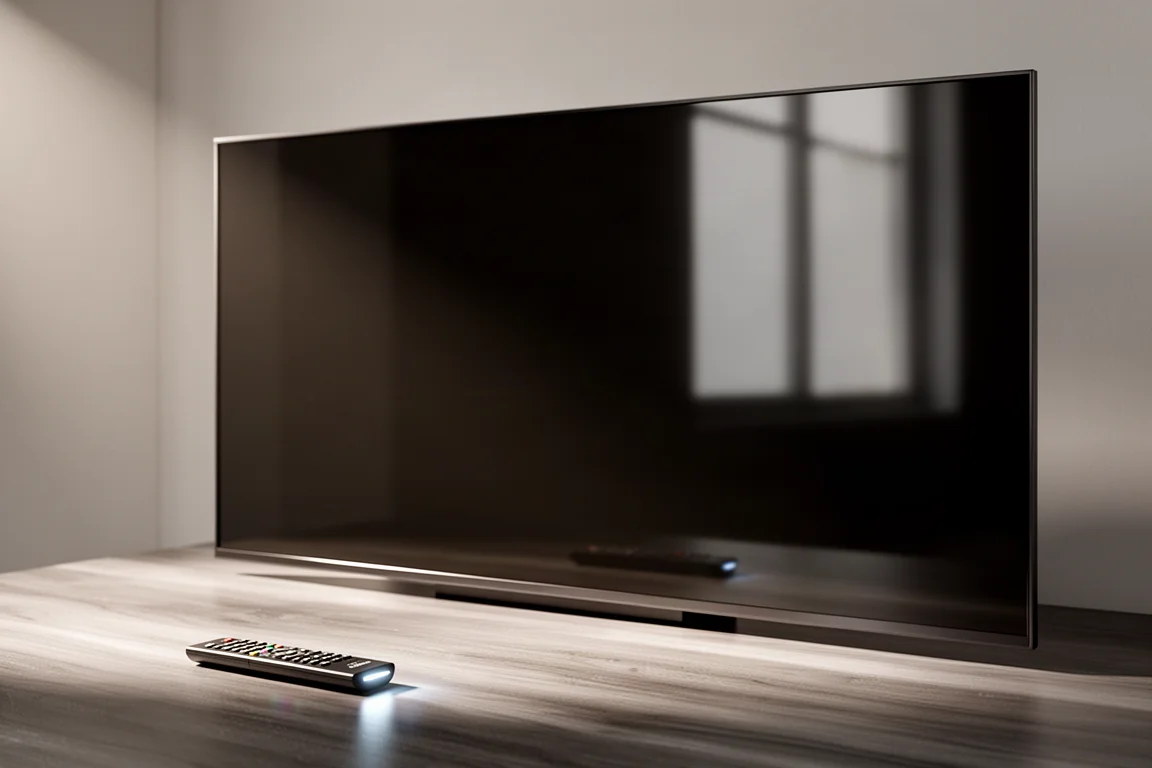
Sony has been clear that true RGB is not positioned as a replacement for OLED. OLED still holds advantages in absolute black levels and per-pixel precision that LED LCD cannot fully replicate. What true RGB closes is the color accuracy gap, while adding things OLED does not offer, including higher peak brightness, no practical size ceiling and no burn-in risk. For anyone who wants OLED-level color accuracy but needs brightness for a bright room or a very large screen, this is the closest the two approaches have come.
Other brands do have RGB backlit televisions on the market, and some of them look good. The difference Sony is emphasizing is processing. In side-by-side comparisons with competitor RGB sets, the competing backlights were observed reverting to white output during complex content, which means the RGB hardware is present but the benefit is not always delivered. Sony’s true RGB sets stay in color mode across complex scenes.
All three true RGB models also run Google TV with Gemini, which supports voice search that understands context, recommendations drawn from streaming apps at once, and hands-free control without touching the remote. PlayStation 5 integration covers auto HDR tone mapping, auto genre picture mode and Game Menu 2, with settings collected in one place.
Buying Advice
Start with the room rather than the spec sheet. If you want a dependable everyday 4K television and true RGB is not a priority, the Bravia 3 Mark II covers the essentials across a very wide range of sizes, from 43 inches up to 100 inches.
If you want the new backlight technology without moving to the flagship, the Bravia 7 Mark II is the most accessible route into true RGB, with sizes from 50 to 98 inches and the same X-Wide Angle Pro pairing for off-axis viewing.
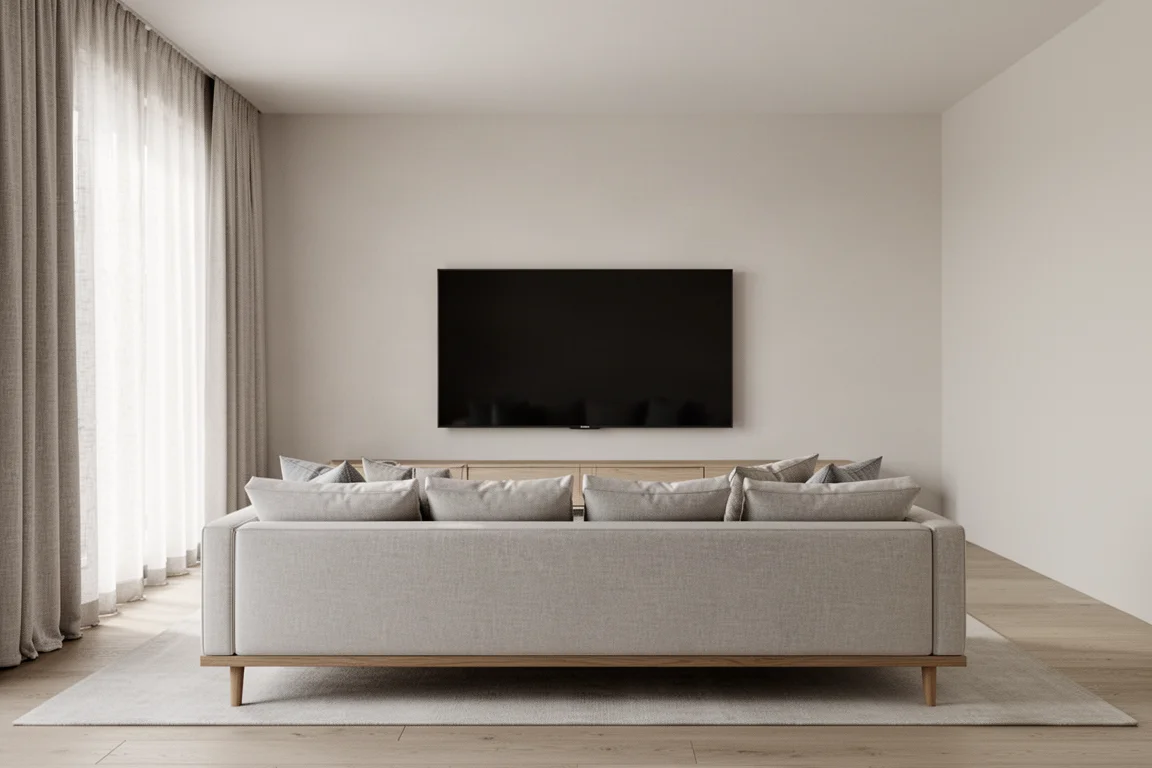
For a dedicated media room, the Bravia 9 Mark II adds the anti-glare treatment, the beam tweeter and individual factory calibration, and it scales up to 115 inches. Choose the Pro only if the extended warranty, extra content credits, My Cinema presets and AV receiver integration are worth the premium to you, since the picture itself is unchanged.
One practical note applies to all of them: the larger sizes and the flagship models reward a properly planned room. Seating distance, window placement and whether you watch alone or with a group will affect how much you notice the color and viewing angle improvements.
Conclusion
True RGB is the most consequential change to Sony’s LED LCD lineup in years, and the 2026 range gives buyers four distinct ways to approach it. The Bravia 3 Mark II keeps things simple and affordable. The Bravia 7 Mark II makes the new backlight broadly accessible. The Bravia 9 Mark II is the full flagship package, and the 9 Mark II Pro wraps the same picture in a more service-oriented ownership experience. Match the model to the room, and the choice becomes straightforward.
Further reading
Related Reviews
Televisions
LED vs OLED TVs: Choosing the Right Sony Model for Your Room
How LED and OLED televisions differ, the five factors that decide the right panel, and where the Sony X90K, X95K, Z9K, and A95K each fit.
Televisions
Samsung QN900B Review: The 8K QLED Flagship, Tested
A native 8K QLED with mini LED backlighting, measured brightness upwards of 1,800 nits, and an automatic calibration routine that genuinely delivers reference-grade accuracy.
Televisions
Sony X95L Review: A Flagship Mini LED 4K TV That Earns Its Size
Sony's 85-inch flagship mini LED delivers strong brightness, near-calibrated color out of the box, and refined backlight control. Here is who should buy it and what to weigh first.