Televisions
TCL QM851G vs Sony X90L: Brightness or Processing?
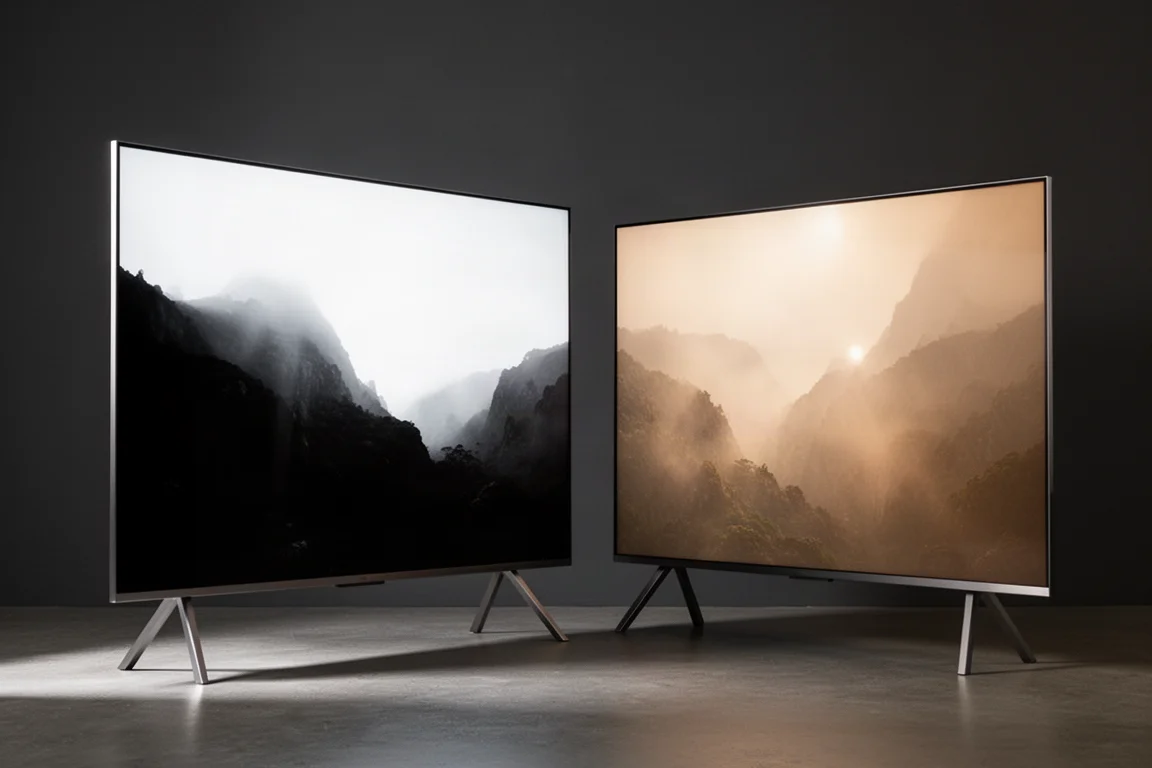
Two large-screen 4K televisions compared: the TCL QM851G leads on brightness, contrast, and price, while the Sony X90L leads on scaling, texture, and a more cinematic image.
Introduction
Large-screen 4K televisions have reached the point where a value-focused flagship and a long-established premium model can trade blows on picture quality. The TCL QM851G and the Sony X90L are a clear example. One leans on brightness, contrast, and price. The other leans on processing finesse and a more film-like image.
This comparison covers where each television stands out, where it gives ground, and which kind of room and viewer each one suits. The 98-inch QM851G is the size discussed most here, and the processing differences described are expected to carry across sizes in the X90L range.
What Both Televisions Get Right
Both sets run the Google TV operating system, so app availability, search behaviour, and the general interface layout will feel familiar on either one. Both are also aimed at large rooms and large screens, and both deliver enough contrast and depth to hold up on a very big panel.
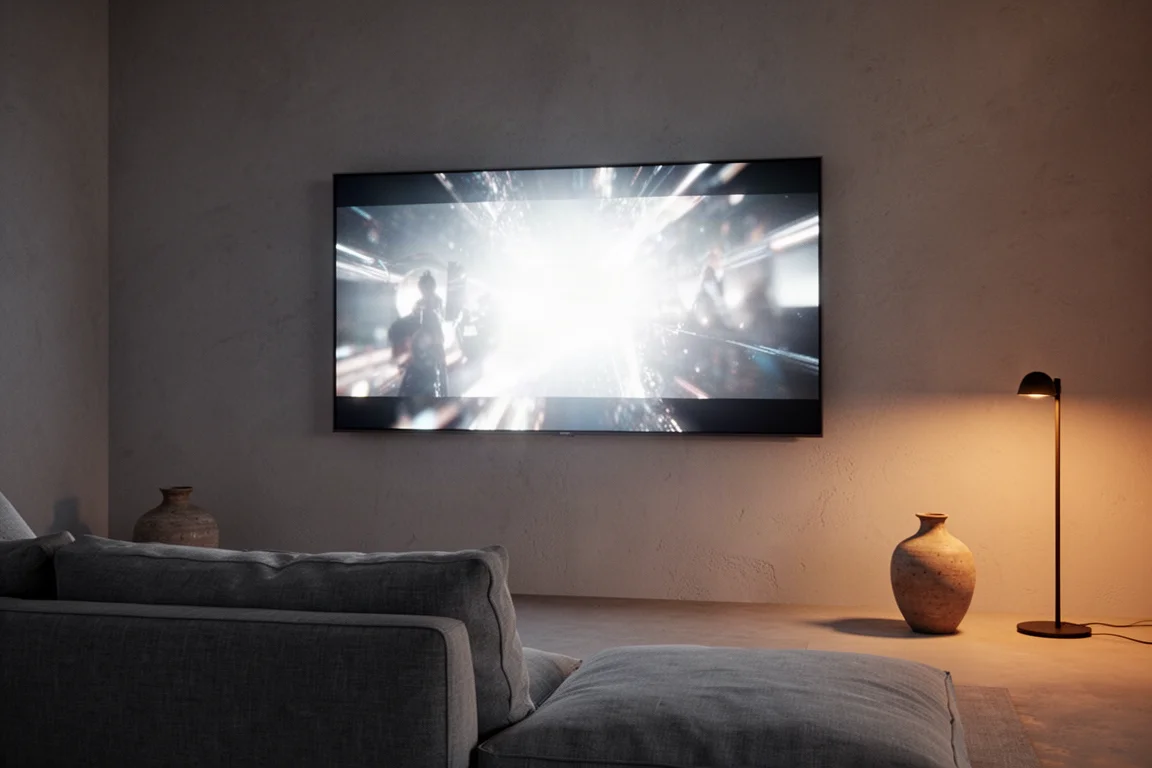
What separates them is character. The QM851G pushes brightness and contrast hard, with a picture that pops and reads as modern. The X90L is the more restrained of the two, with a presentation that reads as cinematic and almost projector-like.
Neither set is a compromise pick. The choice is really about which set of strengths matters more in your room and with your content.
TCL QM851G: Brightness, Contrast, and Value
The 98-inch QM851G is the model that stands out most. Its defining trait is light output. Even its most relaxed picture mode is as bright as the Sony X90L at its brightest, which changes how the set behaves in a bright room and how much punch it puts into highlights.
Black level is the second surprise. The QM851G produces deep, rich blacks that read closer to OLED than most LED-based sets, helped by a deliberate and subtle shadow crush from roughly 30 IRE down to zero. That approach is not strictly accurate to broadcast reference, but it keeps dark scenes clean and gives the picture a real sense of depth and three-dimensionality.
Detail holds up well, and the combination of high brightness and strong contrast makes on-screen detail easy to follow, which is worth noting for viewers who find dimmer pictures harder to read. The green tint that affected some earlier TCL models was not an issue on this set.
Sony X90L: Processing, Texture, and a More Cinematic Look
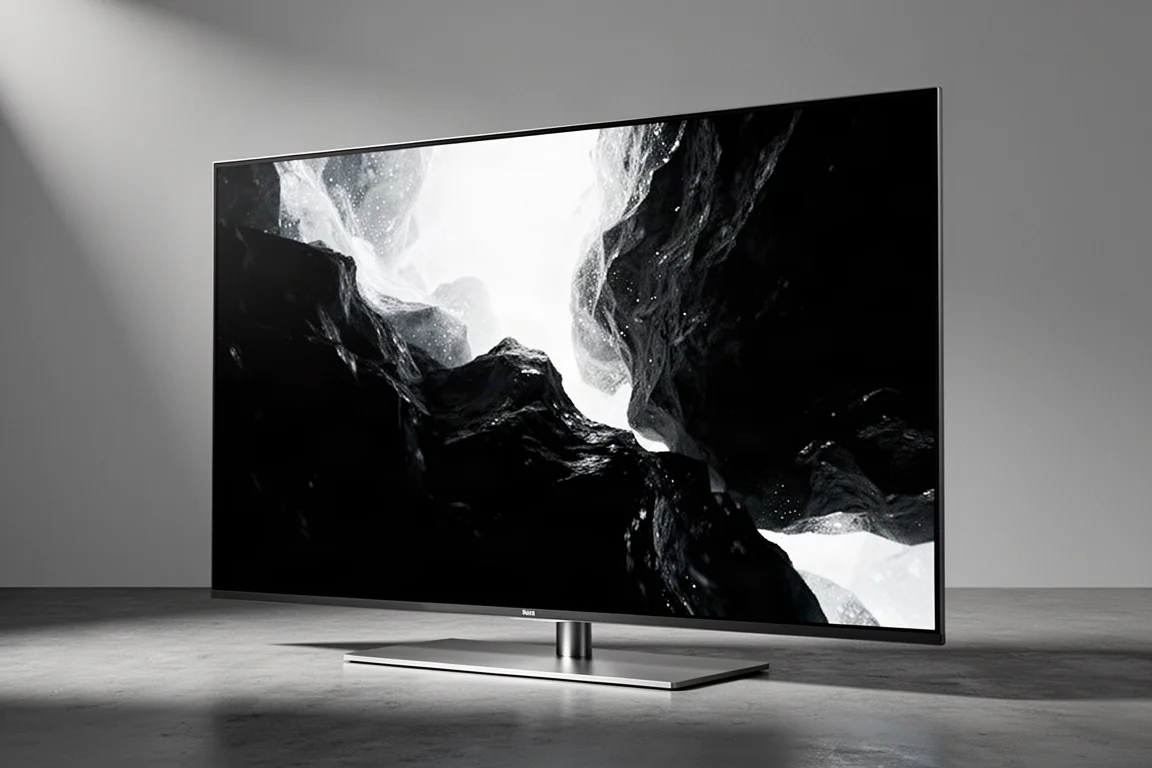
The X90L gives ground on brightness, but it holds its own on processing. Its strengths show up most with legacy signals. DVDs and 1080p material are scaled more cleanly, and organic textures, skin tones, hair, and fabrics keep more of their original edge fidelity and grain structure. Brighter sets tend to smooth over that kind of detail, and on a very large panel the difference becomes easier to see.
The X90L also has the more cinematic presentation of the two, with an image that can look almost projector-like. Watching the same film on both sets, the Sony version reads as more film-like while the TCL reads as more modern. Menu response in the Google TV interface is slightly snappier on the Sony as well.
Motion Handling and Everyday Viewing
For everyday streaming, broadcast, and sports, the QM851G performs very well. Motion handling held up during live soccer coverage, and the dirty screen effect that appeared in test patterns did not show up during that match.
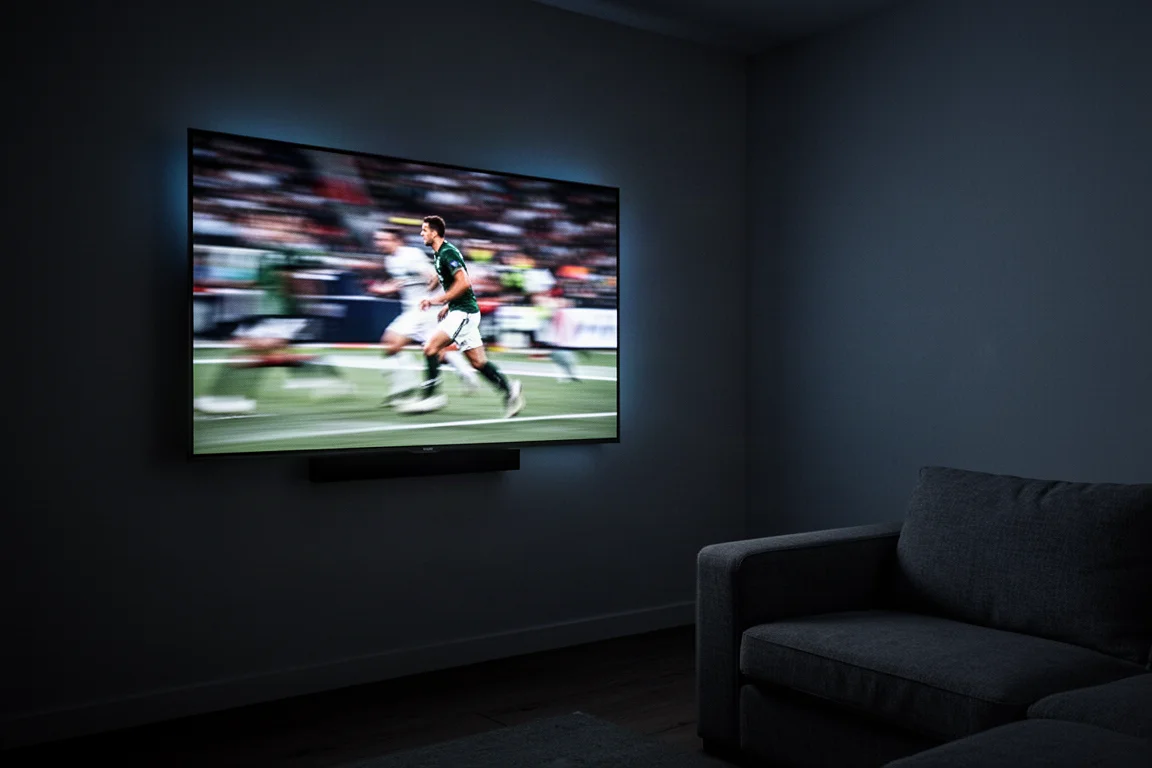
It is worth keeping expectations realistic about motion complaints. Stutter and uneven motion in streamed or broadcast content often come from source compression and signal quality rather than from the television itself, and that is difficult to separate out when watching something live.
The one clearly visible instance of dirty screen effect came during a swim segment shot on an overcast day with flat grey water, where the low-contrast grey-on-grey scene made it easier to spot, particularly toward the upper left corner. Flat white or mid-grey test fields raise the odds of noticing it on any LED-based set. During normal movie viewing it was not a problem.
Gaming, Connectivity, and Smart Features
Gaming features are present and usable, but the HDMI layout deserves a closer look. Not all four HDMI inputs support the full 4K 120Hz feature set, so a console that needs high frame rate support should be connected to the specific 2.1-capable input rather than routed through an older receiver.
The eARC connection on this set runs at 60Hz, which matters if the plan is to run a console through an AVR and still use eARC for audio. Connecting the console directly to the television and passing audio down to the receiver is the more practical arrangement, and all the gaming features remain available that way. Dolby Vision and Dolby Atmos are supported.
If slow Wi-Fi reconnection is a frustration on other televisions, the standby settings on the QM851G can be configured to keep the network connection alive, so the set does not have to reacquire it on every power up. That costs a little standby energy but removes the wait for the home screen to populate. Menu navigation on the QM851G is also quicker than on many competing value-focused smart TV interfaces.
Longevity and Brand Trust
Longevity is the most common question about value-focused television brands, and no short-term assessment can answer it fully. What helps is track record. TCL sets already in service have held up over multiple years, including a 65-inch 6-Series that has spent time on a covered patio, exposed to dust, heat, and cold, and still works.
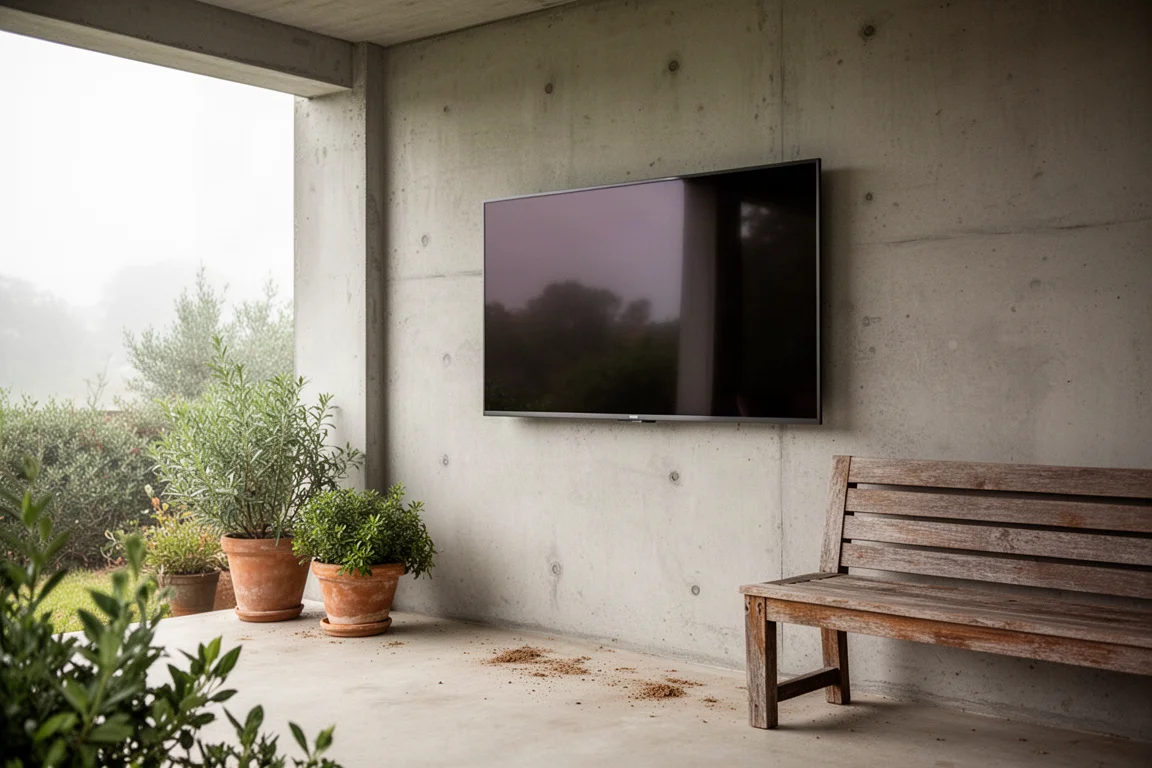
The QM851G itself performed without issues during extended use. That is still a limited window, and no brand can promise a specific lifespan, but TCL’s record, including sets that have stayed in service for years, is more reassuring than that of several other value-focused brands.
Room Size, Viewing Distance, and Panel Choice
Panel technology is worth understanding before choosing between these two. Within LED-based displays you can find VA and IPS panels, and neither is inherently better. VA panels tend to offer deeper, richer blacks but narrower off-axis viewing, while IPS panels are common in monitors because higher refresh rates are typically easier to achieve. Put two calibrated panels side by side with the same content and no labels, and most viewers would struggle to tell them apart with any consistency. OLED is a different technology entirely, with its own trade-offs in brightness, cost at large sizes, and historical burn-in concerns.
Viewing distance matters just as much as panel type. Broadcast and THX publish viewing angle standards, and THX uses a wider, more immersive figure than the tighter broadcast guideline. Online screen distance calculators are the quickest way to size a set to a room: enter your seating distance and content type, and you get a rough size range. As an example, sitting around seven feet away with 4K content points toward roughly 65 to 75 inches rather than a 98-inch panel.
Buying Advice: Matching the TV to Your Room
The decision comes down to what you watch and where you watch it. If brightness, contrast, deep blacks, and a very large screen at roughly half the price of a comparable Sony are the priorities, the QM851G is the stronger buy. It is also the more forgiving set in a bright room, since its relaxed picture modes are still as bright as the X90L at its maximum.
If a large part of your library is DVD or 1080p, or if skin tone texture, grain structure, and edge fidelity matter more than peak brightness, the X90L is the better match. If you sit close in a small room, a smaller screen or an OLED may make more sense than a 98-inch set, no matter how good the picture is.
Conclusion
The TCL QM851G and the Sony X90L are both excellent large-screen televisions, and the gap between them is narrow. The QM851G wins on brightness, black level, contrast, and price, and it delivers a modern, high-impact picture that stands up in a bright room. The X90L wins on scaling, texture, and a more film-like image, which matters most for viewers with large libraries of older content.
Choose the QM851G for punch and value. Choose the X90L for processing and subtlety. Either way, the picture quality available at this level is genuinely impressive.
Further reading
Related Reviews
Televisions
LED vs OLED TVs: Choosing the Right Sony Model for Your Room
How LED and OLED televisions differ, the five factors that decide the right panel, and where the Sony X90K, X95K, Z9K, and A95K each fit.
Televisions
Samsung QN900B Review: The 8K QLED Flagship, Tested
A native 8K QLED with mini LED backlighting, measured brightness upwards of 1,800 nits, and an automatic calibration routine that genuinely delivers reference-grade accuracy.
Televisions
Sony Bravia 2026 Lineup: True RGB Explained Across Four Models
Sony's 2026 Bravia range brings true RGB backlighting to four models. Here is what the technology changes, and which television fits which room.