Televisions
TCL 5 Series 4K QLED TV Review: A Mid-Tier Set That Gets Everyday Viewing Right
A measured look at TCL's mid-tier 4K QLED television, covering real-world picture quality, setup, limitations, and who should buy it.
Introduction
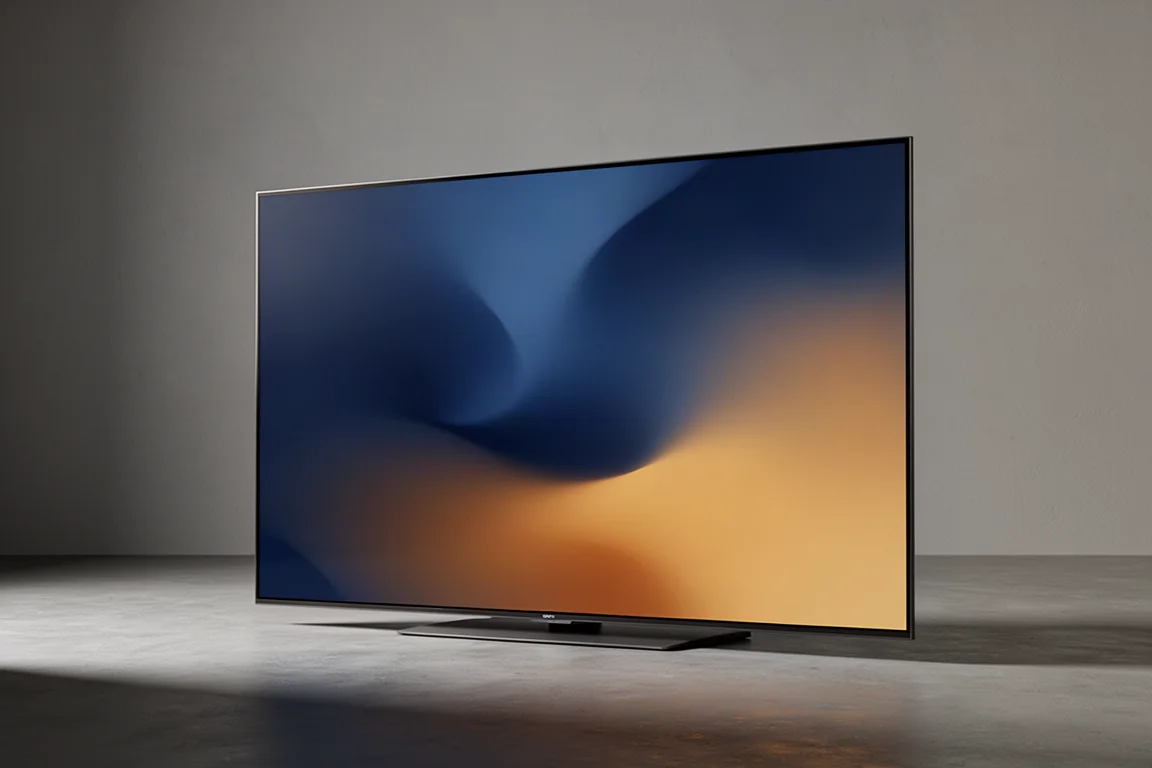
TCL’s 5 Series sits in the middle of the brand’s television lineup, positioned as a step up from the company’s entry-level sets without climbing into premium territory. The range covers four screen sizes from 50 to 75 inches, and this assessment focuses on the 65-inch model.
The specification sheet is straightforward. The panel is QLED with a native 4K HDR resolution and full local dimming. Dolby Vision, HDR10+, and HLG are all supported, so the set can interpret most of the HDR formats streaming services use today. The HDMI ports include eARC, which lets Dolby Atmos audio pass through to a soundbar or receiver, though DTS:X is not supported.
The omissions are just as clear. There is no HDMI 2.1, so every port is HDMI 2.0. The panel runs at 60Hz. Gamers who want 120Hz refresh rates will need to look at a different class of television. Within its game modes, however, the 5 Series does support variable refresh rate and auto low latency.
The 5 Series is sold as a smart TV with a choice of Roku or Google TV as the operating system. The Google TV version supports Google Assistant and Chromecast built in, and the set also works with Alexa. Popular streaming apps are available on either platform, and the included remote carries hotkeys for services such as Netflix and Amazon Prime.
That combination raises the question the set really has to answer: can a television in this price bracket deliver a picture that stands up on its own, or does it only make sense when judged against a lower standard? Specifications tell only part of that story, so the more useful test is how the set behaves with everyday content over weeks of use rather than minutes of measurement.
Who this product is for
The 5 Series is aimed at viewers who want a genuinely good picture without spending time tuning settings or studying specifications. It handles HD and 4K HDR content well enough that casual viewing never feels compromised.
As a secondary television it is close to ideal. In a bedroom, office, den, or guest room, its combination of a slim design, straightforward setup, and capable picture quality fits naturally. It works well for evening viewing and for daytime use in rooms with plenty of windows.
There is no real reason to restrict it to secondary spaces, either. Used as a main television it remains pleasant to watch for series, films, and sports, and nothing about its everyday performance is objectionable. What it is not is a set for buyers chasing reference-grade accuracy, maximum peak brightness, or 120Hz gaming.
Main strengths
Real-world picture quality that holds up
On paper, the 5 Series looks average. In practice, it is better than that. With an HD or 4K signal and the movie picture profile selected, colors are vivid and still read as natural, and skin tones are particularly pleasing, even when the content itself leans heavily into stylization. Detail rendering is good, and at times close to great, provided the picture settings are not pushed too far.
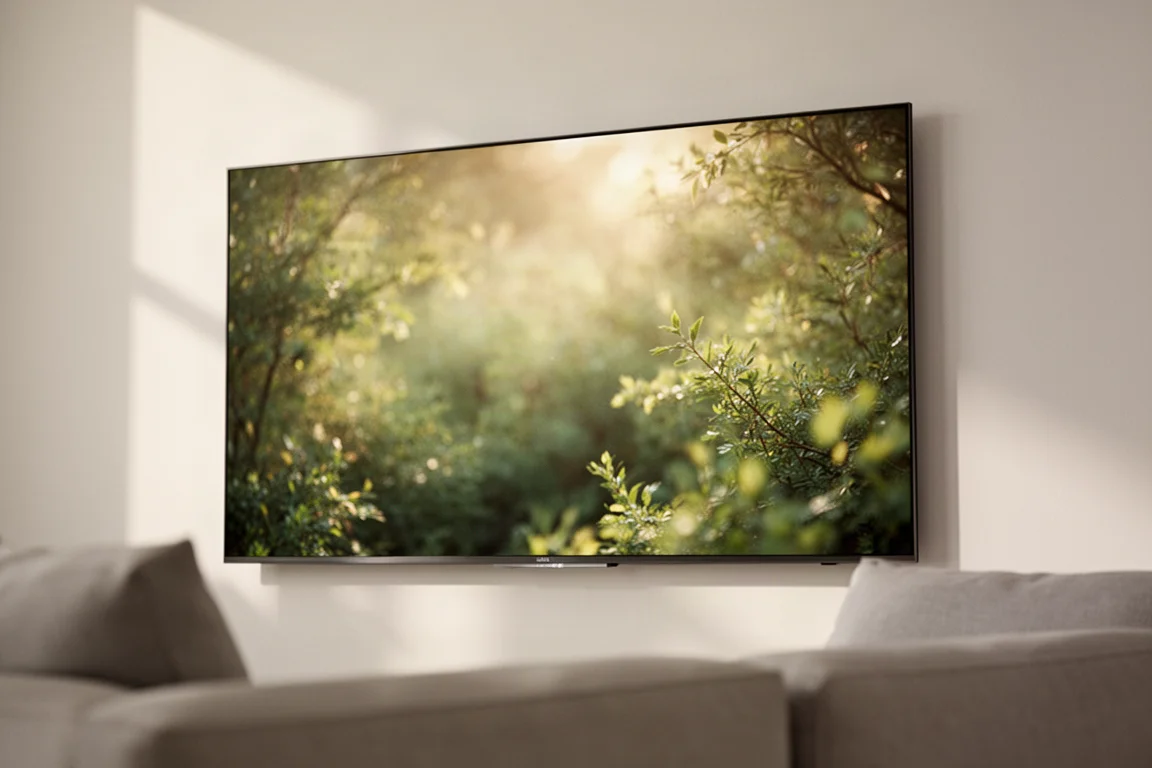
Brightness is respectable rather than class leading. Sustained measurements land between roughly 525 and 550 nits in standard dynamic range, and HDR content does not break a 600 nit threshold, with sustained output around 575 nits. That is enough for colors to stand out and for HDR highlights to register in a normally lit room, even if the set will not win a peak brightness contest.
Motion and gaming features
Motion interpolation settings are enabled by default, and there is no filmmaker mode to switch them off automatically, so they need to be disabled manually. Once they are off, motion looks naturally smooth without the soap opera effect. Sports coverage held up well, and any minor stutters observed were subtle enough that they could just as easily have come from the broadcast.
For gaming, variable refresh rate and auto low latency mode are available within the game modes. The 60Hz panel remains the ceiling, and HDMI 2.1 features are absent, so this is a set for casual console play rather than competitive high frame rate gaming.
Design, setup, and the remote
The industrial design is a genuine strength. A minimal bezel and an edge-to-edge front give the 5 Series a more premium look than many budget-oriented televisions, and it is a clear step forward from earlier TCL designs.
Setup is quick. The television can be wall mounted, which is how it was used during testing, and it also ships with feet for stand mounting. The remote is simple rather than fancy, but the volume buttons sit on the side of the housing, which makes them easy to find by touch in a dark room without accidentally changing the channel.
Things to consider before buying
Factory picture modes need adjustment
Every factory picture profile shows a noticeable blue shift in both the white point and the primary colors. The movie profile is the most usable of the group, but it trades blue for red, producing overly pink whites and warm primaries. Some viewers will prefer that warmth because it flatters skin tones, and others will find it distracting.
Calibration is possible, and using the movie profile as a starting point produced results that technically met the standard for calibrated performance, with a margin of error for grayscale and color just under three. A full 20-point calibration, however, introduced color fringing, excess noise, and motion issues with real content, even though test patterns looked fine. A simpler middle ground worked better: reset to factory defaults, select the movie profile, and set the color temperature to -4 instead of the default -5. That produced a cleaner, artifact-free image that was nearly indistinguishable from a calibrated result by eye.
Adjustments made to a picture profile carry across the inputs, with one exception: settings made while watching standard definition content do not transfer to HDR or Dolby Vision content. Dolby Vision also limits which adjustments are available.
Brightness, uniformity, and blooming
Panel uniformity is good but not perfect. An all-white screen shows some vignetting in the corners, and reverse vignetting appeared around large logos when apps launched. Neither issue is visible during normal viewing.
Blooming is largely a non-issue as long as the dynamic backlighting and dynamic contrast settings are kept low or off. Raising either to high can introduce more blooming, most noticeably in the darker scenes of letterboxed films with black bars at the top and bottom.
Google TV performance and built-in sound
The Google TV interface is not especially quick out of the box. A large number of apps are preinstalled, many of them bloatware, and they weigh the system down. Most can be uninstalled, which speeds things up noticeably. Power-up times are slower than ideal, menus can lag, and the implementation has some rough edges. Connecting a standalone streaming device to one of the HDMI inputs is an easy remedy.
The built-in speakers are the weakest part of the package. They sound small, and dialogue and effects lack weight. A capable soundbar makes a substantial difference, and needing one is common across televisions in this class.
Buying advice
For a 65-inch set under $1,000, the 5 Series delivers a genuinely solid all-around experience. It is not a reference-grade display and it will not match a premium set in a direct comparison, where a higher-end reference model still wins on overall picture quality. Interestingly, the 5 Series handles blooming better than that reference set, which shows how much value is available at this level.
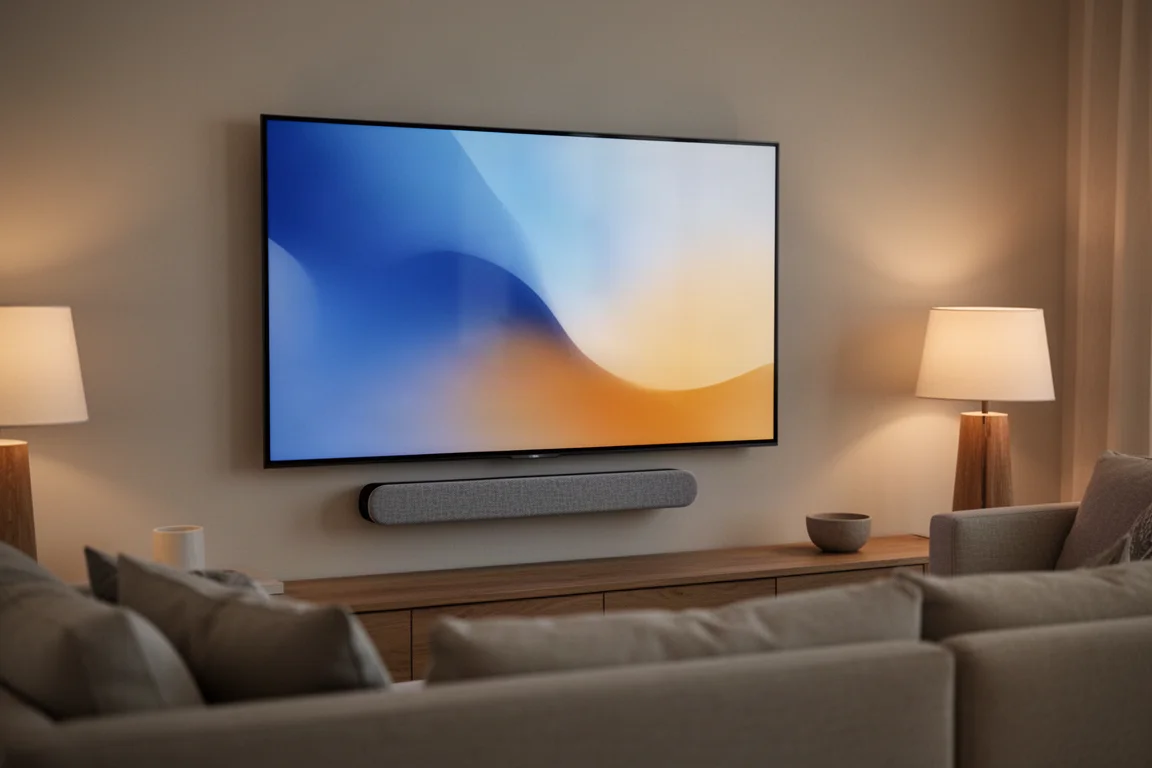
Against other entry-level and mid-tier televisions, the 5 Series deserves a place on the shortlist. On advertised specifications it looks comparable to options such as Samsung’s Crystal series, Hisense’s H8G series, LG’s lower-tier NanoCell models, and Vizio’s M series. Direct comparisons would be needed to rank them, but anyone shopping in that group should include the TCL in the evaluation.
Buyers should plan on two small extras: a few minutes spent adjusting the picture settings, and a soundbar. Neither changes the fundamental value of the set. It simply will not flatter the television if it is left exactly as it comes out of the box.
Conclusion
The TCL 5 Series is proof that measurements do not tell the whole story. Judged purely on test results, it is unremarkable. Judged on how it feels to live with, it is a pleasant, capable television that makes everyday viewing easy, particularly for series, films, and sports.
Its compromises are clear and manageable: a 60Hz panel with HDMI 2.0 only, factory picture modes that need adjusting, a sluggish smart interface, and weak built-in speakers. None of them undermine the core experience for the viewers it is designed for. For bedrooms, offices, dens, and casual main-room viewing, the 5 Series is a confident choice at its price point.
Product link
View more details for TCL 5 Series 4K QLED TV
This product is mentioned in the review. Check the specifications, options, and compatibility before buying.
View more details for TCL 5 Series 4K QLED TVFurther reading
Related Reviews
Televisions
LED vs OLED TVs: Choosing the Right Sony Model for Your Room
How LED and OLED televisions differ, the five factors that decide the right panel, and where the Sony X90K, X95K, Z9K, and A95K each fit.
Televisions
Samsung QN900B Review: The 8K QLED Flagship, Tested
A native 8K QLED with mini LED backlighting, measured brightness upwards of 1,800 nits, and an automatic calibration routine that genuinely delivers reference-grade accuracy.
Televisions
Sony Bravia 2026 Lineup: True RGB Explained Across Four Models
Sony's 2026 Bravia range brings true RGB backlighting to four models. Here is what the technology changes, and which television fits which room.