Camping Tents
Tarptent Mesos Spire 2 Review: A Lightweight Two-Person Trekking Pole Tent
A close look at the Tarptent Mesos Spire 2, a single wall trekking pole shelter with a fully rectangular floor, 47 inches of peak height, and a $300 price point.
Introduction
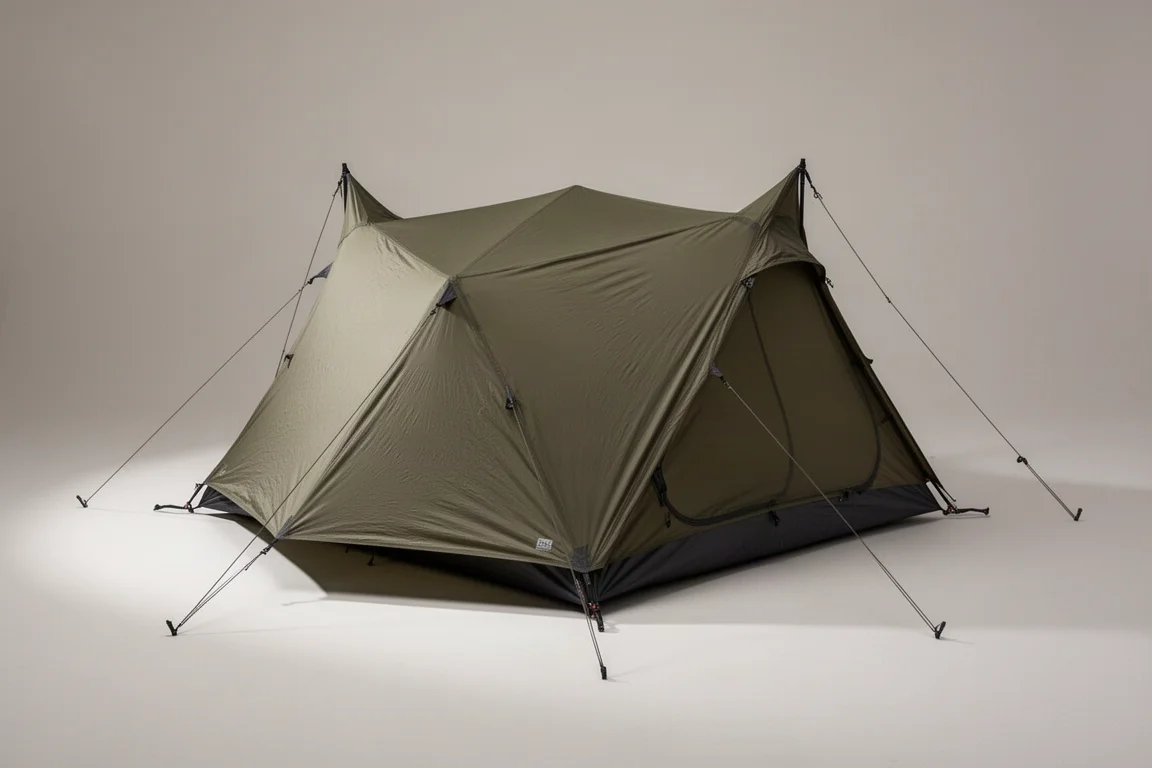
The Tarptent Mesos Spire 2 is a new single wall trekking pole tent introduced for 2025, and it lands at $300 USD. That is an approachable figure for a shelter that carries this much interior room, and it puts the tent in direct conversation with the long-running Stratospire, a double wall design whose hexagonal geometry the Mesos Spire clearly draws from.
Where the Stratospire uses two wall layers, the Mesos Spire 2 is a single wall shelter. The fly is the body, which keeps the packed weight down and simplifies the pitch. The result is a tent that feels built around a simple idea: give two backpackers a genuinely rectangular floor, real sitting height, and a fast setup, then keep the whole package under 40 ounces.
Who the Tarptent Mesos Spire 2 Is For
The clearest way to describe this tent is that it behaves like a two-person shelter that also happens to work as an unusually generous solo option. The floor measures 52 inches across and stays fully rectangular from end to end, which means two 25 inch wide pads fit side by side without being compressed against the bathtub floor. In practice, two sleeping pads of that width sit comfortably with room left over at the foot end for packs and loose gear.
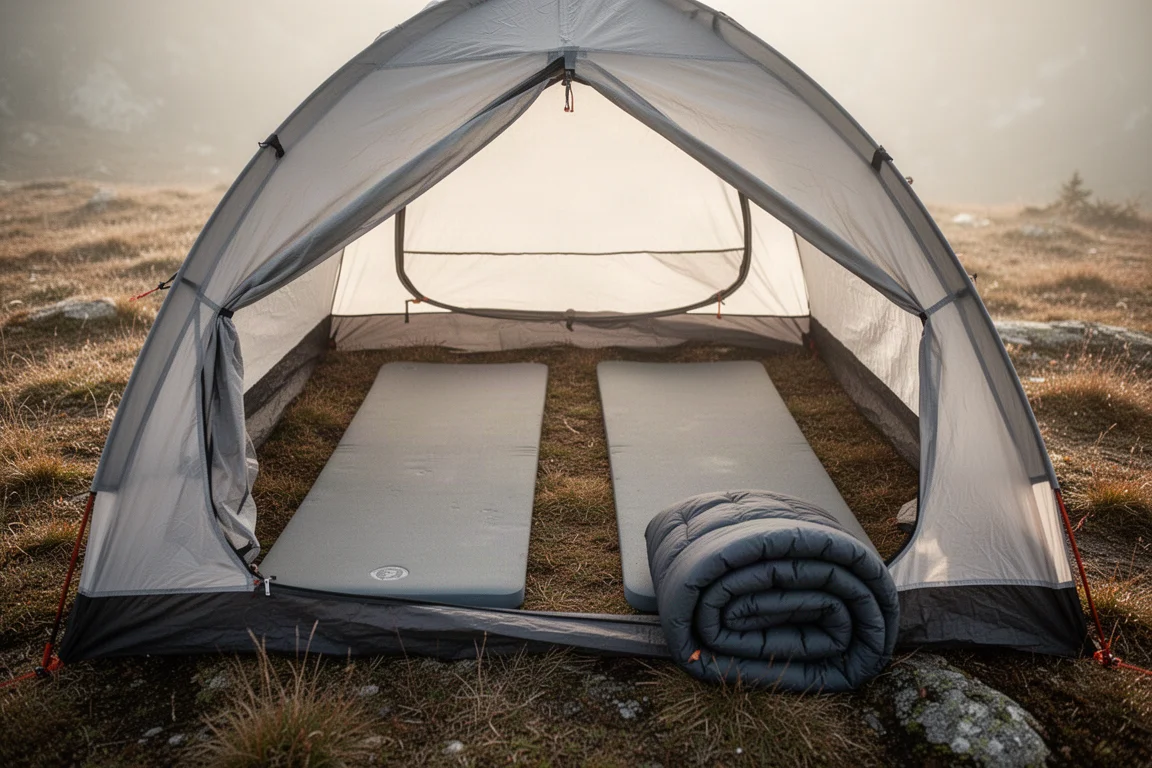
That makes it a natural fit for couples, two friends splitting a shelter, or a solo hiker who wants to keep every piece of equipment inside the tent rather than in a vestibule. Because the tent uses trekking poles for its main structure, it also suits backpackers who already carry poles and prefer not to add dedicated tent poles to their load.
Pitch and Setup
Setting up the Mesos Spire 2 requires a minimum of six stakes for the basic structure, plus two more for the apex guy lines. Eight stakes in total produce a tight, well tensioned pitch. The pitch itself is straightforward, which is worth noting because trekking pole tents can be fiddly to dial in, and this one comes together quickly.
At the two opposing corners, 18 inch tall carbon fiber struts lift the ends of the walls. These struts are optional. Two-person trips can substitute a second set of trekking poles at those corners, which is useful if you would rather not carry the struts at all. Dropping the struts, or carrying two fewer stakes, trims a few ounces from the packed weight.
Main Strengths: Interior Space and Two-Person Comfort
The interior is the headline here. The floor runs 86 inches long, 47 inches of peak height gives plenty of room to sit up and move around, and the 18 inch strut rise at each end lifts those corners well above the height you would expect from a tent in this weight class. Sleeping side by side rather than head to toe is entirely practical.
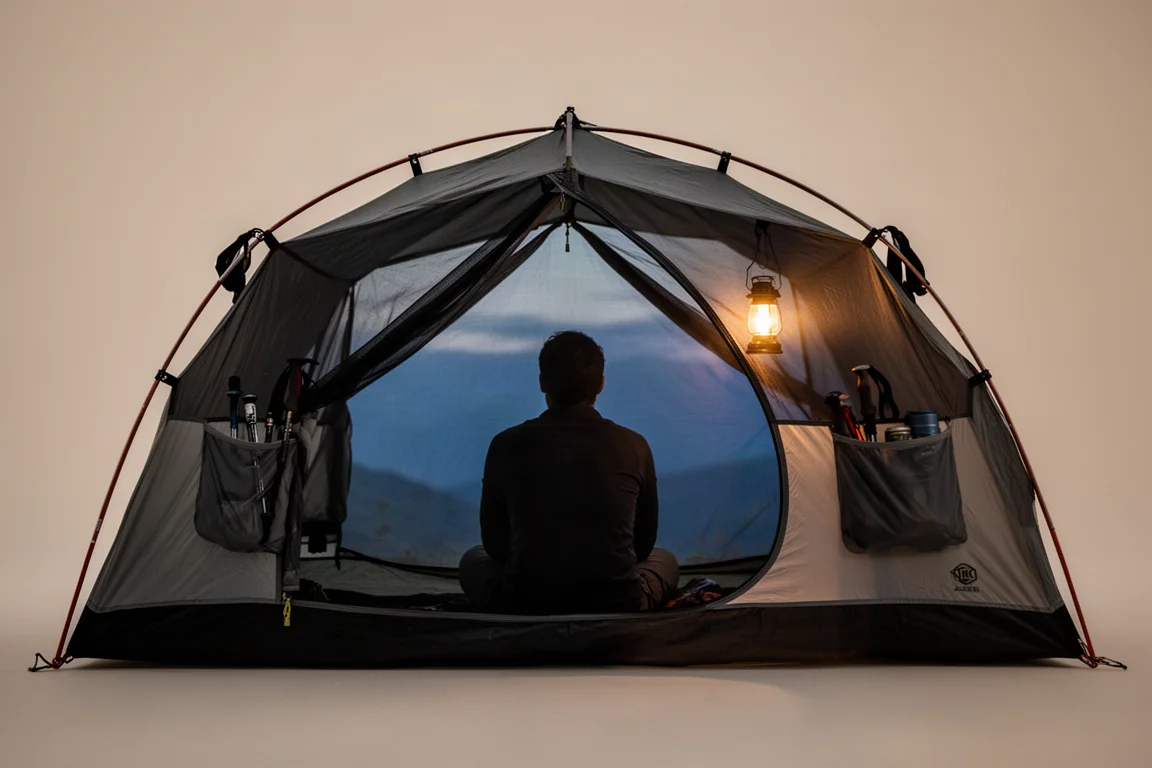
Sitting up in the middle of the tent is comfortable even with a second person alongside, and the tall ridge means there is a healthy gap between your face and the fly fabric. That distance matters on a single wall tent, because it keeps sleeping bags and clothing from brushing against the walls overnight. The tent also has hooks running along the ridge line for a hang line, plus two pockets mounted high off the floor for headlamps and other small items.
Ventilation, Doors, and Weather Protection
Airflow has been given real attention. Two peak vents sit at the top of the shelter, and an additional zipper pull on the YKK number three AquaGuard zipper lets you crack the vent open further to push more air through the tent.
The more distinctive feature is at the ends. Overlapping fabric panels at each corner can be released from a plastic clip and rolled back, exposing no-see-um mesh. A mitten hook clips around the guy line or stake point to hold the panel open, which dramatically increases cross ventilation and opens up the sight lines inside the tent. When rain or blowing sand becomes a concern, the panel unclips and drops back into place for full storm coverage.
Two doors and two vestibules mean each occupant has their own entrance and their own storage space, so nobody has to climb over anyone else. Both doors can also be rolled back, and the tent will stand without the apex guy lines attached, although the ridge line loses tension that way and staking out the apex is the better choice for a taut pitch.
Materials, Details, and Construction
The main body is a 20 denier nano ripstop polyester fly, a fabric chosen for its resistance to sagging when wet as well as its light weight and strength. The floor is a 30 denier Nylon 66, which balances durability against packed volume.
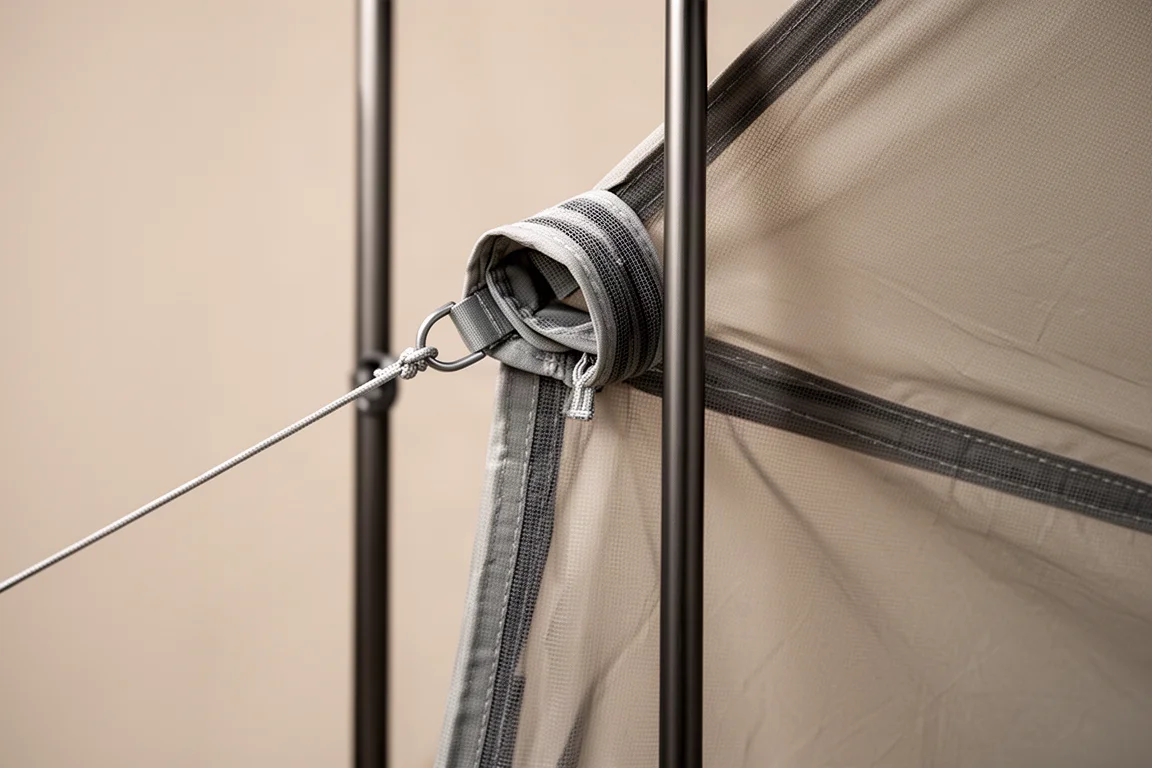
The hexagonal profile is worth understanding, because it shapes how the tent handles weather. The individual panels are relatively small compared with a shelter that uses broad, flat walls, so there is less surface area to catch wind and create a sail effect. Combined with strong tension points where the shelter stakes out, that geometry points toward solid performance in gusty conditions and heavy rain. The Stratospire lineage, which shares much of this shape, is a well established reference point for how that kind of design behaves in sustained wind.
Things to Consider Before Buying
The main thing to weigh is size. This is a large tent for a single occupant, and that is both the appeal and the trade-off. A solo hiker gets a palace of a shelter with space for every piece of gear inside, but the footprint is correspondingly big, and the shelter is more tent than a minimal solo camper may want to carry or find room for on a tight pitch site.
The stake count is also worth planning for. Six stakes will get the tent standing, but eight produce the pitch the shelter is designed to deliver. If you count grams carefully, the carbon fiber struts at the ends are optional, and swapping in trekking poles saves weight at the cost of a little extra setup time.
As a single wall design, the fly doubles as the main body, so ventilation management matters. The generous interior height helps here, since there is more distance between the occupant and the fabric, and the openable end panels give you a way to increase airflow when conditions allow.
Buying Advice
At $300 USD, the Mesos Spire 2 offers a lot of livable interior for the money, and the construction details show careful thinking: high pockets, ridge line hang points, peak vents with a dedicated zipper pull, and end panels that convert quickly between open mesh and full storm coverage. The packed weight sits just under 40 ounces, and it can drop a few ounces further by leaving the struts behind and using trekking poles instead.
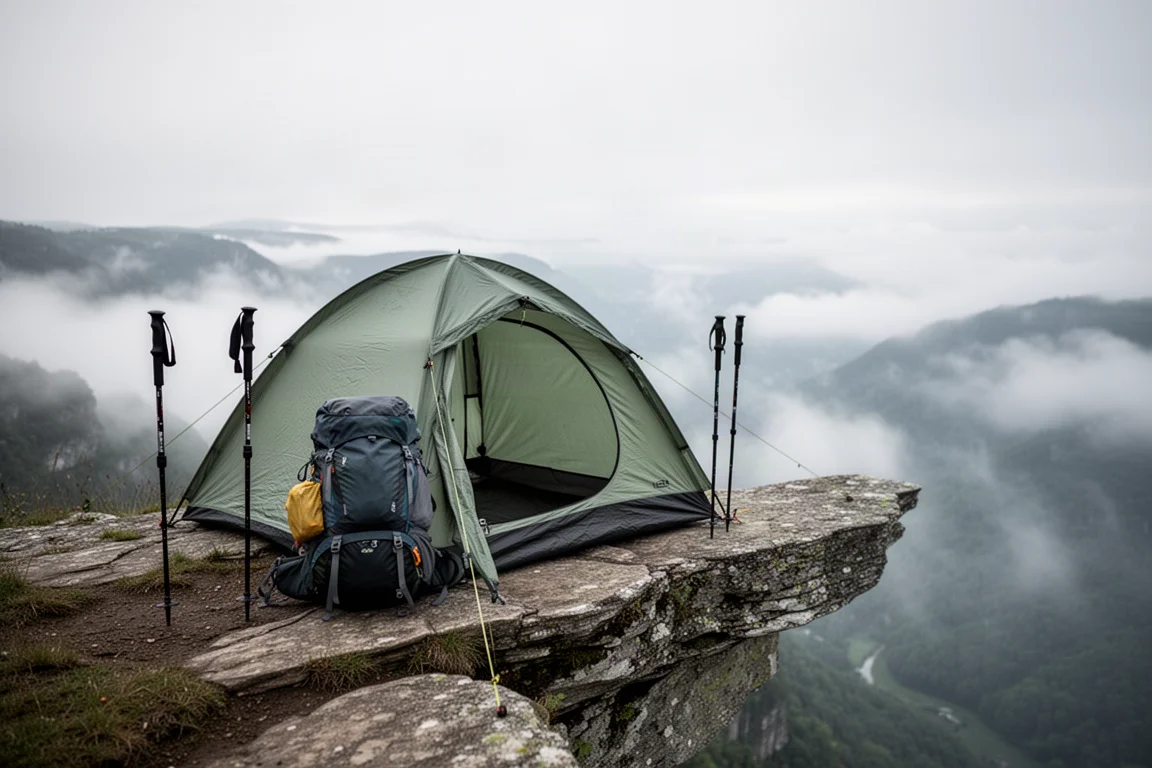
Buy it if you want a genuinely rectangular two-person floor, comfortable sitting height, and two separate doors and vestibules, and you are happy to pitch with trekking poles and a handful of stakes. Look elsewhere if you are chasing the lightest possible solo shelter, or if you regularly camp on sites where a smaller footprint is the difference between fitting and not fitting.
Conclusion
The Tarptent Mesos Spire 2 is a thoughtfully detailed single wall trekking pole tent that solves the two-person space problem without asking for much weight in return. Its hexagonal shape, elevated end corners, and adjustable corner vents all point to a shelter built for real weather as well as real comfort. For backpackers who value room to move and gear space inside the tent, it is a compelling option at an approachable price.
Product link
View more details for Tarptent Mesos Spire 2
This product is mentioned in the review. Check the specifications, options, and compatibility before buying.
View more details for Tarptent Mesos Spire 2Further reading
Related Reviews
Camping Tents
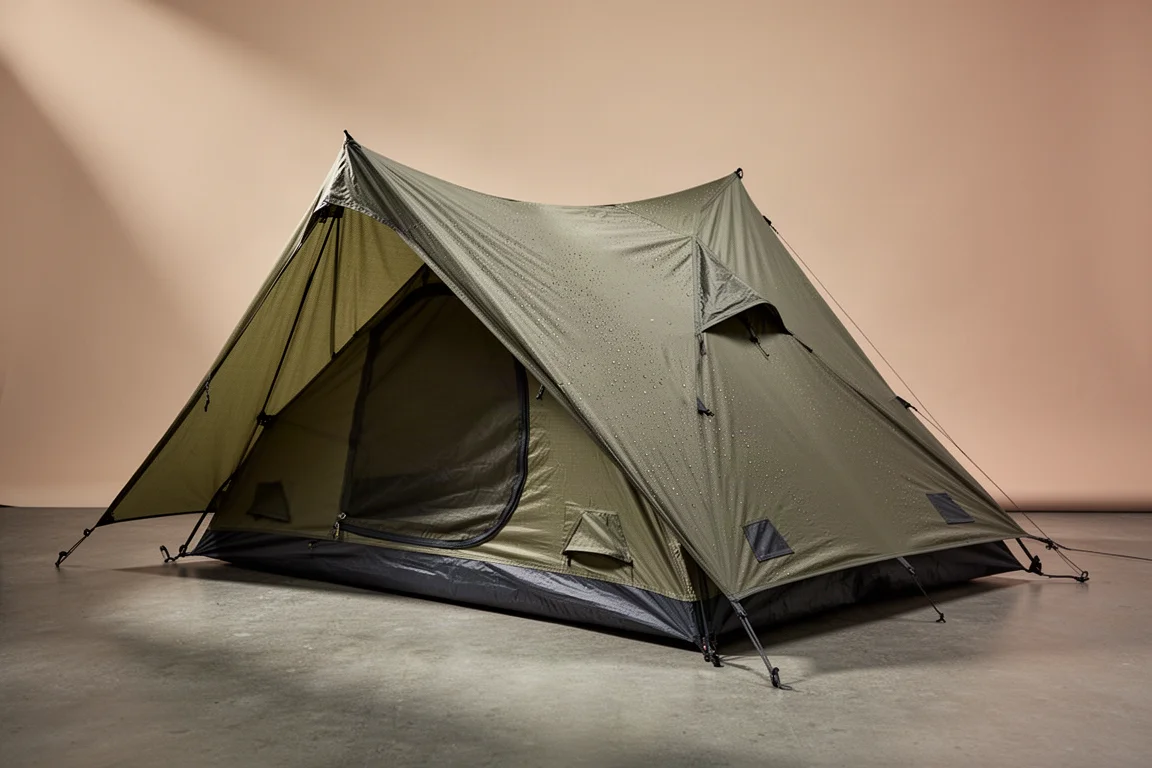
3F UL Gear Taiji Two-Person Tent Review: Field Waterproofing Results and Buying Advice
The Taiji pairs an attached fly with a removable inner, but sustained rain exposed untaped vent seams that need sealing before this shelter can be trusted.
Camping Tents
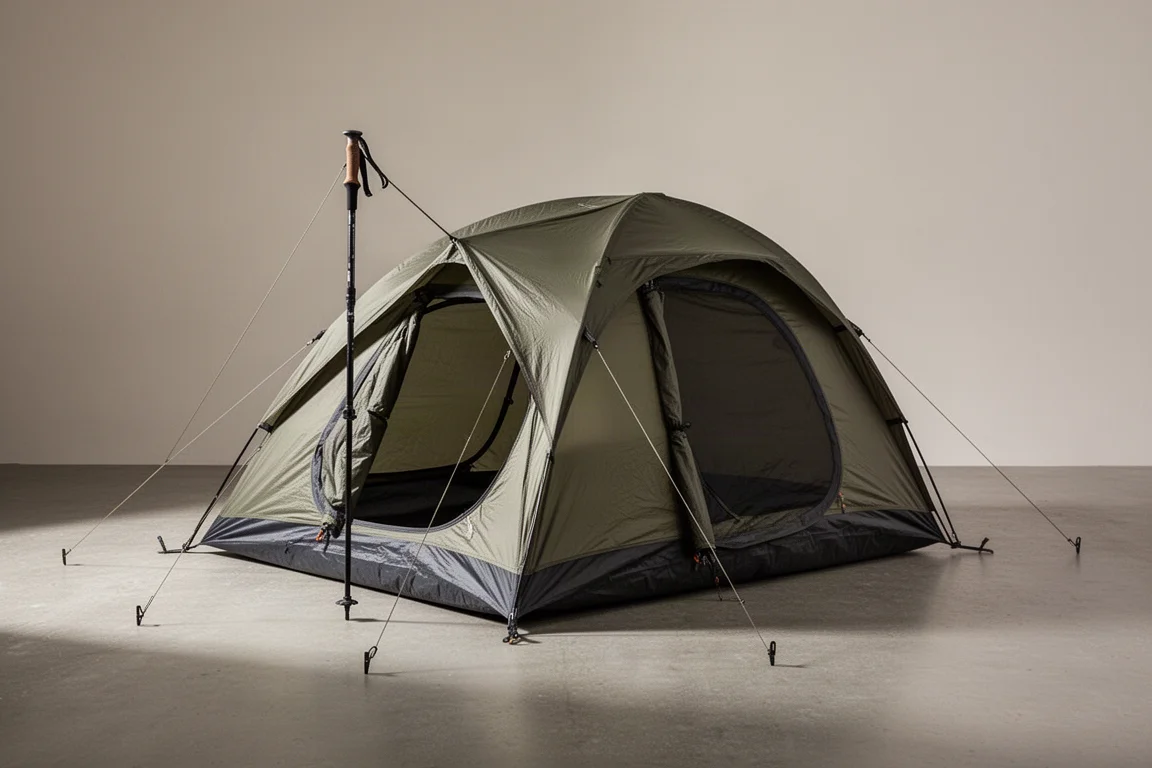
3FUL Gear Lanshan 2 Pro 4-Season Review: A Sub-$200 Single-Wall Trekking Pole Tent
An early look at the 3FUL Gear Lanshan 2 Pro 4-Season, covering its straightforward pitch, generous interior space, and the condensation and seam-sealing questions that come with any single-wall shelter.
Camping Tents
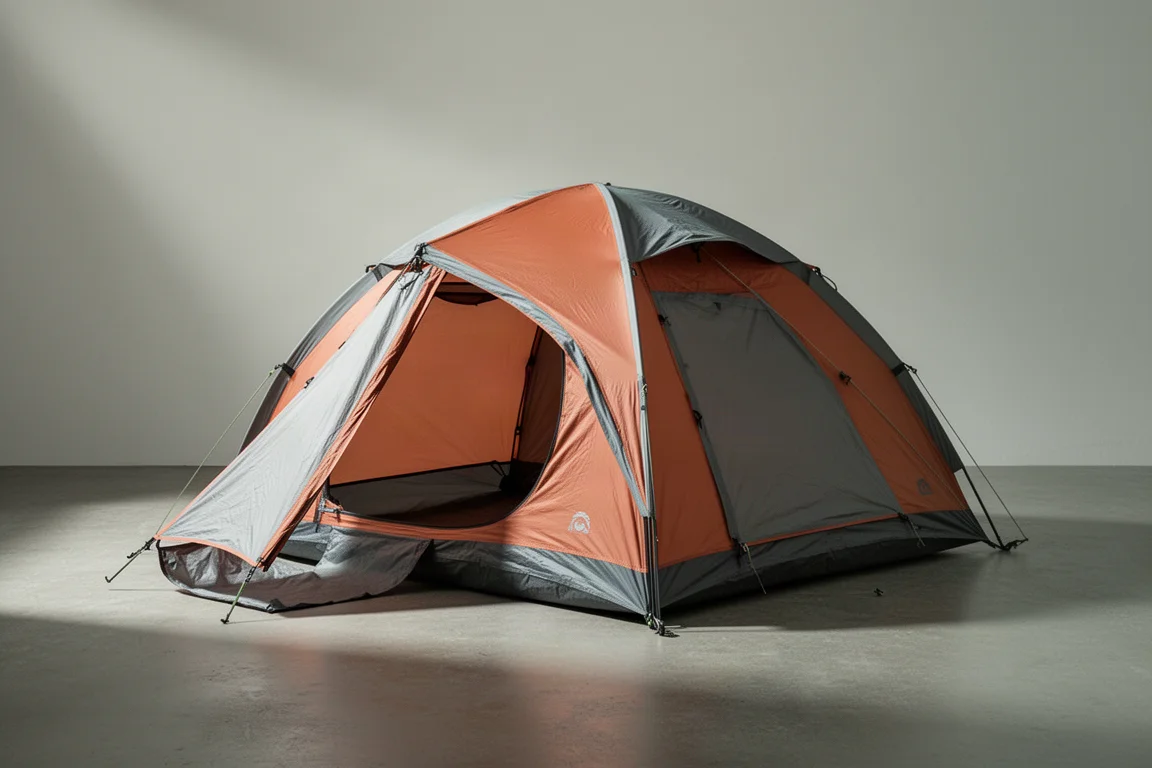
Alps Mountaineering Lynx 1-Person Tent Review: Big Value in a Small Budget Tent
A close look at the Alps Mountaineering Lynx 1-Person Tent, covering real interior dimensions, materials, setup time, ventilation limits, and who should buy it.