Ultralight Tents
Tarptent Double Rainbow DW Ultra vs Double Rainbow Lithium: Which Ultralight Shelter Fits Your Trip?
A practical comparison of the double-wall Double Rainbow DW Ultra and the single-wall Double Rainbow Lithium, covering fabric, weight, space, ventilation, and price.
Introduction
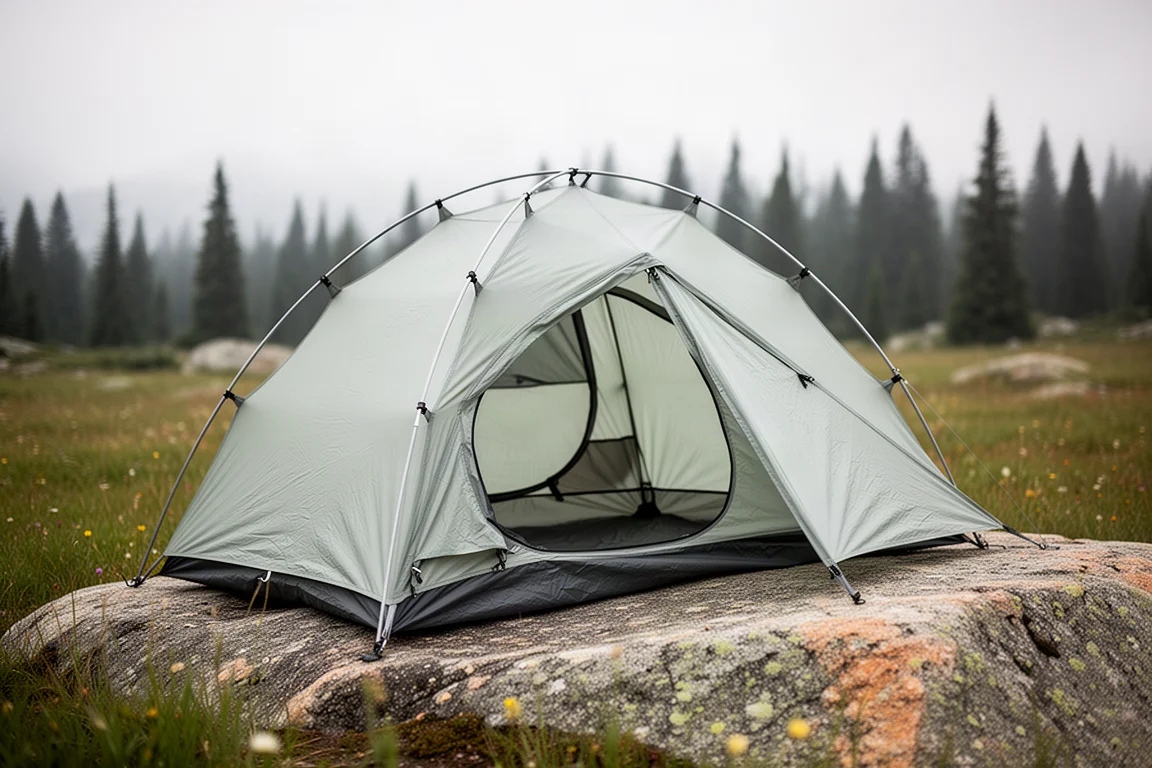
The Double Rainbow has been part of the ultralight shelter landscape for years, and the platform now spans several distinct builds. The original uses a single-wall nylon body. The Lithium followed with a Dyneema composite fabric body and a single-wall design. A double-wall version then arrived with a 20 denier polyester fly. The newest addition is the Double Rainbow DW Ultra, which brings Ultra TNT fabric to the fly.
Two of those models sit closest together on the spec sheet, and they are the two worth weighing carefully: the double-wall DW Ultra and the single-wall Lithium. They share the same footprint and the same two-person layout, yet they differ in fabric, weight, ventilation strategy, and price. This guide walks through what each one actually gives you.
Tarptent Double Rainbow DW Ultra at a Glance
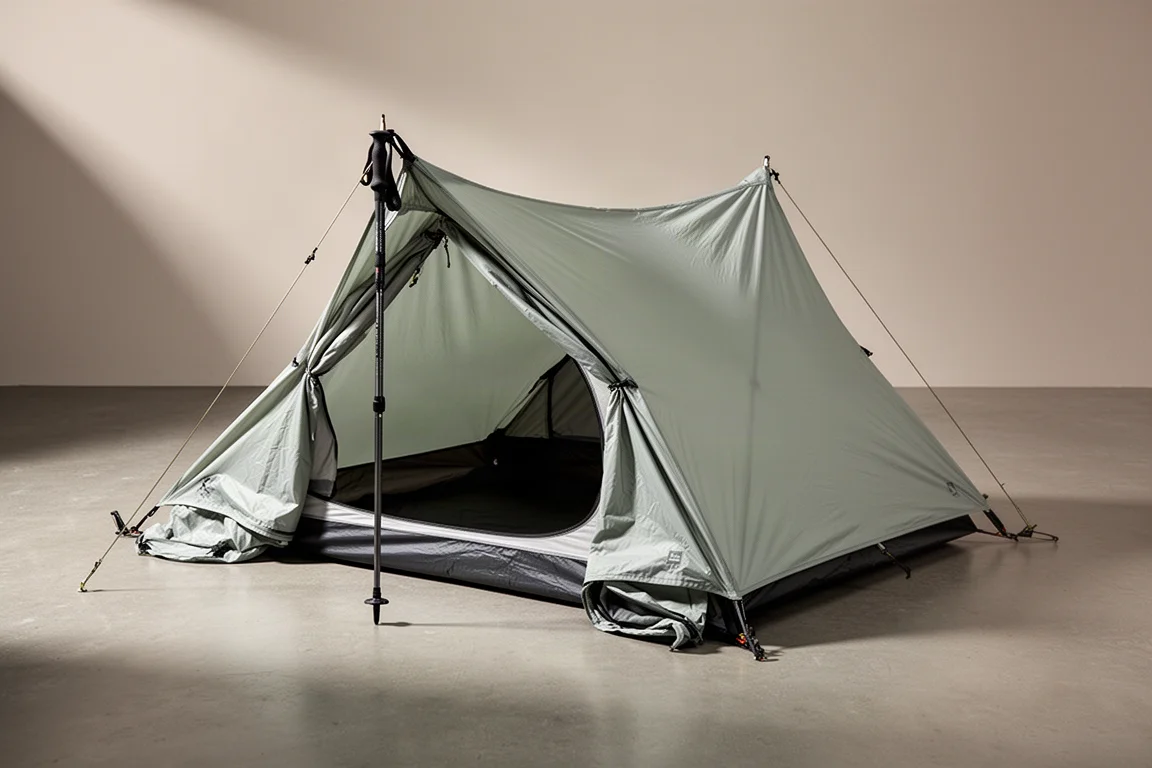
The DW Ultra is a two-person shelter with a floor measuring 50 inches wide and 88 inches long. That is enough for two wide sleeping pads, though it leaves very little room to store gear inside the sleeping area. The trade-off is a pair of doors and a pair of vestibules, with enough covered space to keep packs, shoes, and other kit outside the inner body.
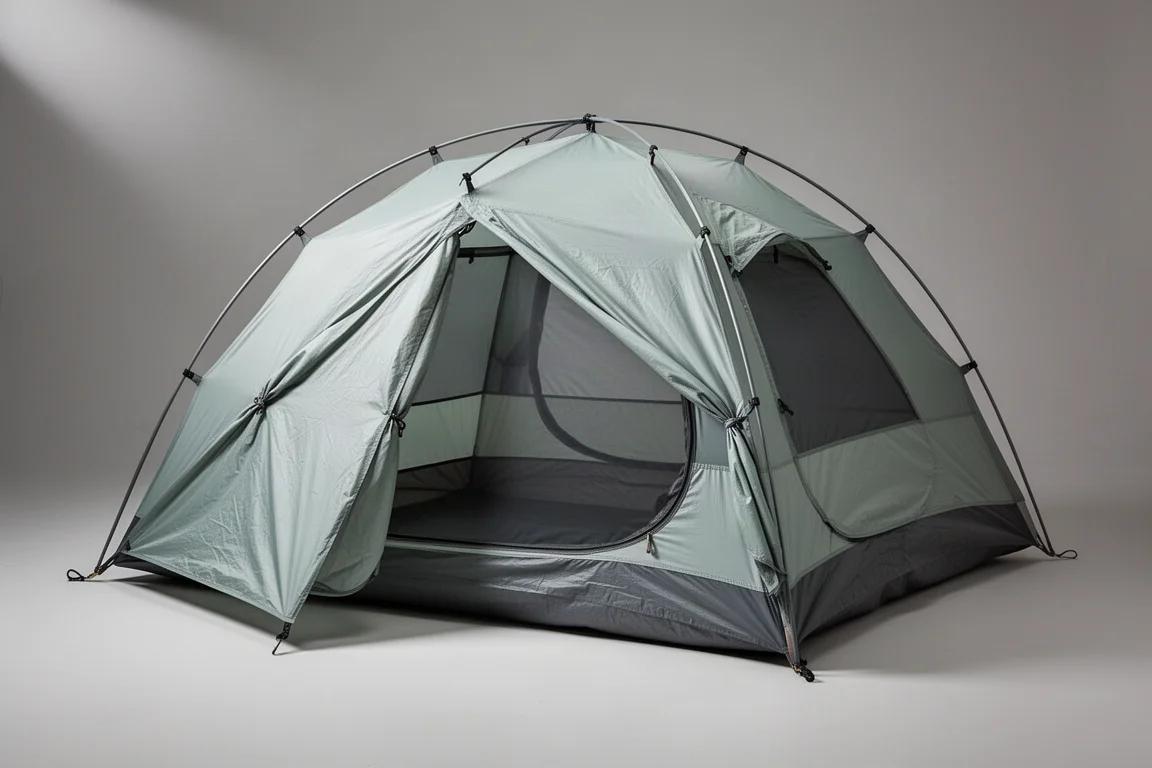
Peak height is 40 inches, which gives you room to sit up and move around. The structure is genuinely double walled: an outer fly made from Ultra TNT fabric, an inner body with a semi-solid construction that mixes solid fabric and mesh, and a 20 denier coated nylon floor. Total weight comes in just over 40 ounces with the optional carbon pole set, and a few ounces more if you choose the aluminum pole set. With the carbon poles, the price is $539.

For a two-person shelter, that weight splits neatly. Two people can divide the components and carry roughly 20 ounces each, which keeps the load genuinely light while still providing a livable, well-featured tent for a wide range of conditions.
What Ultra TNT Fabric Brings to the Fly
Ultra TNT stands for tarp and tent, and it is a laminate rather than a woven or coated textile. Two layers of Mylar film sandwich a 200 denier Ultra fiber that is laid in three different directions. The result is a very dimensionally strong material, and because it is heat welded rather than sewn, the fly has no stitch lines running through it.
That dimensional strength is the headline benefit. The fly holds its shape and stays stable across weather conditions, does not stretch, and does not take on water weight. Polyester resists stretching and absorbs less water than nylon, but its coatings degrade over time and it can eventually take on water and stretch slightly. Ultra TNT sidesteps that slow decline.
There are trade-offs worth knowing. The fabric weighs nearly twice as much as the half-ounce Dyneema composite used on many ultralight tents, though it also costs nearly half as much. And because the Ultra fibers are laid with wider gaps between them, it is not a suitable floor material, which is why ultralight tents do not use it underfoot. Here it is used where it performs best: the fly.
Space, Doors, and Vestibules Inside the DW Ultra
The DW Ultra does not have vertical walls, so two people inside will be shoulder to shoulder and quite tight. Sitting opposite each other is the more comfortable way to use the interior. What the design does provide is abundant mesh for ventilation and a band of solid fabric around the lower edge, which helps block spindrift, blowing dirt, sand, and snow from finding its way in underneath.
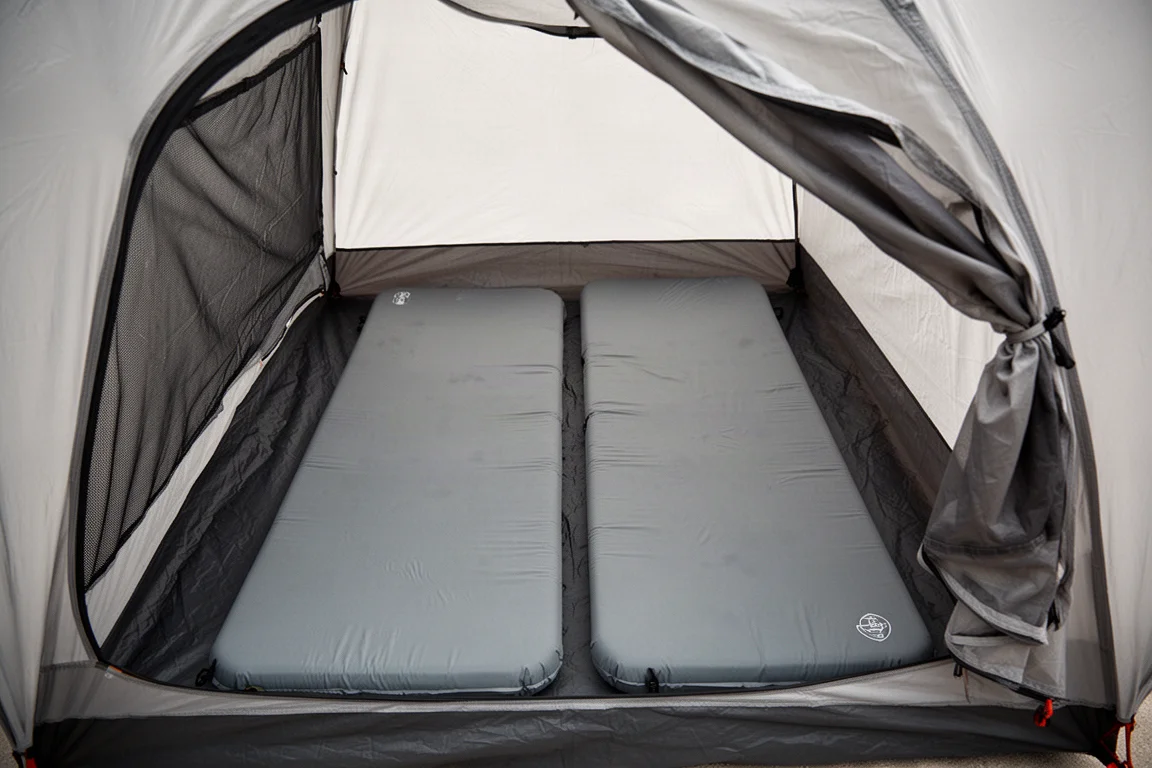
Peak height makes a real difference in daily use. Sitting just back of center, there is clear space to move around and to change layers without fighting the canopy. There are two interior pockets, one on each side, plus the two doors and two vestibules that make entry and exit easy for both occupants.
Ventilation and Weather Protection
This is where the double-wall design earns its keep. Managing condensation is easier than with a single-wall shelter, and the fly offers a generous set of venting options. The doors use magnetic tiebacks, and multiple zip positions let you open things up or close them down in stages, including a magnet at the top of the door opening.
A peak vent sits at the apex, and it has no mesh attached, so it moves air freely. The cross pole can be pitched on the outer fly or on the inner, depending on how you want to use the tent. The fly itself can be unclipped at the center, loosened at the sides, and rolled back a few turns to open up airflow, then snugged down again. Inside, fabric panels can be released from their Velcro loops to create additional cross-ventilation without leaving you exposed to light rain or splashback. At the corners, the fly can be fully unclipped and rolled back for a stargazing setup, then dropped back into place quickly when conditions change.
Stability has been thought through as well. Velcro tabs pass through holes on the body to lock the fly down, and loops on each side of the arch pole accept guy lines run in opposing directions for heavy wind. The tent is semi-freestanding, and with trekking poles it can be pitched as a fully freestanding shelter.
Tarptent Double Rainbow Lithium: The Single-Wall Option
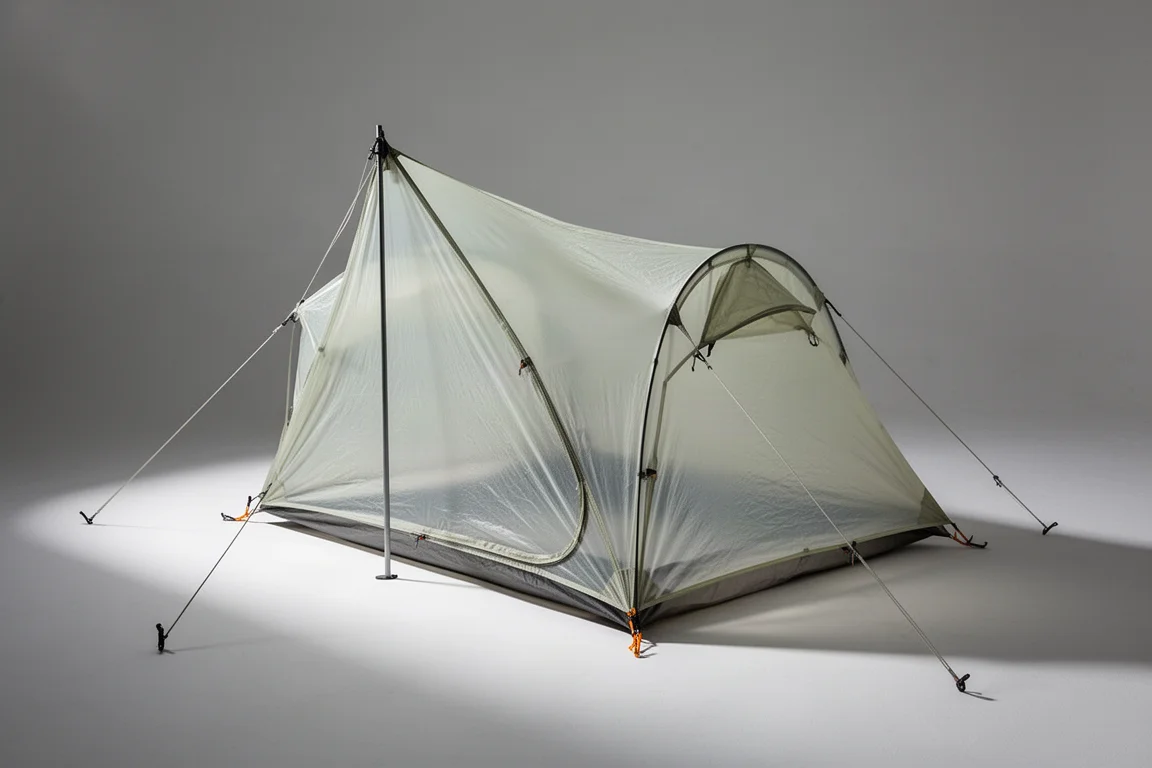
The Double Rainbow Lithium takes a different approach to the same footprint. It is a single-wall tent with the same dimensions as the DW Ultra, built with a Dyneema composite fabric body. With the nylon floor option, it comes in at just over 30 ounces and a price of $679.
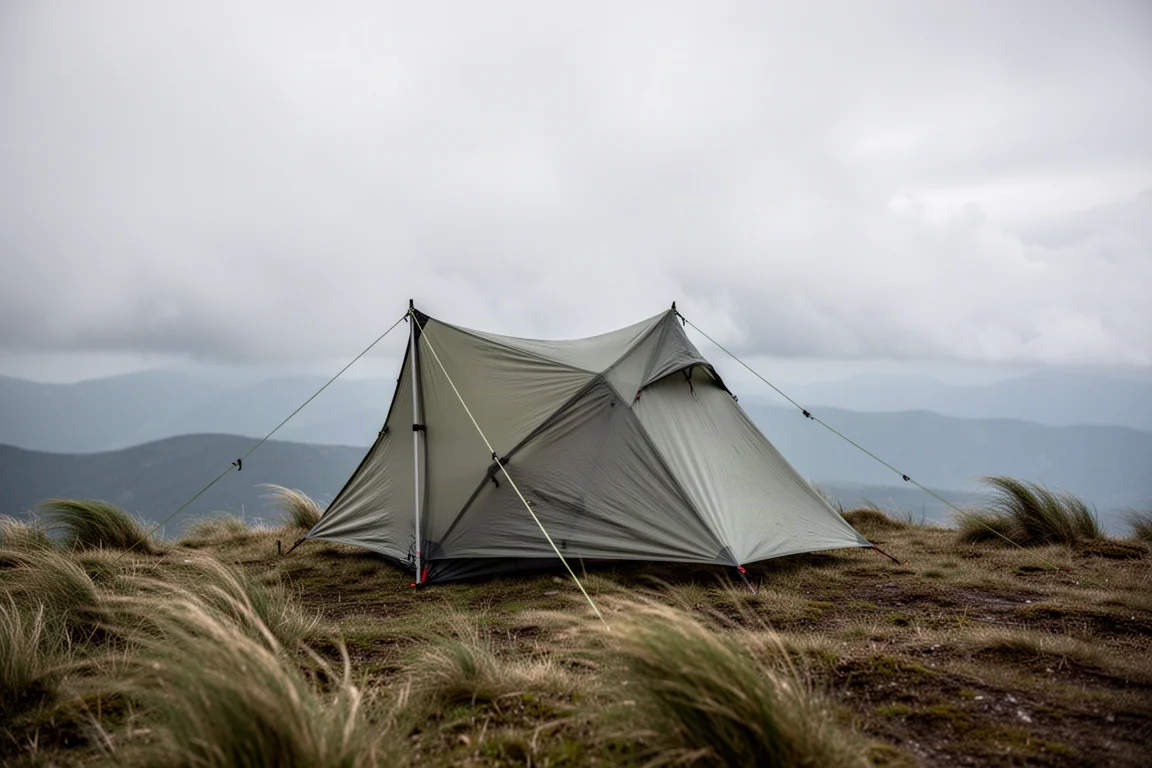
That is roughly 10 ounces lighter than the DW Ultra for about $140 more. The weight saving is real and meaningful for anyone counting grams, and Dyneema composite has a well-established reputation in premium ultralight shelters. The counterweight is versatility: a single-wall design has fewer tools for managing condensation, and it does not offer the same range of venting and fly configurations as the double-wall build.
Weight, Price, and Value
Put the two side by side and the decision comes down to what you value. The DW Ultra is heavier and less expensive, and it gives you a double-wall structure, a semi-solid inner, a broader venting toolkit, and a fly fabric that resists stretching and water uptake over the long term.
The Lithium is lighter and more expensive, with a premium fabric body and a simpler single-wall construction. Neither is a compromise in quality. They are simply tuned for different priorities, and the price gap maps closely to the weight gap.
Which Double Rainbow Makes Sense for You?
Choose the Double Rainbow DW Ultra if you want the most versatile version of this platform. The double-wall layout handles condensation more gracefully, the venting options cover a wider range of conditions, and the Ultra TNT fly should hold its shape and its low water uptake over many seasons. At $539 with carbon poles, it is also the more accessible entry point into the premium end of this tent family. It suits two people who are happy to split the load and want one shelter that works across a broad range of trips.
Choose the Double Rainbow Lithium if saving weight is the priority and you want a single-wall shelter built from Dyneema composite. Just over 30 ounces with the nylon floor is a serious figure for a two-person tent with this much interior space, and the $679 price reflects the material. Riders of long trails and fast-moving backpackers who have learned how to manage condensation in a single-wall tent will get the most from it.
If you are genuinely torn, the honest answer is that the double-wall version is the safer all-rounder and the single-wall version is the specialist. Match the shelter to the conditions you actually camp in rather than to the number on the scale.
Conclusion
The Double Rainbow DW Ultra is notable for introducing Ultra TNT fabric to a tent for the first time, and it earns its place in the lineup on more than novelty. The laminate brings dimensional stability, no stretch, and no water weight to the fly, and the double-wall build around it is thoughtfully detailed with magnetic tiebacks, a mesh-free peak vent, roll-back fly sections, unclippable corners, and guy line loops for serious wind.
The Lithium remains the lighter, premium alternative for those who want a single-wall Dyneema shelter with the same interior dimensions. Both are well-considered takes on a classic ultralight design, and both make a strong case for themselves depending on how you travel.
Further reading
Related Reviews
Ultralight Tents
Sierra Designs Mojo UFO Review: A 1.66 lb Two-Person Tent That Only 50 People Can Own
A rare ultralight two-person shelter built from Cuben fiber and carbon fiber poles, weighing 1.66 lb complete. Here is what it does well and what it costs.
Ultralight Tents
Durston X-Mid Pro and Zpacks Offset Duo: Two Ultralight Trekking Pole Shelters Compared
A practical look at two trekking pole shelters with very different priorities: the compact Durston X-Mid Pro and the roomy Zpacks Offset Duo.
Ultralight Tents
Gossamer Gear The Two Review: An Ultralight Shelter That Pitches Fast
A practical look at the Gossamer Gear The Two, an ultralight single-wall shelter with two doors, factory-taped seams and a packed weight under 900 g.